














Perspectival realism is a philosophical framework that reconceptualizes scientific knowledge as the product of situated, culturally and historically embedded communities rather than as a correspondence between mind-independent reality and scientific models. This approach, developed by philosopher Michela Massimi, challenges the traditional dichotomy between realism and anti-realism by proposing that scientific models function as 'inferential blueprints'—exploratory tools that allow scientists to ask questions about what could be the case, rather than as representations that must map onto essential properties of a target system. Massimi argues that scientific pluralism (the existence of multiple models for the same phenomenon) should be understood as a feature of scientific inquiry rather than a problem, and that reliable knowledge emerges from the intersection of different perspectives through stable events and robust phenomena. This framework opens space for recognizing local and experiential knowledge as valid forms of scientific understanding, while avoiding the pitfalls of relativism.
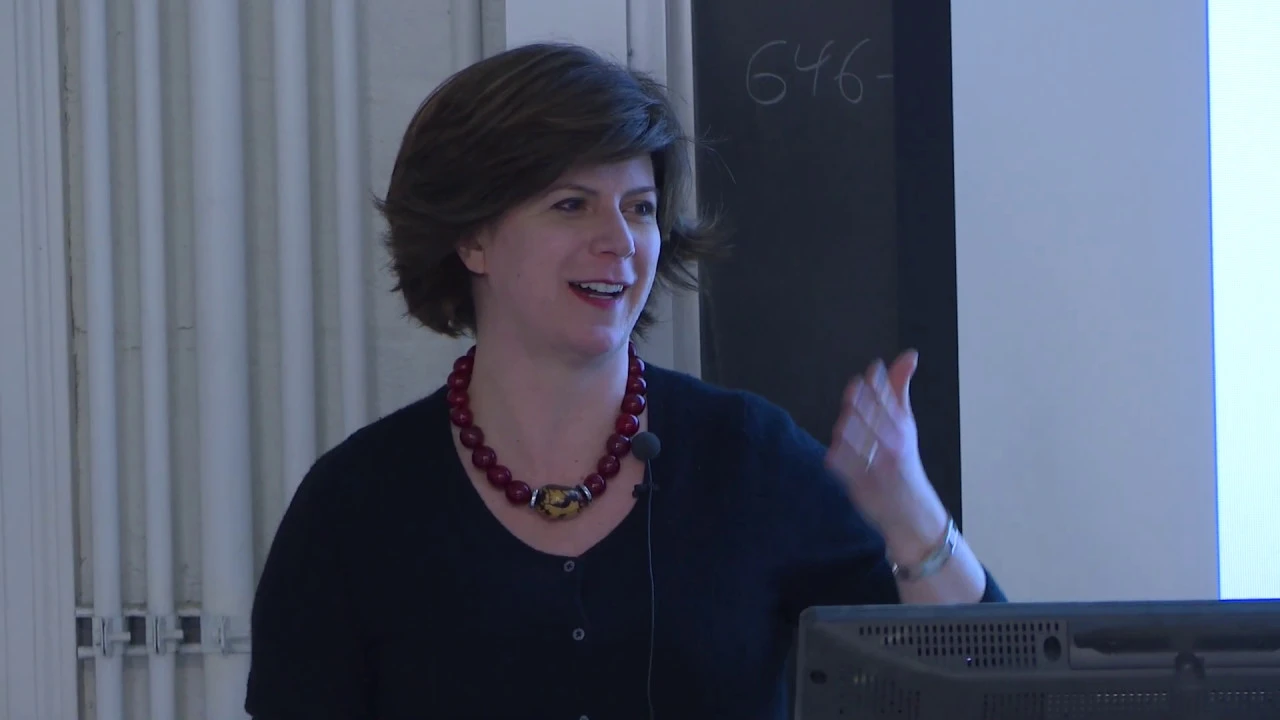
The Multi-Level Perspective on Scientific Realism with Michela Massimi
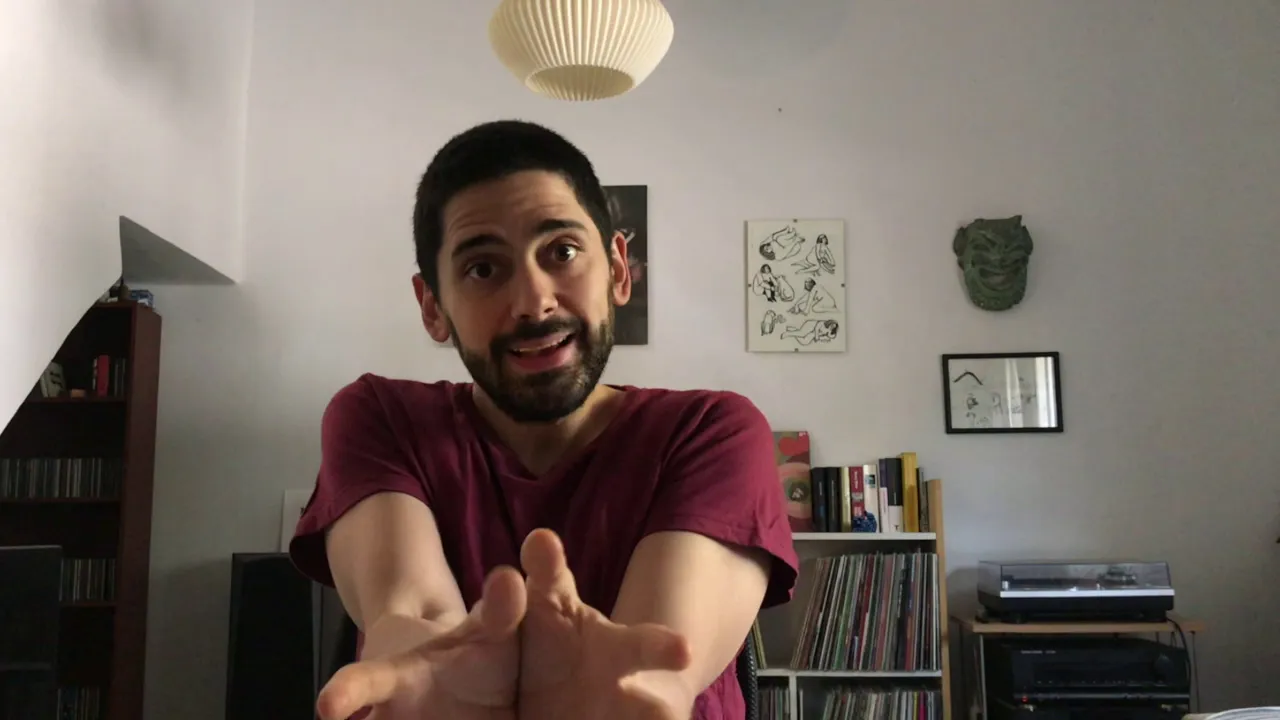
Added:the problem is how do we model reality from our situated bage point so that we can understand comprehend and produce the epistemic fit of science that we have produced over centuries and Millennia reality is not there on plained for us to discover and it's not a matter of us stepping back as if we had a god of view and say Here's the model here's reality we're always in the model we're part of the model we're part of the modeling the purpose of the model is to be exploratory allow us to ask questions about what could be the case what is possible about the objects that we're trying to study there's a point where all this part intersect and interfin and scientific knowledge is the product of humankind a large we it is not just a bunch of buildings and squares or streets a city is the the the piercing tensions Al the feelings of the people that leave the city hi Michaela thank you so much for being here today hi Andrea thank you very much for having me it's great to see you and talk to you I want to talk about perspectival realism your book mostly today in one word that's big or important in that book is community so to start I want to think about that word and how you found your community in terms of philosophy I was trying to imagine when you were a kid if you were reading a lot of science books or CU you you seem to know so many science stories and then also how the philosophy came in the philosophy Community how you got into that how you found that yeah know thank you wow so how do Ione Community when do I start my I start from the beginning so you ask me how I got interested in philosophy so I as you can tell from my accent I'm born in Brad Italian and a great thing about Italian system is that philosophy is actually thought as a compulsory subject in most senior School streams so I encounter philosophy pretty early on at the age of 14 15 when I was in my first and second year senior school and I still remember I still remember the moment I remember my teacher I remember where we studying Plato and the theory of knowing as reminiscence and I just I remember I was completely uh amazed and anded by the subject and then I started reading by myself during the summer holiday I remember Suggestions by my high school teacher about play dialogues and other small things that she suggested around Pascal and others and so I I just developed my own interest in philosophy but I've always been interested Al in scientists so I used to I used to read again day kind of popular science books mostly on physics cosmology just very simple ones you know but uh so when I had to choose what to do at the age of tin in Italy I was really torn because I really wanted to do physics but then I knew inside myself that really my passion was for philosophy and uh and I just yeah I just couldn't let it go so I decided I was going to I was going to do for a degree in philosophy and that doesn't mean that met my community at that point I met some important mentors that have been inspire iring for I think some of the work that I've been doing all so had you met Kant Emanuel Kant actually through some of those mentors so my teacher of philos of Science in in laen where I graduated somehow had a kind of c new C upbringing so the name of count would appear and obviously count would be everywhere in Italian ccul you know theoretical philosophy that will be counted practical philosophy that will be counted Aesthetics that will be absolutely everywhere um it's really fascinating to me that you have so much philosophy in Italy so different from the way it is in America yeah I think the the Italian curriculum especially at the time so it's a pre reform I think that reform it seems but back in the day 1993 1997 was still very much very much historical in the kind of curriculum and so was really pretty much everywhere there an Noor so the sort of water that yeah we stud was Playdoh IO of the car I don't even think we we got to C in in secondary school so yeah the encounter with C was was later but it wasn't really until I graduated and in fact until after my PhD that I went back to C my PhD I was doing pretty much history of physics and history and philosoph of physics on the AR Theory but I've always had an interesting count confence so it was really after my PhD that during the St that I went back to C and I discovered this old prend of philosophers of science that had a Canan kind of interest and were working in the Canan tradition think Michael Freedman for example has been a very influential figure in is kindan take applied to the history of physics so you already loved science and physics when you were really young but you felt more like you you just wanted to understand the ideas of it or something because yeah you did your PhD combining both of them and of course they've always been connected we separated them and yeah now they're maybe they're coming back together was that important for you too finding a way of holding those things I mean physics itself as I think of it is doing that sort of holding the philosophical and the scientific in a special way but what I loved about physics was we you know the big idea the big concept the questioning of reality which is not necessarily what actual working physicist you know have to have to do on a daily basis there is a lot more kind of practical ASP that'ss involved in doing physics and what fascinated me about physics were really the big questions so my kind of L dissertation which is what you do at the end of your four year on the gra degree in Italy was on the Bor Einstein debate on the concept of physical reality so wonderful the Rosen and the ban interpretation and again found this absolute G because it's it's one of those debates which is really deeply philosophical about what is thear we define an element of physical reality where we draw the line between the Observer and reality and so that that's what really fascinated me and I think that you go back to your question about fun in the community I thought yes so this is this is where I see myself going this is what I want to study that kind of questioning yeah profound philosophical questions I think some of the best sciences no matter if it's physics or biology or else typically typically do going down to the very foundations of um questions about knowledge and and reality so I found my community a bit Yeah in in that way but then as I said I went back to C but so but I Contin to work in that area of history of philosophy of the physical sciences and uh developed the more historical interest in cism and uh but I think for a long time I was really trying to find some kind of a own platform where I could uh address the sort of c and questions about house knowledge possible and engage with questions about you know reality science or Trace signs reality and it really took me a long time to get to GE respectiv ISM because I couldn't really see what was the a genuine question that was really interesting from a philosophical point of view uh I didn't want to fall back back into some kind of updated that quot on me about I don't know the categories of the understanding and reality of the phenomenon and the nor and I thought that all that really didn't find necessarily A Part in contemporary science and then I encounter wrong his book and I saw okay this is an interesting way of addressing the sort of questions they always been interested in about the natural physical reality and the role of us human being in standing in that physical reality without necessarily falling back into some sort of platitudes or okay the object and the subject or did me that you talk about he really tries to get past that I think he talks about di I don't know if it's in that book or in papers or in in subject object but the reason I raised K and the reason I'm also trying to figure out how you found the community and philosophy and physics is because exactly that question you raised how is knowledge possible I feel like with your work you're opening a different space we just met but you do know that I'm kind of obsessed with this getting beyond the dichotomy without rejecting it and the either or and I'm trying to see in your own life if if that was a question that's posed when you came into this environment did you feel like you had to choose you had to choose between philosophy and science or this kind of mental exploration and physical exploration in this question of how is knowledge possible to get closer to your work is the world real are we going to talk about realism or are we going to talk about anti-realism did you feel those pressures to choose your side early on or were you always trying to open up the space maybe just opening it up naturally yeah no absolutely it was a constant constant struggle to overcome know theous choices you other especially the system where I grew up it didn't really allow any combination of physics and philosophy so in the UK where I now live it's obviously possible to combine the two so there are degrees specializ in philosophy and physics but that was impossible in Italy at the time definitely in Italian system I grew up it was impossible so it was a very Stark choice either you do humanties and you do 19 exam philosophy and only philosophy or you do physics and I remember I started kind of subverting a little bit sh by going to physics and auditing classes but I could like not take them for credit which I always regret because I think you know I would have had a much better education if I were Al to actually see those classes and and do the the cours work like the others couldn't use it for credit but you just went anyway and no they wouldn't let you put it recogniz I remember just going because I was interested and I took some classes with at the time was in physics inan but just really auditing just sitting in the class and uh I remember yeah when I Was preparing my f spending a lot of time in the basement very dusty basement of physics department in the camp the main campus University campus in is that where all those B Einstein documents were yeah so was those arees where you need to turn I remember it was really spooky I was the only one there there was no one around there was just books covered in that because obviously at the time right now you go online you click and one click you get the epr paper on your computer but at the time it was not digitized so you had to go down in the basement uh yeah which was exciting so it was part of the field of slly subt that early on you were pushing into kind of that new space I don't know if you would agree with this but your book perspectival realism feels to me like it is opening the space of dichotomy the way you put it together assumes a space around things that were once considered choices you had to make in the way that you've kind of described the way the Italian system was that's how I see it no absolutely so when later on during my PhD or in my postto here I I kind of started deling to debate of realism in science it was very clear that again it was this other that called me you either are stif realist or you are an anti-realist and obviously there are different nuances and families of realist and anti-realist but there is really this Gap in between and so that the big problem was uh you can't really be realist about science if you take seriously pluralism so at the time really the background and also think the background of gir's book is really pluralism sensitive pluralism and there was this Flur of scholarly work that's been influential for me alter the pluralism um where philosophers were discovering the importance of a plurality of method plurality of explanatory uh modes plurality of approaches and so forth um but all that debate about pluralism was very often um presented in the light of VAR antirealism so if you're really pluralist then you can be a realist because to to be a realist about science there is one way and one way only in which you know theories are the true or false obviously and you know the P theories IM mature science are approximately true and uh past theories uh that being rejected were false so there was no middle way of kind of understanding what it means so a way of overcoming the doomy was really through the situated knowledge thesis so something that came from the feminist literature feminist philosophy of science standpoint Theory and epistemology so I thought probably a better way of asking the question about how to be realist about science but also you know give you credit to the fact that it is a pluralist Enterprise is not by starting with question of who look there's this Le models and that make contradictory or incompatible assertions about the target system how can you be realist about that one of them must be true the others must be false or what is even the purpose of any all this plurality models so you know way the problem of inconsistent model was what got me into this debate in of s but I thought the way of overcoming the theot me was by stressing the situated knowledge thesis the idea that you know if we start with the human standpoint the our know is situated is the product of communities they have historic and cultural situated actual real people at real time that live in a particular culture have access to particular resources and so forth then the question about realism is not a question of how we map the model into reality and why we have this plurality Model Z just for reality there but the problem is how do we model reality from our situ uated bage point so that we can understand comprehend and and produce the epistemic fit of science that we have produced over centuries in Millennia so that became the project of the book I love that I I noticed the terms coming from femin feminist studies and so on even like the intersectionality it's interesting to make that connection and you in the book I one thing I really love is you do call attention to that we often start with the models and say that they're incompatible therefore you must be anti-realist if there's so many different ways of getting there if so many different models it must be that we can't even ask the question of the target system which after you read your book and you kind of look at it in a different way it makes not a lot of sense right if you go back to lived experience and you go back to the phenomena and so on then you can see how these different models might um build up from different experiences you talk about paths and Gardens and Landscapes and that's something I'm Al in common with me interested in it as I was reading your book I I was thinking well it's almost like saying okay there's many different paths to the Fountain and the garden you speak of gardens a lot so there must be no Fountain which is actually weird when you flip the script the way you did it becomes almost the opposite if there's many paths to the Fountain the fountain is probably there at some point they will appear this meand pu precisely because all pu at some point intersect exactly so yeah no I think you nicely summed up the book um so yeah I think one of the problem is that the traditional debate of realism and antirealism for sense for many decades has always been reared in the form of this sort of yeah God's view on you from nowhere that here is science and here is reality how do the two talk to one another is there a way of showing that your models or parts of your model mapping to parts of the thus system and then obviously the problem System model is what if you have many models for the same Target system so some of the literature start wentward from nuclear physics and models of the nucleus why do we represent the nucleus in different way sometimes it's just a collections of by nucleons that in terms made of quirks according to chromodynamics but if we want to study say nuclear ficient we use a different model we use the liquid dra mod so we represent the nucleus as a as as a squeege bubble in compressible nuclear fluid and if we want to study other phenomena like stand up nucle synthesis then we use another family model the clust model so philosophers after one wondering why is it we have thisum what can we really say about the nature of the nucleus if we have this model but that as I said it took me a long time to figure out what what was the problem really with this impacts so the people were describing once in that pluralism should land Abol s into some kind of anti-realist View and what is the value of the pluralism pluralism not as a problem pluralism not as a stumbling block plalism is actually a bonus of what some inquiry is and and so not some kind of I don't know kind of collateral collateral damage of scientific inquiry that you have all these communities they come up with their model somehow okay we need to we need to make sense of it but actually as the typical example why does communities work as well as they do by producing the plurality of models and so the question for me became the question of exactly going back to the curent question how is knowledge possible how is it possible for human beings like us they are historical and culturally situated how is it possible for communities working qu chromodynamics as opposed to sell synthesis or you know any other area to produce knowledge through their modeling practices that is reliable knowledge that doesn't have to be picked against one another by such part of the fabric of knowing that those communities many plural communities produce over time without necessarily having to pick and choose and who's right who's wrong what is the best model what is the model and and what is the value of the others if they're not the model and so that became yes so that became the motivation behind the book and attempt to tell a story story from within the scientific practice and and looking really at modeling as the practice of what what perspective does so perspective is in my language really the historically culturally situated practice of a community but what the practice does is to model reality to produce what I call P modeling and the modeling doesn't just include the models it includes inferences that we make from the data to the phenomena by the models bya sometimes experiential practices and noow that is not necessarily relying on any sophisticated models so have that kind of General stake on what is a scientific practice and what are the epistemic communities communities capable of knowledge but once once you you po the question in that way then reality you know we encounter reality in a reliable way precisely by going back to what you were saying I use this metaphor taking from orus Walking In The Garden of walking path by making inferences that we learn how to refine and improve and and and and and and and make more and more sophisticated of time so that we know that we're never lost in our wandering at the same time you have to go through that kind of zigzagging of inferences and you know um producing modeling that um eventually give us that knowledge of reality reality is not there on plained for us to discover and it's not a matter of us stepping back as if we had a God view and say Here's the model here's reality we're always in the model we're part of the model we're part of the modeling per yeah yeah exactly and it changes as we know it that's a basic thing of physics too right but is I guess it's really hard to hold all of this I mean I can't understand how even in my own life or when I study that you just want something definite and because the thing is it's not not just one Garden right or it's not just one city I mean this is very bores like too but it's almost like a matrix of many overlapping multi-dimensional Gardens and matrices and so even though all of that is connected in the way you say and changing each other it becomes hard to talk about it once you understand that it's there you almost go into metaphysics or you almost lose this robustness and reliability which are important words in your book and I think one way that you could counteract this or open up A New Path is you're kind of telling us a different story of what a model is but you're not just stopping there I think this is how you develop the idea of the blueprint maybe right yeah so yeah kind of zooming in into the detail of how you know this is done in the book and the kind of positive view apart from okay going beyond the the go between realism and realism or pluralism and realism then the question is uh how do we know that we are making reliable inferences from within our situated knowledge how do we know that you know we're not subject to hallucination or ref whenever we produce it's just a figment of our imagination and maybe doesn't really exist or you know that's the threat of anti-realism that keeps on coming back as as soon as you again put the human standpoint to Center Stage even through this I said the feminist uh idea of situated knowledge thesis but that question keeps all coming back but how do you know how you know they reliable how do you know they are not you know ending up in some form of idealism or I don't know constructivism or whatever you want to call it you talk about stable events and I think about regularities and it's almost like we're trying to figure out how we're talking about the same regularities yeah so that there's two components in the book so in the first part of the book I try to explain any kind of the epistemology so how do we come to know the world in a reliable way of infal blueprints what is a model how we use those models to make those reliable influences uh and in the second part of the book I address the metaphysical questions about what is reality going to look like once we take that step assuming we're willing to take that first step of situated knowledge thesis and so the in fral blueprints is really kind of going back to the metaphor of perspectivism what does it mean to drawing perspective and so back to the history of art it means to be able to represent on a two dimensional canas effec a three-dimensional space means we are able to skillfully arrange uh planes and angles so that we can give the impression of a space that opens up in front of us even if we're just it's just a PL canvas uh and so that got me thinking about what is so special about modeling is exactly that we encamp the reality through those exact technique of opening up a space of reality which doesn't mean that the space is not real the space is real but it's a space that we have to open up for ourselves by using those mods as differential Blueprints and so the idea that really and something that I I want to stress is that very often people think oh well drawing is just an example of as human spectator of nature so kind ofers of Spectators and nature but no because actually the image of the inferential blueprint is patterned on perspectival technique in architecture so the example I gave is you know building a a a house you need a blueprint which was this technique used before cerography became common and what you have in a blueprint is effectively a collaboration of engineer and architect and Carpenter and Mason they are able to use the blueprint as a way of exchanging instructions about how tall the door should be what the relation between the height of the door and the height of the windows so on and so forth so I see models as having that role of allowing different communities of people doesn't matter whether they are I don't know nuclear physicist as opposed to a chemist or biologist to come together and exchange that information in a way that the inferences that we make ultimately uh are reliable are influences that we can trust upon and that lead us to what I call more little bus phenomena so the second part of the book is the part where I try to spell out exactly what means to be a realist on you take the step and how they looks like so I introduced the king of term like phenomena stay body bands and and support I'm not sure we want to go yeah the reason I brought it up here is because something I want to ask you about or get your advice about or ask you to unpack more is okay so realism is connected to truth and representation broadly and then you're showing us a different idea of the model and what you just described about the blueprint I love it in the book that you go architecture and so in the way I was clumsily talking about all these paths leading to the Fountain blueprints that's a better example because you have to build the house and it it's almost like a I want to say third space somehow the model or the representation are those different I don't know I would like to know what you think is the space where everyone can meet somehow the blueprint becomes a place where we can when you're building a house you need many different kinds of people with different kinds of skills but then you have this place where you can all meet and talk about it in a way and I guess what the reason I brought up the stable events and regularities is because there is this real thing going on that we're all seeing from these different perspectives and the model gives us a place to what I don't know how you would say it meet discuss all of that together some yeah exactly so that the modeling so the persp modeling is the water practice of making inferences about those phenomena the models are some of the key tools that we use in that P modeling but I insist it's not um modeling is broader than models because it's not just about the models we can have a persal modeling of reality using experiential know how or local communities that don't have a model don't use models as you understand the concept of modeling the way I was just explaining before with the other models of the nucleus for example so the model going back to the kind of more there the example from from nuclear physics so the m is really the the place where as you rightly said the different communities doesn't matter if they're working on nuclear physics or chamic or whatever meet and they can exchange information make inferences that's that's why they're called inferential blueprint so it's the place where the inference takes place it's inferential space where we come to encounter reality and and we do that because we have a sophisticated way of using those models as a way of imagining or c pering what the object may look like within the constraints given by some laws of nature or like dependences so the imagining is not totally unconstrained and it's not totally free flow it's actually constrained by the practice that includes obviously background knowledge on whatever the you know the low like dependence in the community happens to know but then there is a point where the rubber hits the road so how that imagining and conceiving about the Target system proves uh reliable or not so this is where stul events come in place so if you ask me about where is the realism in all Story I mean we have to tell a story of realism from within from the situated vantage point of particular communities and they're encountering each other within the space of models as inferential blueprints however know that the inants of making are trustworthy are reli are actually telling me something about what the nucleus is or whatever the object I'm studying is and so this is this is where the St events come in so I'm a realist in the sense that I believe that the world is made of events that are St in the sense that they have some kind of uh inbuilt L likeness in the way in which an electric charge is repelled by a magnetic field that that for me is a stable event in nature it's there and would be there even if you know jit never existed so whatever model J Thomson or any any other scientist that come up with to explain you know reality there's a point as said where the rubber hits the road which is the point where those stle events effectively can constrain the space of the inferences that we make and then guide us uh very often down different paths so as I said this process is never a process of convergence it's never a process of one to one mapping but it's a process of think ding running our way through yeah borgus g no inferential foring path where we have to make inferences about what is the yeah what is the size of this object that we are observing as being deflected by a magnetic field that seems like the same size of a adren or is actually smaller than an arren iion so we we rely on know like dependencies to make those kind of inferences and that's what stable events do they kind of constrain the space of possibility that we explore through moral and that's that flipping the script part that I really love is the stable events are there before we've named them in a way it's weird because we use language and it's kind of this representation and model within itself I don't know if you would agree with that you talk a lot about language and one of the examples as you're building the positivist um case for perspectivalism and by the way for everyone listening I do want to say that you spend many many chapters going into for example that positive case and talking about the climate change language really building it up with a lot of great nerdy examples so like there's a lot of substance here for everyone to go and look at but since we can't talk about all of that I guess the thing I'm trying to get at is you start with that what I've thought of as regularities stable events things that whatever you're going to call them or how however you're going to model them they're there phenomena right and maybe this is a moment to kind of get into natural kinds a little bit and also this confusion that we of have which is connected to what we were talking about earlier of assuming that we then you say it in a great way something about like we have to determine the essential properties of the target system that becomes that's a metaphysical kind of thing that gets confused somehow right but how are you shifting this idea of natural kinds maybe or or maybe you can just even correct me a little bit in what I'm talking about there about thinking more of these regularities first or these stable events and those being like a natural kind which we continually figure out through this representational practice which isn't determining essential properties of that Target system yeah no thank you it's a lot you come summing up like five six yeah it's and it's really yeah there's a lot you really a make the case very deeply in a philosophical way which you have to do because it's so much assumption just around a word it could easily be like oh this is just essentialism which you definitely show it isn't over three chapters but yeah yeah so yeah I'll try to I'll try to be brief in the answer I go through chapter so your book is there for people to really for everyone that wants to yes going back just to make it things probably more kind of tangible with the example of the problem and consistent model so one of the one of the problem with the realation show very often is being that this idea that the World CES PR package Winer kinds so there is an electron there are uh you know Atomic nuclear know lemons you know whatever in the natural kind water and so forth and the idea is that the of sence is to tell us the true story about this uh card the joints of nature by identifying correctly what are the essential properties of those objects so that's the way in which the debate in philosophy science for many decades proceeded some kind of you know debate on realis about theories theories being true or false going hand in hand with the metaphysics of nature that just buys into the picture that the world comes prepackage with soci kind and such kinds kind considering properties their essential property kind so to be an electron is to be a particle that have spin one off negative electric charge those are all essential now if you take that picture it's very difficult to be pluralist because then you get a plurality of models as we were just saying before that seems to attribute very different essential properties to the same Target system so according to the liquid draw model the nucleus has the essential property of being a drop the compressible nuclear fluid but according to the um Quantum chromodynamics model the nucleus is a bunch of quirks so those seems to be very different metaphysical picture very different social property how can we be realist about that so my way of turning the script and kind of say okay there's something not quite right in this way of answering the question is to show that well again if we take this View From Within so from within our practice or modeling reality and we take models as inferential blueprints the purpose of the model is not to attribute essential properties to the Target system in fact we don't even know that there are those essential properties to start with so that's an assumption that we start with the purpose of the model is to be exploratory is to allow us to ask questions about what could be the case what is possible about the objects that we're trying to study so that's my take on anti-essentialism and I'm take foundationalism in the sense that really the whole way in which the debate on realism was originally post and the the Cy with pluralism started because we were making some pretty strong assumptions about the naturual physical reality and once you make the strong assumption then obviously realism sorry pluralism becomes a kind of weird kind of stumbling block to explain why the model is a representation of reality so in in a way of bypassing all that and coming up with a different story of how to be realists while also being a pluralist about science I I came to kind of articulate this VI as I said different chapter but so I'll be brief but are three main elements in this kind of metaphysics of reality that um I I explore in the book so there are stable events there are modly robust phenomena and then there are natural kinds with the human face or an intial of natural Cur I'll say very briefly what each of those elements are so the steple event is the simplest kind of realist commitment to that as a realist I have is as I was saying before I believe that an electric charge will be repelled by a magnetic field okay that's part of the fabric of nature of course I need an instrument I need the capary tube to even know that there is such a stable event to be able to explain it so in a way we're always within our perspect modeling but there's a sense in which that reality is there and will be there even if we didn't have a cab R it's not a cab r that create some kind of a figment of the in ination about the electric charge being repelled I think about like Amber or however they used to do it was it with Amber and something exactly and you they attract pieces of paper right I mean just have that experience without having understood it named it and all this but if you want to do that you need to develop these models right that's right so if you want to have an understanding what goes on once it that the Amber attracts PES of paper then obviously becomes exceedingly complicated because you need to come up with a with a theory that tells you was all on the subatomic level and obviously it's a fascinating story of Tom so that is all partially false you partially true VI of what the electron was but somehow you know he was the one that discovered the electron got price for it because he was able to measure with Precision this this kind of stable qual like event in nature how how there is a Master charge ratio that tends to to remain fairly stable uh so this is the simple level of stable event then there's a level what called the Moda this is a metaphysics and because it's the idea that really our knowledge is knowledge of phenomena but this phenomena are effectively s events okay that we have been able to infair and reair over and over again using different models different techniques so it's it's in your example is the fountain that we meet at the of the garden there's a point where all this partow intersect and interfin and and you encounter realities where they intersect what we encounter is what I call the M robust phenomena that can be sometimes incredibly complex things like global warming so is one of the key studies I discussed in chapter 4 a of the book or the stability of of um particular Isotopes so at the level of phenomena we're not talking about things we're talking about phenomena like stability of aan kind of atoms or we're talking about exactly um global warming in the sense of how do we measure the sensitivity to Greeno gases in the um mean Global s temperature of the planet and so forth and then there is a a final LEL which is notal kinds with the human face borrow from where the human faces borrow from P had this 1990 book realism the human face so I develop a view of natural kind as an inferentialist VI and I have to say they been a lot of kindes windling and I share the sentiment that you know there's good reason why it's been kind of a twin Ling over time the fact of the mother is that we use terms in our language every day we talk about water we talk about electron and we talk about atoms and global warming and you know climate and those are natural kind terms are terms that in philosophical language refer to to the joints of nature then the question is what can we as philosophers say about those joints of nature so for me the story about essentialism already gone up of the window in chapter three of the book Because as I said that was the main stumbling block to my whole question about how to be a realist and a pluralist about science and I thought the only way of being a realist and pluralist is just by getting rid of essentialism and getting rid of this idea that the model represent by attributing essential properties of system so the the question then is okay what becomes a Nal kind what is an electr if you are a perspec realist and so the story tell is that well natural kinds are just concept sof up concept concept that we used to sort phenomena into grouping they are open-ended revisable and are grouping of phenomena so the level of reality is the level of the stable event and the phenomena stable event that being in Fair and we fa but that's all there is really so we hang on to the categories of natural kinds because they are part of our natural languages we talk about theories of the electron theories of water and and so forth but if you ask the metaphysical question what is there I would just say what we have our open-ended grouping or weing an identified phenomena then obviously we can change your rice as we discover new phenomena but again the grouping is not kind of the grouping is the outcome this working in the garden of inferential foring part so the fact that we have arrived at this grouping is just because of how the particular Community historically have related their Discovery particular phenomena with others and not because there is some sort of predefined catalog of what are the phenomena they are part of natural kind so because there is a predefined sets of n condition or kind constitutive essential properties and so forth it's a very kind of it's an inferentialist manable view of what um kinds are and really it's to view kind as just concept that are useful only to the extent that they useful but can also uh obviously um trade on power structure and sometimes hide some power structures in how we clust all those phenomenon and support this I there's so much really important stuff in here for science for philosophy but also for life and what we're doing here what's the big picture what are we really trying to do with science and philosophy but how do I get into that it's interesting because as you were talking I'm thinking I don't know how you would feel about this it's too big of a question but language itself almost seems like it's telling us that we have these stable events and regularities right otherwise you wouldn't have the term that people understood because it's a little model of that stable phenomena in a way we're trying to find the formula or the essential Properties or the one thing that's going to tell us the answer and what you're doing there's a whole lineage that you're combining is open that up and say okay instead of saying what's the formula one formula or the one recipe of essential properties let's look at let's hold those things together maybe there's many different ones let's open the space for exploration and then you open new possibility and this becomes really important in terms of what we're trying to do with science and if we're not exploring and we're not finding possibilities if we're just trying to find the one formula this develops us into a certain mindset I know I'm getting abstract but it feels very important to me and I think it does lead into the last part of the book with the multiculturalism and cosmopolitanism because if we think there's only one way to get to the Fountain then if you didn't take that way you must be wrong or you just aren't heard you're not part of science or you're not part of philosophy and I think what you're trying to do you can correct me is okay let's stop talking about winners and losers and all these things and step back hold it all try to understand how there might be more things to explore and therefore we also find more potential I don't know that's a lot no no thank you yeah so no it's exactly right so there are two really you know as I explained at the beginning of the book really there are two main motivations behind the book one was historical because I do histos of science so has always struck me as a bit bit weird this story about realism that doesn't really give hisory to or take history some kind said collateral damage about the successes and the winners so and then there's bunch of theories there are a bunch of losers but you know if if you're serious about the history of Science and I look back and Del into the history as I as I did when going back to the beginning of our interviews right I was Keen to go down the archive in physics and kind of go down this Dusty basement to look at the book you discover that you know that the history is not done by winners and losers the history is done by communities that got it partially right partially wrong had their own views speculations imaginations about what the reality was going to be like but in a way that the fabric of how we produce scientific knowledge is immensely diverse so we don't tell the story about the diversity of the of of the public very often we tend to tell the story that becomes some sort of Expos F to a geography of the winner so now we know and now we know that this was the real story and all the others were false but obviously Expos Factor we can always say that but once you are situated you are from within you don't have any privilege view up knowing where this Garden of foring B is going to lead us so I've always found very strange that kind of uh lack of historical sensitivity in the debate about realism and in in addition to that I always find it very striking that exactly the lack of historical sensitivity tend to go hand in hand the lack of sensitivity to multiculturalism and Science in the sense of recognizing that science is not just the product of one community of one time with the dominant Community the dominant uh social cultural economic setting the one that you know got it right but in a way something that humankind does over time over and over again so by shifting emphasis on reliability and the reliability of the practices and the reliability of making those influences I wanted to create a space where scientific perspective as situated practices were not just understood in the kind of classic way in which we understand I don't know climate science Nuclear Physics or whatever but could allow the space for a local communities repository of knowledge that may be lived experience experiential knowledge experiential know how but not necessarily codifying curricul but still part of it perspec modeling an important part of how we come to know the world in a reliable way and so this is the theme that I kind of tease out very briefly in the last part of the book and something on which I hope to work more as as as we speak since since finish day the book it's idea of uh how the situated knowledge uh thesis really forces us to reassess questions about who produces knowledge and who want to benefit from scientific knowledge so judici obligations in science which is the other big theme at the end of the book and uh it seems to me that as soon as we open up the space for recognizing a plurality ways of knowing and and the fact that really the reliable knowledge is not the prerogative of one particular community at a particular historical time then we need to open a a much bigger conversation about how we make sure that the benefit of scientific knowledge and the benefit of technology and Innovations are really shared widely and obviously that's a huge topic that goes well beyond science that I simply briefly kind of touch at the end of the book because it's the question of as I said not just War's knowledge but really how to think about access and benefit sharing when it comes to that kind of knowledge once you take into account today it is the proot Myriad of communities of different historical cultural time and so it notes on questions about the right to science that been working on more recently as s said they are participating in science something that you know it's a human right it's ens Shrine in the UN Declaration of Human Rights we all have a right to benefit from stif progress and the St reality of how you know we seen that during the co pandemic with the Maxine nationalism and how very often the wance is done through patents and Trade Secrets intellectual property right actually poses barrier and clear the limitation to sharing that knowledge as knowledge that belongs to you know just know the rich and wealthy developed country but it's a product of humankind and large that seems but it's at the very end of the book and as I said it's something that more can go on now more it's very rich and as you're talking I think something we haven't made really clear that you do make really clear in the book is that this isn't like saying that there are many ways to the same place like many paths to the same Fountain and there's a matrices of Gardens and so on doesn't mean that it's not saying everything is meaningless anything goes relativ is you're building in the in the book a case for the opposite of that right I want to make that sure that's clear yeah yes please but that that said I think when we start to to talk about all of this but it can be very hard to not collapse into the kind of relativism or go the other way and hold on to well my community must be right or my science must be right we talked about at the beginning how you had to choose between philosophy and Science and Academia itself is still kind of built where you need to become part of a community and and publish and and so so on and so forth in order to succeed or make a living maybe it's changing a little bit but do you see what I mean there's a kind of tension that that scales up to where we need to choose between relativism or constructivism or instrumentalism and then make our career in that which I think can Nest or scale up into the the topics you began to unpack a bit with multiculturalism and cosmopolitanism so I guess what I'm asking is do you think this practicing what we've been talking about do you think that could be even help has it been helpful in your own life or do you see a way in which that could be helpful in terms of the way we do science and philosophy and and life or yeah well that's a difficult question right so in a way I guess what the way of what philosophers can do in this space where you're really kind of addressing you know why their issue they're more structural they're more systemic they're more embedded into into reality is really to highlight where the point of are so I don't know whether this answer your question but you know to me what was important was to show exactly that there was another way of thinking about those those issues that didn't necessarily have to fall back into uh relativism or constructivism so this exchange with my very good colleague Martin Kush just actually a few months ago that was visiting Edinburgh Martin has been a scholar of relativism so we this exchange about where this indic and which perspective is is different or not different as you might uh probably argue for from form of relativism so in my mind it was important not to fall back into the decodom of again realism analism relativ form of antirealism ultimately I wanted to show that exactly all that dichotomy is based on a series of assumptions that we make about the natural reality about classifying and grouping things and we don't need to take that face value that was possible to actually question all that and that's that's the beauty of philosophy does it mean for the world change the world no but you know it's important if our world our work you know gets out beside philosophy and people they actually are you know engage more directly in addressing some of those tensal or other people work in human rights law for example on the right to science or people that work on Ocean governance when it comes to you know that very mode of sharing into the biodiversity without cutting off or subjecting local Coastal communities to injustices so you know what you are yeah what you're asking is the Bro the questions of what difference can philosophy I think make and that really depends to some extent on what other practitioners in other fields think of philosophy or how they may be aware of philosophical work or relate or see that as resonant with you know some of the work that gets done in this area where questions about local knowledge becomes more and more important as part of the governance and policy and and practice of how we have a more diverse participatory way of thinking about science and enjoying the benefit of scientific progress there m people talking about biodiversity we're talking about I don't know you know Food Systems or or any other I yeah the the book is wonderfully written I should say too making it sound like it's so nerdy but it is in a great way but it's also very easy to read there's a practice to the book that helps us take steps back it's actually very delightful right to be able to have a practice by which you can explore and see more possibility and I think a lot of philosophy has tried to do that I'm getting into my own Focus here of holding the Paradox doesn't mean there isn't differences but that practice of it does something really wonderful and I think it's happening in a lot of different ways you talk about art in the book A Lot which we haven't mentioned yet so I just got to mention it in terms of perspective it's another way of showing there's different perspectives and how that opens up possibility but I also bring it up because calino is in the book a lot and writing is a way to do this too bores calino shows us this too these different paths to similar places whereby the place itself opens up into different possibilities and so on so I'm talking a lot like you can tell me whatever you're thinking but I do want to get into kind of just to end what that's meant to you because the book too has a lot of quotes from that book you just raised Invisible Cities by what comes to mind when I say well so calino yes one of the others that I loved reading when I was growing up as a teenager in Italy so I read a lot of Calin and yeah invisible city is one of those and I don't know whether I don't know I as such thinking that a bit like in calino right those cities are not the reality of the city is not a given it's it's a process of coming to imagine and conceive the existence of this incredible City the very funny architecture and and structural features but they really City seen through the lenses of the emotions and uh and feelings of the inhabitant so city is not just a bunch of buildings and squares and streets a city is the the the piercing tensions also the feelings of the people that leave the city and I think that's this the Bea of calino short story about Invisible City where there's this imagining of possible cities and then asking the questions whether the cities are even real whether they exist or not or they just exist in the imagination of the main character Marco Polo um and so that became a bit of of a kind of Meta Meta because it was a bit night modeling right going back to this idea that we use uh situated practices including models to model reality and then we ask the question of whether what we are model is real or not so we we use the stable events we use the RO dependen as a way of testing whether our inferences are real or not but the reality is not given to us in this play this is constructed in a way through this uh uh network of human emotions and human imagination and so in a way that's I thought it was a nice meta narrative to to the story about pral modeling and how we encounter reality not as a given on a silver plate from the word go but as the outcome of those inferences and so that's why I wanted to use some of the yeah some of the passages from The Invisible City it's wonderful that book is going to experience in phenomenological framing devices showing how many ways we can experience a city and that it's not about holding on to the model or the story or Maga realism but I think it's not just Maga realism it's really yeah is this is this unique way of coping or we're talking about reality but really from a deeply humor point of view like really from theide down yeah that local knowledge I think you call it maybe local knowledge and Universal knowledge coming from a sort of smaller town and a lot of those people there your mom for example or I come from a small town too in the states and I think of my grandmother who has this incredible knowledge but it wouldn't necessarily be called science wouldn't really call it knowledge and it seems to have something to do with the fact that in her life she had to understand a lot of different perspectives and be able to negotiate them in a way in ter so as I say in the I think I said this in the chap one with the book in a way there's a kind of B biographical element in the in the book and that you know there ISO interested in in a way perspectivism and then this much broader notion of what what is a perspective including a varities of local knowledges is precisely because I wanted to counter this idea that science or scientific knowledge is this well defined thing that I we tend to associate with sign Tes people that are well educated and so forth and ever sense in which the participatory element of the fact that in a way scientific knowledge is the product of humankind at large so you don't need to have a PhD in botany uh to understand the sometimes phenomena about toic culture so I mentioned my grandfather at the start of the book and that you know cultivated olive trees but had PE and so forth but he was uneducated was literate so you know can family I was my first gen so my parents did have my first degree and my grandparents finished school pretty much at the level of a primary school but as I said the autobiographical element there is is the fact that I see a lot of reliable knowledge in that kind of local community where I grew up if not anything in the form of very specific phenomenal like I know dig out and it's it's reliable in the sense that you need to know what the pollination pick is for planned obviously the local the local farmers will will know what that is prob reliably and so I wanted that to be part of the story of yes how we come to know the world in a reliable way and again without falling back on The Godly between what the SDS scholar would say you know certified knowledge versus experiential knowledge or you know science versus peasants basically yeah I'm sure that the peasants may be repository of knowledge both of us have left our little small communities in our pursuit of knowledge and philosophy and so on we've explored and many different possibilities and that's the tension too for me I don't know if it is for you I think I remember in the book you do say something about it being hard that you're not spending more time with your mom or something I brought up community at the beginning and it does feel like that's been a very important part for you there's these layers in the beginning of the book of family community that's important and also your academic Community a lot of people that you had learned from or that had changed your direction in different ways were passing away around the time you were putting this book out or do you feel the sense of kind of continuance I also know you wrote the book in the time of Co and maybe even had a son you have a floss for husband which I haven't even brought up there's a lot of layers here that feel connected but what does that bring up for you well it brings up life right yeah the real life right the realism real life you know writing a book if not the sort of things you do in your a tower is actually part of this daily fabric where yeah you're deing on the phone with you know your mom and Co lock down at the other side obviously of of the English Channel and you know you're a whole schooling your your son for for long periods of time while trying to yeah get all with your work you have yeah you have your local community that obviously to whom I owe a lot but I don't get to see very often you get your also of Comm then you get to see a lot on zoom and then so life in between so yeah the book kind of unwittingly became likely yeah probably there's more more about me than I felt myself when I was riding but I think that's I think that's inevitable right you're real life when you're writing the book isn't actually different from the book yeah yeah and then W the book becomes really you know it's a it's your daily life of a sustained period of time definitely was this one I went through several yeah was a very long proess of ring reing and you know changing it and so forth but but yeah it took so talk so your life cuz you can't really have the between you know migua the philosopher and migua the the daughter the wife the mother the call you know all the other roles that that that we have so this is not a great answer to your question no it is because it speaks to that scale and it's something I'm interested in because we can see our own selves in this when you went down into those Dusty archives to find this stuff from Bor and Einstein a lot of that stuff is personal philosophical scientific and from where we sit now from this perspective you can see how much those inner personal philosophical scientific struggles that we're all of that at once have changed our potentials and what we can explore now I guess I bring it up not to be too you know whatever praising you too much but I think this book is important there's a lot of things going on like this in different parts where we're trying to you're trying to open up some spaces in places that were traditionally maybe try uh choices and so I guess just in that continuity I wanted to place it in there and just say thanks and hope you keep going I'm sure you will with this so much yeah thank you so much and yeah just to say that you know those personal threads and you know what keep me going on a daily basis is the reason why I love doing philosophy it's not because it's some sort of alien field there but it's because it's because of the things that we care I think it prob B that applies to all of us like the things that we care the thing that that matter to us about his level that we get into particular topic into particular area of research and then and so yeah wittingly there is always kind of some biographical element there's SE here and there um but just because it's what um it's what got us there in the first instance in terms of interest and in terms of um yeah just keep going on a daily basis in terms of you know hard work philosophy and writing a book is writing a book in the time of a pic isolation it's a lot willing exercise there but yeah there was this wonderful community of people that you know were willing to read the drafts a part of drafts and provide feedback and comments and zoom actually so the first thing I started doing it because I finished the first draft just when we were entering the lock down in and so no obviously know for long that was going to last I remember reaching out to colleagues and say I got first draft would anyone be willing to I don't think just because everyone's desperate to you know get to see people on Zoom at time was it was in March 2020 and yeah it's wonderful group of people that yeah right they provided comments and obviously that changed their book quite a bit and yeah you're very generous in the book I naming people that have helped you and I think that's very important and it's great you do it and also I'm glad you said what you just said too about this all being connected and mattering because I think a lot of young people often feel like they have to do it alone or choose a side and we can help each other and yeah you know that b child to people because people you know it be surprised only people are willing to actually if you found them on a good day that they're not ground they have already Doom fatigue then willing to that be willing to read and provide feedback and comments and then you grow the community together so that's what's happened to me since I wrote this book that know I I develop very good kind of Friendship with colleagues that to the point we just colleagues but then I discovered they kind of fellow traveler on the very similar parallel path about topics that again matter we both care for so yeah so you create your own Community your micro Niche ecosystem and then you don't have to choose between the personal and like I mean we didn't get into the epistemology versus metaphysics or something like that but I think a lot of people can cling onto metaphysics because you want to explore the personal and understand all these really important everyday feelings and things and what I love about the book is you show that you can be really robust and you can be really hard on yourself in the way that we have to be as philosophers and scientists and it is hard work but you're doing it connected to your personal feelings and desires and goals right think it would be great if we had more of that because people it's there right it can be absolutely yes well thank you for bringing all this out well thank you and thank you for your time so is there anything we didn't talk about that you want to make sure we say or oh it's been very extensive now thank you so much for yeah first of all putting bad in me and secondly for yeah and with my name my book yeah so much attention so no Grand reward that knowing that the book is B it's very important it's definitely one of those books that's very meaningful for me and I'm not just saying that it's really true so thank you thank you so much thank you very can
Up Next
What Is Pietas? Roman Virtue Explained by Anthony Esolen
@ThomasMoreCollegeofLiberalArts
3.7K views•2019-01-18

John of Damascus on Holy Images: A Theological Defense
@BannedBooks
139 views•2026-04-25

Should We Destroy the Machines? Big Tech Surveillance Critique
@TheStoriesWeTell303
167.9K views•2025-11-30
The Myth of Sisyphus: A Greek Legend of Eternal Punishment
@TEDEd
8.6M views•2018-11-13
Related Study Plans & Knowledge Roadmaps
Structured learning paths in Philosophy