







![Mastering Ultrasound-Guided Arterial Lines [FULL version]](https://i.ytimg.com/vi_webp/g7EiWUpR_NE/maxresdefault.webp)






![Ultrasound for MSK & Pain Injections [WEBINAR]](https://i.ytimg.com/vi/68EXv6TQQGo/maxresdefault.jpg)

![Quo Vadis Regional Anaesthesia? Patient Safety, Trends, Controversies [WEBINAR]](https://i.ytimg.com/vi/MxT-dwwS4ZE/maxresdefault.jpg)


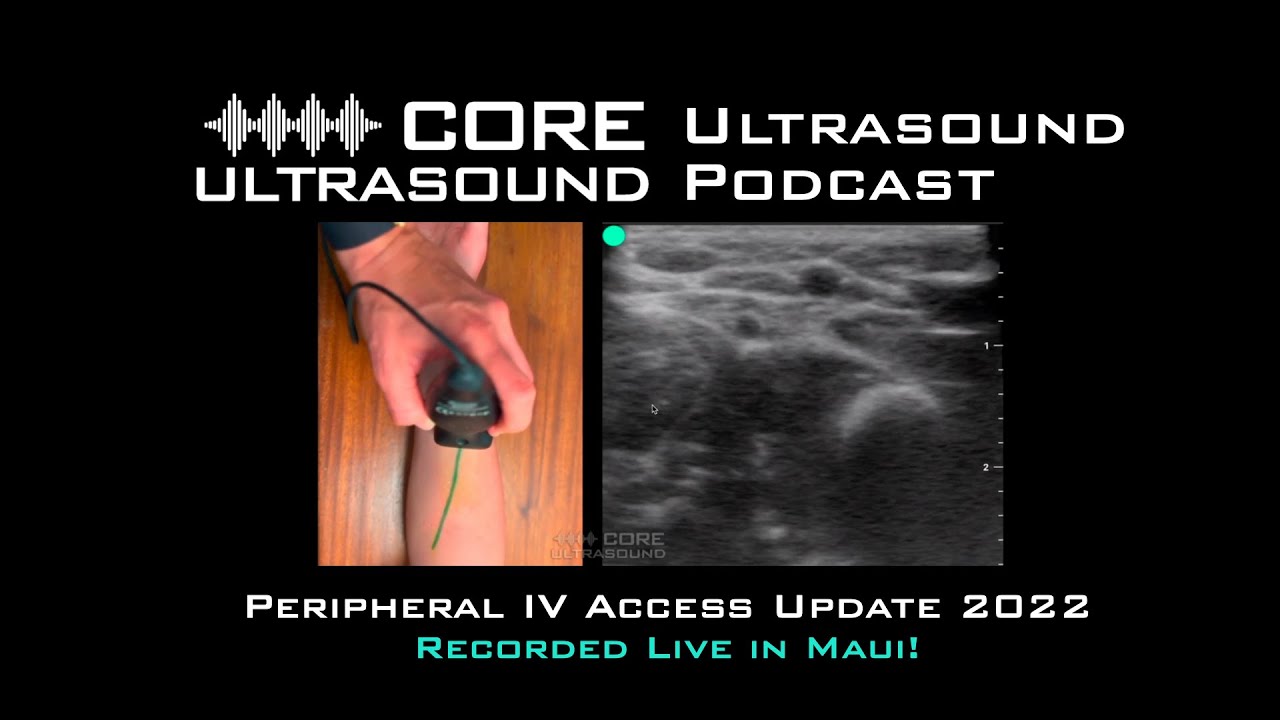
The in-plane (longitudinal) approach for ultrasound needle guidance requires stabilizing the probe hand while using a slight side-to-side fanning motion to keep the needle tip centered in the imaging plane during advancement, allowing for more precise targeting of small vessels and nerves compared to the out-of-plane approach.
Ultrasound Needle Guidance: Mastering the In-Plane Approach
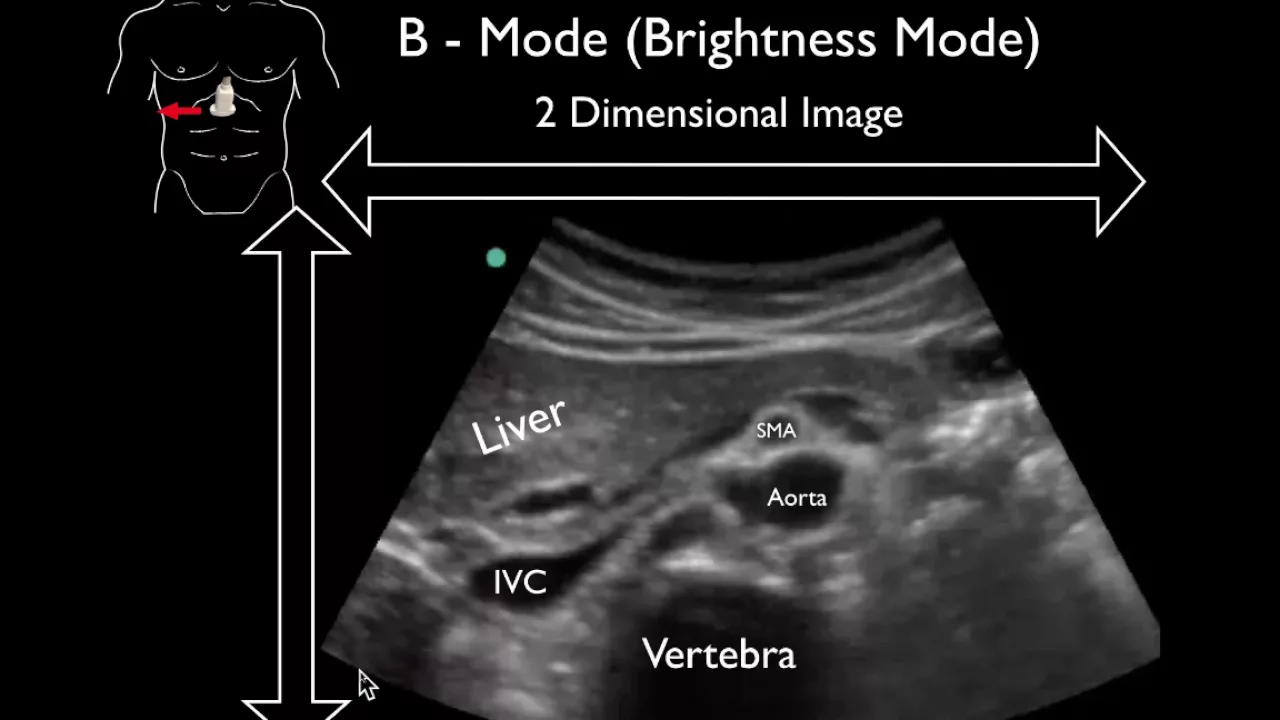
Added:Basic ultrasound physics and knobology, including understanding how frequency, depth, and gain affect image resolution.
Fundamental probe manipulation techniques, specifically the standard movements: sliding, tilting, rocking, and rotating.
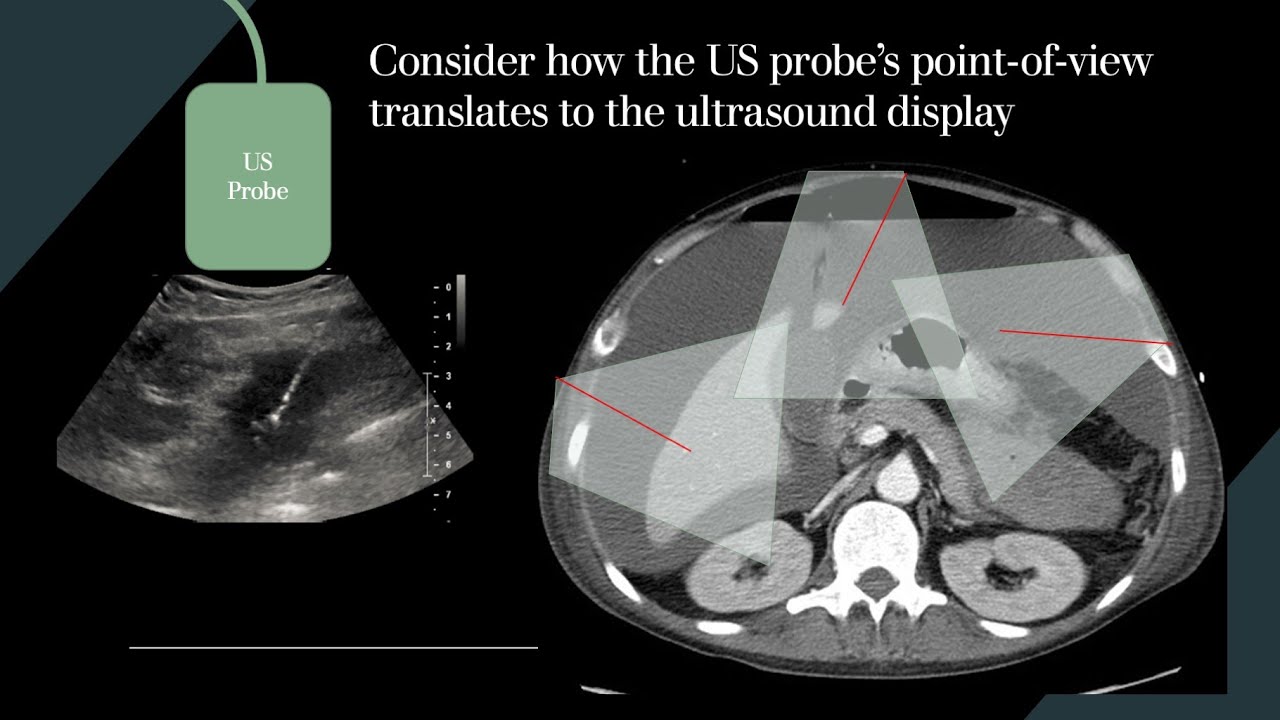
Spatial reasoning and screen-to-probe orientation, understanding how the probe marker correlates with the orientation on the monitor.
Basic cross-sectional anatomy to identify target structures (like blood vessels and nerves) and adjacent vulnerable tissues under ultrasound.
Mastering the out-of-plane (short-axis) needle guidance approach and understanding when to utilize it instead of the in-plane technique.
Clinical application of needle guidance in specific procedures, such as ultrasound-guided peripheral intravenous access, central venous catheterization, or regional anesthesia.
Advanced needle visualization techniques, including the use of echogenic needles and software-based needle enhancement technologies.
Complication management and safety protocols, such as recognizing inadvertent vessel puncture, pneumothorax, or nerve contact on ultrasound.
33K views558likes4:34Original Release: 2022-06-02
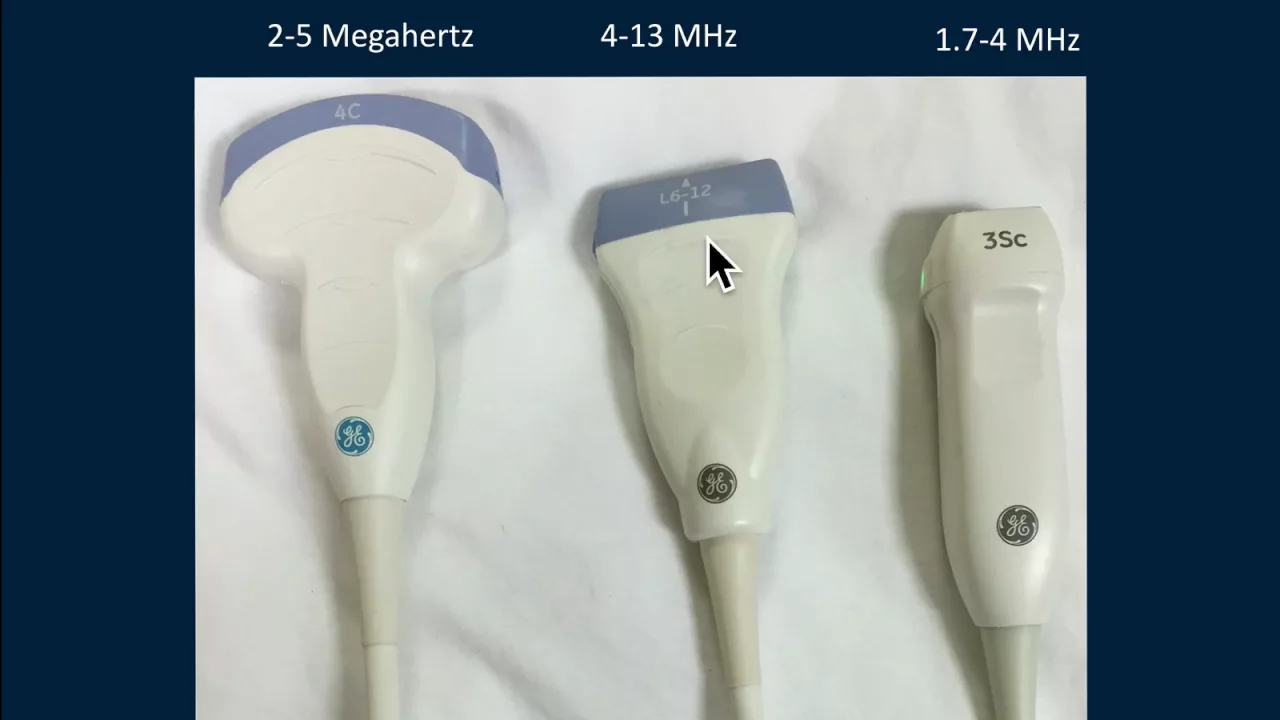
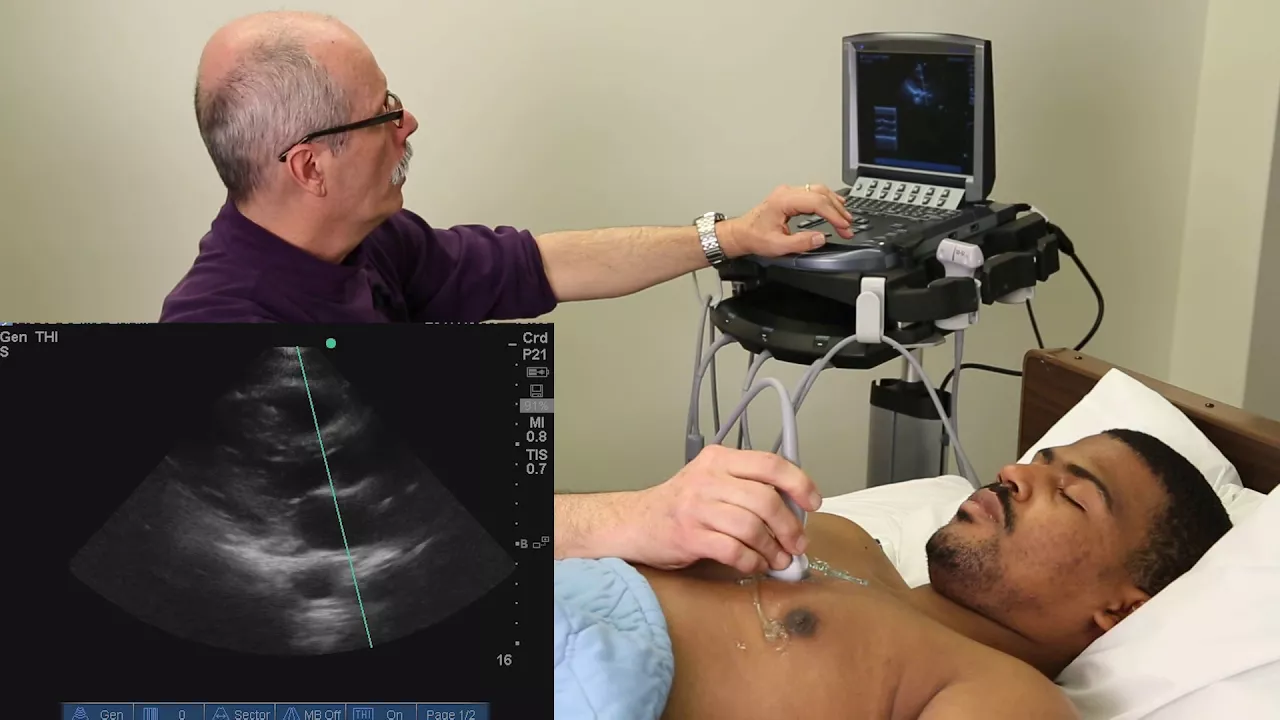
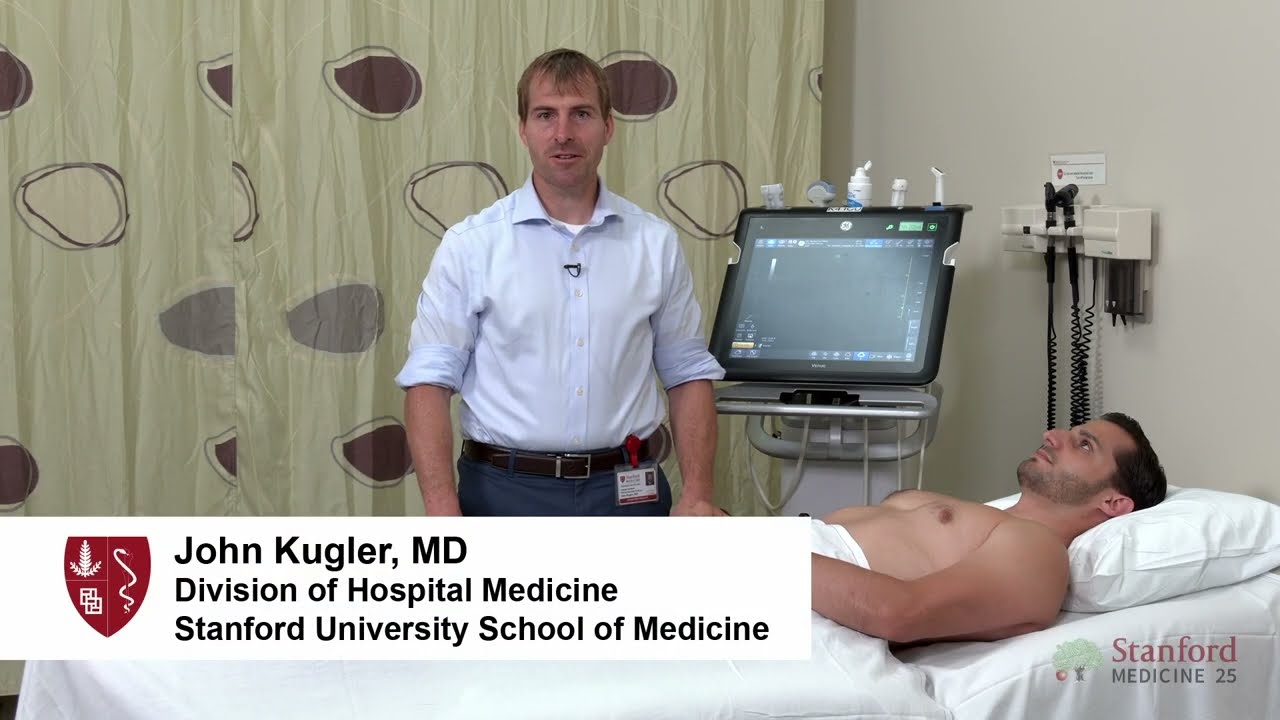
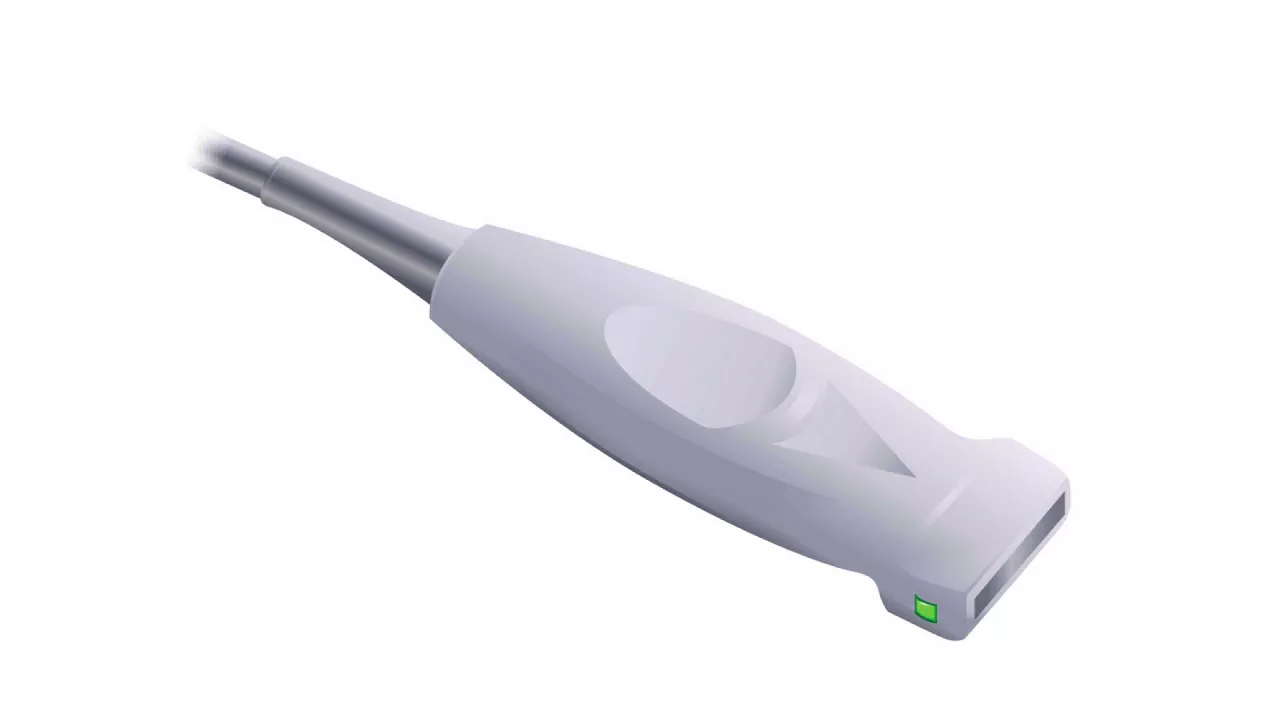
[Music] hi i'm james mateer with gulf coast ultrasound and my hot tip for today is how to shorten the learning curve for ultrasound needle guidance when using the in-plane needle approach a few tips most clinicians start with the outer plane approach which is fine and is an approach you will continue to want to use the in-plane approach however is more precise and may be preferred for smaller vessels nerve blocks and injection techniques some of the challenges with needle guidance include that it is a fine motor skill the probe is usually held with a non-dominant hand making it initially a little more challenging so the learning curve may take longer than anticipated so it does require practice with gel or tissue phantoms you could compare this developing your expertise at fine suturing it's not something that you learn in one day or one week it takes time to develop this skill but it's well worth the effort we will be using the in-plane or longitudinal view of the needle for approach to the target vessel again this is a free hand method the most important point on visualizing the target structure is you want to make sure that you're in the midline especially if it's a vascular structure and you can do that by slight side to side movement if you are oblique you'll see how it tapers off on each end so then you want to twist the probe or rotate until you are in longitudinal and have a good parallel view as well the heel to toe motion will line up the vessel perpendicular to the surface once you have a good view of your target structure you want to keep your probe hand motionless so that means you need to have good stabilization of your arm hand and probe because from now until you've entered the target you do not want to move the probe at all so we're going to advance our needle at the very edge of the probe and at about a 45 degree angle okay we'll see the needle coming in from the side now we're at about a 45 degree angle on this one as we advance i move the needle tip side to side and you can see it appearing into the thin imaging sector of the probe and you can see it disappear so we want to have it in the middle of the imaging sector before we advance again i advance again okay i'm moving it side to side okay i see the brightest point of the tip of the needle at that point now it will advance again into the target structure so i'm in the center of that target structure i'm going to withdraw the needle now and advance it at a shallower angle so you can get a better idea of how this side-to-side fanning motion affects the direction within the imaging plane so we're at about a 15 degree angle this time as i do the side to side motion now i can see the tip of the needle at its brightest point here so i advance when it's bright okay if it stays bright you can keep advancing but this side-to-side motion helps you make sure that you're in the center of that imaging plane now i'm very bright and i'll advance okay you notice i've not moved my probe hand at all i have that stabilized i've been able to maintain the view of the target image the whole time so i'm in the center of the target image so this was all the in-plane or longitudinal approaches to a target structure using the freehand technique and showing the importance of stabilizing that probe and using a slight side to side motion to stay within the imaging plane as you advance that's my hot tip for today now you give it a try [Music] you
Up Next
8:44
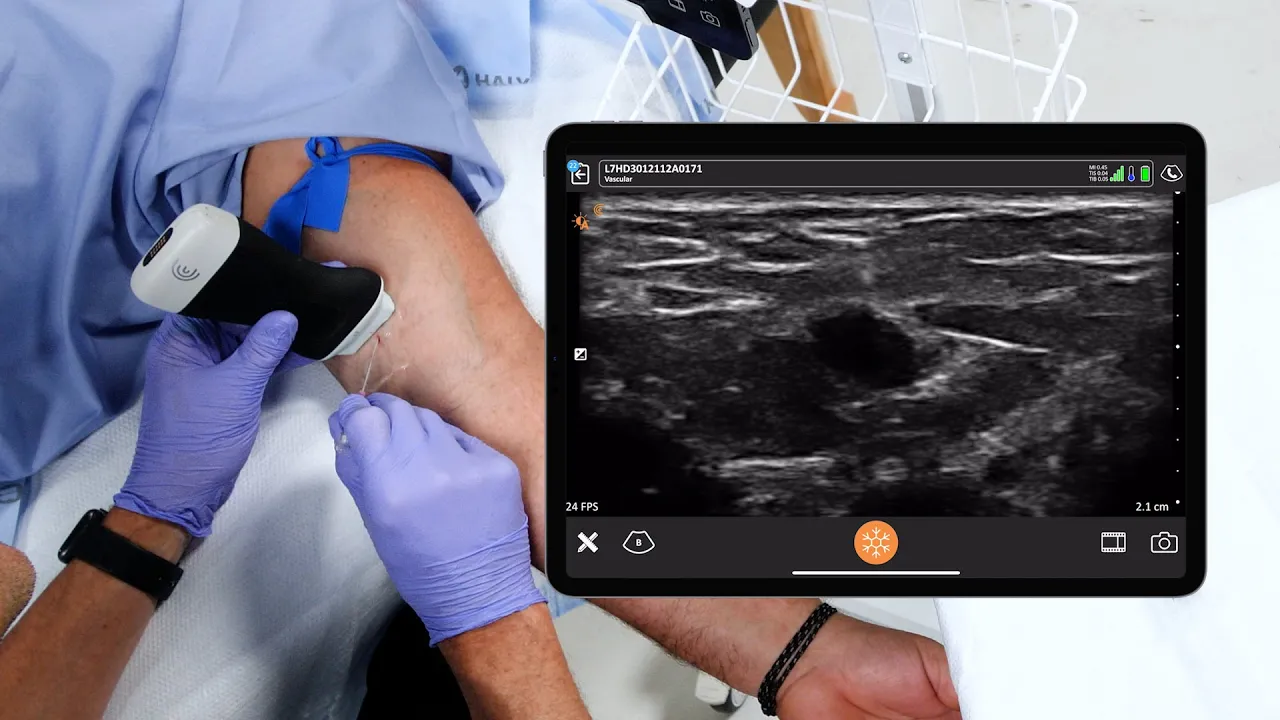
Ultrasound-Guided Peripheral IV Catheter Placement Technique
@clariusmhealth
123.2K views•2023-08-21

12:54
Triumph of Orthodoxy Icon: Byzantine Art & History Explained
@BenCallan
2.1K views•2024-08-06

9:49
FastAPI vs Flask vs Django: Choosing the Right Python Web Framework
@TechWithTim
302.5K views•2024-05-26

1:42
Game of Thrones Opening Credits: A Cinematic Analysis
@gameofthrones
46.3M views•2011-04-18
Related Study Plans & Knowledge Roadmaps
Structured learning paths in General & Interdisciplinary Studies
general-studies
Elevator Engineering: History, Physics & Cities
01From Hoists to Safety Brakes: The Dawn of Vertical Lift
02Hydraulic vs. Traction: The Engineering Physics of Elevators
03Modern Speed, Safety, and Algorithms
+ 2 more learning modules
12h5 modules
Explore Roadmap
general-studies
Rubber: Material Science, History & Geopolitics
01Origins of Natural Rubber & Mesoamerican History
02The Chemistry of Natural Rubber & Vulcanization
03The Geopolitics of the Rubber Boom & Colonization
+ 2 more learning modules
12h5 modules
Explore Roadmap
general-studies
Containerization: Evolution, Logistics & Trade
01Ancient Trade & Bulk Cargo: Amphorae to Barrels
02The Industrial Revolution & Cardboard Packaging
03The Containerization Revolution: Malcom McLean
+ 2 more learning modules
12h5 modules
Explore Roadmap
general-studies
Textile Tech: Evolution, Labor & Global Impact
01Pre-Industrial Textiles: Handloom & Cottage Industry
02Mechanization: The Spinning Jenny to the Power Loom
03The Factory System & Global Labor Transformation
+ 2 more learning modules
10h5 modules
Explore Roadmap