


![Marx 02: ALIENATION by Wolff & Leopold [SEP]](https://i.ytimg.com/vi/K4DwhnrEam4/maxresdefault.jpg)
![[24] نفثات - فتنةٌ وفساد كبير](https://i.ytimg.com/vi/pP94Sa1nUi0/hqdefault.jpg)



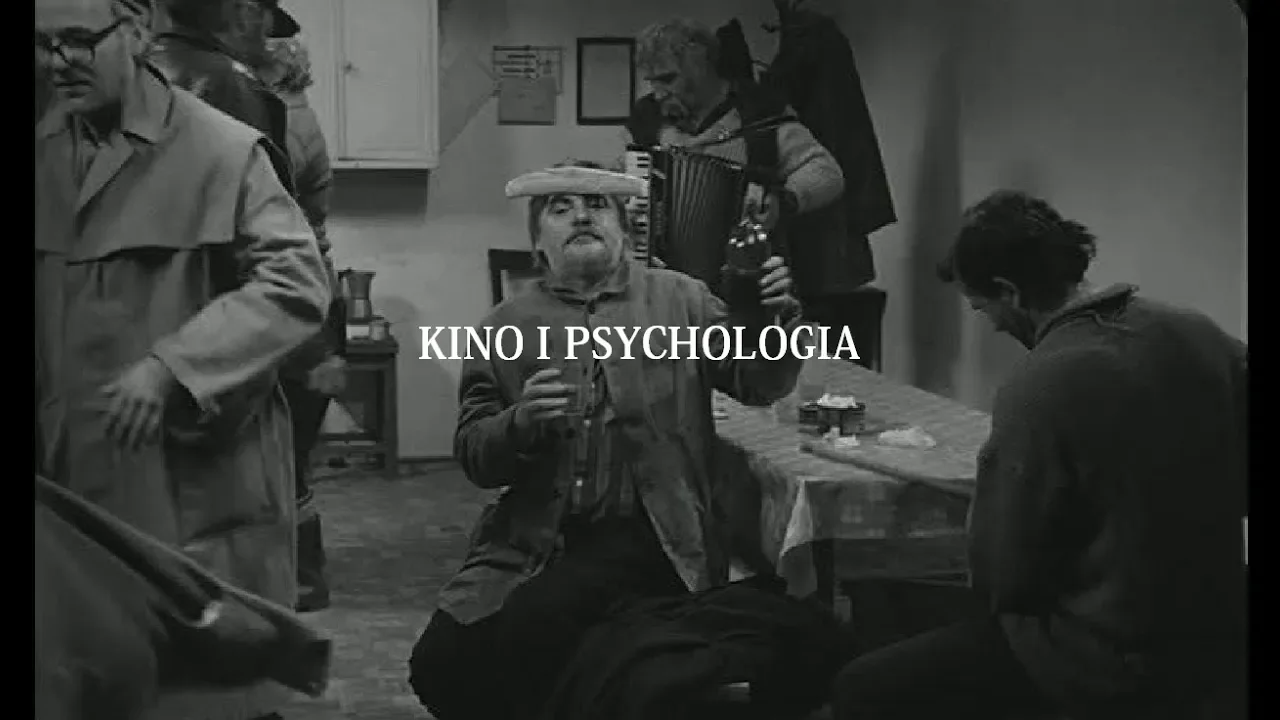




















In bleak cinema, filmmakers often achieve greater emotional impact by strategically omitting explicit content, using minimalism, static camera work, and fragmented narratives to transform mundane actions into profound statements about human existence, thereby inviting viewers to confront uncomfortable truths about society, identity, and the human condition through what is left unsaid rather than what is shown.
Bleak Cinema & Human Alienation: An Academic Film Analysis
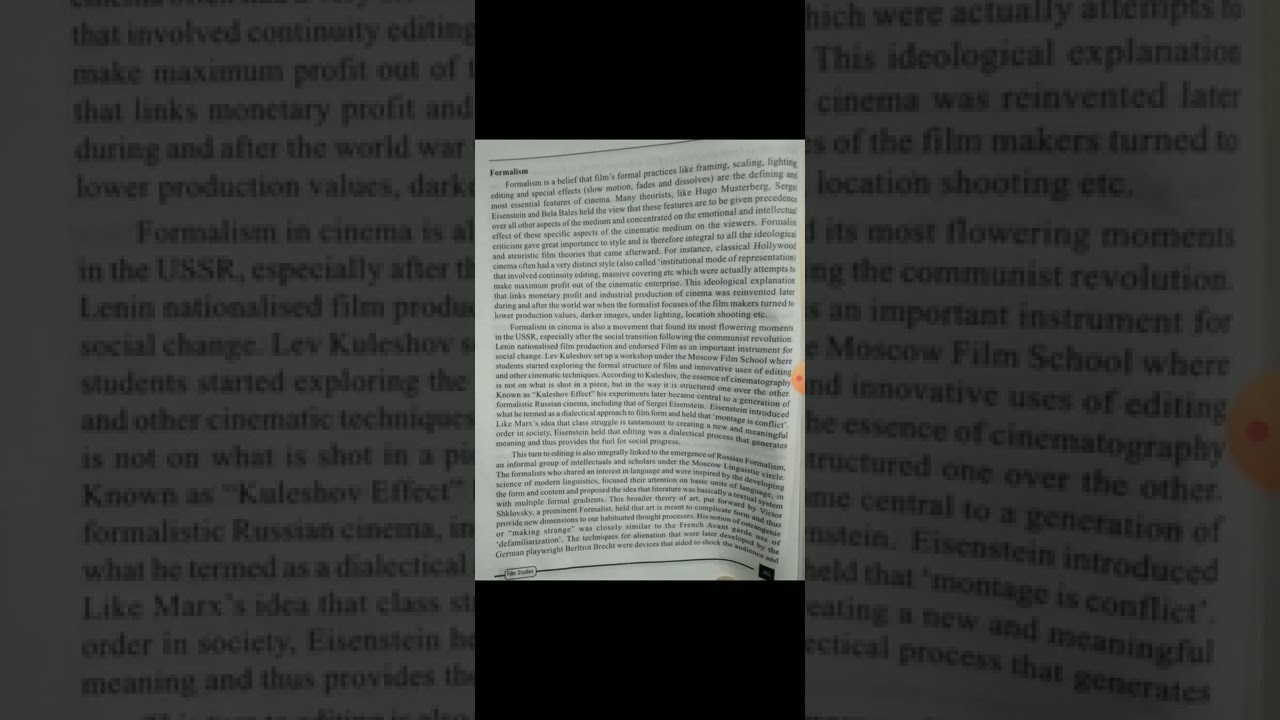
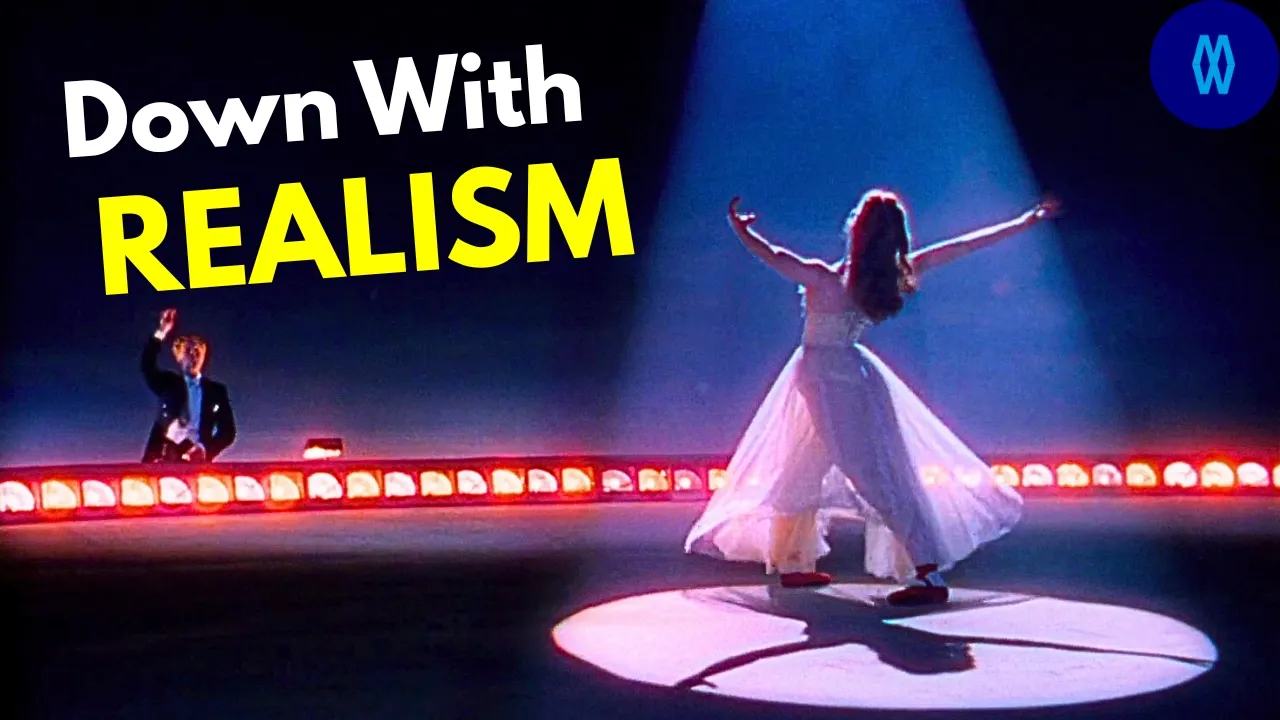
Added:Introduction to Film Formalism: Understanding how camera angles, editing, composition, and framing construct meaning independently of the plot.
The Concept of Social Alienation: Familiarity with sociological and philosophical theories of modern isolation and estrangement (e.g., Marxist alienation or existential dread).
Characteristics of Slow Cinema: Awareness of non-traditional pacing, long takes, and the subversion of classical Hollywood narrative structures.
Overview of Auteur Theory: Knowing how specific directors stamp their unique thematic and aesthetic signatures onto their films.
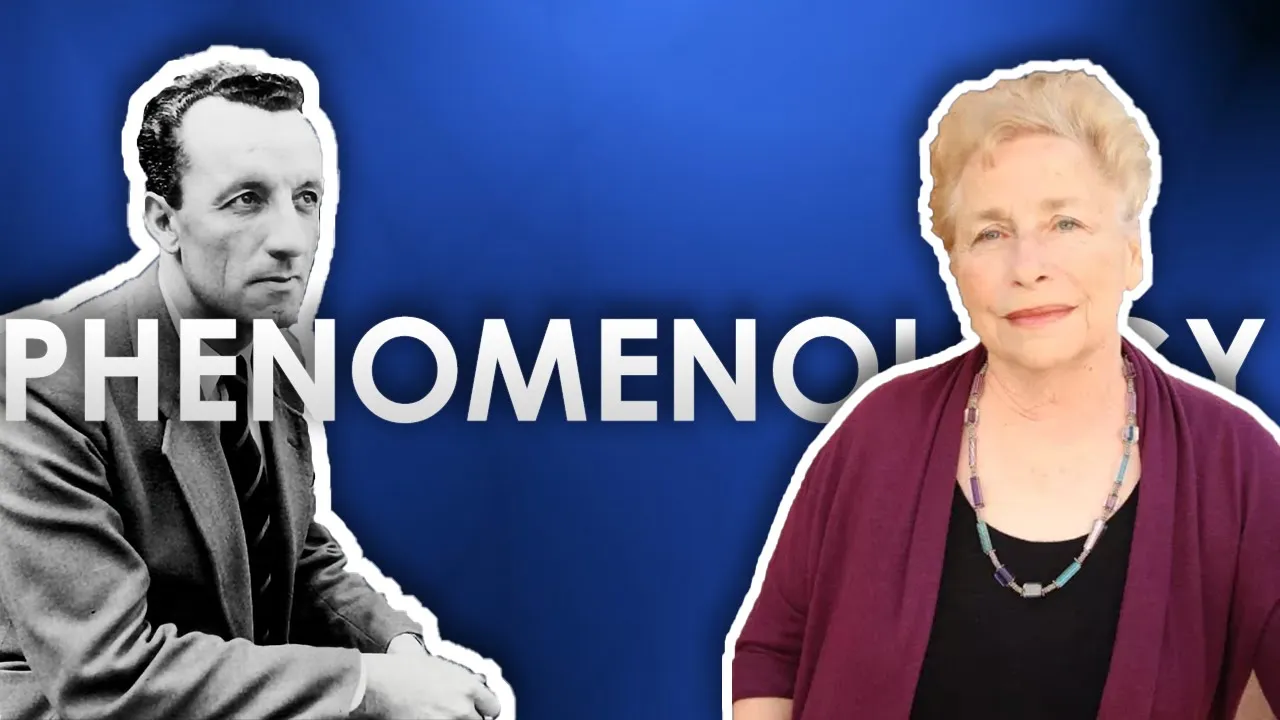
Advanced Film Phenomenology: Exploring how durational realism and real-time pacing manipulate the spectator's cognitive perception of time and space.
Existentialist and Marxist Film Criticism: Applying critical theory to analyze how contemporary media critiques capitalist structures and modern labor.
The Aesthetics of Discomfort: Studying how filmmakers deliberately employ negative space, silence, and mundane repetition to evoke psychological responses in the audience.
Comparative Analysis of Modern Alienation: Investigating how digital-era isolation and hyper-connectivity are portrayed in 21st-century cinema compared to 20th-century minimalist classics.
78.3K views3.6Klikes32:41Original Release: 2021-01-21
welcome to the cinema cartography elephant by gus van's son deals with a circumstance of almost unimaginable proportions but delivers it with such quietness and removes sentimentality that it will suggest to be an event sewn into the fabric of the everyday at least in certain aspects van sant suggests that it may in fact be the subconscious of everyday events which led up to such a catastrophe one of the films of gus van sant's death trilogy elephant displays its intense violence by choosing not to display it the film is a very dreamlike experience one which has resulted in the major criticism of the film the characters talk and react in very drawl often stilted manners how two guys come from the other side big black bags where'd you go the film is rather short in length and does not show as much depth in what goes on around the fact rather focusing on the mundanity of a normal day which is unknowingly about to be destroyed yet in showing all of these things elephant also manages to display the simultaneous opposite the film is the collected perspectives of many of the students within the school we follow their monotonous routines in so far that it's not what they're doing that's the focus but the abject meaninglessness and tedium of their actions bear in mind that in a film less than 18 minutes much of its construction is made up of incredibly long tracking shots of people going from one place to another there's a calmness to it all even knowing what's about to unfold van sant chooses not to interfere in elephant rather that by using the extreme serenity of the mostly emptiness of life he manages to strip the film of all its excess qualities including its violence the violence in elephant takes us by surprise feeling as though we may have escaped it we certainly have the time and though the violence is ultimately bare and unglamorous it's also equally shown as another banal action there's no excitement within elephant thus the violence becomes just as mechanical as the act of walking van san asks us to examine the perspectives of each of its characters yet we're incapable of gaining any kind of legitimate closeness with them and typically in films of this kind we're often shown the threads that may have led up to such an event but it's in those spaces that the answers will lie and like everyone else we may have been able to see them if we all weren't ignoring the elephant in the room this video is brought to you by mubi a curated streaming service showing exceptional films from around the globe try movie free for 30 days at mubi.com cinema cartography that's mubi.com cinema cartography for a whole month of great cinema for free in 1975 chantal ackermann created her masterpiece a film which married the mundanity of the everyday with an extremely minimized and formalistic piece of filmmaking the result was jean dilmo van djuanges milkatrova procel it can be argued that jean-dilemma developed a kind of cinematic language where the meaninglessness of action gave birth to a new kind of extremity the plot is simply the life of a woman over the course of three days this is a kind of woman that everyone knows if anything in many ways is a microcosm for the life of many women the filmmaking tears down any notion of traditional storytelling technique and opts for a stagnant world that unravels at an unbearably slow pace at 200 minutes in length the emptiness of jean's actions becomes the focal point and throughout the entirety of the film the camera is static shot directly at jean the composition of the frame made up of straight lines mimicking the organized and routine orientated foundation of her life we sit uninterrupted and watch as jean peels potatoes folds clothes and does the everyday chores that many people do however this is an action that in most people's lives is ignored yet when placed through the lens of the camera we remove the context of the action and get to evaluate it for what it actually is sitting for 10 minutes at a time watching someone perform an action that will inevitably be undone is the purpose of jean's existence the character of zhang lives a life of subservience all her actions are for the sake of her son's comfort or for the satisfaction of other men she becomes an object based on her interaction with the environment being one of functionality as we realize that the full name of the film becomes just as important as the piece itself visjon dioma is a woman without an identity she's defined by the maintenance of the lifestyle she upholds her entire life existing in her home which can be explained in a few sentences however to watch it is a transformative experience as it takes the elements which make up most people's lives and reframes them in a completely new context a woman's life that has become so ritualized that to live is the ritual and it takes something so mind newt in that ritual to fall apart that in her world those actions again become reframed just as in ours demonstrates that vindication is capable of any person perhaps all we need to do is examine what we already have and ask why it need be that way on exploring the prejudices that exist all around us reyna werner fastbinder's alley fear eats the soul examines how an unconventional love between two people can harbor the rage and anger from those that don't understand always willing to tell stories that examine all perspectives and the judgments that everyone has the capacity to make ali eats the soul shows from the young to the old from all different cultures that people do not like that which they do not recognize a young arabian man and an older german widow fall in love with one another after finding an inexplicable connection the two are the only two sincere characters within the film never questioning why they feel the way they do or the means of how they reached it they lived their life truthfully however in what fassbinder often described as the fascism of the family life others for a multitude of reasons despise what they represent both europeans and arabians feel that they've become traitors of their race and treat them as such as we see throughout the film their love is questioned or imposed upon by many people the result is that we view them either caught between multiple people often surrounded or cornered by them the threatening nature that they find themselves in is evident as the camera displays the claustrophobic nature of a world that finds your very being immoral eventually this disdain explodes turning to an ostracization from civilized society our main characters are placed far away from others and outright ignored fassbinder is unafraid to use close-ups to convey intimacy as well as though we are viewing these people's lives casting judgment as so much of society is however eventually we can see the unfurling of love as outward pressure begins to collapse in on the couple as they seek to return to their native cultural surroundings for an easier way of living but in betraying one's convictions one must live a false life never who you truly are all we can do is hope that amidst a world of hate the love of two people can make it through to the end the notion of victimization and misery is one that attracts interest from many artists however from the audience perspective it becomes a more unreasonable idea to call a film entertaining or to state that you enjoy it in the match factory girl by aki karasamaki we see in essence the inadvertent torture of a young girl whose life has become a vessel for her own suffering the world that kara's maki paints is one which evokes a sense of disgust the paint chips away from jagged stone walls the food appears as cold and miserable as the people eating it when all the colours have become faded leaving behind limp unappealing hues as if all vitality has been drained from the world itself it appears that the denizens of this world have given up the world could be burning outside and no one would do anything about it [Music] even the music of this world which is supposed to be somewhat jovial is met with emotionless demeanors and at the center of all this misery is our main character the match factory girl she exists in a world where any joy has been depleted even the mere suggestion of such a thing is seen as alien her life is one of abject pity her demeanor suggests that she attempts to make life more enjoyable she buys nice things she attempts to enjoy herself in the wider world but all in some manner seems to be snatched away from her for she is alone in this mindset as we see she's made to prominently feature isolated in the fame karasmaki seeking to exacerbate this as if it was not enough to see her sat alone we must see how truly alone she is and as if to punish her even more when she isn't alone we can assure that with enough time she will be the film plays with many jokes to such as using more upbeat music during the film's most dismal moments and in fact we soon realize that the film's opening of close-ups of machinery within the match factory is possibly the scene which garners the most excitement throughout the film [Music] even here our character's life is incapable of competing with the absolute dullness of manufactured industrialized work karizmaki approached the match factory girl with a matter of fact sternness however we do see that there is a rooting for our main character her mere attempts at bettering the dreadful world makes her redeemable and perhaps she may redeem herself that maybe the best way to fix a destroyed world is to destroy whatever it was they chose to build in its place when dealing with the idea of a stark and direct style of filmmaking we often refer to a form of cinema that's been stripped down to its barest elements however in hanukkah's 71 fragments of a chronology of chance we see a self-imposed limitation on what the director has decided he can and cannot show [Applause] the challenging structure of 71 fragments is made slightly more comprehensible by the film's title indicating the form of communication the film has with the viewer ironically being a film that is in itself about difficulty or lack of communication thereof between people every day the idea present in 71 fragments demonstrate hanukkah's ability to juxtapose showing things exactly as they are and simultaneously leaving gaps of knowledge the film as suggested consists of 71 fragments displaying the lives of varying people who will in some way interact hanukkah suggests that their lives are the microcosm and that the final display of violence is in one way a chance act and in another a means of externalizing and representing the grandiosity of their interconnected [Applause] [Music] lives within daily interactions what we get to see of people is mere fragments we only get to see very little 71 fragments extrapolates this and continues to show more uninterrupted fragments with the ultimate realization that perhaps we understand with more information even less as a form hanukkah approaches his work with a cold precision each fragment is glacial in what it attempts to show often incredibly recognizable all the while completely incomprehensible the slow and often rigid nature which people allow to constrict themselves in their lives by becoming less autonomous and more of an object within their milieu characters interact through gamifications of life they see the world through screens they struggle to talk face to face hanukkah displays through his stark world the troubles of communication within interpersonal relationships and even within the realm of art the fallacy that by showing the audience something you're giving them an answer that things are a certain way for what cinema shows us it conceals just as much the real is fragmentary it's also highly contradictory hanukkah's formal approach allows an exploration of unique film grammar to question how we truly think about cinema as well as a stark reminder that perhaps in search for a cinema of greater answer we shall only be posed with even more questions a pioneer of the iranian new wave movement director saurabh shahid salis brought a new look at the iranian lifestyle in his minimalist masterpiece still life a cinematic piece of monotony and routine still life crafts the narrative of an aging couple living at a train station the husband operates the tracks while she weaves carpets and while they're not doing that they simply live salis treats his characters with a vivid sense of realism nothing that they do is either look down upon nor is it romanticized we spend time with the couple as time passes slowly we become entrenched in their routines as if we were there yet the film hints are to play in chronology as if we reach a point of inertia that we can't discern one day from another the numbing pacing of the couple's life invites contemplation on our part the camera is static but primarily because it has no point to move it can even be argued that it has no point of being there at all and although we feel an almost helplessness in their circumstances we also can't help but feel in the simplicity that is as raw and bare for all to see there's a serenity that passes over us salis in merely showing the act of living is able to imbue such strong and diverse emotion within the film many of which coexist with one another the poetry of the film emerges from the strong sensibilities envisioned by the filmmaker as the routine of every day becomes cyclical so do the lives of people become a lyrical journey of deep introspection what does it mean to live and is it different to being alive salis displays the rhythmic nature of tedium through cinema reminding us that within nothing there lies so much veleska greaseback's 2017 film western is a film i would describe as bleak not necessarily for its content but with the starkness it's willing to show it it reminds us that behind the romanticism of art lies stories that are what they are often we don't see the totality of what goes on for most of it bubbles beneath the surface felt yet rarely witnessed familiarity as is the story of weston a tale of german construction workers as they set to complete contracted work in bulgaria amidst the narrative we witnessed the construction workers start to harass women and fan the flames of the locals by hoisting the german flag on their soil various prejudices of the other slowly begin to be felt yet rarely is anything acted directly upon problem the film deals with the concept of masculinity playing on the ideas of the american western genre and though we deal with the typically more pragmatic and direct approach of boisterous men we find that far more tension and things unsaid are manifested creating an atmosphere that sheaths the small bulgarian town they find themselves amongst many things western is a story of otherness the main protagonist attempts to find a camaraderie within the people of the village despite cultural and language barriers the ubiquitous use of misunderstandings an overtly simplified conversation being miscomprehended ties into the filmic grammar with an elliptical editing prioritizing the silent more atmospheric moments rather than moments to progress the narrative we again struggle to find a material reason as to why such tensions seem to be ever present here yet perhaps as the film struggles to explain those things and rather invites time for introspective moments of the character we are to do the same and answer this question on a more transcendental plane for in weston nothing is as blunt as it would have you believe my name is much more the iconography of the western genre is transgressed and the seemingly amiable actions of the people are not perhaps as honest as they may seem the protagonist meinhard is an outsider throughout the film greisbach shoots in long focal lengths as if we're not present to ingratiate ourselves into the world merely to witness there's an ever-present distance and much like mine heart we're never completely in with them perhaps pessimistic in tone but perhaps otherness is an element that must be overcome by humanity otherwise our actions are never to be taken on face value western demonstrates that just because a person is different to what was expected that they are nice and easy to get along with maybe it is precisely that demeanor in which dishonesty is formed perhaps we need people to be more radical in their actions if we're to discover their real truth for in the meantime you can act in a way to please everyone without fully committing yourself to the world you're an outsider for you choose to be lynne ramsey's debut feature film rat catcher in many ways fits into the traditional definition of bleak however there's also a sense of redemption and hope within its pause from the opening shot of the main character james twirling inside a translucent curtain we delivered this idea of birth and renewal this being juxtaposed to the film's setting of 1970s glasgow on a council estate where refuse filth and rats line the streets like many films typified by the british kitchen sink drama there are certain grim characteristics that rat catcher also inhibits although it goes much beyond that the first thing we can see about ratcatcher is the sense of grit that the world holds boys play in mucky water and the dirt sticks to them little things are picked out of children's hair and the major characteristic of everyone's lives is the oppressive mire that's contaminated every facet of their being [Music] stephen yet where rat catcher tends to stand out from the rest is lynn ramsey's somewhat poetic and meditative gaze unafraid to go beyond the realms of reality to convey an idea and also willing to share in the simple moments of a scene inviting us to engage and think ratcatcher is a film that plays on the instinctual landscapes tie into the narrative and become lands that encapsulate the internal psychology of the characters ramsey again unafraid to hold the two standards of gritty realism displayed in a cinema verite style while being able to perfectly compose everything in front of us like voyeurs asked to assess what we see ratcatcher is perhaps best described as a film about society at large through the eyes of a child always out of control of the things so much larger than they are often the best thing to do is escape both figuratively and literally and in rat catcher we find that sometimes escape may not be a choice we have at all perhaps we trudge through the muck forever as the rubbish keeps piling up like the waste in our own mind we must address the things for what they are or risk finding ourselves in a fantasy world perhaps this world may be our paradise or perhaps it's one whose consequences we can't comprehend we'd like to thank mubi for sponsoring this video mubi is a curated streaming service an ever-changing collection of hand-picked films from new directors to award winners from everywhere on earth beautiful interesting incredible movies and a new one every single day always chosen by movie curators you can stream or download all of movies movies anytime on any screen any device anywhere and you'll never see a single ad on mubi right now a movie you can check out rat catcher by lynn ramsey as well as many other films that we mention throughout our essays you can try mubi for free for 30 days at mubi.com cinema cartography that's mubi.com cinema cartography for a whole month of great cinema for free you
Up Next
5:06
Master Tracking Shots: Techniques for Dynamic Filmmaking
@StudioBinder
600.9K views•2018-11-05

23:14
Visual Analysis Essay: How to Analyze Graphic Novels in College Writing
@nataliepleimann5941
1K views•2020-10-14

4:55
Film Blocking Techniques for Directors: Space, Shapes, Lines
@StudioBinder
1.9M views•2018-07-23

4:00
Evolution of Darth Vader: Anakin Skywalker's Animated Journey Across Star Wars Films
@TellItAnimated
13.4M views•2019-03-30
Related Study Plans & Knowledge Roadmaps
Structured learning paths in Film Analysis
film-analysis
Sensory Cinema: Foley, Haptic Sound & Texture
01Introduction to Film Sound and Foley Artistry
02Micro-Sounds, Textures, and Extreme Amplification
03Haptic Audition and Film Phenomenology
+ 1 more learning modules
12h4 modules
Explore Roadmap
film-analysis
Breaking the Fourth Wall: Mockumentary & Satire
01The Invisible Wall: Basics of Cinematic Illusion
02Looking at the Lens: Direct Address & Character Glances
03The Mockumentary: Satire, Realism, and Complicity
+ 2 more learning modules
12h5 modules
Explore Roadmap
film-analysis
Analyzing the Long Take: Cinema, Space & Ethics
01Foundations of Film Grammar: Montage vs. The Long Take
02Choreography and Mechanics of the Simulated One-Shot
03Phenomenology of Film: Real-Time Spatial Continuity
+ 1 more learning modules
14h4 modules
Explore Roadmap
film-analysis
Anachronistic Music: Period Drama & Subversion
01Foundations of Film Sound and the 'Needle Drop'
02Traditional Authenticity vs. Revisionist History
03The Rise of the Anachronistic Soundtrack
+ 2 more learning modules
12h5 modules
Explore Roadmap