































The color blue was not perceived as a distinct color in ancient civilizations because it lacked a corresponding word in their languages; this demonstrates that language shapes perception, as shown by research with the Himba tribe who cannot easily distinguish blue from green despite having normal vision, and by the fact that blue only became a recognized color after Egyptian blue dye was invented around 3000 BCE.
Why Ancient Civilizations Lacked a Word for Blue
Added:The basic physiology of human color vision, specifically how the eye's photoreceptors (cones) detect different wavelengths of light.
The concept of linguistic relativity (the Sapir-Whorf hypothesis), which posits that the structure of a language affects its speakers' world view or cognition.
An introductory understanding of historical philology and the challenges scholars face when translating ancient texts, such as Homer's epics.
The distinction between objective physical phenomena (the electromagnetic spectrum) and subjective psychological experiences (color categorization).
Brent Berlin and Paul Kay's landmark study on 'Basic Color Terms,' which details the evolutionary sequence of color language development across global cultures.
Empirical cross-cultural cognitive research, such as studies on the Himba tribe of Namibia, examining how differing color vocabularies affect visual search speeds.
The neurological basis of categorical perception and how the brain processes color differently when using the language-dominant left hemisphere.
How linguistic relativity applies to other domains of human cognition, such as spatial reasoning, temporal perception, and grammatical gender.
2.6M views117.6Klikes11:03Original Release: 2022-05-05
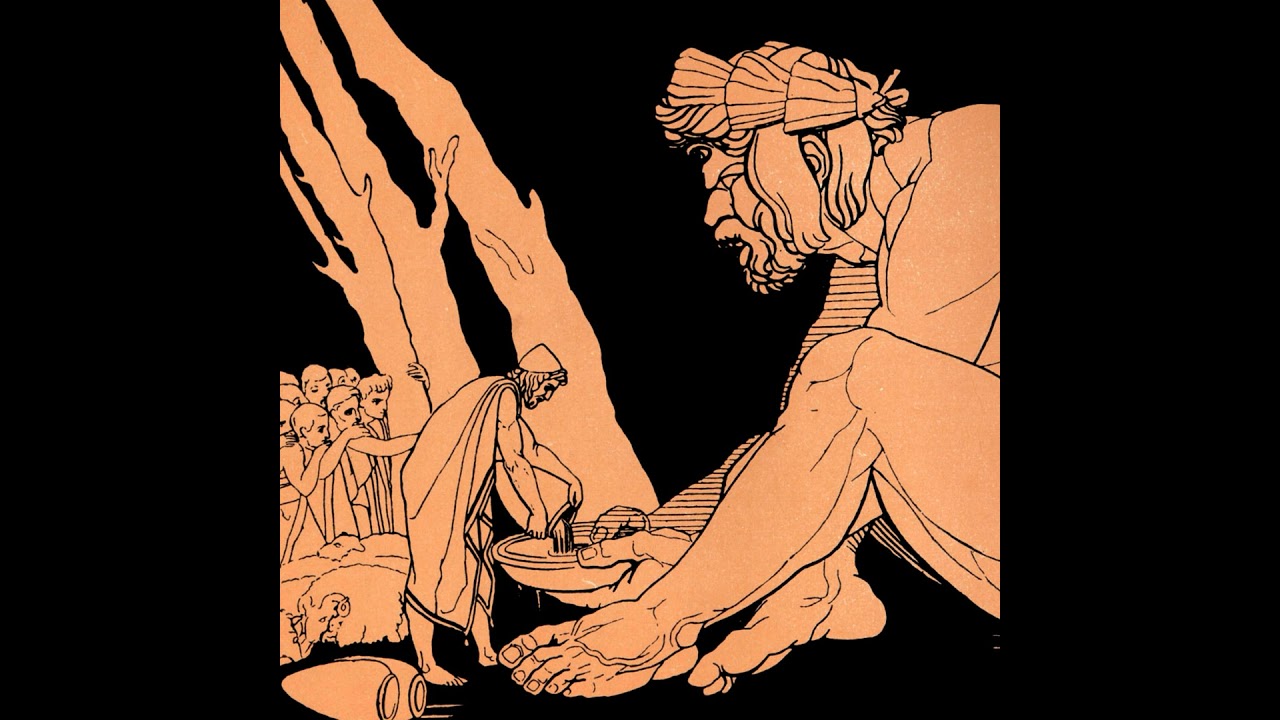
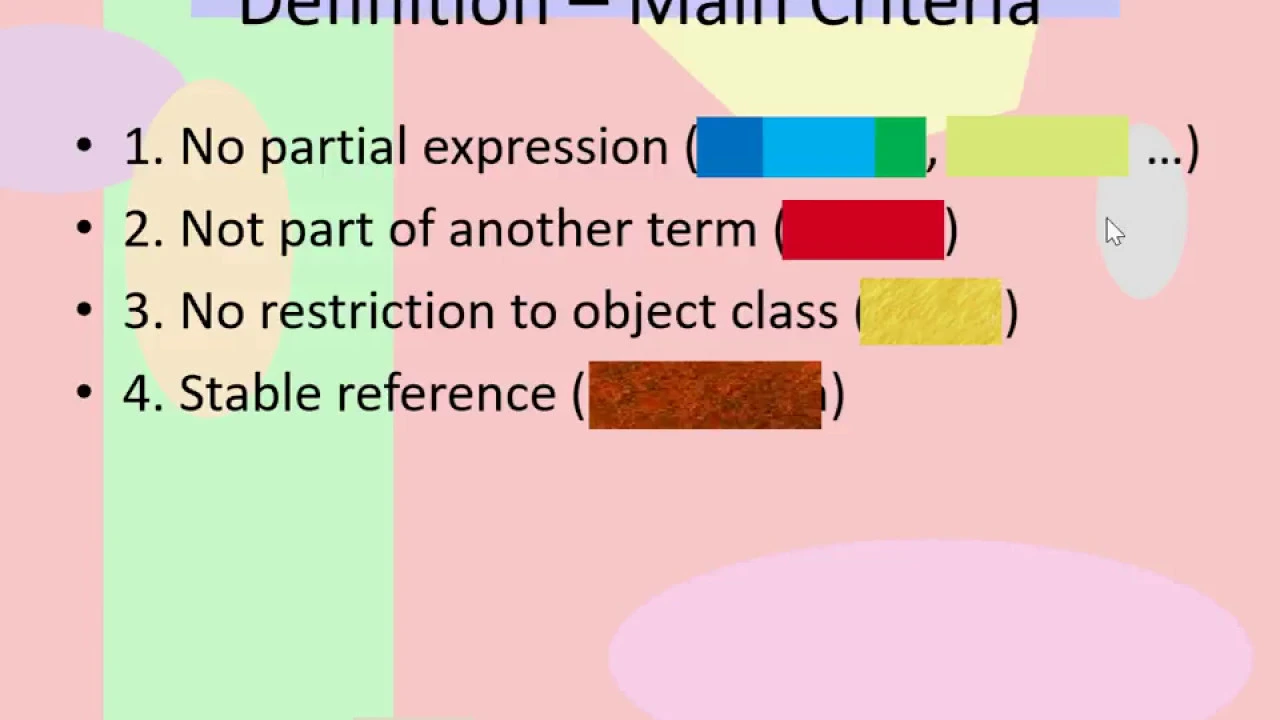
[Music] here's a philosophical question for you if a color doesn't have a name can we still see it well many years ago the human eye evolved to give us the ability to see about a million colors that's a lot then how come until very recently nobody saw or even heard of the color blue well it's because blue just didn't exist yet let's find out why [Music] blue is a mysterious color to people of the ancient world like the greeks blue wasn't a color at all this weird story starts with william gladstone a four-time prime minister of great britain and uh he was a huge fan of homer [Music] not that homer uh greek homer homer wrote the iliad and the odyssey and these two epic poems are considered the foundation of all ancient greek literature and much of modern literature is in some ways derivative of homer so gladstone was reading the odyssey and noticed homer described the wine dark sea not blue not green wine dark and this description got gladstone interested in other ways homer used color to describe things homer describes honey as being green and sheep as being violet colored glad still wondered if homer was colorblind and saw blue as maybe something else so he went through thousands of pages of homer's writing and counted his references to color black is mentioned almost 200 times white about a hundred times red is mentioned 13 times yellow and green fewer than 10 times but blue zero so gladstone looked through other ancient greek writing nothing was ever described as being blue gladstone's initial thought was maybe the greeks saw color differently than other people so researchers analyzed ancient texts from all over the world the quran the hebrew bible ancient chinese hindu icelandic no blue not once these ancient texts reference colors with pretty much the same proportion as homer's epics black and white appear a lot red a few times yellow and green appear very little but blue never appears at all and human eyes are the same now as they were back then so why couldn't they see blue simple is it everything was in black and white no that's not accurate i've seen the movies all languages evolve in their own way but almost universally names for colors emerge in the same order first a language creates the words for black and white the next color is always red after red it's either yellow or green the last color to appear in every major language is blue and this makes sense if you think about it how often does blue appear in nature we see black and white everywhere blood is red so humans are familiar with that color but what in nature is blue only 10 of flowers are blue so pretty rare but even more rare in animals birds mammals reptiles none of them produce blue pigment yes there are a couple of blue butterflies but that's not pigment they're actually brown the color blue is created because of the way their wings are structured at the microscopic level same with blue feathers of peacocks or blue jays blue toads even people with blue eyes that blue isn't pigment it's the microscopic structure of the eye or the feathers or the skin that scatters the light in a way that appears blue and since blue is so rare in nature most ancient cultures didn't see blue as a separate color but rather a shade of green languages are efficient why bother making up a word that you'll hardly ever need the ocean wasn't blue it was a shade of green the sky wasn't blue it was light black blue finally emerges as its own color when the egyptians invented a way to produce a blue dye suddenly the light black sky was blue the nile river green for thousands of years finally became blue as egyptian blue dye made its way around the ancient world languages evolved to accommodate this new color but before that nothing so unless you have a word to describe a color it becomes really difficult for humans to perceive it and there's proof of this even today [Music] researcher jules davidoff conducted an experiment with the himba tribe in africa and like ancient cultures the himba have no word for blue to the himba blue is just a shade of green so himba participants were shown 12 squares on a screen 11 of the squares were green one was blue can you pick out the blue square now of course you can you found it immediately but the himba had trouble with this color they had a lower reaction time than you or i would but quick side note you'll see lots of reports about this study that say the himba couldn't see the blue square at all that's not true the bbc and business insider made that part up it's a complete fabrication oh wait a minute i thought the media follows the science well so the media only follows science if it fits their story uh it would seem so well you can knock me over with the feather anyway what about this diagram all 12 of these squares are green but one of them is a slightly different shade can you pick out which one now go ahead and pause it if you need more time [Music] could you find it this square is slightly lighter than the others and most of us can't see any difference if we study the colors and try to really focus we might get it but it's not easy but the himba they saw this different green as easily as we found the blue square the himba don't just have one word for green they have unique words and whole categories of words for many shades of green because of this the himba people are already primed to recognize them now since they don't have a word for blue they know it's different but they can't really explain why here's another test what color is this pink right this is easy because we have a name for this color but the word pink doesn't appear in english until about the 13th century before then pink was red a lighter shade of red sure but still just red and if you tell someone an object is light red without being more specific that color will be different for everybody and scientists have learned that until a word is created to describe a color people have a difficult time defining it we now have mint green forest green kelly green and i'm sure art students and crayola junkies can name a bunch more but before these words existed these colors were difficult to describe isaac newton famously discovered the color spectrum which is what colors right but where does red end and orange start what color is indigo is it dark blue or is it closer to violet isaac newton himself had trouble separating the bands he initially thought there were 11 unique colors but then he thought maybe just five but a week has seven days and there are seven tonal notes in a musical octave and pythagoras thought seven was a magical number so newton said effort let's call it seven colors in modern science we measure colors in nanometers so we could say with precision that pure yellow is 580 nanometers but newton didn't use wavelengths he just eyeballed it uh that's not very scientific it's not oh newton would've been a good journalist i see what you did there so if people require a color to have a name in order to quote unquote see it are there unnamed colors visible to the human eye that we haven't yet discovered it sounds crazy but yes there are human vision is trichromatic this means we have three different photoreceptors in our eyes that detect color called cones we have cones for red green and blue and every color we see is a combination of these and this allows us to see about a million different colors and people who are colorblind only have two functioning cone cells which lets them only see about 10 000 shades this is diachromatic vision and most mammals are dichromats but a few years ago a doctor in northern england was found to have four types of cone cells so her vision isn't trichromatic it's tetrachromatic this means she doesn't just see a million colors she can distinguish up to a hundred million different colors she's like a superhero with the supervision well yeah at first scientists thought this was really rare but then they started investigating the phenomenon they found something interesting in the genetics of colorblind people colorblind men have two normal cone cells and one mutant cone that's less sensitive to either red or green light but the mothers and daughters of colorblind men had one mutant cone in addition to three normal cones about one in twelve men are colorblind so about eight percent of them based on this statistic around 12 percent of the entire female population should be tetrachromatic with the ability to see a hundred million colors a hundred times more than the rest of us so where are all these women and what extra 99 million colors do they see well they don't even know they have access to these colors just like the ancient people weren't primed to see blue as its own color women with tetrachromatic vision haven't been primed to see all these new colors so one tetrachromatic woman was given a vision test and she was shown a sequence of colors in rapid succession people with normal vision see these colors as identical but this woman was able to see the subtle differences her brain was primed to make her aware that some of the colors she was going to see could be different and she was able to pick out these small changes instantly and accurately so what do these colors look like to the rest of us well there's no way to describe it here's a quick thought experiment how do you describe color to someone who's been born blind um okay i got one orange is like a warm summer's day a gentle breeze rustles the [ __ ] willows you can smell the honeysuckle in the distance the wobble of a meadowlark what are you doing writing a haiku i was always being rhetorical oh right yeah colors are hard to describe so our ancestors saw colors exactly the same way we do but they never noticed differences until words were created to describe them isaac newton learned that colors are not part of material objects color is just the way light is absorbed reflected and scattered by a surface and if you think of it that way color doesn't really exist it's just an interpretation of a wavelength bolado a neuroscientist at university college london said there's such a thing as light there's such a thing as energy there's no such thing as color color is nothing more than the product of light our culture our language and our own imagination [Music] thank you so much for hanging out with me today my name is aj that's hecklefish this has been the y-files if you had fun or learned anything do me a favor and like subscribe comment share that stuff really helps out a small channel and until next time be safe be kind and know that you are appreciated [Music] you
Up Next

3:17
Push and Pull Factors Explained | Human Migration & Zombies
@TheSingingHistoryTeachers
65.5K views•2015-09-18

12:54
Triumph of Orthodoxy Icon: Byzantine Art & History Explained
@BenCallan
2.1K views•2024-08-06

9:49
FastAPI vs Flask vs Django: Choosing the Right Python Web Framework
@TechWithTim
302.5K views•2024-05-26

1:42
Game of Thrones Opening Credits: A Cinematic Analysis
@gameofthrones
46.3M views•2011-04-18
Related Study Plans & Knowledge Roadmaps
Structured learning paths in General & Interdisciplinary Studies
general-studies
Elevator Engineering: History, Physics & Cities
01From Hoists to Safety Brakes: The Dawn of Vertical Lift
02Hydraulic vs. Traction: The Engineering Physics of Elevators
03Modern Speed, Safety, and Algorithms
+ 2 more learning modules
12h5 modules
Explore Roadmap
general-studies
Rubber: Material Science, History & Geopolitics
01Origins of Natural Rubber & Mesoamerican History
02The Chemistry of Natural Rubber & Vulcanization
03The Geopolitics of the Rubber Boom & Colonization
+ 2 more learning modules
12h5 modules
Explore Roadmap
general-studies
Containerization: Evolution, Logistics & Trade
01Ancient Trade & Bulk Cargo: Amphorae to Barrels
02The Industrial Revolution & Cardboard Packaging
03The Containerization Revolution: Malcom McLean
+ 2 more learning modules
12h5 modules
Explore Roadmap
general-studies
Textile Tech: Evolution, Labor & Global Impact
01Pre-Industrial Textiles: Handloom & Cottage Industry
02Mechanization: The Spinning Jenny to the Power Loom
03The Factory System & Global Labor Transformation
+ 2 more learning modules
10h5 modules
Explore Roadmap