















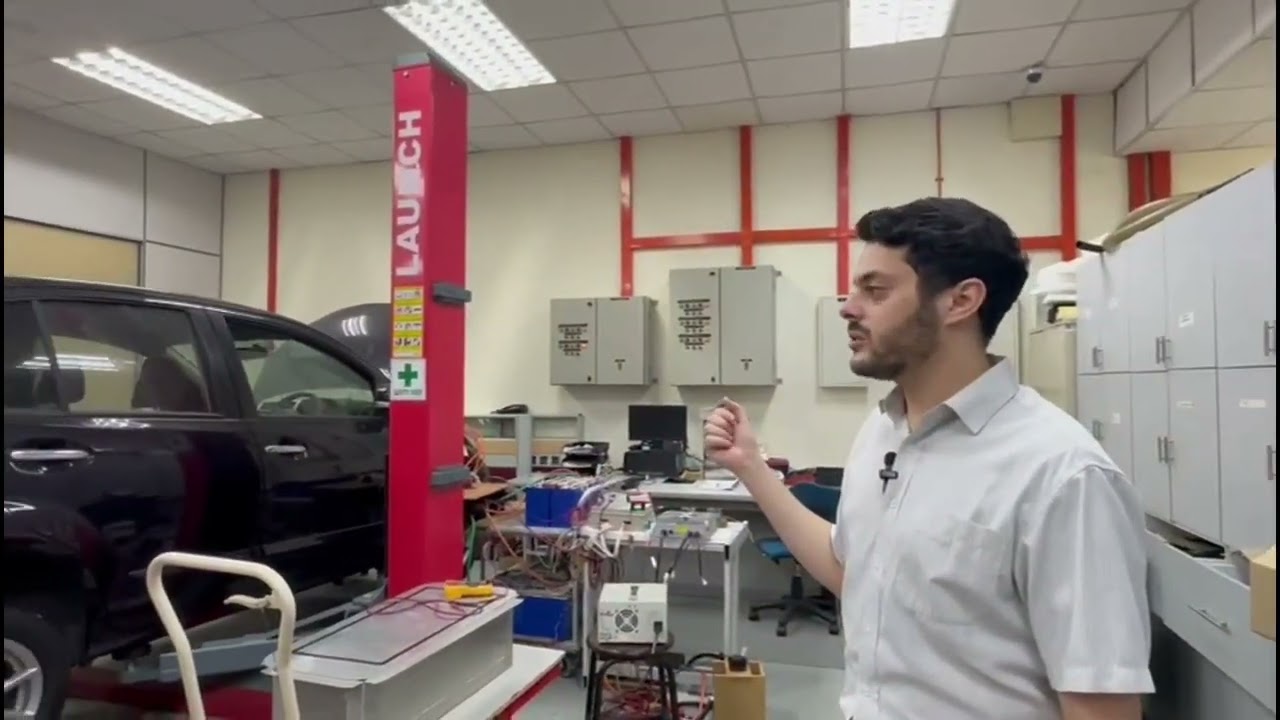
This video demonstrates how to test the real capacity of a supercapacitor bank using constant current discharge, showing that a 2.7V 500F supercapacitor bank connected in series has approximately 59F real capacity and only 0.1Ah amp-hour rating, making it unsuitable for replacing batteries in applications requiring sustained current delivery; the video also covers three main applications of supercapacitors: spot welding lithium batteries, extending UPS/solar inverter battery lifespan by handling inductive loads, and cranking cars with dead batteries, while emphasizing the importance of matching voltage levels when connecting supercapacitors to batteries to prevent dangerous current flow.
Supercapacitor Bank 2.7V 500F: Real Capacity Testing & Applications
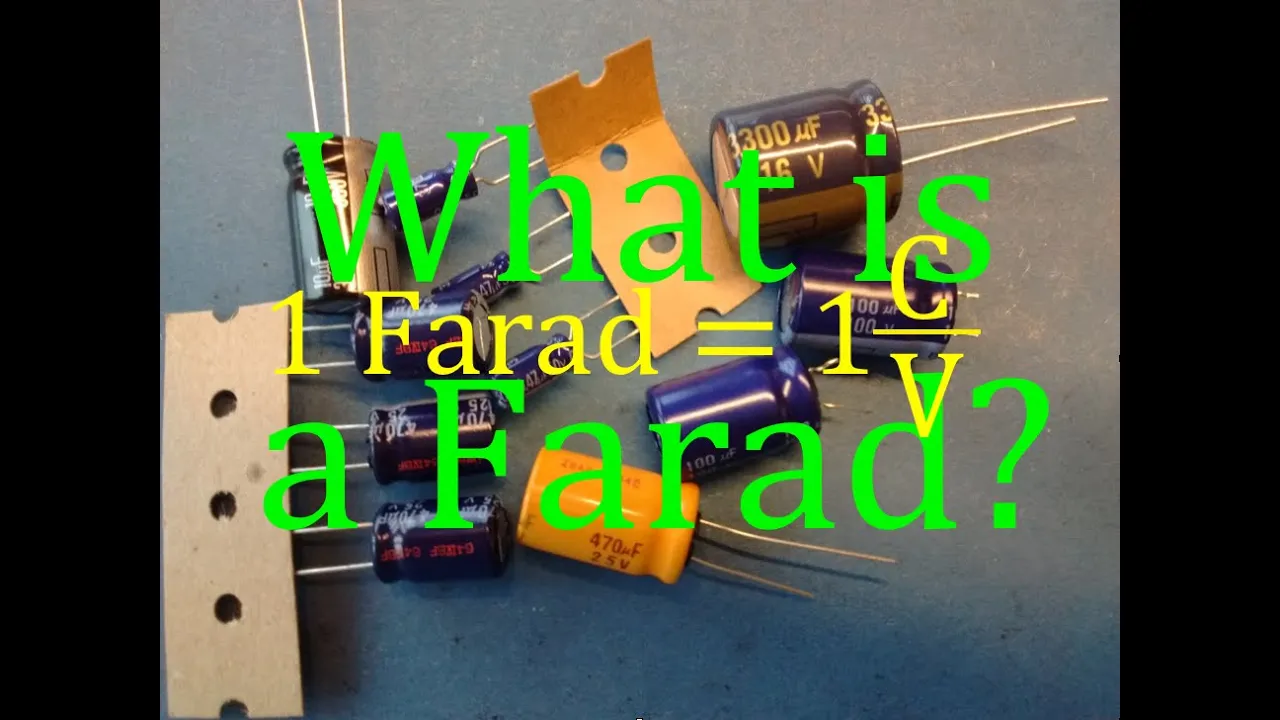
Added:Fundamental concepts of capacitance, including the mathematical relationship between charge, voltage, and capacitance (Q=CV).
The distinction between energy density (typical of chemical batteries) and power density (typical of electrostatic capacitors).
Basic DC circuit theory, specifically how connecting cells in series and parallel configurations affects overall voltage, capacitance, and internal resistance.
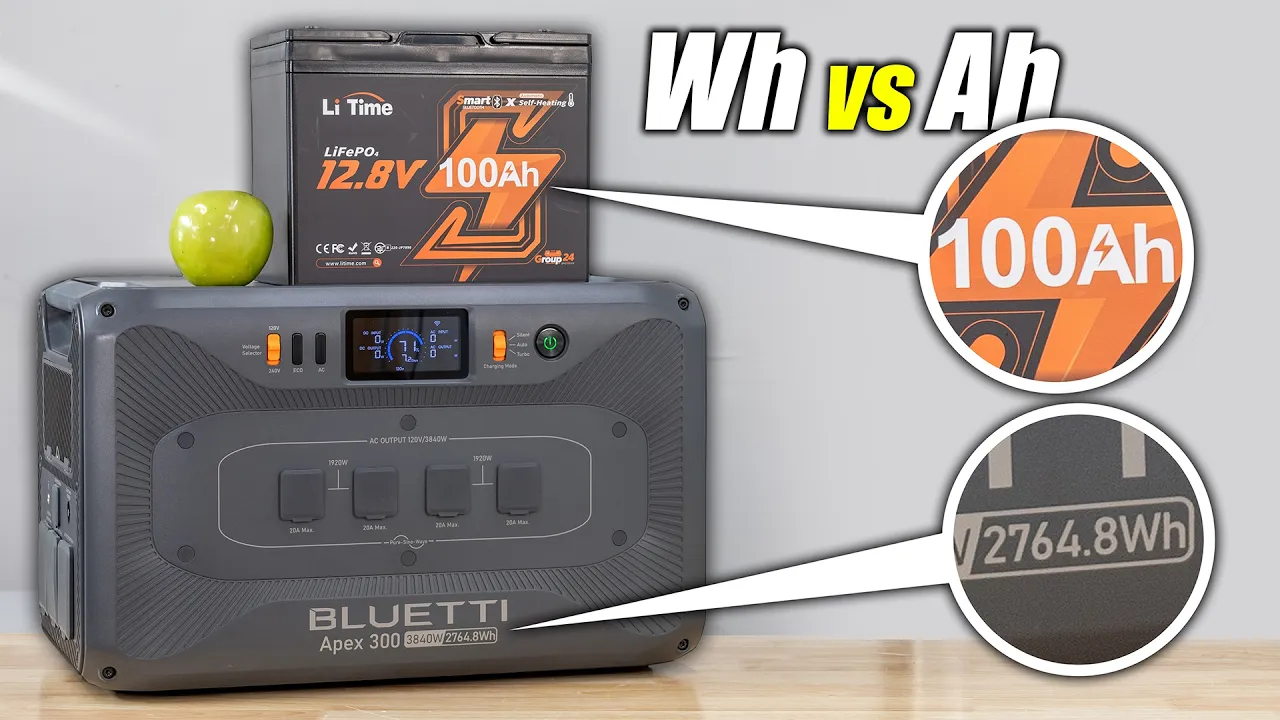
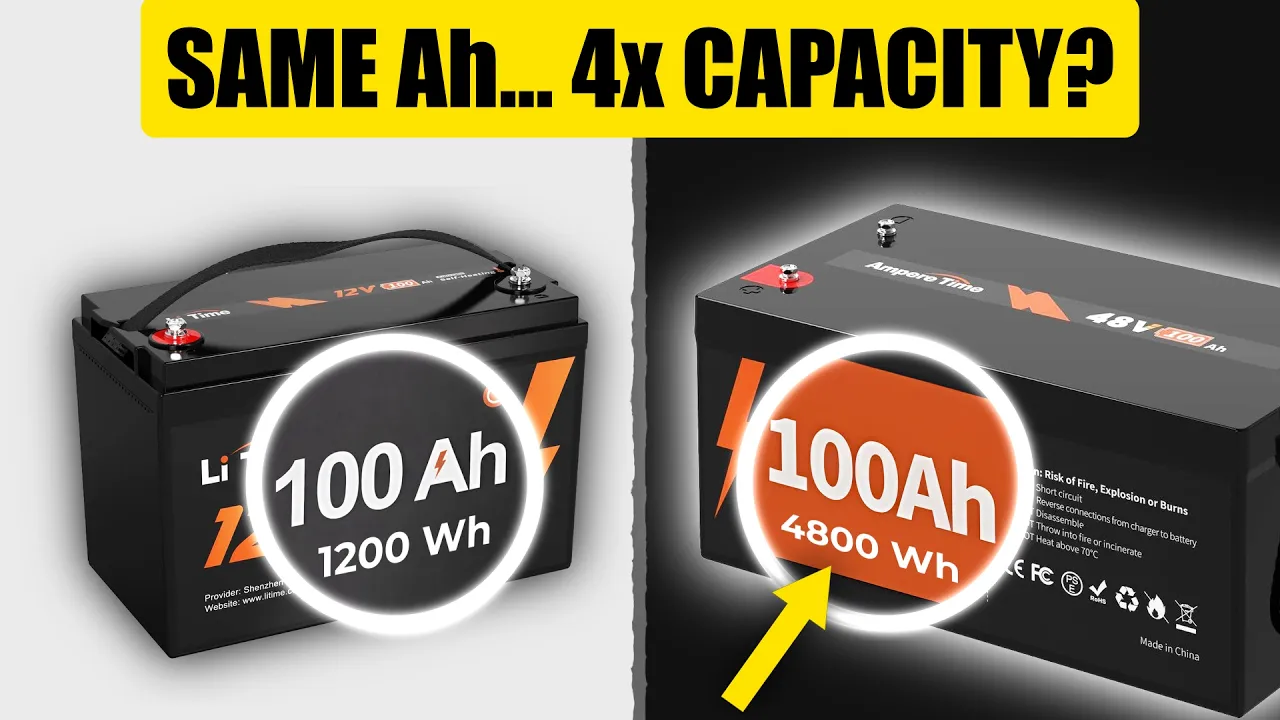
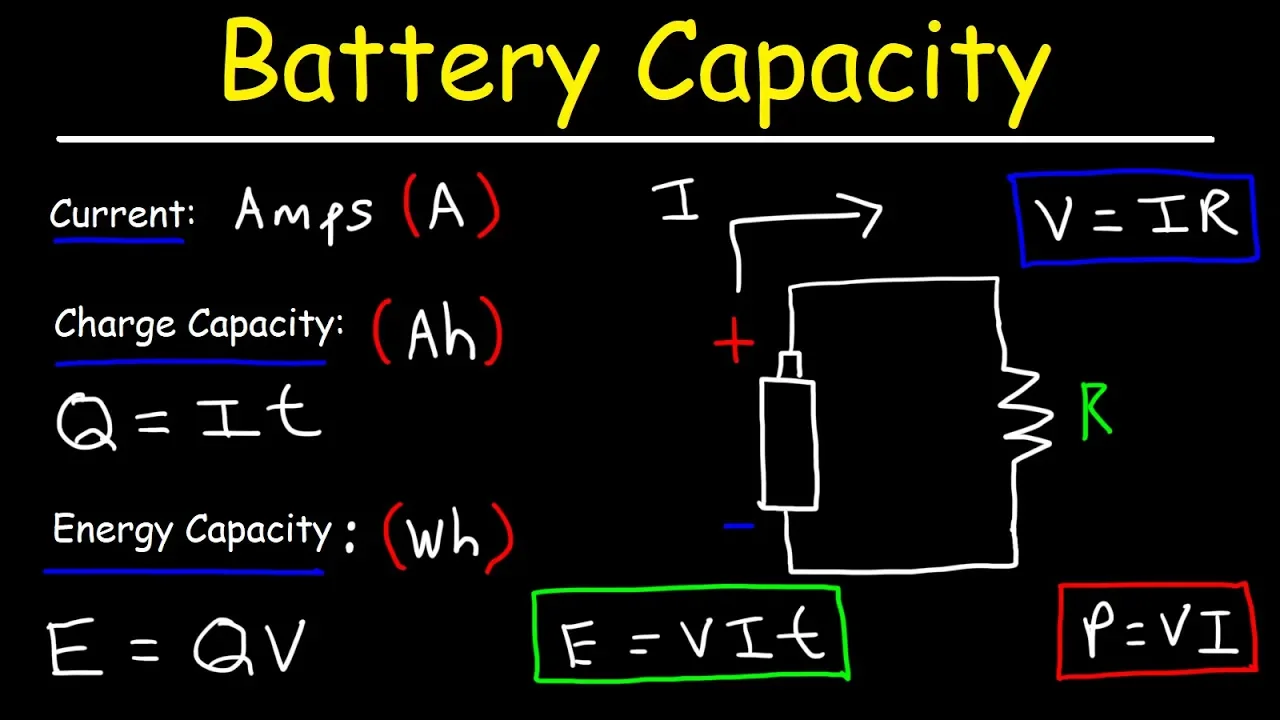
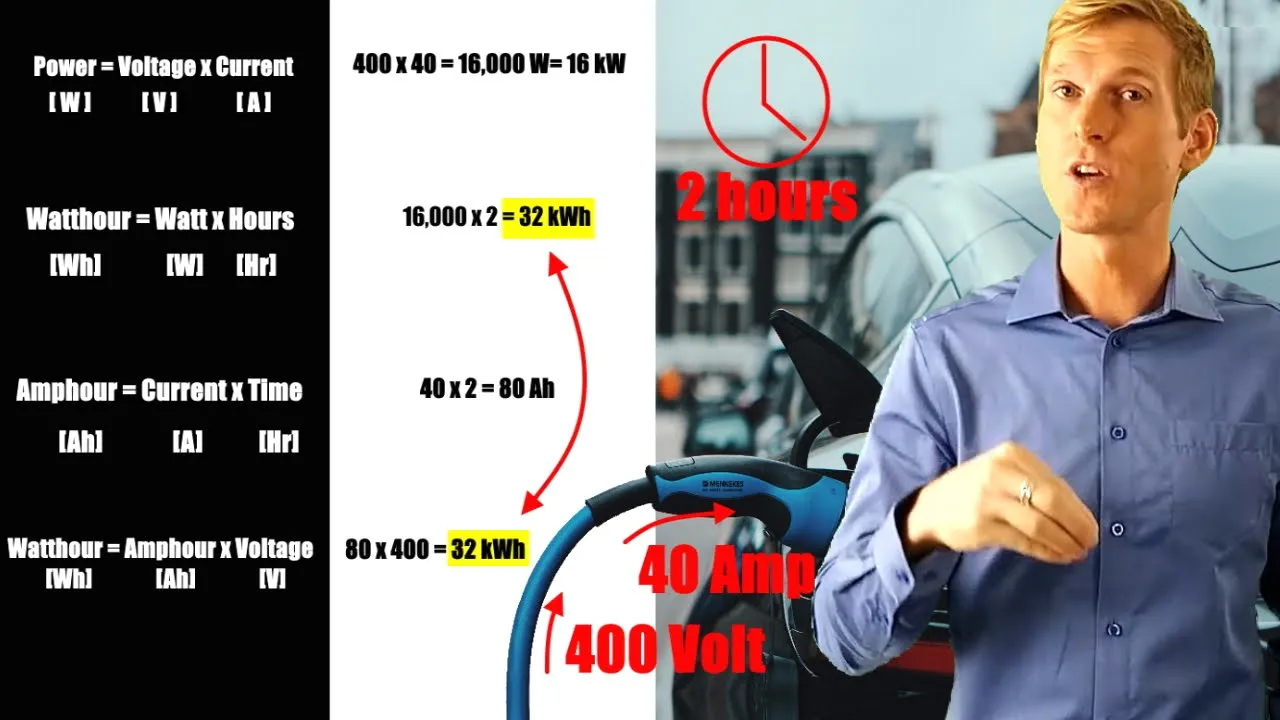
Understanding electrical units of energy and capacity, specifically comparing Farads (F) to Amp-hours (Ah) and Watt-hours (Wh).
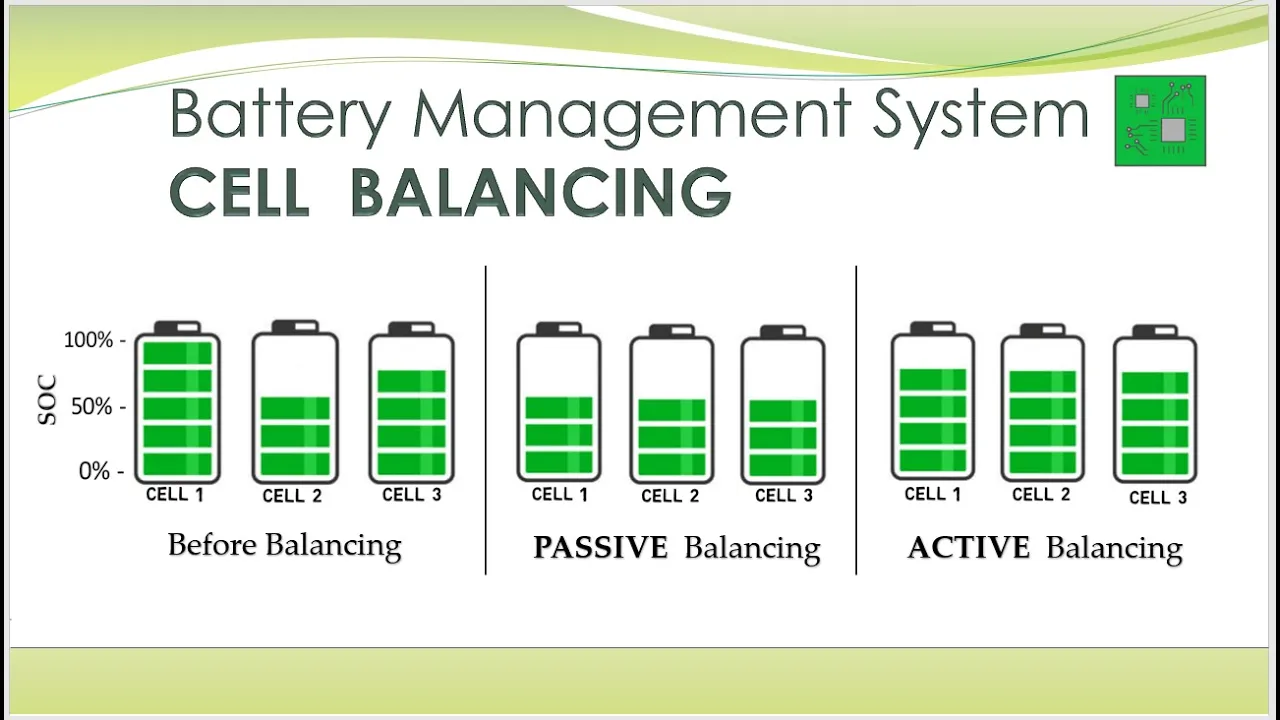
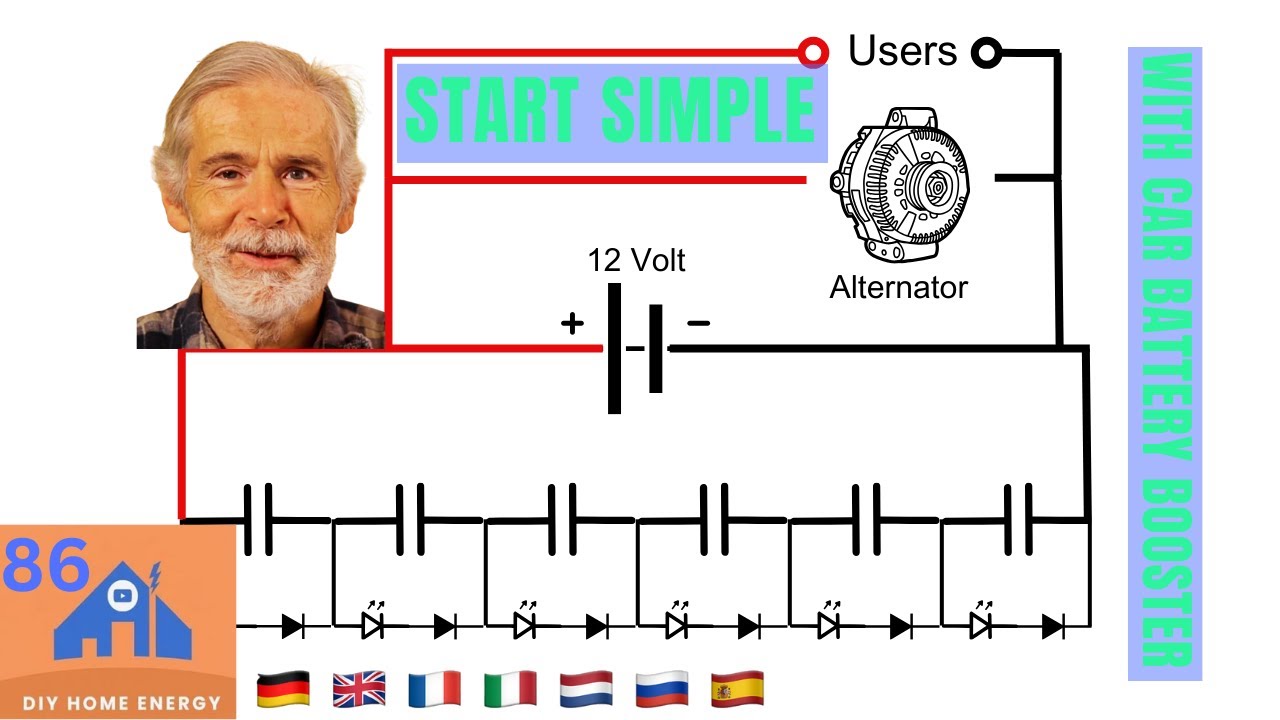
Design and implementation of cell-balancing circuits (active vs. passive BMS) to protect series-connected supercapacitors from overvoltage.
Characterization of Equivalent Series Resistance (ESR) and its critical impact on high-current thermal behavior and efficiency.
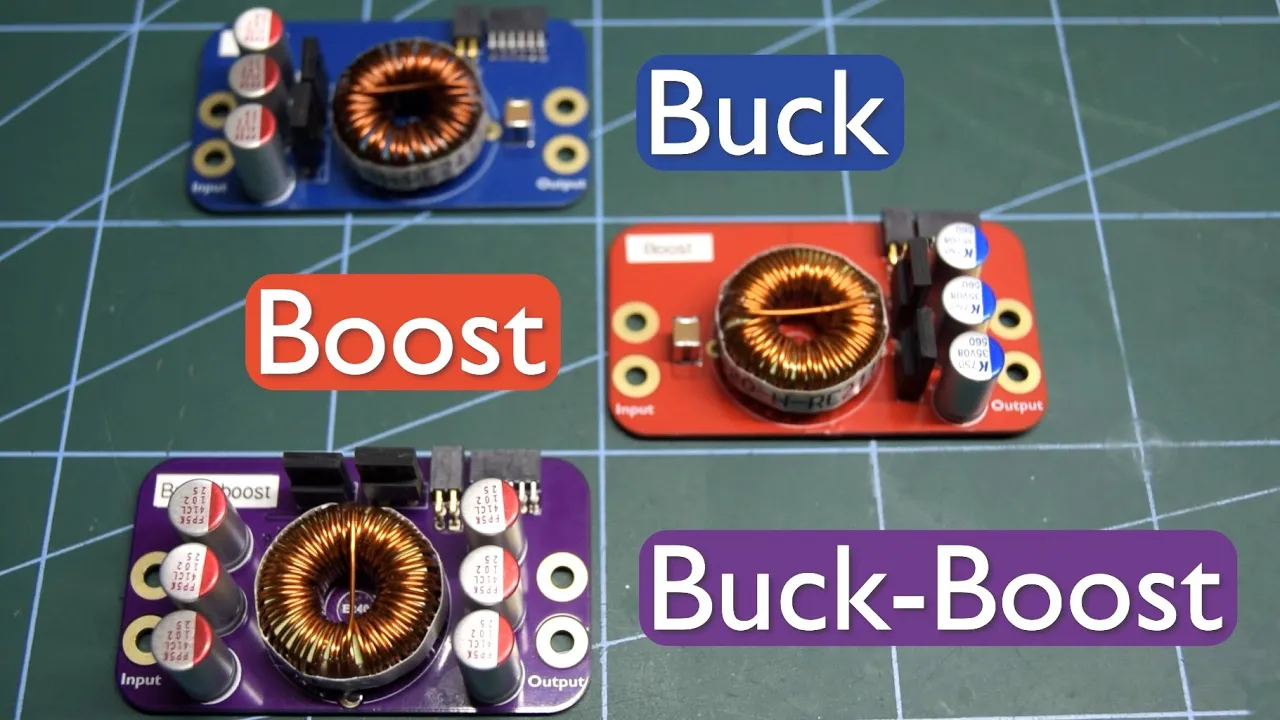
Power electronics design, specifically utilizing wide-input buck-boost DC-DC converters to harvest energy from deeply discharging capacitor banks.
Engineering Hybrid Energy Storage Systems (HESS) that combine lithium-ion batteries with supercapacitors to optimize peak power shaving and extend battery cycle life.
200.9K views2.3Klikes6:27Original Release: 2019-02-24
hey guys in this video I want to talk you about super capacitors and the applications of them I also show you who to test the real capacity of any super capacitor here I have this super capacitor bank I bought it from China for about 40 bucks this capacitor Bank consists of six 500 for out capacitor connected together in series the capacitor are 2.7 volt so the total voltage of the bank will be 16.2 Vol but the total capacitance because they are connected together in series The 500 farad divided by 6 equal to 83.3 farad you can use the super capacitor in following applications the application number one you can use them in spot welding for welding for example the lithium ion batteries the application number two using them in combination with UPS or solar inverter batteries to increasing the lifespan of the batteries due to running inductive load with high Sor current the application number three is cranking the car with dead battery now I show you who to test the real capacity of any super capacitor one forat capacitor is a capacitor that if you discharge it with current of 1 amp the voltage of it dropping 1 volt after 1 second so it comes with this formula I discharge this super capacitor Bank from 11 volt to 10 Vols by 1 amp constant current to see how long it takes to dropping volt volage by one volt as you can see it takes 59 seconds if you use this formula you will find that the total real capacity will be about 59 farad I repeat this testing but this time I discharge the super capacitor from 14 volt to 2 Vols this time it takes 11 minutes and 41 seconds I use this formula again and as you can see the result as before is around 59 farad the second test is testing the amp hour of this super capacitor bank I use these devices to measure the amp hour first I charge my super capacitor Bank to 15 volt here I used a boost converter to convert the super capacitor voltage to a stable 12.8 volt so we can use all the energy stored in the capacitors I connect a 12vt 6 W lump as a load in the output after about 14 minutes the voltage of super capacitor become very low and the Boost converter stop working as you can see this super capacitor is only 0.1 amp hour take into consideration that the Boost converter was 20% of the energy so the total will be 120 milliamp hour only this is why you can't replace a battery with a super capacitor here I discharg the super capacitor by 1 amp constant current and the osilloscope drying the discharge curve as you can see the discharge curve is linear in compared to the battery discharge curve which is nonlinear the protection Board of super capacitor prevent charging of each capacitor more than 2.7 volts by clipping the excessive voltage using a shunt resistor and finally if you want to connect this super capacitor Bank to your battery of UPS or inverter you should make sure that the voltage of the super capacitor bank is equal to the voltage of your battery otherwise a huge amount of current deliver from the battery to the super capacitor or from Super capacitor to the battery and that can be dangerous thanks for watching [Music]
Up Next

4:17
Ancient Persian Wind Catchers: Passive Cooling Architecture Before AC
@LeafofLifeWorld
1.9M views•2023-06-18

30:32
Ultrasonic Transducers: Resonant Frequency Measurement and Horn Design
@imajeenyus42
229.9K views•2017-02-22
54:16
Polymer Environmental Degradation: Mechanisms & Stabilization
@iit
1.8K views•2012-07-10

33:39
How a Student's Question Saved a NYC Skyscraper from Collapse
@veritasium
22.8M views•2025-04-26
Related Study Plans & Knowledge Roadmaps
Structured learning paths in Engineering
engineering
Building Acoustic Levitators: Physics & Arduino
01The Physics of Sound and Standing Waves
02Piezoelectric Transducers and H-Bridge Drivers
03Arduino Programming: Generating 40 kHz Signals
+ 2 more learning modules
14h5 modules
Explore Roadmap
engineering
Building Peltier Cloud Chambers: Particle Tracks
01Cosmic Rays & Cloud Chamber Physics
02Thermoelectric Cooling (TEC) Fundamentals
03Custom Liquid-Cooling Loop Design
+ 2 more learning modules
18h5 modules
Explore Roadmap
engineering
Yagi-Uda Antennas: Modeling, Build & VNA Test
01Introduction to RF and Antenna Fundamentals
02Yagi-Uda Antenna Design Principles
03Antenna Modeling and Simulation in 4NEC2
+ 2 more learning modules
18h5 modules
Explore Roadmap
engineering
ECG Monitor Design: Op-Amps, Filters & Noise
01Electronics & Breadboard Basics
02Op-Amps and Instrumentation Amplifiers
03Bioelectricity and ECG Fundamentals
+ 2 more learning modules
18h5 modules
Explore Roadmap