



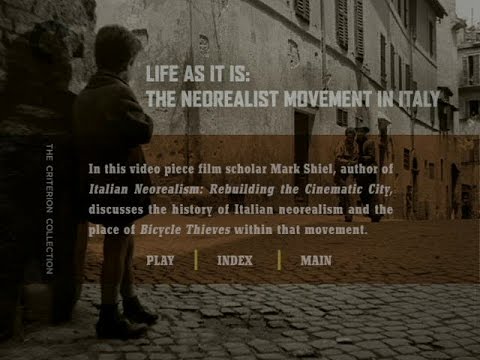
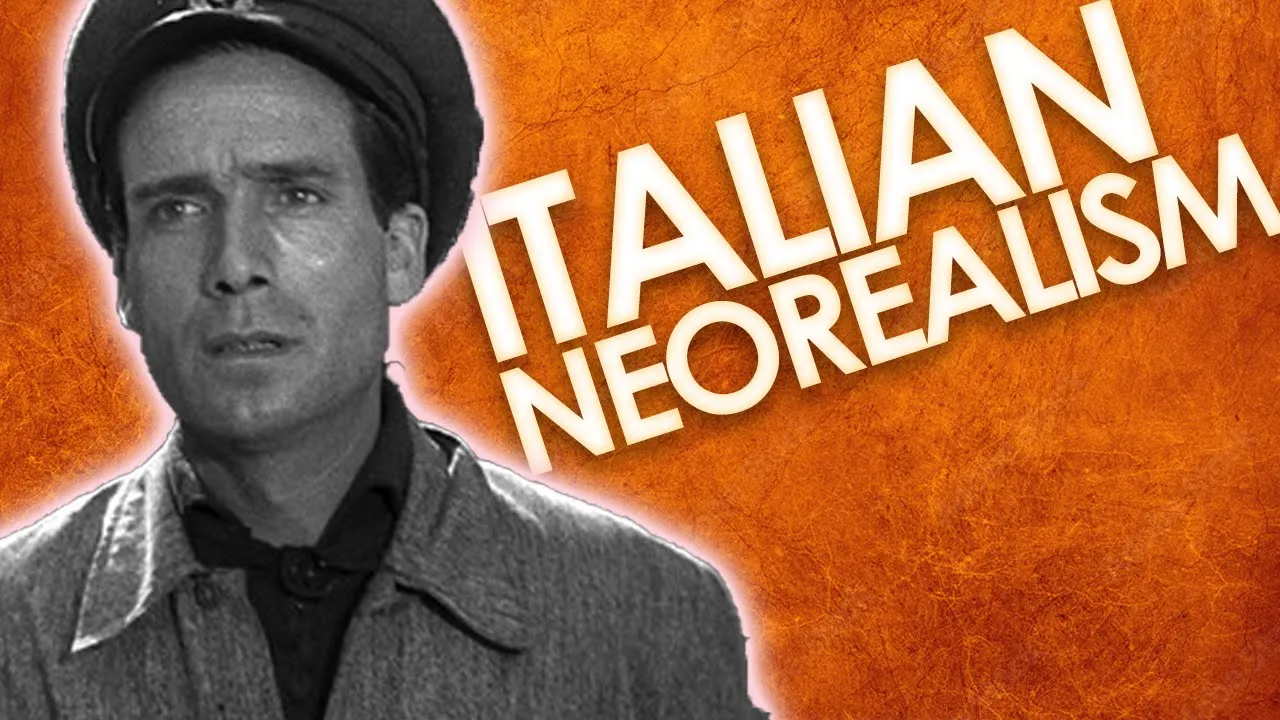









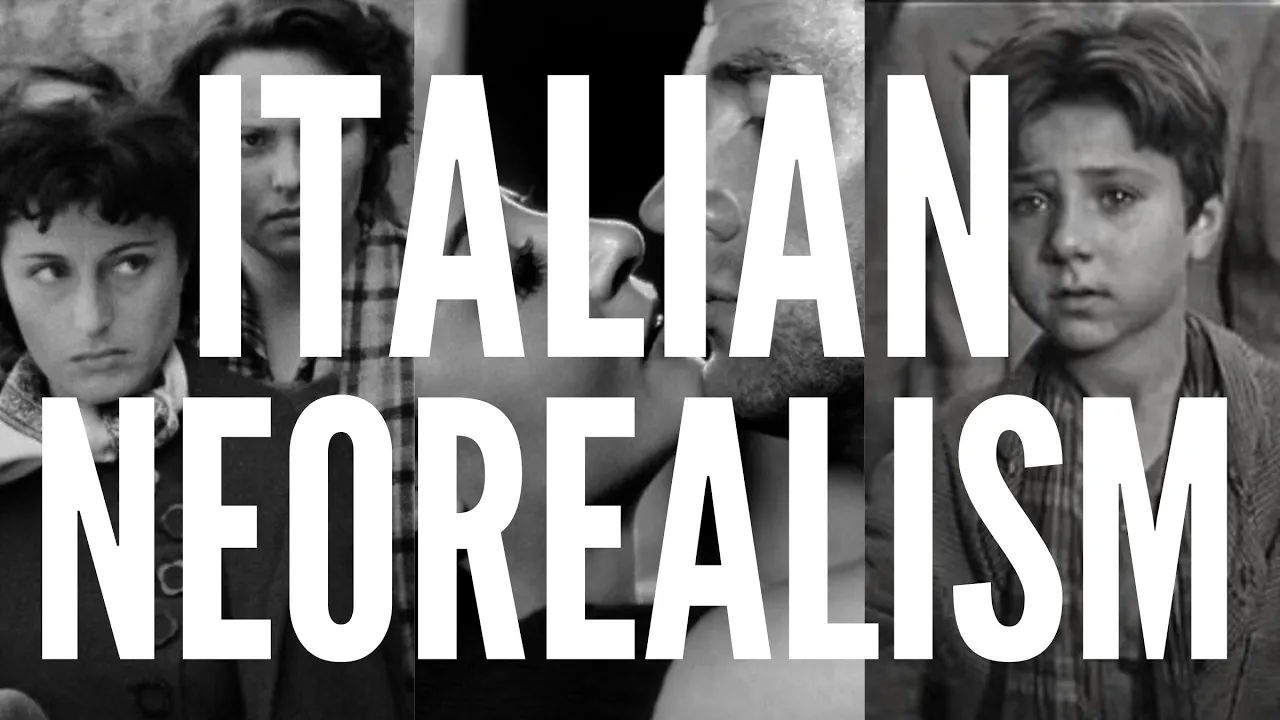
Italian Neo-Realism (1940s-1950s) was a cinematic movement that revived realism in film after decades of fictional and romantic storytelling, characterized by filming on actual locations with non-professional actors, using long takes and source sounds while depicting the everyday lives and poverty of working-class Italians; key filmmakers include Roberto Rossellini ('Rome, Open City'), Vittorio De Sica ('The Bicycle Thief'), Luchino Visconti, Federico Fellini, Michelangelo Antonioni, and Pier Paolo Pasolini, whose works combined social critique with artistic innovation and profoundly influenced global cinema movements including the French New Wave and Dogma 95.
Italian Neorealism in World Cinema | Film Studies Lecture
Added:The historical context of post-World War II Italy, including the economic devastation, social collapse, and the fall of the Fascist regime.
The conventions of Classical Hollywood Cinema (e.g., studio sets, the star system, and invisible editing) to understand what Italian Neorealism was actively reacting against.
Basic film analysis terminology, specifically concepts like mise-en-scène, on-location shooting, and the distinction between professional and non-professional actors.
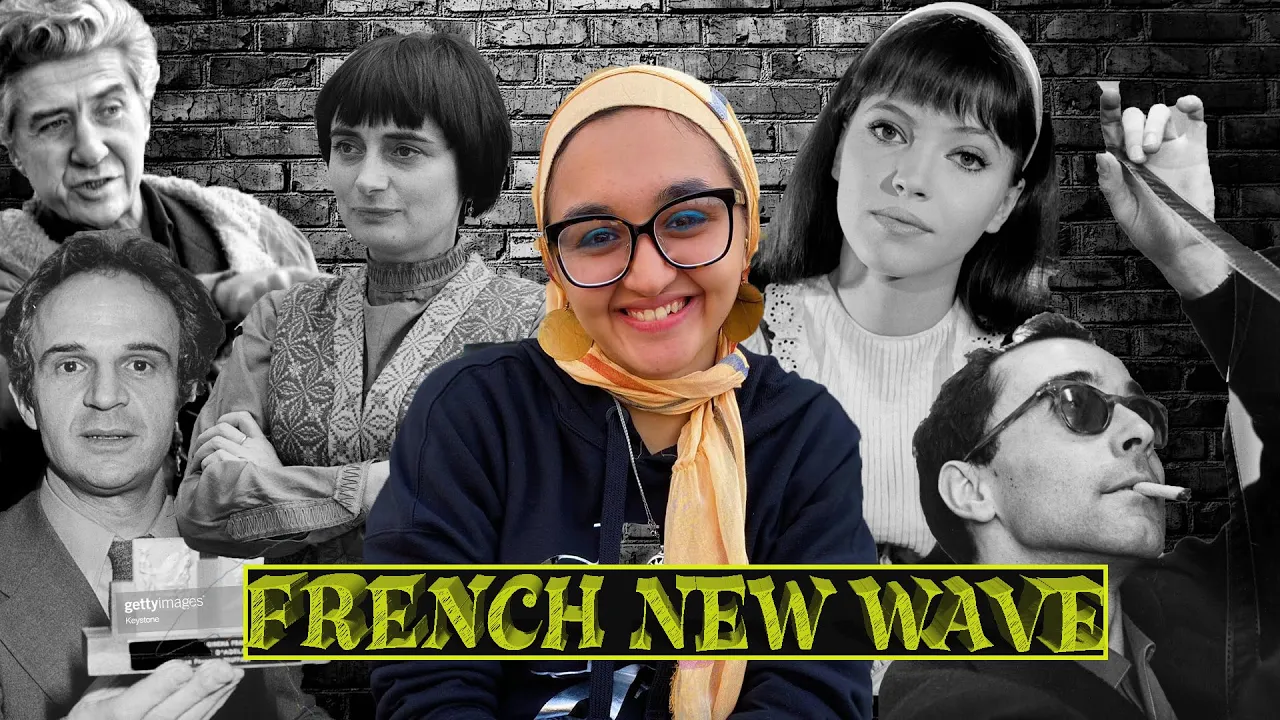
The rise of the French New Wave (La Nouvelle Vague) and how French directors adapted Neorealist principles of low-budget, on-location filmmaking.
The global legacy of Neorealism in other international film movements, such as Indian Parallel Cinema (e.g., Satyajit Ray) and Brazilian Cinema Novo.
In-depth auteur studies of key Italian Neorealist directors, focusing on seminal works by Roberto Rossellini, Vittorio De Sica, and Luchino Visconti.
The transition of Italian cinema into the 1950s and 1960s, exploring how filmmakers like Federico Fellini and Michelangelo Antonioni evolved Neorealism into modernist, psychological cinema.
8.2K views104likes29:19Original Release: 2015-05-08
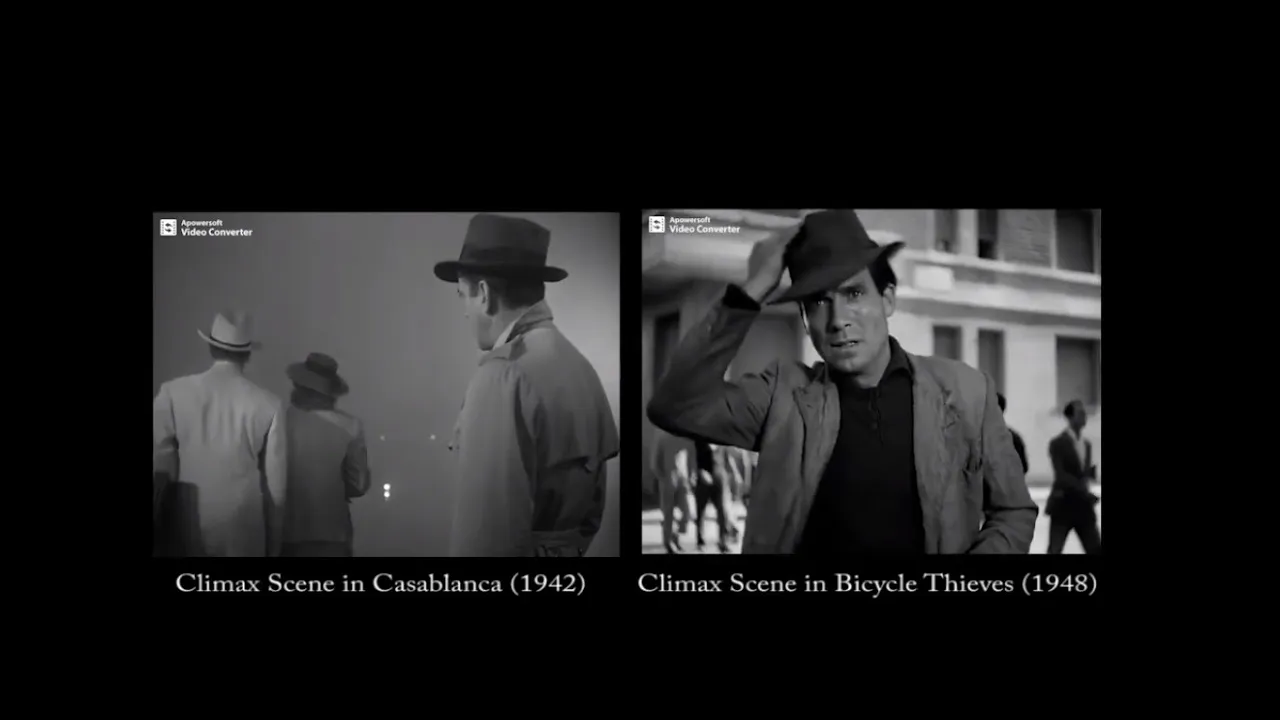
good morning we'll be continuing our discussion on traditions in world cinema and today's topic is Italian Neorealism so we have been we know that there are other traditions in world cinema such as the French new-wave we have been talking about the German Expressionism and British New Wave several others during the course of this discussion we'll also sometime later talk about in the Iranian new wave cinema the Latin American cinema so we are now now attempt is here now to look at the major cinematic movements so um we talk about Italian Neorealism today but before I talk neo-realism we should be able to understand what is really is them after all so what is realism now see realism again like other we are using the cinematic terminology here cinematic vocabulary here but it all goes back to literary terminal or Jaso realism finds its roots in the writings of French writers such as honor the bells or Gustov flopper the guy who wrote Madame Bovary and emile zola who was also associated with the great naturalistic tradition now historically we are at the point where artists reacted against the Romantic movement of the late 18th and early 19th century I am giving you the a brief historical background so there was something called the Romantic movement and realism was a sort of response to that now realism after all depicts the everyday life particularly the everyday life of the middle and the lower class as they exist day to day as opposed to the exotic the romantic the ideal as was depicted during the Romantic period so every day becomes worthy of high art now it also led to certain degree of interest in the documentation of real life so realism focused on depiction of characters and places and also situations as they actually appear in life not perfect not completely flawed but a natural combination of the two now see prior to realism the norm was to make characters less like real people and more like symbolic characters than hero the villain another damsel in distress all these archetypes in cinema realism is a stylistic choice and can be understood as an illusion that what is shown on a screen is actually connected to reality now realism is a contested term what is real people say such as its rise cinema SATA t3 cinema is highly realistic people may also question that that how realistic is that kind of cinema so realist realism is a contested and a much debated term that is armed are all things which we can recognize that the real are all recognizable things real it is a mix of devices to disguise the fact that the fact what we really see in real life now with the development of photography and camera was able to capture an objective truth about the world realistic films present what appears on the screen as natural now one of the very first film of this period was one of the very first film actually I'm sorry to use the term one of the very first film but the first film ever was something called arrival of a train at railway station at the station and also workers leaving the Lumiere Factory in 1895 by the French film pioneers the Lumiere brothers and it was so real okay as close to reality as life so I would highly recommend that all of you watch these two films then arrival of the train at the station and also workers leaving the Lumiere Factory the very first films ever made in 1895 by Lumiere brothers now it may be noted that in a realist film hero is not always easy to identify with and often carries a certain degree of moral ambiguity about him in other words to make a protagonist appear as a real person a real is film us attribute those characteristics on the character which the audience perceived as real now where is all this leading to two words Italian Neorealism because what is neon it must be a revival of interest in realism so cinema began perhaps you know showing certain degree of commitment towards depicting reality but somewhere along the life along the way fiction overpowered okay something you know a taste for adventure and Romanticism it took over so Italian Neorealism was a response to that so we need to connect realism with Italian Neorealism now major theories of realism are Rudolf Arnheim fish fried cracker and and ribosome now basil in his water cinema says photography does not create eternity as our does it am bombs time rescuing it simply from its proper corruption here he implies that photography has a historical purpose in capturing a view of the world forever this kind of filmmaking is associated with the kinds of films that were made in France in the thirties particularly by directors such as Jean Renoir and while talking about Rhino avi I would suggest that you watch his film called the rules of the game okay so this is a one film of you know due to copyright acts we may not be able to show you actual clippings from films but what I would suggest is that you keep watching these films and I would be discussing these films and referring to these films particularly certain scenes from these films quite often so these films with their focus on stories about the masses and kinds of hardships common people faced they were all about that then was use of the long take also held in his brand of cinema which resulted in helping the audience to navigate their way around the frame rather than getting manipulated by editing techniques now very close I am making a jump now from the early kind of realistic cinema and something more recent something was so 1895 we had one revolution called the invention of cinema and the first-ever film and then in 100 years from then we were in 1995 where people like Lars von Trier established something called that dogma movement the dogma movement dogma 95 as it is called it was established in 95 in Den by large volunteer and Thomas Vinterberg it sets out the aims in a manifesto which referred which is referred to as a vow of chastity Dogma focused on form and not on form and content the ideas to tell stories in bare and basic form and expose the artificial nature of filmic storytelling with respect to content most Dogma films deal with the bleaker aspects of life some of the dogma principles are shooting on location and using no props sound must not be produced it should be as true to life as possible camera must be handheld handheld sorry and you may recall that these are the features of the French new-wave also they also talked about using shooting films in color with no special lights and also not you avoid using optical work and filters they shunned melodrama and also shunned especial temporal alienation the idea that film should be about here and now Jones are unacceptable to the dogmas dogma to the principles of dogma and form it should be 35mm and most interestingly the director must not be credited you can relate this to the theory of author ISM now there is another concept called cinema verite which is literally truthful cinema cinema verite films are usually shot with light easily portable inexpensive equipment hand-held cameras on actual locations with real people and non-professional actors and on a relatively small budget the films are usually shot without a script and assemble later in editing so these are the these are the principles this is how cinema verite is generally understood and the reserves film called cinema verite 2011 I would suggest that you please watch it while talking about realism there is also concept of social realism especially so via social realism which is at the center of so social realist cinema and it's fully recognizes the ideological potential of cinema for example the works of Russian filmmaker Sergey Eisenstein and these works are the most important films in this category however this kind of cinema with strong ideological overtones has been embraced in other countries also for example our own brand of a social realist cinema for example I would say you know site versus Albert Pinto Coco sakhiwe it was a 1981 films the starring as a Naseeruddin Shah and Shabana Azmi so it comes quite close to social realism and several other films of the so-called parallel cinema movement in India there's another film called month and a Shyam Benegal movie look at that also I would recommend if you are not already familiar with that you please watch it as an exemplar of social realistic cinema we have another brand of realism Keaton sink realism which is a part of British New Wave cinema it is particularly related to the literary movement of the fifties in Britain and important characteristics characteristic is plots based on youth the young people using their dialect their attitudes their aunts their anxieties the idea was to explore social and political issues through a new kind of cinema and some of the great films of these of this period most of them are on works of literature theater and novels so look back in anger Saturday night and Sunday morning a taste of honey etc now from here we move on to the discussion of Italian Neorealism so a brief background of Italian cinema in 1905 the first Italian studios were established they were owned by two of the largest production companies sinners and Italia both of which made successful period films costume dramas some of which were the last day of Pompeii the fall of try and Cabiria now Cabiria is a story of a slave girl and which took six months to shoot the film shoot in studios and also PI partly and partially on location it contains technical innovations such as dolly and crane shots and its success in America inspired people such as DW Griffith and Cecil DeMille to launch big-budget productions the first world war and competition from the US film industry put an end to the large-scale Italian productions ironically it was the facia s-- regime under Messala need that revived italian cinema mussolini unlike Hitler or Stalin did not aim at total control over the content or the style of the Italian commercial cinema for propaganda reasons mussolini preferred documentary films and newsreels produced by an agency called luc e the fascist regime viewed Hollywood as its model and saw cinema more as a vehicle of entertainment rather than propaganda so you can compare this with Hitler and the entire propagandist machinery that he was associated with you know there was a film called for will which was made in order to project Hitler in a very positive light but Mussolini more or less refrained from this so it he was more interested in cinema yes a form of entertainment and artistic form rather than propagandist form in the thirties Italian cinema was dominated by the so-called white telephone films and these films are about the upper class there is towards the wealthy people of society in 1935 the fascist regime founded a major film school the central as experimental the cinematography in 1937 was already inaugurated a film complex Sinha Sita and then a journal is called cinema was launched during this period in 1942 alessandro blasted he made four steps in the cloud which is a film that anticipated neo realism by using humble characters and ordinary background and then there was the siege of alcazar by others to Janina which celebrates the defense of the fortress in the faroe region during the Spanish Civil War by Franco's general Franco's fascias it is in the style of a fictional documentary the fictional documentary style generally meant adding a love story to adventure or war stories and this kind of hybrid plot became a typical part of post-war neo-realist cinema the most significant documentary is shot from the Italian Armed Forces were men on the bottom by Francisco de Robert is and many fictional documentaries by the great Roberto Rossellini now one of the key names of this period is Leo Longinus II now Leo Longinus he was a journalist and a staunch a supposed journalist and a staunch supporter of Mersault Mussolini he gave the motto Mussolini is always right and he advocated extremely simple realistic films without elaborate sets with the fall of misogyny and the end of the war international audiences were suddenly introduced to Italian films especially the works of Rossellini the Sita and Visconti Italian directors by this period combined the desire for cinematic realism with social political or economic themes that would not have worked under the fishes regime now neo-realism cinema generally refers to the films of working-class people and it often depicts their abysmal poverty the peak period was the 14 and the 50s this movement tapped into a particular transition in Italian life and became a vehicle for filmmakers interested in the vivid description of history and society the underlying message is that in a just society their wealth and means of wealth would be more evenly distributed often these films would be based on true incidents and often they often use newsreel footage they were shot on actual locations and used non-professional actors the plot and the characters were used as a weekly for ideas and there was an emphasis on source sounds and avoidance of heavy musical scores in the late 1940s neoreul isms influences spread to Hollywood people started using actual locations and City was used as an important character and long takes were used to bring about a touch of reality again think of our own satrajit array and his brand of cinema and also directors in Germany Spain and Eastern Europe - were influenced by the Italian neo-realist movement the first Italian neo-realist film was obsessive directed by Luchino Visconti it was based on American pulp writer James and Keynes The Postman Always Rings Twice again some median italian neorealists were Roberto Rossellini he was named the father of modern film by cairo cinema the influential french film journal along with Jean Renoir he was the most influential name among the Nouvelle Vague film makers the Nouvelle Vague filmmakers from France they held him in high regards Rosaline his first three films are the white ship a pilot returns and the man with the cross however it was with Open City Rome that he broke into this movement called italian neorealists neo-realism and came to be associated with this movement the film weaves together a variety of stories of Romans during the occupation of Italy by the German forces it is short on locations with non-professional actors using long white takes Rossellini's next film paisa contains six vignettes from the liberation of Italy a chronicle of 1943 to 1946 and it was followed by Germany Year Zero which is a devastating tale of defeat and solitude and in one of the series and one of the scenes a recording of a Hitler speech echoes over the devastated landscape together these films to provide us with great commentary on the then contemporary social issues at a time of political move global importance Rossellini famine famously said I am NOT a pessimist to perceive evil where it exists is in my opinion a form of optimism after a spate of neo-realist films he made several films with Ingrid Bergman the Hollywood actress whom he later married and also made several documentaries on and about Italy during this phase another important filmmaker of this period is Vittorio De Sica who grew up in a lower-middle-class district of Naples and joined the stage he began his career as a leading man he as a leading man in light-hearted romantic films but soon took to direction and his shoeshine is scripted by the neo-realist theorist Cesar Sabatini is an account of the shoeshine boys of the post-war Italy and the abject poverty these children lived in his vice the Bicycle Thief is commonly regarded as a film that heralded Italian Neorealism in a real big way in a major way I would recommend that you watch a Bicycle Thief and perhaps he would discuss that as part of our person film appreciation which the film is a characteristic of the Italian Neorealism with its use of non-professional actors and shooting on actual Roman locations its influence can be felt on Saturday today's Patel fan Charlie and films as recent as children of heaven 1999 from Iran other Italian masters include Frederico Fellini whose early work reflects a preoccupation with human weakness and also an interest in illusion and loneliness in Lystra de which is a 1954 film and it won him international recognition felony unfolds a tale of traveling circus our recurring motif a recurring milieu in his works now Dolce Vita is an eloquent statement on life and its excesses and the role of so-called pepper RZ in the modern times this is a film where the exploits enter on the plot centers on the exploits of a gossip journalist and this is the this is one of the key film this is one of the first times that the town the / RZ was used Cellini's next major film was 8 and half which is a semi autobiographical account of an artist's creative process the film traces a film director you know a partially based on felony himself and the plot is that with a new project set to start and no script the filmmaker has come to a dead end and the director the fictional director plumps the memories of his childhood and his hidden desires for inspiration one of the famous lines go as I have nothing to say but I want to say it most of felonies films are autobiographical quite personal in nature they are influenced by his life his dreams and also his love for performative arts and then we move on to another influential filmmaker Michelangelo Antonioni and on any began his professional life as a critic and was fired by Mussolini's regime for his leftist views before turning into an independent director he contributed to the screenplay of Rosalyn is a pilot returns his early films such as chronicle of a love affair which is influenced by Visconti's obsession and thus the cry showed the influence of neo-realism and established his esthetics of alienation his other major films include la ventura blow-up luckless and Zabriskie point blow up is a particularly important which is antonini's view of world off of the world of modern fashion and it is also a provocative murder mystery that examines the existential nature of reality interpreted through photography interestingly it was set in the mid 90s 60s mid 1960s London and which is a locale which was fairly unfamiliar to the director the and in an important thing about blow up is how it influenced Hollywood filmmakers and one of the key films that inspired filmmakers of that period to experiment more with cinema and so moving on with Italian neo-realist directors another major name is pierre paolo pasolini who is widely respected as a poet novelist and director he's one of the most controversial and ambitious film makers his writings were scandalous and iconoclastic and he celebrates the low-lives of the Italian society such as hustlers pimps etc his one major film he has made a handful of great films but a major film is the golden the Gospel according to Matthew which was film film in the district of Basilicata and its capital matira it was shot in a new realistic style without a screenplay and personally knees interpretation of Christ was done by a non-professional Spanish student and Mary at the time of crucifixion is parcel and his own mother and the director uses minimal sets and simple cameras to capture the story his depiction of Jesus is more along the lines of a messiah of the countercultural times and an angry young man much of the dialogues in the film are in a debating style where a question is answered with a question offer or a parable so Italian cinema the other great names are Bernardo Bertolucci okay the director of Last Tango in Paris the last time for a little Buddha and so on and recent in the Italian film cinema continues to enthrall the audience all over for example el pastino life is beautiful and Cinema Paradiso so we continue with our lectures on traditional worlds and traditions in world cinema in our next classes thank you very much
Up Next
29:08
Camera Movement in Film: Techniques for Visual Storytelling
@StudioBinder
6.1M views•2020-10-05

23:14
Visual Analysis Essay: How to Analyze Graphic Novels in College Writing
@nataliepleimann5941
1K views•2020-10-14
4:55
Film Blocking Techniques for Directors: Space, Shapes, Lines
@StudioBinder
1.9M views•2018-07-23

4:00
Evolution of Darth Vader: Anakin Skywalker's Animated Journey Across Star Wars Films
@TellItAnimated
13.4M views•2019-03-30
Related Study Plans & Knowledge Roadmaps
Structured learning paths in Film Analysis
film-analysis
Sensory Cinema: Foley, Haptic Sound & Texture
01Introduction to Film Sound and Foley Artistry
02Micro-Sounds, Textures, and Extreme Amplification
03Haptic Audition and Film Phenomenology
+ 1 more learning modules
12h4 modules
Explore Roadmap
film-analysis
Breaking the Fourth Wall: Mockumentary & Satire
01The Invisible Wall: Basics of Cinematic Illusion
02Looking at the Lens: Direct Address & Character Glances
03The Mockumentary: Satire, Realism, and Complicity
+ 2 more learning modules
12h5 modules
Explore Roadmap
film-analysis
Analyzing the Long Take: Cinema, Space & Ethics
01Foundations of Film Grammar: Montage vs. The Long Take
02Choreography and Mechanics of the Simulated One-Shot
03Phenomenology of Film: Real-Time Spatial Continuity
+ 1 more learning modules
14h4 modules
Explore Roadmap
film-analysis
Anachronistic Music: Period Drama & Subversion
01Foundations of Film Sound and the 'Needle Drop'
02Traditional Authenticity vs. Revisionist History
03The Rise of the Anachronistic Soundtrack
+ 2 more learning modules
12h5 modules
Explore Roadmap