
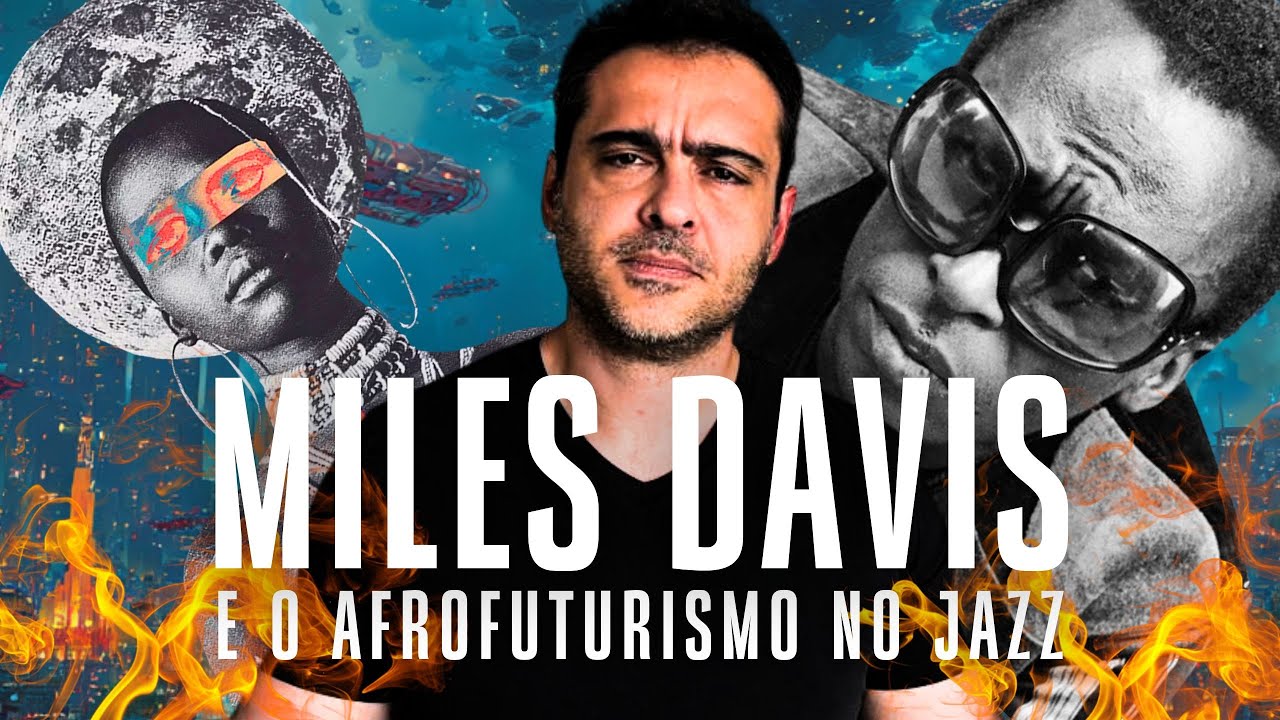















Afrofuturism is a cultural and artistic movement that uses science fiction, speculative thought, and futuristic themes to explore Black identity, history, and cultural memory; this documentary traces how Black musicians like Sun Ra, George Clinton, and Detroit techno pioneers used space imagery, futuristic sounds, and technological innovation to imagine alternative futures and reclaim agency over their cultural narrative, demonstrating that Black existence and science fiction have always been intertwined as a means of processing alienation, cultural dislocation, and envisioning liberation.
The Last Angel of History (1996) | Afrofuturist Documentary
Added:An understanding of the African Diaspora and the historical trauma of the Middle Passage, which Afrofuturists often metaphorically frame as an alien abduction experience.
Familiarity with the foundational figures of cosmic Black music, specifically Sun Ra's space-age jazz philosophy and George Clinton's Parliament-Funkadelic mythology.
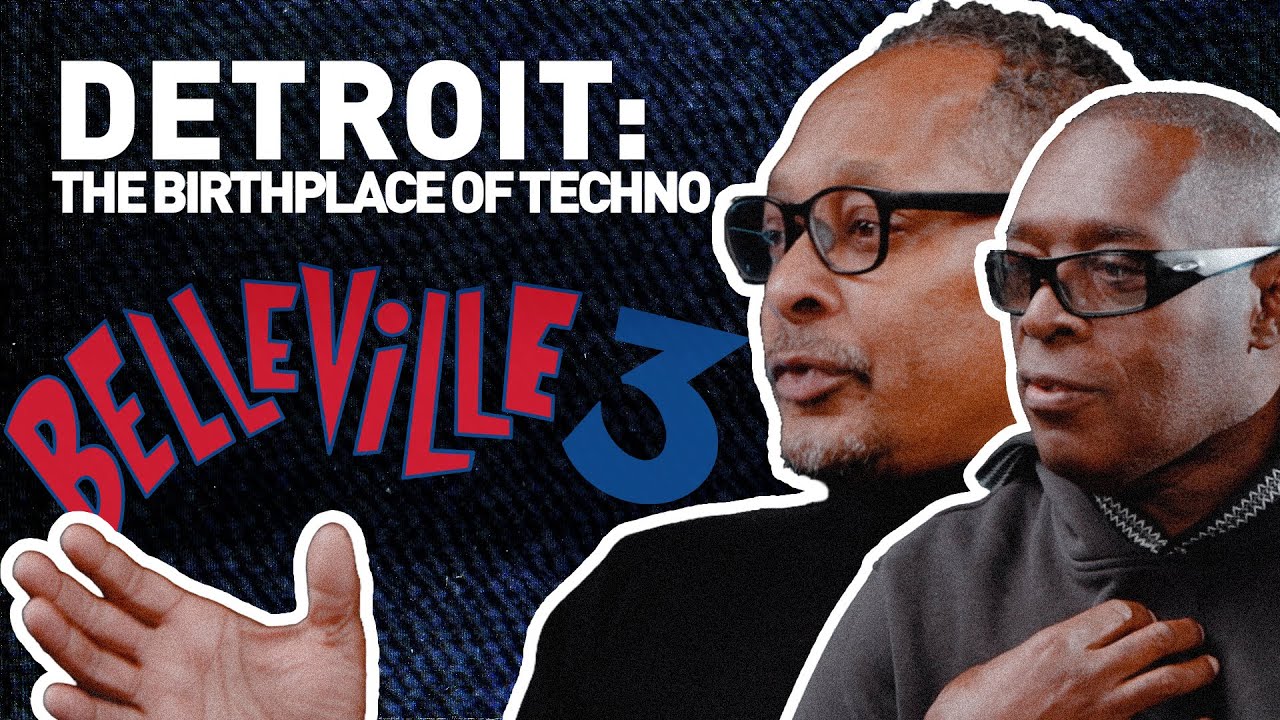
A basic knowledge of the origins of Detroit Techno (such as Cybotron and Belleville Three) and its themes of industrial alienation and technological displacement.
An introduction to the term 'Afrofuturism' (coined by Mark Dery in 1993) as a cultural aesthetic that combines science fiction, history, and fantasy to address the African-American experience.
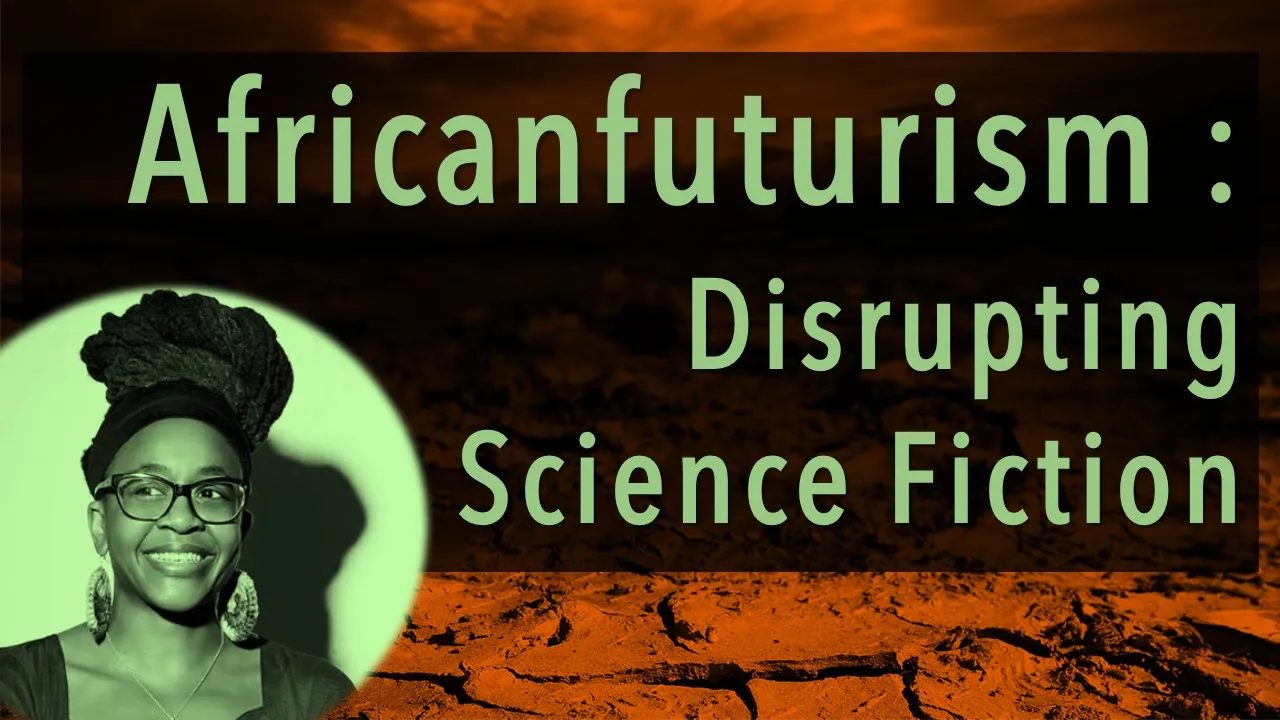
An exploration of literary Afrofuturism through the works of authors like Octavia Butler, Samuel R. Delany, and modern 'Africanfuturism' writers like Nnedi Okorafor.
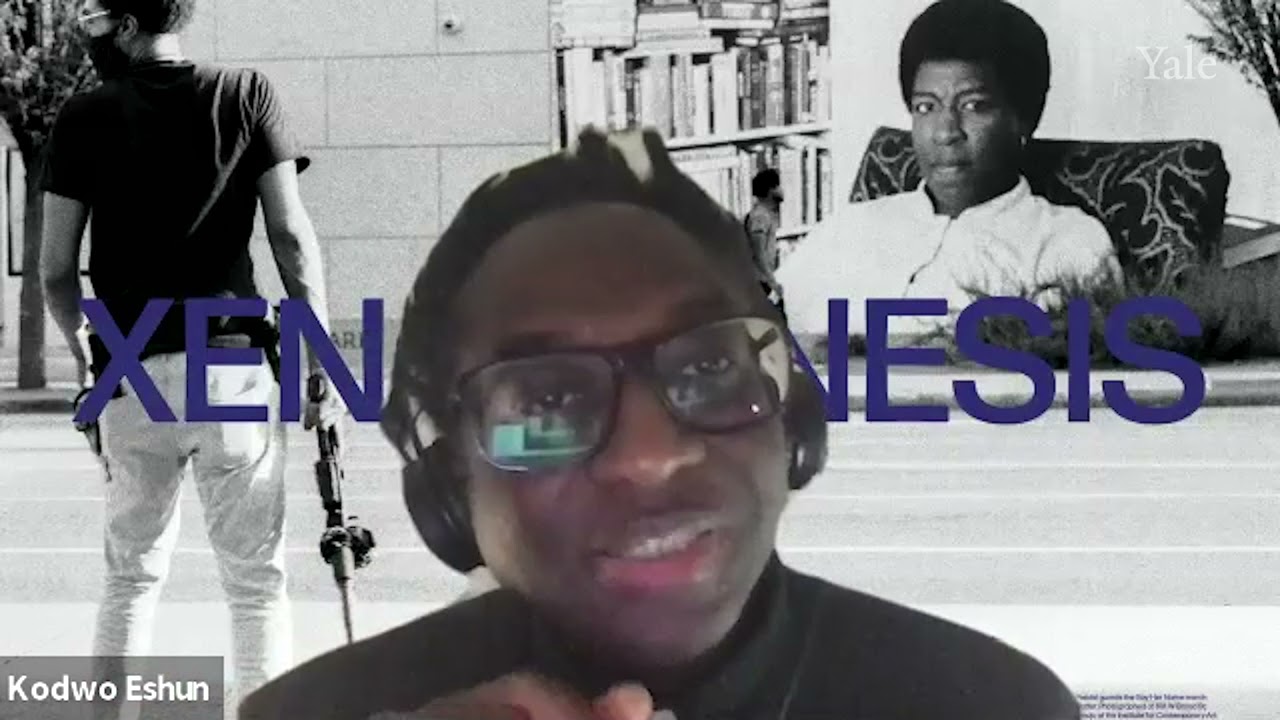
An analysis of Kodwo Eshun's cultural theory, particularly his book 'More Brilliant than the Sun: Adventures in Sonic Fiction', which expands on the film's musical themes.
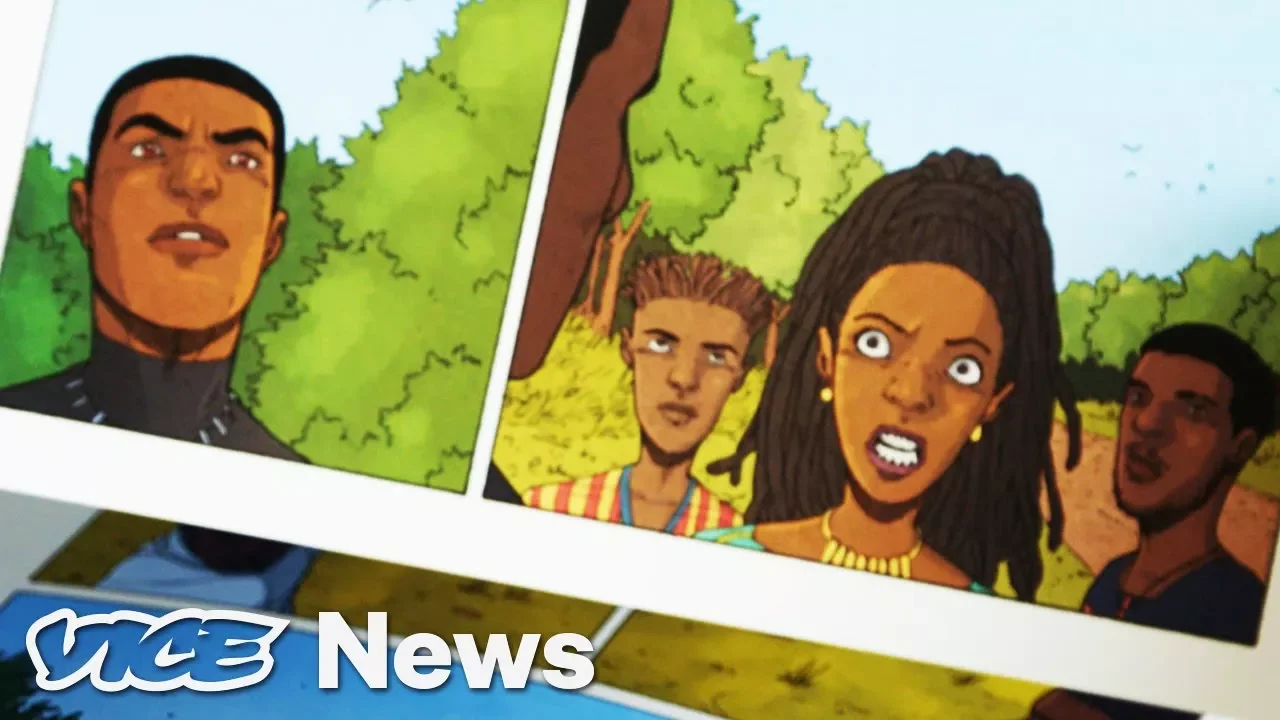
A study of contemporary Afrofuturist expressions in mainstream media and pop culture, such as the music of Janelle Monáe and the cinematic world of Marvel's Black Panther.
An investigation into the filmic techniques of the Black Audio Film Collective and John Akomfrah's broader filmography exploring post-colonial identity, memory, and diaspora.
807 views24likes44:26Original Release: 2025-07-26
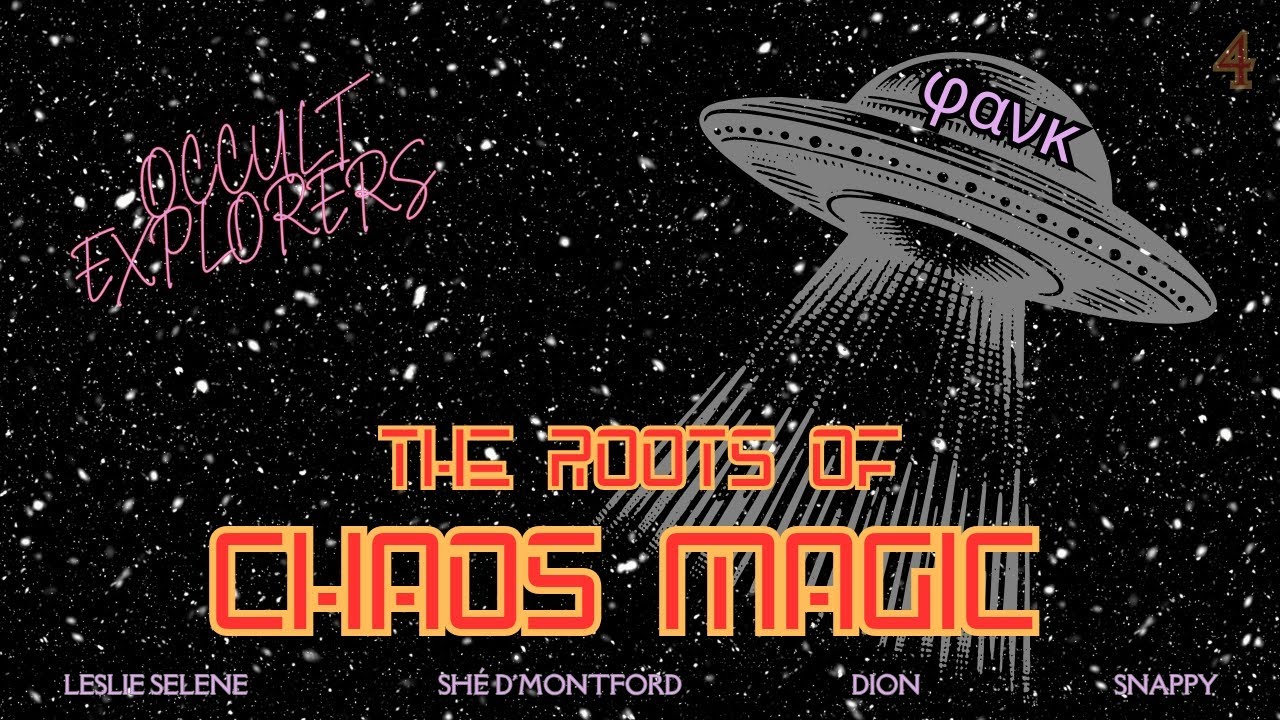
200 years into the future next figure another hoodlum Another Bad Boy scavenger poet figure he's called a data Thief 200 years into the future the data Thief has told a story if you can find the crossroads a Crossroads this Crossroads if you can make an archaeological dig into this Crossroads you'll find fragments techno fossils and if you can put those elements those fragments together you'll find the code crack that code and you have the keys to your future you've got one clue and it's a phrase Mothership Connection the Mothership Connection it's kind of George Clinton's obvious uh it his 19 74 album in which uh you have an alien you have George Clinton who's like an alien in kind of silver foil and he's kind of getting out of a spaceship you can't work out whether he's getting out of the spaceship or getting back into the spaceship by this time black music had black itself had become commercial you know it was hip to be black you know into the music you know the dance bands of James Brown and all of that so and Hip Hop I mean rock and roll had just like fad it out you know in' 69 so it's time to make a change this figure is a thief he's a data thief and he's surfing across the internet of Black Culture breaking into the vaults breaking into the rooms and stealing fragments fragments from cyber culture techn culture narrative culture [Music] the data Thief has two gadgets that he's going to use to navigate his way through our present a black box and a rather special paer of sunglasses G Clinton George Clinton Parliament Funkadelic Funk uncut Funk the bomb George Clinton I think is a [ __ ] Maniac I was always fond of a Star Trek you know a Star Trek freak or SciFi freak so the next record had to find another place that you hadn't perceived black people to be and that was on a spaceship so I pictured him in there leaning you like it was a Cadillac you know sliding through space you know chilling you know Heaven come here from the planet serious [Music] I went to see a concert when I was a little kid at the place called The Olympia Ballroom here in Detroit I never forget it I mean that was like for me that was my first concert I ever been to my life and I remember it because I'll never forget this man coming out of the top of the roof on a cable dressed in a diaper and big white platform boots playing a guitar and called himself star child you know and then this other dude walks out of a so-called spaceship that lands out of the middle of the stage and these guys are playing this music you know when I think about it right now I'm there the Mothership Connection is a Clinton's symbol for what happens to Funk when you part it through the studio and when it becomes kind of a Astro or becomes space or becomes extraterrestrial MIP connection is like the link between uh Africa as a lost continent in the past and between Africa as an alien [Music] future roaming the internet the data Thief discovers a new word Africa somewhere in this street is the secret of the mother ship the data Thief knows that the first touch with science fiction came when Africans began playing drums to cover distance water carried the sound of the drums and sound covered the distance between the old and the new world this was the data thief's first visit his first clue it took him back to the new world P Funk is pure Funk okay I mean it's a uncut un um you know diluted it's a pure Funk just uh no no no no cut no extra ingredients no additives he's in the land of African memory in the history Vault a woman says it's after the end of the world don't you know that yet confused the data Thief returns to the [Music] [Applause] [Music] Future the music is different here the vibrations are different sunra George Clinton's Mentor period in the new world the data Thief finds two rooms marked Lee Perry's black Ark and sunr Orchestra you get everything with sunr you get rag time and he covered all those periods get swing get bbop and you get he was admired by John Cage so you get some of that European V are tinged to his music it very difficult to have a conversation with him you know uh I recall having a discussion with him during one of his rehearsals every time I'd prepare to answer one of his long monologues you know he started the band so I would be drowned out the day to Thief asked Samra and Lee Perry for the secret of the Mothership Connection and they said our music is a mirror of the universe we explore the future through music the black Ark which is Lee Perry's studio and also his label um the orchestra which was from about 1955 on sun Ra's [Applause] band and uh the mothership Mothership Connection which was George Clinton's major Earth Tour uh of about 1977 are three spaceship images that these musicians are using as vehicles for this kind of subversion that I'm talking about or this idea that I'm talking about of exploration I am the permanent computer I am the sky computer I am the arit computer Le pery I've heard the name but I'm not quite sure who that is [Music] it's interesting to look at Lee Perry in reggae George Clinton in Funk and uh sunra and Jazz as three figures who are working with a shared set of mythological images and icons I I think it's uncanny the fact that they're all using space iconography and certain tropes of Madness and extr trest reality largely independent of one another largely without ever having come in contact with one another work I cover the Earth and hold it like a ball in my hand [Music] you know space for black people it's not something new I really believe that we've been there that we're returning to that and that the consciousness of um black people all mankind is um striving to return to where the essence or the roots have come from uh well somebody came in and gave us our uh intellect genetically by cloning us or switching on our uh genes to start evolving the way we have or that we are descended from the Stars [Music] the data Thief knows there's a connection between music space and the future entering a room marked space exploration he finds the name Bernard Harris astronaut he asks him what does the Mother Ship connection mean to you well it means to me uh number one in college we used to party off this album quite a lot but it also is a reflection of one man's vision of the future and that is of uh of uh us as human beings exploring space but more importantly a black man and black people out exploring space uh we're doing that now uh we're going to be doing that in the future Roger Rand ran complete aboard Endeavor I have always wanted to be an astronaut since I was about 8 years old I was one of those kids that was fascinated with science and science fiction uh I always tell myself as one of the original trekkies or trekers or whatever they call them these days and uh so through that fantasy of imagining uh being in space I started reading about it I started researching NASA and finding out all about uh what it was all about and when I saw the first human beings walk on the moon I was hooked that was [Music] it I remembered being so excited and in awe that we stepped on the moon that's it you got it right there but coming out of it that glorious moment I didn't see my brother I didn't see us there and I decided to have a part in that when they called me in and asked me to assist them in recruiting the first women and minority astronauts for the space shuttle program I could not say no I knew that U Michelle uh was involved with the early recruitment program that went on at NASA in fact from her efforts and a lot of folks here at Johnson Space Center's efforts uh and also probably some efforts of some of the civil rights leaders that that we've had in this country uh we got our first three African-American Astron [Music] I walked in and I saw men and women of all colors working at every level scientists uh administrators secretar photographers journalists all the way down to maintenance Engineers were black and white uh I thought why in the world is this not being represented for the the the public to see that this NASA that I'm seeing represents all of us it looks like Star Trek [Music] the data Thief wanders through the ruins the detritus the wastelands of our late 20th century and he comes across a little piece of stone a fragment written on it is a strange phrase the line between social reality and science fiction is an optical illusion puzzled he wanders off in search of people who will confirm this strange theorem the guy behind me to my right here is M Mad Mike Banks from underground resistance uh one of the pentacle uh techno uh forces in Detroit at the very moment we perpetuate the technological Revolution through music music being something that people listen to and it opens that's the first thing they hear if they're going to uh be ready for a technological future I think music better prepares them technological music better prepares them for the future I think the original philosophy of um the music that we were doing the Detroit techno um whatever is called now however has been caught up I think really honestly it stems from the fact that Juan Atkins um he had an idea you know that he wanted to infiltrate the music industry as a black artist doing electronic music at the time there were no black artists really doing it other than George Clinton the Parliament Funkadelic age uh there was um a couple other people there was George Duke Stanley Clark that were experimenting with it every now and then but there was really no black artists that were moving down that lane uh what the synthesizer to me was the first uh breakthrough for electronic music and by me frequenting uh the music shops and being uh a very uh enthusiastic about science fic uh science fiction and all things futuristic of course the synthesizer represented uh the ability to make these futuristic sounds and space Sounds and UFO sounds and and and Implement that in the music and over the tracks because I wanted to land a UFO on top of the track [Music] the connection between the architects of AF futurism between sunra Lee Perry and George Clinton and between uh techno and jungle later on in the ' 80s and the '90s is simply that they hold nothing in common with the common idea of black music which is that it belongs to the street or to the stage they're neither live musics nor they kind of musics that exist out in the urban they're Studio musics they're impossible imaginary musics and yet because they're imaginary they're even more powerful because they suggest a future they don't reflect the past they imagine a [Music] future Detroit is a symbolic location in American culture because it's where the the American Automotive industry's heart was it was you know the sort of industrial base but um once one encounters the information industry those Industries are now in Decay so now Detroit becomes a relic it's a decaying structure out of Crossroads so to speak techno coming out of Detroit represents that kind of urban youth's view of of change of like saying no longer do we have this industrial kind of no longer do we have this kind of security anymore everything is flux I think Detroit techno started because of the type of music that detroiters were exposed to because of the love that DJs in Detroit still have to this day for craft work the craft work influence helped the sequencing and the rigidness of it the rock the crazy sounds of it ke Funk the funk of it the backbone the groove [Music] uh on my first mission as a tribute to my Heritage as a as a black person in this world uh I flew a flag that was a combination of all the uh Count's flags of of the continent of Africa so I have this and my my hopes is that this summer I will uh when I'm visiting Africa that I will take it around to the different uh countries and and display this and and why why because uh you know this is my Heritage and to say that uh I know acknowledge that I know that black people were the first astronomers and mathematicians uh in this world and uh it seems only natural that uh one of their sons would come back from space and say hey look what we have accomplished together [Music] ever since the ' 50s you've had uh electronics which summoned up the alien the Monster uh in the 70s you had disco which summoned up uh the idea of the Clone and the robotic by the time you get to the 80s and Derek May techno is uh is now something like a species jump techno to me means um I think the idea for me has always been uh to express man and machine you know intertwined you know uh craft work they had they did an album based on that philosophy of man and machine and they call the album man machine okay um I think to bring these two elements together and to like take technology to a level of human of a human instinct has always been most important for me you know to make people see The Human Side of the technology [Music] most people that are making this music or trying or attempting or attempting to make this music have no idea you know of really those two very simple elements just take the salt take the pepper mix it together and what you come up with you have a nice piece of soup you know you put some onions in there and some croutons and you sit back and you sip it and it's good for me I came in really to breakbeat and breakbeat music was the main you know Rebel driver wanting to be rebellious with music full stop you know um hip-hop was generated by you know by breakbeat and I think from the point of view where I am where I'm at we had a European background to look over our shoulder and we had an American Dream to look at in the you know in the Forefront but I think the American dream as you pursued it wasn't no longer the American dream after the end of the world don't you know that yet it's after the end of the world don't you know that yet after the end of the world don't you know that yet well I've always contended that um black existence and science fiction are one and the same and that's to someone who has obviously experienced Life as a black person and has been reading science fiction since he was maybe 9 or 10 years old after the end of the world don't you know that yet the form itself the the conventions of the of the narrative in science fiction in terms of the way they deal with the subject it's usually someone who is um had odds with the the apparatus of power in the society and whose profound experience is one of um cultural dislocation alienation estrangement [Music] we we we're not believed you know we we're like aliens uh trying to uh you know tell our experience to earthlings people don't believe us you see we live there's a normal life in this country world where the police don't plant evidence they don't lie you know and uh drug dealers uh call ahead and make appointments before they execute people this is sort of like the upper class white world you know we tried to to tell them that this doesn't happen in Oakland where I live you know and they said well your experience is so incredible you're making this up and you're paranoid so I think uh living in this country for African-Americans is a far out [Music] experience when I began to go to Europe I come back and say that not all white people are the same I can you know go to Germany Italy and places like that and have much more credibility we can have much credibility there than here and I think one of the reasons for that is that there's a lot of denial on the part of the uh American European population do you understand me GRE Tate is the writer who argued that black people uh in America certainly live the estrangement that uh science fiction writers kind of uh talk about all the stories about alien abduction and all the stories about alien spaceships taking subjects from one planet and taking them to another genetically transforming them Greg is really saying Greg is kind of recasting American history in the light of Science Fiction and saying well look all those things that you read about alien abduction and genetic transformation they already happened how much more alien do you think it gets than slavery than these than entire Mass populations moved and genetically altered entire status moved uh forcibly materialized it doesn't really get much more alien than [Music] that the first touch with sci-fi is when the slaves were using drums to communicate over the distance so the slave owners would Institute reforms that um the slaves were no longer allowed to play certain rhythms if at all and they weren't allowed to speak even their own languages and they had to learn the slave masters language which is English in you know Jamaica or the states or Spanish or Portuguese but there is always a sense of um a displacement of the original code you know of the language and drums with the new code or the the downloaded new information downloaded into the cortex or whatever most science fiction Tales dramatically deal with how the individual is going to contend with these alienating dislocating um societies and circumstances and that pretty much sums up you know the mass experience of of black people you know within um the posts slavery 20th century World rumor has it that before robbert Johnson made his deal with the devil at the crossroads he couldn't play to save his life he sold his soul in return He got The Secret of the Poli our thief from the future gives up the right to belong in his time in order to come to our time to find the Mothership Connection the thief becomes an angel an angel of History the data Thief can visit the old world and the new but he cannot be a part of either he doesn't know this is his problem but when he makes his last trip to Africa he will in the 50s and 60s uh there was a young writer came along called uh Samuel Ard Delany and uh he's like a a Bohemian black gay figure who introduced a lot of different uh kind of uh black and Native Indian characters into science fiction and his key book is dalren and that's a key book for black science fiction because that's the first time that black characters in science fiction aren't merely protagonist but as it were change the entire terms of how science fiction is written the cities that I had in mind uh for the side of the dialogue that my novel dalren represents um as I said our New York uh Los Angeles Cincinnati I can't think of a major American city uh where half the city has not been in a ruin in fact the term inner city um which is an America at this point is an American term is the term for that burnt out section of your city where people do not live where you know where where the the the the general functions of of of urban life go on at a very depressed [Music] rate any music which comes from in a city which deres from in a city and comes from different areas from a city being a city which has now developed so far along the line its Multicultural status has changed you know and I think that the moral Freedom with it is that we have no we want to be free with our music and we want to take from whatever we want to take from and I think the rebelliousness before was that [ __ ] everybody else we want to take music from where we want to take it cuz we can make something with it which is a new Rhythm to your ears but you can't hear it I've heard jungle songs of classical music jungle songs of um bits and pieces of TV commercials jungle songs of of sounds of water running you know I mean it's it's it's a true Urban response in another sense of like accelerated culture as viewed through a a lens of of pot and and LSD which are also ways of exploring your environment too every day the data Thief finds new words and phrases today he finds inner city and the blues Blues came out of a depression without doubt it was singing about the situation what was going on and and and playing rhythms about those kind of things and it didn't necessarily have to have too many vocals in it a lot of vocal to be to say anything the mood of that music was blue his frame was sad he made a lot of different things with certain people and I think when that music is conceived it doesn't really have any effect on on the outside world until later on [Music] we we are considered as Outsiders we're considered as people who are not part of the American experience as a matter of fact uh the 19th century uh African-Americans were excluded from 4th of July celebrations so there's always been this a feeling in this country that we're aliens that we don't belong here uh there was always people want us to go back to where we came from I don't know where I would go maybe I go to Dublin because some of my ancestors are Irish or maybe I'd go to Tennessee because some my ancestors Cherokee or maybe I'd go to eura land because some of my ancestors probably from West Africa I would know where to go but there's always this mention that it you know send us back send us back to some other place send us back to the planet of our [Music] origin I've often written that science fiction doesn't try to predict the future but rather offers a significant Distortion of the present and what I mean I guess is that a lot of people when they hear the word science fiction the first thing they assume is that uh this is a story or a novel that's going to tell them what's going to happen uh in sometime in tomorrow or the day after and I just don't think that that's what science fiction writers are really interested in doing um I think we sit around and we look at what we see around us um and we say you know how could the world be different back when um Ronald Reagan had just become president people were talking about winnable nuclear Wars and I thought if people are falling for this kind of thing there must be something basically wrong with with human species so I thought about it and what I wound up doing really was putting the thing that I came up with into the mouth of my main character um I had um or not my main main character my aliens I had them arrive right after a nuclear war so that I could make my point and I had them tell my character that human beings had two two characteristics that didn't work well together um one they were intelligent and that was good no problem and two they were hierarchical and unfortunately the hierarchical Tendencies were the older and so sometimes the intelligence was put at the service of the hierarchy [Music] behavior isn't it strange that in the second world war computer technology was used to Aid and abet the military industrial complex but by the end of our Century that technology has mutated devolved and diversified to such a degree that africanamerican musicians young black British musicians can use computer technology to construct a soundtrack to the end of the industrial Epoch that is strange and it's something that puzzles the data well yeah I think it's very true that computer technology I mean started out in the military sphere in the post-war period by the time you get to the uh ' 880s and 90s it's through that computer technology um cheap software has now become um has now created what we could call an ecology um an analog or a digital ecology by which you can use technology you can use uh synthesizers sequences programmers workstations you can now use them as uh ways to create uh Sonic worlds and some of those Sonic worlds will secede from mainstream worlds and some of them will be antagonistic to WS it the point is that uh the uh the route through the uh cybernetic the roote through the drum machine allows you much more possibility for that the point is the explosion and the proliferation and mutation of African derived rhythms so yeah um techno and underground resistance uh yeah they are Waging War on mediocre audiovisual programming new words Sonic Warfare Sonic Africa afro futurism digitized diaspora analog [Music] ecology he's in the land of African memory every entrance into these vaults brings new information of Victories and defeat dreams and catastrophes new words alien slave well I think with sampling technology is allowed within this area of black musical production is the creation of digitized race memory you know and I think that what um sampling allows for a generation that wasn't that that didn't have access to mus musical education is a way of collapsing all eras of black music into onto a chip you know and being able to freely reference and cross reference you know all those areas of sound and all those previous generations of of creators um kind of simultaneously [Music] traditionally speaking the record player was an inert object it simply played the records the vinyl was like uh this this kind of slab of material that you played and just played the contents of it it's only when you get to hip-hop that you get the record player being using the instrument in its own right and you get the vinyl you get vinyl being selected right down to the particular break be and then sampled and then scratched and then used in all kinds of different terms and we could say that one thing that uh black producers do is that they release as what I call the intelly of an instrument they release the potential energy uh which lies inert in any kind of [Music] technology to remain on The Cutting Edge you must have there's a certain aggression with this music which remains on The Cutting Edge to to to root out a tune to rinse it out to to just to make you pay attention there and then you know not to be you know milked down time and time again where it just becomes something which you know on The Cutting Edge you you you get it straight first off straighten information straight out in dance and straight out in aggression or movement you [Music] know Africa the data thief's last visit he would like to return home but cannot no escaping from this time this space he continues collecting information wandering the boundaries between science fiction and social reality this is the day to thieves New Hope the zone of optical illusions technology has broken time down cuz we are the future cuz the time we're in is the future because in this technology we're living in now if I go to a little Tootsie tribe in Africa right down in some real neck back of the woods and show her this recordable instrument or show her this hover mower we'll show her this this camera that can I can press it and I can show her an image of her there and then we're you know we're then God aren't we we're then some kind of like super big we're like something else who are we to in their eyes we are you know but they're still there they still exist those people are still alive who who are out in the middle of [ __ ] nowhere and when you show them technology like that then it is an optical illusion because we're always looking for the future and it's right in right underneath our own nose you know it wasn't then but it is now [Music] jungle describes kind of a a changing world you know it's changing from something that was more analog into something that is turning totally digital I think with jungle he's using well the rhythms anyway rhythms that came from drums normal drums which have been like put through a process digitized and manipulated and dig Al to create sounds unheard before you know really know people ask you the difference between techno and jungle and I jumped up and down to techno and Ry to play um there's no difference it's just that it wasn't what techno is it's what we took from techno it's like anything else it's not what hip hop it's what we take from it you know I like stuff that that Derek May made and stuff that KL Craig made because it was it came from somewhere it was something which had a better meaning to me jungle I hate the way I I hate the word jungle if you want to know the truth about it what the [ __ ] does jungle mean okay it was called breakbeat before now it's called jungle where does jungle come from what is jungle what what does that mean jungle actually comes from um an area in Jamaica that they call the jungle you know and MC's from there I think elaborated on that um so like when when it sort of like when it came out on sound system tapes people like got latched onto it and started using it as a name [Music] Gerald sad inside happy face on the outside put all his heart and love into some big record company and they sold him out Derek may I mean to me it's like you know he kicked me off you know without listening to it is what it is feel surreal all the early sort of like transmit stuff I would I would have been lost I was lucky to sort of like to see AR's things on the radio and think yeah that's that's like that's the direction that's where I want to go or else I don't know what I would have been doing now [Music] sun is shining the weather [Music] iset make you little [Music] dancing music's made us look at music through a microscope technology has made us look through it through a microscope without a doubt um people say you know is this the future music we are the future now we are in the future you know Blues wasn't made on sampler so how can it be relevant to us it was it was just the music and rhythms those rhythms have now been recorded on various technical equipment so therefore we can then C catch it and and put it in its place in history because it's there recorded done and because of Technology being able to then take from any of those areas time is irrelevant completely irrelevant for that mannerism well I think that information and technology is moving at break neck speed right now the Techno music is uh definitely going to be a more advanced that goes along with the way information is traveling now I think it's unconceivable as to where we will be in the next 5 years but I see a lot of uh just new ways of listening to music new ways of um buying music music through computer networks and uh and tech techn music is is definitely the the sound for this uh [Music] environment uh in the 18th century slaves like Phyllis Wheatley uh read poetry to prove that they were human uh to prove that they weren't uh Furniture to prove that they weren't robots and to prove that they weren't animals in that sense uh a idea of cybernetics has already uh been applied to Black subjects ever since the 18th century um I think what we get at the end of the 20th century in music technology is a point where uh producers kind of willingly take on the role of a cyborg willingly take on that man machine interface just to explore the mutations that's already happened to them and to accelerate them some more now the question is like kind of cyborgs for what well the reason is of course to get out of here to get out of this time here this space now [Music] d [Music]
Up Next
15:18
Afrofuturism: Visual Aesthetics Explained | TEDx Talk
@TEDx
16.8K views•2011-09-25
20:08
Hollywood Fantasy Orchestrator RPG Expansion Pack Tutorial Walkthrough
@HighResolutionJapan
1.1K views•2024-03-08

9:49
FastAPI vs Flask vs Django: Choosing the Right Python Web Framework
@TechWithTim
302.5K views•2024-05-26

1:42
Game of Thrones Opening Credits: A Cinematic Analysis
@gameofthrones
46.3M views•2011-04-18
Related Study Plans & Knowledge Roadmaps
Structured learning paths in General & Interdisciplinary Studies
general-studies
Containerization: Evolution, Logistics & Trade
01Ancient Trade & Bulk Cargo: Amphorae to Barrels
02The Industrial Revolution & Cardboard Packaging
03The Containerization Revolution: Malcom McLean
+ 2 more learning modules
12h5 modules
Explore Roadmap
general-studies
Textile Tech: Evolution, Labor & Global Impact
01Pre-Industrial Textiles: Handloom & Cottage Industry
02Mechanization: The Spinning Jenny to the Power Loom
03The Factory System & Global Labor Transformation
+ 2 more learning modules
10h5 modules
Explore Roadmap
general-studies
Pharmacology: Botany, Patents & Biopiracy
01Foundations of Ethnobotany & Traditional Medicine
02The Birth of Synthetic Chemistry: Aspirin & Penicillin
03The Battle Against Malaria: Quinine to Artemisinin
+ 3 more learning modules
12h6 modules
Explore Roadmap
general-studies
Writing Surfaces: Papyrus, Parchment & Paper
01Ancient Foundations: Clay, Stone, and Egyptian Papyrus
02Parchment, Vellum, and the Rise of the Codex
03The Chinese Rag Paper Revolution and the Silk Road
+ 3 more learning modules
9h6 modules
Explore Roadmap