The Dardenne brothers demonstrate that documentary filmmaking techniques—such as handheld camera work, natural lighting, and minimal intervention—can be effectively applied to fiction films to create intimate, realistic narratives that draw audiences into authentic emotional experiences.
The Son (2002): Dardenne Brothers' Film Analysis
Added:Deep Dive
Introduction to Social Realism in European cinema, particularly its focus on working-class struggles and minimalist aesthetics.

Britain on Screen: Working Class Cinema and Social Realism | Video Esssay
4.8K
British working class cinema, emerging from the 1950s British New Wave and kitchen sink realism movements, developed a distinctive social realist tradition characterized by gritty, authentic portrayals of working-class life that exposed both the harsh realities and tender human connections within communities, using industrial settings, local pubs, and everyday struggles to give voice to working-class experiences and critique societal issues like welfare systems and class divisions.
Click to watch →
11 Brilliant British Films Hollywood Could Never Make
997
British social realism achieves authenticity through absolute commitment to regional and class specificity, using non-professional actors speaking in thick dialects. Films like Kes and This Is England depict working-class life without concessions to broader accessibility, presenting inevitable entrapment within socioeconomic conditions rather than narratives of upward mobility. This approach values authenticity over commercial viability, using people and discarding them because the people matter less than the authenticity they provide to documenting specific moments in British economic history.
Click to watch →

Socialist Realism | A Short Introduction
17.8K
Social realism became a strong movement in the United States after the Great Depression. Unlike European realists, American social realists had a will to overtly denounce injustices, particularly through race and class angles. Ben Shahn exemplified this approach as a leftist artist who used his style and voice to celebrate workers and denounce power and injustices, famously denouncing the execution of Italian anarchists Sacco and Vanzetti.
Click to watch →

Charla de Arte - Ernesto de la Cárcova: "Sin pan y sin trabajo”
128
Social realism emerged in late 19th century Europe following the Industrial Revolution, depicting working-class struggles through accurate representation. Key characteristics include muted secondary colors (ochres, browns), documentary-style realism, and focus on everyday human experiences. Unlike political propaganda, these works presented social dramas without overt ideological messaging. The movement validated artists through salon competitions, establishing professional credibility. This approach elevated ordinary human suffering to historical narrative status through large-scale painting, creating visual records of social conditions that transcended mere documentation.
Click to watch →

Aki Kaurismäki "ARIEL (1988)" filmi üzerine konuşmalar
177
This comprehensive section analyzes how cinema authentically represents working-class life and solidarity. The discussion covers the equivalence of workers to machines under capitalism, the development of collective bonds through shared adversity, and the mechanical characterization of characters as reflections of systemic determinism. The segment examines how filmmakers use religious iconography subversion and symbolic naming to convey political messages. It establishes that effective social realism requires depicting raw truth without romanticization, and that solidarity emerges naturally from shared economic conditions rather than abstract ideology.
Click to watch →
Deep Dive
Basic film analysis terminology, including tracking shots, diegetic vs. non-diegetic sound, and handheld camera techniques.
Camera Movement in Film: Techniques for Visual Storytelling
6.1M
A tracking shot physically moves the camera through a scene, typically following a subject. Unlike push-ins or pull-outs, tracking shots move with subjects wherever they go, generating questions about where characters are going and what will happen when they arrive. Tracking shots create immersive experiences, as demonstrated in Three Billboards Outside Ebbing, Missouri where handheld tracking shots create documentary-style effects. Gas Van Sant uses extensive tracking shots in Elephant to follow murderers and victims, with smooth steadicam shots accentuating corridors and building dread before tragic events.
Click to watch →
Ultimate Guide to the Tracking Shot — Cinematic Camera Movement Explained
280.3K
Handheld tracking shots can infuse energy into scenes and create gritty realism. Director Alfonso Cuarón and cinematographer Emmanuel Lubezki used handheld tracking shots in Children of Men to make conflict look reminiscent of real war footage. For dialogue scenes, handheld tracking can add an improvisatory feeling, as demonstrated by Jean-Luc Godard in Breathless, where cinematographer Raoul Coutard sat in a wheelchair while Godard rolled him backwards to avoid distracting shakiness.
Click to watch →

How to Analyse a Film - Cinematic Techniques
72.8K
To analyze a film effectively, examine five key cinematic techniques: shot angles (close-range, mid-range, bird's eye, extreme close-range, and broad-range shots each convey different emotional and narrative effects); shot duration (short cuts heighten tension while longer shots create calm); mise-en-scène (including settings, lighting, costuming, and props that compose the frame); symbolism and metonymy (objects representing abstract ideas or associated concepts); and sound (distinguishing diegetic sounds from within the scene versus non-diegetic sounds, with late motifs being recurring sounds holding symbolic significance throughout the film).
Click to watch →

Diegetic vs Non-Diegetic Sound: Film Sound Design Explained
322.4K
Diegetic and non-diegetic sound are two fundamental types of audio in film, defined by whether the characters within the story can hear them. Diegetic sound originates from within the film’s world and includes any audio the characters perceive, such as dialogue, footsteps, environmental noises, or music coming from a radio or instrument visible on-screen. Even internal thoughts or narration heard by a character count as diegetic, classified as internal diegetic sound. This category further divides into on-screen (source visible) and off-screen (source unseen but still part of the film’s reality) sound. Non-diegetic sound, by contrast, exists outside the film’s world and is inaudible to characters; this includes the musical score, voice-over narration not tied to a character’s perspective, and certain sound effects added for dramatic effect. Trans-diegetic sound occurs when audio transitions between these two states—such as a character humming a tune that gradually becomes the full orchestral score—blurring boundaries between reality and fantasy to enhance storytelling. The video emphasizes that while audiences often focus on visuals, sound plays a crucial, underappreciated role in shaping emotional tone, suspense, and narrative immersion. Filmmakers strategically manipulate these sound types to guide viewer perception, signal shifts in mood, or disrupt realism for artistic impact. Examples from films like Dune, Tarantino’s works, and others illustrate how sound design serves narrative goals beyond mere accompaniment.
Click to watch →
MEJORES 5 TOMAS CINEMATOGRÁFICAS CON GIMBAL|CONSEJOS y TRUCOS
105.9K
This section covers four fundamental character tracking shot techniques that create cinematic storytelling. The back tracking shot follows a character from behind, with close-ups placing viewers in the character's perspective and wider shots introducing the environment. The low angle foot tracking shot creates powerful visual impact by following feet at ground level, best executed with wide-angle lenses (24-26mm) and gimbal orientation adjustments. The lateral tracking shot reveals character facial details by walking sideways while maintaining framing, requiring advance planning to avoid vertical movements. The front tracking shot moves backward while the character approaches, creating intense focus on facial expressions and gestures, with the character looking beyond the camera for natural results.
Click to watch →
Deep Dive
An understanding of the Dardenne brothers' signature filmmaking style, characterized by close framing, lack of musical score, and ethical intensity.

CYCLE DARDENNE - Partie 4 : la révélation LA PROMESSE et l'explosion ROSETTA
417
The Dardenne brothers' realism is not primarily in their style (which is deliberately constructed) but in their writing and character development. Their characters are morally complex, violent, and unpredictable yet totally realistic. The actors' bodies become vectors for the characters' relationship with the world, and the characters' spirits become the lens through which society is examined. Rather than traditional mise-en-scène, they 'auscultate' the world at the closest possible distance through their characters' bodies and eyes. Music appears rarely but only at key moments of extreme emotion, functioning as an emotional intensifier. Children and youth occupy a central position, representing innocence and conscience still in construction, offering a purer view of harsh reality.
Click to watch →

Dardenne brothers' 'Two Days, One Night' (2014)
125
The Dardenne brothers work together extremely closely in their filmmaking process. They handle casting, location scouting, rehearsal, and promotion together. While Luc writes the scripts, Jean-Pierre is very involved and gives input as scripts are being written. They spend months working on scripts and finding locations. They are deeply interested in bodies and how actors use their bodies in scenes, which the host describes as 'corporeal cinema.' They do not use any soundtrack or score; music in their films is natural to the environment, such as a Patula Clark song or rock music playing in a car, which are natural parts of the scenes rather than added musical scores.
Click to watch →

Канны 2025: Антон Долин о победителях и лучших фильмах
213.5K
The Dardenne Brothers (Jean-Pierre and Luc Dardenne) are described as 'geniuses' who rarely leave Cannes without awards. Their film 'The Young Mothers' (Молодые матери) won the Jury Prize at Cannes 2025. The host describes it as 'a textbook of direction' where viewers laugh and cry, with four completely different stories told in 40 minutes, with each story getting 20 minutes of screen time. The brothers are described as filmmakers who create unique cinema that cannot be replicated by others.
Click to watch →
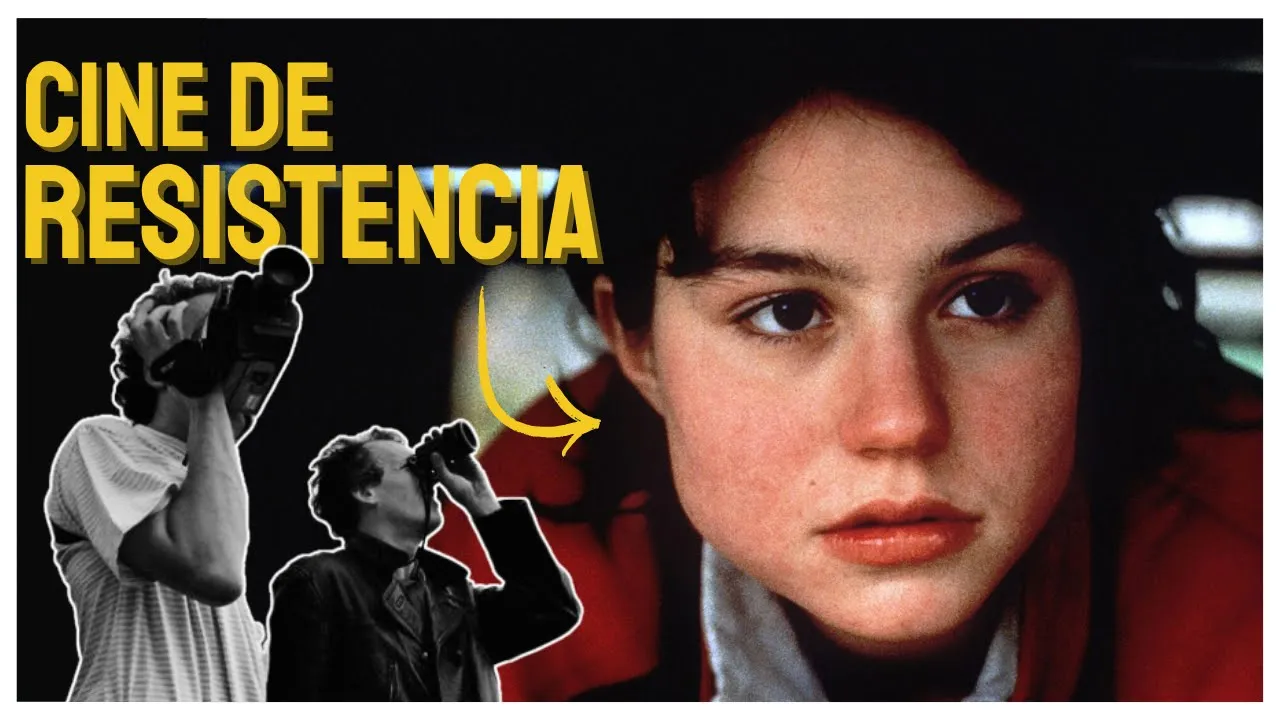
¿Por qué? Filmar una película con CÁMARA en MANO.
8.2K
Camera movement and image composition are fundamental tools that transform emotions, ideas, and narratives, guiding viewer gaze and constructing meaning. Orson Welles pioneered deep focus in Citizen Kane, enabling horizontal and vertical camera movements. The Dardenne brothers, Belgian filmmakers from Liege, developed a distinctive style through their background in acting and philosophy. They founded their own production company in the 1990s, maintaining total control over casting, filming, and editing with low budgets and small crews. Their films focus on adolescents and working-class people in 21st century Europe, beginning with the question 'What does it mean to be human today?' They maintain specific rules: filming exclusively on location with natural lighting, similar to Italian neorealism. Critics connect them to Robert Bresson's minimalist cinema, though they use handheld camera that stays one step behind protagonists. Their documentary-style approach creates narrative resistance—characters remain in shadows, ambiguous, generating truth. They embrace the paradox that 'the estetization of reality requires a desestetization of art.' Unlike British social realists, they paint protagonists crudely without sentimentality. They adopt character perspectives to tell authentic stories, with endings that are tentative and uncertain rather than typical happy endings. In a globalized world, simple stories seeking humanity remain relatable, but filmmakers must avoid ulterior objectives that reduce characters to propaganda vehicles.
Click to watch →
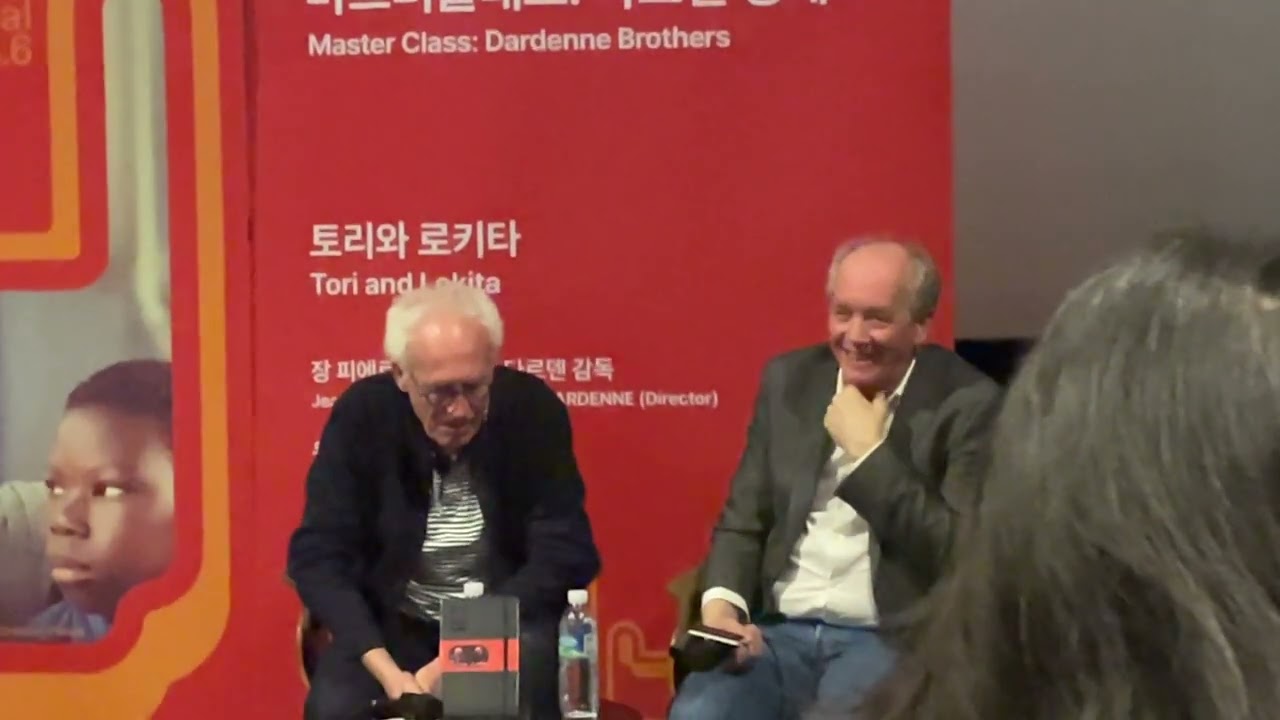
다르덴 형제가 그들만의 영화 스타일을 제정하는 방법
1.3K
The Dardenne brothers employ a distinctive filmmaking technique where they conduct extensive rehearsals (approximately 5 weeks) on actual locations with actors and camera present, allowing them to discover the most authentic camera movements and compositions; they deliberately create situations that appear spontaneous and unplanned to the audience, such as having actors suddenly stop or change direction, which makes viewers feel the scene is genuinely unpredictable rather than pre-planned, and they typically take 10-14 takes per scene with new actors but fewer takes with experienced performers.
Click to watch →
Deep Dive
Foundational concepts of moral philosophy, specifically restorative justice, forgiveness, and ethical ambiguity in narrative storytelling.

Forgiveness and Justice church and state Dr Tedla Gebreyohannes
427
This segment introduces the foundational concepts of restorative justice and forgiveness as approaches to addressing harm and conflict. The discussion explores how restorative justice differs from traditional punitive justice systems by focusing on healing, reconciliation, and community restoration rather than punishment. Key themes include the role of forgiveness in personal and communal healing, the importance of addressing root causes of conflict, and the potential for reconciliation to restore relationships and social harmony. The content suggests that forgiveness is not merely about letting go of grievances but represents a transformative process that can lead to genuine healing for both victims and perpetrators.
Click to watch →

What is Restorative Justice (Full)
29.3K
Restorative justice is a philosophy and set of practices rooted in indigenous teachings that emphasizes our interconnection by repairing relationships when harm occurs and proactively building relationships to prevent future harm. Unlike punitive approaches that ask 'what rule was broken, who did it, and what punishment do they deserve?', restorative justice asks 'what happened, who was impacted, how, and what needs must be addressed to make it right.' This approach involves seven core assumptions: the true self in everyone is good, wise, and powerful; the world is profoundly interconnected; all humans have a deep desire to be in good relationships; all humans have gifts and are needed; everything needed for positive change is already here; and humans are holistic beings requiring practices to build habits from the core self. Key values include compassion, respect, equity (particularly racial equity), multiple truths, interconnection, and self-determination. Proactive practices include collaborative agreements, checking in with others, and communication for connection, while restorative processes can occur through circles, conferencing, or direct conversations, leading to outcomes of healing, relationship building, and accountability.
Click to watch →
Ética del posconflicto. ¿ Y ahora qué?
100.3K
Forgiveness connects to realism because vengeance ruptures reality while forgiveness embraces it. The word 'forgiveness' derives from 'regalar' (gift), 'recrear' (recreate), and 'donar' (donate), giving it social and political dimensions. Drawing on Derrida, the challenge is forgiving the unforgivable, requiring capacity for donation. Restorative justice operates against retaliation, representing an ethics of memory and transformation. Colombian education has neglected ethics and aesthetics while emphasizing science and technique; students can answer chemical questions but remain silent on artistic movements or Kant's imperatives. Walter Benjamin identified six substitutes for ethics: civic education, legal compliance, result-oriented thinking, moralism, confusion with dominant ideology, and snobism. Teaching ethics requires destroying these substitutes. Conflict is a point of departure for social progress; it would be unethical to consider it a failure rather than an opportunity.
Click to watch →

The Ethics of Blame with Miranda Fricker and Amanda Dennis
2.7K
This comprehensive section presents Miranda Fricker's foundational contributions to contemporary moral philosophy. It begins with epistemic injustice—a distinctive harm of undermining someone's capacity as a knower—distinguishing testimonial injustice (prejudice lowering credibility) from hermeneutical injustice (lacking concepts to understand one's experience). These concepts, emerging from feminist critiques of universalist philosophy, were applied in Colombia's Special Jurisdiction for Peace to help indigenous women survivors articulate experiences of sexual violence. The section then develops the philosophy of blame and forgiveness, distinguishing communicative blame (morally useful for helping wrongdoers recognize their wrongdoing through conversation) from retributive blame. It explores prospective forgiveness (hoping wrongdoers will acknowledge wrongdoing in the future) and gifted forgiveness (communities providing acknowledgment when perpetrators are unavailable). Crucially, forgiveness is not always morally required; sometimes forgetting about wrongdoing is a valid response when reconciliation would be emotionally costly. The section concludes with the speaker's experience writing fiction, contrasting analytic philosophy's pursuit of closure with fiction's ability to hold contradictions and present multiple perspectives simultaneously, illustrating how different modes of inquiry can illuminate similar questions about human relationships and moral understanding.
Click to watch →

CLASS#4 / Another view: Natural Law, Moral Education & Emotions: Revenge Empathy...
230
Forgiveness plays a complex role in restorative justice and broader conceptions of punishment. While forgiveness is not typically obligatory (we don't have a duty to forgive), it is often admired and valued in moral discourse. Forgiveness differs from forgiving—an action versus a state. Restorative justice can achieve its goals of repairing harm and restoring relationships through processes involving offenders taking responsibility and victims receiving acknowledgment, regardless of whether full forgiveness is achieved. The Amish community's public forgiveness of the 2006 Pennsylvania school shooter gunman illustrates complexities of standing to forgive. Questions arise about who has authority to forgive on behalf of others. This connects to broader discussions about moral emotions, their cognitive dimensions, and how they inform our understanding of justice and human flourishing.
Click to watch →
Prerequisite Knowledge
- Concept 01Introduction to Social Realism in European cinema, particularly its focus on working-class struggles and minimalist aesthetics.
- Concept 02Basic film analysis terminology, including tracking shots, diegetic vs. non-diegetic sound, and handheld camera techniques.
- Concept 03An understanding of the Dardenne brothers' signature filmmaking style, characterized by close framing, lack of musical score, and ethical intensity.
- Concept 04Foundational concepts of moral philosophy, specifically restorative justice, forgiveness, and ethical ambiguity in narrative storytelling.
Subsequent Learning
- Step 01Comparative analysis of 'The Son' with other key Dardenne brothers' films, such as 'Rosetta' (1999) and 'L'Enfant' (2005).
- Step 02Exploration of the Romanian New Wave and other contemporary realist cinema movements heavily influenced by the Dardennes' aesthetic.
- Step 03Advanced study of narrative ellipsis—how screenwriters and directors withhold information to generate suspense and character depth.
- Step 04An examination of trauma theory and grief psychology as represented in modern humanist and realist drama.
Documentary Makers' Secret
The Son's Gripping Tale
Documentary Makers' Secret
0:01Playing Section
- 1
Most documentary filmmakers secretly aim to create fiction films...
- 2
Dardenne brothers succeeded after 60 docs with intense dramas...
- 3
Their cinematic style mirrors verite with crafted tension...
Critique of Dardennian Realism and the 'Miracle' of Forgiveness
While 'The Son' is widely praised for its raw, realist aesthetic, some film theorists and critics offer a counterpoint to this consensus. They argue that the Dardenne brothers' signature style—characterized by obsessive, close-up handheld tracking shots—can function as a dogmatic, claustrophobic formula that limits visual storytelling rather than achieving true realism. Furthermore, critics question the psychological plausibility of the film's moral resolution. The sudden leap from profound, consuming grief to radical forgiveness and grace is viewed by some as an engineered 'secularized Christian miracle' rather than a realistic portrayal of trauma recovery. From this perspective, the film imposes a neat ethical parable onto a complex psychological tragedy, potentially oversimplifying the agonizing, non-linear reality of grief and justice to achieve a satisfying redemptive arc.
Deep Dive
Comparative analysis of 'The Son' with other key Dardenne brothers' films, such as 'Rosetta' (1999) and 'L'Enfant' (2005).

Les frères Dardenne en lice pour une 3ème Palme d'or - RENDEZ VOUS CROISETTE
793
The Dardenne brothers (Jean-Pierre and Luc), acclaimed Belgian filmmakers who won the Palme d'Or twice (1999 for 'Rosetta' and 2005 for 'L'Enfant'), are competing for a historic third Palme d'Or at Cannes with their film 'Deux jours, une nuit' (Two Days, One Night), a social drama starring Marion Cotillard about workplace solidarity; they describe their collaborative filmmaking process as working 'between four hands' and view cinema as a powerful tool that can transform viewers and reflect societal realities, while cautioning against filmmakers who seek to change the world through their work.
Click to watch →
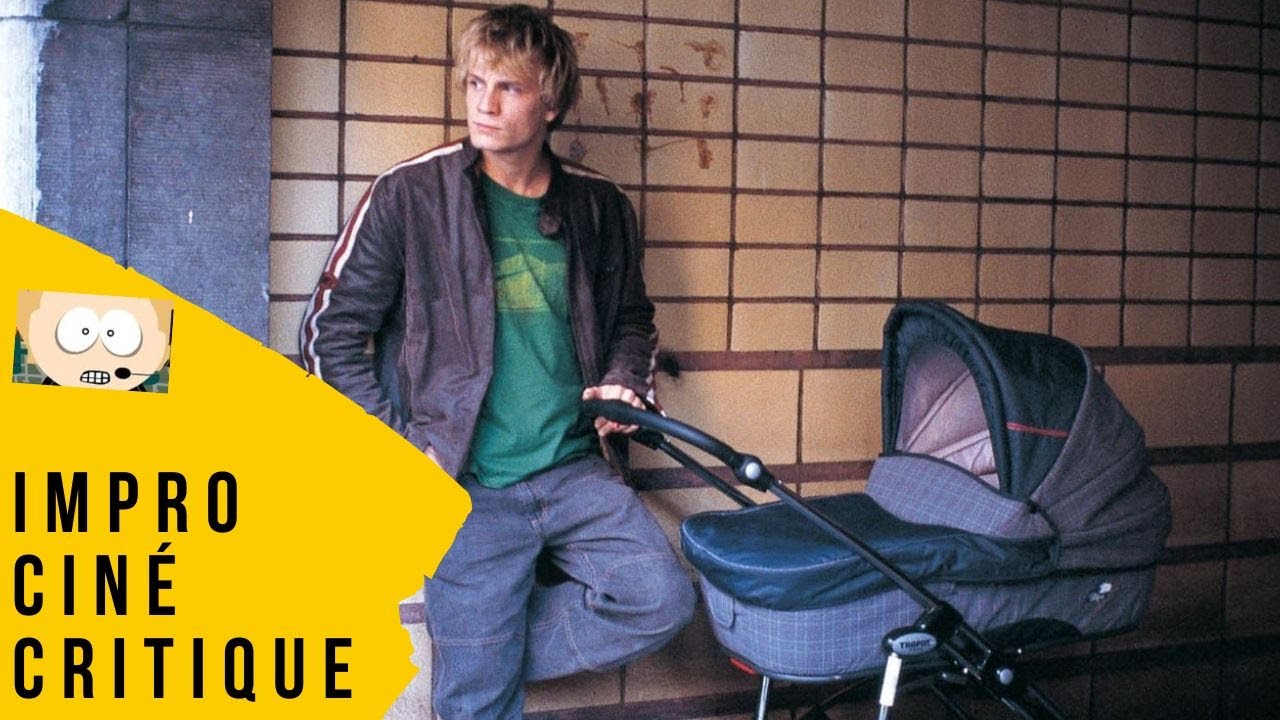
Impro Ciné Critique #2522 : L'Enfant (2005)
120
The Child (2005) by the Dardenne brothers won the Palme d'Or at Cannes, continuing their tradition of social cinema that began with Rosetta. The film depicts Belgian poverty and marginalized communities, focusing on Bruno, an emotionally immature father who sells his newborn son for survival. Unlike Rosetta's single-character focus, this film centers on Bruno's arrested development, contrasting his immaturity with Sonia's readiness for motherhood. The narrative explores how systemic poverty creates conditions where personal responsibility becomes nearly impossible, challenging individualistic narratives of success and failure.
Click to watch →
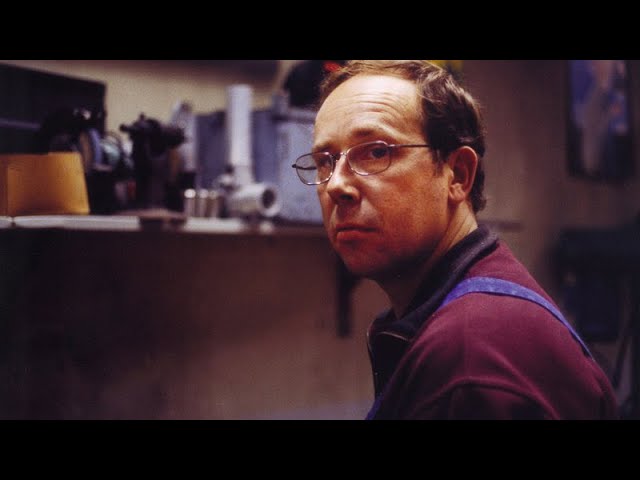
DARDENNES BROTHERS:PART3: LE FILS (2002)
781
The Dardenne Brothers employ an anti-style filmmaking approach characterized by handheld shoulder-mounted cameras, minimal music, and absence of flashbacks or voiceovers, requiring audiences to interpret character motivations through actions and subtle visual cues; in their 2002 film 'The Son,' this technique immerses viewers in the moral dilemma of a carpenter teacher who takes under a young man who killed his own son, exploring themes of forgiveness and vengeance through restrained performances and gradual revelation of truth.
Click to watch →

서로를 전혀 인정하지 않는 평론가들!
630.9K
The Dardenne brothers (Jean-Pierre and Luc Dardenne) are renowned Belgian filmmakers who have won the Palme d'Or at Cannes Film Festival twice (1999 for 'Rosetta' and 2005 for 'The Child'). Their distinctive approach involves minimalistic filmmaking techniques, avoiding excessive technical flourishes or graphic violence, while focusing on the lives of marginalized people such as immigrants and working-class individuals. This humanistic style allows their films to convey profound social commentary without relying on sensationalism, making complex themes like refugee experiences accessible and emotionally resonant for audiences.
Click to watch →

100 Greatest Movies Of All Time
25.6K
Directed by the Dardenne brothers (Jean-Pierre and Luc Dardenne), this Belgian film is about a man who sells his newborn son for money. The brothers are known for their documentary-style filmmaking and beautiful long takes. The film is noted for its gritty, raw portrayal of lower-class life in Belgium.
Click to watch →
Deep Dive
Exploration of the Romanian New Wave and other contemporary realist cinema movements heavily influenced by the Dardennes' aesthetic.

Cristian Mungiu - od rumuńskiej nowej fali do Sebastiana Stana
134
The Romanian New Wave is a distinctive cinema movement that emerged from economic necessity, as Romanian filmmakers in the early 2000s lacked domestic cinema infrastructure and audiences, leading them to develop a radical realistic cinema focused on quality over commercial success; this movement has gained international recognition for its authentic portrayal of Eastern European experiences, particularly those from the communist era, and has influenced other global cinema traditions such as Iranian filmmaking, while maintaining diverse artistic approaches among its practitioners.
Click to watch →
The Romanian New Wave | Klassiki Introduction
615
The Romanian New Wave is a significant 21st-century Eastern European film movement that emerged around the turn of the millennium, characterized by minimalist dialogue, naturalistic handheld cinematography, and critical examinations of Romania's transition from communism to capitalism; it gained international recognition through consecutive Cannes Film Festival successes (2005-2007) by filmmakers like Cristi Puiu and Corneliu Porumboiu, though the term has become contested as the movement has evolved and diversified in recent years.
Click to watch →

NYFF Live | Cristian Mungiu, "Beyond the Hills"
42.3K
The Romanian New Wave is a film movement that emerged in the last 10-12 years, characterized by modern filmmaking techniques and storytelling. This movement represents a reaction to cinema produced in Romania 20-30 years ago. Filmmakers in this generation share common values such as working with long takes, avoiding music, and focusing on the means of filmmaking rather than just the story. The greatest differences among them lie in what portion of reality they choose to transform into film. The filmmaker explains that both 'Four Months, Three Weeks and Two Days' and 'Beyond the Hills' deal with characters being trapped by larger forces that society imposes on people who have no recourse. The casting process involves finding actors who closely match characters in both physical appearance and personality, with the director acting extensively to help actors understand what is needed. For films using long takes, actors must understand subtext rather than just surface meaning, and the director makes efforts to prevent actors from becoming conceptual.
Click to watch →
4 ماه و 3 هفته و 2 روز: کوبنده و تماشایی/ موج نوی رومانی و لانگ تیک/ 4 Month's 3 Weeks and 2 Days
188
The New Romanian Wave emerged as a cinematic movement responding to the collapse of the Ceaușescu dictatorship in Romania. Filmmakers born in the 1960s, who grew up under the dictatorship, chose to create cinema that would show aspects of that era that people might have experienced but not necessarily known about. The movement quickly established its influence on world cinema. The New Romanian Wave follows two main paths: political and social representation of the Ceaușescu era, and responding to the propaganda cinema of the previous era. The filmmakers used long takes as a deliberate response to the fast-paced, consumption-oriented propaganda cinema of the dictatorship. Jean-Luc Godard argued that long takes are an ethical matter because they allow the experiences of characters within the story world to enter deeper layers and become part of the film itself, creating a shared experience where the cost is paid by all parties involved.
Click to watch →

The Dardennes on the Origins of The Kid with a Bike
7K
The Dardennes Brothers explain how they transformed a tragic real-life story of a Japanese boy abandoned by his father into a hopeful narrative by replacing the original plot elements with symbolic ones—a doctor becomes a hairdresser, and the boy's destructive energy is channeled through a bicycle—demonstrating how filmmakers can use symbolic transformation to explore themes of redemption and human connection rather than predetermined fate.
Click to watch →
Deep Dive
Advanced study of narrative ellipsis—how screenwriters and directors withhold information to generate suspense and character depth.

10 Screenwriting Tips from Emma Thompson on how she wrote Sense and Sensibility Screenplay
7.8K
Screenwriting fundamentally relies on ellipsis - writing everything and then removing as much as possible until reaching the essential core. This process creates powerful juxtaposition between remaining scenes by strategically leaving something out. Every scene should contain an event, similar to sentences or chapters, to maintain momentum. The speaker emphasizes that good writing transforms joyfully into one's system, while bad writing proves impossible to learn. This philosophy applies across all artistic performance, where excising elements enhances rather than diminishes impact.
Click to watch →

The Huge Mistake You’re Probably Making in Your Novel
37.3K
Another way narrative distance manifests is when authors withhold important information from readers, such as secrets or backstory. While withholding information can build suspense, in close third person or first person narration where readers expect intimate connection with the protagonist, explicit information withholding creates narrative distance and feels jarring. Readers crave protagonists to open up fully, and not knowing what characters are hiding can lead to disengagement. The video argues that suspense should be wrapped in whether the protagonist will reveal information, not in mystery about what the protagonist knows. Before scenes involving withheld secrets, readers should understand what the protagonist knows so they can interpret why the character feels distressed and understand the stakes of the situation.
Click to watch →

Les 2 h 20 les plus longues de ma vie 💀 KAAMELOTT 2 – Deuxième Volet, partie 1 Critique - VlogTime
112.5K
Narrative ellipsis refers to the passage of time within a film's story. The video creator expected significant time to pass between Camelot 1 and 2, with Arthur having an heir and the story advancing substantially. Instead, the sequel continues directly from the first film's events. This demonstrates how filmmakers can choose to compress or expand narrative time, and how unexpected choices can disappoint audiences who anticipated story progression.
Click to watch →
মুভির প্রতিটি দৃশ্য আপনার ব্রেন নিয়ে খেলবে || Movie Explain Bangla New 2026 | Suspense Movie Bangla
312.9K
Filmmakers strategically withhold information to maintain suspense and control audience perception. Characters may use false information and fabricated scenarios to manipulate others for their benefit. The audience is left questioning whether characters' stories are true or if they are using these as covers for something else entirely. This technique of presenting incomplete information forces viewers to actively engage with the narrative, trying to predict outcomes and understand the underlying truth.
Click to watch →

Jujutsu Kaisen: The Series That Flew Too Close to the Sun
63.7K
Creating suspense requires careful withholding of information, not just to create shock value but to build genuine tension. When a story creates suspense by withholding information, it should provide enough clues for readers to anticipate what might happen. Simply withholding information to create cheap shock value without building anticipation beforehand is poor execution. Visual cues like character reactions can help create tension even when information is withheld.
Click to watch →
Deep Dive
An examination of trauma theory and grief psychology as represented in modern humanist and realist drama.

Introduction to Contemporary Trauma
221
The relationship among representation, trauma, and the real is central to trauma theory. The dramatic event cannot be anticipated or reproduced. The real cannot be represented because it has been missed; it can only be repeated. This repetition serves to screen the real, understood as traumatic. The real ruptures the screen of repetition, maintaining its grain and seeking occasions to rupture representation. Traumatic realism is documentation tuned to extremity's demands, where claims of reference live on alongside dramatic extremity that disables realist representation.
Click to watch →
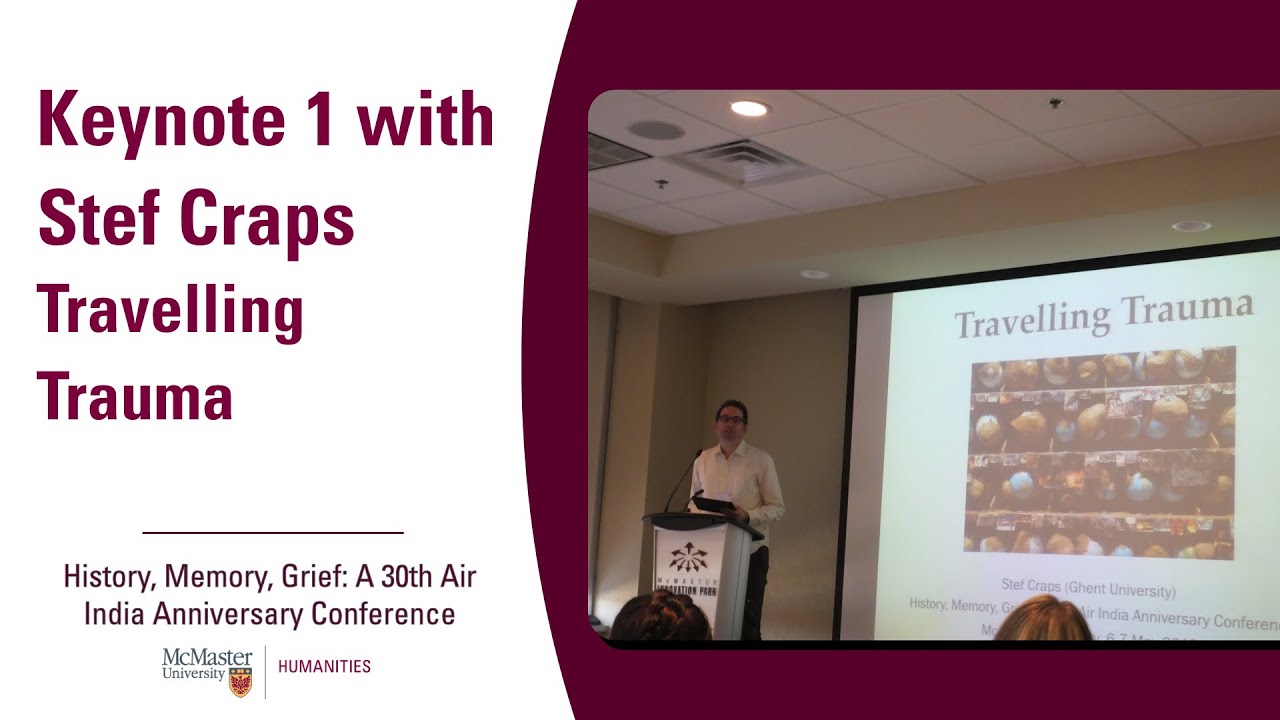
Keynote #1 with Stef Craps – Travelling Trauma (30th Air India Anniversary Conference)
1K
Rankine's poetic language is unadorned, plain, direct, conversational prose, and 'The Memory of Love' and 'The Management of Grief' are both fine examples of literary realism. All three texts make good candidates for inclusion in an expanded trauma canon. For this to happen, the field of trauma theory will have to take up the challenge these texts pose: to remove its Eurocentric blinkers and to embark on the path of pluralization and diversification. These texts foster attunement to the psychic suffering of others—individuals and groups which the dominant trauma paradigm ignores, marginalizes, or misconstrues—without resorting to the kinds of avant-garde experimentation or modernist pyrotechnics beloved of many canonical trauma writers and especially trauma theorists.
Click to watch →

TRAUMA VS DRAMA. SOMOS BIOCOMPUTADORES. HUMANIDAD REDISEÑADA ENTREVISTA A ELIZABETH ZALETA
12K
The human body functions as a biological computer with genetic and cellular codes. Trauma is an unexpected event that causes psychological harm, like being bitten by a dog unexpectedly. Drama represents the coping resources and patterns that develop when one lacks resources to address trauma. Trauma can be understood as a parasitic software virus that creates recurring patterns. When trauma is not verbalized and made conscious, it becomes embedded in one's reality, affecting relationships and daily life. Family trauma can be transmitted across generations through the field morphogenetic, where unresolved experiences become embedded in collective psychological fields.
Click to watch →
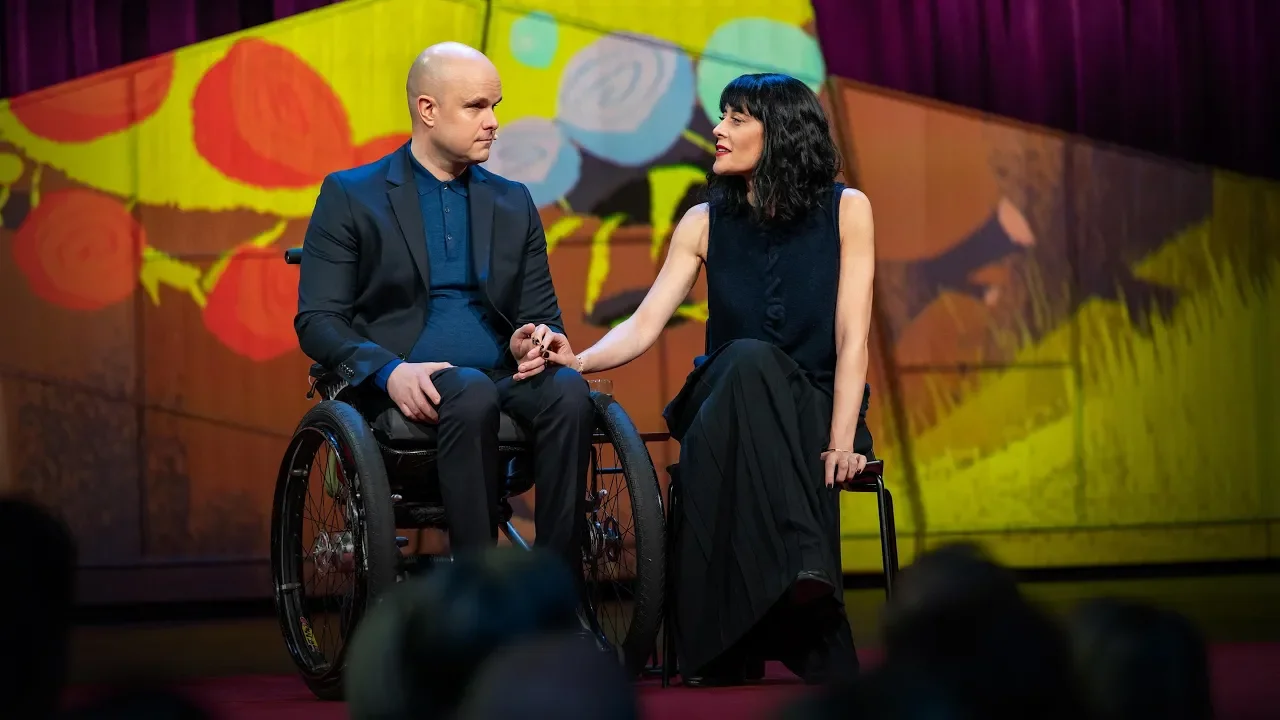
A love letter to realism in a time of grief | Mark Pollock and Simone George
107.1K
In times of grief and adversity, a realist approach that accepts harsh realities while maintaining hope for improvement proves more sustainable than pure optimism or pessimism; this balanced perspective enables people to pursue meaningful goals and innovations, such as the collaboration between electrical spinal cord stimulation and robotic exoskeletons that helped Mark Pollock regain voluntary movement after paralysis.
Click to watch →
MSA Conference 2019; Closing plenary session (part I)
243
Trauma studies has developed a preference for a modernist aesthetic of fragmentation and aporia, with adherence to this style long seen as a requirement for entry into the canon of valued drama writing. The notion that traumatic experiences can only be adequately represented through experimental modernist textual strategies has become received wisdom in trauma studies by the turn of the 21st century. Drama theorists often justified their focus on anti-narrative, non-linear, fragmented forms by pointing to similarities with the psychic experience of trauma—an experience that exceeds the possibility of narrative knowledge—hence requiring disruption of conventional modes of representation.
Click to watch →
Documentary Makers' Secret
The Son's Gripping Tale
Documentary Makers' Secret
0:01- 1
Most documentary filmmakers secretly aim to create fiction films...
- 2
Dardenne brothers succeeded after 60 docs with intense dramas...
- 3
Their cinematic style mirrors verite with crafted tension...
Critique of Dardennian Realism and the 'Miracle' of Forgiveness
While 'The Son' is widely praised for its raw, realist aesthetic, some film theorists and critics offer a counterpoint to this consensus. They argue that the Dardenne brothers' signature style—characterized by obsessive, close-up handheld tracking shots—can function as a dogmatic, claustrophobic formula that limits visual storytelling rather than achieving true realism. Furthermore, critics question the psychological plausibility of the film's moral resolution. The sudden leap from profound, consuming grief to radical forgiveness and grace is viewed by some as an engineered 'secularized Christian miracle' rather than a realistic portrayal of trauma recovery. From this perspective, the film imposes a neat ethical parable onto a complex psychological tragedy, potentially oversimplifying the agonizing, non-linear reality of grief and justice to achieve a satisfying redemptive arc.
Introduction to Social Realism in European cinema, particularly its focus on working-class struggles and minimalist aesthetics.
Basic film analysis terminology, including tracking shots, diegetic vs. non-diegetic sound, and handheld camera techniques.
An understanding of the Dardenne brothers' signature filmmaking style, characterized by close framing, lack of musical score, and ethical intensity.
Foundational concepts of moral philosophy, specifically restorative justice, forgiveness, and ethical ambiguity in narrative storytelling.
Comparative analysis of 'The Son' with other key Dardenne brothers' films, such as 'Rosetta' (1999) and 'L'Enfant' (2005).
Exploration of the Romanian New Wave and other contemporary realist cinema movements heavily influenced by the Dardennes' aesthetic.
Advanced study of narrative ellipsis—how screenwriters and directors withhold information to generate suspense and character depth.
An examination of trauma theory and grief psychology as represented in modern humanist and realist drama.
861 views62likes3:59@trailersfromhellOriginal Release: 2025-12-19
Hi, I am David Zigger and here in Trailers from Hell, I am going to for the first time ever reveal a deeply held secret about us documentary filmmakers.
We all want to make fiction films. Okay, maybe not all of us, but I know for a fact that a lot of us do. And to be perfectly honest, most of us fail. I've done it, but we won't get into that now.
Actually, the few filmmakers who successfully toggle between docs and fiction are those who don't really see much of a difference between the two.
Verer Herzoga is on the top of my list.
But the ones who have done it most brilliantly are, despite international fame, virtually unknown in this country.
The Belgian brothers Jean Pierre and Luke Dardan.
So get this. From the mid1 1970s to mid1 1990s, these two made 60, count them, 60 television documentaries, most of them covering issues of the working class in their home country. Then in 1996, they startled the European film world with the intense drama La Promes.
That's the promise for those of us who don't speak French.
That intense drama about the son of a labor contractor who viciously exploits undocumented immigrant workers premiered at can and then won just about every international award you can think of.
Still pretty much unknown in this country. They went on to create a string of intense startling dramas that has swept up two pondors putting them in league with the likes of Francis Ford Copla and Ken Loach. Their films made with a small crew, always on location, feel like classic cinema verite docks with their fast-paced handheld camera work and natural lighting. But in fact, each one is carefully crafted down to the last detail, always dramatic, intimate stories with no explanatory dialogue and no music. Not what American audience are exactly used to.
These films draw you into the lives of real people reacting to very real crisis situations and they are brilliant.
In The Sun, Dardan's favorite actor, Olivier Gourmet, teaches carpentry at a trade school for young felons. He's a serious, meticulous, dar man who keeps every emotion bottled up inside.
When a new kid arrives fresh out of prison, he's at first shocked, but then quickly develops an eerie fascination with this freshfaced newcomer.
>> You learn early on that this is actually the kid who 5 years ago at age 11 had murdered Olivier and his divorce wife's 9-year-old son during a botched robbery.
And for the rest of the film, the tension just keeps building as he becomes more and more obsessed and torn, involving himself in this kid's life, never knowing or revealing his intentions both to us and to himself until the startling end.
>> That to me is what makes this such a brilliant film. Is it about revenge or forgiveness or some combination of the two? We, the audience, live through every tense moment alongside Olivier, and we have to make up our own minds.
When Olivier's ex-wife confronts him in horror and ask, "Why are you doing this?" he responds, "I don't know." And strikingly, Luke Dardan, speaking about him and his brother afterwards said, "We don't know either."
Now that's courageous film making.
[music]
Up Next
18:00
The Tracking Shot in Filmmaking: Techniques and Analysis
@StudioBinder
280.3K views•2023-05-29

23:14
Visual Analysis Essay: How to Analyze Graphic Novels in College Writing
@nataliepleimann5941
1K views•2020-10-14

4:55
Film Blocking Techniques for Directors: Space, Shapes, Lines
@StudioBinder
1.9M views•2018-07-23

4:00
Evolution of Darth Vader: Anakin Skywalker's Animated Journey Across Star Wars Films
@TellItAnimated
13.4M views•2019-03-30
Related Study Plans & Knowledge Roadmaps
Structured learning paths in Film Analysis
film-analysis
Sensory Cinema: Foley, Haptic Sound & Texture
01Introduction to Film Sound and Foley Artistry
02Micro-Sounds, Textures, and Extreme Amplification
03Haptic Audition and Film Phenomenology
+ 1 more learning modules
12h4 modules
Explore Roadmap
film-analysis
Breaking the Fourth Wall: Mockumentary & Satire
01The Invisible Wall: Basics of Cinematic Illusion
02Looking at the Lens: Direct Address & Character Glances
03The Mockumentary: Satire, Realism, and Complicity
+ 2 more learning modules
12h5 modules
Explore Roadmap
film-analysis
Analyzing the Long Take: Cinema, Space & Ethics
01Foundations of Film Grammar: Montage vs. The Long Take
02Choreography and Mechanics of the Simulated One-Shot
03Phenomenology of Film: Real-Time Spatial Continuity
+ 1 more learning modules
14h4 modules
Explore Roadmap
film-analysis
Anachronistic Music: Period Drama & Subversion
01Foundations of Film Sound and the 'Needle Drop'
02Traditional Authenticity vs. Revisionist History
03The Rise of the Anachronistic Soundtrack
+ 2 more learning modules
12h5 modules
Explore Roadmap