








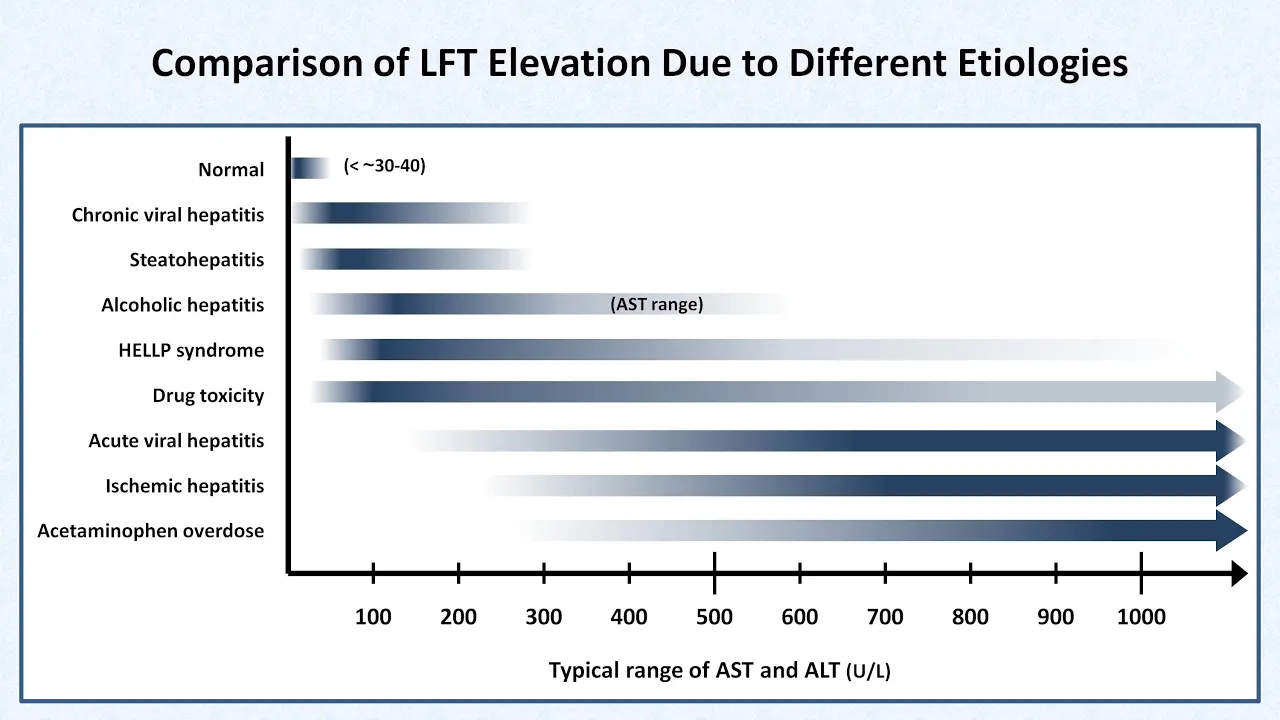











Elevated ALT (Alanine Transaminase) levels, which indicate liver damage or dysfunction, can be caused by seven main factors: non-alcoholic fatty liver disease (NAFLD/NASH) from metabolic issues, daily NSAID or acetaminophen use, excessive alcohol consumption, statin medications, hypothyroidism, congestive heart failure, and hepatitis B/C infections; importantly, most of these causes are reversible through lifestyle modifications, medication adjustments, or proper treatment once identified.
Elevated ALT Causes: 7 Common Reasons for High Liver Enzymes
Added:Basic anatomy and metabolic functions of the human liver, including its role in detoxification and protein synthesis.
The biochemical concept of enzymes as catalysts and why their release into the bloodstream indicates cellular damage.
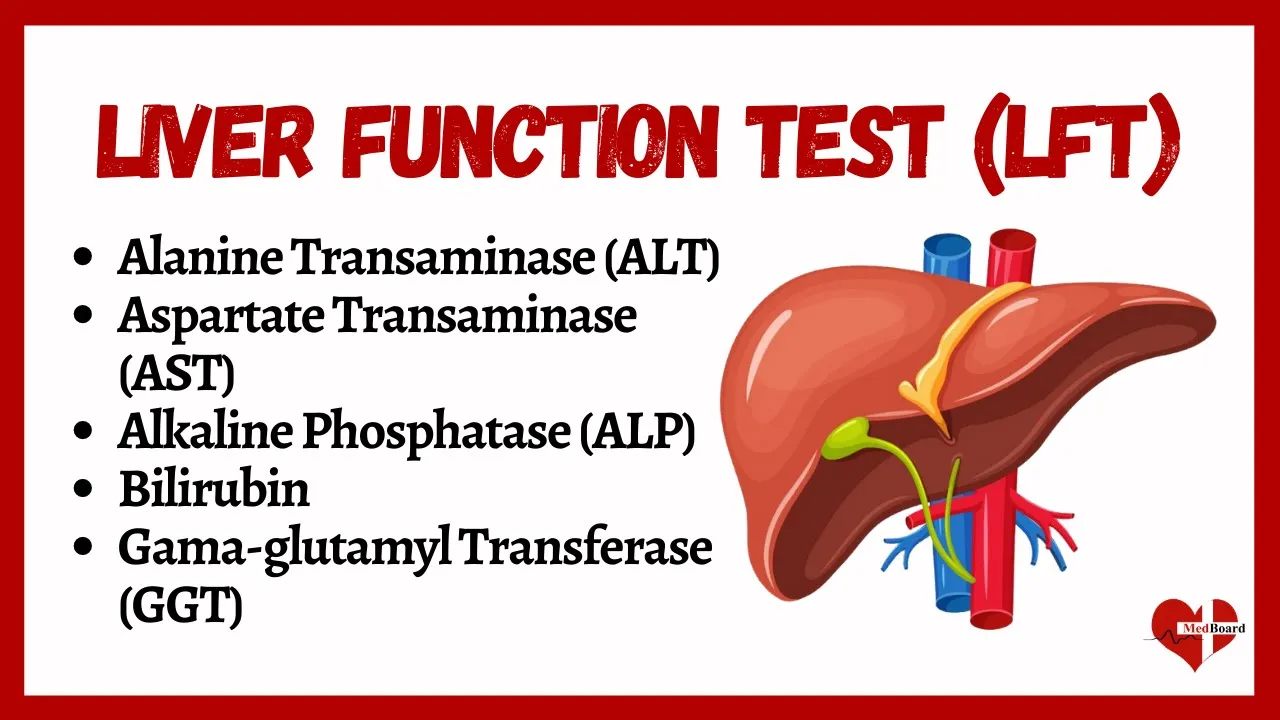
An introduction to standard Liver Function Tests (LFTs) and the primary biomarkers they measure.
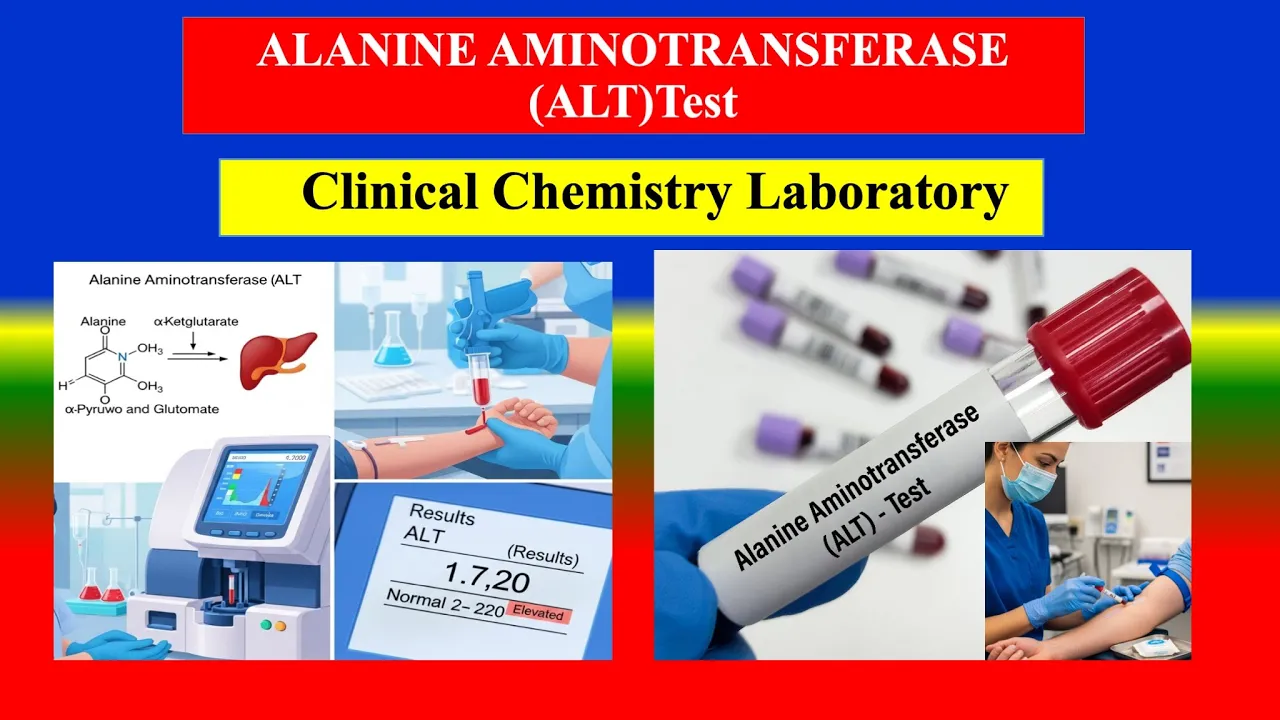
The definition of Alanine Aminotransferase (ALT) as an enzyme primarily localized within hepatocytes.
The clinical diagnostic workflow for evaluating persistently elevated liver enzymes, including the significance of the AST/ALT ratio.
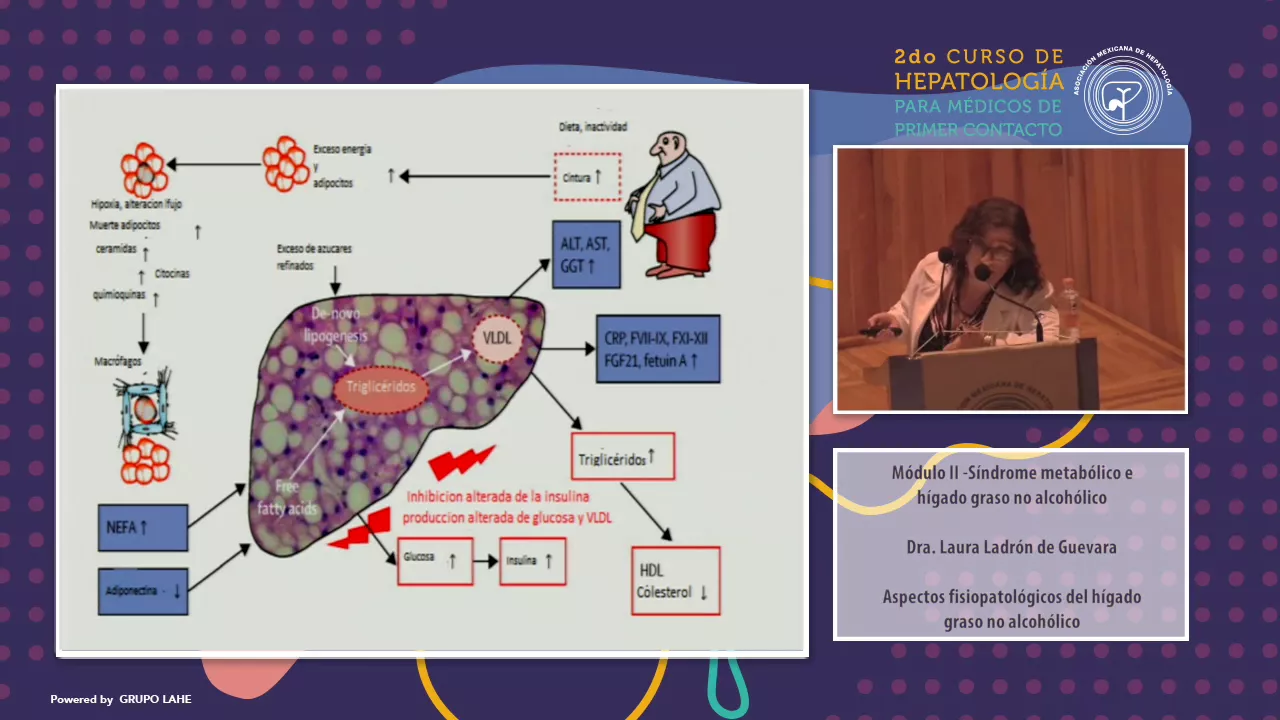
The pathophysiology and progression of Non-Alcoholic Fatty Liver Disease (NAFLD) to Non-Alcoholic Steatohepatitis (NASH) and cirrhosis.
Mechanisms of Drug-Induced Liver Injury (DILI) caused by common over-the-counter medications, prescription drugs, and herbal supplements.
Evidence-based therapeutic interventions and lifestyle modifications used to reverse hepatic steatosis and lower transaminase levels.
259.4K views6.3Klikes6:25Original Release: 2022-06-21
elevated levels of alt is concerning and could be an indicator that you're not as healthy as you want to be in this video i'm going to tell you the top seven reasons that your alt may be elevated and then you can continue the investigation until you figure out the cause and get your alt back to normal now alt stands for alanine transaminase alt older doctors used to refer to it as sgpt and some of the older docs may still call it that but most of the new lab panels will list it as alt now on most reference lab ranges a normal for a female patient is under 34 and for a male is under 45 now please be aware there are many many things that could go wrong in your body and lead to an elevated alt uh but the the two important things that i want you to take away from this video is that even if your alt is just a little bit elevated and your doctor says ah it's probably not a big deal we'll just watch it and check it again next year that's not okay your alt should be normal if it's not if it's even slightly elevated there's a problem somewhere that you need to fare it out with the help of a good doctor and get to the bottom of it and then ultimately reverse it now these seven causes are the most common causes and i'm also going to give you a bonus cause at the very end of this video that you can reverse very easily at home so the number one most common cause of an elevated alt at least in the united states is nafld or non-alcoholic fatty liver disease some doctors are starting to call this metabolic associated fatty liver disease because it comes directly from metabolic abnormalities caused by a high carbohydrate diet and i think that's appropriate also non-alcoholic steato hepatitis nash either of these can cause an elevated alt and also elevations and other lab values these are very concerning usually almost completely reversible if not completely reversible and you need to continue to learn about these two causes and learn how to reverse them at home number two is taking a daily dose of an anti-inflammatory and nsaid this can be ibuprofen aleve naproxen celebrex or any of the other prescription anti-inflammatories if you're taking these every single day for arthritis or stiffness or pain this is very hard on your liver and it can lead to an elevated alt also if you're taking daily doses of acetaminophen or tylenol this can also overwork your liver and cause an elevated alt number three is just drinking too much alcohol for you personally and a lot of people don't think about this they you know they think well i'm not an alcoholic i mean i just have a drink or two every day just one or two beers or one or two mixed drinks or one or two cocktails for some of us that can be enough to elevate your alt this is an indicator that you're drinking too much alcohol for your personal liver physiology and you need to cut that out number four is going to be a controversial one and that is taking a statin drug like lipitor zocor crestor for many of us this can lead to a doubling or even a tripling of the alt level this is a sign that your liver is not happy with your statin abuse and you probably should stop taking that medication obviously discuss that with your doctor number five is low thyroid function hypothyroidism now this can this can be uh sub clinical hypothyroidism this can be undiagnosed hypothyroidism or it can be under treated hypothyroidism any of these three can cause you to have an elevated alt and so if you've got an elevated alt and no other reason you've got to get a full thyroid panel that i talk about in other thyroid videos on this channel and get to the bottom of your thyroid issue because that can absolutely cause an elevated alt number six is congestive heart failure chf and this can be even mild undiagnosed chf or heart failure this can cause an elevation in your alt and so the heart is one of the many things that has to be investigated if you have an alt without an apparent cause then number seven is if you have either diagnosed or undiagnosed hepatitis a b or c some of these are acute and short-lived uh the some of the other hepatitis's are chronic and long-lived you need to have your liver thoroughly evaluated for any of the hepatitis if you have an elevated alt and then the bonus cause is a choline deficiency yeah many of us can suffer from that especially people on a vegan diet or a wholly plant-based diet you can have a choline deficiency some people we can synthesize choline better than others and so if you've got an elevated alt and you're on a vegan diet or a whole foods plant-based diet you probably need to take a choline supplement or better yet just eat some meat i've got a video on this channel about choline rich foods so that's the list if you have an elevated alt even one point high you need to think about and investigate this entire list and because you might have more than one cause right so you need to find a learned health partner that's how you should think of your doctor and you need to go over this entire list and then anything else the doctor thinks should be investigated is fair game hope this video helps a lot this is dr barry i'll see you next time
Up Next
6:29
Liver Function Tests (LFTs) Interpretation: A Complete Guide
@medicinemadesimple6273
215.4K views•2022-04-22

48:47
Graphic Medicine: Comics for Collaborative Healthcare Communication
@nationalpatientadvocate
189 views•2023-12-04
15:47
Polypharmacy Prevention: 7 Tips to Reduce Medication Risks
@KenDBerryMD
133K views•2022-01-08
3:05
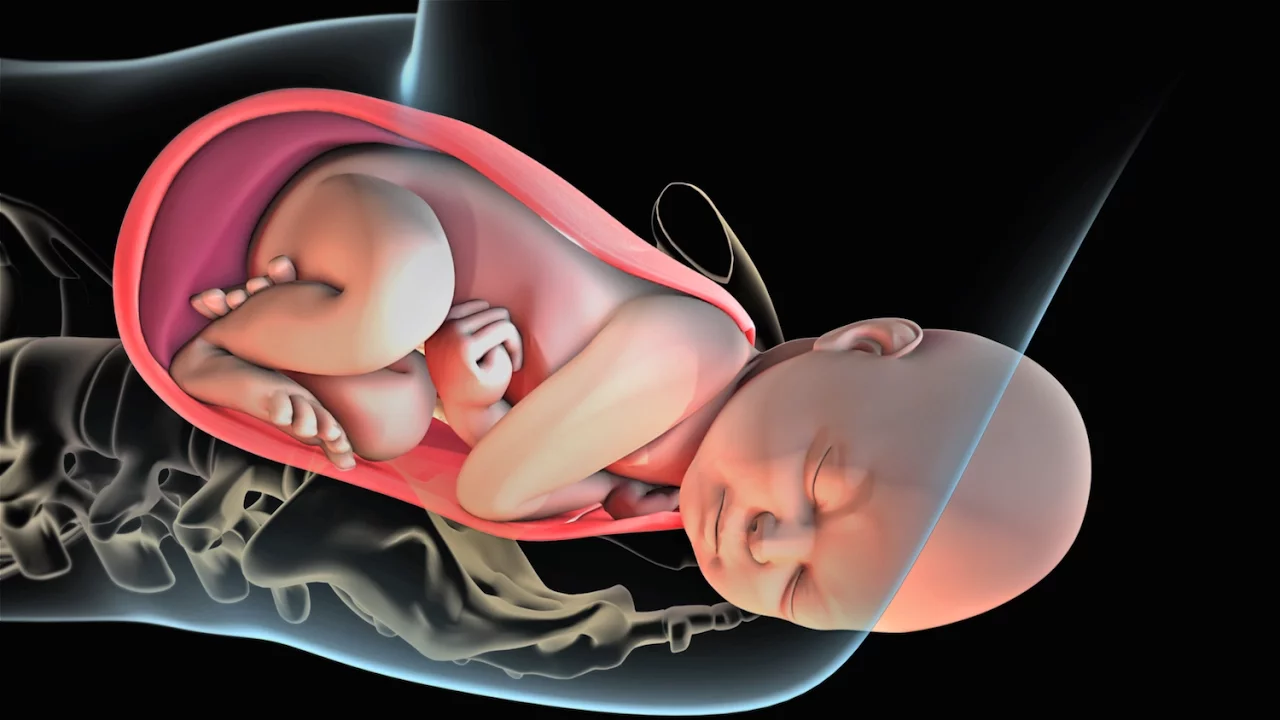
Stages of Labor and Vaginal Birth | Childbirth Animation
@nucleusmedicalmedia
52.1M views•2017-08-18
Related Study Plans & Knowledge Roadmaps
Structured learning paths in Medicine
medicine
Abnormal LFTs: Diagnostic Workup & Pathology
01Liver Anatomy and Basic Physiology
02Introduction to Liver Function Tests (LFTs)
03Hepatocellular vs. Cholestatic Patterns
+ 3 more learning modules
12h6 modules
Explore Roadmap
medicine
Analyzing Blood Smears: RBC, WBC & Platelets
01Introduction to Blood Components & Smear Preparation
02Normal Morphology of Blood Cells
03Erythrocyte Pathologies & Morphological Variants
+ 2 more learning modules
12h5 modules
Explore Roadmap
medicine
Mechanical Ventilation: Waveforms & Alarms
01Anatomy and Physiology of Breathing
02Introduction to Mechanical Ventilation & Core Modes
03Ventilator Settings and Waveform Interpretation
+ 2 more learning modules
12h5 modules
Explore Roadmap
medicine
Neuro Exam: Localization & Stroke Syndromes
01Foundations of Neuroanatomy and Vascular Supply
02The Neurological Examination: Step-by-Step
03Principles of Neurological Localization
+ 3 more learning modules
18h6 modules
Explore Roadmap