
















![[KAIST Emerging Materials e-Symposium] Yuri Gogotsi](https://i.ytimg.com/vi/3r1gRUrSmfE/maxresdefault.jpg)
The chemical reduction method is a bottom-up approach for synthesizing metal nanoparticles where metal salt solutions (precursors) are treated with reducing agents and stabilizing agents to produce nanoparticles; for example, silver nanoparticles are synthesized using silver nitrate as the precursor, hydrazine hydrate as the reducing agent, and sodium dodecyl sulfate or sodium citrate as stabilizing agents, resulting in particles sized 15-48 nm that change color from colorless to pale yellow to pale red during formation.
Nanoparticle Synthesis via Chemical Reduction: Methods & Applications
Added:Fundamentals of Redox Chemistry: Understanding oxidation-reduction reactions, electron transfer, and the strength of various reducing agents.
Introduction to Colloidal Science: Concepts of dispersion, agglomeration, and how electrostatic or steric stabilization prevents particles from precipitating.
The Nanoscale and Surface-to-Volume Ratio: Basic understanding of why materials exhibit unique optical, electrical, and chemical properties when reduced to nanoscale dimensions.
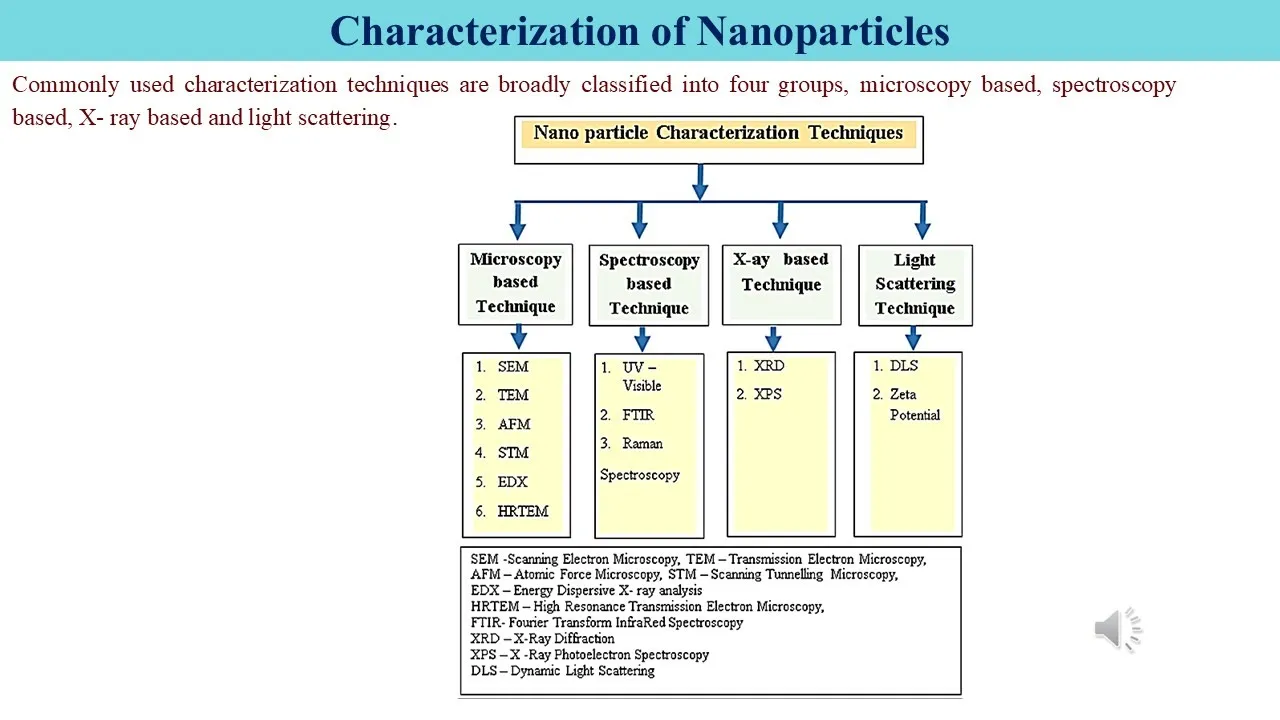
Nanoparticle Characterization Techniques: Learning how to analyze the synthesized nanoparticles using UV-Vis Spectroscopy, Dynamic Light Scattering (DLS), and Transmission Electron Microscopy (TEM).
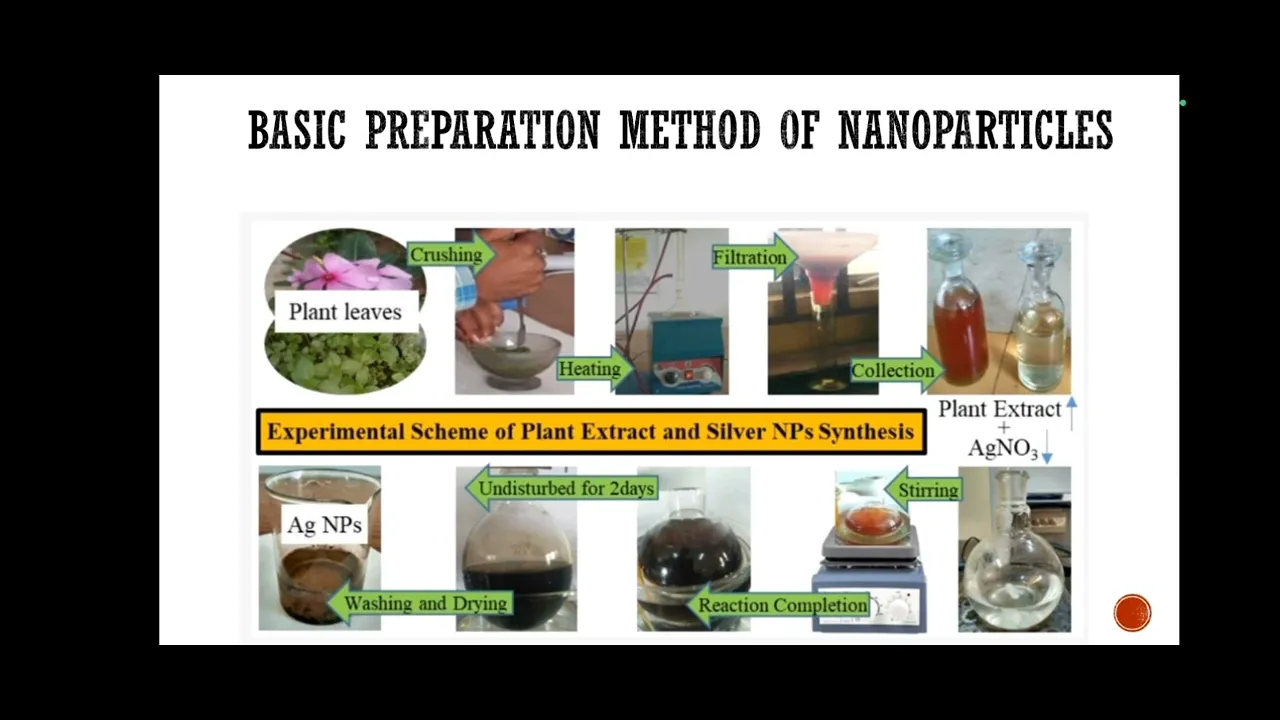
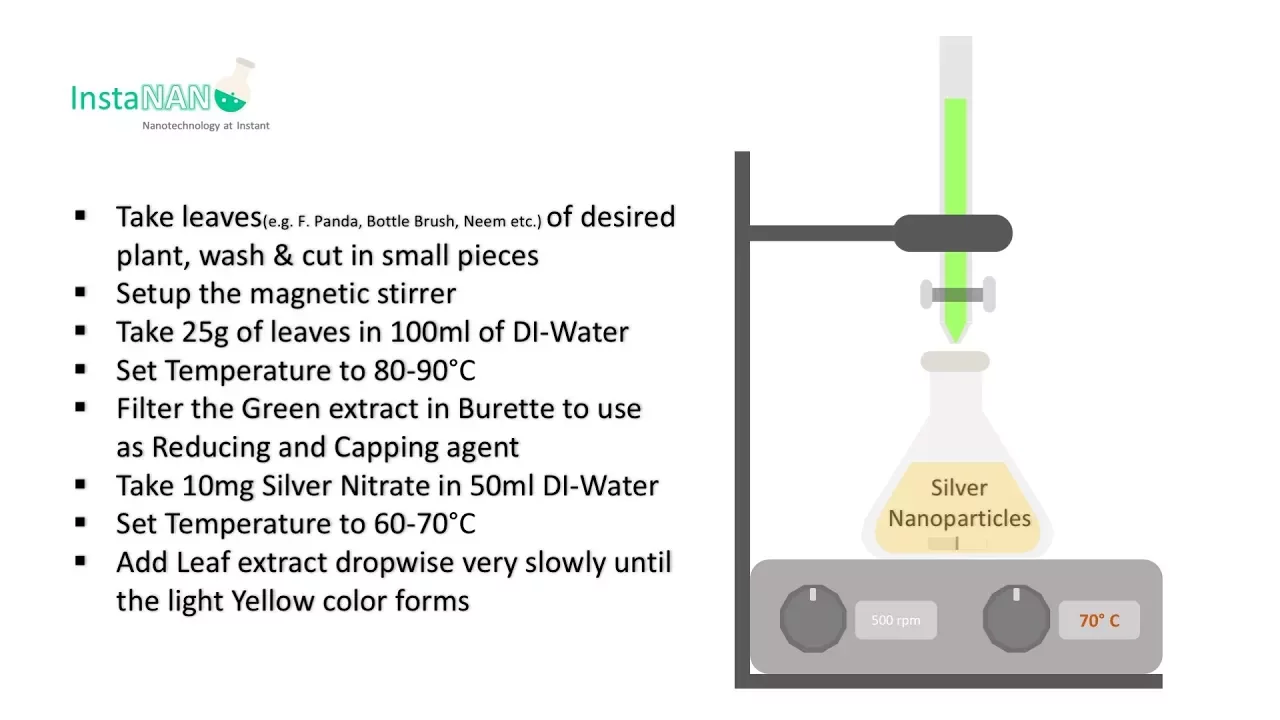
Green Synthesis of Nanoparticles: Exploring eco-friendly alternatives that use plant extracts, enzymes, or microorganisms as reducing and stabilizing agents.
Advanced Applications in Biomedicine and Catalysis: Investigating the practical application of silver and copper nanoparticles in antimicrobial surfaces, drug delivery systems, and industrial chemical catalysts.
672 views7likes25:03Original Release: 2024-02-12
[Music] [Music] hi to everyone myself Dr Tan J working as assistant professor in the Department of Chemistry today I'm going to teach about preparation of nanop particles by chemical reduction method in previous class I have explained about the preparation of nanop particles by solel process in this class I'm going to teach about chemical reduction method synthesis of non particles by chemical reduction method in this session I'm going to cover these topics nanom materials introduction and preparation of nanop particles by chemical reduction method and applications of nanom materials I'm going to cover these three topics in this session see what are nanom materials the Nano derived from a Greek word Nanos the Nano derived from a Greek word Nanos Nano meaning of for small the meaning of the Nano is D for small it is obtained from the Greek word the prefix Nano means 1 billionth or 10^ ofus 9 part of the meter is called Nano what is meant by Nano that 1 billionth part of the meter or 10 ^ ofus 9 m is called Nano the Nano particles are particles size between the particle size between 1 to 100 nanometers is called nanop particles the size of the nanop particle least 1 to 100 nanom nanometers the nanoc scale materials are defined as set of substances where at least one dimension is less than approximately 100 nanometers the nanoscale materials that if three dimension the every material contain three dimensions at least in the three dimension at least one dimension size should be less than 100 nanometers that particle is called Nano particle nanom material the nanom materials are of interest because at the scale unique Optical and magnetic electrical and other properties emerge in the nanom materials the size is very less because of the size very because of the small size it contain unique properties like Optical magnetic electrical and other properties emerge in the case of Nano particles these emergent properties have the potential for the great impacts in the electronics medicine and other fields these emergent properties have the potential potential for great impact it show very great impacts on the electronic field and medicine and other fields okay what is mean by nanom materials Nano is dered from a Greek word Nano meaning small or dwarf the prefix Nano means 1 billion 10^ ofus 9 m is called Nano the nanometer the Nano particle size will be 1 to 100 nanom the nanoscale materials are defined as set of substances where at least one dimension is less than approximately 100 nanometers at least the one dimens should be less than 100 nanometers that is called nanom material the nanom materials are of interest because it contain unique Optical magnetic and electrical and other properties because of these unique properties it show good impact great impacts on the electronic and medicine and pharmaceutical Fields Nano scale the nanoc scale is an incredibly small scale of measurement it describes objects process and phenomena that measure less than 100 nanom in size the nanoc scale can be used for them to measure the size of the Nano particles or Nano materials a nanometer is 1 billionth of a meter what is mean by nanometer nanometer one B one billionth part of the meter is called nanomer the prefix Nano means 1 billion 10^ of- 9 M therefore one nanometer is 1 billion of a meter okay these are the different types of uh atoms that contain nanoscale size see the atoms contain the one one nothing but 10^ minus 10 m by using the N scale we can measure these nanomaterial sizes similarly for molecule size 10^ ofus 9 M or 1 nanom or this is DNA size 10^ minus 8 nanometers 10- 8 m nothing but 10 nanometers like viruses size these are the these these size we can uh measure by using this Nano scale nanom materials what is meant by nanom materials the materials of at least one dimension size between 100 to 1 to 100 nanometers is known as nanomaterial the size of the particle in between 1 to 100 nanometer one dimension size should be 1 to 100 nanometer then that is called Nano materials nanoscience what is meant by nanoscience study of materials and their properties at the length scale of few nanometers is called Nano science study of materials and their properties at the length scale of few nanometers is called Nano sense what is nanot technology the techniques involved in the preparation characterization and use of the properties of nanom materials in different applications are collectively called as a nanot technology the techniques involved in the preparation calculation and use of the properties of nanom materials in different applications are collectively called as nano technology see in previous class we have discussed about the synthis of the nanop particle by using S process here we are going to learn about the synthesis of n particles by using reduction method see the synthesis of nomatic n materials in these two types are there there are two type meth two methods of preparing nanom materials there are two methods are involved in the preparation of nanom materials one one is top down approach and other one is the bottom of approach the one is top down approach and the second one is the bottom up approach in top down approach what you have to do the material is reduced from bulk size to the nanoc scale th the macro molecules convert into the micro molecule top down approach in top down approach you have take the precursor bulk molecule we have to take then we have to convert this bulk molecule by fragmentation we have to convert into the nanoscale material scale okay Nano structure scale that is called top down approach in top down approach you have to convert the Macro Molecule into the micro molecule bigger molecule to small molecule that is called top down approach example for the top down approach are ball Milling method and nanolithography the example for the top down approach are ball Ming method and nanolithography these are the example for the top down approach the second method is bottom up approach second method is bottom up approach in this method matter in atomic or molecular level gets assembled to the form te clusters which grow to reach Nano size in this bottom of approach the atoms very less size particles this convert into the Clusters this cluster leads to the Nano structure here the macro this here the micro molecules are converted into the macro molecules this is called bottom up approach the example for the bottom of approach are chemical vapor deposition physical vapor deposition and soel Method these are the example for the bottom up approach see the nanomaterial synthesis by chemical reduction method nanomaterial synthesized by the chemical reduction method see the nanop particles of different metals can be synthesized by chemical reduction method the nanop particles of different Metals okay nanop particles of different different metals can be Sy synthesized by using this chemical reduction method it is example for bottom up approach similarly Sol method also is example for the botm up approach here this one also chemical retion method is also example for the botm up approach in this method in bottom up approach the macro molecules sorry micro molecules converted into the macro molecules this is example for the bottom up approach in this method metal precursor solution such as metal salt solution is treated with a suitable reducing agent and appropriate stabilizing agents are added in the Sol process first we have taken precursor precursor we have to dissolve in alcohol for that we have to add some uh water then we will get the metal hydroxide and metal hydroxide alcohol Sal in the first step you have prepared salt in the next step we have converted the Sal into the gel then after we have dried the gel and the grinding we will get the nanop particles in the salel process in the in the Sol method we have which precursor we have used in the Sol process we have used metal Al oxide as a precursor metal alox is a precursor in the reduction method in the chemical reduction method the metal precursor is the metal salts any metal salts metal salts we have to use as a precursor okay metal salts metal fles or metal nitrates metal anyone you can use the precursor and suitable reducing agents suitable reducing agent we have to use and third one is stabilizing agent we have to use for the preparation of the nanop particles in the chemical reduction method see in this method the metal precursor solution okay metal precursor solution such as metal salt solution you have to take the precursor is metal salt solution that metal Sal solution is treated with the suitable reducing agents suitable reducing agent and appropriate stabilizing agents are added for the the precursor solution the precursor metal salt solution we have to add reducing suitable reducing agent and suitable stabilizing agents we have to add after further treatment and drying non particles of metal are formed after further treatment okay after after this addition of this reducing agent and stabilizing agents what happens the after then we have to dry the nanop particles of the metal are after after after treatment of this all we will get the Nano particles example example for the reduction methods are synthesis of silver nanop particles by chemical reduction method example for the reduction method is we can prepare the silver nanop particles by using chemical reduction method see in this first you have to take metallic salt solution that is a precursor okay precursor is metal salt solution we have to apply heat and steering then we will get the metallic salt solution in the next step we have to add the reducing agent for the metal salt solution we have to add the reducing agent then after the in third step we have to add capping agent to this the reducing agent metallic salt solution we will get the metallic nanop particles we will get the metallic Nano particles these are the steps involved in the chemical reduction method in the chemical reduction method first you have to take the metal metal salt solution as a precursor the metal solution precursor we have to add the suitable reducing agent in The Next Step you have to add the suitable capping agent and we will get the metallic nanop particles this is the chemical reduction method synthesis of silver nanop particles by chemical reduction method synthesis of silver nanop particles by using chemical reduction method see silver nitrate solution is taken as a metal precursor for preparation of silver nanop particles we have to take silver metal salt that is a precursor so in this case we have I'm taking silver nitrate solution that is a precursor okay and hydrogen hydrate is a reducing agent to this silver nitrate solution I have to use a suitable reducing agent that reducing agent is the hydrogen hydr the structure of hydrogen is nh2 nh2 the hydrate means H2O this is the structure of hydrogen hydrate this is the reducing agent silver nitrate solution is a precursor for that we have to add the hydrogen hydrate solution as a reducing agent sodium doal sulfate sodium doal sulfate okay sodium doal sulfate and Cate of sodium are used as a stabilizing gents in this we next step we have to add the stabilizing agents what are those sodium doal sulfate sodium doal sulfate and citrate of sodium sodium citrate is the pr stabilizing agents in this preparation of silver nanop particles in the preparation of silver nanop particles the precursor Sil nitrate silver nitrate solution is a precursor the reducing agent is the hydrogen hydrate is the reducing agent the stabilizing agents are the the sodium doal sulfate or sodium Cate these are the capping agents are the are stabilizing agents the reaction is carried out at room temperature the reaction is carried out at room temperature the transparent colorless solution converted into the characteristic pale yellow and pale red color which indicates the formation of silver particles the transparent in the starting the color of the silver nit is transparent color colorless solution see A3 solution color is transparent or white in color after then it converted into the yellow color and then it convert into the red color this indicates the formation of a silver Nano particle see the transparent of colorless solution convert to the characteristic pale yellow in Middle you'll get the pale yellow this pale again converted into the pale red color pale red color which indicates the formation of the Nano particles simple silver nitrate in white color transparent or colorless after after non particle formation the color of the silver nanop particles are red in color pale red in color the silver nanop particles are purified by using centrifugation by using centrifugation process we can purify the silver nanop particles to remove excess silver ions the silver collides were washed at least three times with deionized water under nitrogen stream okay to remove the excess silver ions if any excess silver ions present in this nanop particles the silver collides were washed at least three times at least three times you have to wash with deionized water under nitrogen stream the dried powder of nonoy silver can be obtained by freeze drying by freeze drying you will get the dried power of Nano size silver particles the particle size of silver nanop particles can be from 15 to 48 nanometers the size of the silver nanop particle should be in 15 to 48 nanom the synthesis of Silver N particles over then next the synthesis of copper nanop particles by chemical reduction method synthesis of copper nanop particles by chemical reduction method see the copper nanop particles also can be prepared by this chemical reduction method by using Co by using chemical reduction method we can prepare the copper Nano particles in which copper salt is reduced pror is copper salt copper chloride or copper nitrate any one copper salt we have to take the copper salt solution the reducing such as sodium borohydrate sodium borohydrate this is a reducing agent okay or hydrogen okay we can use reducing agent sodium borohydrate or hydrogen we can use as a reducing agent the aaric acid used as a capping agent or stabilizing agent aaric acid is used as a stabilizing or capping agent in the synth of copper nanop particles you have to take precursor as a copper salt solution that we have to add the reducing agent sodium borohydrate or hin and the capping agent or stabilizing agent is the sobic acid as a St capping agent the chemical reduction method also can be used for the preparation of different metal nanop particles chemical reduction method also can be used for the preparation of the different types of nanom nanom materials see the copper hydroxide okay copper hydroxide is a precursor this is a copper salt for that we have to add we have dissolved in 350 mL of DED water and we have to mix this one then copper PR solution is formed okay this is plasma State then then we will get we have to add this reducing agents and capping agents we will get the synthesis of copper nanop particles by using different process separation washing and drying then we will get the copper nanop particles powder okay if you take this 25 G of precursor you will get at least 15 G of the copper nanop particle see the copper color is here blue instant color after then we will get the black in color the nanop particle color will be the color also change for the nanop particles of copper this is the method for the copper nanop particle by chemical reduction method applications of nanom material see what are the applications we have with the nanom materials the Nano materials materials with structures are features on the Nano scale typically between one to 100 nanometers exhibit unique properties and behavior compared to their bulk counter Parts okay if you compare if you compare the nanop particles and the nanop particles and bulk counter counter Parts the nanop particle Nono sized particles exhibit unique properties like behaviors and structure Optical and magnetic properties will increase okay these distinctive characteristics make nanom materials applicable in various Fields this distinctive characteristics okay these distin character Behavior make nanop particles applicable in various Fields here are some notable applications of nanom material see medicine and healthare the nanomaterials applications in the medicine and healthare for the drug delivery system in the drug delivery system nanom materials can be designed to carry and deliver drugs with Precision okay nanom materials can be designed to carry and deliver drugs with precision improving targeted therapy and minimizing the side effects by using drug delivery system drug Delivery Systems the nanom materials can be dis designed to carry and deliver drugs with the Precision and improving targeted therapy and minimizing the side effects by using the nanom materials the in second application of the medicine and healthare diagnostic imagining Diagnostic Imaging Imaging sorry Diagnostic Imaging the nanop particles can be enh contrasting Medical Imaging techniques like MRI CT scans and ultrasound scans Diagnostic Imaging nanoparticles can enhance the contrast in medical imaging techniques like MRI CD scans and ultra sound techniques biosensor in biosensor applications the nanomaterial based biosensor enable highly sensitive and specific detection of biomolecules nanomaterials based biosensor enable highly sensitive and specific detection of biomolec helping in early disease diagnosis helping in early disease diagnosis the second application in electronics okay in that Electronics Nano Electronics the nanom materials contribute to the development of smaller faster and more efficient electronic devices nanom materials contribute to the development of smaller faster and more efficient electronic devices the second application in electronics flexible Electronics nanomaterials enable the fabrication of flexible and transparent electronic such as flexible displ and variable devices variable devices the third application of nanom materials in energy in solar cells the nanom materials enhance the efficiency of solar cells by improving light absorption and charge transport the nanom materials enhance the efficiency of solar cells by improving light absorption okay by improving light absorption and charge transport by this methods the energy will be increases by using nanop nanom materials the second application of energy is energy storage nanom materials are used in batteries and super capacitor to enhance energy storage capacity and charging and discharging rates the nanom materials are used in batteries and super capacitors to enhance energy storage capacity and charging discharging rates and the fourth application is catalys the nanom materials provide a high surface area the nanom materials provide a high surface area leading to improved catalytic activity in chemical reactions because of the high surface area the catalytic property of the Nom materials will be increased it will provide high surface area leading to The Improv the catalytic activity in chemical reaction this is crucial in the industrial process and environmental remediation okay this crucial in the industrial process and environmental remediation the 50 application is Material Sciences strengthening of materials strengthening of materials incorporating nanom materials can enhance the mechanical and thermal properties of materials leading to stronger and more durable products incorporating nanom materials can enhance the mechanical and thermal properties of materials leading to to stronger and more durable products the selfhealing materials the second application is selfhealing materials in the material s nanomaterials are used to develop materials that can repair themselves when damaged nanomaterials are used to develop materials that can repairs themselves when damage when they damage the sixth application is environmental remediation see for water purification the nanom materials like Nano particles and Nano Composites are used for efficient removal of pollutants and contaminants from water the nanom materials like Nano particles and Nano Composites are used for the efficient removal of lutants and contaminants from the water the air filtration the nanom materials are employed in air filtration system to capture and remove armful particle in a matter partic particulate matter the seventh application is in textile industry the smart Fabrics nanom materials are integrated into textile to impart properties like water resistance UV protection and antimicrobial activity nanom materials are integrated into to textiles to impact properties like water resistance UV protection and antimicrobial activity the sensor in clothing sensors in clothing the nanoscale sensor embedded in fabric skin monitor physiological parameters and provide health related information Nanos skll sensor embedded in Fabrics can monitor phys physical physiological parameters and provide health related information in food industry food packaging nanom materials are used in food packaging to enhance barrier properties delay spoilage and monitor food freshness and food safety Nano sensors can detect contaminants and pathogens in food ensuring safety and quality Nano sensors can detect the contaminantes and pathogens in food ensuring safety and quality the ninth application of nanom materials is Aerospace and Automotive Aerospace and automative the lightweight material nanom materials contribute to the development of lightweight and strong materials improving fuel efficiency in vehicles and aircraft n Nom materials contribute to the development of lightweight and strong materials improving fuel efficiency and vehicles and aircraft Coatings the Nano Coatings provides protection against corrosion Veer environmental degradation Nano Coatings provide protection against corrosion we and envir enironmental degradation the 10th application is consumer products Cosmetics nanom materials are used in cosmetics for improved U protection nanom materials are used in cosmetics for improved U protection enhanced drug delivery in skin care products and better color dispersion enhance drug delivery in skin in skin care products and better color dispersion in electronics nanom materials contribute to the development of smaller and more more efficient consumer electronics it's important to note that while Nom materals offer numerous benefits their potential environmental and health impacts are also subjects of ongoing research and consideration ethical and responsible use of nanom materials is crucial of for uring their safe and sustainable applications across various Industries thank you like share and subscribe hit the Bell icon for more updates
Up Next

59:13
Photocatalysis: TiO2 Modification, Core-Shells, & Band Gaps
@iit
61.3K views•2014-09-02

34:36
Frances H. Arnold Nobel Lecture: Directed Evolution in Chemistry
@NobelPrize
109.5K views•2018-12-08
10:06
1H NMR: Determining Number of Peaks from Structure
@MSJChem
59.2K views•2017-04-06

17:31
Edible Water Bottles: A DIY Guide to Sodium Alginate Spherification
@ryan
10.5M views•2019-06-21
Related Study Plans & Knowledge Roadmaps
Structured learning paths in Chemistry
chemistry
Nanochemistry: Synthesis, Properties & Analysis
01Foundations of the Nanoscale
02Size-Dependent Physical & Optical Properties
03Synthesis Methods: Top-Down vs. Bottom-Up
+ 2 more learning modules
15h5 modules
Explore Roadmap
chemistry
Nuclear Chemistry: Decay, Meds & Fuel Cycle
01Introduction to Nuclear Structure and Radioactivity
02Decay Dynamics and Kinetics
03Radiation Interaction and Detection
+ 2 more learning modules
24h5 modules
Explore Roadmap
chemistry
Supramolecular Chemistry: Forces & Machines
01Foundations of Chemical Bonding and Intermolecular Forces
02Introduction to Host-Guest Chemistry
03Thermodynamics and Dynamics of Self-Assembly
+ 2 more learning modules
16h5 modules
Explore Roadmap
chemistry
Photochemistry: Excited States & Reactions
01Foundations of Light-Matter Interactions
02Molecular Orbitals and Electronic States
03Photophysical Processes and Jablonski Diagrams
+ 2 more learning modules
18h5 modules
Explore Roadmap