













This interview with folk punk artist Pat the Bunny explores how personal transformation—from addiction to sobriety—fundamentally reshapes creative expression and political consciousness, as he discusses his journey from teenage anarchist to sober musician, the philosophical challenges of freedom and agency, and his evolution from Marxist to anarchist thought, while sharing insights about the collaborative nature of tabletop role-playing games and the importance of authentic artistic growth over time.
Pat The Bunny Interview: Folk Punk, Sobriety & Anarchism
Added:An understanding of the foundational tenets of Anarchism and Marxism, including their shared critique of capitalism and their divergent views on state authority.
Familiarity with the history and DIY (Do-It-Yourself) ethos of the punk subculture, particularly the emergence of the folk punk subgenre.
Basic conceptual knowledge of substance addiction, recovery methodologies, and the societal stigma surrounding rehabilitation.
An in-depth study of Mutual Aid and community-led harm reduction initiatives as practical, real-world applications of anarchist philosophy.
An examination of the intersection of art and political activism, specifically how protest music acts as a vehicle for counter-hegemonic education.
A sociological analysis of countercultural movements, focusing on how radical subcultures navigate commercialization and preserve their core values over time.
A comparative literary and thematic analysis of Pat Schneeweis's discography (Johnny Hobo, Wingnut Dishwashers Union, and Ramshackle Glory) to trace the evolution of recovery and political disillusionment.
141.7K views3.2Klikes56:47Original Release: 2015-03-31
And it's the red button. Mhm. Cool. It's the one that says record. Doesn't say record. It's just a red circle. Oh, do we all need to clap or No, we should do this.
Dumb.
Uh, but technically impressive. Yeah, that was like really coordinated. Yeah, you guys are spontaneous.
Uh, okay. So, we are a fist full of vinyl on KXLU 88.9 FM Los Angeles. And we're here with our guest Pat the Bunny, uh, who's a folk punk artist and a generally awesome human being. We're finding out. So, uh, we're going to talk to him and ask him questions about the stuff that he does. Uh, and maybe you'll say interesting things. Damn it. This You didn't really I thought you were going to say we're a fist full of vinyl and so are you. Yeah, they can be.
Anybody. Yeah, I suppose anybody can be cuz we weren't and then we just decided for it. That's all it takes. So, so anyone can start a local syndicate.
Yeah. Yeah. Yeah, I suppose. So, yeah, we set up franchises and stuff. We get like the Arizona fist full of vinyl going. Yeah, we'll send you the appropriate digital files to make your own stencils, you know, whatever you need. Um, so we are uh God, I'm always so bad at starting interviews. Um, I mean, do you before we start asking you things, do you want to talk a little bit about yourself just Yeah, maybe that's the right way to go.
Oh, uh, I mean, my name is Pat. Uh, I've been I write uh I write songs. Um, I've been doing that for a long time. Uh, I don't I don't know what to say about myself ever. Really? Yeah. Well, you've been involved in a lot of projects kind of in the folk punk realm. We've got Yeah, that's true. Ramshack of Glory, Wingnut Dishwashers Union, got Johnny Hobo and the Freight Trains, and then there's sort of some some jumpaways that uh Skunk Cape Circus was one I actually just found out about. Okay. Yeah, that was Yeah, that was fun. That was a fun thing to do. Yeah. Yeah, it seems like a fun thing to do. Yeah. So, tell me tell me more about that. Just just like a general curiosity perspective. I want to hear about it. Yeah, I just saw like that seven minute YouTube video that got that's on the internet. Yeah. I don't know what the video is, but um as far as the story of the thing, um well, the place to start would be with the skunk ape itself. That's that's that that's where to start the story. The skunk ape is the regional uh species of Sasquatch that lives in the Florida Everglades.
You know, like you uh most people are familiar with Bigfoot and say the Pacific Northwest. Uh skunk ape is, you know, Bigfoot, but for the Everglades, it's a little shorter. Um it's about seven feet instead of nine feet tall.
Um, there's a man who lives in a town called Choppy, uh, Florida. Very, very South Florida, as far as you can go, pretty much. Uh, 11 people live in the town. He is a man who has devoted his life to skunk ape research. He saw it, he saw skunk ape when he was a kid, saw skunk ape again when he when he was an adult, and has been, you know, trying to like, you know, track down real scientific evidence, get the facts about the skunk ape ever since. Um, and I heard about this from some people that I knew in the folk punk community who I don't know how they end I think they there was a documentary made about him and I think that I think the people I knew saw the documentary and you know were on tour in Florida anyway and decided to stop by and kind of made friends with the guy and said he was like a cool guy and they told me about it and I just thought you know this is something that we should we should spread the word about. We should we should let people know about the skunk ape and the man who's devoted his life to the skunk ape. And so at first we were thinking like, you know, our bands will go on tour together. We'll kind of talk about the skunk ape or something.
But we realized that that wasn't that just didn't really do justice to how grand, you know, this man and his mission is. And so the only thing we could do really would be to start a circus uh in honor of the skunk ape and the man Dave Sheiley who is who has devoted his life to finding it. Um and so yeah, we started we started a circus and we we went on tour from uh from Vermont uh up where I was living at the time all the way down to OAPI, Florida.
We met with Dave Sheiley and and saw his saw his research lab and all of it.
Yeah, it was it was very Did he have any convincing information? Um I will admit that I I didn't come away feeling like he had very convincing like definitely skunk exist. So there's there's a lot of potential for his argument is what is what you're saying. Yeah, definitely. I mean, you know, he said like he said that he had very convincing video that he couldn't show us. Um you know, classified. Yeah. Well, he didn't say it was classified. said that he had signed a contract with um you know with I I I forget whether it was the Travel Channel or the Discovery Channel. There was like a major television deal that precluded him from releasing the footage, showing it, you know, before the the TV special came out, but this is a lot of years ago and I haven't heard about the TV special. That sounds convenient. They just perfected it. I think it's I'm hoping that's I'm hoping that's true.
And you know, it's not even I wouldn't like I believe him that he saw the skunk ape and a lot of like there are a huge amount of skunk ape sightings in that region. So I would agree that there is some like weird thing going on and you know that you you could look into it, but I I didn't feel like he was actually sitting on the evidence that he sort of uh sort of claimed that he might have you know to be real. Okay. Yeah, that's something I might have to look into more. I love Wait, is Sasquatch like a term for like a sort of legend? Like because I've I've always heard it synonymous with Bigfoot. Sasquatch like any any sort of like mythical creature that exists in a region potentially exists in a region. No, that would be uh uh uh crypted would be the term for that. There's the uh there's there's a branch of study called cryptozoolology which literally translates to something like you know uh like the like hidden hidden animals like it's the study of hidden animals. So any sort of mythical uh creature that is not accepted by science would be referred to as a crypted. Uh Sasquatch I think is an you know Bigfoot is more like sort of the colloquial term and Sasquatch would be more of like you know the scientific term. Okay. Um within the cryptozoological community. Yeah. As deep as science goes into that. Yeah definitely. Well my uh Dane who plays in Ramshackle Glory uh took uh took the one accredited cryptozoolology class there is in the country. It's an online course. I forget where it is.
It's an online course through some some college somewhere. printed his own sign certificate 100% certified. No, I mean you can't get certified as a crypto zoologologist, but you can take one accredited course, which I think is enough in the subject.
Yeah, it makes you just learn like the anatomy of the Bigfoot. I hope so. I did. I you know, I've seen his book and it's, you know, it's just a it's just a lot of entries of a lot of hidden animals and what people found out about them because, you know, I mean, the giant squid was a crypted for a really long time like you know, and then now we know that it's real. you know, the Florida panther. It's not an indigenous species of panther, but so, you know, enough panthers, you know, escaped captivity or whatever that now there is a population of panthers living in Florida. And, you know, for a long time, people were saying like, "I saw a panther." And the parks department was like, "No, you didn't. They don't live here." You know, there's no way. Yeah.
There there are hidden animals that later are accepted by science. So, they're only crazy till they're right.
Yeah. Exactly. Yep. And if you spend your entire life doing it, sometimes, you know, people respect you after you're dead, hopefully. Or whatever.
So I guess on the topic of uh of naming things less so from a cryptozoological perspective. Um talk to me about Pat the Bunny. I know I know there's the you know the the book where you know physically Pat the Bunny. How did that become you know your moniker? Well that's that's probably where the name comes from. I don't um I I I arrived at that name. Let's see. I was probably 13, maybe 14, and I played in a very bad hardcore punk band. I feel like so many good people start there.
Our first show was coming up. And you know, I I thought we needed merch for our first show. I I assume people would probably be interested in in some merch from our band because, you know, I admire the optimism. Yeah. you know, before I like before I'd ever played a show, I sort of, you know, I I I probably I I guess I thought it was easier to make music that other people would like listening to than I found out was true. And so I thought, you know, people are going to want some patches. We should like make some patches. But, you know, when I when I was 14, the only thing the only way to make patches I had was like a Sharpie marker and, you know, t-shirts and cutting them up. And so me and some of my friends were making we're making patches for my hardcore punk band. And one of them makes this patch and she she looks at me and says, you know, I'm gonna give you this patch, but before I do, you have to promise to wear it all the time. I said, "All right, I'll do it." And uh she gave me a patch that said Pat the Bunny and, you know, on my on my, you know, on like my my punk hoodie from then on. I was always wearing this patch because I promised to do it. And over time, that just became my my punk name. Awesome. Cool. It literally stuck. Yeah.
Duct taped to you in some way.
Um, let's see. Uh, I want to So, you you mentioned uh when I said like maybe we should get a beer. You said you've been sober for a while now, right? Yeah, I've been I've been sober a little over five years. Yeah. Cool. Congratulations.
That's awesome. Thanks. Yeah. Um, talk to me, you know, as as deeply into that process as you're willing to go. Talk to me sort of about the influence that that's had on your on your music both before and, you know, after the decision to be sober. Oh, well I mean it was I mean a lot a lot of work from previous bands is like pretty transparently and directly about like being a teenager who's drunk and strung out on drugs. I mean I don't I feel like everybody who's listened to it, you know, knows that that's what it's about. Um so that really that was my life for a very long time. You know, I was I was an alcoholic and I was a heroin addict and that uh that I would say completely dominated and defined my life. Um I when I was about about 22 uh I I tried to get sober a number of other times but uh it's it's stuck this time at least so far you know a little over five years and uh that just as uh being high and drunk all the time totally defined the parameters of my life before I would say that being sober totally defines my life at this point. You know like not not doing that uh every it would be difficult for me to think of an area of my life that has not been affected by that. Yeah certainly.
And do this is just an option to that.
Do you identify as straight edge or no?
Uhuh. Any reason why not? Um I guess when I think of h I think of straight edge is sort of at least on a personal level, you know, I know people who identify with straight edge who aren't necessarily like against other people like drinking or doing drugs. But I would say that at least on a personal level, straight edge is sort of an ethical position. Like um it it it posits that there is something like good about not using drugs or drinking. I don't actually think that there's anything inherently I don't think there's really an ethical component to it. It's just uh the way that I drink and that I use drugs is very negative for me and for other people and so I don't do it. But as far as like people who can just like have a beer or something like I have no I have no ethical idea about that, you know. Sure.
Yeah. So it's a personal as opposed to like judgmental perspective. Yeah. But but I I I want to be clear that I know that a lot of people who are straight edge um are not judgmental necessarily of what other people choose to do. But it's like um like I'm only sober because I would be dead if I wasn't. I'm not sober because like I think there's like something important about that beyond like a very sort of immediate physical like survivability and being able to have a decent life. I don't know if that makes sense. Oh, it makes perfect sense.
I'm actually very glad to hear you talk about I was I came I come from the opposite side. I was straight edge for nine years or I didn't drink for nine years and you know didn't do drugs and I was you know for a while didn't have sex sometimes by choice. Um, but I eventually stopped identifying with Straightage kind of for the reasons that you're saying, not because I considered Straightage to be something that meant, you know, what somebody else was doing was was wrong. All I felt like I was doing was what was best for me. And it felt like saying straightage created too much of an ideal that other people perceived as being, you know, critical of of any other sort of lifestyle. I eventually just kind of became a fan of like everyone should do what makes them happy as long as it doesn't hurt anyone else. And for me, for a long time, that wasn't drinking. And for everyone else, if that is drinking, far out. And for me, now it's drinking. That's cool, too.
No, that's Yeah.
I appreciate the enthusiasm.
Um, yeah. I mean, I think that on this sort of topic of the way the drugs can affect somebody's art. One of the people I hear talk about it every now and then is Isaac Brock from Modest Mouse, right?
Okay. He always I mean he says a lot that most of his music is produced because he's like strung out on heroin.
Um so you said that your entire life has been or like everything you do now is sort of affected by it. The sobriety and like it wasn't before but as far as the musical creating process goes do you find when you were like strung out was it easier or harder to get in contact with certain parts of your emotional spectrum and now is it different or easier or harder? It's definitely different and it's harder, but I think a lot of that just had to do with being young. Like Yeah, sure.
When I when I've never written a song before, I don't have an idea about what it's supposed to be before I finished.
And that allows writing to happen just sort of spontaneously. And then later on, whether you want to or not, you know, I've written a song before, so I have some idea about what it means to write a song, right? And having done that many many many times at this point, I just I there's not a way for me to write as if I've never written before that I found. And so, you know, it probably is partly related to drugs, but also just like there's a way that writing just happened for me when I was 16 that doesn't happen anymore because I'm 27, you know. Sure.
Now, um, so we we posted online and basically tried to find if anyone else had any questions for you, mostly on Reddit because that's where we spend a lot of our time. I've never I I've never spent time on Reddit. What? I I I don't know a lot about it. I've heard of it.
It's like an online sort of like um it's an amalgamated. Yeah, it it take it's basically people find stuff on the internet and I'll post it centrally to this one place so you can see it all on a list and there's also a lot of discussion and stuff. Um but there's like a part of it that's dedicated to folk punk that we're particularly active in. So we posted in there to say like, "Hey, we're interviewing Pat the Bunny.
Anyone want to learn anything?" And there's somebody who had a a question that I actually found to be pretty interesting. uh that I think I wrote down a little bit. Um so as as you know, as a former Vatican, somebody who's who's sober now, um and you know, maybe maybe this is built on, you know, this question is like built on an incorrect idea, but I imagine there's people who like come to you and say that like your journey and like your uh sort of sort of like outward presentation of it has like affected them. Um yeah, this this has happened before. How do you So how do you how do you feel about that? How do you react to that? somebody who's saying like, you know, there's I have no idea how to react to that. I don't think that it's um I can't figure out a way to really um if somebody says that I can't connect with what they're saying to me. I don't I don't know how to internalize that idea. Um how would I explain it? I guess I feel like if I was able to actually actually sort of accept what they were saying at face value, I would have a very grandiose idea and self-image that uh I'm not really interested in having.
You know, I don't I I know from my experience that that that's not how the world works. You know what I mean? Like someone else doesn't actually, you know, write a book or like play a song or whatever and it, you know, you are exposed to it and you know and and and it it changes something about yourself.
That's not my experience with things.
things certainly like have inspired me and all this sort of thing but it's all like whatever whatever gets shifted is stuff that is already you know within within myself like within my personality and so it's it's difficult for me to uh place a lot of weight on on people you know saying like that I changed their life or something I just I fundamentally don't believe it's true I don't know how else to talk about it no I mean I think that that was incredibly lucid and it's it's it's interesting to hear especially since I think there's I I've never been addicted to drugs but I imagine There's sort of like an expectation in sharing something that personal that there like will automatically be like a personal connection of somebody who's been through a similar thing. Oh, I mean like talking to people who get sober like I love I love that experience and talking to them about it. I just like any element of the conversation that tries to give me credit for something is the part that I just can't I can't connect with that. I don't think that's real, you know. I got you. I got you. Well, cool. Um do you want to We There's some You're better at talking about political things than I am. Sure. I mean um I think I guess on the subject of freedom or of um sobriety and then I think sort of by an extension of it so this like concept of freedom there's some flux in the writing that you've done I mean from like your past to stuff that you say about it now but there are lots of lines one of them in particular that comes to mind is like freedom is if freedom is doing what you want shouldn't we want more than just another beer is how that line goes right yeah close to it um So it seems like you often are talking about sort of like freedom is such a hard thing to define. It comes it comes in like so many different ways. Do you have some like if I was to be like hey Pat what do you think about freedom? Do you have sort of like a like a tagline or like what do you I don't have a tagline. It would totally depend on what day you ask me. You know I don't know. I so you know sometimes I'm like at times I've been fairly comfortable with you know things like freedom is the absence of limits and constraints but then you know I think about that a little bit more and it becomes more complicated.
Also, you know, even the notion of like I experience the world as an isolated individual, but I don't actually think that that is like a real thing. Like I don't think that there is like um a component of self that isn't a product of the things that have happened to me, like the people that have talked to me, all these things. So, it's it's difficult for me to uh for me to claim a piece of myself as like an like an an authentic and isolated agent that could act. Yeah. you know, yeah, you're not totally autonomous or sort of environmental aspects. And so that makes it very difficult for me to uh that that's just another complicating factor towards talking about freedom to me.
Yeah. It's like I say, you know, I say I want to be free. Who is this eye, you know? Yeah. And like how does that thing participate in some sort of free agency?
Absolutely. So I guess to get philosophical about it for like one quick second, do you are you somebody who thinks that could be that's a possibility? Like do you believe in free agency as like a creature? Uh yeah, you know, it it it totally depends on when on when you talk to me. Um I would say that I my I at least experience making decisions. This could be an illusion, right? Like you know, maybe like I don't know classic problem, the matrix, the 360 camera. It you know, it may it may be totally an illusion that I make decisions, but I do experience making them and having I experience having some influence over my actions. So from there, it's possible for me to at least subjectively sort of like you have it. Yeah. claim some ability towards being free even if I acknowledge that that might not be real.
Yeah, I can definitely acknowledge that might not be real. And that's a dark rabbit hole. I mean, sometimes you have to avoid the like elucory thing. I'm a brain of fat man. Yeah, totally. Yeah.
Um like the the hamburger and water argument with electricity. Yeah. Or tubes.
Series of tubes. A truck you can dump stuff on. Um cool. Uh yeah, I wanted to I want to ask about so so you've been you know doing the punk rock game the punk game for you know a good portion of your life now.
Yeah. Um how have your views uh both on punk and sort of like the political extensions thereof developed over time and like what you know what's what's remained the same? What's changed?
What's sort of what what sort of new perspectives has age brought?
Um, that's I mean I think a lot of it is is pretty st like I don't go to shows as much the older I get. You know, when I was younger, that's all I wanted to do. You know, like when I when I was like 12 to 16 or 17, like every time I heard about a punk show, I always went. I didn't care who was playing. Like I if I could, you know, if I could have, I would have only really been at punk shows probably.
Like if I could have could have decided.
And I don't I don't know what has happened to me, but at this point, you know, I I don't very often go to a show unless I'm playing at it. Um it's it's I guess music has become less important to me as I got older. I would definitely say that's true. And like in the way that you listen to it, too. Yeah. I mean, at this point, I mostly listen to the radio and I, you know, I really like the radio, but it's like it does indicate that I'm not like I don't have the drive to like search out like new bands that people haven't heard or whatever, you know? It's just that I used to I used to be very interested in that. Uh, and now it's it my my interest has just shifted elsewhere. I would say that being part of punk like as like a a group of people as a as like a subcultural identity. I mean, most of the people that I'm friends with, you know, grew at least grew up listening to punk and were very influenced by that and that aesthetic and that, you know, all the philosophy associated with that.
It was, you know, like a lot of them don't listen to that much punk now, but it's it it would be impossible to tell the story of my life without punk. And most people that I'm friends with and close with, it's similar for them. So in that sense I would say you know punk remains very central to my life. Yeah.
And what about the like the sort of political effects that it's had particularly like views on anarchy perhaps? Yeah. Oh I mean I was an uh did you almost say teenage anarchist?
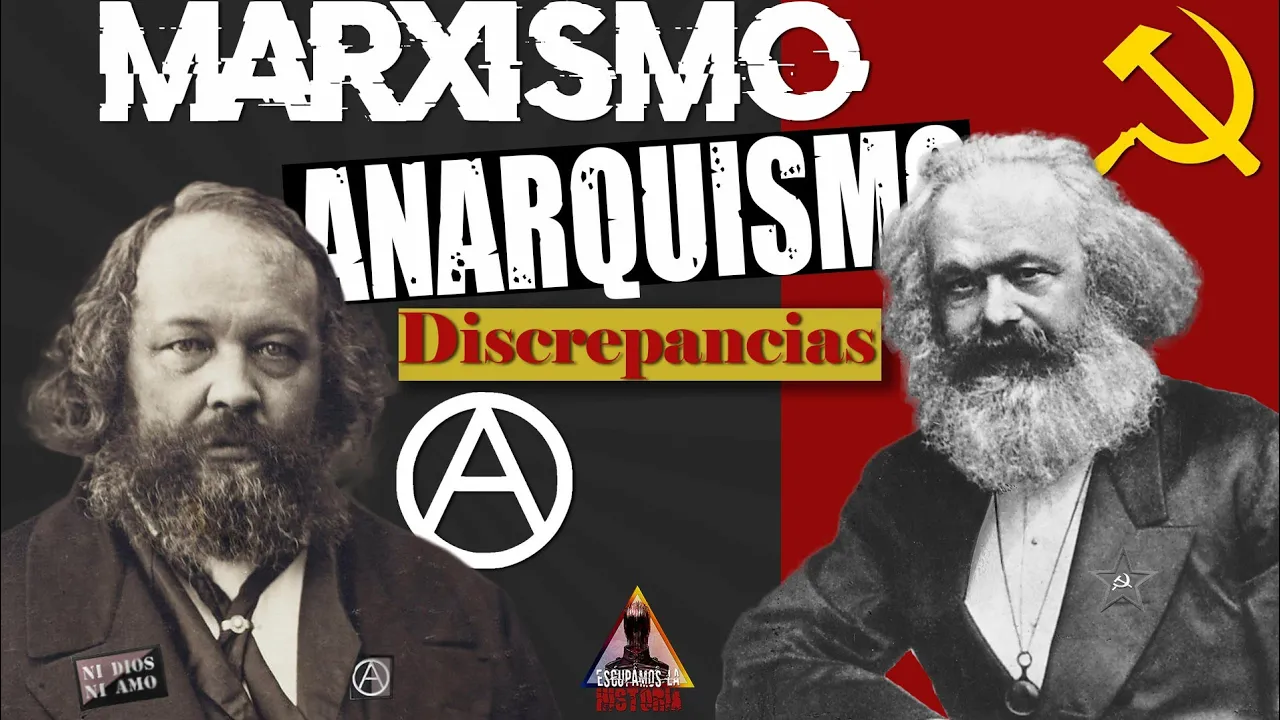
Well actually that's yes. I definitely was a teenage anarchist. I was about to say that I was an anarchist before I was a punk. And that's not that's not entirely true. I was still I was still transitioning out of being a Marxist and into being an anarchist when I when I discovered punk. Um but for me interest in politics definitely came first. Um and that's actually why I sought out uh someone who was older than me probably like you know my my mom is a college teacher and so sometimes I would meet college students um and they would you know they they would tell me things and one of the things I get it must have been passed on by someone that you know went to my mom's college um was that there was some connection between like punk and politics. You know being in junior high and being interested in Marxism I didn't really know many people who I could talk to about stuff. And so when I heard that, you know, there might be this connection with punk, I, you know, I saw a flyer for a punk show and I went there. I' I've since found out that many punk scenes are not that political, you know, but the one that I happen to go to like people were flying about Mia Abu Jamal and, you know, all these political causes like things that I had heard of and like, you know, been and research and all this kind of stuff and being able to see other people my age and meet them and talk to them like talk to people in person about these things was very was very very important to me. Um, and over time, you know, I grew to appreciate the music, but I would I would definitely say politics drew me to punk more, like much more so than music. What was some of the first political stuff that you read as a kid or like some of the stuff that really caught you and like dragged you in that direction? Um, I probably saw I forget what it would be. I probably saw a documentary on PBS about the Soviet Union and uh I was interested in the notion of abolishing money because um I used to play a game called uh called Warhammer and talking to you two it seems like maybe you are also familiar with this world. So there was um I should have immediately wanted to abolish money just because how expensive Warhammer stuff was. I couldn't you know I couldn't I couldn't afford to buy the really cool stuff and so like I was always like very much at a disadvantage to other people who could you know all these things. But really what happened is there was a you know there there there was a local hobby shop and there was a and there was a games day and you know every every week you could go down and play Warhammer with people and I was like you know eight or nine. I didn't really know didn't really know other other people who were interested in things. I mean, I grew up in rural Vermont, so like there's not like there weren't that many kids in my town anyway. Culture. Totally. Um, so I would always go to this games day and it was really my entire social life. And then one week I'd go and it's not happening anymore. They're like, "No, we stopped doing that." I said, "Well, why?" And they're like, "Well, you know, we were hoping it would, you know, increase sales and it didn't work. So, we're not going to do it anymore." And that just that that was that was the initial sort of prompt in my in my very young brain of like what is money? Why does money run things? Like can we do something else? And so I was that that prompted me to, you know, sort of have discussions with my parents. And at a certain point, you know, my mom was like, "Well, it sounds like maybe you're interested in communism." And then there was this this documentary on PBS about the Soviet Union. I watched and I was like, you know, communism is supposed to be about abolishing money, but like Stalin doesn't seem very good. Like what's going on here? So that made me want to sort of research the history of of communism. And I ended up reading, you know, the Communist Manifesto when I was in junior high. And that that prompted a lot of things. And that made me, you know, get interested in the history of the Russian Revolution. And through that uh exploration, the conclusion that I came to was that uh the main uh analytical flaw of Marxism is that it is not skeptical enough of the state. And that's what led me to anarchism. Idealistic as opposed to practical sense. Yeah. Certainly partly that. Yeah. But you know, if you if you go back into the history, uh you know, you have Karl Marx, you know, you know, most people pretty much everyone's heard of that guy. Uh and then you got and then you got this guy Bunan who's who, you know, pretty early anarchist thinker. they're in the same international labor organization and they're like having it out with each other over the question of the state and and Pakuna and I think to his credit pretty much predicts the Soviet Union.
He's like if you follow Marxist program like the state is going to crush people.
It's going to become authoritarian. Uh anything that establishes establishes itself as a power over the workers even if it speaks in the name of the workers is going to devolve into this authoritarian nightmare. And he was absolutely right that is what happened in the Soviet Union. So, you know that looking into that history is initially what prompted me to looking into anarchism. Cool. We should talk about games now. Yeah, I love that. I love games. Yeah. Cool. So, did you play which Warhammer games were you playing as a kid? Well, I play, you know, I play I played original. I played 40k. The game that I settled it on the most, I think because the groups were smaller and so it didn't cost as much money, was this game Corkamorca, which was an offshoot of 40k that was only space orcs on a desert planet and it was like little gangs of space orcs and trucks, you know, it was only like 12 person gangs fighting out with each other. That was my favorite one. Yeah. Yeah. I played a lot of 40k when I was a kid and I I was lucky. I had a friend who was like, I've got all of this 40k stuff.
You should come over and play it with me. And so I end up being like introduced to it because some kid in my neighborhood had a bunch of it, you know. That's cool. Such a good Yeah.
Such a fun game. And I heard you guys chatting about D and D earlier. Yeah.
Yeah. I I've I've been dreaming of playing Dungeons and Dragons since I was like nine. And uh when did you finally start playing it? This year. Cool. Yeah.
Welcome to the man. At age 27, I I finally played my first game of Dungeons and Dragons. I love it. It's my I think it's the best game. I think it's fun.
Like I think like you said the the nature of its like multidirectional creative process. The fact that like the DM does a thing and then all the people are like well we're going to do this thing instead. Yeah. It's so I mean it's so interesting because as the as the DM you are constructing a world that you then test against the people that are playing in your campaign. And as the player like you test your own ideas against like the reality being constructed by this DM and the and the and the tension and the interaction between those two things is like I just I haven't found another game like that.
I mean, obviously other role playing games are similar in that aspect, but just that fundamental dynamic is awesome. It's a semi and we're both John and I are both huge uh like lovers of video games. And that's something that at least like with modern technology, video games don't have the ability to do to be able to sort of create that like that like fluid or sort of like reactive reality. Um, you know, where if you get into a situation and play it differently than like the DM rewarded for it. I mean, the first you don't get rewarded, but it also like, you know, it kind of pivots around you in a really like non-egotistical way. The first the first time I DM'd, um, my campaign is set in a dystopian mega city. Um, and, uh, the fir the first session of the of the game, people were playing and they needed to get some information in order to sort of accomplish a task. And what they decided the best way to do it was was to get a job and just work an eight hour shift. And like as a DM, like I had not anticipated that being something they might decide to do. So I had to like freestyle what it would mean for them to get a job at the place they're applying, you know? Like you can't you can't do that with a video game, you know? Yeah. We're going to stay here and start a guild and hire a bunch of people to work for us. Totally. They're going to go on quest and this is going to be an economic based system. Yeah. Yeah.
One one of the players in our game hasn't come to our sessions for a couple weeks. So we just gave him a job and made him make money. Yeah. He's just been working with he's been working cleaning shelves, printing us gold for a couple weeks. Yeah. Where Yeah. Yeah.
Where does he work? He works in a potion a blacksmith shop. A blacksmith.
Cleaning the shelves. Yeah. And and tying specialty knots because that's his highest craft. Yeah. He has in 3.5 I don't know if this is in two, but in 3.5 there's a rope tying skill and he decided to play a character in which he just maxed out his rope tying skill. So he it's like a much detriment of his other skills. Yeah, definitely. But it's like a plus 25. Yes. It's very Every time we need something tied together, he's the guy to go to and it's become incredibly effective. I never thought how useful him being able to tie knots would be. Uhhuh. That's cool. What is I mean what what does he tie knots to do?
Like what are the situations that My favorite thing so far is um he so he has the power to like sort of command command rope from like a you know a telekinetic perspective. Uh and he wrapped a sword uh with the end of his rope and kind of used it as a sort of like independent flail like um and that was pretty awesome. I don't remember how effective it was. I just remember being really impressed by the idea like way to go man and we he just like I mean we've tied you know we tie people to stuff a lot when we when we capture them and like being able to tie them perfectly to things is super zero chance of cool y what uh what character do you play? Tell me. Do you have a Well, I'm not I mean I'm in and out of town so much that I'm not I'm not in any games right now.
Yeah. Yeah. I'm on tour too much. Have you played any classes that you've liked? Oh. Uh, the only uh the only character that I that I have played I mean I've played I've played like one-off games as a thief, which I'm interested in exploring more, but I I played a wizard. Okay. That that's what I played in the campaign that I was in.
I've always been a rogue, so the thief elementally appealed to me too. I don't know that much about two, but in 3.5 and four, being a rogue is like totally broken. Yeah. Yeah. You can just do like crazy amounts of damage from a distance.
I wouldn't I wouldn't say two is necessarily probably as broken as 3.5 or four then. I I think broken is too harsh a word. I enjoy it. Yeah. Right.
Exactly. As a rogue, it's great. I love rolling 60 sixes to figure out damage.
What? Yeah.
If I get a sneak attack or you roll 60 60 sixes. Oh, six. Okay. 60 dice.
Hold on. I've got this bag over here.
It's a little broken. This table. Yeah.
No, that's even just six. Six dice.
That's a lot of There's a really broken 3.5 teleport rogue build where like if you're level 20, you get to roll like 40 dice and you can do like thousands of damage every hit. It's pretty cool. That's what you need to take out gods. My my the goal of my character I mean the campaign ended so I'll never get to do it, but the goal of my character was to kill every god and collapse all the elemental like all the astral plains in on themselves and abolish reality. Yeah.
Awesome. That's such a good end game.
Black hole. Yeah, we are nothing. But, you know, I only got to level three. I couldn't even like summon a fireball yet, you know. Well, he he did it. None of us exist anymore.
Character sheets. Give him. Yeah, man.
We could we could nerd out about Oh, yeah. Are we getting in and out after this, by the way? Are you down for that?
All right, cool. We're going to keep talking about this. Um, okay. So, I want to I want to talk about The Smell. And I know you do, too. Oh, yeah. Sure. Um, I don't know if you remember that show or not. I do remember the show. Yeah. Okay.
So, we were there. We were both at that show and we had kind of different opinions. Different opinions about Yeah.
Right. So I as I I was on your side at least. That's how I like that's what I I don't know if that's the right way to put. What do you think happened? Okay.
That might be a place. Okay. So we were standing off to the side. Um there was kind of like you know the smell is a very compact space and there was like moshing that was like kind of hurting the people in the front. Okay. The show didn't end because of moshing. That's not that's not why it ended. Right.
Right. But but and but I saw that was something that was kind of agitating you. I mean yeah that's you know that's that's something that we struggle with all the time. But yeah the other thing is that there were like four drunk dudes outside who were attacking people as they left. Um and they they sucked. We actually like after the show ended we actually like me and Dan and a couple other people from the show Dan from Sunning with Tigers actually had to like physically block them from coming inside because they were being chos. Um and I So is that an accurate perception of what happened? Yeah. And the and the reason that the show I mean the reason that the show ended is because and you know I was I wasn't there to witness this some something that that you know the four drunk people or whatever something that they did caused the people who ran the space to be like this show is over and so that was communicated to us. Yeah. That was communicated to us and we cooperated. I mean I guess we could have been like no [ __ ] you the show isn't over. But we didn't do that. No. Yeah. Because I mean and and this kind of brings up like the question of punk rock. Like so many people think punk rock is saying like no we're not going to end the show. We're going to keep playing. But like It totally depends. Punk Rock is also respecting DIY spaces, you know. Oh, definitely. I mean, the like the smell has been there for what, like 20 something years. It's been there for forever. And it's in downtown LA. I mean, it's not in like a in some way in some ways it seems like a pretty hostile environment for them to maintain that space in, you know? Absolutely. I mean, yes. What is that? Second and uh like second and hill, second. It's like right down the street from the Edison, which I think is hilarious. Yeah. Super bougie.
So, yeah, I want the smell to continue to exist. I mean, if we were, you know, I don't know. I could imagine a circumstance where, you know, maybe we were maybe for some reason we ended up playing at a place that I think should actually be destroyed and then maybe they tell us to stop and we don't. I could imagine the circumstance. We were not in that circumstance at that time.
Yeah. No. Okay. And and I will that that we weren't aware of that element of it.
Yeah. The presentation of the cancelling of the show made it seem like you were upset by the environment and decided to stop playing. Uh no, the people who ran this metal asked us to stop and we agreed to do it. Yeah. I'm not very interested in arguing with people on the internet. So, um, if when oftentimes when like stuff like this happens, um, I'm not gonna I'm not gonna get on Facebook and like argue with everyone who's mad about it. Nobody wins. That's not how I want to spend my time. No. No.
Not when there's D and D to be played back. Yeah.
Um, cool. Well, I mean, that that actually like kind of settles like the the debate we'd had. And we had a lot of discussions about like, you know, what does it mean to like end a show for something that's going on somewhat independently of the show? But yeah.
But, you know, I get it like I get the like the protection of the safe space and that uh you know, the people who who run the smell made the call and that makes a lot more sense to me. Cool. Line of questioning curtail complete. Yeah.
Um, okay. Somebody uh Oh god, who I wrote down the usernames, but they're all scattered around. Somebody on Reddit uh you know who you are and congratulations for getting your question on the air.
Um, what what responsibilities does a modern anarchist have to society?
Um, well, okay, I guess I would preface this by saying that um I try to be very openly and visibly an anarchist because I think I think there's value to this. Um, some people are interested in what I do creatively and I think just being open about sort of where I'm coming from might prompt people to, you know, have questions and and and try to research answers and like, you know, maybe come to maybe come to be exposed to different ideas than they had before. Um, but the the fact that I do that doesn't that shouldn't be confused for me thinking I actually have any like particularly insightful ideas about what to do. I would not say that I'm a particularly insightful theorist.
I don't, you know, I I quite frankly I don't know what anarchists should do.
Most anarchists I know also don't seem to know what we should do. I'd see I'd say a very um a very uh a very common feeling among people who believe in radically transforming the world that we exist in um is a sense that uh everything that we have tried to do that in recent history has not worked and it's very unclear what would. Um yeah.
So, uh, I I, uh, I try to do something that feels important, you know, that's that's sort of that's that's what that that's the the best I can operate on.
Um, I'm most involved, uh, with uh, there's an international uh, there's an international network of prisoner support groups called Anarchist Black Cross. There's a local anarchist Black Cross in Tucson. That's the group I'm most involved with on a on like a consistent basis. sometimes, you know, the the there there will be like a march to organize and I I'll help do that or I'll go to someone's march or that sort of thing. But as far as having uh having any uh particularly good insights about how to change the world, I I don't know.
Well, I think I think you nailed it and that you know, personally, you say I do I do the best I can. You do what feels meaningful to you. And you know, I think you know, anarchy aside, I think that's the best anybody can do. you know, whatever you believe in, just do the thing that you feel like contributes best to that idea. That's one of the things um Jared, the guy who's doing our sound, thanks Jared, he uh he mentioned as I was asking about how it sounds and stuff and he was like, "It's it sounds really good." He's really like putting it out there, you know? He's like really doing it. He's given it his all. That seems to me from talking to you today and hearing your music, something that you're particularly good at or something that you're like particularly interested in is like always kind of doing a thing at its like to its end or like at its fullest capacity. Yeah. How so? How do you do that? Because I think that's something I'm not particularly good at and like lots of people struggle with and like how do you get Oh, I I struggle with it as much as anybody. I mean I to be clear I say I'm an anarchist. Um in my interpretation of what that means, I am at war with this world because I I am against domination. I think we should end it. That means that pretty much every situation that I enter into is one that I think should be dismantled. Uh I obviously don't go around dismantling everything that I see. Uh that I think would be the true logical extension of what I think. Um but I don't think that's really possible for me to do individually. And so I attempt to, you know, come to you know some sort of like logical idea about how to how to do that as as as best as I can without immediately going to prison for a very long time for no particular reason.
Yeah. Yeah. Yeah. So I mean I would I I guess I would say I feel I feel like I'm probably in the place that you feel like you're in. Yeah. Cool. So, I have a question about shyness. If this is something that you're comfortable talking about, it wouldn't be ironic if you didn't want to.
Um, but you know, you're talking you're talking to me earlier about how um you know, sort of like the like the onstage or like p sort of perceived uh persona of a performer uh that's very illiterative. um kind of can clash with that with like the actual individuality or like you know sort of uh like true personality or like offstage personality. Yeah. And you consider yourself like a shy like possibly introverted person. Yeah, I would. Yeah, I would say that that's generally true.
Talk to me about the relationship between like Pat the Bunny the performer and like Patrick the shy person. Well, to me there's not um I it's it's probably difficult to talk about because to me like playing music is just one thing that I do whereas to people who don't know me personally that's all they know about me, right? So to me there isn't like like some sort of disconnect or tension there. It's just you know I like I am the person that I am and like sometimes I I am that person playing playing music. Um, so I guess I guess to me the tension more comes from if that's the only thing that you know about me, then you develop whatever image you do based on based on that content. And uh I think oftentimes when people meet me they find that I'm not what what they expect. Um I don't think that's because I'm trying to like deceive anybody or anything. It's just, you know, that's just how that's just how things are, you know. Yeah. I don't know. Well, and it sounds like that the like the onstage persona is sort of extrapolated into the personal life as if people can people can know you to a personal extent from what you create and distribute musically. I mean like the music definitely is like about like pieces of pieces of whatever you know we were talking about earlier like what is self right but you know pieces of whatever that is certainly is part of the music but also like I don't know if I just if I just narrated what I did every day it wouldn't be very interesting you know like most of the time I'm not like writing a song I'm like you know washing my dishes or like you know we're drinking coffee with one of my friends and just like making weird jokes that wouldn't make any sense to anybody even if I did write them you know I mean like there being like being a creative person involves editing out almost everything that you do, you know.
Sure. Yeah. Although particularly maybe not including washing dishes perhaps.
Yeah, that was a funny choice, I guess.
Oh, yeah. No, I see. I forget. I forget that I I forget that I've written about that. It was so long ago, you know.
Yeah. Well, okay, that actually reminds me there's something else I wanted to ask. So, pe people have said that you don't like playing old songs like previous to Ramshack of Glory. Will not do it. Talk to me about that choice. Um, well, I mean a lot of it's just about being like a homeless teenager strung out on drugs and I'm not a homeless teenager strung out on drugs. So, so something you just like don't really identify with any longer. No, I don't really identify with I mean like you know with Winged Out Dishwashers Union there's some sentiments in there that I would still identify with. But it's very I mean it's hard enough to just be like I don't play any of that music rather than trying to like engage with it in a nuanced way and like pick out like a little bit of it that I like and you know rejecting all the rest of it. It's just, you know, it's I I I'm interested in playing music that I make now. The other thing is just like, you know, I've played all those songs a lot of times. I probably wouldn't want to play them even if I believed in them anymore. But a lot of them I actively like really don't believe in them. Yeah. And how much do you identify with the person who wrote those songs? Do you consider that to like all be a part of yourself? Do you consider that like to be Oh, certainly.
But as far as like what I you know just because uh you know there was a time in my life where um I might have like thrown up on you because I was really drunk doesn't mean that part of respecting that is that I should throw up on you now. Absolutely. I'm very grateful that you haven't yet. Uh give it some time. Yeah. I don't want to make too many assumptions about the rest of the interview. We're going to In-N-Out later, but like Yeah. You know, and has induced vomited people, I think, before.
I don't want to talk about that. I still want to eat it. I do. I love it and out.
I think it's really good. Yeah. What's not to like?
Um well, do you have do you have anything else you want to ask? Because I was going to tie it up in our in our usual way. I mean, I have some thoughts, I think. So, shoot. Um what about some of this like in the the one of the songs you played today, you say like if singing changed anything, they would make illegal. Um, what about this sort of concept of trying to face a thing that is constantly unfasable, right? Like trying to make domination or something.
Yeah, exactly. Like domination or like the creative process that is something, you know, that like maybe won't change anything or like there's that line from when you're in dishwashing which you just said you don't really relate to anymore, but Oh, I mean some like these highways don't lead anywhere but I think I don't care or whatever. You know, some of that feeling like why am I doing this in general? How do you deal with that?
Or do you or is it just drive you crazy?
Um, I mean, you know, I'm I lean heavily towards darkness, like as far as like people who are like are happy like most of the time, people who aren't. I am not happy most of the time. You know what I mean? So, I wouldn't say that, you know, I have a good I have a good way of dealing with that. Yeah. Say it drives me crazy. Yeah, I think I feel that.
Um, and I guess my one of my only other question I mean, and we can talk about this forever, I think. um some of this political stuff and like your movement from Marxism to anarchism is stuff that I'm interested in. I spent a lot of time like thinking really hard about it in like inside of an institution that's canonized which is sometimes a dark part. That's interesting. I went to school for that kind. Yeah. Okay. That's very interesting. Um so I've read a bunch of So you know much more about it than me I'm sure in a very I think in a super different way. Um you know I I know a lot about it in like the post structuralist French economy way and like I've read a lot of Altazair and if you've read any of that stuff I haven't read any probably. I mean, at a certain point I unfortunately I would say the time that I read the most theory was also when I was nodded out on heroin. So I don't I don't remember a lot of it, you know. I've read a lot of Fukco and I remember very little actual content.
Yeah. Yeah. I mean I just think it's interesting how it like do you have any so if you read any Fuko do you have any concepts of like how power structures are formed?
Right? Because I think in the as somebody who's interested really definitively in trying to dismantle power structures or something like where power comes from whether or not you're somebody who participates in giving a thing power. Oh, of course. Right. Like do you have any thoughts on that? I guess or Oh, like what does it mean for you to be in a position that like in fighting the police there's something about that that gives them power? Right.
Uhhuh. I can Yeah, I could see that.
Yeah, I I I would say that that is that's what I would identify as um I'm not gonna have I probably aren't gonna have I'm probably not going to have the same reference points as you.
Um I am certainly influenced by post-left thought within within anarchist circles. Um, and I I feel like one of the one of the criticisms of uh the what is what is identified as a leftist approach to trying to uh enact social change is you know we you spend you you spend so much time um trying to appeal to authorities in various ways um that it even the logic of what you're attempting to do just reestablishes authority. um you're attempting to, you know, even if it's even even if it's as like, you know, out there as like, you know, you're demanding the police abolish themselves, it's still the the conversation is defined in relationship to this authority rather than attempting to figure out in a more, you know, I guess more practical way what would it mean to Yeah.
Yeah. Yeah. I mean, I think it's just a crazy logical problem. And I was reading a bunch of the stuff that you somebody asked you like, "What kinds of books do you like?" or whatever. And um you had a list of them and some of them were about some of the articles I read were about um like momentary repositionings of power. Yeah. And like people talking about how they've been sort of given gratuitous opportunity and then being and then like feeling guilt for that and presenting that and how that can like give somebody who is oppressed power in moments, you know.
Oh, are you talking about Andrea Smith, the problem with privilege? Oh, that's a I would say that is a very interesting article and Andrea Smith just as a thinker is is very interesting. I she's she's very very she's great. I I I love her. And have you read debt? It's a book that's on my list. I love it. I think it's great. Yeah. I think it's I think it's really really good. I mean, even if even I' I' I'd say, have you read David Graver before? No. I like his style. Not everyone likes his style, but I think his style is like conversational and interesting and like the anecdotes he chooses are like good and like it's fun to read them. Um, but as far as like the value of the content, um, I feel like it's a book that, um, once you get like sort of the basic argument, you don't necessarily have to finish it if you don't want to. Yeah, it's like pretty long. I liked finishing it, but if you didn't like finishing it, I feel like, um, just reading, you know, just reading the beginning, you'll get an idea of what he's trying to say probably, and it's it's a valuable thing. Um, one of the most basic facts that he tries to communicate is that how most people think that the history of the economy developed is just is just factually wrong. You know, this idea that, you know, people used to like barter with each other and then someone figured out money is more convenient than barter and then like we did we you know we did money and then at a certain point someone realized credit's more you know credit is more uh is more efficient and and easy than than than physical currency. uh uh Greyber postulates through going you know both through through anthropology which is which is particular specialty and just you know history and and you know all sorts of academic disciplines he postulates that this is backwards like barter economies don't exist before people use money and actually if you look at stateless societies that are non- capitalist they're not like they're not like I'll give you this is worth a certain amount yeah they're not like I'll give you an egg you give me a shoe like that's not how it works like we know each other right and so you'll just be like hey I need a shoe and I'll probably give it to you because I know that when I need an egg I'll just I'll ask for an But it's not it's not a formalized exchange.
That's you know that it's very that and when you think about it even for a second it seems very uh counterintuitive that you wouldn't be willing to exchange things with your neighbor if you didn't both happen to need something from the other person at that moment in time because you have an you you have a a long-term relationship with one another.
Yeah. Right. Right. Because it would make no sense to rely on having an excess of stuff all the time. Yeah.
That's such like a seemingly obvious point now. The lack of symmetrical need would like it makes a barter economy like total like it doesn't make any sense. Ridiculously inefficient. Yeah, it is ridiculous. I guess I'll take a shoe if you need an egg, but like and so you need like people need to be used to using money and then for some reason money disappears and that's when people barter because they're used to commercial exchange and the medium for it is no longer quantified. Yeah. Yeah.
Like Soviet Union collapse collapses, there is no money like you have to barter. You know, this is this is a reality. Yeah. Well, while we're on the topic of philosophy, and we kind of tie this back into the uh uh like the the punk element of our discussion, and we sort of touched on this earlier, I want to ask sort of on like an idealistic level, like what is it what does it mean to you to be punk?
It it just means to be in a weird group of people who identify with that word. I don't know.
Cool. Yeah. I don't I don't like frustratingly open-ended. I I understand that though. Yeah. And I I wish I could give a more satisfying answer. At some point, I probably would have been more idealistic about it. At this point, um I'm not idealistic. I you know, I I hope that I'm not too cynical about it. But really, like saying that you're into punk just means that whoever else says that they're into punk, you're saying you're into the same thing. And like you meet some of those people and like you really you you know you don't really mesh with what they're about in life.
And you meet other people and you like you find that you really are. And it's kind of hit or miss. Yeah. Do you find that it's like too general of an identifier then? Yeah. Oh yeah. No, I'm an anarchist before I'm a punk.
Definitely. No question. That's my primary like subcultural scene affinity.
Like that's primarily the group that I'm part of. Well, and to take this back to like the identative level like you are an anarchist and you are a punk, but you are many many other things. to identify strictly as a punk well or an anarchist or whatever. Is any as any singular thing or is any like limited set of things it seems is like an unnecessary boundary or like an unnecessary um you know sort of restriction on what it means to be a complete person.
Definitely. And yeah, the fact that I the fact that I place in my own sense of self anarchism so centrally probably speaks to some kind of defect in my personality, you know. Yeah, I think everybody's got that though. Like it's such a it's like a defect in some ways I think to try to decide to define yourself like I am I I promise I'm this thing man you know because I think everybody's sort of looking to fulfill roles or be a utility or something. Oh yeah definitely and obviously the you know anarchist is its own sort of specialized role that's been and like such a severe form of utility. Yeah. And it's very difficult to escape once you're in it you know. Yeah. Same with like a lot of people discuss like escaping activism like as a specialized identity. Very difficult to escape once you're in it. Yeah. Yeah.
And I have no I have no good answers about these problems. I think I mean there's good questions at least that's yeah that's I mean if if I if if the things that I do creatively can prompt people to like ask like become interested in questions that that I think would be the most like as far as what would satisfy me the most that would be it definitely. Yeah. You said sort of a point thing earlier just that like if only you could get people to think things they've never thought before. You know I think sometimes that's enough right? Like you don't have to give them an answer. You just have to like kind of blow their minds for like one second. Like let them know there's stuff they haven't considered. Yeah. I mean people Yeah, it's I I I'm glad that people do that for me in my life. That's for sure. Cool. I would be a crippled person with that.
Um so it sounds like we kind of got to wrap it up, but you were going to ask I imagine like what are you listening to?
Yeah. So we we always in our show is such a platform for um you know promoting artists particularly artists who may not have like the the means or opportunities to promote themselves especially in like a wide like you know broadcast radio type way. Uh we like to ask our artists who who they're listening to that like who's on their playlist right now and who like what artists are important to you that you feel deserve more attention than they've been getting. Yeah. Well, so I'm not if I was gonna answer the question honestly, I would say the names of a lot of top 40 musicians that everyone's already heard of that don't really need, you know, an additional platform. So, I will I'll skip over that. But to be honest, that's most of what I listen to.
I think you should say them. I think that's a part of you, you know. You know, that's if it's one on it's on your playlist, man. Yeah, the new Taylor Swift album is great. It's, you know, I think it's great. I love Taylor Swift since she was a country star. the closer that she gets to pop, uh, the more the more that I that that I like it, just because that happens to be what I listen to. Um, but aside from that era, that sort of level of things. Um, there's this guy, Chesy, who I he's uh he's he's in the hip-hop world. He's in the indie hip-hop world. He has a new album out that is well, it's not quite out yet. He sent it to me because, uh, we know each other and we went on tour and stuff, but I that album is very, very good. Um, I don't I don't uh I pretty much am only gonna find out about music if someone like gives it to me. Um, and so I I you know I I guess I don't I'm not the right person to ask because maybe maybe he's doing something that everyone else is in indie hiphop has been doing and I just don't know about it because I haven't heard it on the radio. But my sense is that he has made an album that is very like uh very unique uh and very rich and very interesting for anyone who would listen to it. So I would look up I would look up Chesy. Chesky. Yeah, he's great.
And then and then there's always Michael Jordan touchdown pass, right? Yeah. My brother, he's he's great. Um I I don't know when he last put out an album. He you know, he he didn't end up uh this life is not as much for him, you know, as it is as it is for me. I mean, really, it might not be for me either. I think I have I have more I have more of the personality of a long-distance trucker than uh than than sort of a performer, I think. Do you I mean, do you expect yourself to be a musician for the rest of your life? Are you sort of like a a lifer, I guess, as they say, or Oh.
Hm. I wouldn't commit to that now. Well, I guess it depends what you mean. I'll probably always like Do you think you'll be playing shows when you're 60? I'll probably play some shows when I'm 60. I don't know if I'll be on tour very much when I'm 60. I think I'll always make records. I can't imagine like not writing songs, you know? That's that's the part that I really like. I really like writing songs. Shows are like I like I like playing shows, but writing songs is the thing that is very interesting to me. Yeah. Cool. Well, man, thank you so much for, you know, coming out. This is this has been really fun. I really loved this interview. Oh, I' I've had a very good time. Cool. And you know, all the songs you played were great. I can't wait to release those.
Um, so this is a fist full of vinyl. I'm Alec. He's John. That's Pat the Bunny.
Uh, you know, us all very intimately now. And, uh, yeah, I don't know. Listen to our show on KXLU live every Monday night at 11 PM Pacific time. Um, grab Pat's new record. Um, where can they find that? Oh, you can you can find it on Bandamp. It's a great place. Pat the bunny. com or pat the bunnymusic.com.
Those would be the the two places you can find it. Cool. Yeah. And uh I don't know. Thanks for Thank you for watching.
Bye. B bye YouTube.
Cool. That was really fun. That was like one that's for tit.
angles. Uh I don't know. Do you want to shoot some stills? Cool.
Having a concept that strong and kind of being negative because people are writing it think like, well, the concept's good. It's going to be fine.
You know, I feel that way. Yeah. Like a lot of sketch comedy shows. I feel like it's like funny sketch. Yeah. Like good idea, but like you didn't like add anything to it over the course of the sketch. Yeah. Too often the problem. We thought of this funny thing and then we filmed it. Yeah. We We thought of 30 seconds of funny and did it for four minutes. Yeah. We called it Saturday Night Live. Yeah. It's hard to be funny.
It is. Yeah. Especially on stage pressure in front of people. I like whenever whenever somebody calls me funny, I like freak out and get in my head about it. Yeah. Funny looking. I'm super unattractive. Thanks, John. Um, no. I like as soon as somebody calls me funny, that's like the moment where like I become like really conscious of it and then I stop saying funny things and just say like awkward attempts at jokes and feel bad about me and then that person leaves me alone.
That would be funny. So that was You just did it. You just did it. That was so bad. Well, I wasn't trying to be funny though. I was like that was that was sincerely actual moment in your life. Um is Jared in there or Yeah. Are we getting Oh, I didn't see you. There was stickers in the way. That's beautiful. Oh, well, at least I'm the one editing this.
Um, unless I do it for a second. Cool.
Uh, hey guys. Jared, is this close enough? Am I okay here?
How's How's this for me? I know I project. He's moving. He thumbs up to me. He thumbs you up. Thumbs up to you.
You can you can bring that closer. Okay.
Easy. Cool. And did Pat soundtrack yet?
He was sounding good. Cool. Cool. Cool.
I'll just chill. I'll just like All right. We're rolling in there, though, so we're good. Okay. Cool. Uh that Kirk, that one's gone, right? I'm going to make sure mute my phone.
And we're Okay, we're good here.
Up Next

3:15
The Origins of Paper Money: Song Dynasty Invention, History
@wizplus4122
4.6K views•2020-11-13

12:54
Triumph of Orthodoxy Icon: Byzantine Art & History Explained
@BenCallan
2.1K views•2024-08-06

9:49
FastAPI vs Flask vs Django: Choosing the Right Python Web Framework
@TechWithTim
302.5K views•2024-05-26

1:42
Game of Thrones Opening Credits: A Cinematic Analysis
@gameofthrones
46.3M views•2011-04-18
Related Study Plans & Knowledge Roadmaps
Structured learning paths in General & Interdisciplinary Studies
general-studies
Elevator Engineering: History, Physics & Cities
01From Hoists to Safety Brakes: The Dawn of Vertical Lift
02Hydraulic vs. Traction: The Engineering Physics of Elevators
03Modern Speed, Safety, and Algorithms
+ 2 more learning modules
12h5 modules
Explore Roadmap
general-studies
Rubber: Material Science, History & Geopolitics
01Origins of Natural Rubber & Mesoamerican History
02The Chemistry of Natural Rubber & Vulcanization
03The Geopolitics of the Rubber Boom & Colonization
+ 2 more learning modules
12h5 modules
Explore Roadmap
general-studies
Containerization: Evolution, Logistics & Trade
01Ancient Trade & Bulk Cargo: Amphorae to Barrels
02The Industrial Revolution & Cardboard Packaging
03The Containerization Revolution: Malcom McLean
+ 2 more learning modules
12h5 modules
Explore Roadmap
general-studies
Textile Tech: Evolution, Labor & Global Impact
01Pre-Industrial Textiles: Handloom & Cottage Industry
02Mechanization: The Spinning Jenny to the Power Loom
03The Factory System & Global Labor Transformation
+ 2 more learning modules
10h5 modules
Explore Roadmap