



























Psychoanalytic psychotherapy, founded by Sigmund Freud, is a therapeutic approach that explores unconscious mental processes and early childhood experiences to understand and treat psychological distress. It evolved from Freud's original one-person intra-psychic model to modern two-person field approaches that acknowledge therapist subjectivity. Key concepts include Freud's drive theory (libido and thanatos), the tripartite personality structure (id, ego, superego), defense mechanisms, and psychosexual stages of development. Modern variations include ego psychology, object relations theory, and self-psychology, each emphasizing different aspects of human development and therapeutic intervention. The therapeutic goals involve bringing unconscious material to consciousness, developing insight, and addressing maladaptive patterns through techniques like free association, interpretation, and exploration of transference and countertransference dynamics.
Psychoanalytic Psychotherapy Fundamentals: A Beginner's Guide
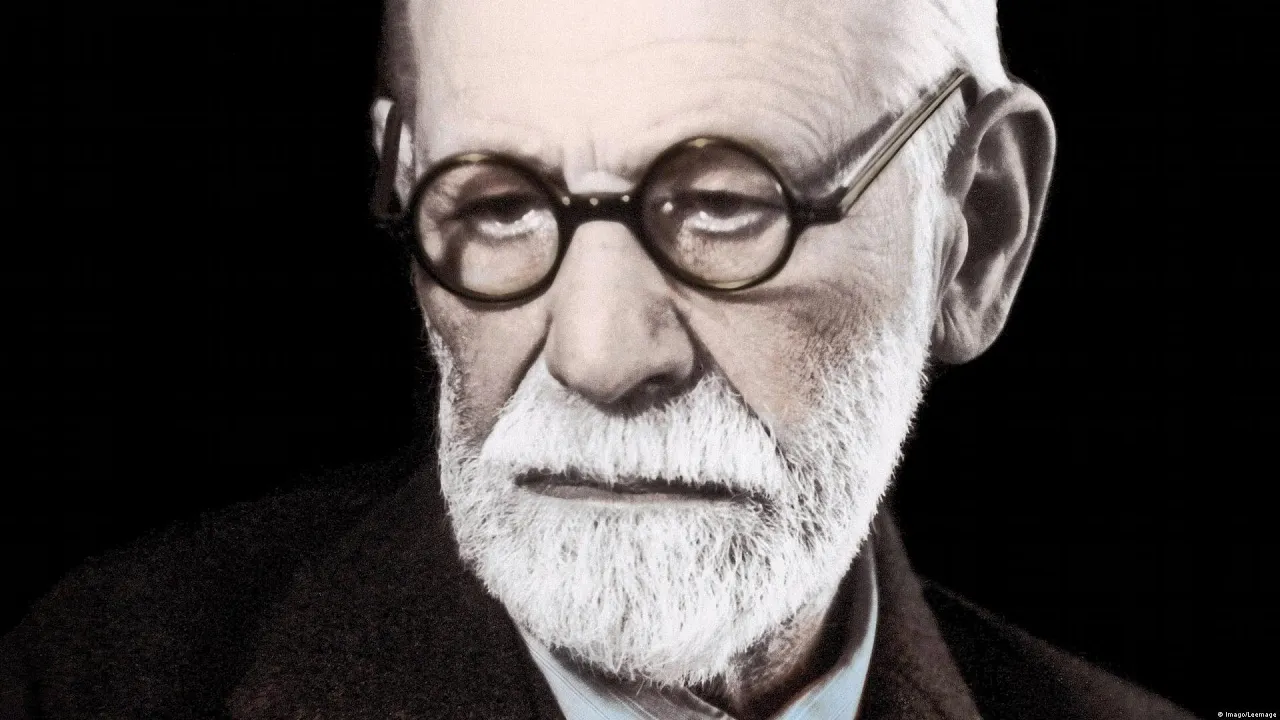
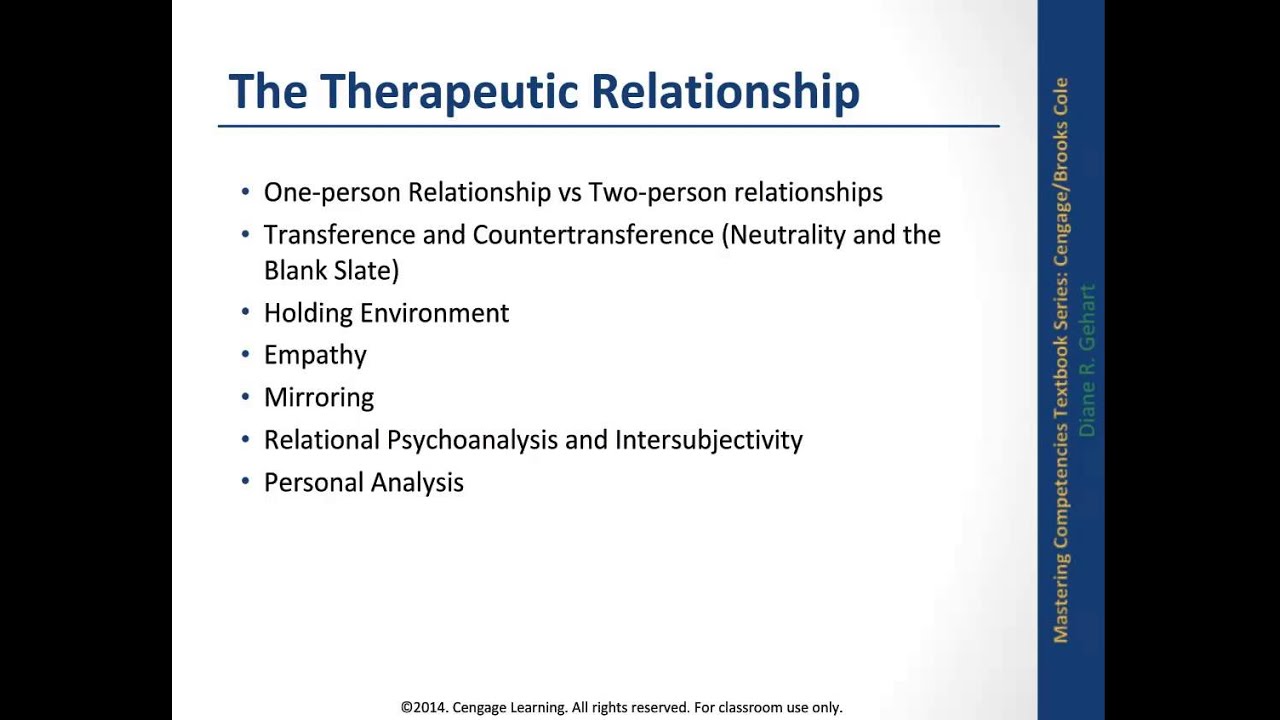
Added:hello and welcome to our second uh lecture in the lecture series of psychotherapy uh today i'm going to talk about psychoanalytic uh approaches again we're using um flanagan and flanagan's textbook on counseling and psychotherapy so they also have a video which i'm going to share with you actually engaging in the process of psychotherapy so let's uh get started so uh we'll focus on psychoanalytic and psychodynamic theorem practice and i think it's important to start with sigmund freud now sigmund freud for all the criticisms one may have of him he's highly influential in our understanding of psychotherapy and obviously there are different schools of thought different approaches to psychotherapy but we're going to start with sigmund freud as the father of psychotherapy now i'm going to start with a quote sigmund freud said that there are many ways and means of conducting psychotherapy all that leads to recovery are good and it's interesting if this were a history of psychology class i would be talking to you about hypnosis uh interest in magno therapy um a whole bunch of different things before he came to talk therapy that he was interested in uh and thought that could be therapeutic but let's start with the question well what is psychotherapy well psychoanalytic psychotherapy forgive me so psychoanalysis was the term used for freud's version of psychoanalytic theory and his uh modality now in classic freudian psychotherapy it's a one-person intra-psychic model what does that mean the goal of the therapist is to serve as a reflecting pool for you but not to get overly involved not to be um in the room so to speak and have their issues manifest so to speak it's about you and anything that comes up should be focused on you so the the therapist is supposed to act like a blank slate and pay attention or listen for any kind of cognitive conflict or unconscious conflict that you might have that drives maladaptive behavior so uh largely freud believed that your conflicts occur when different parts of the personality structure are at odds with one another or when some of the stuff from the unconscious comes to the conscious level now obviously freud is a starting point uh he is not the last word in psychoanalytic therapy so there's been an evolution in thought even within psychoanalytic perspective so you're going to be introduced to several of the different lenses of psychotherapy or psychoanalytic psychotherapy so moving away from traditional or classic psychoanalytic approaches uh the more modern approach acknowledges this two-person field so now instead of being sort of like a mirror reflecting pool where the therapist tries to um be as uninvolved in your your experience as possible so that it's truly your experience now you have um the therapist in the room being more active rather than passive now some examples of modern psychoanalytic uh psychotherapy is one is ego psychology and ego psychology shifts the focus from uh the id where and its base desires to the ego which is uh the more rational side of the person uh so we talk about uh freud's followers and one of the first people we have to talk about is anna freud anna freud is a remarkable or was a remarkable individual she took sigmund freud's work and traditional psychoanalytic principles and applied them to the child first whereas sigmund freud talks about all of these maladaptive experiences that you might have in adulthood because of childhood so she does the other way around now even anna freud shifted to focus a little bit from the id to the ego so what are some egoistic functions memory thinking intelligence motor control and so forth all of these are ego-based um another common name when we talk about ego psychology is hartmann and another common name is eric erickson and i'm to briefly talk to you about eric erickson in passing as we go but um psychoanalyst started to shift away from the id which was pleasure-based the desire base to the ego which was more of your conscious experience all right we also have object relations so object relations theorists focus on uh the libido and in this context libido is more life force in general whereas freud talked about libido as like sexual energy uh and your life force in an object relations point of view puts you to focus on human connection and relationships rather than basic pleasure now what are objects well if you look at a definition in a dictionary it'll say objects or things but from a psychoanalytic point of view objects are actually people and our internalized view of people or versions of people and things like part objects and whole objects come in mind infants start with the concept of a part object so according to object relations theorists the breast the mother's breast which feeds the child is the first part object and that part object is useful in helping the child determine whether that whole object the mother is a good part object or a bad part object or reliable part object or um and unreliable so depending on whether the child nurses effectively uh the child will determine good or bad part objects and then we internalize that the breast is just part of the person or the whole person and then that person typically the mother first is the first symbol of what society is going to be like so it serves as sort of a view of the world and that's object relations we also have self um psychologists which are focused on the more global cohesive entity uh and the self is who you are at your essence or as a whole so people like heinz kohut were in influential in self-psychology so they focus on self-esteem self-esteem is your global sense of self-worth self-cohesiveness being unified sense of self these were the focus in healthy develop now there is a difference between self-esteem and self-efficacy as i said self-esteem is a global sense of self where self-efficacy is more of like competency based on a specific thing so overall i think i'm a good person i think i'm a wonderful person i have abilities but if you ask me um about my singing ability i would say i'm really poor at that so i would say i have very limited self efficacy related to singing now could i be taught to sing well me personally the answer is no action tone death so you'll notice sometimes even in my lectures i don't modulate sound or tone that's because i'm tone deaf so in singing and i've tried i can't carry a tube uh and that's why i said low self efficacy in singing whereas i have higher self-efficacy in terms of basketball or sports or things like that so notice self-efficacy is uh skill specific or competency specific now how is self psychology linked to psychoanalysis the answer is is that cohab believed that our non-cohesion nonsense of integrated self or our belief in worthlessness or self defect comes from early childhood experience so similar to melanie klein of the object relations right similar to [Music] freud who talked about fixations uh which i'll mention later all of this is an outgrowth of freudian analysis which focuses on childhood experience i talked about relational psychoanalysis again similar to object relations there's a two-person view of psychotherapy and there's an inter-subjectivity which is really cool because when we talk about things like transference from a fruiting point of view transference occurs from most other psychoanalytic perspectives counter transference is a big deal too so my reaction to you is influenced by your reaction to me and some of my internalized biases i can superimpose them on you some of my internalized baggage i can superimpose on you so so it's very subjective as a therapist uh you're no longer reflecting pool to just projecting back to the person who they are now you're a participant observer so all right so psychodynamic psychotherapy is a general term that emphasizes unconscious behavior patterns and insight as therapeutic tools so the unconscious and insight-driven therapy are highly psychodynamic so who's freud well freud was born in fryeburg in 1856 uh and he tended to even early on focus on psychosexual development and the unconscious sexual meaning of behavior so um freud put a strong emphasis on the role of sex in one's whole essence so he talks about two basic drives sex and aggression now we're going to talk about psychosexual development and his belief and when we talk about dream analysis we'll talk about unconscious sexual meaning of behaviors or symbolic meaning so uh in terms of disorders uh the main focus of disorders was hysteria that was a primary focus and he started to use hypnosis which uh made him feel like a miracle worker now one of the problems with hypnosis was that he had inconsistent outcomes um some people uh hypnosis worked really well for and other people didn't work so well for so there was some kind of influence of the person in their suggestibility so he started working with breuer and broy helped them develop this concept of a talking cure to help people talk things out now the time of hypnosis was with charcoal all right so understand that our beliefs about conditions are shaped by the zeitgeist which is a cultural historical context of the time and the orc guy's place so time and place in history influences our perspective so what is hysteria if it was the main condition well hysteria was a whole host of unexplained symptoms that were like related to numbness paralysis tremors things like that that oftentimes were psychosomatic in the mind um so it's interesting when you did talk in therapy or the talking cure what would happen is when you put a spotlight on the paralysis the paralysis would shift elsewhere now freud believed in the seduction hypothesis which is the belief that early childhood sexual abuse caused hysteria we don't believe that now by the way hysteria today the most consistent diagnosis would be a somatoform disorder all right so here's his statement in 1896 i therefore put forward the thesis that at the bottom of every case of hysteria there are one or more occurrences of premature sexual experience now freud says mature sexual experience starts occur at puberty or beyond uh but child sexual abuse obviously would be premature so um it's the that's oftentimes going to be pushed beneath the surface the trauma of it it's going to go into the unconscious and what causes uh hysteria is that these unconscious memories start to train pop up to the surface and that's what caused hysteria according to freud now he did believe psychoanalysis or talk therapy could address hysteria symptoms eventually freud says you know what uh this idea of hysteria or the origins or etiology of hysteria maybe i was uh wrong so he recants it but many people believe he only pulled away from the seduction hypothesis because it was even in his day people are like what that doesn't make sense okay so he switched over from the seduction hypothesis to more of the oedipus complex and i'm going to talk to you about the oedipus complex as we move forward but there are three possibilities right um for how oedipus um the theory works and how he kind of made it fit so to speak and it's all about fantasy so first right why did he um recant well he saw that uh the seduction hypothesis was um not being received well and he but he did see that people did embrace the power of fantasy right so fantasy is a good thing right so he also abandoned uh the sexual abuse theory based on professional pressure and then he projected his own fantasies on his client so these are three possibilities uh i have seen most that it was due to uh it not being received well from his peers so that's the one and freud is known for this where he would shift the theory to fit um what his agenda was all right so when we think of freudian theory it's one of the giant theories of developmental psychology being a giant theory uh it just means that it's one of the major theories um doesn't mean that it's correct uh it's also been referred to as a museum theory more of sort of like a historical accounting like curated view of identity development because most people reject his identity development model um it's a one-person intra-psychic model his theory as i said versus many of his followers have a more two-person approach and it has different views of perspective so now let's shift to more of a dynamic point of view so or when we think about it we call this drive theory or instinct theory um we have two basic drives one is towards life and pleasure arrows is that right it's our energy towards life and pleasure or sex the libido according to freud is sex energy according to many of freud's followers it's more of a general life energy and uh thanatos is a energy towards death and aggression so uh long story short is that we tend to be influenced and driven towards life and away from death so that tends to be how it is now freud believed in psychic determinism basically uh there is no real free will nothing happens by chance everything is preordained not preordained by god but preordained by the mind and we have these patterns of thinking based on these drives that are predictable and reliable so every single action you do is based on these basic drives and instincts okay so uh he also believed that every impulse has uh an origin which we talked about the drives it has a goal an uh an object a target and an intensity and then eventually if you do something over and over and over you get what's called repetition compulsion it becomes more stable or consistent as part of your pattern so freud also talked about the psychoanalytic mind as being the mind is like an iceberg he actually took this concept from fechner uh and then interesting if you say the mind is like an iceberg very little is above the surface most of it is beneath the surface but he divided the mind into three parts the unconscious the pre-conscious and the conscious the unconscious are the things that are fully outside of your awareness that are beneath the surface usually they're taboos fantasies things that are forbidden the pre-conscious is not readily available in your conscious but you can access it and then consciousness the things that are clearly you have conscious awareness of so um just for definitional purposes for uh tests the unconscious is uh outside of your daily awareness uh the pre-conscious are sort of latent like static forces in the brain that uh can be accessed but aren't um currently in use now freud used this term to emphasize the role of repression at in the unconscious repression is things being put pushed beneath the surface right um so he wanted to distinguish between things that are fully outside of your awareness or things that you're not using now but you can access readily all right and the purpose of psychoanalysis is to help you make the unconscious experience conscious to bring awareness or insight to things happening beneath the surface to get some form of a release so if we were to talk about the theory so far uh the concept of the unconscious mind and conscious experience has considerable support the this is one of the things that he he said that most modern therapists agree with i say that because some of the things that he said were more controversial some and have fallen out of favor and some of the things we still use so conscious experience versus the unconscious or preconscious we still use now freud's psychosexual stage theory of development uh as you see on this slide is one of those things that we largely criticize now i'm gonna take you through uh his theory and i'm going to um teach you all the principles but i will tell you that most people have criticism of it so according to freud it's called a psychosexual stage theory because pleasure moves from one erogenous zone to another and there's the possibility of healthy development versus fixations depending on how things go so from birth to one we talk about the oral stage theory oral stage and according to freud pleasure surrounds the mouth now this makes sense when you ask well what did he mean he meant that infants derive their primary source of pleasure from feeding so in his day it was largely breastfeeding now we have bottle feeding but either way feeding practices are the source of pleasure and it's a stage theory so there have to be challenges to be met at each of the stages so one of the challenges you're going to be faced with in the oral stage is when to uh remove the child or wean the child uh from the breasts right or bottle in a more modern case so freud believed that if you [Music] remove the child too early or you allow the child to nurse too long you're going to develop an oral fixation now let me define what a fixation is a fixation is unresolved conflict at an earlier point in development that affects you at a later point in development so an oral fixation might be biting your nails it might be an eating disorder it might be um being overly sarcastic things like that but there is the possibility that you are weaned properly and gradually so we also have that recognition as well so there's normal development and then there's possibility for an oral fixation at about one month or one year or 18 months typically uh you shift uh to the anal stage and the anal stage pleasure moves from the mouth to the anus now that may sound weird uh but what was freud talking about he was talking about potty training or toilet training as a child gets older they learn to control their bowels and there is a tremendous pleasure in going to the bathroom now in general that's the case but for a child learning that they can control their bowels there's certainly a pleasure in going to the bathroom now if you force your child to potty train too early or you allow the child not to potty train you could develop an anal fixation again unresolved problems that manifest later so what would be an anal fixation if you were forced into potty training too early it's possible to develop you know retentiveness uh and that's used literally to hold in one's balance i don't want to go to a bathroom you're forcing me to go to a bathroom but anal retentiveness as we get older is a sense of rigidity or perhaps ocd obsessive compulsive tendencies things need to be a certain way if you don't potty train you can also have another form of an anal fixation and this anal fixation comes in a form of anal expulsiveness right where exceeding messiness disorganization adhd might be a manifestation of that so shifting gears uh to the phallic stage at about three years old a person discovers their biological sex and they start to manifest some [Music] sex-related norms and attraction according to freud so during the phallic stage uh males tend to develop a sense of the oedipus complex similar to the story of oedipus rex there is a an attraction to one's mother and the father serves as a rival uh unlike the oedipus rex story where the child kills the father unknowing in case of the oedipus complex it's resolved through identification so the child starts to learn during the phallic stage that they cannot be with mom so they'll emulate dad to get a person who's very similar to mom we also see that for females they have the electra complex which is the female version of the oedipus complex where they're attracted to [Music] dad rivalus of mom now right away as we're thinking you could see there's a potential of a heterosexist bias right so it's assuming that the child is going to be attracted to the parent of um the opposite sex or gender um and that makes it heterosexist because what about people are attracted to people of the same sex so there's a bias in the theory now it was also a sexist theory because freud believed that um males were superior he believed he believed and believed and lived in the mail and uh based on this theory he felt that females develop a sense of penis envy at this stage that is that they're jealous and bothered by the fact that they don't have a penis and this is troublesome to them until they get married and then they um capture a penis as his words um again sexist and heterosexists but for males in the phallic sage there's this castration anxiety and castration anxiety is somewhat linked to the oedipus complex that we talked about just now where males one of the reasons that they switch gears and don't go after mother uh they go after someone like mother and they emulate that is because they're afraid that if they were their father is stronger and has the potential to castrate them so the anxiety of losing uh their wondrous organ as he would call it uh prevents them from going after mom so um in the phallic stage there's a lot going on there's gender identification there's the oedipus complex there's the electrocomplex there's penis envy there's castration anxiety a lot going on and one of the reasons and and i'm gonna shift gears to the next stage in a minute but one of the reasons why it's fallen out of favor is as you can see uh is very very focused on male female relationships not male to male not female to female and there was this bias in favor of males all right now during school age pre-puberty uh freud believes that you go through a stage theory of latency where all of that sexual energy that you had kind of calms down and you tend to seek out uh same-sex peers and you tend to play on a playground with same-sex peers but with puberty and adolescence you move to the genital stage where you have that mature sexual energy that freud was talking about um he doesn't think that teenagers should be having sex or or whatnot but he believed that from a anatomical perspective that the parts work but that's the top stage and from adolescence forward you're in the genital stage okay now as i said this is a theory that really is dissected and picked apart many people believe that freud projected on to this theory his own early childhood experiences of being uh jealous of his father and being loved and supported and overly gushy gushy with his his mother and how she gave him preferential treatment so that there was this bond so some people say he projected it but because of the over sexual nature many of the things that we said are actually not founded so i said that there is an ego psychologist theory and eric erickson has what's called the psychosocial stage theory of development so instead of focusing on how sex affects the developing person he focuses on your environment right and so erickson is more of an ego psychologist and he's more of a lifespan psychologist just to differentiate the two now i talked about the id in passing the ego and the superego so there is this tripartite view of personality so there's id ego and superego the id is responsible for biological desires uh it operates based on the pleasure principle if i were to come up with a quote that the id might say is i want it and i want it now so very instant gratification uh pleasure fantasies desires all this stuff is there now when we look at it it has what's called primary process thought and we're going to talk about secondary process thought shortly but primary process thought it's more like um almost like distorted thinking or hallucination like images or fulfilled sexual aggressive desires so there's a very very strong emphasis on those base desires we talked about sex and aggression very id oriented the ego is the mediator of human personality and it it one of its primary jobs is sort of to balance uh the desires of the id and the values of the superego so it's kind of a mediator um it's more of operating based on the reality principle uh it uses memory and problem solving and logic to achieve its goal and then these functions are called secondary thoughts so if primary thought are sex and aggression secondary thoughts are processes to help us cope with those sex and aggression impulses right so as i said it's a mediator well a mediator mediates between two things so it it has to mediate between uh the base desires or primitive impulses of the id but also you know the expectations of the superego which is uh more of your conscious and ego ideal so your conscience is sort of like your view of right and wrong now how do you develop your conscience well that is developed as a function of your parenting and parents determine what's right or wrong eventually that's internalized and that is used later by a child now i will tell you that having an overactive id is problematic you can get into a whole host of um impulsive acts but having an overactive superego is bad too because people can overly operate based on guilt and shame they can be paralyzed by fear of criticism uh and that's because of perhaps how they were treated as a child now later on you can self-punish or self-prohibit an acceptable impulses and the conscience does that um now the ego ideal are your more um um how do i say this more in an ideal world what is the set standard so the ego ideal has minimal flexibility you either hit that standard or not so your goal is to kind of balance that balance your your sense of right and wrong but balance your ideal goals versus um you know what's considered acceptable so the superego develops as children resolve their edible issues and start to identify with their parents demands or expectations so the mind is a battlefield actually when you think about this you have these three forces and the id is just like instant pleasure instant gratification i want it i want it now um and the super ego's like no that's not right that's not just and then the ego has to kind of balance it too so i said one of the primary functions of the ego is to be a mediator but another function is to use defense mechanisms or coping strategies to help us deal with things from the unconscious help us deal with um bad feelings and help us deal with not meeting our ideals so the defense mechanisms in a sense distort reality now uh these defense mechanisms are actually good and we all use them so if we're keeping score um this is true this is true we all use defense mechanisms and i'm going to go through them give you some examples but i want you to think about have you ever used it right so repression repression is motivated forgetting so if you've ever uh felt like no no i don't want to deal with that right now that is repression so you just don't want to deal with it so you push it out of your mind now there is a difference between repression and suppression suppression is more of an active process whereas repression is more of your your um mind automatically removing it from conscious experience for that point denial uh denial is more than just a river in egypt uh no it can't be not me right it's exactly how it sounds now denial happens often when we hear news that we don't want to accept or we are not ready to accept so a common example of denial is when a person gets diagnosed with a serious illness the first thing that they're going to say is i want a second opinion and when they say i want a second opinion that is sort of them not embracing or denying the first reading so to speak so that's denial and as students if a person gets a really bad grade on the test they might say oh well that can't be something's wrong with my scantron or whatever it might be so that's denial um projection is to superimpose undesirable traits on another person so that might be a person who's always agitated and angry and then they might be with their own uh partner why are you so agitated so they're putting on that other person what they're really feeling so they're superimposing it so that's projection we also have reaction formation which is uh when we feel a certain emotion going to the opposite extreme i always give the example if you see a neighbor that you don't like and you've been hiding out and avoiding them if you bump into them you're like hey how's it going where have you been meanwhile you're like oh crap i have to have this conversation with him that would be reaction formation displacement is shifting the blame to a safer target so um so if a person uh is having problems at work and they're fighting with their boss pardon me if their boss is uh overly critical then that person may not fight with their boss but they might redirect that anger towards their parents or their children or their romantic partner because it's a safer target uh they're you've built up enough equity they love you so you might switch the focus there uh rationalization is basically justifying um your actions regression is to become more childlike so people become goofy when they're anxious some might be regression and sublimation is when you have this anxiety and you channel it by distracting yourself and putting all your energy into some productive activity all of these i bet you've used now there are more than just these but here are the common ones so what causes psychopathology right from this point of view well the answer is early childhood experience so from psychoanalytic point of view your early childhood experience are the origins of um psychological distress now the term normal versus abnormal what's considered a right or wrong acceptable unacceptable it's all on a spectrum and pay attention to what i'm about to say given the right stressor we all could engage in abnormal behavior we all could have a breakdown in predictable ways so um normalism and abnormals on a spectrum so as you're seeing let's talk about the evolution of freudian theory so originally focus on biological instinctual sexual and aggressive drives right so the first focus are drives according to pine but it shifted as we're going to talk about to ego object and self perspectives now i'm not defining it here because i have slides to follow that will highlight what i mean so let's talk about anaphroid and and the ego right so psychoanalytic ego psychology and a freud focused on children directly she focused on their their fantasies their dreams their unconscious abilities and processes uh and she used a lot of play therapy she was one of the early play therapists even before jacob moreno so she allowed kids to draw and play as a way of projecting their unconscious experience into the world um but why am i talking about anna freud here because about 90 of what she said was similar to her father sigmund freud but uh one of the points of demarcation or deviance is that she acknowledged that the ego has some more autonomous functions than her father said so we have inborn autonomous ego functions not just a bundle of drives and and desires right so that's a big shift right and i don't think she gets enough credit for that point of demarcation now we have object relations again you know object relations when i talked about object relations i talked about part objects in the breast being a symbol of a person so this is very early in development this is way before the oedipus complex so we're talking about a lot of focus on infancy and paying attention to early childhood relationships and those earlier childhood relationships with their parents in particular uh drive how they behave later right so we internalize the messaging of how close we are with our parents and that affects us at a later point so we might have bad objects or good objects and therapy is the purpose of identifying bad internalized objects and replacing them with good objects and trying to challenge these negative perceptions but the the dye is cast very early based on how your parents raise you and i'll tell you this is true this is this is true as well so our parenting affects our child so be careful be delicate in your parenting make sure that your child develops healthfully and then we have self psychology focusing on the whole person and here self psychology we're talking about healthy narcissism versus pathological i'm sure that you've heard of narcissistic personality disorder and people are have this distorted grandiosity of self uh that's not what kohut was talking about he said that there's nothing wrong with viewing yourself as a smart person a good person a person of value and and that doesn't make you a narcissist so you can have a positive ego right you could have a positive view of the self without being narcissistic uh and then healthy narcissism could also be teaching people that they deserve more meaning let's say a person's in a toxic relationship helping that person recognize that the relationship is harmful to them and they are worth more than being abused uh then we have this concept of mirroring or imaging uh modeling the therapist's relationship with uh with the outside world and the therapist versus the client now we will go to great lengths to avoid re-traumatization so when we try and go back to the childhood many people they don't like to go there because of fear of like having to deal with that pain again so our job is to help you explore that early trauma and be released from the early trauma right so um part of it is almost re-parenting if you ask me but we're not perfect therapists are imperfect uh and it's possible for our clients to distance themselves from us because of our failings or trying to avoid intimacy altogether all right so we want to work towards empathy in a sense of a holistic sense of self these are part of this self therapy now other points of view and it may seem like a hodgepodge because freud had a whole bunch of disciples and they tweaked his ideas but uh so there isn't a uniform view within the psychoanalytic movement uh and the development has not been linear right so um each person you learn about will challenge something in freudian psychotherapy and you may remember freud talked about um penis envy right and the male superiority uh mindset uh well karen hornai which was one of his disciples challenged this idea of male superiority in penis envy and she rejected it and she actually argued something which has also been rejected called womb envy but she says no men women aren't jealous of men women aren't you know inferior to men in fact uh there's a special power in women and men are jealous of women because women could give birth so each of the these newer versions of psychoanalysis challenge early and for early ferdinand therapy so we have time limited psychoanalytic therapy because freudian psychotherapy was long term five days a week sessions might be 90 minutes at a time but it was every day five days of a week and you could be in there for years so in a modern point of view we have to kind of shift this and become short-term solution focus and uh that's what um ferenzi did uh made it less suggestive the therapist became more active in in treatment versus more versus earlier versions which are more passive and then alexander and french focus on corrective emotional experiences uh which are helping you be exposed to more desirable circumstances and coping with more emotionally difficult experiences so the relational psychoanalytic movement as i keep saying is more of an inter-subjective or two-person therapy so now they acknowledge that the psychoanalyst is subjective they're also involved now once you say that the therapist is involved in a treatment you have to deal with counter transference now counter transference is the tendency of the therapist to see the client and more of their their life or their unresolved issues and they superimpose that on to the client so based on their experiences what they want what they have unresolved they might superimpose it now totalistic counter transference is more of a contemporary view that counter transfers is made up of all the reactions that a therapist may have to the client so it's more of the sum of reactions and it's interesting you know counter transference happens so if you ask therapists do you like all of your patients the answer for many is no sometimes our patients activate things inside of us but it's usually unresolved issues we have so we might have a negative counter transference towards our client and that might be based on the holistic view now i want to talk to you about attachment now attachment theory is one of you can't take a developmental psychology course without learning it but uh this is based on the emotional bond between a child and their caretaker and what we believe is how that bond develops is going to impact future interpersonal relationships so the early person which most people know is john bolby right so he focused on real um parent caretaker interactions uh with their children to determine the bond and then you have you have mary ainsburg who developed what's called the strange room experiment where she took bulby's theory and did an experiment to talk about the different attachment types and in this theory in this experiment pardon me she had a child enter a room with a parent they're alone with by the parent child in a playroom a stranger comes in stays far away starts to move closer to the child talks to the parent parent leaves the room tries to engage the child then the parent comes back into the room the stranger leaves so all of these different stages and what ainsworth believed is how you react to your parent or caregiver leaving the room and returning to the room will dictate the kind of attachment style you have and ainsworth came up with three patternistic forms of attachment secure attachment occurs when uh there is this separation anxiety so when mom leaves the room the child is distressed mildly distressed when the child interacts with the stranger there's stranger anxiety and comfortability with this unfamiliar person but when mom comes back into the room the child runs up to mom and is comforted by mom and i say mom because a lot of these studies are early with mother uh child interactions so a secure attachment would be distress mild distress by the parent or caregiver leaving and comfort in their return now an anxious and i'm gonna go out of order if you don't mind an anxious avoidant insecure uh attachment is where the child is apathetic about your leaving they don't care that you left and when you come back they don't run for you for comfort so you could come you could go there's no distress whatsoever so that is more of an avoidant they just don't come back to you for comfort and security so you don't serve as a secure base for them now an anxious resistant insecure attachment is one where remember i said in a secure attachment that the child is supposed to be somewhat distressed by you leaving with an anxious resistant child the child is very upset very distressed about your leaving but when you come back not only do they not approach you for comfort if you try to approach them they might push you away kick you bite you so these were the three attachment styles that mary ainsworth talked about but her student mary maine added a fourth which was the disorganized or disoriented attachment style which is kind of unpredictable unusual responses in an unstable way so secure attachment mild distress by mom's leaving comfort by her leaving coming back comforted by her coming back anxious avoidant insecure attachment no distress by leaving no comfort when coming back anxious resistant significant distress by leaving resistance when coming back and then disorganizes unpredictable patterns so that's attachment theory and you know um it's not wrong um in fact sue johnson takes his principle and comes up with emotionally focused couples therapy and she talks about how these attachments that we had or improper attachments affect us in relationships so we need to resolve on you know unanswered or unaddressed problems from our childhood to have healthy romantic relationships so what is the goal of psychoanalytic therapy one is to bring things from the unconscious mind to your conscious experience to increase awareness so it's insight oriented it's also to help you address maladaptive impulses it helps us get rid of unhealthy internalized objects replace them with better or more adaptive objects any kind of uh self-defect we fix through mirroring empathy and support now when we uh assess a person there are many different interventions we could use from a psychoanalytic point of view clinical interviewing is very useful you can probe deep into the unconscious or you can engage in projective testing which is more abstract so rorschach inkblot what do you see could tell us about how you perceive the world thematic app perception test which is picture test where you tell a story about it um can tell how you solve conflict free association or talk therapy uh could tell you things human figure drawings can give me insight as to how you see yourself and so forth the biggest criticism of projective testing though is it's very subjective so you don't get consistency but let's talk about talk therapy in in this principle um we are going to have you say whatever comes to mind there's no right there's no wrong and what we're doing is we're actively listening for any kind of unconscious conflict and then when you talk about that we ask you to elaborate more and we process so we have different uh procedures right so different functions and skills we use so interpretation is one of the main tools of helping people develop awareness so now obviously our interpretations are subjective we could have our problems with that but nonetheless interpretation is one of the main tools developing a therapeutic alliance again empathy unconditional positive regard all this stuff that we talked about in the first lesson uh still is relevant role induction so role induction is where we teach our clients about the role their role in the therapeutic process um and how you know what we expect of them timing you can't pick at everything you have to strike certain things as appropriate so using good timing paying attention to transference the same way a therapist can have positive emotions towards their client or negative emotions towards their clients or even erotic emotions towards their client the same thing can happen from a client's perspective to the therapist so we want to pay attention to whether they've developed positive negative or erotic transference to us we also as i wanted to say pay attention to our feelings about our clients and then we focus on triangles of insight which i'm going to cover on the next slide either conflict or transfer in space and then dream analysis now dream analysis are freud believed we're the royal road to the unconscious require interpretation another thing that freud got wrong was in his dream analysis he overly sexualized them so he looked for phallic symbols uh in your dreams and interpreted it based on sex and aggression now today dream analysis is much more collaborative much more interactive the client is the expert on their dream not the therapist in this context whereas freud would talk to you about what the symbols meant so so if we're keeping score freud's psychosexual theory of development is highly criticized uh his dream interpretation is highly criticized but his concept of the mind uh it ego superego uh conscious pre-conscious unconscious defense mechanisms transference counter transference all of these things he got right now so i said there are these triangles of insight so let's keep score so conflict base the three elements are whatever your goal wish or drive is any threat towards accomplishing that drive and any compromise you can come up with those are the three elements of conflict face transfer and space triangle of insight is more of transference observation uh your early childhood patterns and how they link up with your modern relationship pattern so each of these have three elements that are related to them now i'm gonna stop here for a moment and show a video now um it's 25 minutes long i'm going to shut off my camera as not to distract while the video is going on uh and it's uh part of the resources that we have so let me pull that up and i have to first stop recording uh and then i'm gonna pull it up psychoanalytic or psychodynamic therapy if i were to say one thing about the psychoanalytic perspective it would be repetition repetition of patterns whether you're operating from the old-fashioned freudian perspective or the more modern attachment theory perspective both of those perspectives emphasize that individuals develop an internal working model based on early childhood interactions and that that model dictates to some extent that repeating pattern of the way people have relationships as well as certain kinds of conflicts or intra-psychic problems that are manifest over and over [Music] and psychoanalytic is a very long therapy process usually so of course it's difficult to squeeze any of those concepts into a 20-minute session john's listening with sarah for uh repeated themes including the things she brings in which is concern about blushing and what you'll probably notice is that the listening that i do is fairly unstructured it's involving free association or saying whatever comes to mind which is one of the techniques that psychoanalytically oriented therapists use in addition i will occasionally prompt her to explore the past to see if we can make some connections with how these particular problems the blushing first arose yeah your goal is to help saris begin to explore those repeated patterns in her life absolutely and as i do that another thing to keep in mind is counter transference because counter transference can distort the way i see sarah's problems and that's one of the reasons i think from this perspective it's so important to go slowly to work collaboratively with clients so that we can make sure that my reactions or my distortions of her problem aren't what's guiding the session and it's really her issue and her problem so let's watch a few minutes of john working with sarah [Music] so just start with the thought of your face blushing maybe an image of it in your mind and then just say whatever comes to mind gosh the words i feel like sound so harsh but really i think of embarrassment humiliation um i feel like i look stupid um yeah those kinds of things pretty harsh things if you go back in time starting now but just go way back as early as you can can you think of humiliation embarrassment experiences where you maybe first started having that kind of flushing you know it probably was when i was in college and i there were people that would say oh my gosh your face just turned red and i actually had someone that i worked with that would say to me oh i just love to embarrass you and watch your face turn red and i can remember that i hadn't been that aware of it but then there was just something that it just started you know the awareness i think it just started happening more and more often yeah back in college it's an early time when you remember it can you remember a particular time when you flushed in what was going on then um when i was in high school and the teacher would ask a question i would feel fine answering a question and speaking up and it when i got to college i wouldn't because i was afraid my face would turn red so it's just that that i'd be in class and i would feel like i had something to contribute but i didn't want to talk because i thought i would draw attention to myself my face turning red yeah what might you have said that would make your face turn red well i wasn't really worried about the content but i think that just talking in a group it just i i knew it would turn red and the idea of it turning red and people thinking gosh look how insecure she is she can't even talk about her face turning red i just didn't want to deal with it so i sort of quit talking in class yeah and so we started with what causes the flushing or the blushing and it seemed like that was related to some things in college and people bringing that to your attention and as you focused on it more and more it seems to have gotten less and less in control that be right yeah and so now we've moved to talking about some safety concerns about your children mostly but just tragedy striking you and again it seems like maybe in some ways the more and more you try to control your worry thoughts the less they feel in control it feels like they keep getting bigger and bigger is that yeah yeah um they do and i you know i have periods of time where i don't feel this way but um but yeah i have a lot of thoughts of just wanting to live like a normal person and not having all these thoughts all the time in my head and i wonder as we're talking now if i just kind of i'm living a little anxiously all the time and that's maybe affecting my i don't know yeah i mean that's what it feels like right now yeah kind of underlying anxiety something might go wrong something bad might happen something that could be a tragedy the first thing you think of is the car accident sort of thing and what else what are the kinds of tragedies or just even small bad things might happen i don't i i don't worry about small things honestly i mean i i don't i feel like i'm pretty good about that i don't want yeah i can categorize things like okay with when my kid my kids play really rough a lot and i think well that would just be a broken limb so we can that go ahead but when it starts to be well that could be a big head injury then you know and i think of all that i mean i go through the whole checklist in my head a lot and i don't feel like do other people do that i mean i don't know i'm always questioning like is this crazy to be just constantly having this in my head and i think to my kids that i hope that i appear completely calm that's how i want to appear because i don't want to put this on them but you'd like it you'd like to have it in your head less whether other people are crazy or whether it's crazy or not you'd like to have it in your head less for sure and what kinds of things have you tried well i always think about whenever i'm challenged with something i always think about the worst case scenario and i believe completely that i can handle anything anything and i've gone through this whole list like if i you know lost my limbs or whatever i can handle anything but but i can't handle something happening to my kids and that i just so when i try to approach this logically and think well so-and-so has made it through life without a big thing happening and so and so i i mean people just have a lot of tragedy and so i just come back to that and and feel that underlying nervousness yeah and yet if we go back to the blushing that's not a bad thing happening somewhat speaking up in class not a bad thing happening and yet that feels kind of out of control too it does because i really hate to be perceived as stupid and that's kind of a thing that goes way back for me too when i was younger i had this persona that developed that i was an airhead and i've had to work so hard to kind of because i think i used it for a while to my advantage and then in college again i had to work so hard to get rid of that whole image and it still is kind of in there somewhere i think still sort of have some fear of being perceived as an airhead wanting to prove that you in fact are not you use the word stupid go with that um i don't know i just i really value intelligence i guess i value it a lot in other people and i um i don't know i just i don't i hate that i let myself have that persona for so long it's just it really bugs me i feel like i could have done on other things with my life if i hadn't gone without so much what's going on to make that seem like a good thing then wow i don't know um don't know i mean people gave me attention and laughed and i don't know what kinds of things did you do you know i said some silly things like this is in seventh grade but i'm still when i see these people they'll bring it up what did you say oh gosh really um there was something about a a pen that had a calculator in it and the battery died on a cap or the maybe it had a digital clock in it and the battery died and i um didn't think the pen would work anymore because the battery died it was just a split moment thing but everyone laughed and thought it was hilarious and i think that's kind of when it started and so people still 30 years later oh do you have a pen and i can laugh i mean i am totally fine laughing at myself that's not the problem it's just i just don't want that identity that i'm dumb and you kept it for a while like a long time yeah what are some other examples of really another one that comes to mind is someone told me that their aunt had had a miscarriage and i asked her if the baby was all right so you know because i just wasn't i knew i don't know but that was just a dumb thing to say i didn't mean to say that and so that's another thing people bring up 30 years later and that doesn't sound intentional it wasn't the pen and the miscarriage comment no and yeah one of the things i kind of hear you saying is well that's embarrassing but it's even maybe more embarrassing that you kind of took on that identity um rita while i was watching the clip of of sarah one thing that i noticed was that kind of repeating or recycling pattern where initially when she was asked about the blushing she went back to a college experience later she goes back to a high school experience and later she goes back to a seventh grade experience and what that reminds me of is how maybe resistance is diminished over time maybe trust is built either way it seems like as from this model you look at things in the past you uncover different perspectives each time yeah one thing i i noticed during the session is you asked her what she had done before which can kind of sound behavioral actually right it might also sound solution focused but the reason for asking that is to really sort of glimpse or study her pattern of trying to resolve the problem herself because that's important to the psychodynamics and you know in addition i felt the impulse at one point like maybe i should have asked her what do you think i think of you which would be a question that's very psychoanalytic because it kind of pulls for the transference that might be happening in the session between sarah and me which maybe would have worked or maybe would have been a little early for that kind of reflection absolutely yeah so the next clip picks up right where we left off exactly so let's watch [Music] but it's even maybe more embarrassing that you kind of took on that identity or did you take it on people put it on you i think people put it on me after that and then i went with it after that those are the two things that i really remember saying that were the worst and then after that i just kind of went with it and did you did you ever intentionally say things oh probably i mean i really don't remember other things but i probably did act the part for a while as you talk about it it seems very not really unsettling but just like you yeah it makes me cringe how about even before seventh grade anything where you felt like you were perceived as stupid no i was actually i was pretty smart really so no it's kind of a middle school thing somehow you carry on this um sort of remnant from middle school that people might see you as stupid and that carried into college and even now you feel that the blushing might be related to that thought of maybe i'm maybe i'll be caught maybe i'll be caught looking stupid yep and the thing with your children is maybe i'll be caught unprepared maybe tragedy will strike because i'm not prepared well when you say that it makes me think that yeah what if i what if i wasn't worried would that make the odds go up that something could happen what if i wasn't worried about tragedy what if i wasn't worried about being viewed as stupid or unprepared well when i'm thinking about the tragedy part i mean what if i let that go and i just wasn't it wasn't on my mind all the time then maybe that would make the odds of it happening go up i don't know it sounds ridiculous when i say it but yeah but you hear this sort of belief in your mind maybe maybe worrying about the tragedy helps prevent it yep i think that somehow that's what i think and that that prevents it um even in the absence of any specific precautions i mean is it possible to take the precautions and then let it go let it go i don't know seems like there's some things that are outside your control yeah i don't know what it feels like if i let it go then what does that mean i don't know what does it mean it just it feels a little bit like now am i being careless i just let it go and what comes to my head is do i love them less if i just let it go which sounds really weird but um i don't know it feels scary to let it go i guess but i want to let it go it would be nice to let it go [Music] but somehow there's a little superstition in your head that if i let this go maybe the odds will be worse and maybe it's a sign that i don't really love them but worrying about people is a loving thing yeah i guess so i've not thought of it like that but that's sort of how it feels like um [Music] yeah it feels that way i mean it feels so it sounds so illogical but it but that's how it feels right now but that's that sort of feels and when you just go with that or that thought of if i worry if i worry then it's love it's a sign of love where do your thoughts go how worry well first i feel like my love for them is so much more than worry so i don't equate worry with love but if i were to just let things go i perceive other people having more normal thoughts in their head and if i perceive like just letting my kids get in a car and just go somewhere and let it go i i do i let them go and i mean i do it's just hard for me um and to imagine myself doing it without having the worry in my head i don't um it feels careless and what is what does careless mean um then i feel a little bit i think of being negligent and then i think and that's when it'll happen carelessness is negligence just keep talking about just talk your thoughts even as we sit here whatever comes i just feel like i'm in this um i'm stuck like i want to stop worrying i want to live and not live with all this fear but i feel like i'm bound to it and i'm just stuck all the time and i want to be able to think about other things and not be thinking about what kind of car my friend's mom drives and is she going to text or talk on the phone while she's driving my kid and what about the other person and my husband and you know and i mean crazy things like i sometimes will without anyone knowing it because i think i read that being on the left is more dangerous so i'll switch and make sure they evenly ride on the left and right and if i put one of them on the safer side does that mean i love him i mean the thoughts are just crazy yeah yeah it's embarrassing when i hear myself even to have these thoughts out loud because i i feel like i keep this part like most i try not to let people know about it because i know that it's kind of crazy and i don't again i don't want to put it on my kids i don't want them to have to live with that you spend a lot of time really protecting people like protecting them from knowing that i protecting them from knowing protecting them from tragedy worrying about lots of different people who you love who you love um who protects you um just me i mean i do i um my mom was always a little bit like this so i do blame some of this on her um sorry about how she how did she do it oh she just always was worried and i've been really mad at her in the last few years because she'll bring up some concern and i'm like if i haven't thought of that concern yet i certainly don't need to hear it from you because i thought of every concern so i've told her you have to stop putting your worry on me because i've got enough and i've been really clear that i don't want to live that way she thinks that i am way more this way than she was i don't know if that's true but so some of it you feel like you've gotten from your mom over the years and she was a little bit like this you're not sure maybe she's even more than you or less than you i don't think she tried to hide it from us uh she just sort of explicitly worried about your safety yeah you and yours my sister my brother yeah i don't think she tried to hide it from us i i am really determined that my kids will live a fun life you'll not only protect them from tragedy but you'll protect them from their perception of you worrying too right right you know rita as i watched myself working with sarah one thing i noticed is i didn't really do any formal interpretations and really what i was doing was prompting her to look at her past trying to notice what patterns might come up and i think in a lot of ways that might be more appropriate than jumping in there with deeper interpretations right especially at this stage but the interesting thing is i think sarah actually had some insight and and you could kind of feel that in in the tape as you watch right yeah she was working away um and i did notice that toward the end rita the mother came up and freud would be very happy that that occurred yeah in historic analytic work all roads lead to the mother but in reality we know that it's not just the mother it's the mother and the father the caretakers other significant people in the person's life that somehow shaped that internal working model that eventually causes some issues or difficulties to repeat themselves and i guess in closing i just would like to say that sarah was a fabulous client and that i think she has potential for lots of insight that might help her work through some of the issues that she presented in the session absolutely okay so uh yeah so i i think that that video does a good job teaching several things one is i loved when he said talk the thoughts right so the idea of free association is just say whatever comes to mind there's nothing wrong uh whatever you know pops into your head just let it out let it out and then you know we'll kind of interpret in a very tentative way as things go so he did a very good job getting his client to free associate in terms of interpretation you know it did seem like at first he was struggling to get her to go but i did like how he tracked her thoughts her negative thoughts of self and you know appearing like an airhead or stupid back to earlier earlier points in her life and [Music] i bet if that session went to another session another session we could get to a point where we could find out who in her early childhood gave her messages those negative critical messages that made her feel that way and she said oh seventh grade but then she started to talk about her mother and how her mother kind of you know trained her to be this way to some degree and some of her mother's anxieties were superimposed on her and now she carries them forward um but i would i would be curious to see if any of the negative self-talk comes from either uh her mother or her father or anyone else who is responsible for early caregiving so who knows i think it did a good good job you helped her work through some resistance from the first half of the session through the the second half where she started to become a little bit more open and candid about what she was experiencing and that you know this is the kind of uh video that you could play back and see new things every time so that's uh flanagan actually uh john and rita are actually husband wife team so uh it's nice to see them interacting with one another they're both psychologists and you know feeding off of one another that way all right so let's shift gears to the next slide so let's start to evaluate psychoanalytic perspective so uh you will read in some textbooks that oh there's limited support for the effectiveness of psychoanalytic treatment and i'm gonna say that's not true like i you know i'm a big proponent of psychoanalytic practices even though my dominant theoretical orientation is cognitive behavioral uh but i've seen and there's data to indicate it works for depression anxiety somatic problems eating disorders substance use disorder personality disorders and these are just a few right so there's a wealth of research and i think it's good to mention jonathan shedler um and how psychoanalysis looks very different than uh freudian psychoanalysis and uh he does a lot of the efficacy studies and supportive data for it now look uh as with all studies some studies that lend support have flawed methodology uh doesn't get into literature often but sometimes it's either weak or flawed we also know that there is this allegiance effect which is um research suggests that a researcher's therapeutic preference is an indicator of the study outcome so there's uh you know cognitive behavioral researchers who suggest that cognitive behavioral therapy is more effective and then more psychodynamic researchers support psychodynamic principles so there's an allegiance to what one practices we also see that there's a confirmation bias in research where people identify information that supports their pre-existing beliefs they discount information that does not support their beliefs so there's kind of this push pull so in terms of cultural sensitivity i would say that freud did not put too much of an emphasis on cultural factors he largely ignored race and ethnicity highly individualizes treatment towards the patients and focus in their inner workings rather than cultural factors now that doesn't mean that today psychoanalytic theorists are the same in fact the uh american psychoanalytic association actually has been putting on some really great programming on race and equity and health disparities and some really fascinating stuff but if we were to go to the early work it really there was not a great sensitivity in the research now gender and sexuality you could see in freud's work that there are some anti-women biases and some pathology of homosexuality in fact freud would refer to homosexuality um as an anal fixation right so um you can see even in the video that there was a potential blaming of one's mother right so again what about one's father or other caregivers uh that was kind of lost but as i said there has been more of a shift towards inclusivity in terms of the lgbtq plus uh spectrum and uh feminist perspective so uh what about spirituality uh freud was uh an atheist but his family was jewish so oftentimes he would describe himself as a a godless jew uh i actually like that to some degree because it highlights that judaism is not just a religion uh it's a culture as well um and then obviously early psychoanalytic and behavioral theorists used to rip to shreds religion spiritualities and had no business in the treatment room however now there's an acknowledgement of the benefit of religion and spirituality and it deserves far more respect and actually if we go back to the superego you could find out a lot about uh the role of religion in the superego if we don't just throw everything away so that in a nutshell is today's lesson i hope that you enjoyed um and we're going to continue uh with adlerian therapy in the next series so i'm going to stop here
Up Next

CBT Explained: Cognitive Behavioral Therapy for Everyday Mental Health
@HomewoodHealthInc
15.7K views•2022-11-24

Cognitive Skills for Differentiated Instruction | Teacher PD
@BrainWareLearning
631 views•2017-12-17

Thinking, Fast and Slow: Daniel Kahneman Animated Book Summary
@FightMediocrity
2.3M views•2015-06-05

The Nocebo Effect: How Beliefs Can Cause Real Harm
@CGPGrey
10.4M views•2013-12-23
Related Study Plans & Knowledge Roadmaps
Structured learning paths in Psychology