

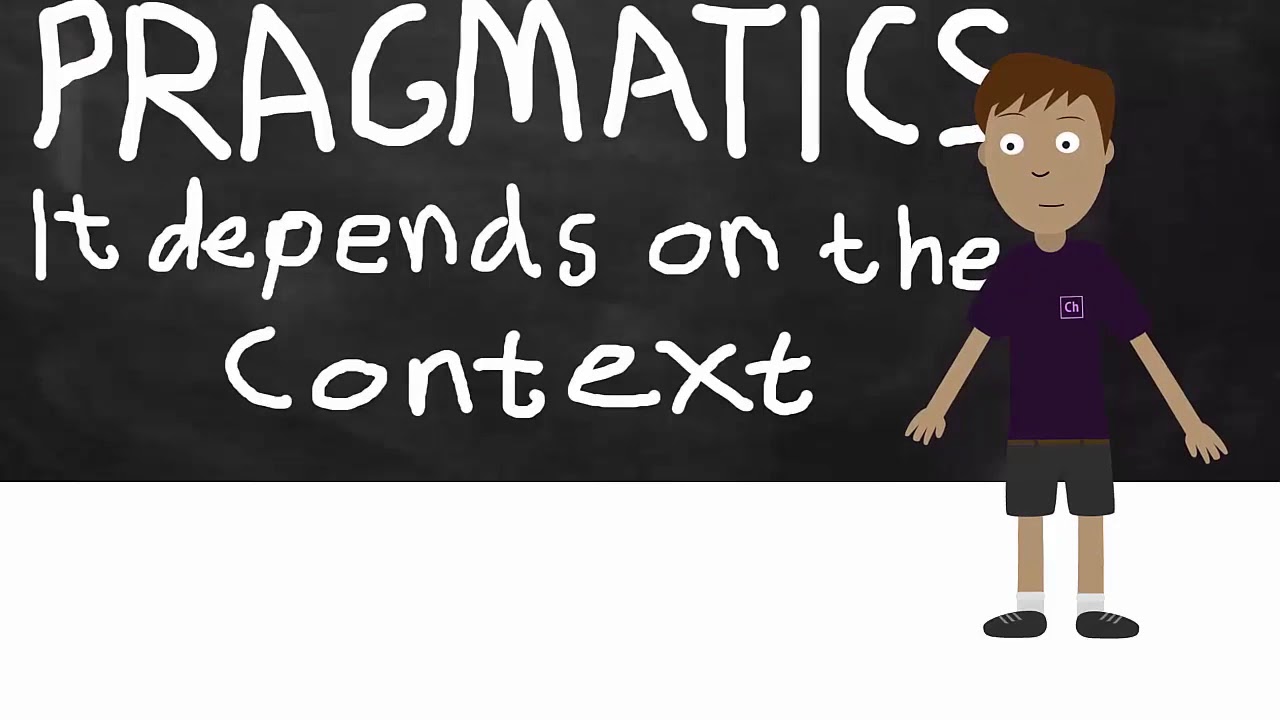



















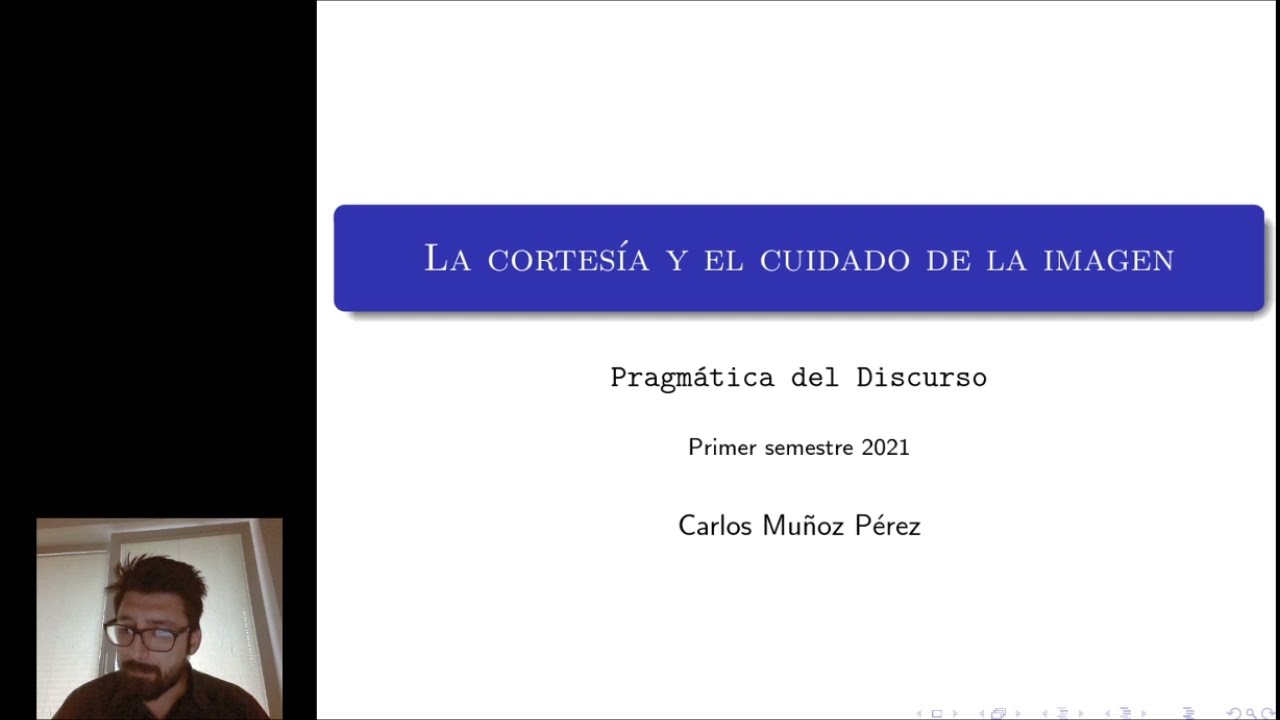
Pragmatics is a branch of linguistics that studies how context influences the interpretation of speaker meaning, distinguishing it from semantics which focuses on word meanings; it examines how speakers convey intended meanings through contextual factors like physical environment, shared knowledge, and inferences, enabling listeners to understand implicit communications such as relative distance expressions and implied intentions.
Pragmatics in Linguistics: Speaker Meaning and Context
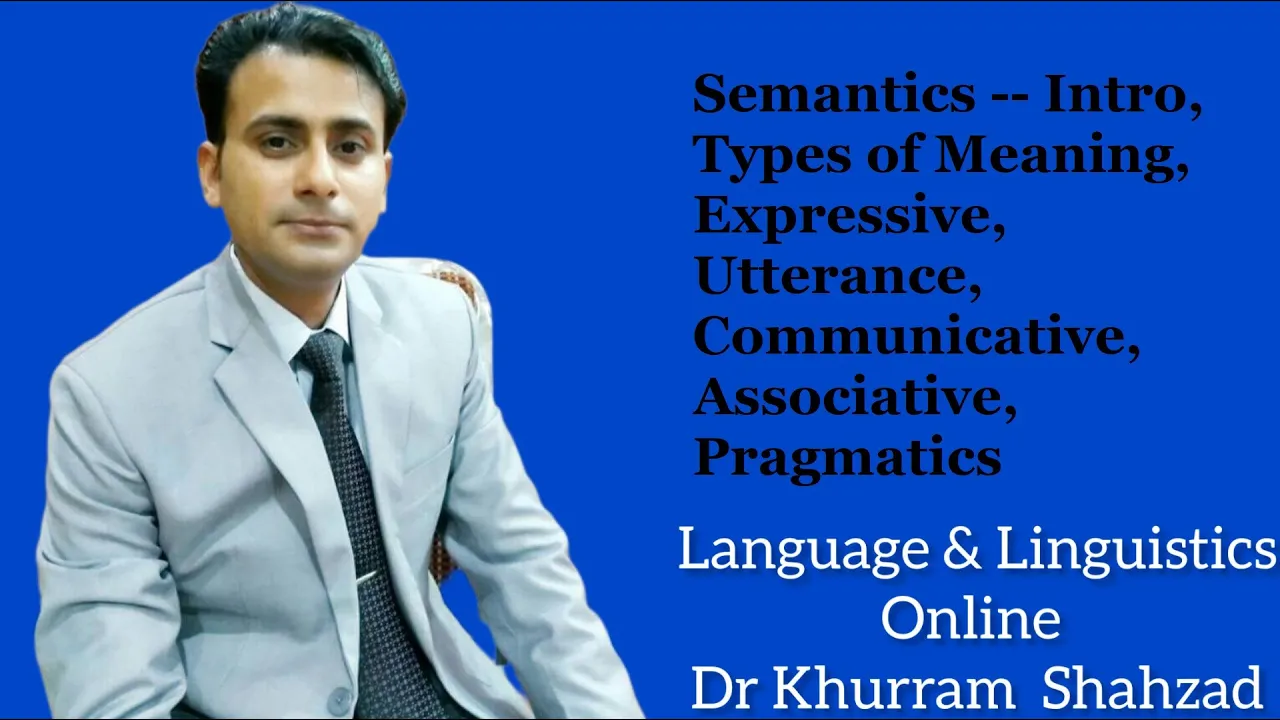
Added:The distinction between Semantics (the literal, conventional meaning of words) and Pragmatics (meaning in context).
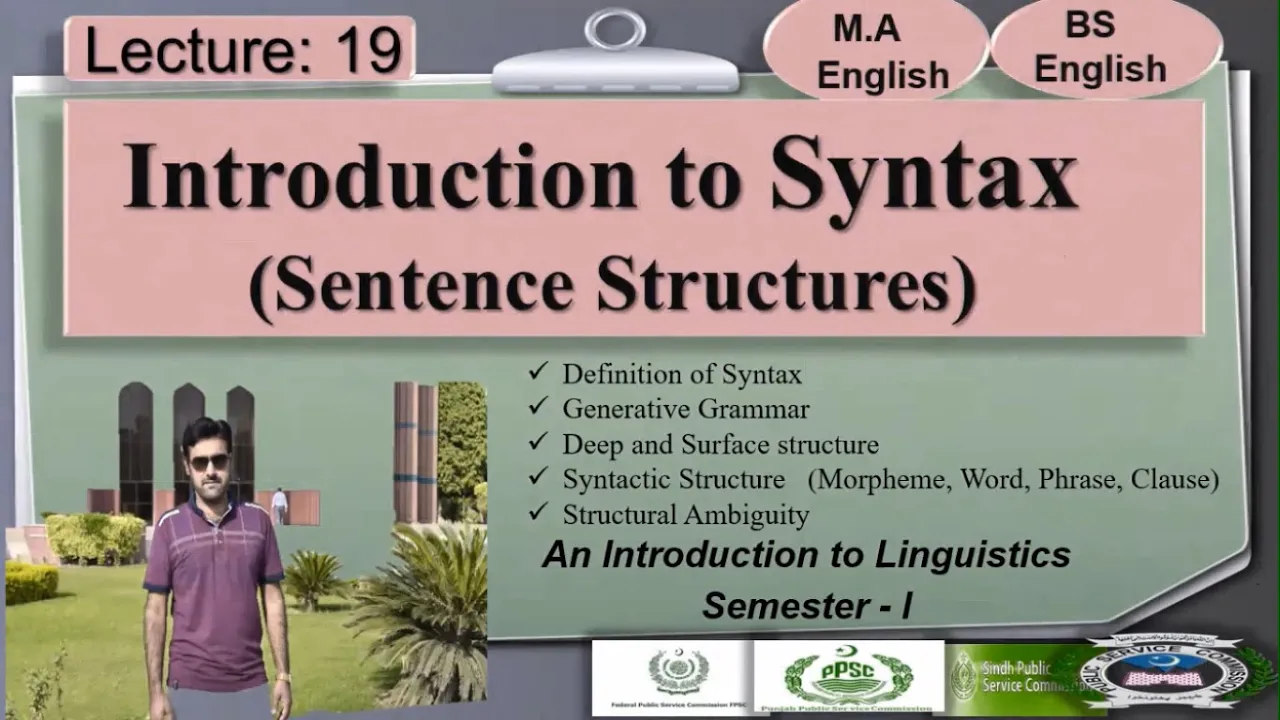
Basic concepts in linguistics, particularly how syntax (sentence structure) provides the framework for meaning.
The fundamental model of communication, including concepts of sender, receiver, message, encoding, and decoding.
The concept of lexical meaning and how words function as symbols representing abstract ideas or objects.
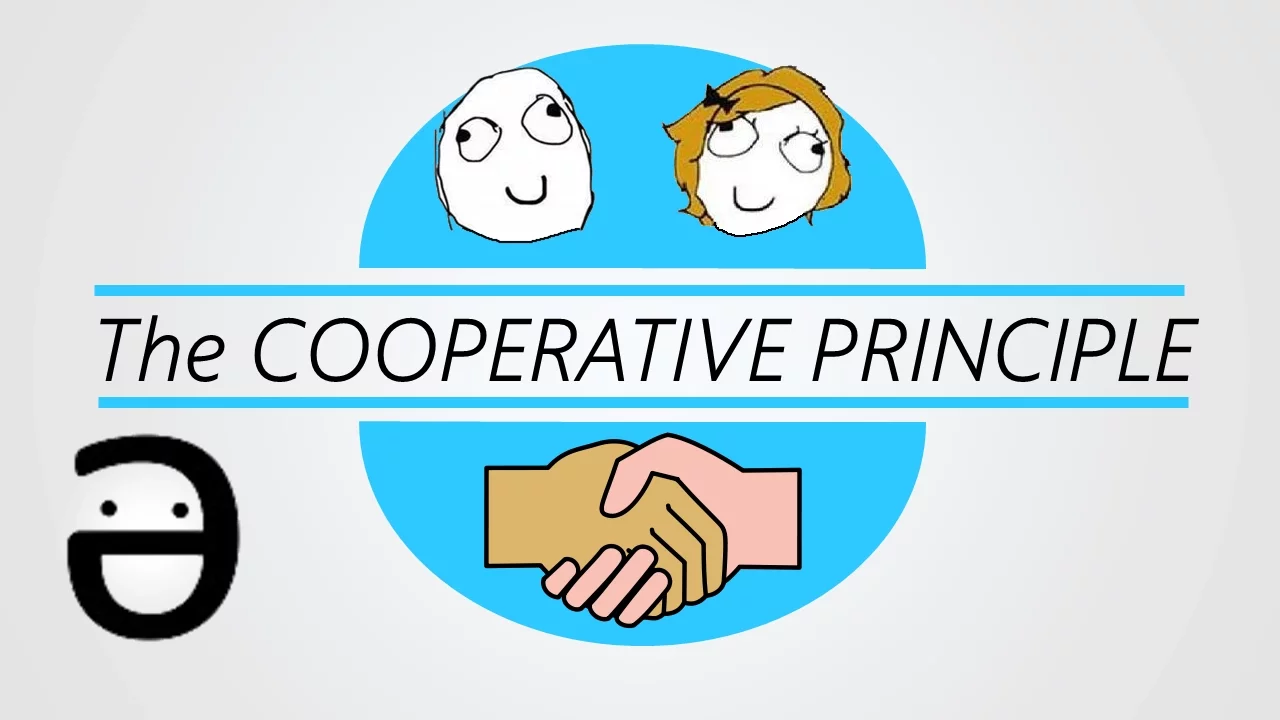
Grice’s Cooperative Principle and Conversational Implicatures, which explain how speakers imply meaning through conversational maxims.
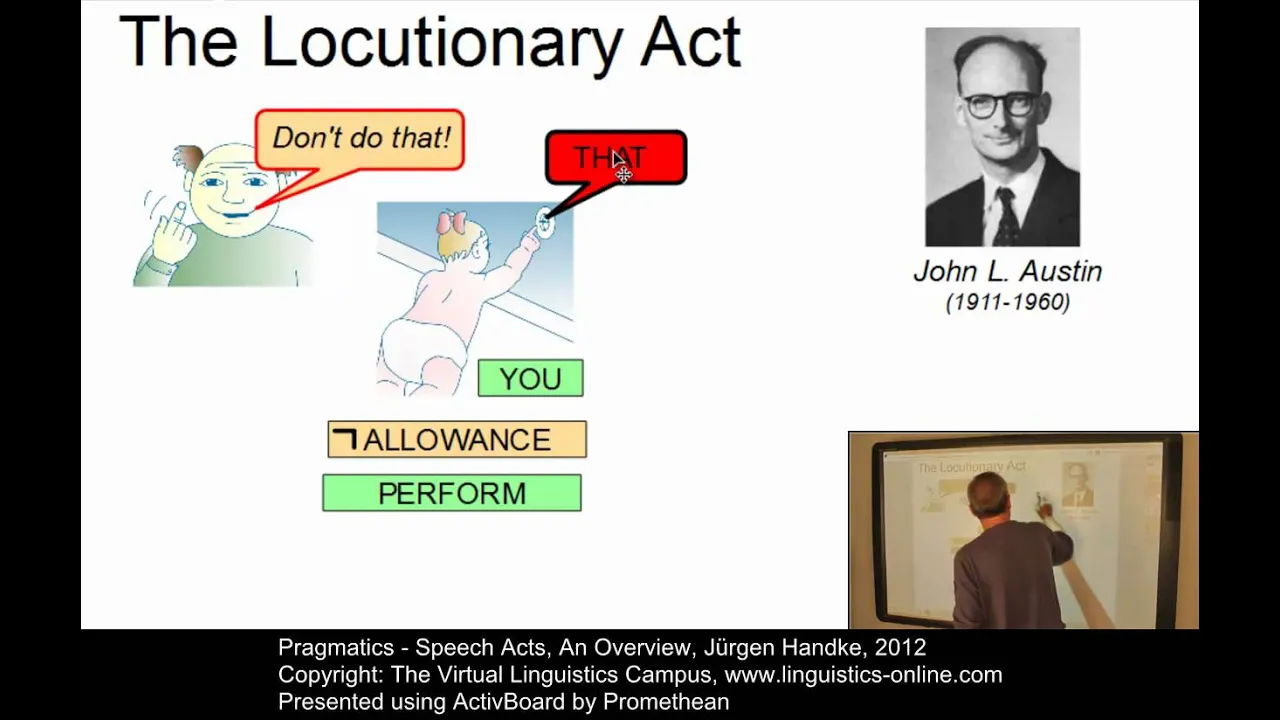
Speech Act Theory, exploring how language is used not just to describe reality, but to perform actions (e.g., promising, ordering, apologizing).
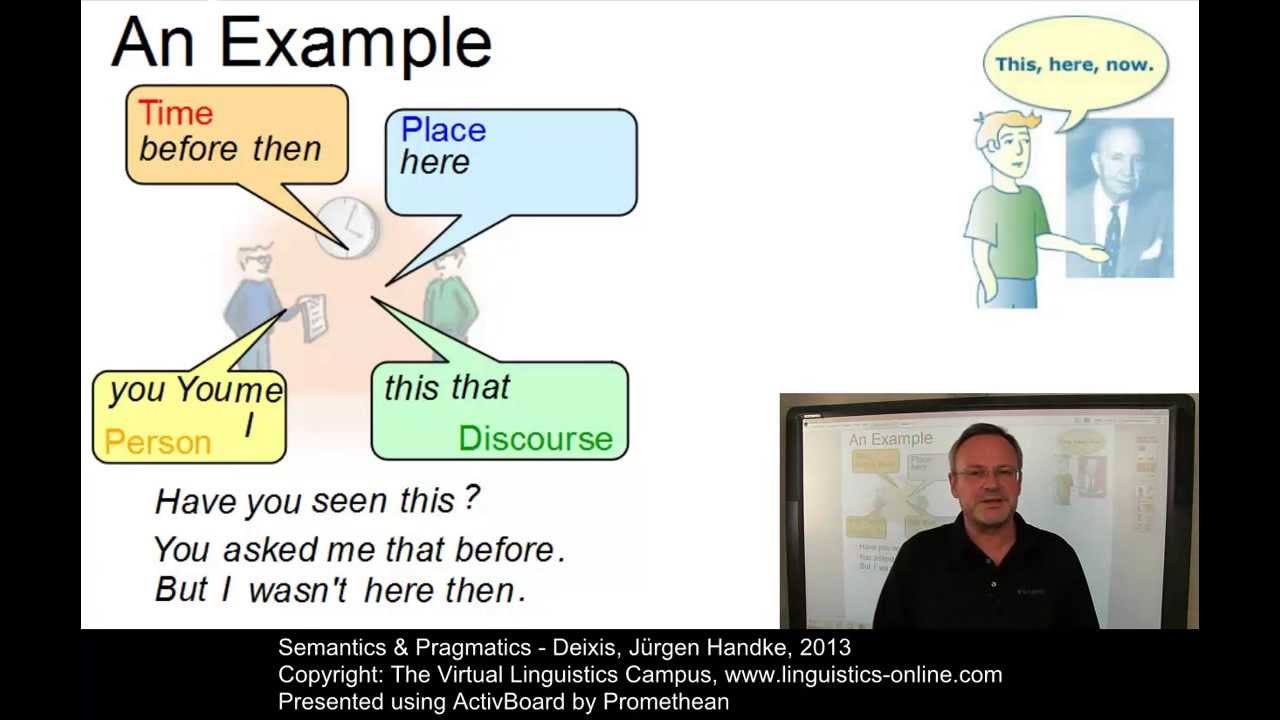
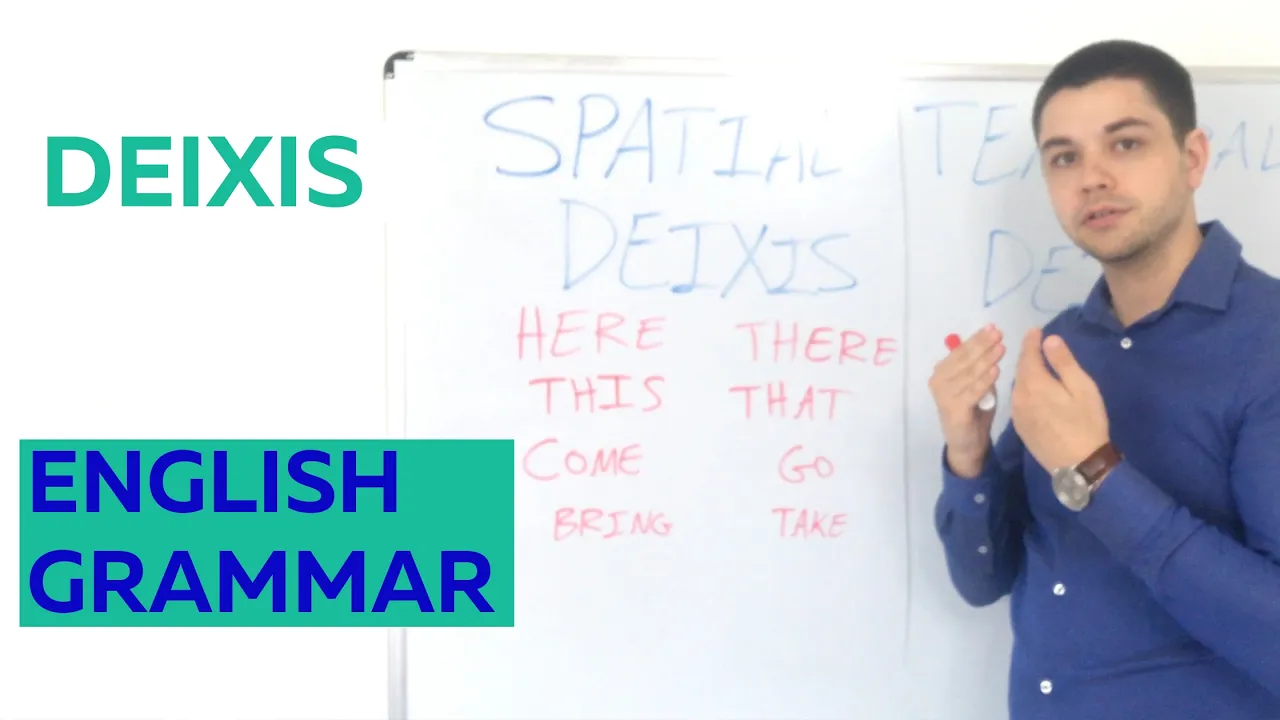
Deixis and Indexicality, studying how the reference of certain words (like 'here', 'now', 'you') shifts depending entirely on the context of utterance.
Politeness Theory and Cross-Cultural Pragmatics, analyzing how social distance, power dynamics, and cultural norms influence linguistic choices.
14.8K views240likes7:58Original Release: 2020-03-16
hi there dear students this is Khaldoun Mufti in this and traductor video I'm going to discuss some topics related to pragmatics as a field of linguistics so please stay tuned pragmatics is a field that is studied in linguistics which is concerned with the intended meaning of speaker according to you pragmatics is the study of the contextual meaning communicated by speaker and interpreted by a listener or Tallis Morris defines pragmatics as the relation of science to their interpreters so with the pragmatics we are trying to define the linguistic forms and its users only pragmatics allows humans into the analysis their assumptions purposes goals and actions they perform while speaking pragmatics is the field that is mainly studied by pragmatics in order to become a parramatta competent you need to focus on one of these concepts or sometimes you need all of them to understand a message for example to be compromising a competent you need to think about the context the nonverbal communication the settings were something sad sometimes you move on to the utterance interpretation because speakers sometimes use something or uses something as a referent to allow you to infer something more than what is sad okay so pragmatics is the study of speaker meaning what people mean by their utterances rather than what the words or phrases might mean by themselves for example a speaker could use one word that denotes a lot of number of interpreting depending on the context the physical context because according to you'll in fact there are two types of context one which is called linguistic context and the other called physical context the so the study of contextual meaning is mainly dealt by pragmatics or pragmatism it also intensifies the importance of the context in the interpretation of in a trance what is the context to the pragmatic field in fact it is the second stances and the audience or public so it includes the settings circumstances time plays audience and public an entity it is surrounded by many factors to understand a message so the individuality plays an important role in understanding a message for example two friends are walking together and someone asks the other one do you see the blue today the blue here cannot be interpreted unless you are in the second stance and the physical context with the shared knowledge by a speaker and listener another concept within the pragmatics is the inferences inferences usually made by listeners or readers in order to arrive at interpretation of the intended meaning sometimes the speaker's use references in order to allow a lisp listener understand someone or something inside their utterances or the message so a great deal of what is answered is recognized as a part of what is communicated again pragmatics also sometimes called the study of the invisible meaning all of these in fact are built within the chapter of pragmatics by you'll another important aspect is the study of expression of relative distance sometimes we use closeness and distance in order to position ourselves from our listeners for example if you if you use an example like let's go inside it means that you are outside of a building or something and you are asking the until acuter to follow you inside a place so here we are using the closeness and distance expressions in order to position ourselves with our until acute errs and you listen I would say probably I don't want to go inside here the listener is rejecting you after all going inside and you continue why not why do you not want to go inside I'm tired I don't want to because I'm tired here if you could read the examples and read in fact they are relative distance expressions used by speakers and listeners to understand each other well in other words pragmatics studies how people make sense of each other linguistically when we study pragmatics we always refer to semantics another which is another field of linguistics that deals with the interpretation of an utterance or sentence semantics as related to the study of the relationship between words and their entries in the dictionaries while pragmatics is as the studies the relationship between words and the object out in the outside world so it is not only dealing with things inside the linguistic paradigm it goes beyond that whenever you try to do a parallel study between semantics and pragmatics you come to the conclusion that pragmatics mainly position itself to study how something is understood communicated without sometimes without the knowledge of some special words as such if two friends in a conversation may imply some things and infer some others without providing any clear linguistic evidence we need pragmatics to make sense of what the people have in their minds it can allow us to have a clearer picture of what is and sad this is the first episode about pragmatics I will continue later and thank you for listening see you next time bye bye
Up Next
15:07
Grice's Cooperative Principle in Pragmatics Explained | Communication
@HowCommunicationWorks
49.2K views•2019-05-12
36:52
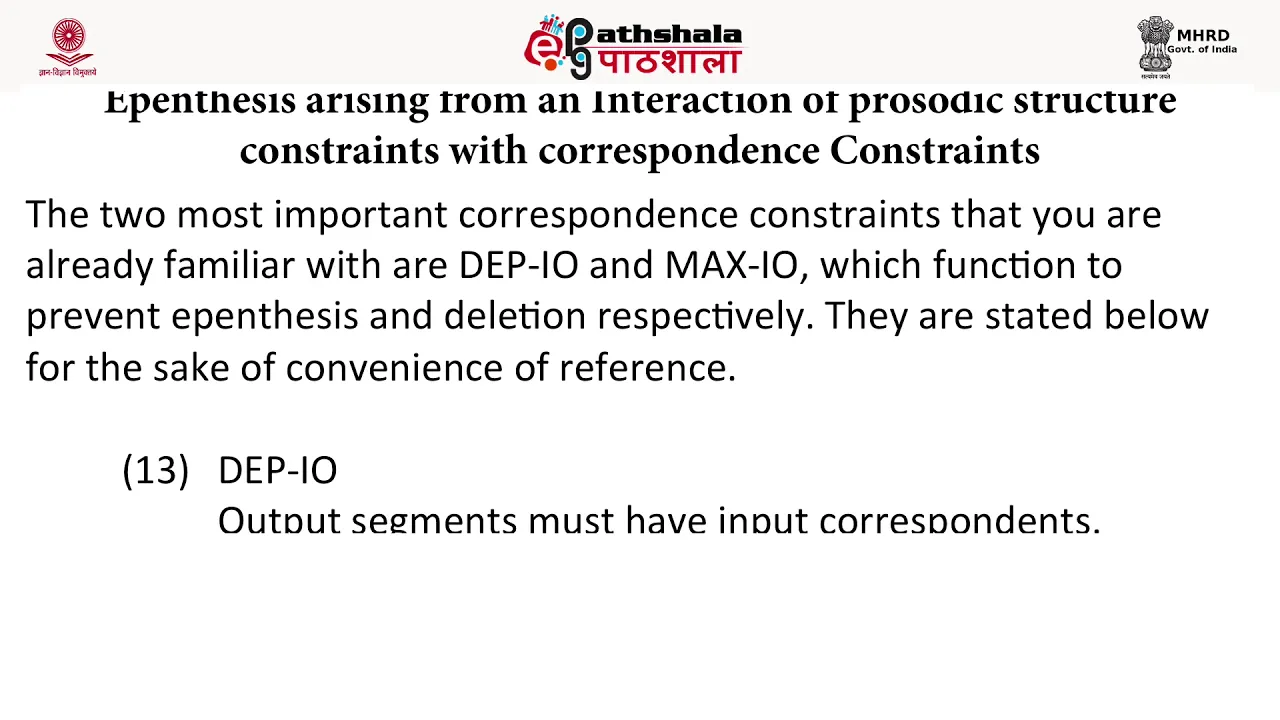
Constraint Interaction in Optimality Theory: Epenthesis & Deletion
@Vidyamitra
180 views•2018-08-20

8:59
Forensic Linguistics: How Language Solves Crimes | PBS
@pbsstoried
1M views•2024-01-25

21:32
Accent Expert Explains U.S. Regional Dialects | Part 1
@WIRED
9.3M views•2021-01-21
Related Study Plans & Knowledge Roadmaps
Structured learning paths in Linguistics
linguistics
Optimality Theory: Tableaux & Constraints
01Phonological Basics: Sounds, Syllables & Rules
02Foundations of Optimality Theory: GEN, CON, and EVAL
03The Constraint Inventory: Markedness vs. Faithfulness
+ 2 more learning modules
15h5 modules
Explore Roadmap
linguistics
Morphosyntactic Alignment: S, A & P Systems
01Foundations of Syntax: Transitivity and Arguments
02The Linguistic Variables: Mapping S, A, and P
03Nominative-Accusative Alignment
+ 3 more learning modules
12h6 modules
Explore Roadmap
linguistics
Analyzing Sign Language: Phonology & Syntax
01Foundations of Sign Language Linguistics
02Phonology: The Five Parameters of a Sign
03Morphology: Word Formation and Classifiers
+ 2 more learning modules
14h5 modules
Explore Roadmap
linguistics
Pragmatics: Speech Acts, Grice & Politeness
01Introduction to Pragmatics: Meaning in Context
02Grice’s Cooperative Principle & Implicature
03Speech Act Theory
+ 2 more learning modules
14h5 modules
Explore Roadmap