

![Pucz Hitlera: Rok 1923 - Dni Które Zmieniły Świat [HD / 2014] - Film Dokumentalny - Lektor PL](https://i.ytimg.com/vi/EabQj8jSsEs/hqdefault.jpg)





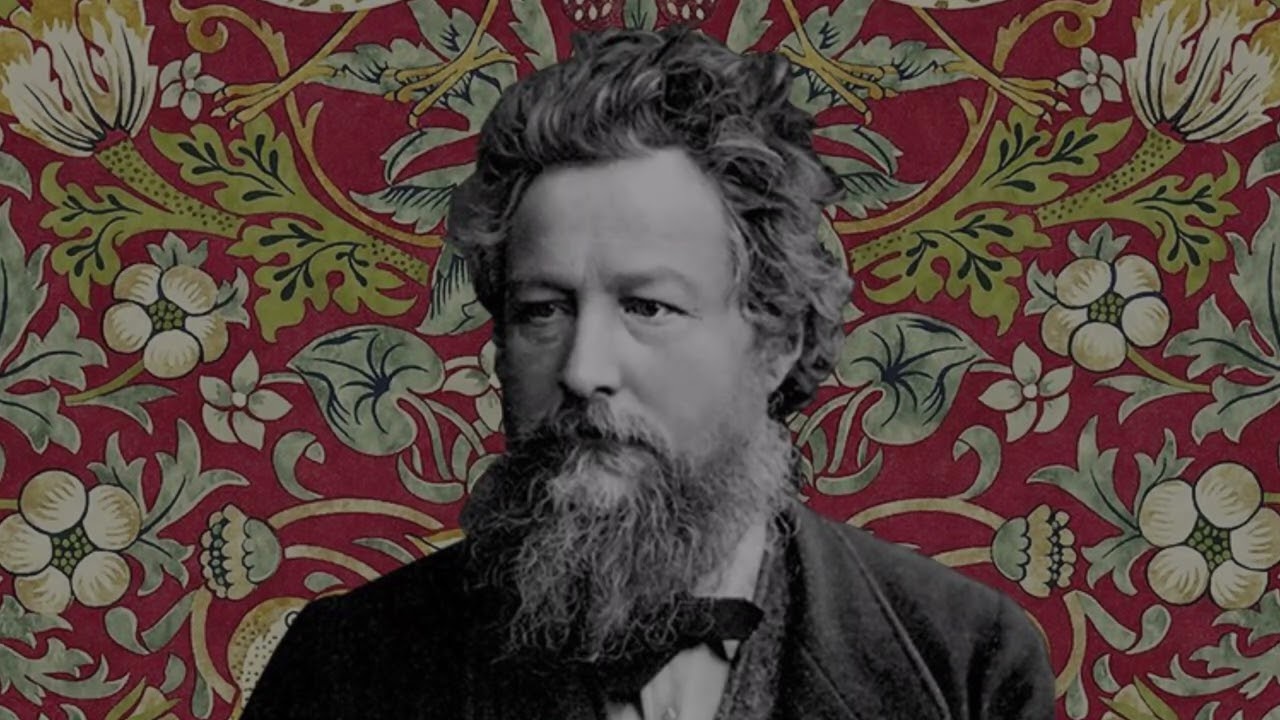






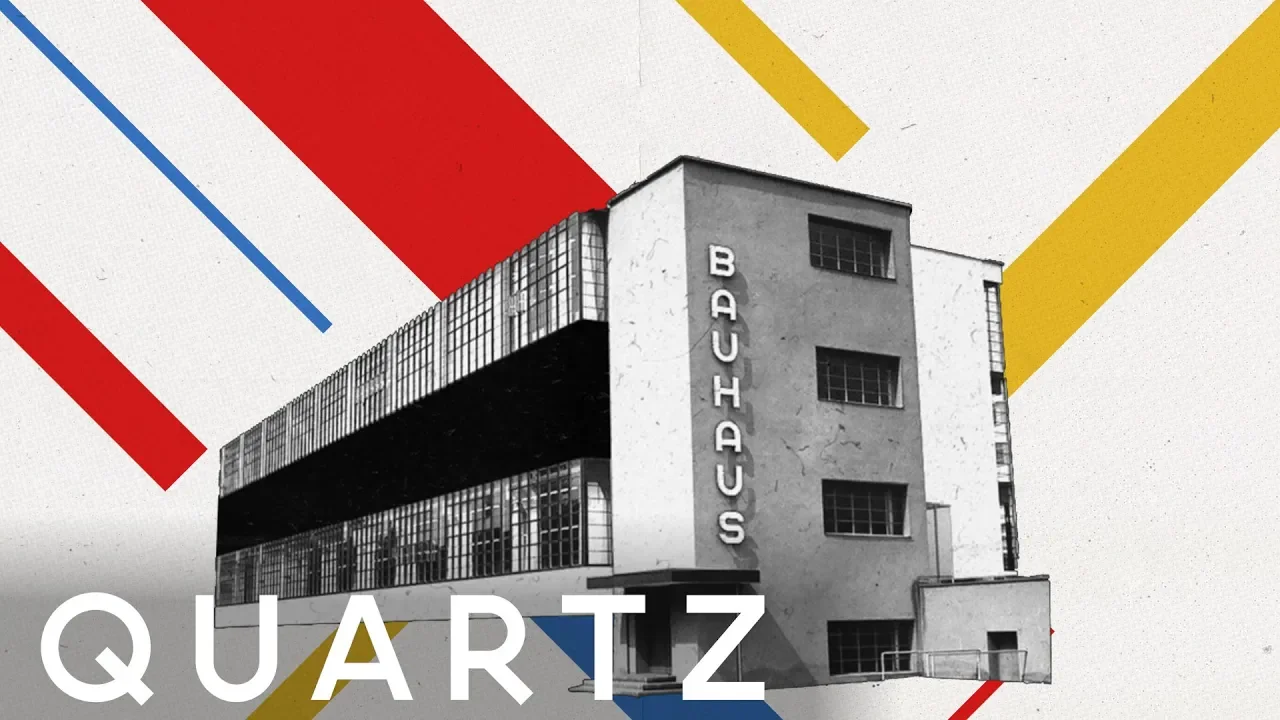










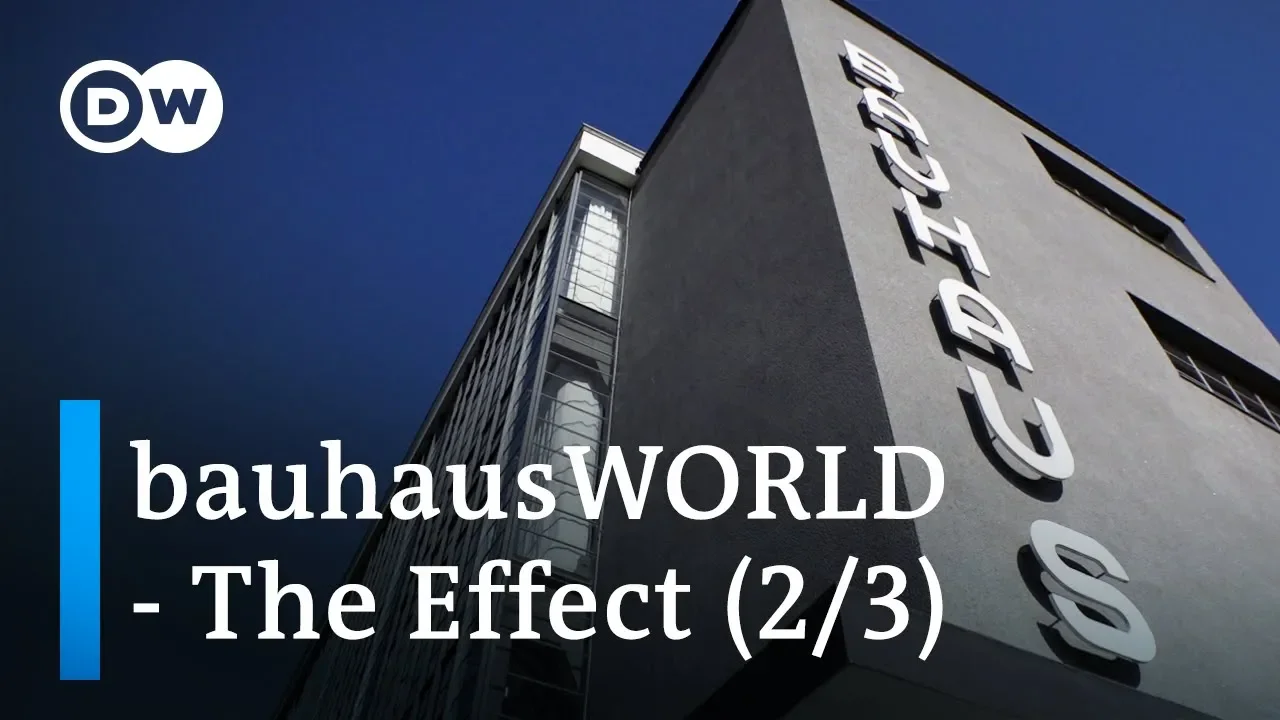






The Bauhaus was a revolutionary art school founded in 1919 by architect Walter Gropius in Weimar, Germany, that merged fine arts and applied arts into a unified educational approach emphasizing functionality, simplicity, and the integration of art with technology and everyday life; despite existing for only 14 years and facing political opposition from right-wing groups, its innovative teaching methods, interdisciplinary curriculum, and emphasis on 'form follows function' created a lasting global legacy that continues to influence modern design, architecture, and industrial production worldwide.
Bauhaus Centenary: Legacy of Radical Art & Design | Documentary
Added:The historical context of Weimar Germany and the socio-political disruptions of the post-World War I era.
The tension between traditional handcrafts and rapid industrialization/mass production during the late 19th and early 20th centuries.
The core tenets of the Arts and Crafts Movement, which sought to bridge the gap between art and utility.
Basic artistic concepts of modernism, including avant-garde movements like Cubism, Constructivism, and De Stijl.
The global spread of the 'International Style' in architecture, pioneered by Bauhaus figures like Walter Gropius and Ludwig Mies van der Rohe.
The development of Mid-Century Modern design and its commercialization in post-WWII consumer goods and furniture.
The Swiss Style (International Typographic Style) and how Bauhaus ideas revolutionized modern graphic design and typography.
The curriculum legacy of the Bauhaus foundation course (Vorkurs) on contemporary art and design education worldwide.
The influence of 'form follows function' on modern digital interface design (UI/UX) and minimalist consumer tech design.
607K views14Klikes59:25Original Release: 2024-12-27
[Music] [Applause] escap loose escap loose Point dark [Music] escs escap tonight the B house was the first true revolutionary design movement it's a movement that only existed for 14 years and yet it had a kind of worldwide impact the B house was never one thing it was a school but unlike most schools it has this remarkable Legacy it was just this incredible historical moment where you have some of the leading avanguard artists coming to this one place for the purpose of defining what art would be for the coming age I think most people are really pessimistic at the moment and they don't see design as a means of saving the world or or moving on to a more beautiful future I think we can learn a lot from that attitude of positivity and the belief that you can change the way that people think in the way that people do things through design the amazing thing about the B house is its continued influence and the fact that so many of things they produced if we look at them now look so modern we would not recognize those things now as being revolutionary but at the time they were Beyond imagination despite its brief life the impact of the bow house School of Art and Design continu news to be felt today now as it approaches its centinary it's attracting headlines once [Music] again shocking funny and rockus leftwing punk band Fina Sana fish F has had its fair share of controversy the band was due to play the iconic bow house building in desau once home to the world famous School of Art and Design but far-right extremists threatened to protest at the concert and the director of the bow house canel the G the director's actions have provoked a backlash from critics who say the bow house has played into the hands of these Neo-Nazi groups 2019 marks the centinary of the opening of the bow house school in viar but is there a danger that in seeking to protect itself the institution has actually forgotten its [Music] past well we're here in viar on one of the campuses of the bous University this is actually where the original bous school was founded that school eventually wound up being one of the defining early modernist movements now in this building here the theme was not the human figure it was the geometric figure so shapes and um we can really see here as we go up this staircase we've got three different murals that are showing the three fundamental shapes as the bow housee saw so we've got the circle we've got the triangle we've got the square looking at this one here in particular is a big arrow pointing towards the Secretariat where you find the secretary is also where you find the director so that's what we're going to do now is we're going to take a look at Volta corpus's [Music] office the bow house was the brainchild of Walter gropius who created the school and became its first director and is now considered one of the greatest architects and educators of the 20th century Walter gropus came from a family which was very well known in Berlin especially he had some famous ancestors who were Architects and when he was born it was already absolutely clear that he also would have to be an architect the good architect always had a wider view of society how your buil environment changes us because it does beyond being an architect he was a thinker he certainly had this concept in mind let's go and redesign Society his most important building was the factory in alfeld which can be seen as a predecessor of the house building that he later created so really at the edge of the a guard back then war broke out in 1914 and gropius was drafted into the Cavalry he was soon to receive a message that would lead to the formation of the bow house school at the beginning of the war the director of the school of Applied arts in viar contacts scopus because he is looking for his replacement he feels strongly that gropus because he has gained this reputation would be a good successor but War interrupts The Proposal gropus was a left tenant at the beginning he was actually like so many men eager to go on the battlefield the reality of War proved very different to his expectations gropus experienced Fierce Combat on the front lines and was injured on numerous occasions gpus was obviously affected by the war he described how he had the screaming jebi in the night because his experiences had been so terrible he survived some really desperate incidents there's a story told that he led his men in Normandy to shelter in a building that was hit by a bomb and the building collapsed and everyone died except for gropus so I imagine him in the rubble thinking about what he's going to do when he gets out this is an architect almost crushed by architecture a little bit broken and very idealistic and at this point Rus was a man on a mission what could we do new how can we use technology in a Progressive Way rather than a destructive way gropius was really a Visionary I think it took a particular personality to dream this big people came out of the first world war and really wanted to see change on so many levels the old world wasn't trusted any longer and I think the B housee is a direct result of that they wanted a different art different architecture and a different education I still remember when I came out of the first World War I thought everything would snap back as it has been before but all of a sudden I became aware that I would have to take part in something completely new which would change the conditions I had been living in before driven by this new radical thinking gropius decided to accept the invitation he'd had from viar before the war but instead of just taking over the applied arts school he would merge it with the School of Fine Arts bringing together all the disciplines Under One Roof this was just the idea of the Bowers to mix up these things to see that there is no barrier of any real meaning between a painting or the other things of our environment when you make a chair it's a very practical thing but beyond that also it should be beautiful I consider Beauty a basic requirement of Life defeated at the end of the war the Kaiser abdicated Paving the way for something new and hopeful but also leading to a period of unrest and Chaos coming out of the first World War Germany found its first democracy the viar Republic there were Radical groups on the far left and on the far right who were just trying to get to power and who were shooting at each [Applause] [Music] [Applause] other everything had been destroyed there was a real need to rebuild so to me the bow house is really a series of experiments in trying to rethink the place of Art and Design in society after the first world [Music] [Applause] war the first B house in viar was a hostile takeover of a traditional art school full of much more traditionally minded artists who were absolutely horrified by what's going on in the world of academic politics of course Intrigue and infighting and factionalism part of the deal and the early bouse was no exception viar is the classical spot for GTA and Schiller the big Poets of German literature so this wasn't the place to start off something new on the face of it viar was an unlikely location for a radical project like the bow house so to attract teachers and students to his new school gropius now produced a Manifesto a kind of mission statement in which he outlined his vision at the bow house all the disciplines would come together to create what he considered to be the Pinnacle of artistic achievement a building the manifesto proclaimed let us will invent create together the new building of the future which will Embrace architecture and sculpture and painting in one Unity like the crystal symbol of a new faith it wasn't that new of course a lot of the ideas that groia put into the first Manifesto came from William Morris he was talking about the unity of the Arts it was about making painting and architecture and design all part of the same thing this Manifesto was distributed throughout Germany and we know from many many students that they got hold of this Manifesto and that was like a strike of lightning and they said wow that's something where I have to go but maybe even larger than founding this school you find if you look at the staff of the bous if you look at the famous teachers gropus brought together all the most important people and stars at their time I was aware after what I had done already as an architect that in order to really penetrate that couldn't be done by one person alone you have to build up a whole school which follows certain principles out of which it may develop and that gave me the idea for organizing the B house the other thing that's interesting about gropius as an architect especially an architect of his era is that he couldn't draw so he either by necessity or temperament was a born collaborator as his teachers gropus assembled a who's who of the greatest artists and thinkers of the period including vasil Kandinsky Paul clay Marcel Brer llo mahol and Oscar Schlemmer vasili Kandinsky he is at this point one of the most famous painters in Europe he's Russian he brings this idea of a new kind of painting which is not representational and is much more a kind of tool for expressing the spirit Paul Clay is an incredibly influential teacher he was one can see in his paintings quite a spiritual person you know he's painting ghosts he's painting Angels a lot of bow house students recall his lectures as is transformative in terms of thinking about how art and spirituality can go together if we look at Oscar schlimmer it's always the human figure in his field of Interest he was first a painter and then the sculpture but he was also quite active in theater or [Music] dance exploring sculpture and motion it feel like wake up in they talked about the total work of art the stage of course is a excellent field where you could explore the togetherness of many disciplines like in architecture at The bous Architects and designers stamps themselves to play with temporary architecture to make a space in the second and to change it and this is quite unique I think couldn't found any other school where uh such a thing like dancing for Architects and dancing for for for designers is part of a curriculum they didn't hire teachers because they followed a certain style or ideology on the contrary they hired people because they were different and you name me one school T that does that well just look at the breast look at a Kinski painting and then a chair without H legs bent would turn into metal and then you look at a clay painting which was like a child's dream and that's why it was such a fantastic Revolution they redefined everything it was a amazing time now that gropius's team was assembled the students began to arrive in droves seeking out the teaching that had been promised in the manifesto students came to the B house from all over students who wanted to break with tradition with the old wanted to look to a hopeful new future there were students who had gone through a traditional art training there were young students 18-year-olds who just came straight from high school education and then there were so many returning soldiers some who famously literally walked to the bow house because they were so poor and so it was a really vibrant diverse mix of students all coming for different reasons but who then became involved in this project this project of modernism that was the bow house gropius and his team set about putting his Manifesto into practice and planning the school's curriculum the prevailing artistic movement of the time was a expressionism and the bow house was to be a reaction against this there was a lot of undercurrents going on in the culture of post World War I Europe there were the expressionists who were I suppose you call them sort of Moody Goths was like those Gothic films of the period that were going on in the Berlin film studios the early expressionist movement within the bars was suppressed by the teachers mainly by iton who gave the introductory course Johannes hon this crazy vegetarian Sun worshipper who had his head shaved putting a star on the back of it and persuading his students to join the cult the man who was most responsible for the four course what became the foundation year which every art school in Britain still follows the students were supposed to forget everything they had learned at school and to start off without any kind of preconception the six Monon preliminary course was really quite quite revolutionary up until then everyone had been a specialist you were a chair designer or you made Potter or lamps or weaving but never before had these things been brought together so the six month what we now call a foundation course equipped people with the transferable skills to understand how to work in all of these different media many of them had already started their education in Artmy famously Marina brt burned all her previous work when she got to the bow house and realized how traditional it had been iton really was responsible for coming up with this idea of color as having a kind of a power of its own an emotive resonance that it wasn't just about something that you used to create a representation of the natural world but this was your grounding the bow house was really interested in going back to the fundamentals of Art and Design and really asking basic questions about how things worked trying to find rules trying to figure things out and so in this particular case their theory that they were trying to represent here was that shapes have other attributes associated with them so this isn't randomly a red square this is supposed to represent their idea that all squares are red now that would mean if you took a white sheet of paper Drew yourself a square where there was no color visible they would argue it was still somehow intrinsically red it's really a turning point when there's no longer just copying the Masters but in instead thinking about how to become an artist through movement so Johannes iten said that before you draw a tiger you have to roar like a tiger he was assisted in this endeavor by a teacher who's much less known called Gertrude gruno she was actually a musician a composer and a concert pianist who had developed a new synthetic theory that there was a Harmony between color sound and movement students were instructed to feel feel these resonances and connections between these different senses within their body so she would teach students to one of them famously recall dance the color blue what they were trying to do was a kind of artistic Esperanto something International something which would enable these students to go out into the world iton had a really quite excellent method of getting us relaxed by breathing exercises to loosen us up he was really the first who saw the importance of the subconscious in creative art but during that time he got more and more involved with this quesi religious Cult of Persian origin called m n and in consequence he became more and more remote less involved and gradually more and more aloof there was a quite a a big sort of spiritual movement in Germany I'm not talking much Christian I'm spiritual um you know dancing and being naked and stuff going back to Nature also it existed before the first world war but again the first war is amazing catastrophe the biggest up to then had had made people more aware of things and he was sort of into that and he even his teaching his color schemes and his drawings and paintting were a little sort of hippie-ish we would say he was a very early hippie and then he also like some of those gurus he had followers who were like you know pray with him and dance on the roof he certainly wasn't what you expect that rigorous mechanical gous kind of engineer on the contct johannas and the students really needed to leave their prejudices at the door when they entered his classroom he also restricted what the students would eat the very famous quote of the early bow houses that everybody smelled very strongly of garlic when you take somebody in as a teacher as a member of The Faculty you cannot interfere but when it doesn't work you have to say no and get rid of him johanes iton who was an extraordinary teacher but he mixed it up so very much with Mazda Nan there was a clash between us and he withdrew which I was sorry about because it was a strong personality and gave very much to it but this idea of the for as he taught was taken up by m Nagi mol n was completely different if you compare him to itan but he was more interested in technology so here the BOS takes with with its different Masters and different teachers it takes different shifts and different directions and with mooli coming gropos also has this new motto which is Art and Technology a new Unity you need a lot of strength to change the direction of a school to convince all the others around you who are teaching and also to take all the students along with you and this is something he was doing every three or four years the first generation of young people educated in the B house were now ready to be head of the workshops and that's what I did when it left Gus asked me certainly to my surprise to teach the introductory course I said what but he persuaded me and so I decided that the material as search is the beginning I presented wire and said let's try what we can do new with wi give it a new shape and then later I introduced study of paper what was at that time considered wrapping material so their approach to practice was really to understand the material itself the object it takes its own nature effectively form follows function is right there at the heart of it the bow house is probably one of the most crystallized versions of form following function as a overriding ethos to the entire institution I think in many ways form does f function that thinking would have come out bow house or not but they managed to encapsulate it and make it into slogan and make it into movement the bow house school was truly revolutionary in its approach to Art education however by today's standards it was anything but radical in its treatment of the female students according to the law of the land at the time women were entitled to absolutely equal rights in practice this was not how things worked the very first semester of the bow house there were 51% women studying there and gropes became concerned about this this was a man who was a realist about what Society was ready for and wasn't he thought that if the school was entirely filled by women it would not be taken seriously not only gropus also all the other male and they were almost only male teachers at the bow house were brought up in the 19th century so they had this very male view of society the big failure in my mind is the workshop experience in the preliminary course all the students men and women had very similar experiences when they Advanced to the Workshops the men had the choice they could go to the carpentry Workshop they could go to the printing press they had options women of course had to go into the weaving Workshop they had no choice Anie alers came to study with a great pains to study with Clay Kandinsky or fininger and she was extremely upset when she and she wouldn't be able to continue and she talks about how dismissive she was of the weaving workshop at the time but there were a few women who opposed who said no I do not believe that textile is the right thing for me I want to go to the metal class and it was extremely difficult for them Mariana brt told an interesting story about the metal Workshop of which she was the only female graduate when she first got there she was given been the most boring task to do over and over again and she thought that everyone just had to do that when they were new and only later one her male colleagues decided she would probably be acceptable they told her they were just trying to get her to leave she in fact became the head of the workshop's assistant the head was La mahol n and when he left she took over as the acting director she's one of the examples of a real bous success story I think it's typical of its time and I'm sure there will be people who say oh that's trying to force a feminist perspective on it I I don't see it like that at all I just think it as as reestablishing the facts really outside the school both men and women alike were proving far too radical for The Quiet town of viar viar then and now has a reputation it's a very sleepy historical City it's more associated with GTA and Schiller or its lovely Parks its lovely historical homes and there was something very enervating for some of these young artists to be in viar wherever you have an art academy with a young group of students who feel that they themselves are something completely different than the rest of society you have these conflicts when I see some of those strong images of the students at that time th is famous one with Marcel Brer and his wife and two other female students which they they called brers harim and they make me think about sushi and the Banes they looked like art students in London in the [Music] 1980s the students who were here we could call them sort of the equivalent of of young radicals now perhaps they would have been in punk bands they would have been protesting they wanted to be different they wanted to provoke to a certain extent they could be seen as being out to shock but they could also just be expressing the new a celebration of modernism of Modern Life of just being young after the horrors of War there was so much optimism young people with a new look they were so enthusiastic no other school was so free in a way that they're much more modern than we are now you know in terms of how they challenged the norms and really believed that what they were going to do was going to influence the world for the better cutting their hair short men taking a more androgynous look breaking down gender codes and gender Norms opening up homosexuality and being more out in culture there were women and they were men and they danced together and they socialized together and the women drank and smoke and it was everything that the good citizens of viar associated with the major cities and thought they were free from and they were probably seen by the native as weirdos from outter space it was Ric I must have had a lot of fun they would parade through the town and whatever they happen to have on and of course the citizens thought the B house was a terrifically immoral place they wore these outlandish costumes a lot of them the students thought that the B marians were living in the past and that they hadn't noticed that times had to change since go to diet so one day they took a bucket of paint and just poured it over these sculptures of w Chim and everybody of course knew that it had to be the bowo students who had done this obviously I mean there were students this is like they're doing doing it today you know they were like provoking the society and that created a big opposition which eventually led to the b leing b and at this point the local government is getting a little tired of the bow house they just are not ready for something quite as Progressive as this the money was coming from the government and of course the politicians wanted to know what they were doing at the bow house and they wanted to see results Germany was incredibly unstable the economy was in free fall gropus he's periodically having to go to the government and say I need several million more marks just to cover the basics that we were already covering at a certain point the government had a look at the manifesto and said well you're not really doing what you're promising here with tensions On The Rise the viar government pressured the bow house into holding an exhibition to justify its funding despite gropius's reservations it was given a year August 1923 marked the opening of the first great bow house exhibition gropus was Furious in his opinion it was way too early to hold an exhibition like that because he was still creating the infrastructure here in order to provide this teaching but I'm imagining that the students were actually pretty happy about it because now they had a goal they had clear Direction and if you look at the amount of stuff that was being produced for the exhibition you can really see there was a lot of energy there was a lot of Drive they did something really incredible they built an entire house I mean imagine a school building a house nowadays just for an exhibition and a house which was not supposed to be torn down again after the exhibition but to be lift in a huge production that the entire school is involved in everything goes into that they also canel the preliminary course for a semester just so that everyone could work towards this and it was completely furnished by The Works of the bow house students to demonstrate their ideas of what they thought was the modern kind of living in this new kind of house through the sheer Ingenuity and variety on display gropius and his students sought to convince the viar public and government of the importance of their work this was nothing less than a battle for the survival of the School Rio being such a brilliant Network also invited a lot of Industrials professors journalists from all over the world to bring them here to vimer and to really show what his bow house is doing among the foreigners people were leaving Vima and seeing okay you know these germs they're obviously producing something valid for the new Society for the postwar period but the local people and the government who was actually in charge they were not really impressed so there was a lot of criticism about it this great exhibition was to show the town that look this is what we have achieved this is what we have done and that's actually backfired because the people of viar didn't like what they were presented with yes they had made things but they had made in the viar restant minds the wrong things if you look at all the cutouts that gropus collected something like 80 or 90% were negative there was no understanding for what they were doing and just a year later the money that they received from the government was cut down by 50% gropus very wisely resisted every attempt of pupils to be active in politics but the government changed became a nationalist government according to the whole trend of development in Germany and that was the end of the BMA B house gropus and other people at the bow house ensure that the story of the defunding of the bow house becomes in modern terms social media success there are news stories about it across the country it's shocking it's controversial gpus encourages that like a shrewd businessman because he knows that it's attracting attention to his cause and he starts unbidden to receive offers probably any other director would say okay folks that's it beautiful time but now we're all going somewhere else and living our own life no the entire School moves on most most of the students and all of the teachers just go to another place and restart it was at this point that gropius's talent for self- publicity came into its own he embarked on a tour to raise awareness for his school and it was during one of these talks that he met his future wife Issa she told him that the bow house ideals had captured her totally he married Isa she was really an important influence on the B house the loving companion of his life you think to yourself how would he have managed the bow house without Isa by his side and she became known as fra B house by the time the traditionalists had won in viar grus was already a serious celebrity and the bow house had become a pretty Famous Brand most ambitious German Mayors looking to put their city on the map were offering bids to persuade gropius to relocate gropius's charm and connections become important as do those of his new wife esag gropius and she travels to various cities they go to the city of desau and the mayor there particularly makes notes about how Charming fopius is desau was a very small City but a dynamic place for industry and Technology it was left leaning there was a communist government that was as Progressive as they were it was also where the yunar aircraft and Metal Works Factory is this allowed the B house to have a ready home where it could then send its students out to look at actual manufacturing practices they're given a significant parcel of land just on the outskirts of town and they can build their first and only large scale purpose built building and a campus around it and so it was a wonderful offer that the bous got from the city of Des out and one that allowed them to bring a lot of what they had talked about to fruition gropus very quickly sets to work and is able to build really in record time a very modern very large school building full of light with a glass curtain wall with a steel structure that allowed for this and that you could also live and work together through the wonderful dormatory Wing a large cafeteria which then opened up also to the stage a full Auditorium I would say that the bow house building is the best building that gropos ever built it's a symbol of the bow house itself you have to walk around it it's not a building in a oldfashioned sense that you stand in front of a facade it must have been like a spaceship Landing in Germany I mean it's so radical and it's a complex building which is why it's a little bit difficult to photograph it you always see this one side with a bous lettering but that's not what you see when you come out the train station the first thing in front of you is the student wing with the famous balconies and then just a short stroll away of course you have the Master's houses set amongst the pine trees nearby and you have the bridge and gropos as a director would be sitting in the bridge and looking down at everything passing by of course it's a very good opportunity if you move from one place to the other to reinvent yourself when we came to desau there was a little bit more money available and I thought now is the moment where we have to build up an architectural department and I got in hanis Meer from Switzerland who had done some very good design work for the United Nations and others which I likeed and so he started to build up this architectural Department the deso period under Walter gropus these were the most stable years in German society and they're also the most stable years at the bow house with his new building gropius had finally realized his dream the bow house desau was now home to painting sculpture weaving Furniture Design pottery and architecture but for gropius the work inside the school was only part of the picture we have this perhaps image of the bow house being this very serious place where everything's rectilinear and we all follow the rules but in fact they threw these wonderful parties the metal party or the paper party or any number of other themed parties but they were clearly out having a good time the BOS fests were also these ideas of a total piece of art which includes costumes music movements Oscar schmer famously said show me how you party and I'll show you who I am they took over the whole school they have these great festivities every few weeks they're legendary and the biggest party of the year is one still celebrated which is gropius's birthday May 18th called gropus day and then there were these big performative parties that were open into the outside that also could potentially bring in some money there were a lot of relationships couples a lot of children a very free kind of sex life nowadays we would say Okay during the 1960s everything changed no everything had already changed in the 20s and especially at the bow house a lot of people in daau were very traditional from skeptical to real enemies of the B the fight of right-wing people started from the beginning giving out leaflets against an unerman bors against these not serious teaching methods against the modernist architecture and so on people were writing brochures they were publishing articles they were criticizing projects in order to undermine Robious credibility not only as an architect but also as a director there were Affairs being invented between him and students in order to discredit him as a person Gus's ongoing difficulties running the bow house were well known but it was still a shock to everyone at the school when he suddenly announced his departure despite the efforts of staff and students to persuade him to stay gropius had made up his mind to leave when I stepped out because I thought that with the coming up Nazi movement that I was a factor which did harm to the Bowers because they attacked always me I Ste back and wanted to go again into private activities and made Han as may my successor I think that after 9 years he also might have had enough it was a very good time to leave to leave when something is at its best and knowing that it would start to get more and more difficult it was even easier to go then you have the world economic crisis in 1929 and everything starts falling apart rapidly and also at the bous imagine how you feel if you're Walter gropus after 6 years of exhausting work building the school and realizing that actually your real motivation is not to be a great teacher but to be a great architect and schools are a distraction bringing in Hanah M was a reflection of a commitment to making architecture more important hamis Meer was perhaps the true functionalist he was a Swiss born Marxist architect and for him Aesthetics and art were Bourgeois distractions it wasn't really a clever idea like the closer we get to the 1930s to bring a foreigner and communist as a bahas director but he was approaching the whole issue of the bahas from a totally different direction so scopus was the one who was encouraging the invention of new forms that would relate with the Spirit of a new Society hes May said in the end the lower classes don't really care for style they care for cost and they care for function even though the students were very sad with gropus leading because he had this like almost aristocratic way of leading the BOS of keeping the group together and defending the school shortly after Maya was taking over there was this new spirit of the early years being revived like a new departure what gropos had actually always wanted to do but never really achieved was to bring prototypes into industry under Hanes Meer if you look for example at the so-called bous wallpaper was a giant success they sold millions and millions of these wallpaper roads so that was something which also brought money in one of the problems that grus had was always Finance uh partly because of the German hyperinflation but also the the cost of running the whole place so they were relying partly on income from students designs and it's it's a little bit ironic that most of the women were put into the women textile Workshop that was the only Workshop that actually ever generated any real money together with their wallpaper program so what the men were doing didn't actually generate that much money it was also ironic that despite his Marxist sympathies Meer embraced capitalism during his tenure at the bow house and for a brief moment the institution seemed more financially secure but Myer's political views would soon land him in trouble Hannis Meyer it turned out he was very uncompromising in his politics which were very left-leaning and very Marxist and in this period that becomes difficult hanis Meer had not told me about his strong leanings towards the very leftish political side and I think he did very much harm by bringing too much politics into the bars there was a significant body of the students that were Communists and they became increasingly more dedicated to their cause over time it's also important to remember that there were extreme right- wiers in the bow house the canteen would be divided between the lefties on one side and the right-wingers on the right as the political situation in Germany became more and more conservative and pitched more to the Nazis the National Socialist Party the bow house became an object of scrutiny this made a difficult and controversial problem for the mayor of out and ultimately Hanes Meer was asked to leave he had some very good ideas but under that very bad conditions of the Nazis coming up at that time hanis Meer came into hot water very soon and that was the end of him he made the institution open to attacks uh but I think it also was inevitable because the Nazis were there you know whether Maya liked them or not at least he had attitude and guts in 1930 Maya's strong political conviction made his role as director untenable and he was removed from his post by the mayor of desau the mayor asked gropius who he would recommend to take over as director gropius suggested ludvig M vanera who had become well known after the success of his Pavilion at the Barcelona Fair the year before I don't want to express myself I am looking for a grammar that can be understood and used by everybody where scop was more of the manager in an Architecture Firm bringing skilled people together M was really the master architect he's the one who can draw like a god so he's really like the genius architect m fero in 1930 was a superstar so the bow house becomes a School of Architecture finally at the very end again the bow house completely changed in a different direction Maya was playful experimental on the other hand and Mis fand HOA was a very serious and much more authoritarian character the first thing that M did was to talk to every single student he was trying to find out if they were politically active or not about 20 students who were near to hes Meyer were thrown out of the school many said he was a great teacher he was also a caring teacher but he took this role very seriously he kicked out any students he could identify as communist and declared that there would be no politics to the bow house the bow house had been attacked um from the beginning from the right-winged parties especially the national socialists they did not agree with this kind of art and architecture because they thought it was internationalist and not German it was named a bolic and Jewish institution and it was neither Bolshevik nor was it Jewish I mean this was just the invention of the national socialists so Mis Fandera despite his efforts to depoliticize the bow house was not successful in Saving it and in 1932 when a Nazi government comes to power in desau their funding is cut they are kicked out of their own building Nazis do come in they close down the school they take control of the school they arrest certain students Nazis go into the building and throw furniture out the window there's talk of burning the building down which I think given how much glass and steel and concrete it has would have been a challenge but uh they are stopped from doing this what they did is that they took it over and that it became a party headquarters M responded by moving the school once again into a disused telephone Factory in Berlin that was really sworn song Berlin in VMA it was a state Institute in Des was Municipal and in Berlin we were a private Institute during the time of the bow house in Berlin there's a hope that if they just can Bridge some of the finances and can keep things going then it can start to build back to what it was we have the r stock burning and that is the moment when Hitler takes his St in the New Politics he accuses the Communists and with it all leftist group avangard this group and among them is also the bow house from this point on the writing was on the wall for the bow house and it was only a matter of time before the Nazis closed it down so one morning M vandro turns up at the xfactory the new B house and found it full of gestapo we locked the doors and were interrogating students eventually M was allowed to reopen the school if he agreed to expel Jewish and communist faculty members but it was it was too late for that because the bow house in in the eyes of the Nazis was was the center of of not only bvis but of course also a lot of the teachers and students were Jewish so it's it's a very it's a very sad story and a sad end for the PowerHouse really the teachers in July of 1933 gathered for a meeting M have brought a bottle of champagne and they decided that they would rather close school then to hand the school over to the National Socialist they opened the bottle of champagne drank it and then everybody went their own way that was the end when the school ended it enabled the ideas to really get a foothold in society as a whole in the world as awful as it sounds I think we actually have the Nazis to thank for dissolving the school because it sent this Talent worldwide um that also had a lot to do with it the kind of destruction of the B house that um helped propagate it in a way that really hasn't happened to any other art school you know so you see them suddenly turning up in Israel in in the UK in in the states and and having inordinate amounts of influence over other design courses many had to leave many wanted to leave Alber and his wife were the first they went to the United States to Black Mountain College and became teachers there Hannis Meyer he goes to the Soviet Union to work on big projects there gropus left in 1934 relatively early he first went to London and from there he continued on to the United States he went to Harvard where he became the head of the architectural Department M was bitterly bitterly pissed off that gropus got to go to Harvard and he was stuck in Chicago IIT Harvard was the place which for a long time trained the elite of American Architects when M got to Chicago he was able to design the campus for IIT M also began to build highrises to House people this had always been an idea that people would live in tall apartment Towers but really it's in this period where M's particular aesthetic and structural system allow these tall towers of glass and steel tomf the late great novelist wrote the famous account of the B house and he described the arrival of the bous gang in America as being like one of those black and white movies in which the silver princes arrive in the jungle and are worshiped by the natives and wolf saw that as America being infected by these alien European modernists Mr Wolf has turned on the architects in a book called from bow house to our house it was very exciting to people at a place like the bow house to to be brought together under a figure Like Walter gropius and be to be told to start from zero is like saying you are the young gods of the future the the great irony is that all these forms were created for the workers after the first world war under a social democratic government and somehow these same forms are housing the corporate Giants of America the Paradox about the bow house was that it apparently embraced the Machine age but without industry to make its products it was carefully making things by hand to look like they've been turned out by machines its idea about a social message didn't last the transition to America America embraced the look of the bow house but turned into a corporate style rather than one about social inclusion critics argued that the bow house had lost its way in America and betrayed its ideals that the project which had meant so much to gropus must ultimately be considered a failure the unique and incredible and wonderful thing about creativity is I think you can never call anything a failure it's all exploration and experimentation and failure compared to what it was completely unique in what came before it it stands alone with what came after it it was instead just a way of looking at things that was different and revolutionary and Brilliant a school that has moved around already three times bimma to desau to Berlin so I'm not sure if this is about pho but it's kind of about a certain strength so we have actually 12 13 years that was so new and radical that maybe later it would not have worked in the same way but on the other hand we will never be able to prove that because of that traumatic break that was introduced with the arrival of the Hitler regime we very often think that everybody at the bow house must have been upright or maybe even socialist or left-wing this isn't true you will find Communists you'll find conservatives right-wing even National socialists what is more interesting is what became of all these people there are many that collaborated that stayed in Germany and who gave up their boho Spirit remember the early Nazi regime they were much more concerned about Communists FR Alish who was a communist was imprisoned in bual so the gates of bual which say to each his own are done in a bow house font because they were designed by him of course there were also quite a number of bous people who were from Jewish families um were taken to concentration camps and murdered you will also find National social socialists architects who designed the barracks for aitz concentration camp also there again a bow house person the bow house school lasted only 14 years but its Legacy continues to be felt around the world today other movements may have come and gone but we're living still in the B house era the reality is they prepared us for Modern Life they took the creative risks and leaps of imagination and faith and they set the Benchmark for the way we actually live our lives today I think it has had huge influence the idea that beauty isn't marginal that beauty is part of human understanding we need to cling to that thought and it's most simplistic our house is about the most refined forms so the idea of a shop like Ikea which is about mass production but also with an ention to design this is probably the thing of their dreams our iPhones today I mean it's this beautiful marriage of Form and Function I mean that's what they were all about well I think that the bow house was very influential over the 20th century but what I suggest to keep in mind is that the BOS was really a school and so in most of the designs and most of the devices that we use that are being connected with the bows and the Simplicity and the Elegance uh they don't carry the idealism B it was a teenager when he died the things that it moved and that the meaning it still has now 100 years later is amazing what other institution has that not many the way they're taught the way they hung out is you can see in that building and that's why it's even more of a shame that that building has become a dead Museum I mean it's nice and flattering that it's become a UNESCO world heritage site but it also means that you can't change anything it's dead it's a mosum it's not even a monument anymore which is too bad we shouldn't celebrate a corpse we should celebrate the spirit that was in that corpse at one time the time is to an extent comparable to the 20s we have you know a society that is very rich and very poor and we have got wide wi movement starting again people kind of need new ideas and the boners would be perfectly suited it's too bad one of the German television channels they have a series of concerts that they've been recording B and they had this sort of leftist punu they were going to have a concert there and record it the rightwing M said we're going to go there there was a sudden a threat in the air if you let them perform there we'll have a demonstration of right-wing people there in other words a bunch of Nazis and that's how unfortunately that part of Germany at the moment is kind of like Infamous for having more than their fair share of Nazis the B took that threat that oh my God you know if we have a demonstration of Nazis not only is it bad for our image but also that might damage the building I think the biggest concern was oh my God someone's going to scratch the paintful I don't blame the director I mean she really is in this awful position what am I going to do I got to protect my institution that's her Duty that's what she's paid for but she talks about the building we talk about the idea what's happening throughout Europe is that more and more governments are right-winged party governments so we've observed this in Italy in Austria in Hungary in Poland even in the United States we are noticing a great change in society right now in Germany we're moving into an absolutely new time where things are getting more and more difficult for cultural institutions gropos was battling against attacks from the first day he opened the bow house until he left Germany every attack which went into his Direction and the bow house he stood up at once he would react at once and I think that that's also what one has to do maybe the S little Scandal and the Nazi threatening and stuff maybe it's all useful it's it's not pleasant but then those discussions never are and the processes are unpleasant but I got the impression maybe something will come of it the bow house was opening new worlds for a new generation this utopian spirit I think is something that we admire today originally it was just an idea of a better Society through work through design I think it's a pretty tall order but the good one who doesn't want to change the word for the better Walter gropius died in Boston Massachusetts on the 5th of July 1969 at his request a metal themed Fiesta alabau house was held with drinking dancing laughing and loving [Music] stay with us on bbc4 it's a bow house takeover ending in a wild party as Vick Reeves and art students create through making bow house rules next [Music]
Up Next
54:05
Bauhaus Explained: 10 Key Principles for Modern Design
@aspeninstitute
550 views•2019-08-19

12:54
Triumph of Orthodoxy Icon: Byzantine Art & History Explained
@BenCallan
2.1K views•2024-08-06

9:49
FastAPI vs Flask vs Django: Choosing the Right Python Web Framework
@TechWithTim
302.5K views•2024-05-26

1:42
Game of Thrones Opening Credits: A Cinematic Analysis
@gameofthrones
46.3M views•2011-04-18
Related Study Plans & Knowledge Roadmaps
Structured learning paths in General & Interdisciplinary Studies
general-studies
Elevator Engineering: History, Physics & Cities
01From Hoists to Safety Brakes: The Dawn of Vertical Lift
02Hydraulic vs. Traction: The Engineering Physics of Elevators
03Modern Speed, Safety, and Algorithms
+ 2 more learning modules
12h5 modules
Explore Roadmap
general-studies
Rubber: Material Science, History & Geopolitics
01Origins of Natural Rubber & Mesoamerican History
02The Chemistry of Natural Rubber & Vulcanization
03The Geopolitics of the Rubber Boom & Colonization
+ 2 more learning modules
12h5 modules
Explore Roadmap
general-studies
Containerization: Evolution, Logistics & Trade
01Ancient Trade & Bulk Cargo: Amphorae to Barrels
02The Industrial Revolution & Cardboard Packaging
03The Containerization Revolution: Malcom McLean
+ 2 more learning modules
12h5 modules
Explore Roadmap
general-studies
Textile Tech: Evolution, Labor & Global Impact
01Pre-Industrial Textiles: Handloom & Cottage Industry
02Mechanization: The Spinning Jenny to the Power Loom
03The Factory System & Global Labor Transformation
+ 2 more learning modules
10h5 modules
Explore Roadmap