

![Introdução à Epistemologia [Haslley]](https://i.ytimg.com/vi/m-axpzIwOLc/hqdefault.jpg)
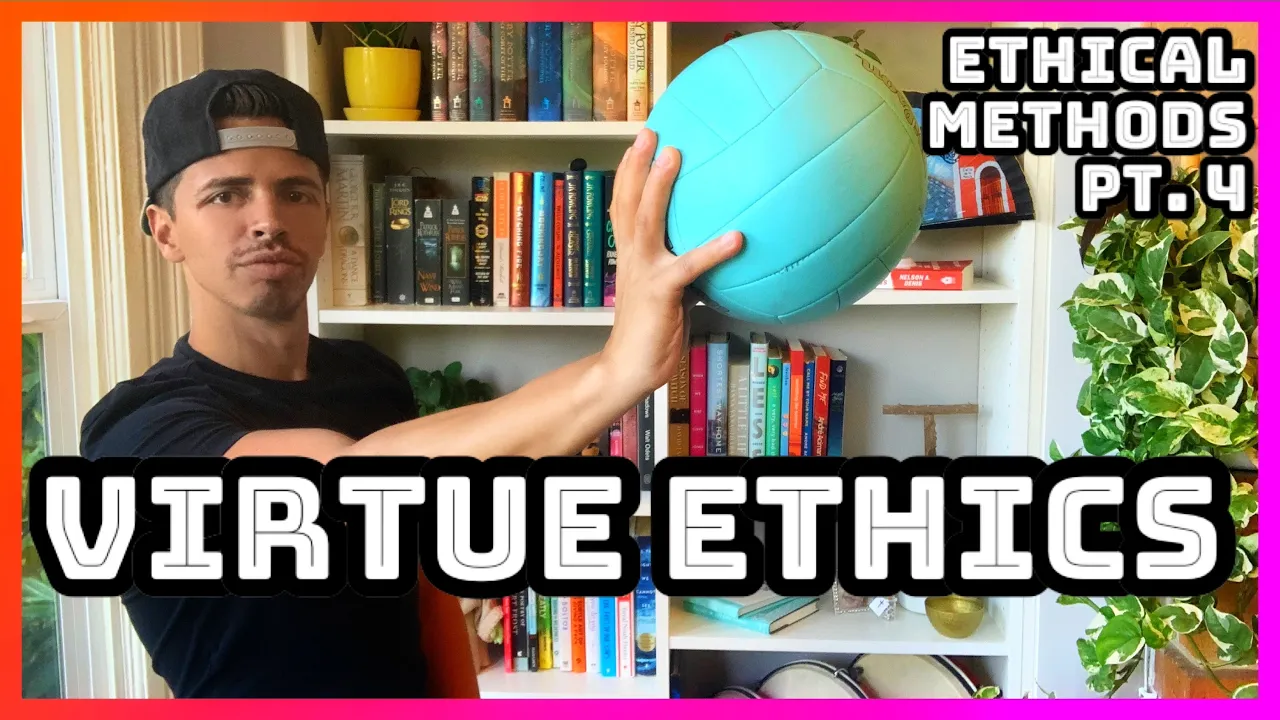














Virtue epistemology is a normative approach to epistemology that focuses on intellectual character traits (virtues and vices) rather than traditional conditions like justification or causation; it defines knowledge as true belief that arises from intellectual virtue, offering solutions to problems like the Gettier problem and radical skepticism by emphasizing how intellectual character equips individuals to handle actual-world challenges rather than hypothetical scenarios.
Virtue Epistemology Explained | Philosophy & Intellectual Virtues
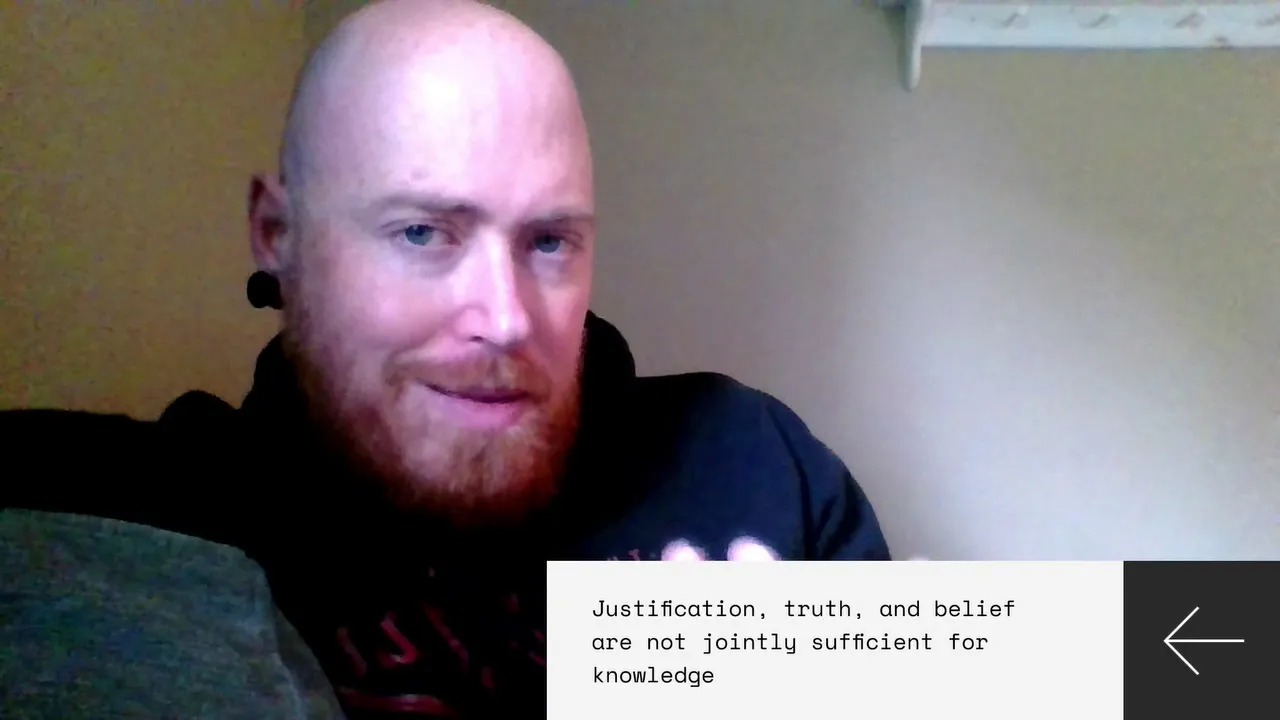
Added:The traditional definition of knowledge as Justified True Belief (JTB) in classical epistemology.
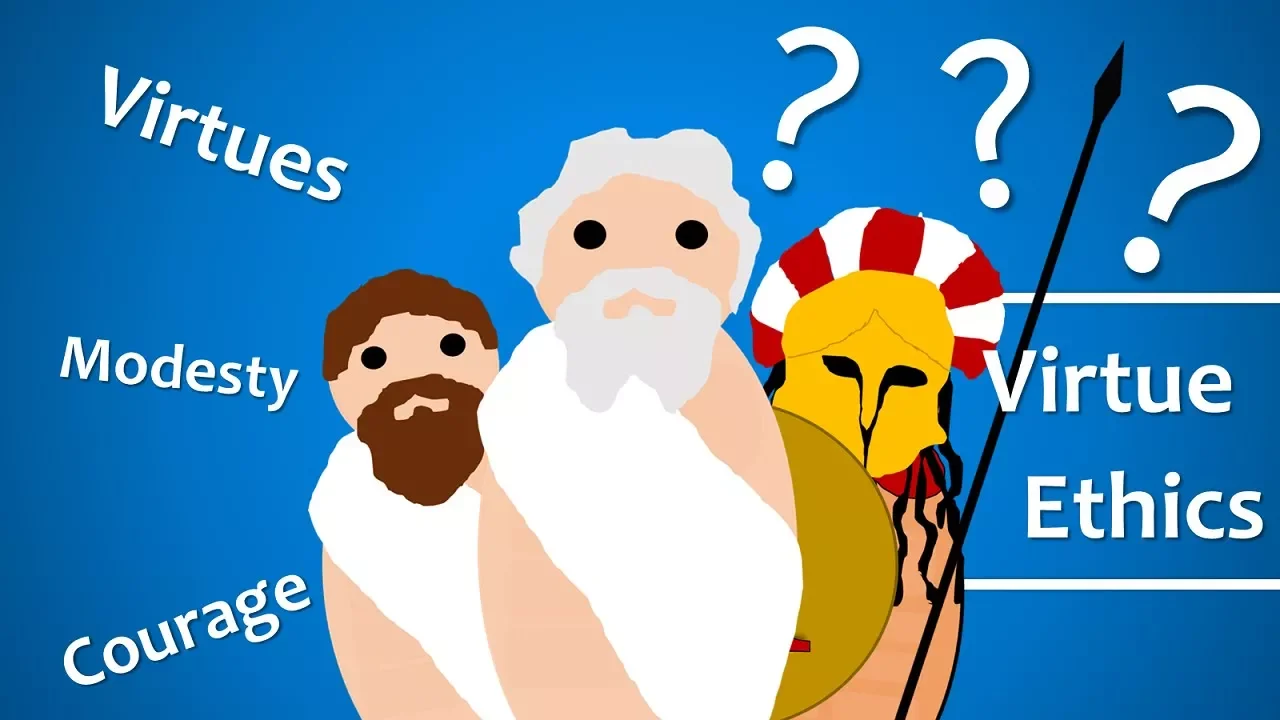
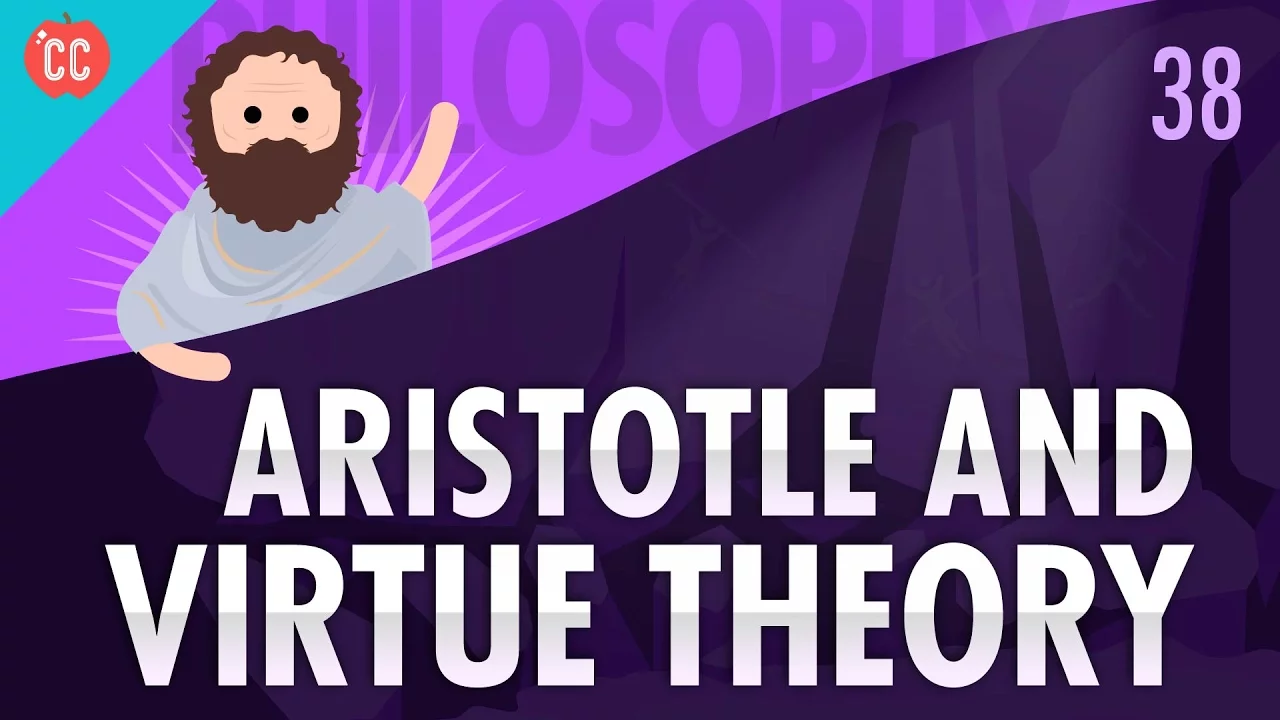
Basic concepts of Aristotelian Virtue Ethics, particularly how character traits differ from rule-based deontology or consequentialism.
The Gettier Problem and how it demonstrates the insufficiency of the traditional tripartite definition of knowledge.
Core epistemological terms such as justification, belief, truth, and cognitive faculties.
The distinction between Virtue Reliabilism (focusing on reliable cognitive faculties) and Virtue Responsibilism (focusing on intellectual character traits).
Miranda Fricker's framework of Epistemic Injustice, specifically testimonial and hermeneutical injustice in social systems.
Vice Epistemology, exploring intellectual defects such as intellectual arrogance, dogmatism, and epistemic self-indulgence.
Applied Virtue Epistemology, analyzing how to foster intellectual virtues in educational design, digital literacy, and public discourse.
67.4K views1Klikes10:16Original Release: 2016-08-26
[Music] Hi, my name is Jeff Pin and I teach philosophy at Northern Illinois University. In this video, I'm going to talk with you about virtue epistemology.
Unlike several of the other topics discussed in this series, virtue epistemology is not a specific theory about the nature of knowledge, justified belief, or what have you.
Instead, it's a general approach to epistemological questions comprising two basic assumptions.
The first assumption is that epistemology is or ought to be a normative discipline. What does this mean? Well, some claims describe how things are, while other claims say how things ought to be. We'll say that claims of the first kind are descriptive while claims of the latter are normative.
For example, if you say that Jack Ruby killed Lee Harvey Oswald, you're making a descriptive claim, a claim about what actually happened. On the other hand, if you say that Jack Ruby should not have killed Lee Harvey Oswald, you're making a normative claim, a claim about what ought to have happened.
To say that epistemology is a normative discipline means that epistemology is concerned with questions about how we ought to form beliefs, assess evidence, evaluate people's testimony, reconcile conflicting sources of information, and so on. To draw an analogy, the idea is that epistemology is to our intellectual lives what ethics is to our practical lives.
Just as ethics concerns how we ought to act, epistemology concerns how we ought to think.
The second assumption of virtue epistemology concerns the particular way that it understands what it means to treat epistemology as a normative discipline.
Consider ethics again. One set of ethical questions concerns the differences between right and wrong actions.
For example, we might ask, when, if ever, is it okay to lie? What are our duties to the poor? Is it permissible to kill non-human animals for food? What obligations do we have to future generations?
Another set of ethical questions concerns the differences between good and bad character traits.
For example, you might ask, what is courage? Are courageous people admirable? If so, why?
How would a fair judge balance conflicting interests?
What is a good friend? How can we teach people to cultivate morally good habits in ethics? The approach that treats such questions about character traits as the most fundamental moral issues is known as virtue ethics. While a similar distinction can be drawn concerning normative epistemology.
On the one hand, we might focus on questions about the differences among various kinds of beliefs, evidence, and so on. For example, we might ask, what's the difference between a justified and an unjustified belief? Is it okay to believe something just because someone says it? What features of a belief suffice to turn it into knowledge?
On the other hand, we could focus on questions about intellectual character traits, habits of mind, attitudes towards evidence, and so on. For example, we might ask, "What is curiosity? Is it good to be curious? And if so, why?" How would a fair and open-minded investigator balance conflicting testimony?
What makes a person wise?
What are the best techniques for teaching people intellectual responsibility?
Virtue epistemology treats such issues about people's intellectual characters, their intellectual virtues and vices as the most fundamental questions of epistemology.
Throughout this series, we've considered a number of different theories of knowledge, reliableism, the causal theory, the tracking theory, and more.
The theories suggest different additional conditions that need to be added to a true belief to turn it into knowledge.
Is knowledge a matter of having a reliable belief forming method, the right kind of causal connections, certain counterfactual conditions? Well, if you're a virtue epistemologist, such theories are going to seem to get things backwards. From the perspective of virtue epistemology, what makes a true belief a case of knowledge is a matter of the virtues of the subject who holds the belief.
For example, Linda Zzepski, a prominent virtue epistemologist, claims that knowledge is quote a state of true belief that arises out of acts of intellectual virtue. From this perspective, the challenge in understanding knowledge is not to figure out the causal evidential features common to all and only its instances.
The challenge is rather to figure out what constitutes intellectual virtue.
Once we know that, we'll have all we need to understand what knowledge is.
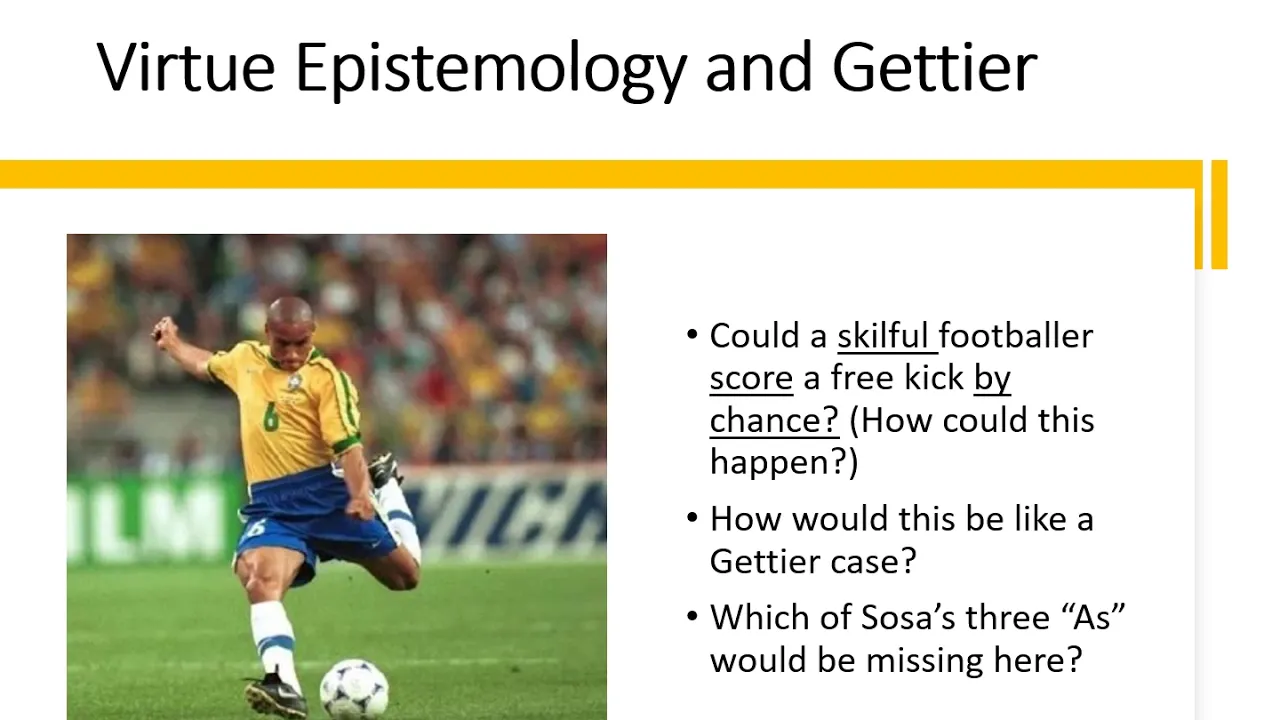
Zag Zepski and other virtue epistemologists have argued that the virtue approach can provide us with a straightforward solution to the Gettier problem. What's the difference between a justified true belief that constitutes knowledge and a justified true belief that doesn't constitute knowledge?
Well, in a good case, the subject's belief is true because of her intellectual virtue. In a Gettier case, by contrast, it's not the case that the subject's belief is true because of her intellectual virtue.
Rather, it's true because of dumb luck.
One debate that has emerged out of this approach concerns how we should understand the notion of a beliefs being true because of the subject's intellectual virtue.
Careful attention to this issue indicates that the solution may not be as straightforward as it first appeared.
Nonetheless, Zagski's approach is fruitful and distinctive since it reconfigures the problem as one about the operation of intellectual virtue rather than the necessary and sufficient conditions for knowledge.
Ernest Sosa, one of the founders of modern virtue epistemology, has used the virtue approach to provide a distinctive response to the problem of radical skepticism. The radical skeptic argues that since we would be utterly and undetectably deceived in various far-fetched but still possible scenarios, we can't know anything that presupposes that such deception is not actually occurring.
For example, if we were the victims of a deceiving god, or if we were bodyless brains in vats being stimulated to have the very experiences we actually have, we would wrongly believe with just as much confidence as we actually do that we have hands. And so, the skeptic concludes, "We can't know that we have hands."
An adequate response to this kind of argument requires an explanation for why the fact that such deception is possible does not affect what we can actually know.
According to Sosa, knowledge is true belief that is virtuously formed. But whether someone is intellectually virtuous is a matter of how her abilities, dispositions, and character traits equip her to handle the challenges of the actual world.
How she would respond to situations wildly different from any that she'll ever actually encounter is irrelevant to whether she has some virtue. Whether a person would cower in fear in the face of an army of highly articulate dinosaurs and space aliens tells us very little about whether she is actually courageous.
Similarly, the fact that a subject's actual intellectual character would fail her in the face of some far-fetched science fiction inspired skeptical scenario tells us nothing about whether she's actually intellectually virtuous.
So, in Sosa's view, the possibility of massive undetected deception is irrelevant to what she is actually in a position to know. Virtue epistemology isn't solely devoted to resolving traditional epistemological disputes in a novel way.
Robert Roberts and Jay Wood, for example, among others, have developed detailed analyses of various intellectual virtues and vices, including epistemic humility, courage, caution, autonomy, and so on.
Robertson Wood explicitly draw connections between virtue epistemology on the one hand and ethics and politics, religion and spirituality, the arts and education on the other hand.
In their view, virtue epistemology can help to restore epistemology to a central place in philosophy and humanistic inquiry more generally.
One important set of connections between intellectual virtue and ethics and politics has been developed in recent work by Miranda Fricker on what she calls epistemic injustice.
Epistemic injustice is Fricker's name for wrongs done to people specifically in their capacity as knowowers and transmitters of knowledge.
A central example of the phenomenon is what occurs when a speaker's testimony is afforded low credibility on the basis of prejudice and negative stereotyping.
For example, Tom Robinson, the central character in Harper Lee's Toill a mockingb bird, is a black man in 1930s Alabama who was falsely accused of raping a white woman. Tom's exculpatory testimony was rejected by the all-white jury. Owing to their white supremacist prejudices, they simply cannot believe that a black man would be telling the truth. Fricker argues that such injustice reflects an intellectual vice and that the remedy is the cultivation of what she calls the virtue of testimonial justice.
Those who exemplify this virtue are able to reliably neutralize prejudice in their judgments of credibility, thus treating speakers with the epistemic respect that they deserve.
Fricker develops a detailed account of this virtue and her work indicates that virtue epistemology can play an important role in fighting against various forms of unjust domination and oppression.
So virtue epistemology is a diverse and growing approach to epistemology that focuses on intellectual character.
This focus suggests novel approaches to traditional epistemological problems and perhaps more importantly promises to provide normative guidance that will help us better manage our individual and collective intellectual lives.
Up Next
45:00
Nihilism and the Modern Crisis of Meaning | Philosophy History
@wescecil3920
13.9K views•2019-09-18

164:01
John of Damascus on Holy Images: A Theological Defense
@BannedBooks
139 views•2026-04-25
9:32
Epicurus' Four-Part Remedy for Unhappiness | Philosophy Explained
@WirelessPhilosophy
272.4K views•2014-08-19
4:57
The Myth of Sisyphus: A Greek Legend of Eternal Punishment
@TEDEd
8.6M views•2018-11-13
Related Study Plans & Knowledge Roadmaps
Structured learning paths in Philosophy
philosophy
Frankfurt School: Critical Theory & Culture
01Foundations of the Frankfurt School and Critical Theory
02Horkheimer & Adorno: The Critique of Instrumental Reason
03The Culture Industry and Mass Deception
+ 2 more learning modules
12h5 modules
Explore Roadmap
philosophy
Philosophy of Language: From Frege to Austin
01The Linguistic Turn: An Introduction to Language in Philosophy
02Gottlob Frege: Sense and Reference
03Early Wittgenstein: The Picture Theory of Meaning
+ 3 more learning modules
15h6 modules
Explore Roadmap
philosophy
Feminist Epistemology: Standpoint & Injustice
01Introduction to Epistemology and Feminist Critiques
02Sandra Harding and Standpoint Theory
03Donna Haraway and Situated Knowledges
+ 2 more learning modules
12h5 modules
Explore Roadmap
philosophy
Environmental Philosophy: Ethics & Deep Ecology
01Foundations of Environmental Ethics & Anthropocentrism
02Biocentric Individualism and Animal Liberation
03Ecocentric Holism and Deep Ecology
+ 1 more learning modules
10h4 modules
Explore Roadmap