![Beginners Guide To Screenwriting - Shannan E. Johnson [FULL INTERVIEW]](https://i.ytimg.com/vi_webp/pwcTge9iF0E/maxresdefault.webp)







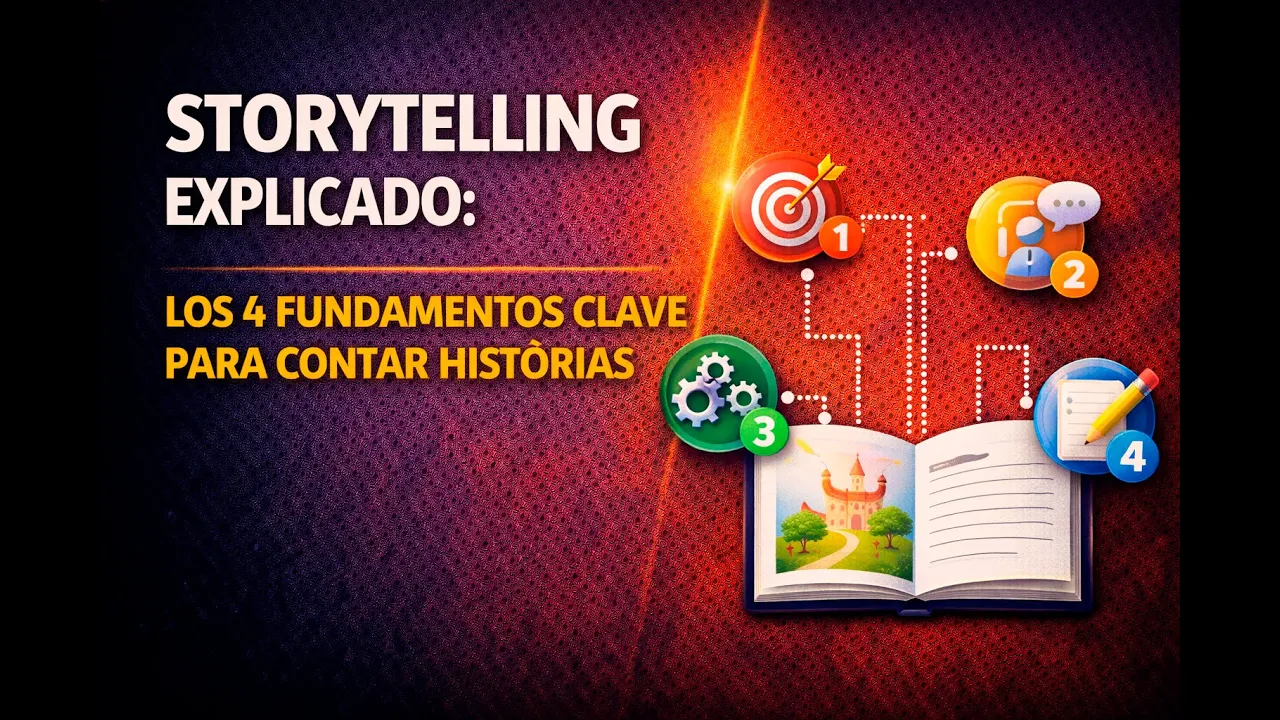








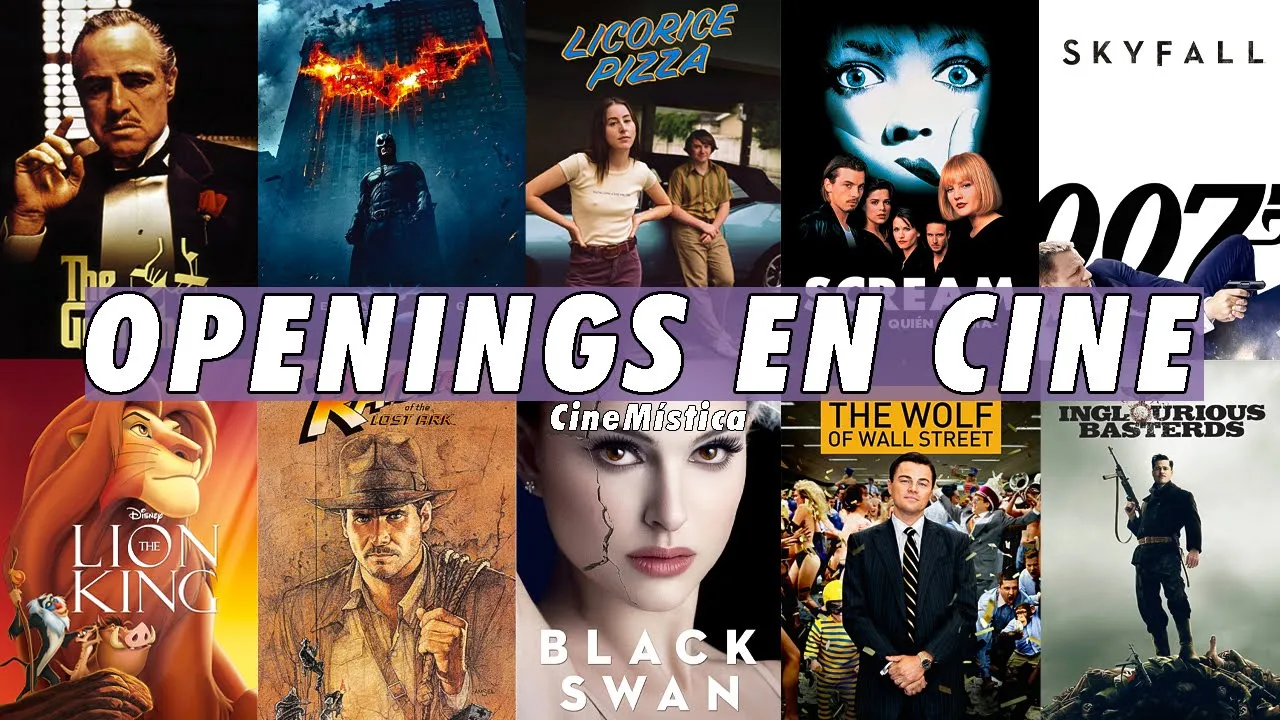

A successful movie opening requires four interconnected elements: energy (captivating atmosphere, sound, and visual presentation that grabs attention immediately), personality (creating likable, recognizable characters that audiences can root for), emotional stakes (establishing deep personal connections and conflicts that make the audience care about the outcome), and contrast (showing the gap between the hero's dream and their harsh reality). Movies like Across the Spider-Verse and Up excel by masterfully combining these elements, while films like Lightyear and Planes fail by neglecting personality and contrast, resulting in openings that fail to hook audiences.
Four Essential Elements of a Movie Opening Scene
Added:Understanding of basic Three-Act Structure and the role of the Setup/Exposition in screenwriting.
Familiarity with fundamental film terminology, including framing, cinematography, and diegetic vs. non-diegetic sound.
An understanding of visual storytelling and how directors use non-verbal cues to establish tone and mood.
The concept of 'Show, Don't Tell' in cinema and how information is efficiently conveyed to an audience.
Practical application: Writing and formatting the first ten pages (the hook) of an original screenplay incorporating these elements.
In-depth analysis of cinematic 'bookends'—how a film's opening scene contrasts or aligns with its final scene.
Advanced study of narrative pacing, specifically how to transition from a high-energy opening into the exposition of Act One.
Comparative analysis of different genre openings (e.g., thriller vs. comedy) to see how expectations are established and subverted.
246K views8.1Klikes24:07Original Release: 2025-11-20
The first five to 10 minutes of a movie are everything. They're the handshake, the thesis, the promise. A great opening makes you lean in, while a bad one makes you check your phone. [music] Pixar nailed it with Up, and Sony crushed it with Across the Spider-Verse. But then there's Strange World and Planes, two movies that are so afraid you won't get it that they played it safe. So, what makes a movie opening work and how do you screw it up?
There are basically four things you can do at the beginning of a movie to make it succeed or fail. The first is to give it energy. That is channel your attention to how the ideas, emotions, and characters are first presented before doing anything else. Think of it like a chef presenting a meal in an eye-catching way because he knows the eyes and the nose eat before the stomach. Likewise, the secret to pulling an audience in to getting them to sit up and forget the outside world is about the energy. It's the vibe, the atmosphere, and the sound and visual punch that hits you before your brain even registers the story. To understand how this was done to perfection, you have to look at the first 10 minutes of Across the Spider-Verse. It starts by grabbing your attention instantly with a sound you can't miss. Just a simple blast of a drum highlighted by flashes of colors representing each beat. The bold, sharp comic book pictures from the last movie seem to flow into this beautiful soft style that looks like a watercolor painting. This washed out, haunting look is the perfect way to tell you that this story belongs to Gwen Stacy. Now, >> let's do things differently this time.
Like, so differently.
>> This opening is a statement of intent, setting a tone of regret, complexity, and urgency. As she speaks about Miles's condition, reminding us that he's not the only one. The electronic beat that started the scene begins to layer and transform. Composer Daniel Peton, a genius of sound textures, meticulously transitions the cold, calculated electronic drumming into the organic, chaotic sound of live drums. This is the key. The music itself is telling the story of Gwen, a punk rock drummer whose feelings are about to spill over.
As Gwen talks, her drumming gets louder and faster, reflecting the buildup of her emotions. This music is actually the sound of all of Gwen's big, overwhelming feelings.
The scene immediately dives into Gwen's current world, Earth 65, showing us a slice of her double life. And as Gwen narrates over self-love by Metro Boomman and Qui Laray, the musical landscape instantly moves from Peton's energetic score to a cool hip-hop sound by Metro Boomman. This mix of big movie style music and modern hip-hop is actually one of the coolest parts of the opening. It makes the sound feel as crazy and chaotic as the entire multiverse that the movie is about. But it gets even more interesting. That change from her regular clothes to her Spiderwoman suit is just brilliant. It's a super quick, beautiful trick that tells you everything about her problem. She's a teenager who is always switching between the normal life she wishes she could have and the secret superhero life she has to run away to. This is the rhythm of her life, and the movie makes sure we feel it immediately.
In this line of work, [music] you always wind up a solo act.
>> Then the visuals jump back to her time with her Earth's Peter Parker, showing us their warm, familial dinners with her father and Aunt May and Uncle Ben. It's a rapidfire montage, but the energy or vibe is still cool and melancholic. It shows Gwen's sad past consisting of Peter's shy crush, their close friendship, and the genuine loving bonds they shared. The film is showing us everything we need to know about the emotional stakes in just a few seconds of beautiful animation. We see the pain, too, as she recalls Peter's desperation to be special, leading to his death.
This trauma fuels the present-day tension with her father, Captain George Stacy, whose life has been consumed by the manhunt for Spiderwoman.
>> She killed your friend.
>> You don't know that.
>> What do you mean I don't know? I do know that.
>> This scene is a masterclass in uncertainty. As every line of dialogue is laced with double meaning, but it gets even better. As George is pulled away to the Guggenheim Museum to chase the vulture, the energy shifts again.
This is indicated by Peton upping the tempo of Gwen's theme. We see her retrieve her suit from inside her drum kit, which also holds a tiny picture of her and Miles together. This is a flicker of the hope she's clinging to.
Then, with a visual pop and a swell of her theme music, she dives out the window, leaving the mundane world for her chaotic reality.
This is an incredible transition that changes the entire tone of the film from intimate drama to superhero action.
However, the energy goes up another notch when Miguel O'Hara arrives in the most epic way possible.
By the time the [music] pregnant Spiderwoman arrives, we are already invested in the changing energies of the movie and are convinced there will be more surprises. Indeed, that's what we get with the rest of the story.
Different but connected vibes filled with high stakes and surprises. This means that the energy that starts a movie must also characterize the entire story. Even the ending had a similar vibe as it ended with Gwen's energy that started the whole movie.
>> You want in?
>> That said, to truly understand how effective the energy of those first 10 minutes of Across the Spider-Verse truly was, I challenge you to do this. Close your eyes and listen to just the audio of the film without the visuals. every pain, chaos, twist, joy, sadness, and uncertainty would still be powerfully felt. This is because the voice over of Gwen blending with her drumming followed by the seamless dialogue, score, and soundtrack serves an energy that explains itself perfectly. But aside from this epic energy, the opening scenes of the movie also had a very vital ingredient that made it all the better. Unfortunately, it was the lack of this same ingredient that ruined the 2022 movie Lightyear.
That ingredient is personality, particularly a likable and recognizable one. Across the Spider-Verse was crawling with this kind in the opening scenes. You can have all the energy in the world with loud music and fast cuts, but if the audience doesn't immediately find someone to root for or be fascinated by, they'll tune out. This is where the 2022 movie Lightyear sadly ran into big trouble. It almost had the energy part right, blasting us into deep space and all. However, it missed the mark entirely on personality. The film opens by introducing Buzz Lightyear not as the endearingly silly action figure we know from Toy Story, but as a serious, arrogant, and frankly unlikable space ranger. His whole vibe is that of an egotistical pilot who believes he's the only competent person in the galaxy.
He openly states his hatred for rookies.
>> Uh hello.
>> No.
>> He also doesn't like autopilots and said he's better off just doing the job himself. This reckless arrogance quickly turns catastrophic when ignoring the autopilot's warning, he crashes the ship. This destroyed their fuel crystal and marooned everyone on a strange planet. This is not the personality of a hero we want to spend two hours with. Do you really want to follow a character whose first big moment is causing a [music] massive failure because of his own ego? The only spark of likability in those first scenes comes from Commander Hawthorne, who is much cooler and more composed. She was especially great with how she mocked Buzz for being so humorless and serious.
>> Wait, will you please turn that off?
[laughter] >> It's just too easy.
>> But even she makes a strange choice in the end. After Buzz admits his fault and tries to court marshall himself, finally showing a shred of accountability, Hawthorne simply tells him to finish the mission. This line meant to be supportive actually lets Buzz off the hook, reinforcing the very attitude of mission above all that caused the disaster. Now, contrast that failure with the masterful opening of The Incredibles, a movie that perfectly demonstrates how to establish an irresistible personality right away.
It's a clinic in character writing. It uses simple interviews and immediate action to make us fall in love with three superheroes before the main plot even begins. The movie starts with a documentary style interview, a brilliant, fast-paced way to deliver huge chunks of personality through dialogue. We meet Mr. Incredible first, struggling awkwardly with a mic, instantly showing us that beneath the strong, confident mask is a regular guy who wants the pressure of being super taken off sometimes. We keep it clean for for 10 minutes.
>> He's powerful but surprisingly relatable. Next is Elastig Girl, who is immediately sassy and confident. She jokes about going shopping in her suit, a playful wink that establishes her as self-aware, practical, and fiercely independent. The voice work here is essential with Holly Hunter giving Helen that sharp, quick-witted delivery.
>> Settle down. Are you kidding? I'm at the top of my game. I'm right up there with the big dogs. Girls, come on.
>> Finally, we get Frozone, whose cool, playful personality comes through instantly as he mocks the drama of the female heroes.
>> Super ladies, they're always trying to tell you their secret identity.
>> The script for all three is perfect, giving each character a unique voice and philosophy on being super within seconds. This is all done with words, but then the movie transitions seamlessly into action where their personalities are demonstrated through their powers and choices, which is where the real fun begins. We meet Bob Parr, Mr. Incredibles secret identity in his high-tech car, running late for his own wedding. His transformation into Mr. Incredible, and his suit are pure high octane energy. But it's his actions that show his personality. When he's flagged down by an old lady because her cat is stuck in a tree, Mr. Incredible, who is seconds away from a massive police pursuit, doesn't hesitate. He rips the whole tree out of the ground just to save the cat, showing off his immense strength and kindness. He's a powerful brute, but he's got a big soft heart, which is a perfect personality combination. His first meeting with Incredible Boy was also a funny encounter that made everything about Bob magnetic. And even though there's a hint of arrogance there, we still can't help but like him. But it gets better. Next, we get to see the funny, playful way Mr. Incredible and Elastig Girl act together. Their fast, smart talking makes them seem exciting and awesome right away. Finally, Mr. Mr. Incredible is once again confronted by the ultimate annoyance, the superfan Incredib Boy.
Mr. Incredibles reaction is weary patience that quickly turns into firm rejection.
>> Fly home, buddy. I work alone.
>> This moment, which sets up the entire conflict of the film, shows his responsibility and his deep-seated belief that he must carry the burden alone. By the ending of this opening, Mr. Incredible has done some huge things. He stops a speeding train with his body. He's super late for his own wedding. And he marries Helen, who we now know is Elastig Girl. We are totally hooked. We know what they can do with their powers and exactly who they are.
They are funny, complicated, super strong, competitive with each other, and most importantly, they feel like real people. That's the magic of showing their personality right away. It gives us an immediate real reason to care about where their adventure is going next. But we can't just stop at the personality. It's good we know the how and the who, but why should the audience care about any of this? Because you can't just intrigue the audience with a magnetic personality and vibes. Movies know they have to add this next thing.
Emotional stakes. There are no great opening scenes without the emotional stakes. It is one of the reasons Across the Spider-Verse was so iconic because we felt everything Gwen was feeling.
That said, another movie that knocks it out of the park when it comes to adding the Y at the beginning of a movie is Up.
There are some who even believe Up does its opening sequence better than any other movie. And they might not be wrong. Its opening is so famous because it focuses entirely on feelings rather than on plot. The movie knows that before you can care about balloons and floating houses, you have to care about the man inside. The first few minutes are actually quite fun, introducing us to Carl Frederickson as a shy, quiet boy fascinated by the adventurer, Charles Muntz. Then he meets the firecracker of his life, Ellie.
>> Hey, I don't bite.
>> She is vibrant and sweet, jumping out at him and instantly giving him a homemade grape soda pin. Then she makes him promise to take her to the magical place his idol months talked about, Paradise Falls. This short bit is crucial because it establishes their shared magical dream when they are children. Then we get to the famous married life montage, which is a masterclass in establishing huge emotional stakes very quickly. We see Carl and Ellie's entire life fly by in just 4 minutes. All set to beautiful, wordless music. We watch them grow up, get married in a hilarious ceremony, and fix up their first little house together. They are playful. They hold hands without looking up from their books. They're just completely and wonderfully in love with each other. The movie then takes us on a heartbreaking journey. They save their spare change in a jar labeled Paradise Falls, but life keeps getting in the way. First, they can't have the baby they dreamed of.
This is a moment of deep sorrow communicated purely through visuals with Ellie sitting alone under a tree.
Then they smile and dust themselves off, returning to their dream of Paradise Falls. But the money they save keeps getting spent on real life problems. a flat tire, a broken leg, a storm. This sequence works because it shows us a full life lived and lost. The audience experiences joy, sacrifice, and deep sorrow in minutes, creating massive sympathy for Carl. By the time Ellie is old, sick, and passes away, the loss is irreversible. And we feel the weight of decades of unspoken love and deferred dreams.
>> [music] >> Carl's remaining goal, that trip to Paradise Falls, becomes a sacred crossyouheart promise to his wife. This makes every step he takes next an act of deep love and emotional loyalty. Can you think of any other movie that makes you cry harder while nothing is even happening yet? Now, let's look at the opening of Strange World, which tries to create emotional stakes, but doesn't quite nail it. This film also starts with a narrator talking about the great explorer Joerger Caid and his son Searcher. But here's where it misses the mark. It gives us conflict instead of connection. Right away, the story sets up an argument. The father, Joerger, is obsessed with exploring the mountains, while the son, Searcher, is interested in a strange glowing plant. This is a contrast of ideas, exploration versus farming. Unfortunately, we don't see enough of Searcher and Joerger having any genuinely warm shared moments before the argument. So, because we never feel a deep personal connection, the eventual separation doesn't hurt us very much.
>> No, Dad. It's yours.
>> Enough. YOU'RE MY SON.
>> BUT I'M NOT YOU.
>> The father's disappearance is also where the stakes fall flat. Unlike Up, where Ellie's death is final and deeply mourned, Joerger's fate is ambiguous.
He's just lost after the dramatic argument with his son. The movie is so busy showing us the action sequence that it doesn't pause to let us feel the immediate profound grief of the loss.
The stakes for Searcher are tied up in solving his daddy issues and finding his own identity, which are internal and intellectual problems. They don't land with the same powerful punch as Carl's stakes, which are external and rooted in a deep shared love that the audience got to witness firsthand. And that's the thing, if the movie doesn't make you feel the loss immediately, why should you care about the hero's journey to get it back? So, the difference is clear. Up spends its opening minutes showing us a love story. So when the love is lost, the emotional pull is quick and devastating. By focusing on emotion over exposition, Up ensures that everything Carl does, no matter how strange or funny, is motivated by the deepest emotional stake. And speaking of stakes, the very last thing to begin a movie with also adds to the stakes. But the problem is it can be hard for amateur creators to develop, which is why some movies fail to use it.
The opening of Ratatouille is all about showing the world rejecting the hero and the hero refusing to accept it. Our hero is Remy, a rat with a highly developed sense of taste and smell. What does he love? Fine cuisine, delicate flavors, and human art. What is his reality?
Aside from being a rat, he lives in a dirty, gross farmhouse with a large family of rats who think the finest meal is rotten garbage. The movie shows this contrast immediately. And that right there is the fourth thing that makes the beginning of a movie great. Establishing contrast. Think of contrast as showing the huge impossible gap between your hero's deepest dream and their sad everyday reality.
>> I, on the other hand, take cooking seriously. Oh, I don't think anyone can do it.
>> This tension is the engine that drives the whole movie. If you don't show this gap right away, the hero's journey feels easy and the movie feels kind of aimless. But Ratatouille does it brilliantly. First, we hear a narrator talking about the glory of French cuisine and the famous chef Gustau. Then the screen cuts to Remy dodging a shotgun blast inside a gross, dusty old lady's house. This juxtaposition of highclass food and low-life pest is the first big contrast. Then we see the difference between Remy and his family.
His brother, his father, and the other rats are happy eating smelly compost and rotten food. To them, food is just fuel.
But Remy is looking for a Napoleon pastry and smelling all the delicate ingredients. He's obsessed with combining flavors, but miserable that he has to eat trash. And worse, he has to steal this trash. This shows Remy's disgust with his world and his hunger for something better. [music] Another contrast is the setting. On one hand, Remy has to sneak into the farmhouse kitchen just to watch the great chef Gustoau on TV.
>> Must not let anyone define your limit because of where you come from.
>> This gives Remy a huge dream. But then there's the old lady who wants to end his life. Meaning his dream lives in the most dangerous place for him. This constant immediate tension of loving a world that wants to kill you is the emotional fuel for the entire story.
Ratatouille makes its stakes clear by showing the size of the gap Remy has to cross to be happy. Now, let's look at a movie that doesn't use contrast well.
Planes. The main character is Dusty Crop Hopper, a plane that works as a crop duster spraying fields with fertilizer.
His big dream is to be a famous racer in the Wings Around the Globe rally. But the movie doesn't show us the big hard driving contrast that would make us desperately want him to succeed. Dusty's world is too nice, just an easy small town airport. His friends Chug and Doy are totally supportive. They even help him practice his racing moves. Even the contrast that is present is either too generic or too mild. For example, when Dusty is rejected by Skipper, it doesn't feel great because it's something we already saw coming.
>> So, I was wondering if you would train me.
>> But worse, there is no major systemic opposition trying to stop him. Nobody is actively throwing poison at him or threatening his home. The stakes are simply too low. And the [music] only thing that seems to be stopping Dusty is that his body isn't built to race.
According to Doie, sounds great, but this is a technical problem, not a deep emotional or social problem. At the end of the day, his dream doesn't force him to leave his comfortable life or [music] risk total humiliation. It just requires a better oil seal and some training.
Because the contrast between Dusty's current reality and his desire is so small, the movie feels easy and low consequence. That's a good story, but it's not the kind of opening that creates the thrilling, driving tension that makes a movie feel epic. The best movie openings use contrast to immediately define the hero's quest.
They put the character we love, who is feeling all the intense things, right up against the impossible reality of their life. This gap is the launching pad for all the adventures that come next. But while Ratatouille started in an epic way, the creators knew they still had to do one more thing to make the story great. They focused on creating a greedy villain. In case you're wondering how they did this and how other amazing movies made greedy villains, check out this video here.
Up Next
5:53
Location Typography in Film: A Visual Storytelling Analysis
@weneedtotalkaboutfilm1768
21.8K views•2017-11-23

23:14
Visual Analysis Essay: How to Analyze Graphic Novels in College Writing
@nataliepleimann5941
1K views•2020-10-14
4:55
Film Blocking Techniques for Directors: Space, Shapes, Lines
@StudioBinder
1.9M views•2018-07-23

4:00
Evolution of Darth Vader: Anakin Skywalker's Animated Journey Across Star Wars Films
@TellItAnimated
13.4M views•2019-03-30
Related Study Plans & Knowledge Roadmaps
Structured learning paths in Film Analysis
film-analysis
Sensory Cinema: Foley, Haptic Sound & Texture
01Introduction to Film Sound and Foley Artistry
02Micro-Sounds, Textures, and Extreme Amplification
03Haptic Audition and Film Phenomenology
+ 1 more learning modules
12h4 modules
Explore Roadmap
film-analysis
Breaking the Fourth Wall: Mockumentary & Satire
01The Invisible Wall: Basics of Cinematic Illusion
02Looking at the Lens: Direct Address & Character Glances
03The Mockumentary: Satire, Realism, and Complicity
+ 2 more learning modules
12h5 modules
Explore Roadmap
film-analysis
Analyzing the Long Take: Cinema, Space & Ethics
01Foundations of Film Grammar: Montage vs. The Long Take
02Choreography and Mechanics of the Simulated One-Shot
03Phenomenology of Film: Real-Time Spatial Continuity
+ 1 more learning modules
14h4 modules
Explore Roadmap
film-analysis
Anachronistic Music: Period Drama & Subversion
01Foundations of Film Sound and the 'Needle Drop'
02Traditional Authenticity vs. Revisionist History
03The Rise of the Anachronistic Soundtrack
+ 2 more learning modules
12h5 modules
Explore Roadmap