













![Boom, [DS] Just Setup, Military Planning At Its Finest, Did You Miss It - Episode 1744b](https://i.ytimg.com/vi/hxNuZTrBZ1w/sddefault.jpg)



NGOs (non-governmental organizations) are often funded by government tax dollars but operate independently from direct government control, creating a system where ideological objectives can be pursued with minimal oversight; this arrangement allows organizations to spend billions of taxpayer funds to promote specific political agendas while avoiding accountability, as the lack of clear legal designation and government oversight enables ideological capture of these entities.
NGOs, Taxpayer Funding, and the Democracy Scandal
Added:Understanding the definition, structure, and tax-exempt status (e.g., 501(c)(3) vs 501(c)(4)) of Non-Governmental Organizations (NGOs) and think tanks.
The basics of federal budget allocation, specifically how government agencies distribute tax dollars through public grants and cooperative agreements.
The legal distinctions between lobbying, advocacy, and education, and the regulations governing how public funds can be used by non-profits.
Familiarity with the Department of Government Efficiency (DOGE), its leadership, and its mandate to audit federal spending and reduce bureaucratic waste.
Analyzing the 'revolving door' phenomenon between government agencies, political campaigns, and ideological non-profit organizations.
Investigating case studies of public-private partnerships and how foreign governments or private billionaires leverage NGOs to influence domestic policy.
Evaluating the effectiveness of existing legislative oversight mechanisms, such as the Government Accountability Office (GAO) and the Foreign Agents Registration Act (FARA).
Developing methodologies for tracing funding sources of policy papers to assess potential conflicts of interest and ideological bias in academic and civic research.
130.4K views15.1Klikes15:57Original Release: 2025-03-12
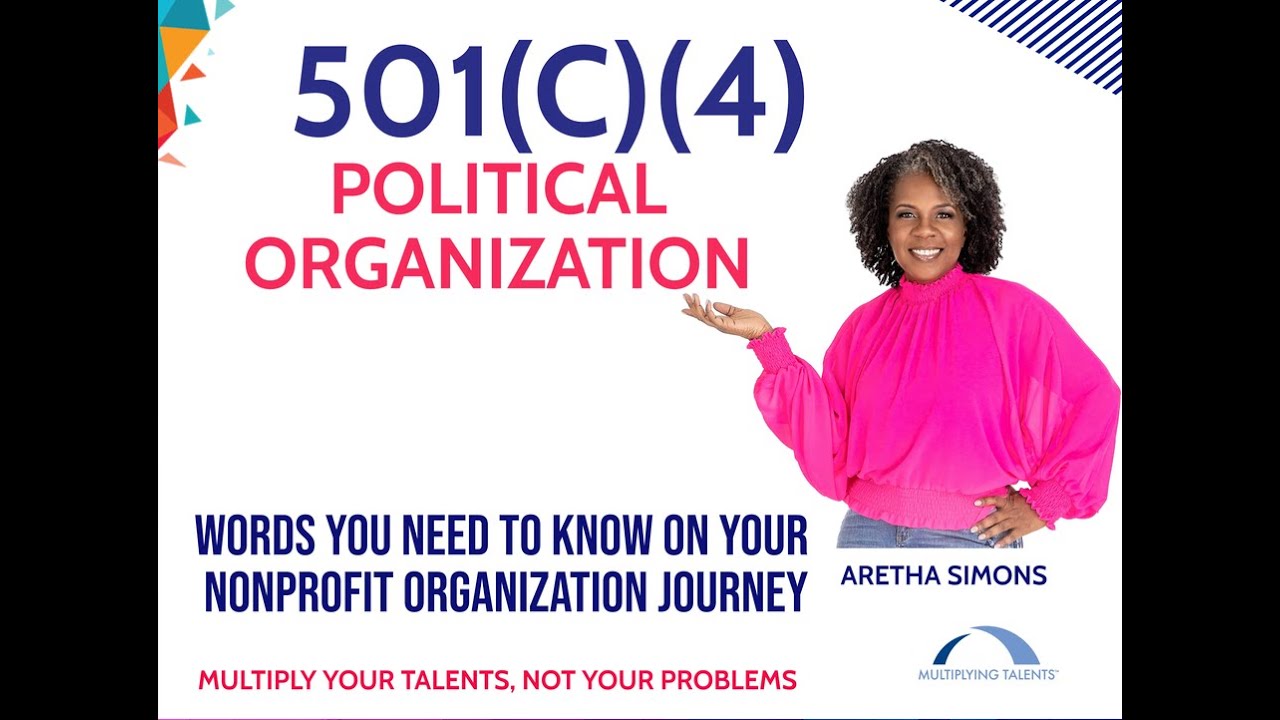
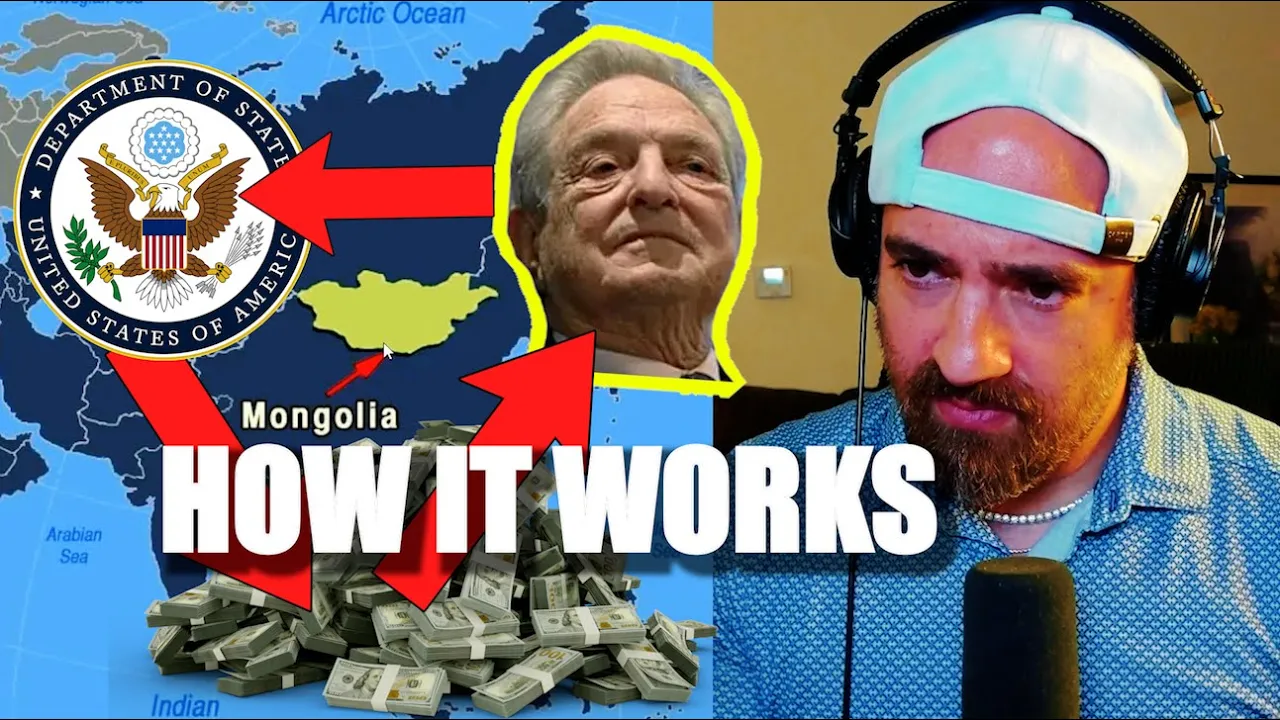
hello and welcome back to Doge watch where if you give us just a couple minutes of your time we will tell you everything that Doge has been up to I am your host Nick frus well you've been watching this program for more than 27 seconds you realize that we have a bit of a nonprofit problem in this country and by that I mean we have a ton of left-wing nonprofits that have been cashing in on our tax dollars and thanks to Doge we now have a pretty good understanding of how that's been working where it's been working and how much of our money has actually been wasted now the Trump Administration has responded very quickly and effectively to this by freezing those funds but just like we discussed in our last episode the Supreme Court can step in or other courts can step in pass an injunction and the next thing you know those funds now have to get wasted despite what the administration might want or the American people might want which begs the question if Congress is the one that allocated These funds why and why can't we with a new Congress Stop Those funds from being allocated in ways that the vast majority of the country agrees are wasteful and this is where we get into the problem of not just nonprofits but also noos so what is an NGO and how does it differ from a nonprofit so an NGO is very simply a non-government organization but unlike a nonprofit an NGO really is an illegal description it's more of a a general description of the kind of work that they do so for instance a nonprofit often refers to a spe specific legal status in many countries where the organization is recognized as not Distributing profits to owners or shareholders in the US for instance nonprofits can apply for tax exempt status under IR IRS codes like a 501c3 so that's a nonprofit right so what's an NGO the term NGO isn't a legal designation in most countries but rather a descriptive label an organization called an NGO might be registered as a nonprofit charity or another legal entity depending on the country's laws so here's the thing that we really need to understand about Nos and why this is the Scandal that we're not talking enough about yet an NGO is a specific type of organization that operates independently from government excuse me independently from government control and typically focuses on social political environmental or humanitarian issues at a national or International level NOS have been actually organized sometimes by the government or propped up by the government in order to carry out objectives of the government but apart from direct government control and this is where we go over to our friends at Ground news one of the benefits I like of ground news whenever I'm researching or preparing for this or other programs is it gives me the opportunity to be able to type in simple search engines and then it comes back with a host of curated news articles so you can see right now just by typ in in Doge and state department I get this main headline Rubio says Trump Administration canceling 83% of programs at usaid and intends to move remaining ones to the state department so there's two major issues there right The Cutting of funds and taking existing funds and putting it under the leadership of the state department so I get to go through this and not only do I get to see which news agencies are actually covering the story and where their potential biases are I get a link to all of the stories from the different news agencies that take me directly to their pages so I can read in and dive in even deeper but the thing I probably like the most about this is that right here up top underneath the headline you see left center right what this does is it gives me a synopsis of what various new agencies are emphasizing about their reporting from the left's perspective the center's perspective and the right's perspective so if like us you were somewhat frustrated with the way that typical search engines curate the news to where you only get one perspective go over to ground. newws Doge and check out all of the different features that they provide in fact if you go there right now ground.
newws you can get 40% off of their Vantage plan which is going to give you access to all of the features that you need to be able to keep track of what is going on what does this mean why is this important that they're moving all of these programs from usid under the direct purview of the state department well it's because of two reasons one we're going to get a lot more direct and consistent oversight right because a lot of these NGS might have oversight from Congress because Congress is the one that allocates the funds but we're going to get into a little bit later on why that oversight might not make as much sense as we think it does but by moving it under the administration you get two things one direct oversight from the president's appointment to the Secretary of State and you get consistency in messaging or operations at least you should because now you have this kind of unified command I mean if US foreign policy is supposed to be consistent in their messaging and their objectives then why would you have all these different organizations that you're funding potentially going out and doing stuff with little to no oversight that could be contradicting what your Administration wants to do and that gets us to our next Point data Republican who if you're not following an X I highly encourage it she does incredible work data Republican recently put this out she goes for new followers here is a diagram illustrating how core NOS collaborate to create a Global Soft power structure that shapes elections public policy economic policy and media influence that one's important because we're going to get to that again I'm going to click on this right now because I want to go over this graph that she shared because I like graphs so right here we have the National Endowment for democracy and the Consortium for elections and political process strengthening but the thing we're going to focus on focus on specifically is the National Endowment for democracy or Ned so underneath this right you need to understand these are funding Vehicles so money gets allocated from Congress to the state department or the usaid usaid funnels it into these funding mechanisms and then it goes into these other organizations that actually carry out the work so the center for International Private Enterprise which is supposed to be more free market oriented then you have the solidarity Center which is more public sector and private Union Affiliated which again seems a little strange I promise you we'll get to it then you have the international Republican Institute and the national de Democratic Institute so the Republican party and the Democratic party then you have the International Foundation for electoral systems which is supposed to ensure you know technology training and oversight for fair transparent and open elections then you have this thing called inter news which is there to promote pro-democracy media all right so why do all these organizations exist why did the government essentially prop up and fund because they do the US government your tax dollars almost completely fund all these organizations why are they there well for that we're going to go to this article from the new Criterion here's what um James Pearson writes on this the Ned the National Endowment uh for democracy as I wrote for the new Criterion on December 3rd was established in 1983 as a cold war operation in order in President Reagan's words to Foster the infrastructure of democracy the system of a free press unions political parties universities most of the Ned's funds in that era flowed to dissonant groups in Soviet controlled countries in Eastern Europe or to anti-communist organizations operating elsewhere Alan Weinstein a noted historian and one of the founders of the Neds said in 1991 a lot of what we do today was done covertly 25 years ago by the CIA so why were they established they were established to achieve foreign influence that's what it was it was a mechanism to go into the Soviet Union or countries that were being influenced by the Soviet Union and provide counter influence so the Soviets wanted to preach communism we wanted to preach free markets along I guess with public sector employee unions right the Soviet Union had different objectives and things that they wanted to give out to these countries in order to Foster dissident groups we did the same things with dissident groups that we thought would be more friendly to the United States now at a time at the height of the Cold War in the 80s you might be able to look at some of this and be like okay that makes sense because there seems to be a clear objective and there seems to be a very very clear enemy in place that we're working against the problem is is what happens after that enemy goes away well now this organization doesn't want to leave right it doesn't want to disband there's all this money coming in there's all these jobs associated with it there's other ways that the United States government can influence other countries or groups in order to promote democracy but what we find as you go through the article is that their version of promoting democracy looks a lot like the way Democrats talk about democracy in this country democracy is whatever the left says it is and anything that disagrees with the left's ideology ends up becoming a threat to democracy and so all of a sudden you see organizations non-governmental organizations that don't have direct control or even really direct oversite going out and spending billions in US tax dollars in order to push ideological objectives now you might be saying what do you mean no oversight Nick well okay technically Congress had oversight and the way these organizations were first set up was some of them were more heavily influenced by Republicans and other were more heavily influenced by democrats for the idea of not trying to push one partisan agenda but rather a more unified concept of what Americans consider to be healthy for democracy but that's not what's going on anymore and that's what doge is uncovered but the next step in this and one of the things that data Republican points out is that these NOS are not only almost entirely funded by your tax ta doll but they also interestingly enough end up getting staffed by either current or former members of Congress or the executive branch so what do you have you have a bunch of political staffers you had you have a bunch of people that were in the position to influence the amount of funds where they went how they were spent going to nonprofits and NOS that they end up working for later so let's face it if you're a member of Congress you get paid pretty well but you're not getting rich off of that paycheck but if you're now in a position where you can influence billions of dollars worth of funding not just to like the private sector but to non-governmental organizations that get to operate pretty much with impunity who more than likely would love to have you sit on their board or occupy one of their positions just as soon as you finish your government service don't you see where there might be a problem right now with respect to perverse incentives for the people allocating this money or pushing this agenda I think one of the things that we're seeing right now one of the reasons why they're trying to push so much of this under the control of the state department is not because the state department is necessarily going to get it right all the time not because it's going to run flawlessly but at least then we'll know where the money's going and we'll know who to blame if they misallocate so one of the most important things that we can focus on right now one of one of the one of the issues that doge is really goingon to have to lean into is we're gonna have to start asking ourselves why do we have all of these Nos and look maybe maybe there will be some practical uses for them I'm the sort of person that I don't want to expand government so maybe there's there's use cases where the government Outsourcing a particular responsibility to a private sector entity might be more appropriate but there's no question that these NOS which are almost exclusively funded by government have perverse incentives and in fact that's why he have people like Senator Mike Lee who said the non-government in NGO should mean no Government funding Thomas Massie said Congress and Doge should obliterate grants that claim to combat Mis dis or misinformation these orwellian terms identify government censorship Americans shouldn't be funding government efforts to deprive them of their own right to speak freely and this is a good point because with many of the nonprofits they were doing things like that in the United States and with a lot of these NOS they were doing it overseas and in many cases they were doing it overseas to countries that they had identified as a threat to democracy based on things like nationalist Tendencies or or populism well just out of curiosity what are some of the accusations thrown at Trump well that he's a nationalist that he's a populist and you see that's dangerous to democracy well no it can be just like other things can be dangerous to a democratic system or a system based off of the rule of law but you know what's also dangerous taking billions of dollars in taxpayer funds allocating to these NGS operating independently from government with very little oversight to be able to go out there and manipul manipulate things in other countries ostensibly in the name of spreading US foreign policy and US values when in reality there's a huge difference of opinion on what American values actually constitute and one of the things that's become abundantly clear is that the left in this country has a very different view of American values than the rest of us most of us don't see billions of dollars in funding to push Dei or lgbtq things across the world as the advanced of American values but the left does they don't see any problem with it there's no contradiction to them of course this is the way that you would spend money in order to influence and Carry Out US foreign policy so one of the most important things that all of us can do right now is we're supporting doge is recognize that as much as I as much as I accuse the left on participating in this sort of process and as much as I still believe that it predominantly is used to benefit the left and their objectives that doesn't mean elements of the right have not also been involved this is the part where we talk about the uni party because the uni party does exist it's not that all Republicans and all Democrats are exactly the same that is clearly verifiably false but there are elements within government that have gotten very very cozy with the bureaucracy the status quo and their ability to fund it and take care of it while they're in office so those same institutions are right there with a really cushy job for them as soon as they leave government service and one of the things that we're going to have to recognize is that when we're trying to cut back on a lot of this wasteful spinning when we're trying to cut back on a lot of these programs NOS nonprofits or systems that have been put in place we're going to need to be watching Congress very very closely because there will be a thousand excuses for why okay we need to stop the wasteful spending but this this organization this entity needs to still exist maybe at times that's true but there's going to be a lot of times where it's not and one of my favorite Elon Musk quotes is don't make something that shouldn't exist more efficient one of the primary objectives of Doge is going to have to be not just finding wasteful spending but asking the deeper question of how is that wasteful spinning allowed to continue and if we need to cut not only the spinning but the organization responsible for spending it then that's what we need to do because if you get rid of the spending now but you leave the organization intact one that shouldn't exist I guarantee you they will be back in four years and six years and eight years advocating before a different Congress or a different president or a different state department and the funds will go right back into it because a lot of what this comes down to a lot of what this comes down to is the left finding a bureaucracy that we all thought was neutral gaining ideological capture of it and then using it to put money into their preferred organizations for their preferred for their preferred purposes regardless of who the people elected that has to end and if doge is serious about doing it they're going to have to Advocate not only for cuts but the removal of certain organizations and I think Doge has been pretty faithful on that I think the president has been faithful on that what remains to be seen is whether Congress will be faithful to that purpose well we will be having several interviews with members of Congress over the next couple of weeks and that is one of the primary questions we're going to be asking in some of our additional bonus episodes that we're going to be providing for you here on Doge watch so once again thank you for joining us please like And subscribe and we'll see you next time
Up Next

5:52
The NGO-ization of Resistance: Arundhati Roy's Critical Analysis
@nzwamba
12.8K views•2014-09-19

24:30
BRICS Pay and de-dollarization: A New Financial Order Emerges? | 55 chars
@DannyHaiphongYT
164.6K views•2024-10-22
7:33
Government Surveillance Methods: 10 Ways You May Be Watched
@BeAmazed
1.6M views•2017-04-09
10:19
Explaining the Saudi-Iranian Proxy Conflict in the Middle East
@Vox
18.2M views•2017-07-17
Related Study Plans & Knowledge Roadmaps
Structured learning paths in Political Science
political-science
Economic Statecraft: Sanctions & Chokepoints
01Foundations of Geoeconomics and Economic Statecraft
02The Mechanics of Weaponized Interdependence
03International Sanctions: Types, Implementation, and Efficacy
+ 2 more learning modules
12h5 modules
Explore Roadmap
political-science
Central Bank Independence: Politics & Policy
01Foundations of Central Banking and Monetary Policy
02The Time Inconsistency Problem & Inflation Bias
03The Delegation Model and Designing Independence
+ 2 more learning modules
12h5 modules
Explore Roadmap
political-science
Consociationalism: Power-Sharing & Stability
01Democratic Dilemmas in Divided Societies
02Introduction to Consociational Democracy
03The Four Pillars of Consociational Design
+ 2 more learning modules
12h5 modules
Explore Roadmap
political-science
Rebel Governance: Legitimacy, Economy & State
01Foundations of Rebel Governance and Statehood
02Establishing Political Legitimacy and the Rebel Social Contract
03Wartime Economies and Rebel Resource Management
+ 2 more learning modules
14h5 modules
Explore Roadmap