





















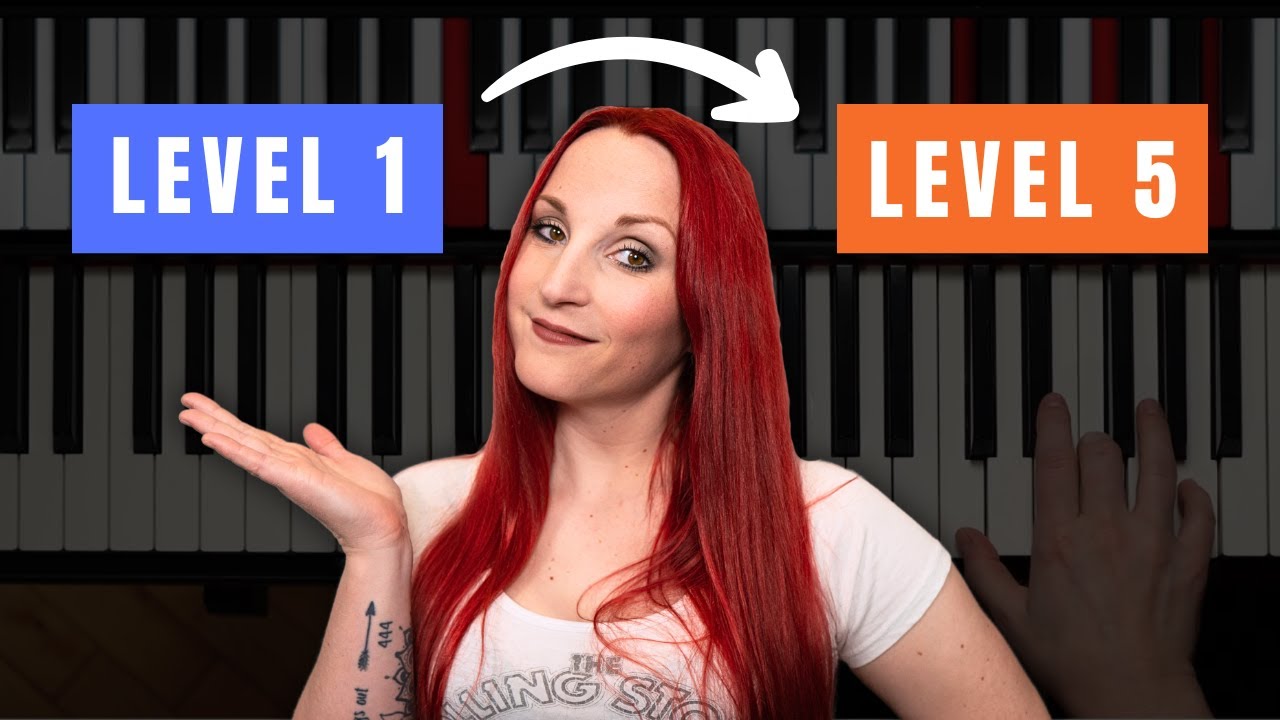


This tutorial demonstrates how to learn piano songs by separating hands—first mastering the right hand's chord progressions (C, G, F, and F major triads with grace notes) and rhythm patterns, then practicing the left hand's octave playing independently, before combining both hands using a coordinated pattern where hands play together initially, followed by left-hand octaves alone, then low notes alone, and finally high notes with the right-hand chords.
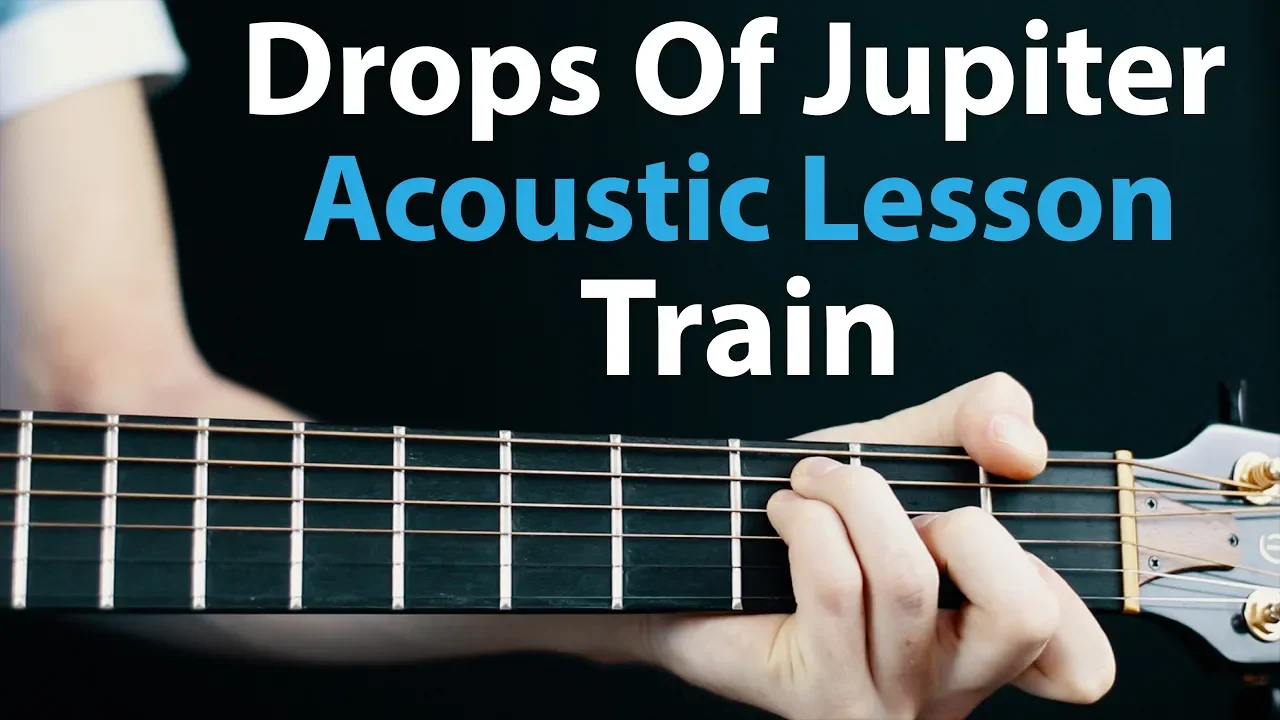
Drops of Jupiter Piano Tutorial: Learn Intro & Verse (Train)
Added:Basic keyboard geography, including the ability to identify natural notes and locate octaves on the piano.
Fundamental chord theory, specifically understanding how to construct basic major and minor triads.
Introduction to hand independence, allowing the left and right hands to play different simple patterns simultaneously.
Basic rhythmic comprehension, including counting in common time (4/4) and understanding quarter and eighth-note subdivisions.
Learning the remaining sections of 'Drops of Jupiter', such as the chorus, bridge, and outro, to perform the song in its entirety.
Analyzing the song's harmonic progression (I - V - bVII - IV) to understand the use of the Mixolydian mode in rock/pop songwriting.
Developing vocal accompaniment skills, practicing how to sing the melody while maintaining the piano's rhythmic groove.
Exploring advanced arrangement techniques, such as adding melodic fills, syncopated rhythms, and dynamic variations to pop piano accompaniment.
845.7K views5.5Klikes6:46Original Release: 2014-01-05
[Music] Hey everybody, welcome to HD Piano. This is Jeff and today I'm going to be teaching you how to play Drops of Jupiter by Train. We'll start by learning the intro and verse which sounds something like this.
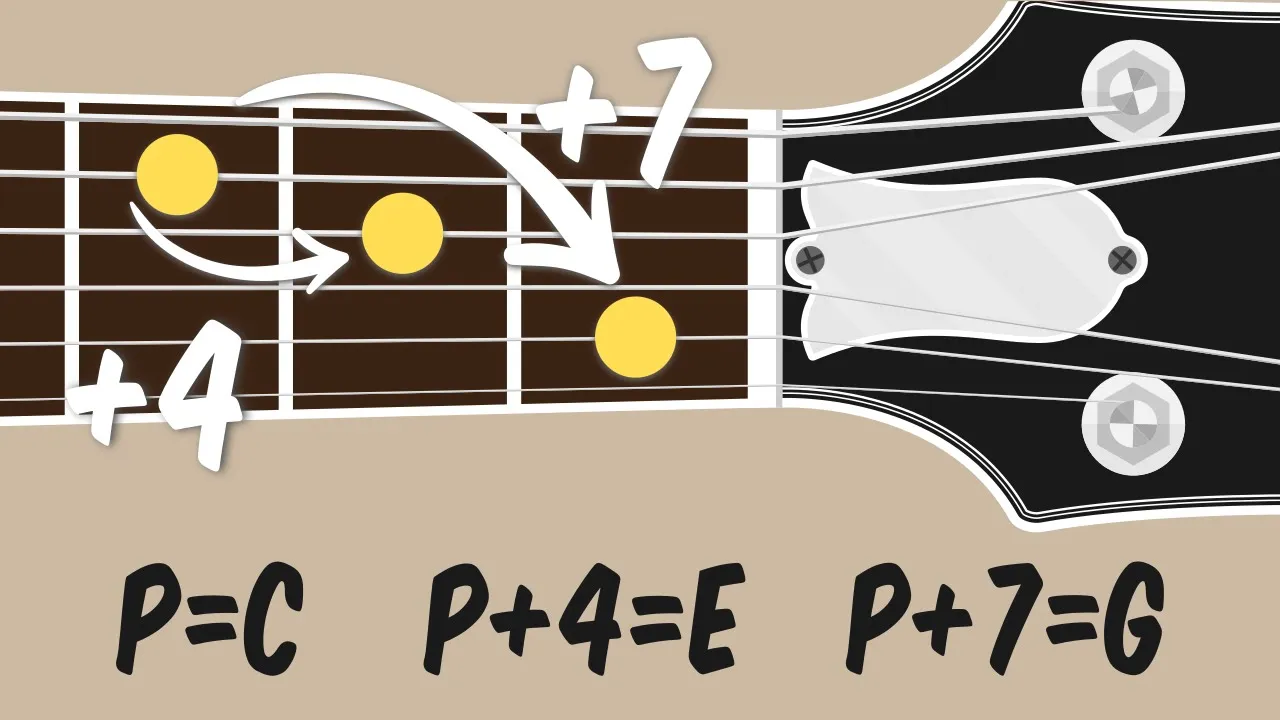
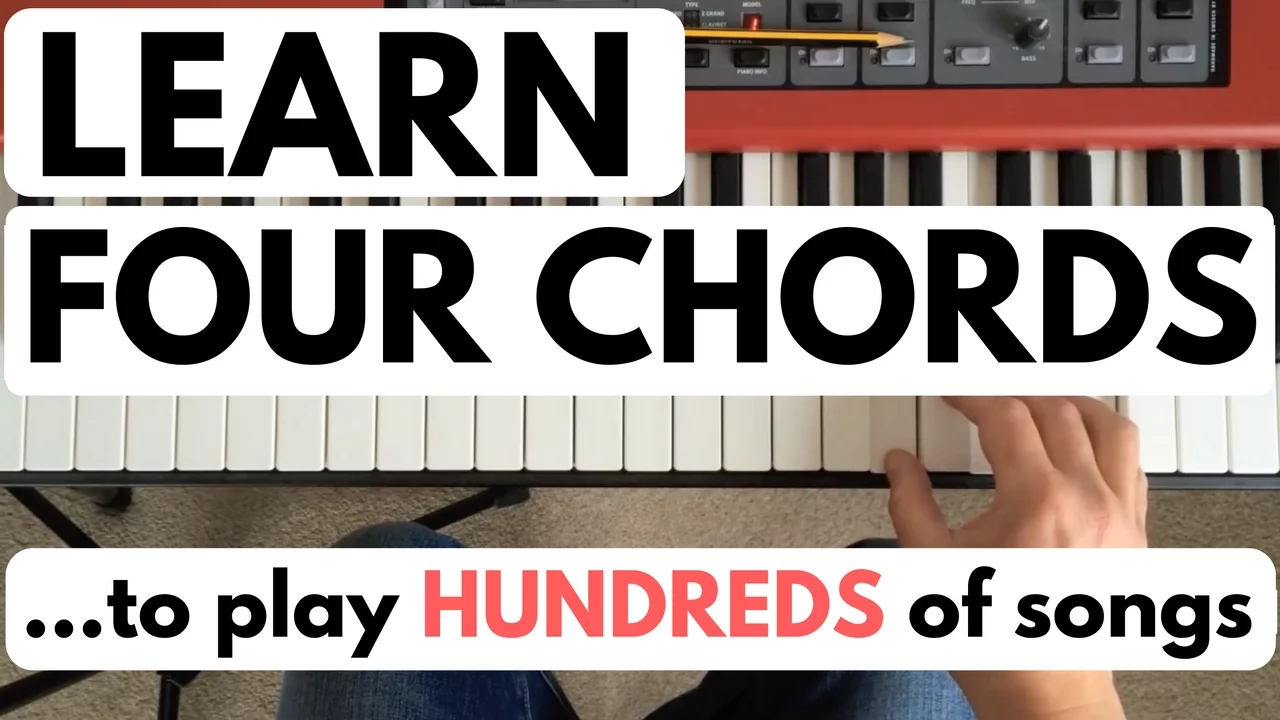
[Music] All right, let's get started by separating the hands. We'll start with our right hand. And our first chord is a C chord, which we play with a G, C, and an E. We're going to play that C chord two times. After that, our next chord keeps the same bottom two notes, the G and the C. We move our E up to an F.
So we play C two times and we have this new chord for the third time. And the rhythm goes like this. 1 2 3.
Our next chord is a G major triad. G, B, and D. And we do the same thing. We play the G two times. And for the third time, we keep the bottom two notes, the G and the B, and we move the D, up a step to E.
And the rhythm sounds like this. 1 2 3.
[Music] On to the next chord, F G C. This makes sort of an Fsus 2. And this time we're going to play the same chord for all three times. 1 2 3.
Onto the last chord of the song, an F major triad. F A C.
The one thing that's a little different about this chord is that it starts with a grace note. So our grace note is from a G to an A. And it's going to sound like this.
So that's finger two, G. Going to finger three, A. And in slow motion, it should be like this.
Up to speed, it sounds like this.
And then we play that F chord one more time.
And then same thing, we keep the bottom two notes the same, F, A, and we move our top note C up to a D.
So that whole measure sounds like this.
1 2 3.
All right. So that's the right hand.
Let's go over the left hand. The left hand is octaves.
We start on octave C's and we play that two times. And then we play our low note of the octave and then the high note of the octave.
And the rhythm sounds like this.
We're going to do that for the next chord as well. And the octave note is G.
[Music] So that's two octave G's. And then we do the low G and then the high G.
We keep going with Fs.
And then we repeat that same thing again with Fs.
[Music] All right, let's put it together now. So we start hands together with our chord and our first octave at the same time. Then we play the next octave by itself. Then the low note by itself. And then when we move up to the high note in the octave, that's when we play our second C chord.
And then we play our third chord by itself. So that sounds like this.
Moving on to the next chord, we start together and then we play octaves by itself. low note. And then when we play the high note, that's when we play the second G chord.
And then we play the next chord by itself.
3 4.
All right. Our next chord, we start together. Same pattern as before. Together, then left hand octave, low note, and then the high note.
We play with our next chord. And for this one, we keep the same chord and play it by itself.
Now on to our F chord with the grace note. We play that together with the left hand. Left hand by itself, low note, the high note. That's when we play the second F chord. And this chord gets played by itself.
So, I'm going to play that for you. Nice and slow. 3 4.
[Music] All right, let's try it up to tempo. 3 4.
[Music] All right, nice work everyone. That's the intro and the verse for Drops of Jupiter by Train. Keep coming back. We got a few more videos for this tune, including the chorus coming up next. I'm Jeff and this is HD Piano. Thanks for tuning in everybody.
[Applause] [Music] [Applause] [Music]
Up Next
3:41
Mass Incarceration in America: A 40-Year Policy Failure
@vlogbrothers
2.4M views•2014-04-05

26:22
Walking in the City: Urban Rituals and the Flâneur in Contemporary India
@PSBTIndia
1.9K views•2016-08-02

9:49
FastAPI vs Flask vs Django: Choosing the Right Python Web Framework
@TechWithTim
302.5K views•2024-05-26

1:42
Game of Thrones Opening Credits: A Cinematic Analysis
@gameofthrones
46.3M views•2011-04-18
Related Study Plans & Knowledge Roadmaps
Structured learning paths in General & Interdisciplinary Studies
general-studies
Artificial Light: History, Tech & Human Impact
01The Pre-Electric Era: Fire, Oil, and Gas Lighting
02The Incandescent Revolution and Grid Electrification
03Gas Discharge and Fluorescent Illumination
+ 3 more learning modules
14h6 modules
Explore Roadmap
general-studies
Elevator Engineering: History, Physics & Cities
01From Hoists to Safety Brakes: The Dawn of Vertical Lift
02Hydraulic vs. Traction: The Engineering Physics of Elevators
03Modern Speed, Safety, and Algorithms
+ 2 more learning modules
12h5 modules
Explore Roadmap
general-studies
Rubber: Material Science, History & Geopolitics
01Origins of Natural Rubber & Mesoamerican History
02The Chemistry of Natural Rubber & Vulcanization
03The Geopolitics of the Rubber Boom & Colonization
+ 2 more learning modules
12h5 modules
Explore Roadmap
general-studies
Containerization: Evolution, Logistics & Trade
01Ancient Trade & Bulk Cargo: Amphorae to Barrels
02The Industrial Revolution & Cardboard Packaging
03The Containerization Revolution: Malcom McLean
+ 2 more learning modules
12h5 modules
Explore Roadmap