
















mRNA caps are protective structures at the 5' end of mRNA molecules that prevent degradation and enable protein translation; CleanCap technology provides a superior co-transcriptional capping method that produces Cap 1 mRNA structure with higher yields and efficiency compared to ARCA or enzymatic capping methods, which require separate manufacturing steps and result in lower yields, making it particularly valuable for scaling vaccine and gene therapy production.
mRNA Capping Methods and CleanCap® Technology Benefits
Added:Understanding of the Central Dogma of Molecular Biology, specifically how messenger RNA (mRNA) is transcribed from DNA and translated into proteins.
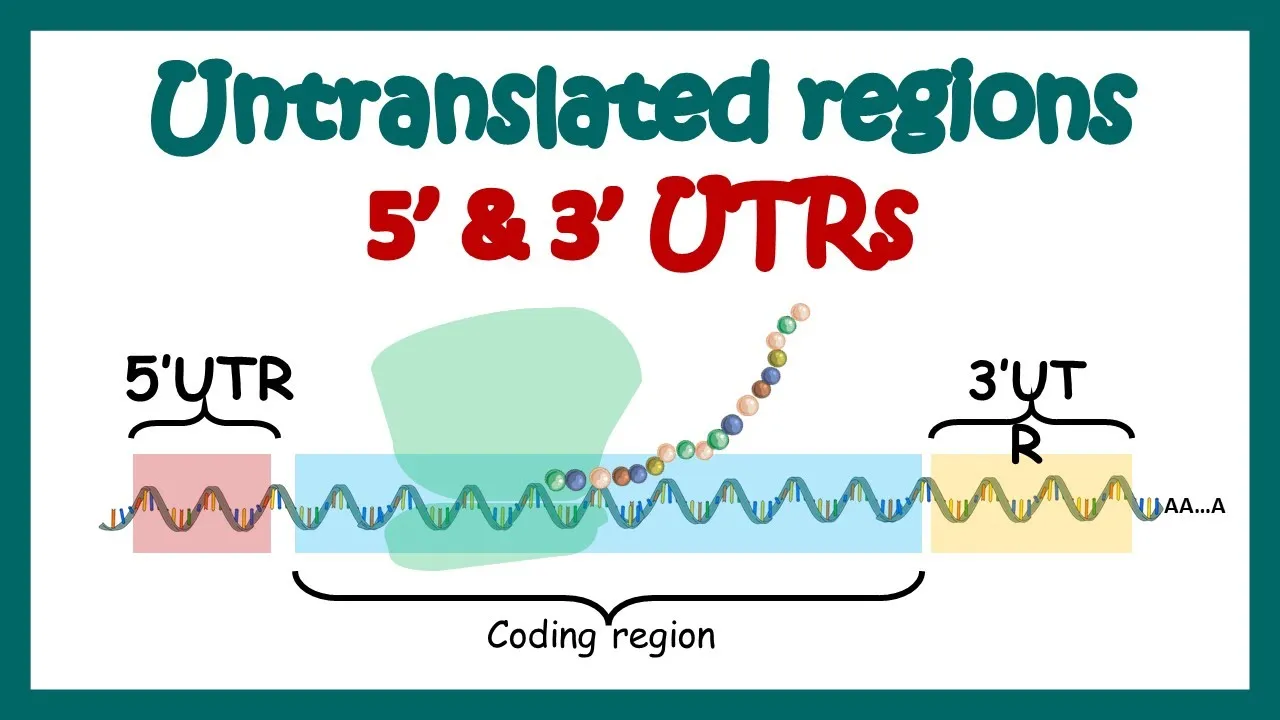
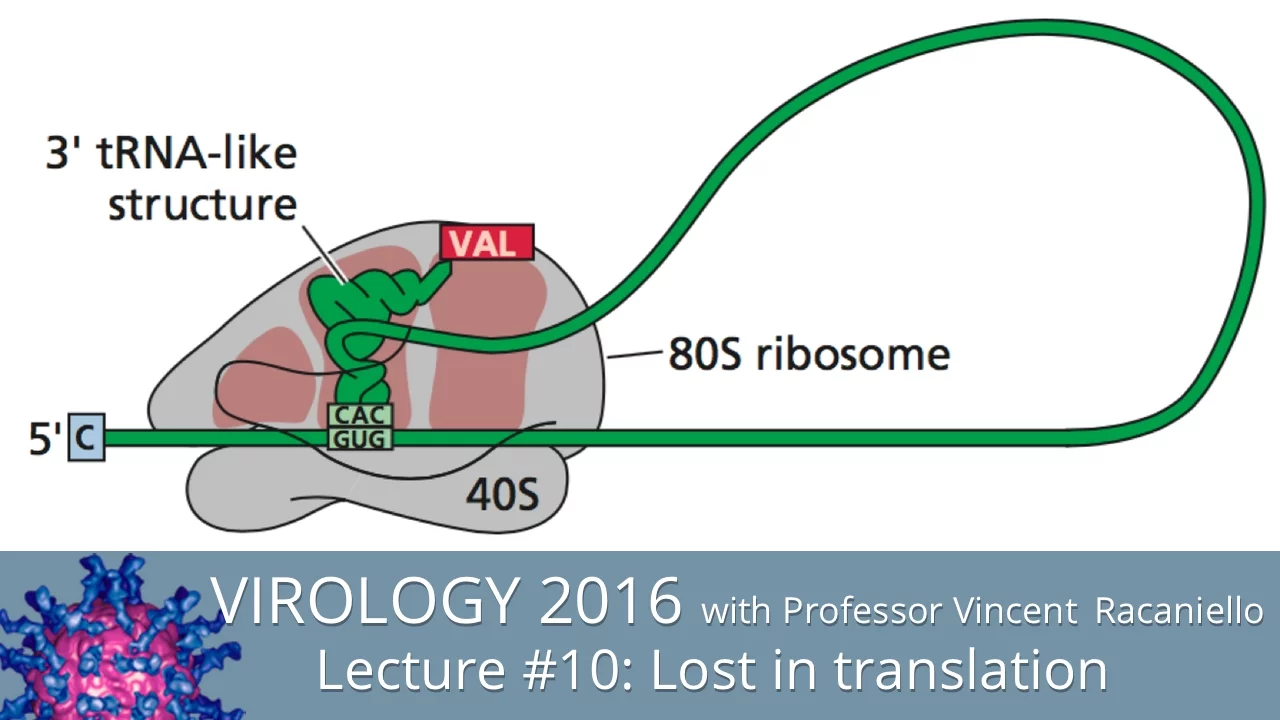
Familiarity with the structural anatomy of eukaryotic mRNA, including the roles of the 5' cap, 3' poly(A) tail, and untranslated regions (UTRs) in mRNA stability and translation.
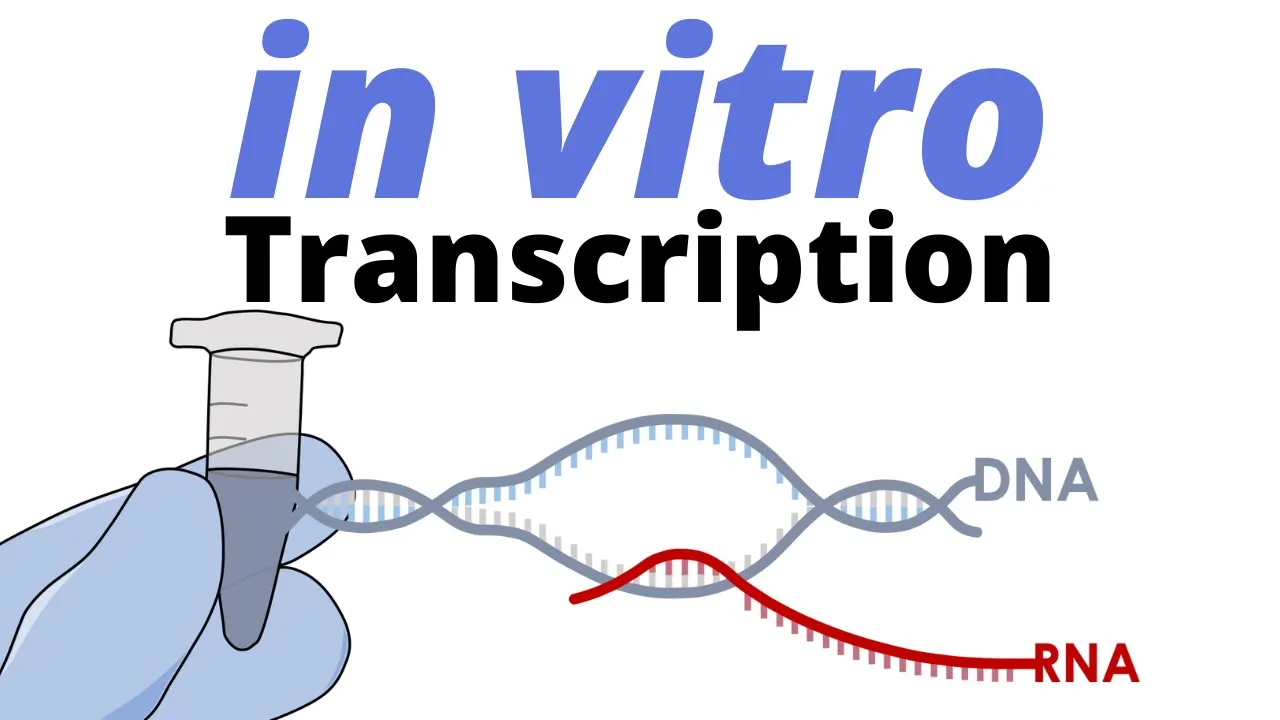
Basic knowledge of the In Vitro Transcription (IVT) process, including the roles of T7 RNA polymerase, DNA templates, and nucleoside triphosphates (NTPs).
Awareness of how the innate immune system recognizes foreign RNA, particularly through pattern recognition receptors like Toll-like receptors (TLRs).
Advanced purification methods for synthetic mRNA, such as chromatography-based techniques to remove double-stranded RNA (dsRNA) and other immunogenic impurities.
The chemistry and application of Lipid Nanoparticles (LNPs) and other delivery vehicles essential for transporting capped mRNA into target cells.
Analytical methods for characterizing mRNA quality, such as liquid chromatography-mass spectrometry (LC-MS) to measure capping efficiency and integrity.
Regulatory and Good Manufacturing Practice (GMP) scale-up considerations for producing clinical-grade mRNA therapeutics and vaccines.
364 views1likes3:28Original Release: 2023-12-18
(bright music) - mRNA caps are little biochemical structures that are at the very front end of an mRNA.
An mRNA is a very linear molecule.
It has a front and a back, and the front end, we call the cap.
What that cap structure does is it protects the mRNA from degradation and also helps that mRNA get translated into a functional protein.
(bright music) So we recommend a CleanCap analog over ARCA and enzymatic capping because CleanCap is going to allow you to get a Cap 1 mRNA structure at the highest possible yield and capping efficiencies relative to ARCA or enzymatic capping.
ARCA and some other co-transcriptional cap analogs that came before only could get you to the Cap 0 structure and frequently suffered from low yield because you had to starve the reaction of key raw materials that are needed for mRNA manufacturing.
Enzymatic capping is chosen by a lot of users, but has a disadvantage where it requires subsequent manufacturing steps.
First, you have to make the mRNA by in vitro transcription, and then you have to go to a second biomanufacturing process to add that cap as a second bioreactor in a second enzymatic step.
Those extra steps increase the overall labor and time that you spend, you know, at the bench or in a bioprocessing space, rather than being able to do all of that at once in a single co-transcriptional capping reaction.
(gentle music) So the CleanCap technology is available in two formats.
We manufacture the cap analog and have that available for scientists that want to manufacture their own mRNA, whether that be in a research-use environment or ultimately wanting to scale that up into some sort of clinical space.
We have RUO and GMP grades of CleanCap available.
The alternative way to get access to CleanCap is we will manufacture the mRNA for you.
We have a full-service CDMO that goes from research scale up to GMP Phase 1, and we're able to do that manufacturing services for you to make an mRNA with CleanCap.
(bright music) CleanCap has an advantage in vaccine development is that it's a co-transcriptional capping strategy that's gonna get you a Cap 1 structure and the highest possible yield.
The reason that this is advantageous for vaccine development is it's going to allow you to scale your process to meet the demand of making hundreds of thousands, if not millions, of doses of a vaccine to curtail various infectious diseases.
CleanCap was used in the COVID-19 mRNA vaccine response and has ultimately helped those processes scale to make billions of doses of the COVID-19 vaccine that have been administered to date.
We believe that CleanCap can offer this advantage to all vaccines that are currently developed using mRNA technology.
(bright music) The advantage of using CleanCap in cell and gene therapy development is that CleanCap is going to allow you to have a co-transcriptional mRNA manufacturing process that gets you a Cap 1 structure and the highest possible yield.
By removing excess processing steps, you're going to streamline the manufacturing process of your ex vivo cell therapy, getting the appropriate mRNA raw materials to modify those cells, or if you're looking at a gene therapy, allowing you to scale that process to get the appropriate amount of mRNA needed to make an effective dosing of your gene therapy product.
Overall, this is going to reduce the total manufacturing time, if needed, to make your cell therapies or make your gene therapies, making them more accessible to patient populations.
(bright music)
Up Next
7:51
RNA Extraction from Yeast: Bead Mill Protocol | Transcriptomics Lab
@kwanlab4034
4.7K views•2020-10-28
14:12
Quantitative Real-Time PCR (qPCR): Principle, Method & Data Analysis
@animatedbiologywitharpan
129.2K views•2023-09-06
23:33
Microbial Degradation of Plastics: Biodegradation Pathways & Sustainability
@majeedhammad
2.9K views•2021-04-11
16:04
CRISPR and Genetic Engineering: How Gene Editing Works and Why It Matters
@kurzgesagt
30.5M views•2016-08-10
Related Study Plans & Knowledge Roadmaps
Structured learning paths in Biotechnology
biotechnology
AAV Production: Transfection, Prep & qPCR
01Introduction to Gene Therapy and AAV Biology
02Mammalian Cell Culture: Suspension HEK293 Cells
03Upstream Bioprocessing: Triple-Transfection Optimization
+ 2 more learning modules
18h5 modules
Explore Roadmap
biotechnology
Building Gut-on-a-Chip: PDMS, Cells & TEER
01Foundations of Microfluidics and Gut Anatomy
02Cleanroom Fabrication & PDMS Soft Lithography
03Epithelial Cell Culture and On-Chip Seeding
+ 2 more learning modules
26h5 modules
Explore Roadmap
biotechnology
Optimizing CFPS: E. coli Extract & Yield
01Fundamentals of Molecular Biology and Translation
02Introduction to Cell-Free Protein Synthesis (CFPS)
03Preparing E. coli Crude Lysate (The Extract)
+ 2 more learning modules
19h5 modules
Explore Roadmap
biotechnology
Haematococcus PBR: Design, Stress & Astaxanthin
01Biology and Life Cycle of Haematococcus pluvialis
02Bench-Scale Photobioreactor (PBR) Design and Engineering
03Culture Media Formulation and Inoculation
+ 2 more learning modules
15h5 modules
Explore Roadmap