

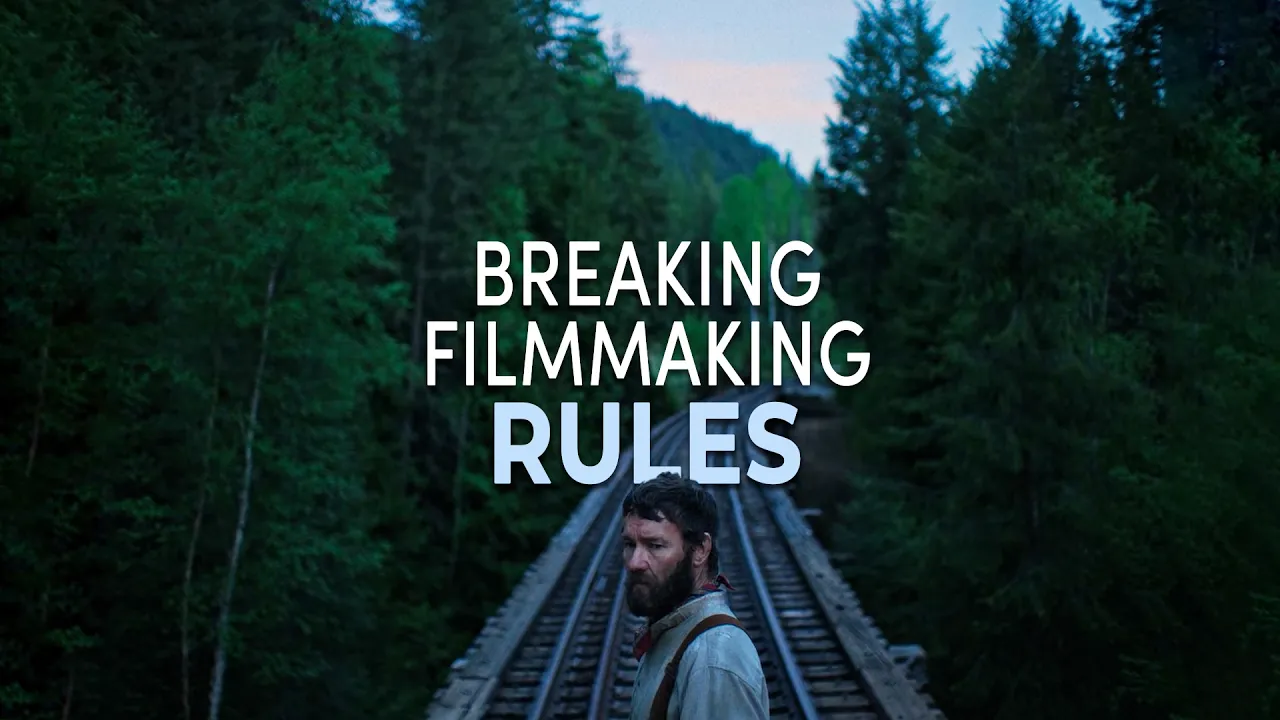








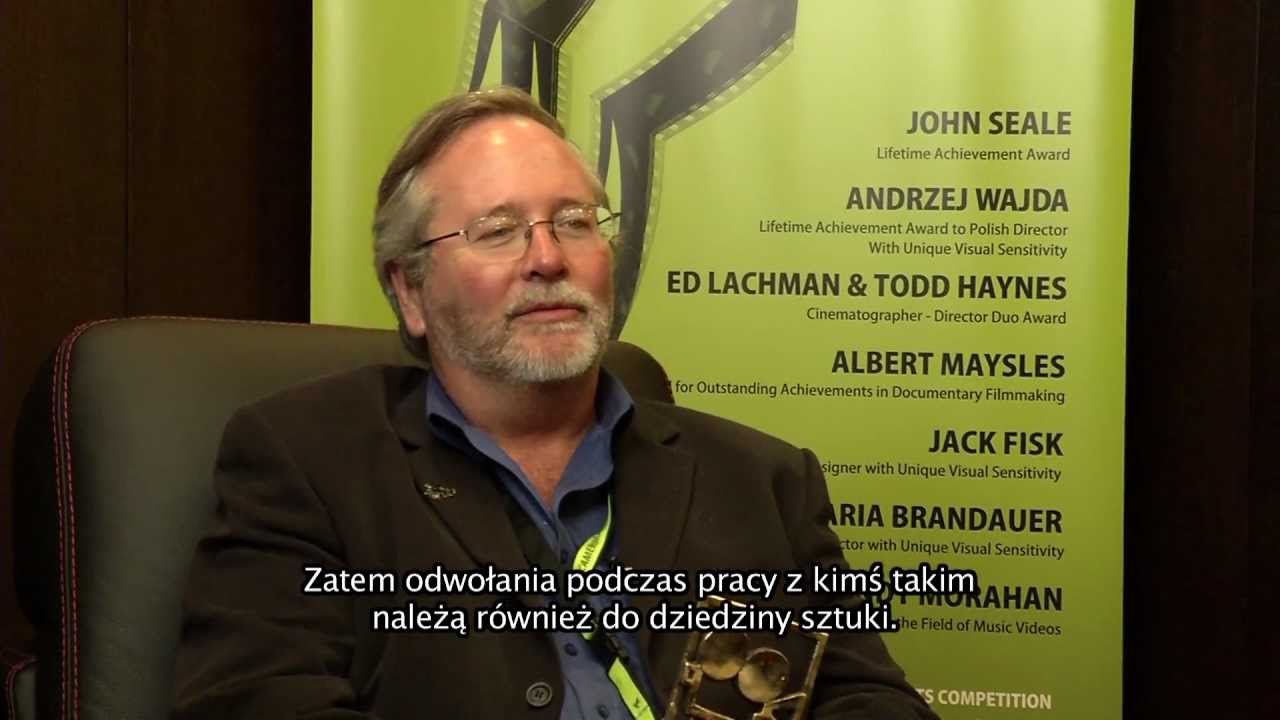


Effective cinematography requires balancing technical precision with artistic vision, where filmmakers must collaborate closely with directors to translate complex narratives into visual language; this involves meticulous location scouting, understanding natural light patterns, and using appropriate camera techniques (such as handheld for raw realism or steadycam for commercial aesthetics) to serve the story's emotional truth, while trusting digital intermediates to refine the final look.
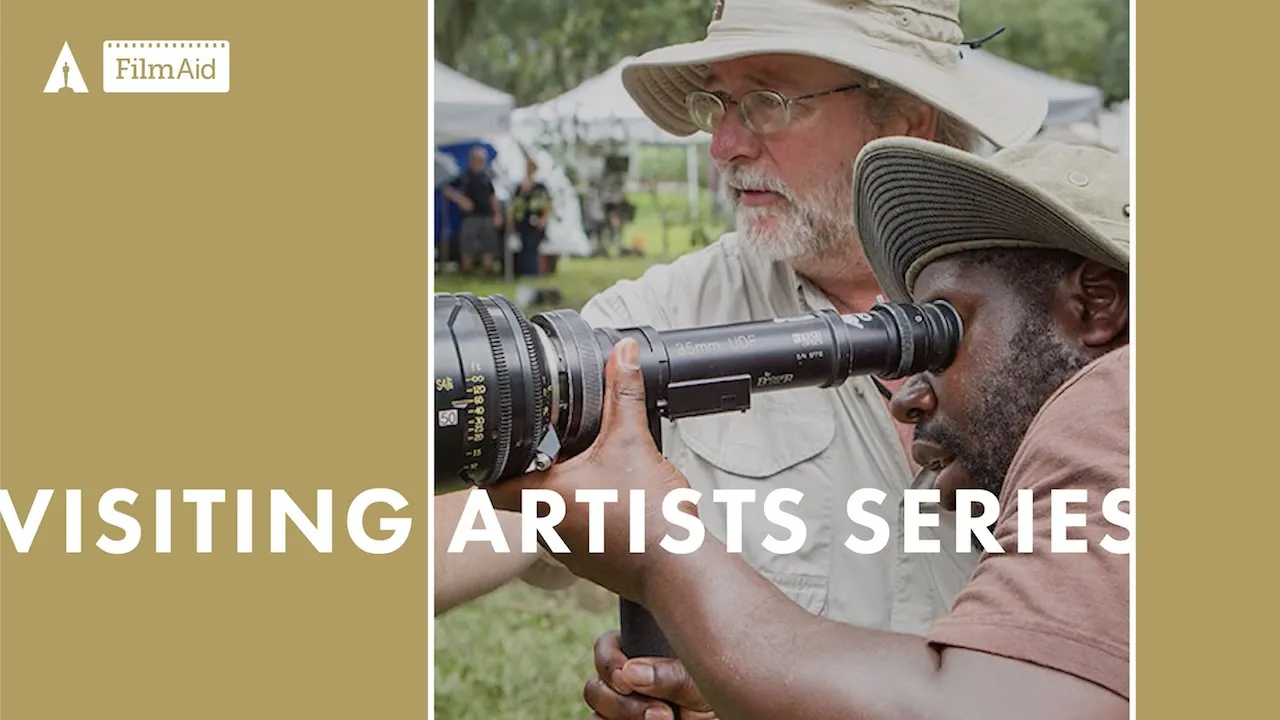
Sean Bobbitt BSC | Cinematography Masterclass Part 2: 12 Years a Slave
Added:Understanding the fundamental differences between shooting on celluloid film stock (e.g., 35mm exposure, grain, and latitude) versus digital sensors.
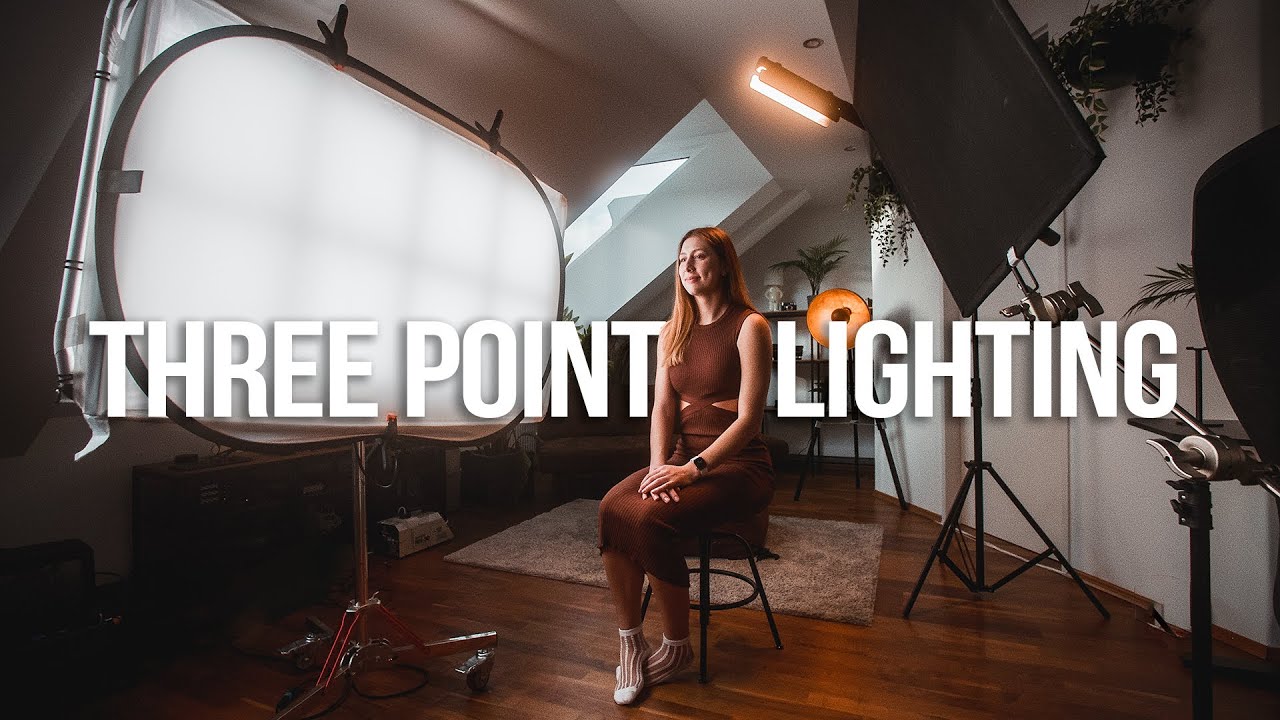
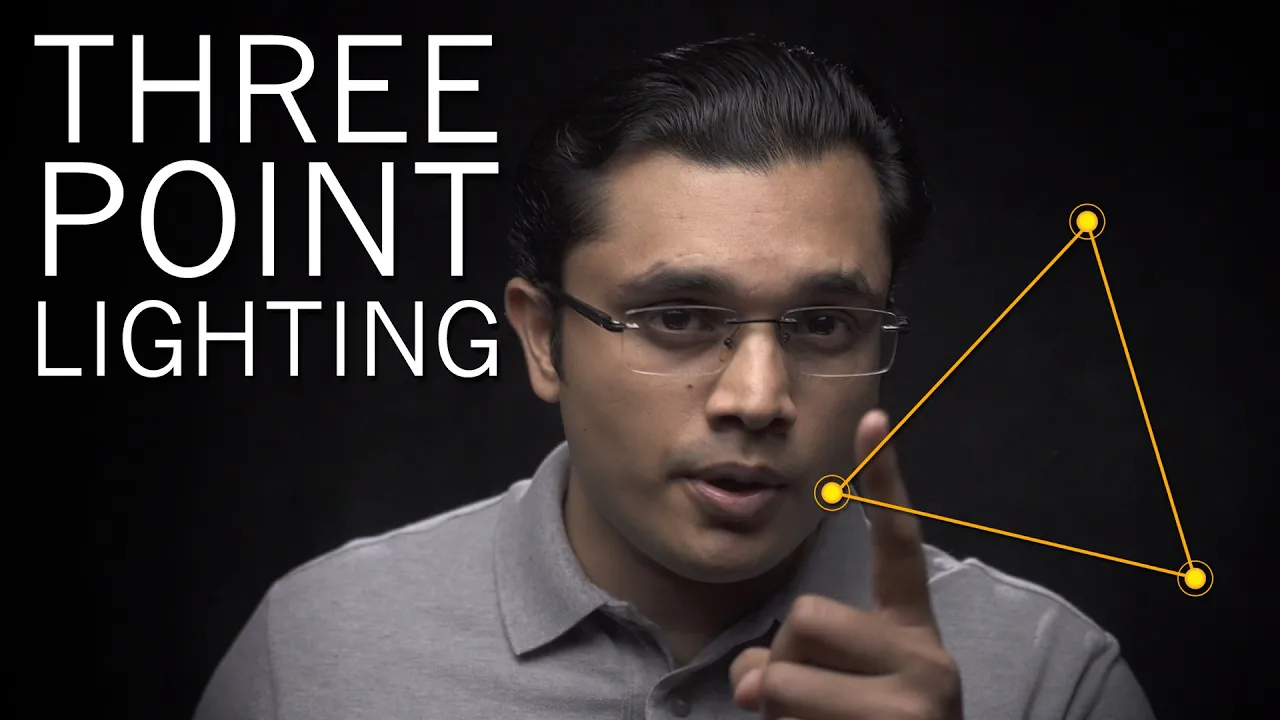
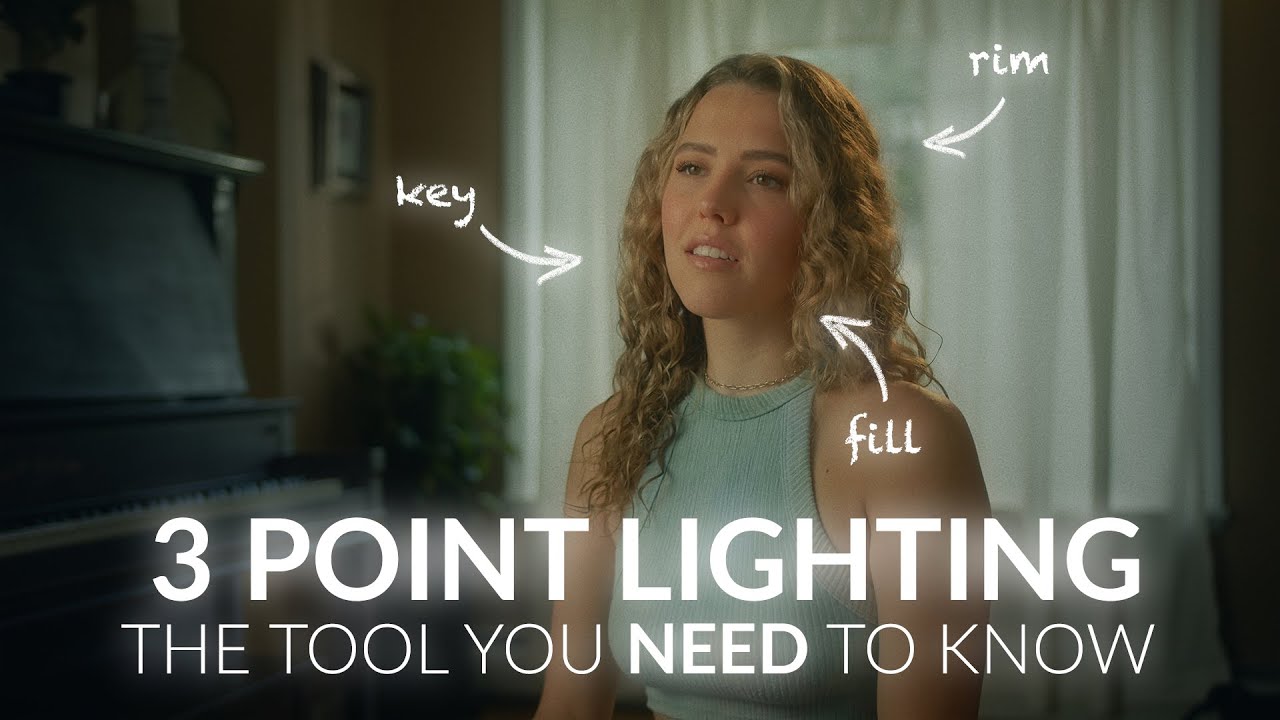
Basic cinematography principles of three-point lighting and the use of natural or motivated light sources in dramatic filmmaking.
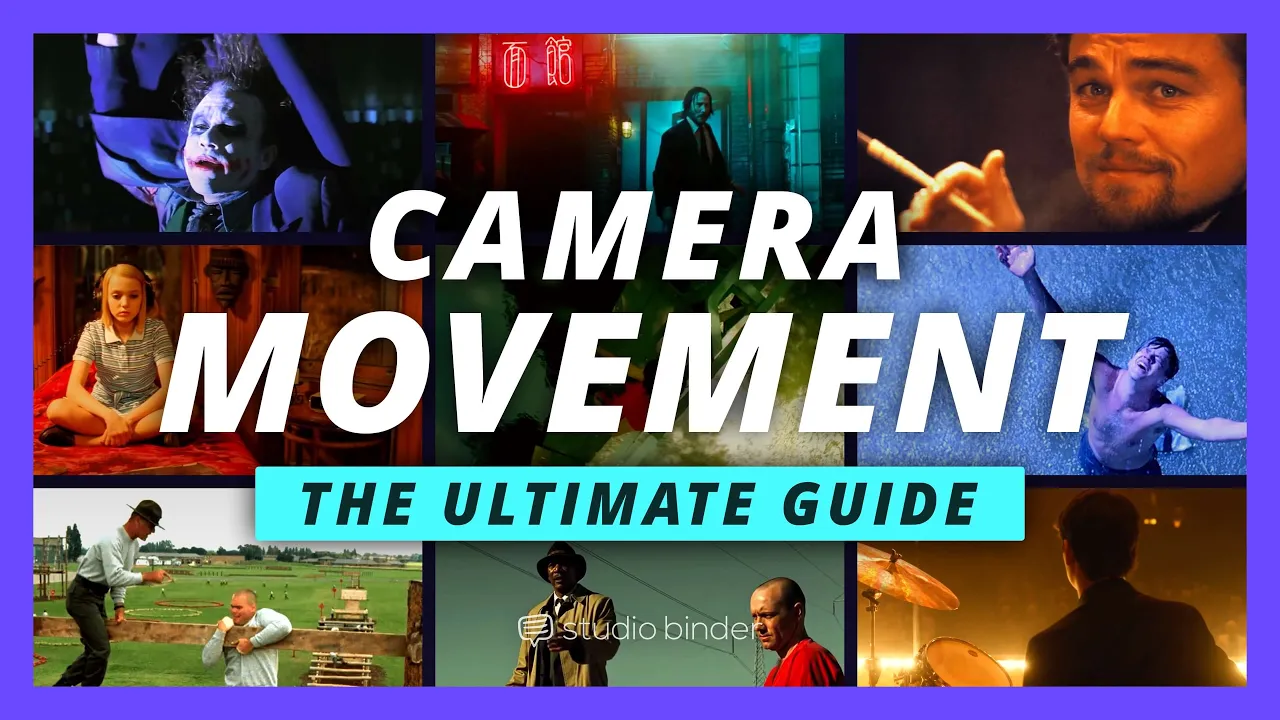
Familiarity with standard camera movement terminology (e.g., tracking shots, pans, tilts, and static frames) and their psychological impact on the audience.
An introductory understanding of visual storytelling, mise-en-scène, and how camera angles are used to establish power dynamics between characters.
Analyzing the technique of the 'unbroken long take' (as seen in Sean Bobbitt's work) and how to choreograph complex, emotional scenes without cutting.
Exploring advanced color grading and photochemical processing techniques used to maintain realistic skin tones and rich contrast in period dramas.
Studying the creative collaboration between a Cinematographer (DP) and a Director (specifically the shorthand between Sean Bobbitt and Steve McQueen) regarding thematic visual design.
Developing a comprehensive visual treatment or lookbook for a script, incorporating Bobbitt's philosophy of camera restraint and naturalistic lighting.
4.6K views138likes1:00:36Original Release: 2020-10-11
12 years a slave steve had come across the the book itself which was written by solomon northrup which was for a while incredibly popular in fact in america during the 50s it was required reading for for most junior high school students and then it it completely disappeared and was no longer in publication in fact and and steve it was actually again steve's wife who is a very bright lady um who who read the book initially and gave it to steve and said you need to make a film uh about this and steve read it and um and quite rightly was completely obsessed by it and i can remember almost probably two years before we shot the film he had said to me um 12 years a slave you have to read this book and um and it always happens with steve he has an idea and he'll talk about it for a very brief period of time it'll disappear for about two years and then and then reappear fully formed so the the idea of 12 years had been around for a while he thought about it an awful lot after the success of shame very quickly a lot of people came to steve and said look what do you want to do next and suddenly whereas up to then it had been quite a trial to raise money particularly for shame suddenly people were saying what do you want to do and he immediately said to them 12 years a slave and started uh co-writing the the the screenplay and it then went into production very quickly after that and i think it's it's one of those films where the the timing was was everything you know there's so many things came together whilst we were making the film and once the the film was delivered in terms of of the question of race and slavery in america and you know i'm from texas i'm from the south although texas wasn't ostensibly the same a slave state my father's parents were from louisiana which very much was a slave state and i know nothing i did know nothing about slavery much to my shame and so when i started researching around the subject as i always tried to do for every film it was it was it was a horrific revelation and um for me makes the film all that much more important that here you know just the realization that america was a slave state for 400 years it was always 300 something so it was a slave state longer than it has been a free nation and just the thought of that you know and the figures and the scale and the horror of of what was done as you start to to look into it i it is shame on all of us for for for not talking about it constantly and not ensuring uh that it that it's that it happens anywhere in the world and the biggest horror is you know as as we were we were making the film it was becoming clear that slavery was on the increase in the world again and how can we let that happen i mean that's uh to me that's the the most shocking and terrifying thing so anyway the the film um has at the time was very important has grown importance to all of us who worked on it and made it when i first read the script to me this is the most pivotal scene in the film because of where it's placed and what it says and there are two very important things to take away from it the first is that his life is saved not through an act of humanity it is saved because of a financial necessity if he were to die his owner would lose the money so that's the only reason they don't kill him is because he is worth close to 300 which at that time was a huge sum of money because he was a very fit and intelligent slave so that's the first thing the second thing is that because the the the whole culture was so imbued in violence and um oppression that the other slaves this was nothing new this happened it was it was a fact of life they knew that if they didn't get on with their work that they might be the next person hanging so and you see that for me the the most important shot is the children playing in the background because that is how they grow up that is what their childhood is is facing this inhumanity and that is what their life will be so it it is shocking and it's meant to be shocking and it's long uh because it's it was long in the book itself he hangs for almost a whole day before he's saved and it's impossible to convey to anyone just how horrific that is to be so close to death for such a long period of time and you know talking with steve it was absolutely crucial that the audience is put into the most extreme discomfort as a way of of trying to to to to understand what it is he is going through um and how long it lasted and really the impossibility of of surviving so you know it was a we spent an awful lot of time on this sequence specifically finding the right location because that relationship between the tree the slave huts and the main house is absolutely crucial and we went to a lot of plantations everything was filmed in louisiana and there are still an awful lot of existing plantations there the plantation houses and we sort of a 50 mile circle around new orleans we went to just about every existing plantation house to find that tree um and then the designer and again this is you know this this this relationship and collaboration uh once steve and i had had agreed that this was the the right place then the designer had to come in and put in the slave shacks in exactly the right place to work within the composition as well so you know a lot of thought went into that that was an empty field that was then turned into in into what it was so but you know there are some scenes that just leap out of the page and say this is important we need to focus our time and our resources on this and that was the scene as part of the the process not just with steve but with other directors as well you know i tried to get on and and talk about the approach the overall approach to the film and and come up with guidelines that that lead you um when it's time to make a decision and one of the guidelines that came along quite early in this and was directly and um to do with our our locations and our travel around louisiana was that louisiana is a beautiful state and it would actually have been even more beautiful in the time of solomon northrup and that it was important for us to embrace that beauty to use it as a counterpoint to the horrors that humanity is subjecting upon itself so it's something that we were consciously aware of and made great efforts to include the other guidelines we had was um simplicity and and that every shot should be painterly now what does painterly mean i i don't quite know myself but i tried so i tried to make everything as painfully as i could and i you know it it says a lot about the collaboration between steve and myself and the years that we've worked together that he trusts me to um to set the frame you know we we talk about it we do this that and the other on the day i'll get out the the viewfinder i'll find a frame i'll offer it to steve quite often he doesn't even look but sometimes he'll look and he always and he'll say yes or no and if he says no i'm absolutely happy with that because what i'm trying to do my role as a cinematographer is to is to put up on the screen what's in his head now i don't know how to do that most the time and you know i do the best i can but ultimately it's his decision but more and more as we've worked more and more together i kind of understand what excites him visually and he understands what excites me visually and so he lets me get on with it and you know until i step out of line he's very happy and there were occasions on on 12 years a slave the simplicity was absolutely crucial and i would come up with these amazing shots incredibly complicated tour de force type wow something else and he'd just look at me and i go oh okay and do a pan um but he was right the film doesn't need anything apart from truth and trying to to find a reality that the audience can engage with and once they're engaged um can can you know be affected emotionally so i think a lot of time and i i think all cinematographers we all want to do something clever but quite often clever isn't right we always look we're constantly looking at films together um but i think the thing that really inspired us on this case was the research done by the art department where they came up with black and white stills of louisiana that were just 12 years after this period and they were astounding because they so informed us of what was kind of there and what was real and so we spent a lot of time sort of pouring over those and taking inspiration from that and then the there was also steve gave me a book by a modern american contemporary um artist called carol walker and um and it's really heavy stuff and it a lot of it has to do with slavery and a lot of it is really angry and quite rightly so but a lot of it's silhouettes black silhouettes and and that again there's a simplicity within a silhouette and there was a simplicity in the stills photographs that really reinforced the original idea of simplicity so i think you know i think in a way you you look out the references that reinforce your initial idea anyway um but but i i think it worked we did this as a direct result of what we learned in [ __ ] and hunger you know having witnessed the emotional effect of of that continuous shot of the beating when we talked about this from day one this was this was a single shot again to see if we could um really convey the the true horror and and you know it's it's some people have have accused us of almost being pornographic and exploiting the the violence and elements of this film and i think they completely missed the point uh the the this is what happens when someone is whipped um there's you can't romanticize it there's nothing romantic about it it's horrific it should be horrific and we wanted everyone to to to see it and to experience it and to and to be repulsed by it and you know sadly i think we've succeeded i think again it's all about the edit once you start editing things then they become a movie and and we simply can sit back and and say well it's only a movie it's not real but the longer you leave they add it out particularly in something like this and the further you're drawn into it there is no escape you know if you have any empathy at all in your soul then you will be moved by this and horrified by it and you know as a filmmaker steve's not saying it's okay it's okay it's only a movie he's not saying that at all he's saying look at this this you know this is horror this is real um and as such i i think any other way of doing it would have been a dreadful cop-out given what what we believe as filmmakers of the power of the of the continuous shot i mean again something like this takes an awful lot of thought and we rehearse for for half a day and you know it again initially steve was with the actors they worked out their initial movement and then i was brought in and we we sort of refined that and then the um everyone else was brought in to to watch the initial idea the extras were then placed around and we started just walking through it with a with a viewfinder and again determining the beats and the timing and the position of the camera in relation to the whipping because i don't want to get hit by the whip um and it's a real whip so you know it was very everything was very carefully choreographed the the whip never comes closer than three feet from the from the back of of patsy of lupita and it's all about the force perspective and you know as we were choreographing it we were trying to figure out could we somehow get someone in to to to do the the marks on the back and it became obvious that we couldn't and it wasn't worth it and that it was it was going to have to be cg but we had to show the back at some point otherwise there was no point to the whole scene and so there was a lot of discussion at which point do we go to the back and how long do we hold it for um and i i think it in terms of everything else it works you know for the maximum effect by holding it later and later before we actually see i think people kind of forget because we see her so much of her face and her reaction that again the audience is is almost lured into oh well we'll be saved that and then the camera just goes bump and holds and moves in and it's that point is sort of the height of of the of the horror as it were and it's interesting because i you know of course this film has has got a lot of press and i've been asked a lot about it and and people who have asked me how how do you do such a horrific scene um and and not you know be emotionally repulsed or you know or upset by it uh and the the answer is simple actually this is in in a way this is the first time i've ever watched the scene um because when you're when you're so close to a movie you know i grade it and i watch it two 000 times but you're not looking at it um i'm looking at all the imperfections i'm not actually looking at performance or anything else so this is the first time i've really taken in the absolute horror of it um know and i can understand why people ask the question but the reality is when you're actually shooting it i've read the script i know what's going to happen and i know it's a movie so for me it's a simple technical exercise and there is no emotional content at all the actors are doing their best um everyone is focused and involved um but it only means something when it's within the context of the film itself so you know it's like sex scenes the they're not that difficult to do you just focus on the technical and get on with it because you've got a schedule and you know that you've got to be done by lunch so there are other actual imperatives that on the day sort of preclude becoming too emotionally involved yeah you know an awful lot of thought and um and effort went into to making that scene work and and one of those things was the the the specific location of the whipping pillar and we spent a lot of time i spent a lot of time with the designer sitting there in in that yard area working out exactly where the pillar should be in relation to all of the other elements but also in relation to where the sun was going to be on that day we were blessed and one of the reasons we chose the location was it had these immense oak trees all around that created shade and you know i always felt comfortable that i could shoot there in the midday light because the the trees would break up that light so it wouldn't be so harsh and you get an awful lot of bounce light coming up off the ground in the areas where the light is hitting so what would potentially have been a hugely high contrast daylight scene was actually softened by the the physical geography and the structures of the trees and the color of the dirt um so the once i found the position that worked best in terms of the light and everything else everything and we put the whipping post in because i had to come in you know months before we shot that scene because this was one of our main locations so it had to be right we couldn't go shifting it around from place to place because it's established although very subtly early very early on within the film so it's its placement was was crucial and it was very well considered and so was the the timing and the day in which we shot it i had to i worked very closely trying to work very closely with the first assistant director in the scheduling so that a daylight scene like that is scheduled in a way that is fortuitous for the scene itself so we're getting the best possible light now on a long continuous daytime exterior take you need the continuity of light now louisiana in the summer the sun goes to here and it stays there and then it goes to there and i knew and you know i use sun charts and um you know i've got all the apps on my iphone and this is it's absolutely crucial to wherever you are when you the first thing you do when you come onto a location is figure out where the sun is going to be and there's no excuse not to know that you know the sun does the same thing every day you have these little apps now i use on helios helios absolutely fantastic and i've got sun trekker and all these other sun path and and various other um apps uh to ensure that i i know and i have the schedule in front of me usually and i know that um in you know maybe it could be six weeks time we're going to be shooting this film on this day and i'll stand there and i'll track the sun and figure out where it's going to go and figure out okay well for us it's going to be best for us to shoot this scene after 12 o'clock in the day in the afternoon or before 12 o'clock and put that in early as early as i can to the first ad so that he can get it onto the schedule and at least we might stand a chance then to actually shoot at that time sadly there are a lot of other things that sort of trump your desire for for what time of day you want to film but at least if you make the effort early enough on you has you stand an opportunity to be filming the right scene at the right time for this scene i knew that it was going to take us half a day to rehearse it and that we were going to go want to go to lunch immediately afterwards so there was a very specific time scale so we started quite early in the day so that by the time it got to 11 o'clock the sun was where it was going to stay it would stay at that position roughly from 11 to almost 3 30 well actually 10 30 to 3 30.
so i knew that there would be no discontinuity of lighting um two days before you know the great thing about america is as a continent the weather comes from a vast distance so you can tell whether it's coming or not so the two days before the weather forecast was that it was going to be clear skies and so you know i said to the first lady great we'll go ahead because if it had been broken clouds then it could have been disastrous because you can in a place like that you can be at um you know the light can be at t34 and a cloud can come in and it can drop to t56 and you can't contend with that especially if you're under the shadow of the trees i mean it just drops off so dramatically so i knew we were going to have clear skies the sun was going to be up there and it was going to be doing the same thing it had been doing every day since time began um so i was fairly confident that given the position the potential position of the actors that it would all work well but then of course in the di there were a couple of bits where we had to go through and play around with the contrast particularly on the face of patsy at the the early part of it there where she's looking up i was quite keen for that high hard light to come in because i wanted her face to look skeletal there and to look ugly because of of you know of what it is that's happening to her you know it's not about her looking beautiful that she's she's being brutalized she should look brutalized and in reality her eyes were just way too dark but because the camera was moving 360 degrees i couldn't get a bit of polly in to lift it but i knew that in the di i would be able to come in there and pull the eyes out just enough to um for it to to not look um well for us not to see the eyes i mean it was absolutely crucial that we see her eyes so yes it's a combination of a lot of decisions and also knowing what i can do in the di having tested the stock itself you know and and sometimes you just have to be brave and accept that the actually what's going on is an awful lot more important than the lighting and and to go with it and also you know full in the knowledge that i had an awful lot i mean the the the 50 day light kodak vision 3 stock is astounding there is so much in there and i i just knew that even if if i did fall into really deep shadow and really high highlights i could lift and i can pull down and i could i could massage it but a shot of that length and that intensity you do not want the possibility of compromise of catching a grip running out of shot with a small piece of poly you know you just it's just not worth it there were several things one of the things that we also spoke about was that it we wanted it to feel like a traditional epic and tradition was the word and so we very much wanted it shot on film so that it would echo back to other films particularly um what is it the one um god historically i do frankly my dear i don't give a damn what was that um going with the wind um which which we we wanted people to almost be lulled occasionally into a feeling oh this is the great south and you know and also just to show up what a load of bollocks that film was in terms of its representation of slavery so it was always film from from the absolute beginning and also working with darker flesh tones uh you know a lot of people have asked me well how do you deal with darker flesh tones because traditionally it's been seen as problematic and how i deal with them is i deal with them truthfully if someone's flesh is darker then they they look darker on screen um you know again we're blessed by the quality of the stocks we have now the latitude within the kodak stocks the vision threes is astounding whereas 15 years ago if you had someone with a really dark face standing next to someone with a really light face you did have a problem because you couldn't go into the di well i'd say a little bit longer than 15 years ago um but when you were just making a straight print it wasn't possible to just go in and and lift their face so you did have to light darker faces and really um they did all this dreadful stuff with makeup as well as a way of lightening faces but you don't need to do that now and one of the the other trick and we'll talk about this more tomorrow is using a polarizing filter so i'll just i'll just drop that and let you think about it and we'll see what we do with it tomorrow steadicam makes a very specific statement as does handheld now we wanted this to to not be beautiful there is an a jaggedness to everything that happened there and that lends itself to handheld whereas the that sort of swooping beauty of a steady cam can actually be a distraction in some ways um and so we we talked about it but but we felt that actually the handheld would be more effective and i think to go back to to to the earlier question about the emotional um intent of of handheld versus steadicam so this is out in the open air but sometimes i feel also that if you're in the interior sometimes i feel like this steady cam it's very it takes um a lot of space space yeah it feels like a little bit cramped and you can't get that close to that axis without you know pushing is that your yeah i think there are restrictions to it i mean it is a fantastic tool but it has its it has its strengths and limitations and and one of them well in fact there's a scene in in here where we use it indoors but we use it for a very specific reason it's when um solomon is being sold and it's a great scene with paul giamatti and benedict cumberbatch and and paul giamatti is walking walking through it's a it's like a car showroom and that's the way we approached it that it was a car showroom so we wanted something that was kind of glossy and that's why we chose the steadicam because it was almost like a commercial as he's going through selling his slaves and so the steadicam choice was was specifically for that reason that it should look again it's a long continuous shot in quite a tight area but the effect of the steady is subconsciously you know very powerful and very i think very effective for for that sequence so i mean i think that's really actually good illustration about why you would choose one over the other and the decision is aesthetic as opposed to technical the place beyond the pines i'm very pleased that we're looking at this because i you know i i i've made a lot of other films apart from the themes the films with steve mcqueen uh and worked with a lot of other directors and derek sean france who directed this is he's a genius he's just he's just such a passionate intelligent filmmaker and and the film he made is i think is really uh unique in many ways and again he has he has he we he had rules that he wanted to make it by and he has a passion um for a very specific type of cinema and i think is very similar to steve in that he's always looking for a truth sort of full in the knowledge of the impossibility of creating a truth in cinema but at the same time driven to try and find something that is close to real and he is a remarkable leader as well i mean this was again it's not a very big budget film we shot it in a very short period of time it's almost all exclusively handheld and he wished it to be handheld um specifically for the reason of of of giving the the actors the absolute freedom of the set and that the camera is always responding to the actors is never leading the actors um and you know sometimes there were a couple of scenes whereas in wonderland the same sort of thing that that derek would rehearse with the actors and he wouldn't show me what's going on and we'd just walk in and of course i knew the script i knew what was supposed to happen but i didn't know what the actors were going to do so i simply responded and the poor focus puller he gave up focus pulling after this film um but actually he's moved on he's very he's getting is a very successful director of photography but i think he's very glad he's not a focus builder anymore um but anyway this um this film is is is you you feel the passion of the director and the drive of the director and it was it was physically demanding i i still to this day suffer um from um a type of tendinitis in my knees because of this film because it was it was handheld 35 mil two perf and they would literally they would they would change the mags whilst the camera was still on my shoulder it was just like bang go bang go bang go and it was really at first we all thought that that he was mad and he was a lunatic but then even the actors began to to to realize that what he was giving them was freedom the freedom to find a performance and on on every scene we would start off and um and the first take would be based on the script and and everything and then the the second take he'd say okay let's change it up a bit and do something else and the third take they'd change it up again then the fourth take he would say okay free for all whatever you want to do and everyone would go crazy um and then on the final take he'd say okay let's go back to this let's go back to the script and what was so interesting is you would see the actors journey through the scene that by the time they came back to the final take they understood what they were doing and they had the nuance and understanding um beyond the scene it was it was quite fascinating so that um so that you you you actually ended up with something rather special more often than not no i think you know from from the moment i read the script and i try not to pre-visualize a film um beef before because the process says i get sent to script i read the script and if i like it i would go and meet the director and um you know i try to identify the important elements of this of the script and the stories and everything else but i don't want to to start pre-visualizing it because i i firmly believe my role is to is to visualize the ideas of the director so i don't want to start having ideas that are going to be in conflict with the director um but this one the few um scripts when i read it as soon as i read that it was like that's one shot that opening sequence is one shot and it must culminate in the camera inside the cage of death um because we've never seen that before and so that's what we did we rehearsed again for half a day um i started off in the cage with just myself and one motorcycle we had the best stunt riders in the world um the chap who did a lot of the batman motorcycle stuff and it's his cage he's been doing it for 30 years him and his son and and another rider um so we had the best there were and he and part of his show is that he brings someone in usually his wife who stands in the cage and and for 30 years no one had ever been hurt so we felt quite confident that we could do it so we started i was standing in the cage i have knee pads elbow pads back brace and helmet on and we start with one motorcycle two motorcycles three motorcycles and then i went in with the camera we did the same thing one motorcycle to those three motorcycles we rehearsed the getting in we rehearsed the getting out fantastic not a problem the first take the we were actually filming in a it's a county fair that that happens every year those are all real people there are no extras there at all and we had very carefully plan the route through the county fair to our tent that had um had all of our extras and then and the the circle of death or wheel of death there's a clue in the name as well that i probably should have looked at more carefully the wheel of death anyway so the first take we come walking out into this public place because we're in a little caravan off to the side and it's ryan gosling walking through and there's pandemonium um because no one knew it was going to happen and in fact but it worked beautifully for us because everyone's staring at him um and he is actually the center of attention for the whole fair so it made perfect sense visually so it wasn't a problem um it's and we did it the first time we got in i got all the way into the cage and the most first motorcycle takes off and hits me and boom okay it doesn't work so we we do it again um i think we're sort of two-thirds of the way through and something else happened we had to stop and then on the third take everything was going beautifully i managed to get into the cage i got into position and i had there was a little gaffer tape square about that big that i had to stand in and first motorcycle goes off second motorcycle goes off third motorcycle goes off stalls directly above me falls on my head and knocks me out and um i was very lucky i was concussed for just a split second so as i was falling i came to and managed to stand up and at the time the motorcycle had slid down and as i stood up i stepped back and the bike slid right past me with the rider so now there's a motorcycle on the ground with the rider on the floor and two other motorcycles still whizzing around at high speed and i'm sort of they're little birds flying around my head as well hey um but the the motorcyclist who fell had the presence of mind to stand on his bike and grab me and hold me and the other bikes came down and we got out and i went and i sat down for a couple of minutes and then um said okay let's go again and they sort of looked at me and it was and they said well what do you mean i said well i'm okay it was it was a minor concussion because i played rugby for years i know concussion you know and you just shrug it off um so i i got up to to go and and they were like um and they came over and the producers had a quick huddle and they came back and said okay uh you're not going into the cage and i was like well i've got to go into the cage i said no you're not going into the cage i said well there's no point doing the shot i'm i've got to go in the cage and said no you're not and they yeah they had the final say so we did it another i think we did at least another three takes um but they wouldn't allow me to go into the cage and then we shot on till about 3 30 in the morning the whole of the opening sequence and everything else and at the end of the evening um i turned to one of the producers and said okay you should probably take me to hospital now and they were like why and i said well actually a motorcycle just fell on my head and i've got a concussion and they did and sure enough i had concussion and luckily it was a weekend so i got to sleep it off and then went back to work monday morning [Applause] the kodak stocks especially the 500 i've discovered that you can push it one stop to a thousand and get beautiful results i mean that was a thousand sa that was uh i shot everything all the nighttime exteriors on this film and on 12 years of slave on old boy on kill the messenger and on what else which is about everything i've ever done um all of the nighttime um film was shot on the kodak 500 i pushed to a thousand and the results are astounding on one of steve's art installation works i pushed it three stops and the results were still astounding i mean it's just an amazing amazingly robust stock so you push it so you can work with available light or well see to to to get more out of the available light you'll see in in something like um the place behind the pines there are lots of tracking scenes at night in cars and on motorcycles where we cover vast distances this was i think the budget ultimately was about 9 million so there was no way we could afford to light the whole of schenectady where we shot it um so you know i would put up lights where i could but then you know trust the stock to to do most the work for me well i think derek actually has a very european sensibility i mean the films that he's obsessed with are those that relate primarily to the french new wave um and um and a lot of early russian film making as well so he's quite unique in that regards and he very much believes in the the single camera or tour director which is something that is disappearing in america i mean now just about every film is multi-camera which i i find just drives me crazy and i don't see the point of it but it it is sort of become the common the common theme but for for for derrick the approach was very very european the look of the film always develops you know through time and discussion and uh shot a lot of tests it was important that it looked filmic because we were shooting our own film there was an awful lot of pressure from from the everyone to shoot it on digitally because of the perceived cost and so we shot her on two perf again but we just what was important again is the locations talking and the theme of the film the it's awfully green and the greens are really important to the film because it's the recurring sort of theme and the film itself is is sort of three generations of characters so it's a long period of time that it's actually spread over and what was really interesting is that derek's choice because usually you would you would differentiate time by different looks but for derek he said you know no no this film is about the fact that nothing changes you have these characters and fathers and sons and the sins of the fathers are you know are are rested upon the shoulders of the sons and so to his mind there was no change so we didn't change so there's a continuity in the visuals uh that that was is very specific and again you know it it was just there was more color there to start with uh and it seemed to make sense as i was shooting the tests and working out the look of the film with derek and with the colorist i work with mainly the same colorist i have done on a place beyond the pines 12 years a slave old boy killed the messenger and and hopefully this next film rocked the casper a chap called tom poole who works out of company three in new york and you know that relationship with the colorist is fantastic uh we've worked together again so long now we kind of know and and we don't have to talk an awful lot about what we're doing because when i when i shoot the test i try to sit down with him and we go through the test and and so he knows from months in advance what it is that we're thinking about in terms of the look of the film so he has an awful lot of time and also he has access to all the rushes to be thinking about what his approach is going to be to the to the color i think we colored this in five days and it's a long film but we could do that because he was involved very early on and because you know we have a really good relationship and it's it took us a long time to find the correct color green for the trees and all of the all of the the surrounding side but it's the dominant color of the film so it is absolutely crucial and there is you know just a heightened amount of chroma to the whole film and and that really was an aesthetic decision we have created a world it's a real world but at the same time we wanted it to be just a little bit beyond the real uh i love the grade absolutely i mean it's where everything comes home to roost and i i shoot for the grade itself so on the day you know if if there's a wall over on the right hand side and and i want to put a shape across it but i don't have any time i'm going to leave it so long as an actor doesn't walk across it i know that in the di i can go back and i can do whatever i like with it and it's going to take the colorist two minutes whereas it'll probably take 20 minutes if i do it on the day so i'm constantly assessing on every single lighting setup what do i need to do now and what can i do more efficiently later so that we keep the momentum of the film going i mean the first ad is there he's driving the film you know he's sort of got his whip out and he's pushing everything forward but it's actually the dop who sets the pace unless you're ready to go and i don't go till i'm ready to go but i'm also fully aware that if i can save time keep the momentum going it is to the benefit of the production and not a financial benefit but just to benefit in terms of everyone's well-being that we get done on time and also that people can maintain their level of enthusiasm um for for the project itself and for that day's work so i'm happy to to sometimes make compromises full in the knowledge that i can revisit them in the di and i i don't go to all the sets i go to the sets that i can go to because there's always access limitations i try to to to prioritize what i think are the most difficult and challenging sets are the most important sets uh i don't spend an awful lot of time on them and i don't do a lot of shots i'll do maybe three shots on each set because i don't oh what i'm looking for is very simple i'm not looking at how to shoot the film i'm just looking at what's on the set and what's in the stock in relation to what's on the set as a guideline for me to think about an approach to shooting that location and also as um as a really simple tool to present to the colorist and say okay let's play with this and and see you know in relation to the look that we would wish to get how far does it go what do i need to change if i want to change the look of that location so it tells an awful lot but it also then gives the the colorist an idea and i try to do this with the russia's colorist primarily not the the final colorist that it gives the russia's colorist a guideline not a lookup table but a look that they then can and intelligently interpret um so that we create what i was talking about earlier that visual continuity um of the of the edited material as opposed to the final look of the film so it's you know it works in so many different ways i become informed about the set the colorist becomes informed about the ideas of the color of the film um and it's also something that i can show to the director and say what do you think of this um as an idea to the approach to the the final look of the film and and as far as the stills photographs i take loads and again that's something that we'll talk about tomorrow and i'll show specifically what i do after i've taken the photographs and how i use them yeah there are always rules the um thinking back with derek it it it was again um the main thing was trying to find a truth so in terms of the lighting it was all real it was all sourced uh it had to to to look as real as possible the also the camera was never ahead of the action that it was always responding and that was the idea of having it handheld so the the audience is is never never knows what's going to happen before the actual actors know what's going to happen so it's it's always this a following in a responsive camera and like i say there were occasions where i wasn't even allowed to look at rehearsal simply to try and get an honest reaction um to to you know to the performance of what was happening and also sometimes a confusion about what was happening so it was you know and we did we did also a lot of very long extended takes um most of the robberies the film the earlier part of the film is based around the the character of handsome luke who to to pay for his illegitimate son becomes a bank robber and uses his motorcycling skills to rob banks and the actual bank robberies themselves were all a single continuous take which we did a lot of different versions of and then they were cut together so each each take was different so that when they came to to the edit you would have it's it's kind of fractured but but very dynamic um approach and something that that's very different from the rest of the film because also in the um in the bank raids that we dialed in uh um 45 degree shutter so there's a kinetic element to it as well um and we introduced that earlier on i think that might be the next piece we're looking at is that the motorcycles yeah so maybe we should watch that yeah if we watch that we can talk more about it you know we wanted to to to do something a bit different because you know someone just riding a motorcycle through the woods inherently isn't that interesting um and we talked about it and i had an idea um the the shutter angle was kind of an easy one because it does something odd um but what what i wanted to do was was actually really perverse because normally something like that you would get stabilized heads and all sorts of fancy vehicles and you know try and make it as steady as you could and we couldn't afford that to begin with so i didn't even think about it i thought well what if you you take a small 235 camera 35mm cameras very small lightweight and physically bolted onto a motorcycle and then run it through the woods with two very very good stunt riders and that's what we did not having really no idea exactly how it was going to turn out because we didn't have we didn't have money to test anything but we thought whatever happens is going to be cool uh one way or the other um and so what we ended up with was something um you know that that we're actually we're very excited by because what's actually happening because it's the the cameras is hard mounted onto the front forks of of one motorcycle chasing another over very rough ground the the film itself is actually jumping in the gate so not only do you have the the i think it was almost it was a 90 degree shutter um giving you that that sort of jerkiness to begin with you also have the film bouncing literally in the gate so the the effect that you end up with is is perversely unique um and you know just something that we found very exciting and it was that simple we just bolted um the camera to the forks of one bike but like i say we had two of the best um off-road motorcyclists in the world who were doing this who were truly amazing i'm a motorcyclist and i've been a motorcyclist all my life but watching these guys ride was unbelievable especially imagine a 35mm camera on on the front of your motorcycle going through those woods and doing all those jumps and everything else these guys were more off the bikes than on and yet they never fell it was just stunning stunning to watch and so we did a couple of tapes with one bike chasing and then a couple of takes with the the bike following and then we we also we had a um an atv as well which i had a bungee cord on um and we did shots you know chasing people without just holding on for dear life and that you know that stuff where people are falling in and out of frame i mean when i shot that i thought god i [ __ ] up here because i literally was just holding on for dear life and doing the best i could to find them every once in a while as we were going along um but it you know it works and and you just have to to sometimes have a bit of faith and have a director who believes i've never done anything more than 20 million dollars i know that sounds big but by american standards it's not that big and yes as the budget goes up um depending on the director the the actual freedom goes down i've been offered several you know 100 million dollar films now all of which i've turned down primarily because the scripts were crap but also secondarily because they were primarily cgi films and i don't really know what my role is in a cgi film i'm not that interested there is there's there does seem to be a conflict between the amount of money and the amount of freedom you have um as a director and also as a cinematographer and that's understandable because people have so much more to lose when you're putting 100 million dollars into something generally speaking you have an awful lot more people um who have a vested interest and they have an awful lot to lose so they wish to have some form of control over that to try and ensure that they don't lose the money and that's fair enough you know that's that's business and i think that's the key thing to remember in america it is the movie industry and it is about making money i think we're blessed in europe um we have a tradition of of of not making money on films and a very noble tradition it is as well um but no we we have a society that supports cinema in a very different way that is an important part of a culture that is is received and perceived and respected as being part of the culture and is so um is and has historically been encouraged by by governments and and by other authorities uh to to to exist and to survive whereas in america there's never been any doubt cinema is about making money and so when you go to make films in america uh you you kind of never need to forget that although i might fight and rail against it and not be very happy what it means is that i choose the films that i think are going to have the most artistic freedom and have a story that i really want to work on and hope that that works i think at the beginning of the career you do anything you can i mean the most important thing is to is to build up your experience and your skill level uh i've been very fortunate i've always sort of put myself in a position where financially i can go for very long periods without without dying um i i basically i work to pay for my fly fishing uh fly fishing isn't very expensive so when i'm not working i go fishing and i'm quite happy to fish so for me the the single most important thing is the script it's the script the script the script the story and the few times that i have um i have sort of ignored that have been very much to my peril so initially it's the script if i'm engaged by the script if i'm intrigued by the script if i think you know i want to spin my the next four months of my life doing this then that's what i base it upon the script then leads to the the interview with the director they think they're interviewing me um i'm interviewing them in my own arrogant wonderful way um because very quickly i have to decide can i work with this person do i want to work at this person are there ideas interesting is there something that they're bringing to the script that i never saw is there a passion there is there something um to excite me and make me think god yeah i want to spend time with this person this is cool and so if those two things fall into place i never even looked at budget and i never asked about the budget because i you know coming from a really i've made films for 130 000 pounds i know what you can do with the money so that doesn't worry me what's more important is the story and the director you
Up Next

93:05
Nuclear Weapons: Global Threats & Deterrence Strategies Explained | 60 Minutes Documentary
@60minutes
751.9K views•2024-11-23

12:54
Triumph of Orthodoxy Icon: Byzantine Art & History Explained
@BenCallan
2.1K views•2024-08-06

9:49
FastAPI vs Flask vs Django: Choosing the Right Python Web Framework
@TechWithTim
302.5K views•2024-05-26

1:42
Game of Thrones Opening Credits: A Cinematic Analysis
@gameofthrones
46.3M views•2011-04-18
Related Study Plans & Knowledge Roadmaps
Structured learning paths in General & Interdisciplinary Studies
general-studies
Elevator Engineering: History, Physics & Cities
01From Hoists to Safety Brakes: The Dawn of Vertical Lift
02Hydraulic vs. Traction: The Engineering Physics of Elevators
03Modern Speed, Safety, and Algorithms
+ 2 more learning modules
12h5 modules
Explore Roadmap
general-studies
Rubber: Material Science, History & Geopolitics
01Origins of Natural Rubber & Mesoamerican History
02The Chemistry of Natural Rubber & Vulcanization
03The Geopolitics of the Rubber Boom & Colonization
+ 2 more learning modules
12h5 modules
Explore Roadmap
general-studies
Containerization: Evolution, Logistics & Trade
01Ancient Trade & Bulk Cargo: Amphorae to Barrels
02The Industrial Revolution & Cardboard Packaging
03The Containerization Revolution: Malcom McLean
+ 2 more learning modules
12h5 modules
Explore Roadmap
general-studies
Textile Tech: Evolution, Labor & Global Impact
01Pre-Industrial Textiles: Handloom & Cottage Industry
02Mechanization: The Spinning Jenny to the Power Loom
03The Factory System & Global Labor Transformation
+ 2 more learning modules
10h5 modules
Explore Roadmap