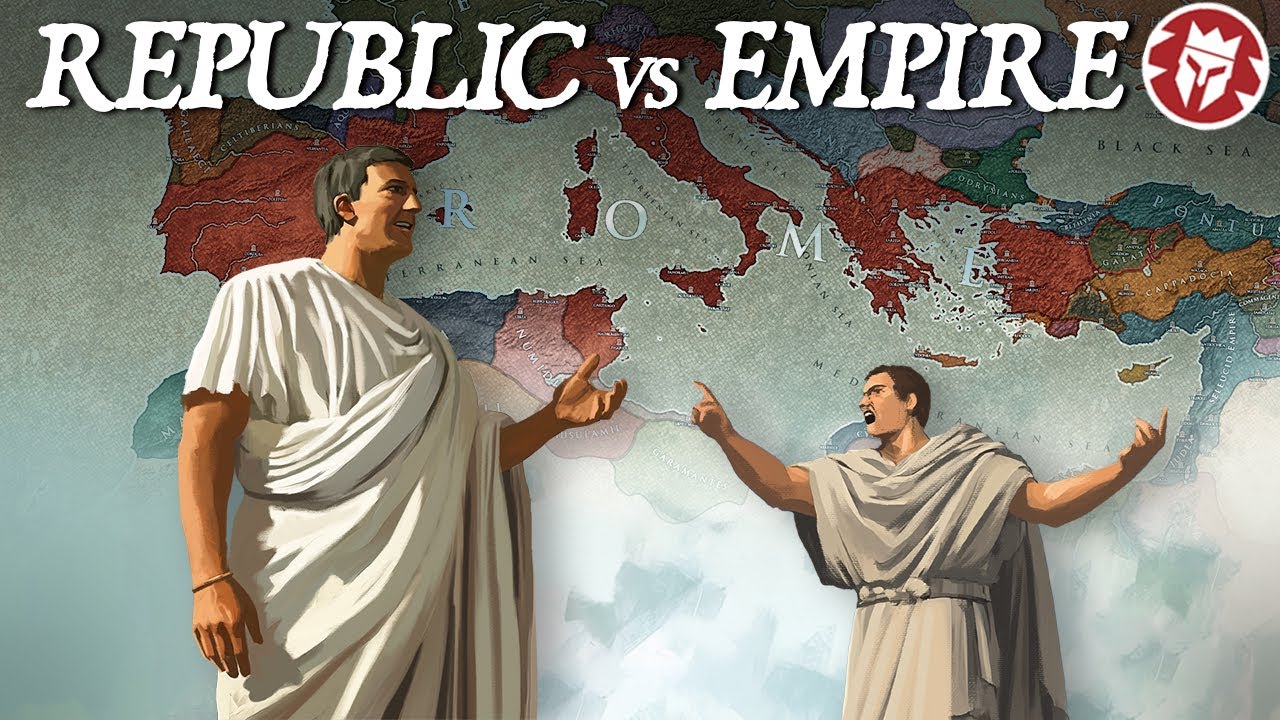
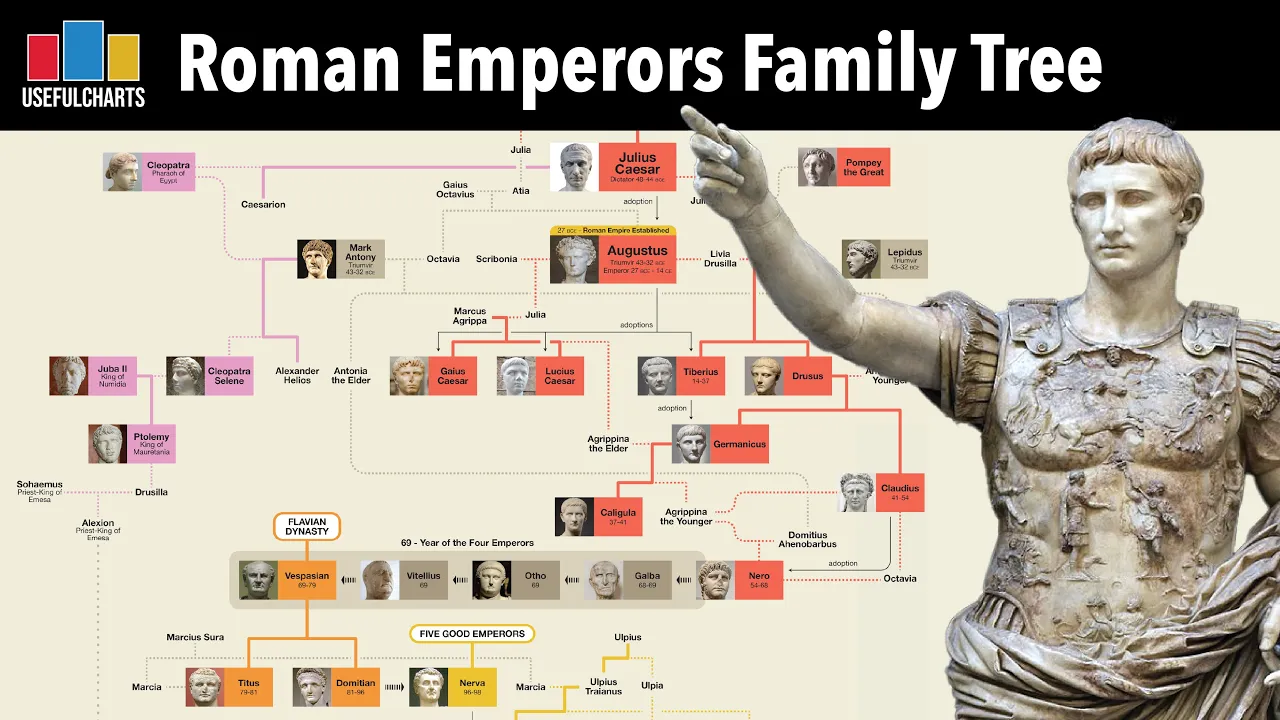









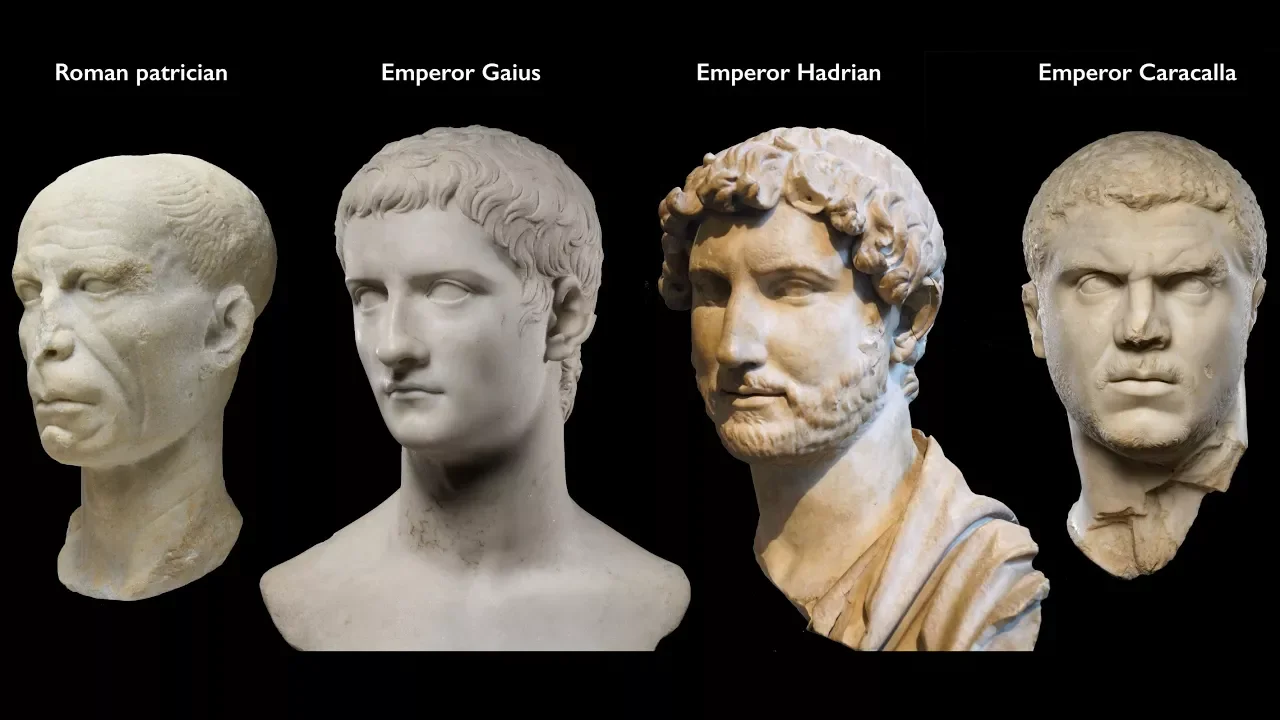
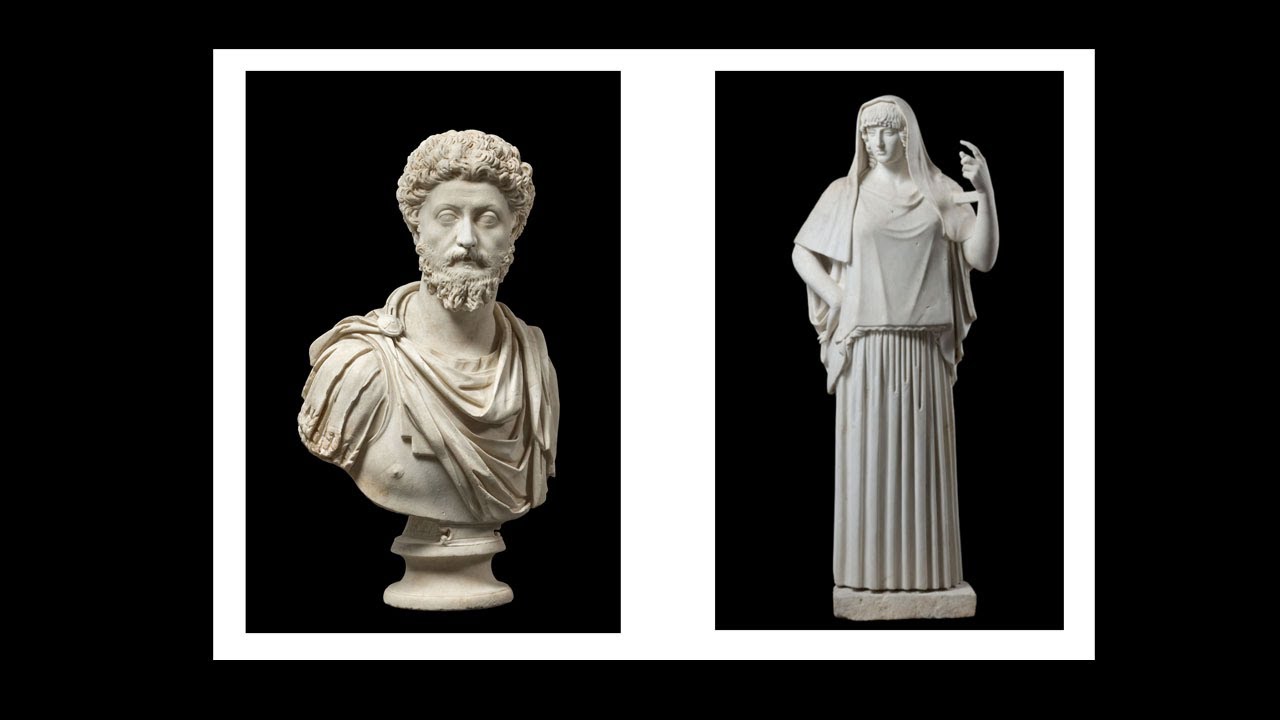




Roman art and architecture evolved from pragmatic beginnings to sophisticated achievements through the integration of Etruscan and Greek influences, characterized by realistic portraiture emphasizing individual experience over idealized beauty, and architectural innovations including the true arch, barrel vault, and groin vault that enabled unprecedented structural possibilities.
Ancient Rome Art History Lecture: Republic to Empire
Added:The historical transition from the Roman Republic (governed by the Senate) to the Roman Empire under Augustus.
The foundational influence of Greek Classical and Hellenistic art and architecture on Roman aesthetics.
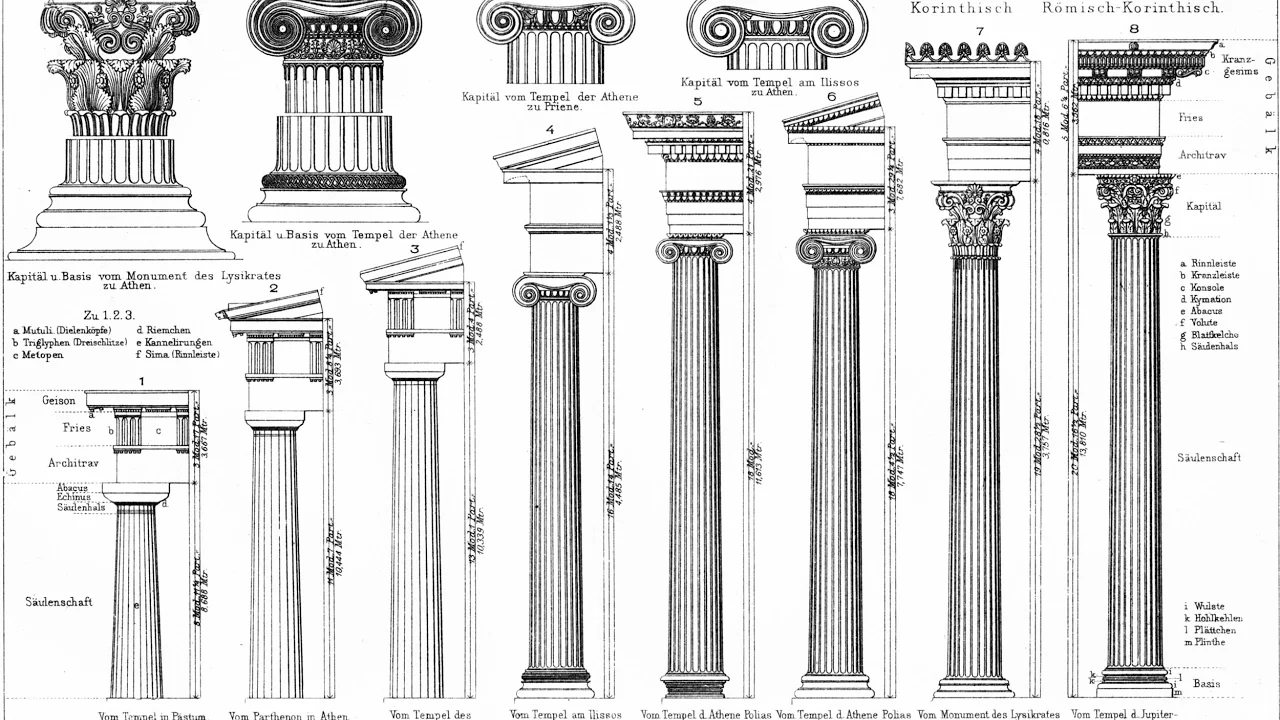
Basic architectural principles, such as the post-and-lintel system versus the development of the true arch.
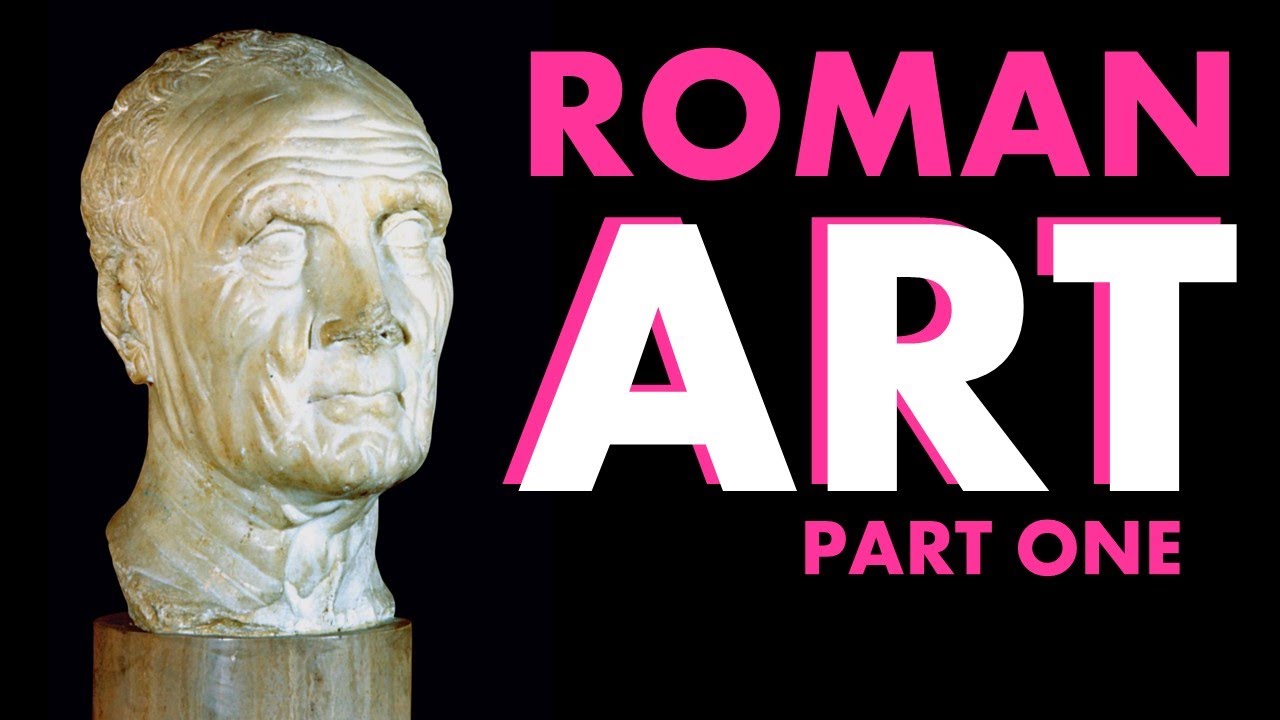
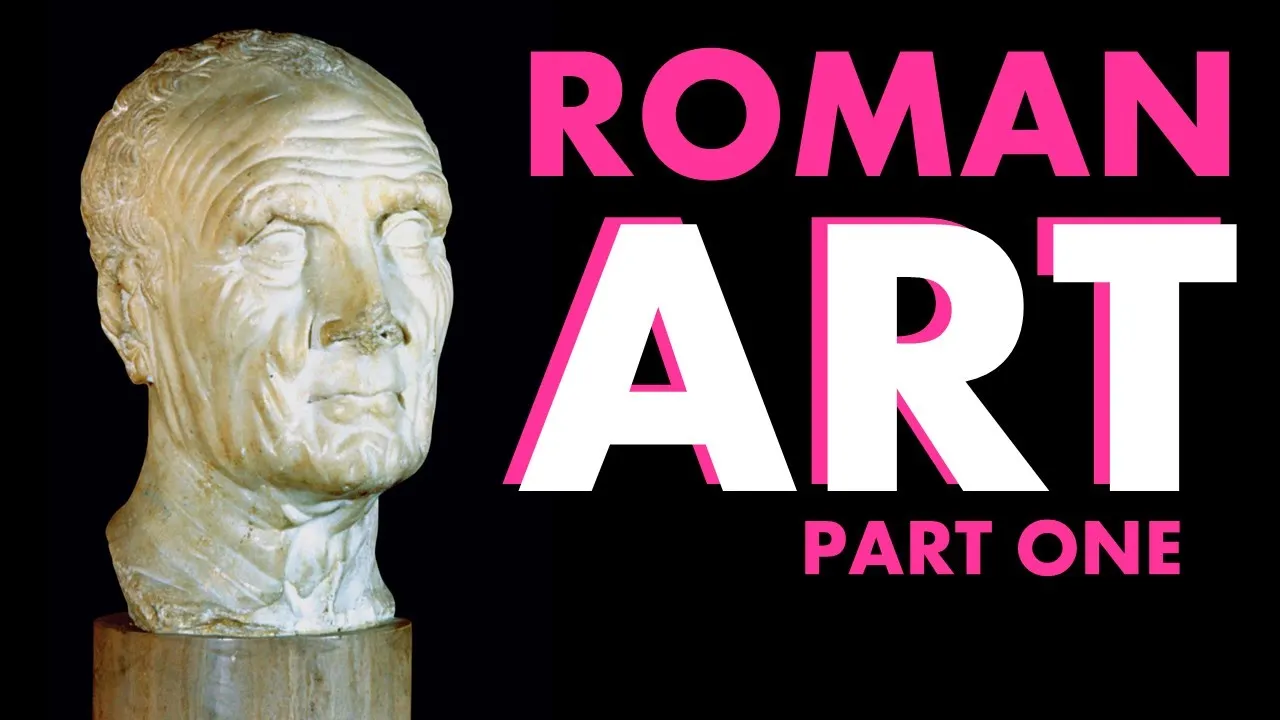
The concept of 'verism' (hyper-realism) in early Roman portraiture and its connection to ancestral worship.
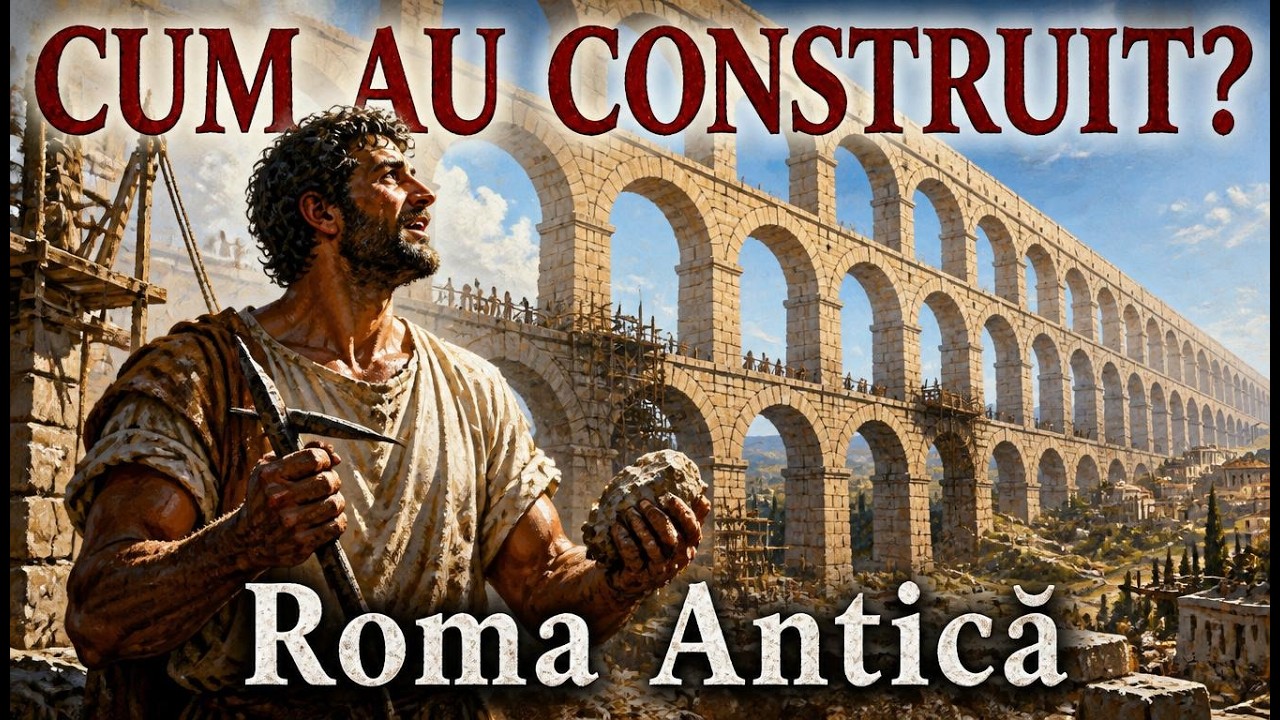
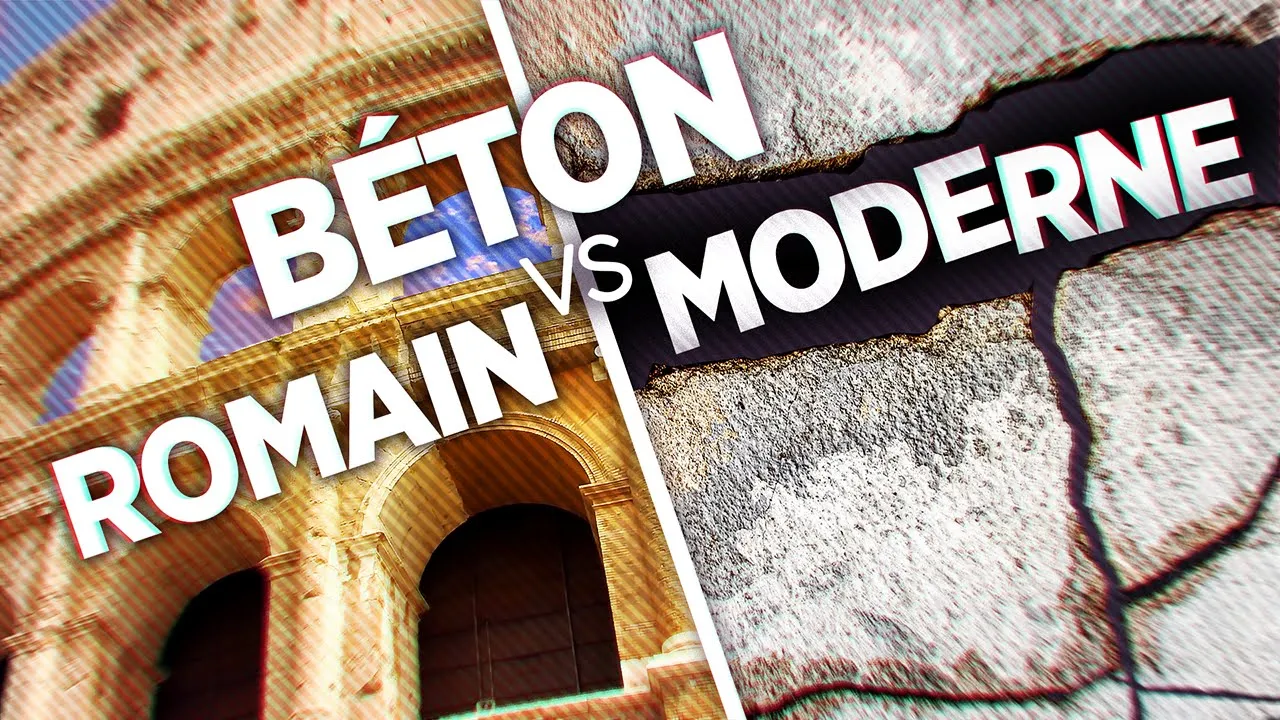
The technological revolution of Roman concrete (opus caementicium) and its application in monumental structures like the Pantheon and Colosseum.
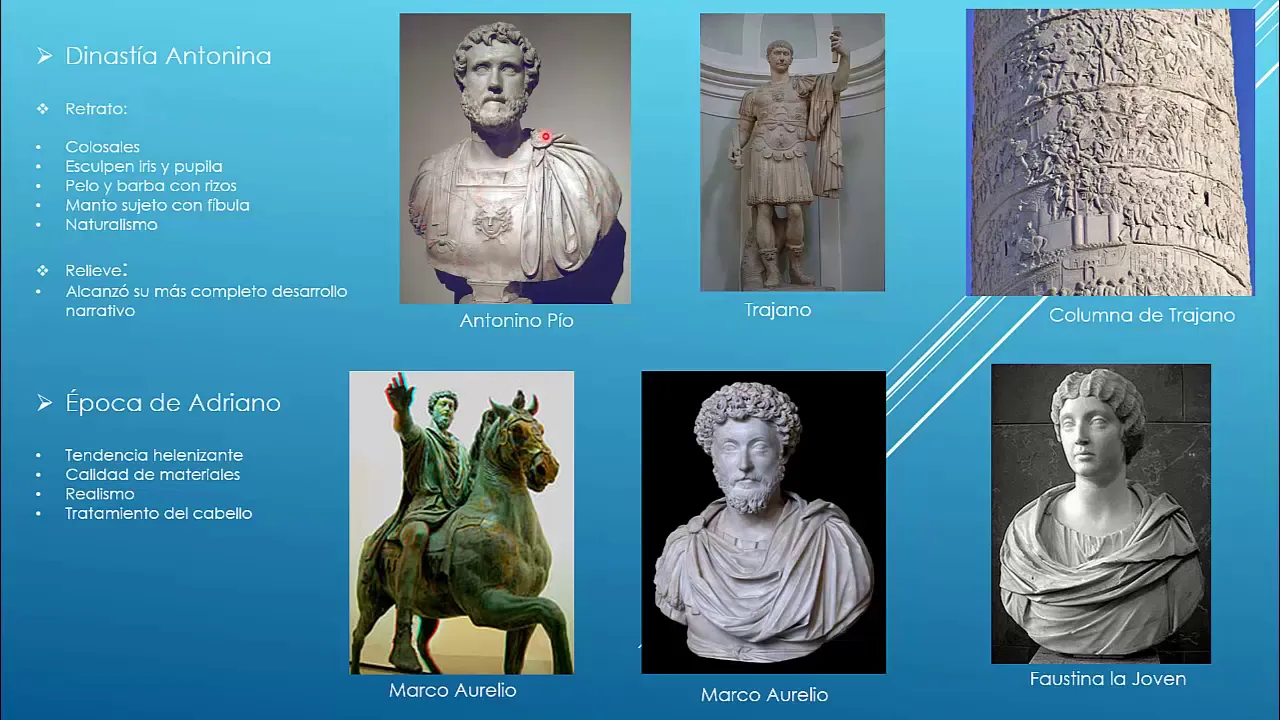
The evolution of Roman imperial portraiture across later dynasties, such as the Flavians, Antonines, and the Soldier Emperors.
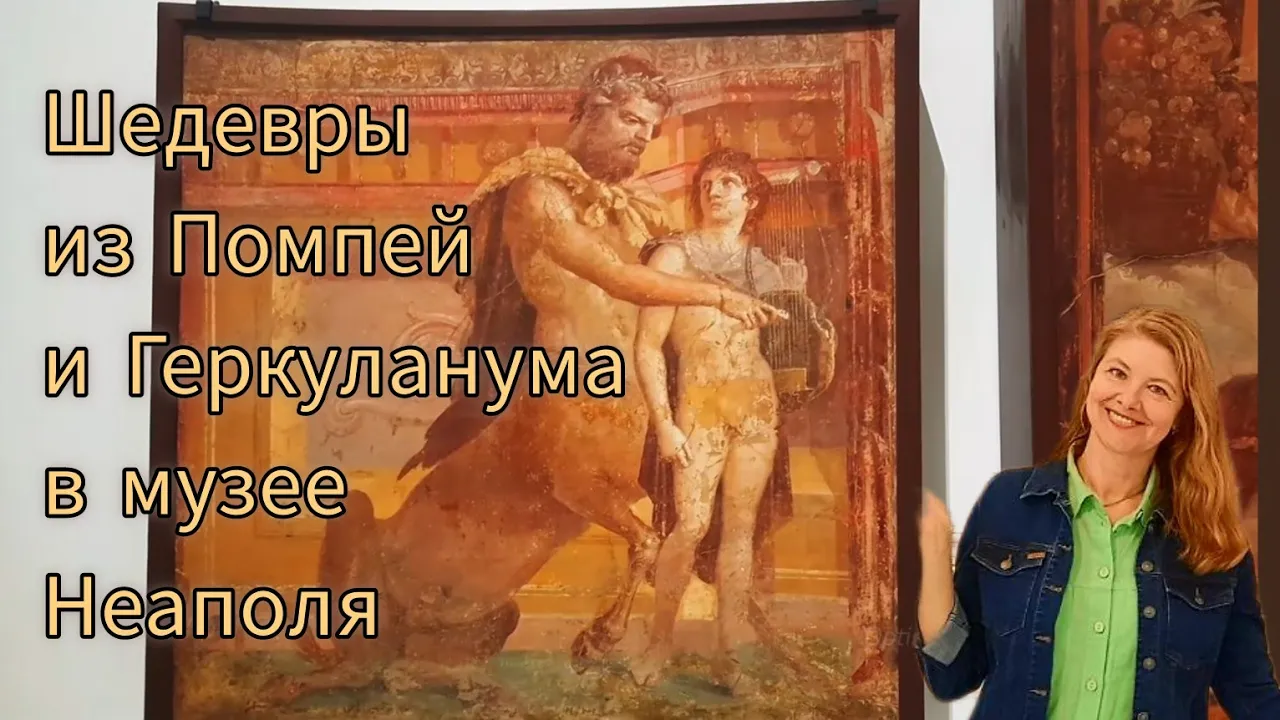
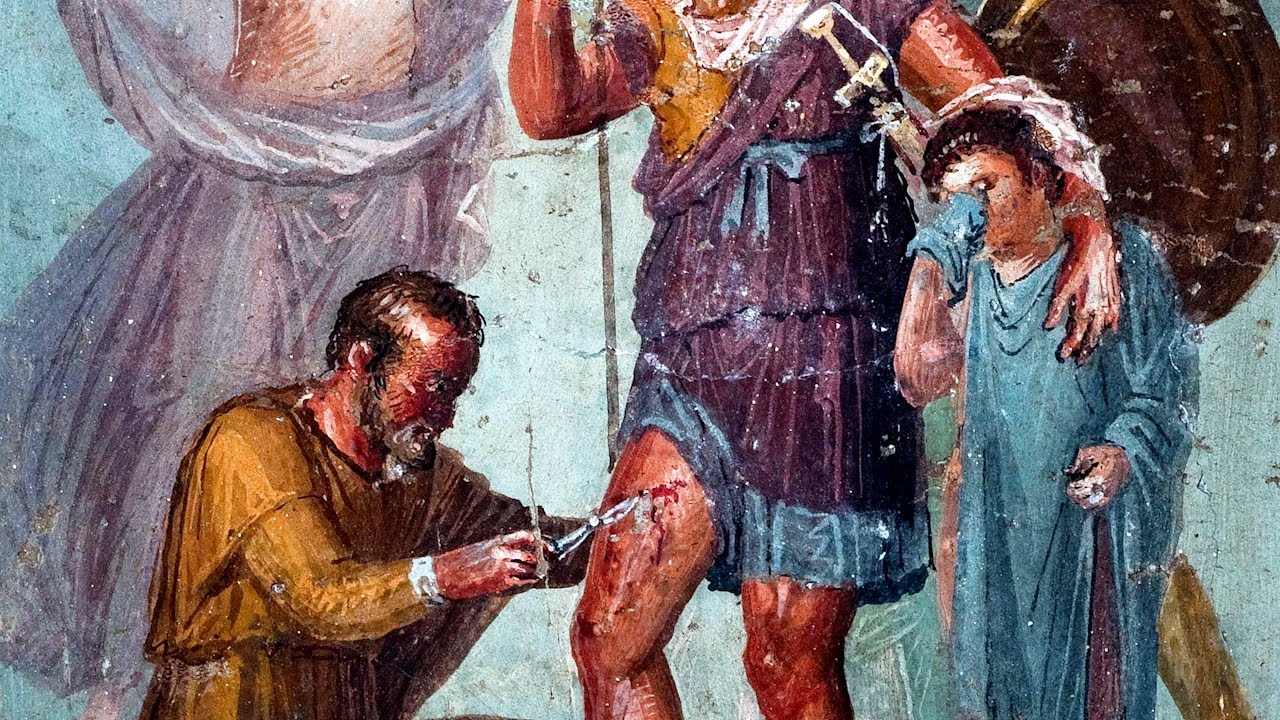
The study of Roman domestic art, wall paintings, and mosaics as preserved in archaeological sites like Pompeii and Herculaneum.
The late imperial transition of Roman art styles into Early Christian and Byzantine artistic traditions.
1.1K views34likes57:23Original Release: 2020-11-01
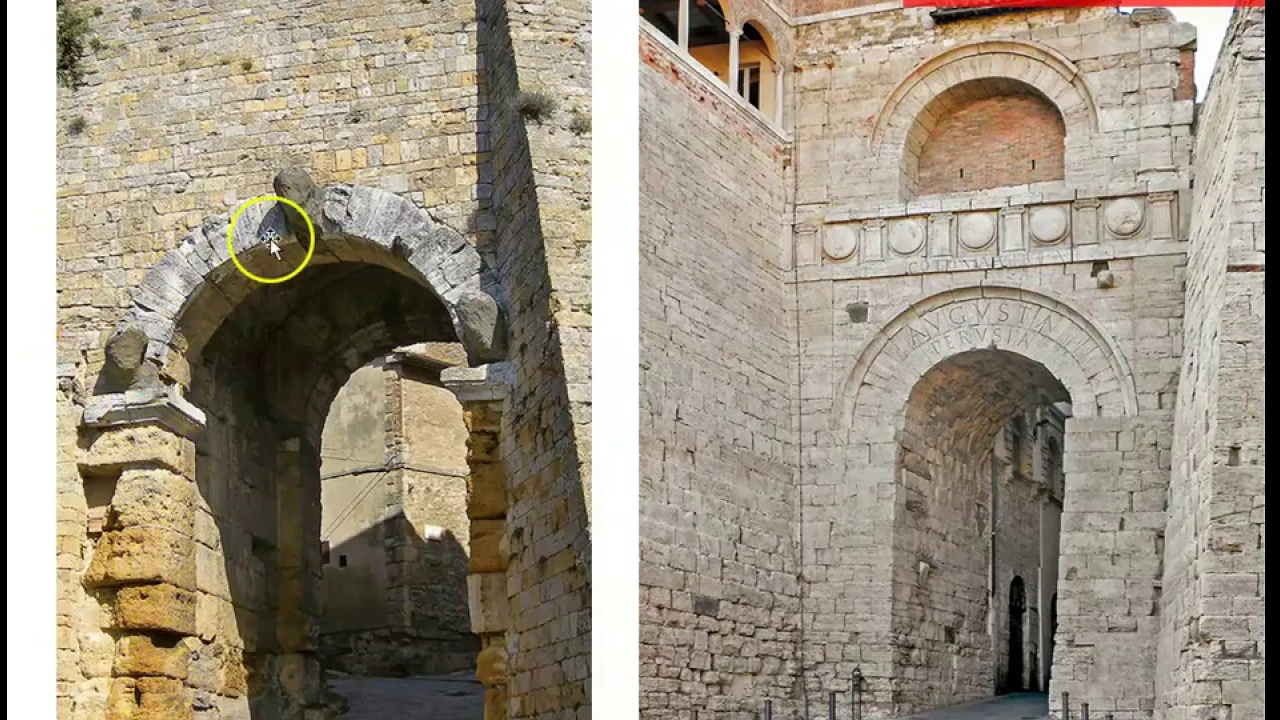
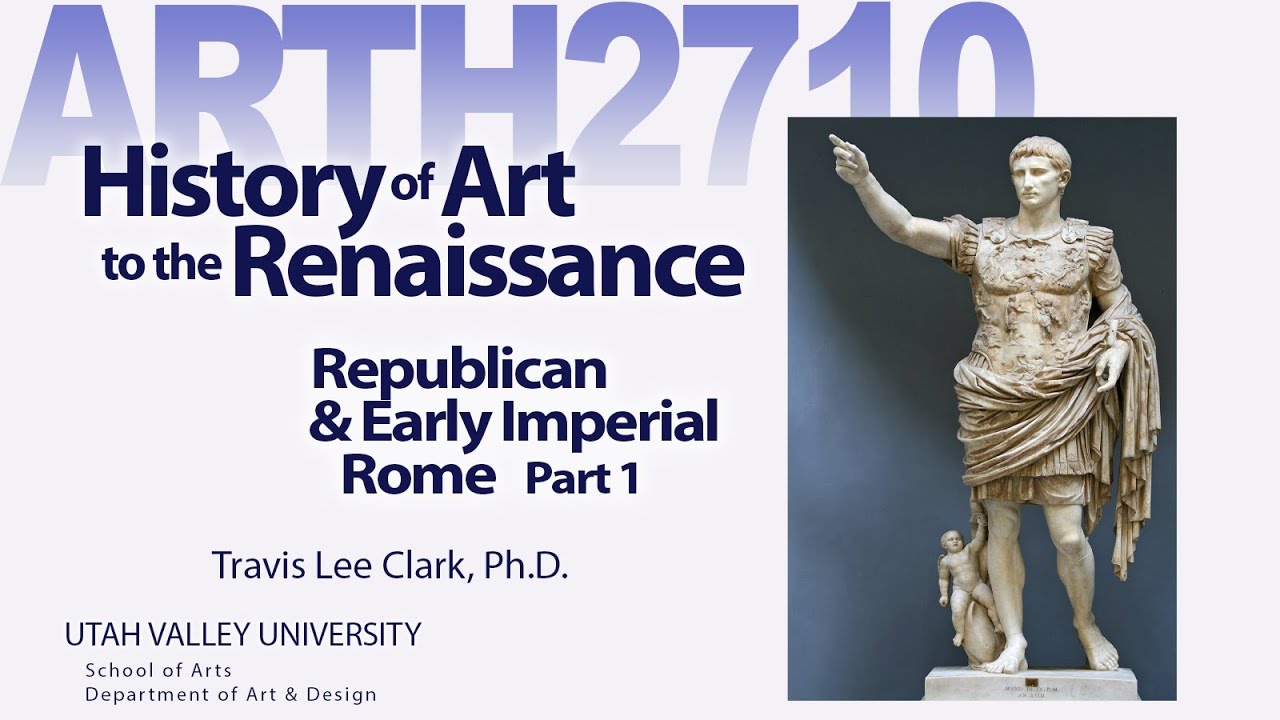
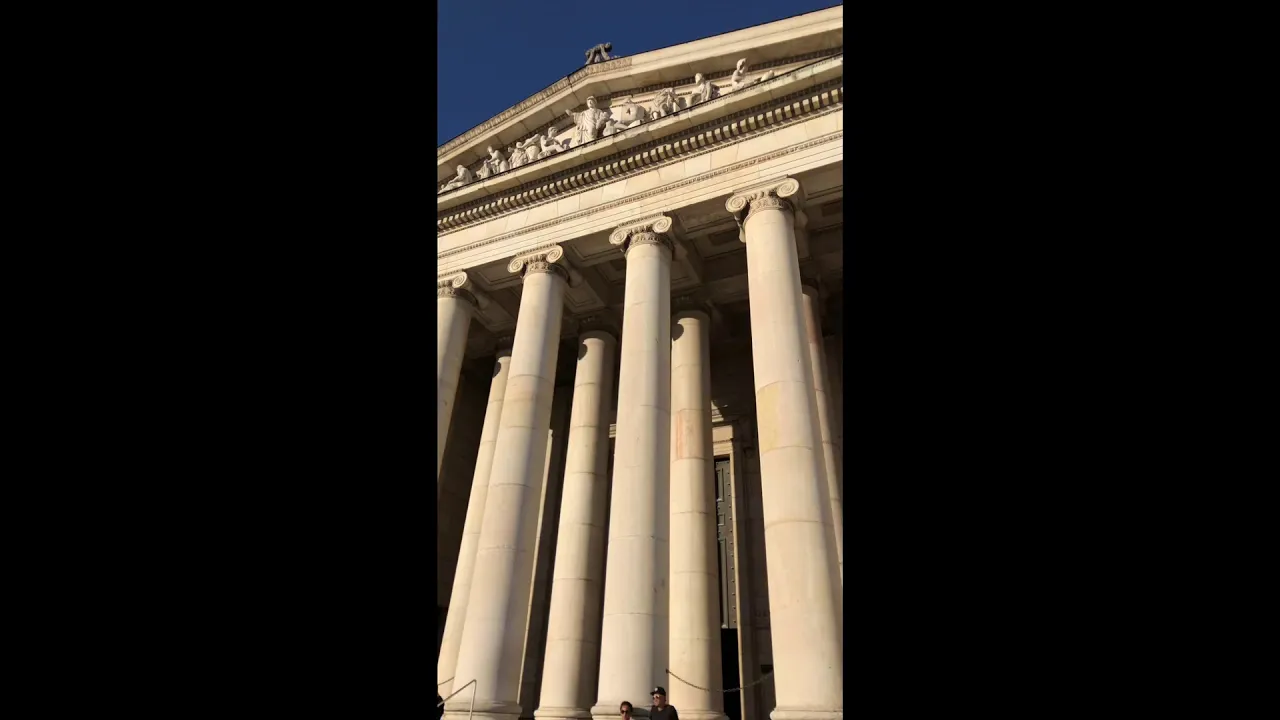
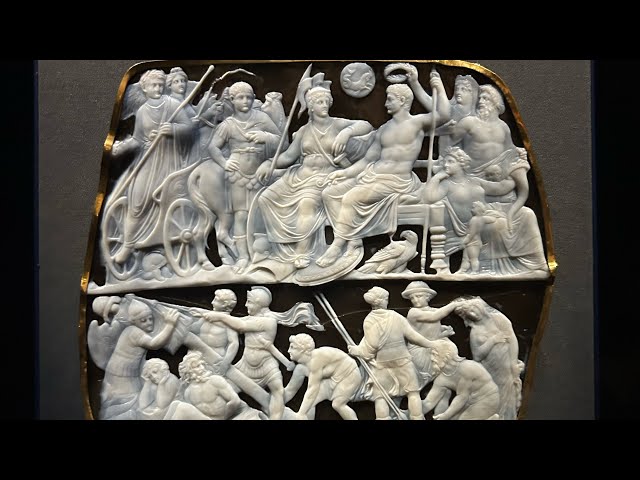
well hello everyone and we have now arrived in rome and when one thinks of wrong one things of grandeur one things of magnificence one thing so this tremendous huge multicultural empire that span the distance between the atlantic ocean and the caspian sea from britannia to egypt one rarely thinks of something like this one usually thinks of this because this is wrong in the early 2nd century at its height and its greatness but the fact is it did begin like this according to archaeologists there might have been a little village there in around 800 bc and this is where fact and fiction are blended because according to later roman historians and they shouldn't forget that the roman history will not be written until the first century dc at the end of the first century dc in other words 800 years after its possible foundation if there was an actual foundation rather than just an organic appearance of a settlement which will later grow but according to legend those were romulus and remus with their band of vagabonds who founded a settlement around 800 bc consequently romulus will kill remus who was his brother then he'll become the first king then his successor will be kings there'll be seven kings all together presumably but we should think of them more as of tribal leaders than kings and then the last three kings will in fact be etruscan and then circa 500 all the dates are very relative just so you could remember them and then circle 500 the last king will be deposed and a republic will be established in our study of rome there will be two periods the first period from about 500 to about a year zero again very approximate it's republic from about the year is zero to about 500 a.d again approximate it is an empire except in our case in case of art history we will be talking more about empire than the republic a little bit about the republic because there was really there were no arts this is what it was it was they came out of nowhere they had no culture they had no past uh we're talking about the year about 800 dc by this time egypt had seen its magnificence so did mesopotamia syria palestine by now greece is now is now embarking on its archaic geometric then archaic period rome is nothing rome is just a little village in the north they have the etruscans which soon enough will be a fairly advanced civilization in the south they'll have the greeks in the middle they have nothing they do have a tribe of sabines they have some other tribes around them who are more advanced than they are they however this is how they live model of the village of romulus on the peloton hill and this model can be found in musee nationale de terme in rome a wonderful museum absolutely no crowds while all the crowds are now in the sistine chapel and there is no room to move this particular museum near germany is absolutely brilliant very remarkable has fantastical things and not a soul you'll have the museum all to yourself but when things open up of course this is what this little village will become within 800 years it will take a while but it will get there however most of its construction will in fact start after 800 years because until then even in the first century bc it was mud brick the whole city was built of mud brick there was no marble on the italian peninsula or rather there will be marble but it will not be discovered the quarries until the time of augustus towards the end of the first century so whatever marble will be used before this time will be brought at great expense from greece and uh and other stones again at great expense from egypt rome has money and now we begin the the first 500 years of the republic produced a sturdy no-nonsense race it's almost as if rome grew despite itself they from the very early on they were they were stubborn they were they were confident they knew they must have known they had greatness in them because greatness did come to them and from the establishment of the republic around 500 and then fast forward a couple of hundred years there will be all sorts of historical developments and the war between the plebeians and and the patricians but by the third century bc they'll be etruscans will be absorbed pretty much the entire italian peninsula pretty much will be absorbed by the romans war will start with sicily which was greek and sicily will be won over and rome will be ready to march forward meanwhile as i said it produced a race of uh or very well spartan even even though they weren't spartan the greeks were spartan but nevertheless by their nature they were a spartan race they were disdainful of luxuries they were disdainful of comforts and they liked it this way they they admired masculine virtue and what they meant by that was honor masculinity fight victory these sort of things they were a very male dominated society it was um definitely patriarchy a patriarch had absolute power he had the life and death of his family in his hands he also was incredibly proud of his ancestry and to that point and to that purpose any time anyone died in particularly in patrician families a death mask was taken off his face and those masks in plaster were kept in the family and then marble busts or limestone busts if marble was too expensive were made of those plaster casts yet when death patrician would go out on some serious mission or there'd be a festival he would carry those plaster masks with him as you see it here in the marble sculpture this is a marble sculpture over patrician carrying the masks of his ancestors to prove his greatness because nothing proves greatness better than the great deeds of one ancestors and here you have it now from these masks evolved a tradition over realistic portraiture of theoristic portraiture as it will be called and as such we have as you remember with the greeks classical greeks didn't really care about portraiture certainly could never separate uh a body from its head because to the greeks just as a life it would be impossible the person would be dead so in marble because they didn't really make a difference everything that they did they understood holistically it was impossible to separate a marble head from a marble body because then a sculpture would be dead however the greeks develop a very advanced very as i said holistic very intuitive way of depicting a human body which romans never will but the romans will always always be able to do these portrait heads they they will not always want to do it but certainly in the republic they did because these heads were intact copies of the um of the funeral masks and here you have them they were not attached to the bodies they were just the portrait heads and they were proud of their wrinkles they couldn't care less about classical idealistic beauty not yet they will but not yet these honest men men for whom duty was far more more important than than their personal feelings than their wives then their family's duty was all their lives were dedicated to their duty that's why i called them sort of spartans in the beginning every wrinkle counted because that was experience they very much believed until they are about 20 god gave their youthful faces their beauty but after about 30 35 they have to deserve it they have to deserve what they look like and this is what they depict right here every wrinkle as i said depicted experience they did not appreciate smooth pretty faces because to them it meant nothing smooth pretty faces conveyed no experience no character no possibility now these spaces were interesting here is uh another uh example of three pieces just imagine being married to this one i could think of better things but this is supposed to be pompeii actually and in this case we can actually believe that these are real portraits because with hellenistic greece even when we saw a realistic portrait in the case of say alexander the great we know that death portrait was done 200 years after his death so it could not possibly be a realistic portrait pompeii actually kind of looks like the nicest of them i know horrible bunch which makes sense because when pompey married the daughter of julius caesar julia by all accounts he was a really loving husband to her i know right it wasn't until julia died that the alliance between julius caesar and pompeii fell apart fell apart and by this portion i mean he looks like such a friendly potato i know he does amazingly yeah but my god not that one no not that he definitely has the face he deserves that exactly that's true that is true so and here you have the difference this is what was important to the greeks even though these are both copies as you know but this is what was important to the greeks beautiful musculature beautiful human body as it reflected the beauty of the universe the great potential of humanity in terms of achievement we appreciate what was important to the greeks we do we very much do that and how and now i have my audience here which i'm very grateful for because it's very difficult to talk to no audience and this time i'm very lucky not only i have my daughter sasha but i also have her best friend with us and we're all sort of participating in in this lecture so this is what was important to the romans this is what was important to the greeks philosophy philosophy abstract beauty human potential this was what was important to the romans experience and achievement and that's and they that's how they will differ this we saw it in our etruscan lecture this is our regulatory the orator and the trust can work because remember even though this is the early first century dc the etruscans by now have been absorbed by the by the romans nevertheless they still retain their skills they retain their traditions and when the romans want something to be done really well they call on the etruscans to do it here the uh let's go back here uh and this is our errata and unlike the rippers where pontroposto was extremely important the whole attitude of beauty and balance and harmony was important not for the romans this is what was important for the romans forget the contra post even though it's still there a little bit i mean we can see that his weight is placed on his right leg the right hip is actually slightly raised and the left leg is sort of free but awkwardly so what's important is the image of a man who is an orator who knows how to speak to the public whose public speech is brilliant who can convince the public this is the republic one must be convinced and in this case interestingly the face goes with the body because later on the romans will stick sort of portraiture faces on the idealistic greek bodies and that will not look very good but in this case it does the uh we have just fast forwarded 800 years from the year 800 to the first century dc and the reason for that was because rome didn't have any art and ours isn't lecture on art it had plenty of history goodness by this time they are masters of the mediterranean they don't have egypt yet but greece is theirs syria is theirs britain is not but soon to be so even though technically they are not an empire yet they do have an empire and the very first emperor will be called augustus he's octavian augustus his first name is octavian he is a nephew a couple of times removed of g louis caesar and when julius caesar is assassinated in the year 44 bc on the ides of march which is the 15th of march his will will then be open and then that will he will name his nephew octavian as his successor and thus automatically he will become the strongest man in the ancient world with time he will be acclaimed augustus as the all-powerful and he will rule for something like 50 years uh let's see yeah about that time this is a very interesting sculpture because what you have here in fact is a combination of greek and roman underneath here just strip off his armor you will see the reference or at least an attempt at the referees but that's not really what's important besides the romans the republican romans will greatly disapprove of the homoerotic culture of the greeks and it will not be until the imperial time when they will start appreciating it better here is octavian he is wearing his armor he is wearing his cape and it's a combination of the reverse and then the orator because he is a narrator he is delivering his speech as such the entire contra poster the entire balance and harmony of auto reference is compromised romans don't care because augustus was a very clever man didn't like to fight much he preferred diplomacy and what happened by this time is that um a former general went east to former persia and now it's the parthian empire and rome will always have problems with the parthian empire in the east but the former general lost the standards lost the colors the roman colors to the parthians that was a great dishonor what augustus managed to do now is to get back those standards to get back those scholars without shedding uh a drop of blood but uh obviously the romans themselves they have no idea what went on there's no there are no televisions there there's no internet for all they know is that that justices rebellion troops went to parthia and fought them and conquered them and got back the standards so that's what you see in his kiras on his armor the uh parthians and the romans the giving back of um of the standards according to the cure ass go ahead you could say that the parthian now respects the roman ah leave it to my daughter as we saw before this is a marble sculpture must always have support and this is a marble sculpture and what we have for support is a little cupid and [Music] therein lies another interesting story because augustus is an adopted son of julius caesar he then claims the same descent as julius caesar now the line of the julie goes back to a hero aeneas who was the only one of the princess of troy who was able to escape troy with his retainers and was predicted to found a new troy a new troy on the italian peninsula so rome will always consider itself or herself as the new troy because aeneas ultimately will reach the italian peninsula and then romulus and remus will be his descendants and they will found the new troy and julius caesar and hence the name julius because anissa's son's name was julius they claim their descent directly from troy and anees was the son of the goddess aphrodite another son of the goddess aphrodite is cupid and that's what you see here so the cupid now acts as he has two roles one he is support for a very heavy marvel sculpture secondly he reminds everyone not that anybody needed reminding because at that time everybody knew about it but nevertheless uh remind everyone that augustus is a cousin of cupid and thus they are both related to the goddess aphrodite augustus was also the high priest and as a high priest we have his toegate sculptures where he wears the toga of a high priest right here the statue portrays augustus as the pontifics maximus this is where the roman pope of course gets his name chief priest of the state the emperor thereby emphasized his peaceful role and his position as the intermediary between the roman people and the guns very important and as the intermediary and as a person of peace and it will so happen that augustus will establish about 200 years of peace because the entire first century bc was civil wars what happened to rome was rome was so busy a conquering and then they conquered all they could or almost all they could that by the end of the second century bc they turned on to each other and horrible civil wars began and then julius caesar was able in the second part of the first century bc to calm things down to re-establish peace administration also to fill up the treasury again he was on the way of making rome great while because of the civil wars rome almost fell apart however after his death after he was assassinated another set of civil wars began and that will not end until 31 bc so between 44 31 that's 13 years again of civil wars the entire first century bc nothing but civil wars and finally andre augustus things will come down he obviously wasn't privileged to know it but he will establish peace that will last more or less for the next 200 years and without even knowing nevertheless uh the arapachi sagastai was well as it was commissioned by the senate of rome but also with the knowledge and support of augustus's very intelligent wife by the name of libya and it took between 13 bc and 9 bc to construct here fortunately it was found it was found in the 19th century and in pieces then rebuilt as you see it here and placed in its own space a modern space this is augustus's wife livia and she supports the latest roman hairdo but now that we are entering the imperial age there'll be less interest in very city and there'll be less interest in portraying one's face certainly among the emperor and his retinue in portraying them as they actually looked augustus what we see as we see him here he will live till 70 something and livia i think will live till almost 90. in their sculptures they'll never change they'll always look youthful so they'll go back to this idealistic representation that the greeks liked so much same face looks what late 20s and uh so the otter patches it was found it was put together it was placed right here we had uh we had seen altars before uh you had seen the altar of pergamon for instance this is a much smaller version but it's the same idea there is an altar inside the walls and that's the altar that was active and used and then the marble walls uh surrounded the altar as as you see in this uh example by the time of augustus italians will discover marble quarries in carrara in the northwest over italy and augustus will in fact later boast that he inherited wrong of brick but he will leave rome of marble which he will and then after him the building of rome will expand exponentially because every succeeding emperor will want to add his quota to the building of rome and ultimately yes by the by mid 2nd century rome will be this spectacular city of marble emulating the such cities as ephesus or pergamon or alexandria of course in egypt and uh and athens as well but uh back to our the the our apaches means the aura is the altar and parches is the genitive of peace so the an avasta again the genitive of alastas so it is the altar of the peace of augustus and here we have it right there there's the altar itself the altar proper as it is surrounded by these walls uh they're actually steps on each side and uh i didn't find a better slide but this is what we have it is covered the outside walls are covered with marble reliefs and while at the bottom on the lower story in the lower register it's tendrils and the counter sleeves and then [Music] and then some little crickets and animals but then on the upper register that is more interesting on each side here and there these are procession the actual procession of augustus and his retinue and then on the other sides their representations of roma herself so to speak and also representations from roman history to us it's mythology to them it was history and thus we have it here's the procession of the priests and the imperial family then on the other and the same thing there here and there then on this side we have well what's left of it not much is left of it but there is a remnant of a representation of the discovery of romulus in rims because romulus and remus as in many other mythologies were abandoned put in the basket sent down the tiber but then a she-wolf presumably found the two boys and fed them to health and then a shepherd found them and then after that they were brought up by the shepherd and his wife then on this side is anees the the prince who escaped from troy who finally reached the italian peninsula and as he reached the peninsula he is sacrificing to the gods for fortunate landing so that's on this side and on the other side there is the allegory of rome or the allegory of the earth while rome was the earth by this time and then the allegory of rome as a she warrior and here we have it this is a restoration all the color is gone just as was the case in greece egypt i mean color is gone you don't have color but this presumably what the color did look like and here is the imperial procession right here which is a greatest greatest historical importance because in fact the emperor himself his wife his children his generals his priests they're all portrayed there the bottom row as i said a counter sleeves tendrils there are swans there one could find little frogs butterflies what have you but that's on the lower register they'll go later on the inside and there they're just garlands with the skulls of books and then here is the case where this is anes as he reached the italian shore he is sacrificing to the gods and there is a representation of a temple obviously it's all in a different scale but whoever saw it understood what that was all about and there i don't know if you can see it very well but when you get your power points you can see it better also obviously you can look it up online there's a she-wolf right there with the two babies and a shepherd looking at them and here what it looks like today this survives so there's aeneas with some of his followers and there's the representation of the temple and there's a pig about to be sacrificed uh on the other side now the goddess aroma as a warrior goddess did not survive their will but the goddess roma as godztellos as the earth or as an allegory of peace she survived magnificently and here we have her sitting in the middle as this great roman matron with a cloth around her head on her knees uh two babies rongos and remus that would make sense right and on each side is on the one side is the allegory of the sea and every time you see this blowing cape around a head of a female representation in most cases that means an allegory and here she rides some sort of a sea creature a sea dragon and he is completely obedient so she is the representation of peace at sea on the other hand is a representation of also a nude female who is flying atop a swan and she is representation the representation over the peace in the air well obviously they didn't have aircraft at that point but what what's meant here is that peace everywhere and indeed the peace in the sea is most important because piracy is as ancient as any other ancient profession and what will happen under the romans is that pompeii the great will free the mediterranean from the pirates and will open the seas to trade which was extremely important so peace was very important for prosperity it was the case then it's the case today this is what presumably it looked like in color and on the other side right here here we have a bit of a reconstruction uh aroma as a warrior in other words peace is extremely valuable and peace must be maintained at all costs even if the cost is war and that's what is meant is meant here the animals again are all in peace they are well fed they are ready to be sacrificed it's a very it's a very nice allegory though that long after war has been eroded peace survives yes yeah exactly even in terms of the the piece of work itself itself by this time no roman cities had fortifications i even mean today i even mean all day the fact that the sculpture of war right has been eroded but peace survives and is maintained in italy and that's nice that's a there's a message to carry through the east it is yeah uh so this is our other patches now now we go to the imperial procession and why it is so important because here there are representations of over a number of the imperial family and some of them have been recognized i know you cannot see them here but you will be able to see them of course in your powerpoint and um unfortunately in fact augustus himself is not very well preserved well his face is preserved and then follow agrippa is his great general and then livia his wife tiberius the olivia's and then various other members of the imperial family this kind of representation will be of incredible importance for uh for art history because the idea ultimately is the same as the benefit procession in athens and the same kind of freeze and of course they were familiar with penetrate procession because by that time greece was theirs except one with fidus who was the sculptor of the parthenon everybody had enough room to move and breathe because again to the greeks balance and harmony were very important and and measure romans less important it's much more important for them to show as many people as possible and if they appear crowded well so beat they still appear quite naturalistic they all were they're all tor gate reliefs they're all wearing their togas women wearing their dresses and what's very unusual is that there are a number of children that are represented here and children really were not represented in the past and the reason for that is because um augustus was concerned with the accumulation of wealth the the wealthy families actually didn't want to have as many children and didn't want to have as many responsibilities and as a result the the birth rate among patricians was dropping and augustus was concerned about it and prom will get a number of laws to encourage the patricians to marry early and to have many children and that's why we see children here because this all was very much encouraged and uh here again these are the flaminis which were the priests at the time uh and then there's some lictors litters were bodyguards electric bodyguard fleming is a priest inside and again this was also all covered this is the altar itself now you must understand all of this was reconstructed rebuilt steps you see them they look very new it's because they are it's because the old ones crumbled uh but everything everywhere you see these signs of age that's real and then the garlands here and the skulls of the bullocks because a number of bullocks were in fact sacrificed on this altar towards the end of his life before his death augustus actually wrote an autobiography the uh a story of his deeds uh the deeds of the divine augustus uh it is a funerary inscription of augustus giving a first person record of his life and accomplishment which is which is really remarkable because we don't well we have caesars of course gothic wars but something so consistent we don't have this is the first time and it is especially significant because it gives an insight into the image augustus portrayed to the roman people it doesn't mean this is the actual image of augustus as he was but even the fact that we know the image he wished to portray is also very important because he felt this was good for wrong and what was good for rome good for everybody else it was discovered the inscription is a monument to the establishment of the julia claudian dynasty that was to follow augustus because augustus comes from the julian dynasty he marries libya who comes from the claudians who were the sabines the dynasty will be called the julian claudian dynasty various portions of this autobiography have been found in modern turkey and here as you see it and the scholars were able to reconstruct it uh today on this uh this is the modern building that houses the apache and here right there one is be able well one knows latin one is able to read the whole thing as it was written it's really actually very fascinating to see photographs of 20th century italians chiseling in the words of quote unquote the divine of justice from first century uh rome and that's just really fascinating to see how he wanted his word to endure and it did yeah he wanted his words written in stone and here they are i mean they don't have too many uh too many art historical objects from the time of augustus so whatever we have we are very grateful and one of them is this uh extraordinary uh low relief cameo it is a cameo which is sort of a relief on the on the precious stone and it is an engraved gem cut from a double layered arabian onyx stone it is commonly agreed that the gem cutter who created the gemma agustaya was either deus curidis or one of his disciples in the second or third decade of the first century a.d in other words it's after the death of augustus but close enough that this spirit still lives on and that we can consider it the peace inspired by augustine reign and what it is here it's divided again into two registers and in the top registers sits augustus with the goddess roma right here this is after his death so it must have been carved under tiberius tiberius who succeeded augustus as emperor and here we see tiberius himself as he descends from this brilliantly foreshortened chariot driven by the goddess of victory and looks over to the divine augustus because the moment augustus was dead he was deified and became god here is an eagle which usually is an emblem of zeus and thus there is a correlation between the great god and the great emperor on the lower portion you see his victories or victories that happened under augustus and here are the romans the barbarians always look disheveled with huge beards romans shaved at that time and here the husband and wife presumably here also is a hazard the same husband and wife it's a narrative it's a narrative relief and here are the romans who are raising they've captured the standards of the barbarians and they're raising the standards augustus has a sign of copricorn which is the sign of his birthday and then with tiberius something that looks like a cancer that would be his birthday uh here is augustus the capricorn right here and this was on one of the coins and this is the bottom uh section and you see husband and wife now if you remember the normal palette with which we began this semester you may remember that narma is holding his enemy by the forelock and this was a sign of universal submission or on the other hand of conquest and we see the same here the romans are doing the same they're holding the barbarians by the four lock and here are the two barbarians they are captured they're tied up while the romans are lifting the standards another interesting example that comes from those days uh it is dated to about 80 to 7 bc is a temple of putinus or a temple of fortunes which is masculine virtue or portunus the temple of the gates because this temple sat and still sits right on the tiber and it is possible that captains and sailors before they left rome for distant lands would go there and pray for good weather and [Music] fortunate sailing and then if they came from elsewhere to rome again they would go there and pray for safe delivery and what we see here immediately is the etruscan temple of course as we saw before the romans had made certain well improvements shall they say uh the the porsche is a little smaller than your typical trust fund porch because the porch is half of the cella but what they do now again just as they combine the uh the rigatori with our spear bearer they are now combining the etruscan temple with the greek temples they they're too practical they're too pragmatic people they do not want to surround the entire temple with freestanding columns because they just see no reason for it there is no reason aesthetically no reason and certainly not in terms of expense or labor but what they do do they decorate it they do decorate side walls and deck wall as you see with the same ionian columns as are the bearing columns we have eight bearing columns they bear the weight of the roof and then they have all the rest of the columns a decorative then they're called color nets of half columns and they are essentially decorative just so that this side of the temple doesn't look boring and sure enough it looks much prettier with this kind of decoration yet they make sure kind of to to show us that it does carry weight so they have this freeze right there projecting and it's sitting on on the capitals of the ionic half colonies so there is an idea of support even though this uh the freeze could very easily be there without support but here so here again the combination of etruscan and greek influences and and then greater example well a bigger temple and in this case it's a corinthian temple as opposed to the ionic temple it lives in um on the south of france in the town of nima and this too comes from about um the end of the first century bc it is the same idea the cell is considerably longer than uh the porch but the porch still is is quite deep the order is now the corinthian order and it goes around the whole temple as as a decoration this is the temple that thomas jefferson saw when he was in the south of france when he was in france on the business of the new republic and when he saw it his his life had changed immediately he recognized the greatness of classical architecture and uh and of course introduced that architecture in in america and then already after his death of course when washington was built it was still built under his auspices and under his vision and when we go to washington dc we have a lot of classical architectural buildings here again uh maison carre a square a square house it is called it's not very square but that's what it's called well it's built on perfect architectural principles which depend on squares and circles and the perfect proportion so perhaps that's why it's called maison carre the ceiling in the portico right there that was restored that's 19th century restoration under napoleon iii who was a nephew of our first napoleon a lot of restoration of ancient monuments took place and now we go to a roman arch i mentioned that when we talked about the etruscans that while the greeks admired rectilinear architecture the post and lentil architecture the etruscans embraced the arch and then the romans adopted the same taste and the romans very much liked uh the architecture with the arch now if you remember the the i think there could be many many arches but for our purposes here we looked when we looked at the myceneans we looked at the so-called corbelled arch and the corbel arch is constructed with each layer of masonry masonry projected against the previous layer and then it could be stopped anywhere and then carved to make an arch and that's called a cord block it could obviously be done as narrow and pointed or it could be stopped here and the impression of the arch could be shaped but then the true arch a true arch must have a keystone right here a keystone and the so-called vussors those trapezoid masonry pieces and what happens is that in a true arch you have a keystone and then these trapezoids projecting from it and they all hold each other together because each exercise is pressure on the other and that pressure counter balance each other and they all the true arch essentially sits by itself the true arch holds itself together without motor very easily it could just be there without motor and thus here we have it when it is constructed a centering is used right here a wooden centering is used but once this is all done the centering can very safely be taken away and the arch will hold so it has the springing posts right there and then the jambs upon which the arch sits and this is a true arch now a true arch can be made into a barrel vault if it projects further it's just as a bit that the barrel vault is very heavy so therefore it presses out and the walls are in danger of collapsing as such the walls must be very thick and the fewer windows the better the solution to this which the romans found was to take two barrel bolts like this and intersect them as a result of this intersection you see this is one variable this is another variable what's called groin bolt is now created and all the pressure is directed to the corners and so long as these piers as they're called as this masonry that's holding up both is sufficient then the entire space is open up it's open up for air it's open up for light it's open up for walking so but these are the basic principles of roman architecture soon enough rome will uh invent cement or concrete or which we will talk further but so here we have our true arch could be made into a barrel bolt that barrel vault in fact could be turned or if a true arch is turned around itself we get a dome meanwhile here's another structure from about same time late first century bc that is part of an aqueduct now romans constructed brilliant aqueducts etruscans presumably did that too but not on the same scale roman aqueducts worked on gravity in other words they would find a source of water somewhere high in the mountains and then their engineers would make sure that the water by gravity reached the city plentiful quantities of water enough for fountains enough for drinking water enough for the famous roman baths and most of the water went in underground channels but when they couldn't do them in case of rivers they would build bridges and then those pipes would go inside the bridges and as in this case up on top there but then the bridges would of course also be used uh for transportation and this is one of the uh more beautiful ones and it's called ponzu and with the bridge over the river guard it's very shallow river as you can see here and often in the summer it dries up all together it is constructed as you see of three layers and the first story is the thickest as you see here and then the second is not near as thick and then the third is the same thickness as the second what is astonishing here is even though romans did not have the same aesthetic as the greeks did they really didn't but in this case their sense of aesthetic certainly serves them well because while each large arch spans the other on the first story then you have four small ones over a large one on the top story and in our terms it almost looks like a train is uh going over the second story so aesthetically it's really beautiful and i can't imagine that they weren't aware of the fact that it reflects in the water and of course continues the impression it's done over rough unchiseled stone unpolished stone and in some cases masonry even projects through it because that facilitated repairs that facilitated building of scaffolding and being able to repair the structure here you can see it it serves as a bridge in this case the river is dried up all together it survives until today it's not an aqueduct today today it just serves as a bridge another aqueduct that goes back to to the early centuries first century ag perhaps the early second century ag and that one is in segovia in spain and this consists now over of two stories and it spans a deli as opposed to a river when an aqueduct came to the city here for instance this is a reconstruction inside this city something more something prettier would be done in this case this is porta magiore and this was done under the emperor claudius and the aqueduct itself the pipes would be laid inside the gate the gate now the two arch gates with two roads going through and what's interesting in this case is that under emperor claudius what the architects attempted to do is something different from the architects of augustus who inside the city itself built impeccable well roman classical architecture here they're attempting to introduce the same sort of rough and hewn stone as was used on the aqueduct and in this case what happens here is that this rusticated unhewn stone is now used inside the city as well these were all smooth but the arches here as you see a rusticated type was used which is interesting which is uh which is not classical which is something very very new while impediments and the corinthian capitals are still well worked but uh the structures of the uh of the supports are not and uh on the registers above just says that emperor clojures had constructed this aqueduct for the uh for the people of rome but here this is what you see here this is the first time when this rustication now was introduced to the capital later in the renaissance it will become extremely fashionable and a great deal of civil buildings will be built with this rusticated type
Up Next
3:39
Gemma Augustea: Roman Cameo & Augustan Propaganda
@kathrynhonor
145 views•2023-07-18

114:18
Christian Iconography: History, Theology, and Meaning | Fr. Panayiotis Papageorgiou
@Trisagionfilms
58.8K views•2020-02-21
7:48
Ukiyo-e Art: History, Woodblock Printing & Influence
@japanathand
6.3K views•2023-06-08

16:34
Earliest Depictions of Jesus in Art: 10 Ancient Images Explained
@UsefulCharts
5.9M views•2022-06-03
Related Study Plans & Knowledge Roadmaps
Structured learning paths in Art History
art-history
Gothic Cathedrals: Engineering, Light & Society
01The Birth of the Gothic: Romanesque to Suger's Vision
02The Structural Triad: Pointed Arches, Ribbed Vaults, and Flying Buttresses
03Theology of Light: Lux Nova and Sacred Geometry
+ 2 more learning modules
14h5 modules
Explore Roadmap
art-history
Pre-Raphaelites: Realism, Symbolism & Critique
01The Victorian Art Establishment and Academic Formula
02The Founding of the PRB and Radical Realism
03Medieval Revivalism and Literary Symbolism
+ 1 more learning modules
8h4 modules
Explore Roadmap
art-history
Street Art: From Subways to Art Market
01Subcultural Origins in Philadelphia and New York (1970s)
02The Subway Era and Style Wars (Late 1970s - 1980s)
03The East Village Scene and Early Gallery Crossover
+ 2 more learning modules
10h5 modules
Explore Roadmap
art-history
Classic Maya Art: Iconography, Glyphs & Ritual
01Foundations of Classic Maya Visual Culture
02Deciphering Maya Hieroglyphs & Text-Image Integration
03Sacred Geography and Cosmological Architecture
+ 2 more learning modules
14h5 modules
Explore Roadmap