


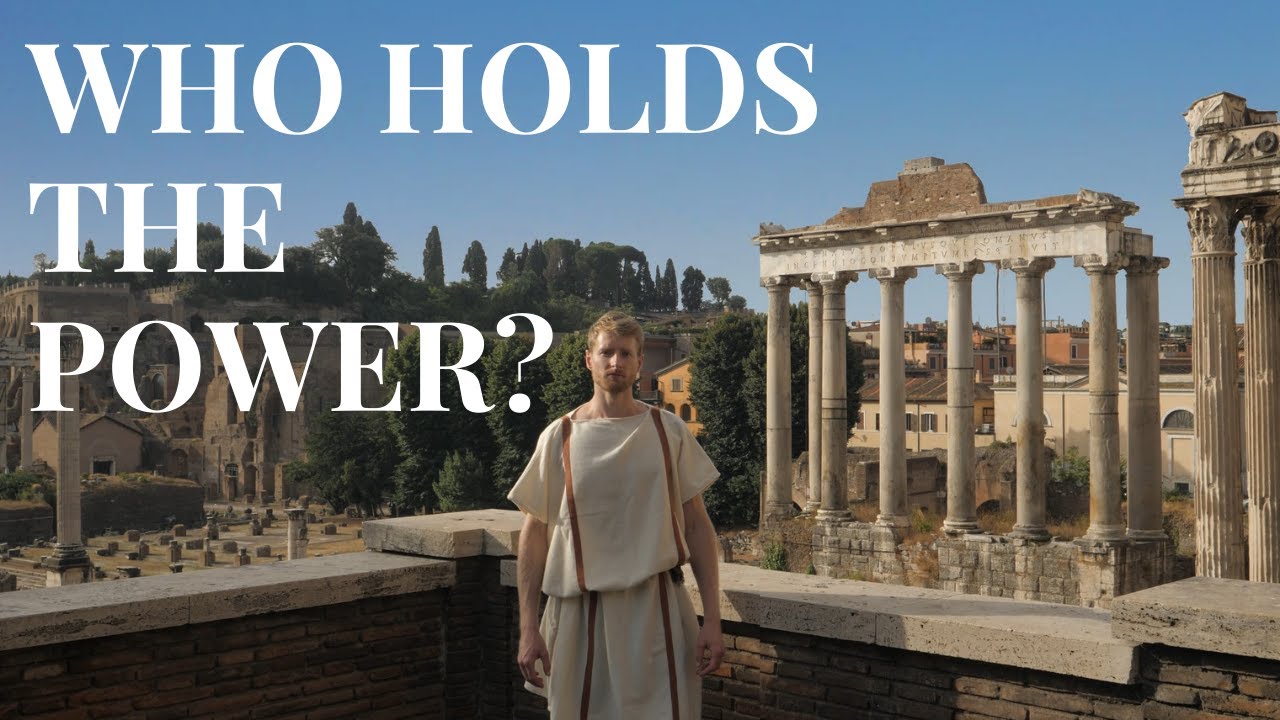
















Roman Republican art (753 B.C.E. to 27 B.C.E.) represents a unique Greco-Roman tradition where Romans adapted Greek artistic elements while developing their own distinctive style. Romans collected Greek artworks after defeating Greece in 211 B.C.E. and making Greece a province in 146 B.C.E., but they innovated by using tesserae (small mosaic pieces) instead of pebbles, creating more detailed and realistic images. The period is characterized by verism in portraiture, which emphasized exaggerated realism to show age and experience, reflecting the Senate's values of wisdom and authority. This contrasts with Greek idealized youth, as Romans valued the experience of older individuals who had seen hardships and made difficult decisions.
Ancient Roman Art: The Roman Republic | Art History Lecture
Added:The historical timeline and political structure of the Roman Republic, specifically the societal importance of the Senate, patricians, and ancestral lineage.
The defining characteristics of Classical and Hellenistic Greek art, which served as the primary aesthetic foundation for Roman artists.
The artistic distinction between idealism (representing visual perfection) and naturalism/realism in ancient portraiture.
Basic knowledge of ancient artistic mediums, particularly the techniques involved in creating stone sculptures and tesserae-based mosaics.
The dramatic stylistic shift from Republican verism to Imperial idealism under Emperor Augustus and the establishment of the Pax Romana.
The architectural revolution of the Roman Empire, exploring innovations in concrete, monumental arches, domes, and civic structures.
The study of Roman domestic art, including the four distinct styles of Pompeian wall painting and their social significance.
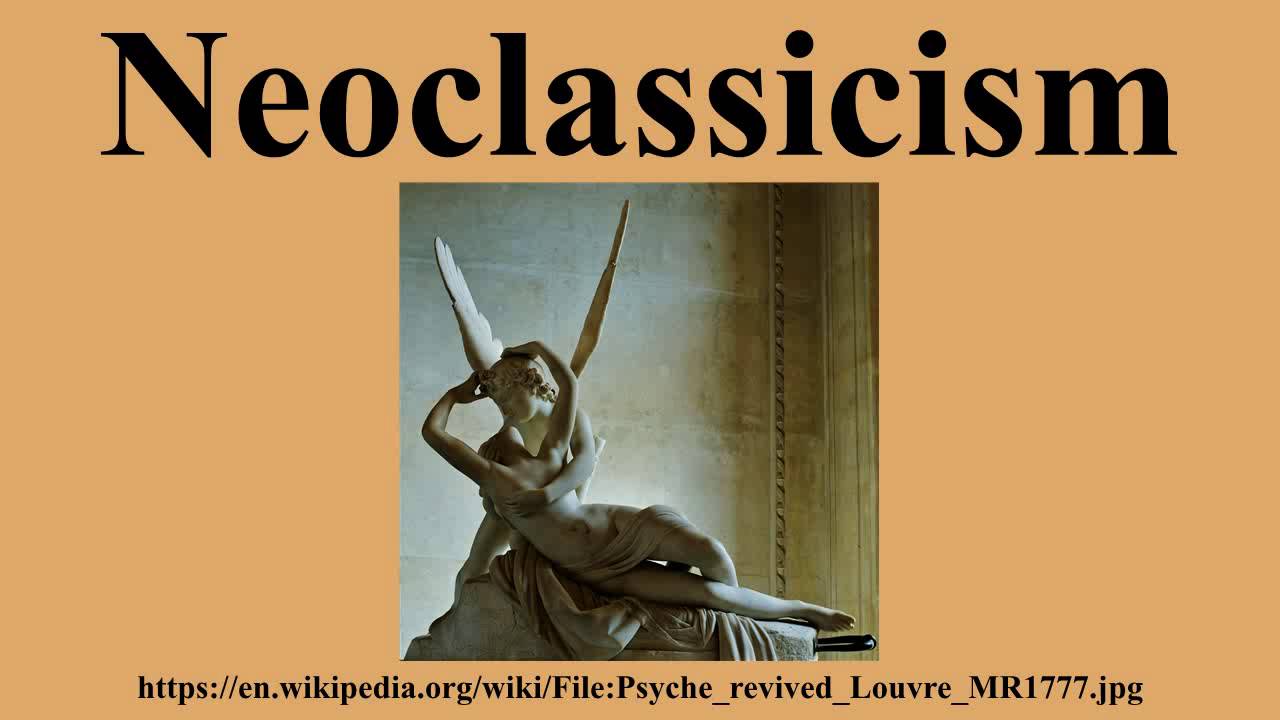
The reception and revival of Roman Republican aesthetics and civic portraiture in later historical eras, such as 18th-century European and American Neoclassicism.
211 views2likes20:47Original Release: 2025-04-24
Welcome back to our fifth unit over Roman art as we now head into Rome. So we spent the last lecture discussing the Atruscans and how they helped to influence later Roman art. How the Romans pulled from both at Truscan and Greek elements.
Now, let's talk about the Roman Republic. Later with the empire, this is how large their territory extends to, but we're not quite there yet. So, yesterday we discussed at Truscan art, which coincided with our Greek archaic.
We're going to move into the Republican period. As you can see, it corresponds with our great classical Henistic and later after Julius Caesar's death, the civil war and the granting of Octavian to become an Augustus by the Senate. We'll have the empire. Let's focus on our republic first. So, Rome was founded in 753 B.C.E. Um, then we have the establishment of the Roman Republic. Um, they dispose of the tyrannical kings, create the Senate. Later, Julius Caesar is killed and we have the founding of the republic with Octavian. These dates are found on your handout, so I'll be referencing them later. But let's discuss, yeah, why there's an influence from ancient Greece. So, our Henistic period ends with the Roman defeat of Greece. Um, going back, Rome was founded in 753 and it takes hundreds of years to gain control over Italy. 117 to 200 AD, Rome becomes the greatest empire ever known. The art is highly imperial. It's celebrating the leader. There's much more of a sense of individualism, of propaganda. Um, but if we look here in 211 BC, the Roman general Marcelus brings back spoils of war from Greece.
And as he is carrying he and his troops that are carrying these spoils of war off of the ship, these Romans start to see all these major Greek artworks coming in. And this is what spawns the obsession with Greek art. And Greeks or excuse me, Romans begin collecting Greek art. By 146 B.CE, Greece becomes a Roman province. Um, this coincides with our Hellenistic period. And so they begin to collect Greek art.
Let's come back to 753 and the founding of Rome for some background information.
So you have these two brothers Romulus and Remis and they are basically abandoned and they're raised by the shewolf. So we see that depicted here.
Now this image is often used to portray this story.
However, the wolf is most likely a truskin, but the infants right here are actually a later edition during our medieval period. Um, so just note that not all of this is original, but anyway, it it helps to show the story of how Romulus and Ramis are raised by the sheolf and then eventually we have the foundation of Rome. Now, it's called Rome after Romulus because he defeats his brother.
He kills his brother. So I want you to consider how even the origin story of ancient Rome starts in blood. Romulus killed his brother to found and become the king of Rome. We go for a couple hundred years and then the Roman Republic is founded.
This is a reaction to these tyrannical kings. So they depose of the kings and now we have the creation of the Senate.
Now, our Greco Roman art is is called Greco Roman because of the clear Greek influence.
However, let's let's talk about that.
So, when I first went to Rome, I went my senior year and I just began my love of ancient Roman art. And I remember my mom kept saying, "Oh, it's it's just Greek art." Essentially, Roman art is Greek art. And I hadn't been to Greece yet. My mom had already gone to Greece in the 70s and multiple times I believe. And so I I didn't quite understand that until later I went to Greece and then I went to Rome two times after Greece and then I could see the influence. However, there's this misconception that everything about Rome is Greek. But what we're going to discover through this course is that the Romans are pulling Greek elements and then making them their own and expanding upon it. We started to look at that with our last lecture where they were pulling from Greek elements and from Atruscan elements to create their own. So this is often referred to as Greco Roman. So it's indicating the clear influence from the Greeks, how they look to them.
They're collecting the Greek artworks.
They're modeling if not copying um their own works after Greek works, but they create their own as well.
Um, oh, I should also mention the importance of patronage under the Romans. So, the Roman state and its wealthiest individuals were major patrons of art. They spent lavishly on themselves and their homes, but they also spent enormous funds on public works because they saw that as contributing to the the general good. So they patronized these massive public projects with the idea that this would help the Roman people and help to by looking at good art you have happy people essentially. And so it was part of their duty to patronize art. Um again so we discussed this at the last last lecture how we have these Greek elements we have these atrescan elements but yet the Romans are making it their own. And so let's talk about the Alexander mosaic from the house of fawn in Pompei. So this artwork helps to establish our idea of this Greco Roman art and how the Romans are pulling from Greek elements but then making it their own. It's a good transition piece in other words. So this is actually a Roman floor mosaic. Here it is found in the house of Fawn. You see this Fawn sculpture right here, hence the name in Pompei. So, Pompei was so well preserved because of the eruption of Vuvius and so all that volcanic ash fell upon the city and preserved the structures for the most part um the artworks etc. So, we're really fortunate to have that. Not fortunate for the people who experienced it, but us later people can appreciate the art. And so we're looking in the back here as you walk through the entrance of this house, this grand house. I had the fortunate opportunity to go there. Um, within the interior, we have this grand floor mosaic. Now, the original is actually been moved to the museum. This is a copy made by art students, but it still gives you a general idea of what it originally looked like.
So here we are with this floor mosaic. And so let's talk about mosaics and tessera. And so the Greeks also used mosaics, but they made these images out of pebbles, different colored pebbles.
The Romans take that idea of mosaics, but they're going to be creating these small little tesser. those tiny little squares, the small square mosaic pieces, and they're making it out of limestone, of marble, glass, etc. So again, they're taking this Greek element of mosaics, which were based on pebbles, and they're using it to create their own and they're expanding upon it. They're using these tiny little pieces to create all these different colors of our face here to create this sense of volume and modeling and shading. I'll discuss that later.
So, it's very masterful.
And so many argue that this is actually based on a Greek mural that there was a enormous example of wall art of a mural piece made by the Greeks in which this was based upon. So again, we're pulling these Greek elements but making it their own. So let's take a moment to appreciate all these different formal elements. So first of all, we have Alexander the Great over on the left versus Darius. Darius should sound familiar, right? He we discovered or we discussed him with Procepilus when we go back to ancient Persia. And so what we see here is a lot of henistic elements. It's very expressionistic. It's extremely dramatic. Look at all these twisting and writhing bodies and these very dramatic facial expressions. And we're seeing it's it's essentially a very chaotic composition, but that's purposeful. They're trying to show the chaos of battle. Battle is chaotic. But we have these dynamic and twisting pose of our Henistic period. And so if we're looking at Alexander the Great and Darius II and his charioteer, we can see who's who's losing and who's winning. Essentially, Alexander the Great again is composed versus Darius who seems to be taken over by emotions in that moment as he reaches out to a fallen comrade likely his brother who has just been killed. So, you'll notice in the middle this soldier and this dead horse, but again, um some argued that this is his brother.
So this hellenistic expression and drama and I want to introduce a new art history term. So these small little tesser in which you can use all these different colors of these small little squares enables them to create the sense of volume on this two-dimensional surface. Look at all the details here.
So we have this word modeling. And if we're let's look at Darius's face for this. And modeling is the use of light and dark. So you have this highlighting.
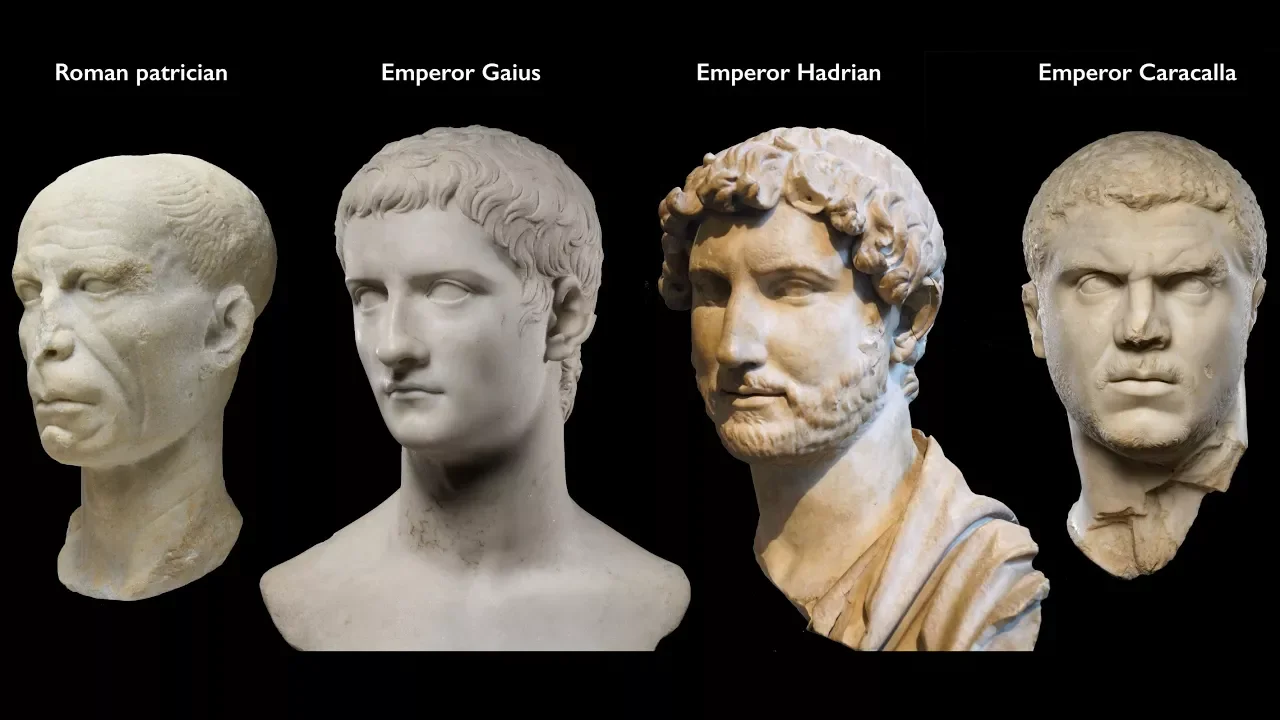
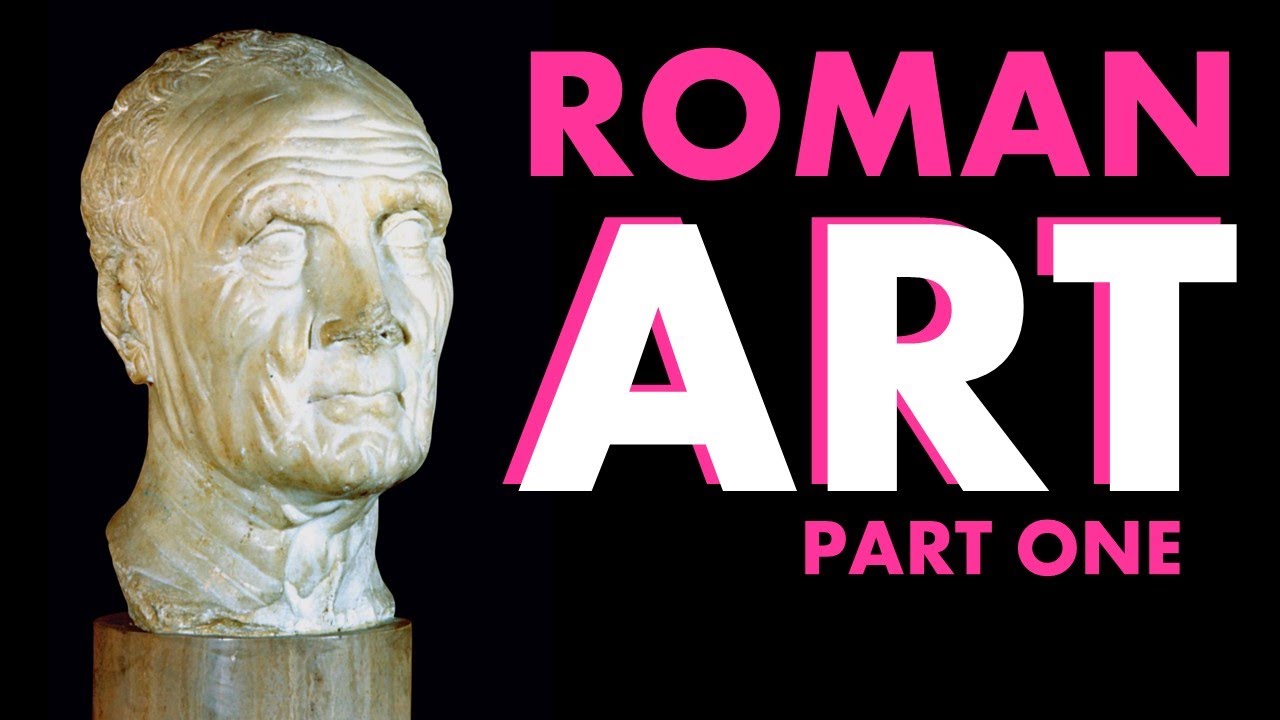
So the white color we can see the source of light is in front of Darius where the highlighting is on part of his cheek and his nose. And then we have shadow and this creates volume. They've been observing people in real life to create this sense of depth and volume to create realistic images. So that's modeling this highlighting and shadow to create a sense of volume on a two-dimensional surface. And look at all the details throughout this. Even with the shadows and the folding of the drapery, the the clothes that they're wearing, etc. All these tiny little details out of these small little tesser. We have examples of foreshortening again these writhing and twisting bodies. We have this sense of space by the overlapping figures with our foreground, middleground, background. Um, I want to take a moment to look at this figure who has fallen down. his face is no longer present, but we see the reflection of his face in the shield. So, they're really just like our Greeks were studying optics. Um, I mean, this is a likely based off of a Greek original, but the Romans are studying optics and considering how to create the three-dimensional world in two-dimensional form as well. And here we have Alexander the Great. Alexander mosaics. I'll give you a moment to just briefly scan your eyes around this composition to appreciate how detailed it [Music] is. Okay. So let's come back as a reminder to our classical Greek art defined by our highclass Dory Foros and our henistic art of our seated boxer and the difference between classical and henistic because we're going to see some more henistic influences on our republican period with drama expressionism and we're seeing more than just the idealized youth. And so here we have our head of a Roman patrician. So hopefully you're pretty familiar with this based off of the assigned reading, but this is our excellent example of verism which helps to define portraiture in the Roman Republic period. So portraiture was extremely important. So much so that within houses you would have the butts of your ancestors like this individual.
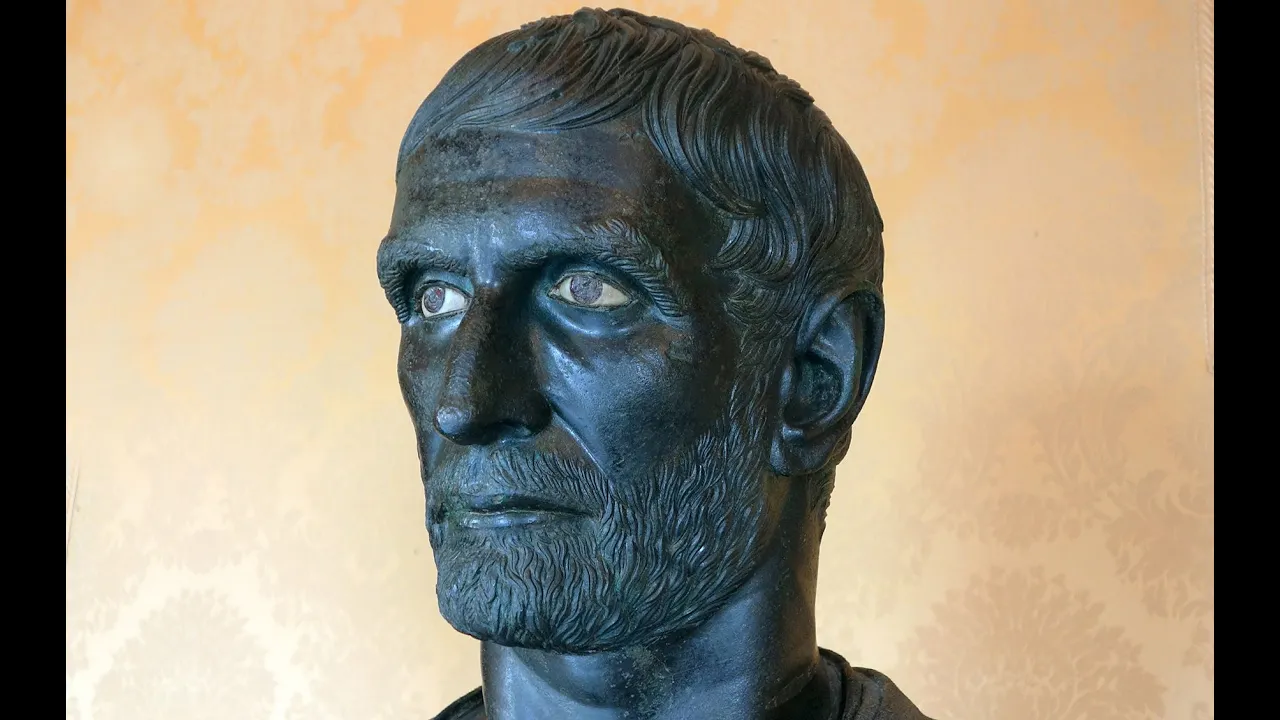
Um there were even wax masks of the bus of your or of the faces of your past ancestors. Ancestors are very important for the Romans. So there was even examples where there were specific holidays in these processional parades where they would be carrying the bus of their ancestors or other family members would even be putting on the wax um masks of ancestors etc. And so this idea of portraiture is more than just aesthetically pleasing art. It's this capturing of the essence of your ancestry as well. And it's giving respect to your ancestory. And it's you yourself are making your mark on your family lineage through your own portraiture. So here we have this head of a Roman petition. And verism is this extremely exaggerated realism to show the experience and thus the age of an individual. So this is during the republic period where the senate is ruling. The Senate are these older elitely individuals and so their age helps to attest to their authority that they've made these tough decisions that they're considering in weighing the options of these decisions that they've seen it all that they've seen hardships and battles and they they know the weight of these decisions. And so we see that with our head of a Roman patrician.
He's the head of his family. The patrician are the more ruling elite.
And so, yeah, here we have this exaggerated elderly man. He likely wasn't this wrinkly, but artistically, you're going to exaggerate those wrinkles to show his age and thus to show his experience. So unlike the Greeks where they most appreciated these idealized male youth in the peak of their physical prime instead Romans under the Republican period appreciate experience. So they're looking to those older individuals who have learned through trial and error who are weighing the options. And so really consider not only is he extremely wrinkly but he also has this burrowed brow. So this helps to portray the message of the Senate of how he's really considering and weighing these options. He knows it's a heavy decision. They feel the weight of ruling Rome. And thus our Republican period is defined by our our Senate compared to our seated boxer. So they're obviously influenced by our Henistic art. later the empire period will will change their artistic priorities. Here's some other examples again of these ruling families um of our patricians and where they're showing the weight of their authority, the weight of these decisions and experience. And again, this helps to communicate even to the Roman people that they they do know that these are hard decisions that they are taking the time to consider what is best for the Roman people. So, it's reassuring them as well versus our classical period Greece.
So, Luan, here is another good transition piece where we're seeing these henistic elements and some new Greek elements. So, this one I've labeled as Roman Republic period/Henistic Greek. So, the reason for this is because we likely have a Henistic artwork or at least based off of a Henistic artwork with a literal addition made by Romans. So, a Roman addition to it.
Um, so let's back up. This this was found during the Renaissance.
Michelangelo actually even was there when it was uncovered from the earth.
And so he helped to restore it.
Actually, there was some debate about the placement of that that bent ar of the main figure's right bent arm up here. But anyway, back to the figure. So what we're depicting is a a Greek story.
So hence our our Greek um origin. And it's the story of Lawan from the the Trojan War, which you're likely familiar with, where Paris fell in love with Helen and they escaped back to Troy.
This causes a whole war in which eventually the the the Trojans are destroyed. And so what we see here is Loan and he's a a Trojan priest and he warns them warns the Trojans not to bring in the the horse, the big Greek horse that they tricked the Trojans with and came into the gates of the city which eventually led to their destruction. So this Trojan priest warned them against it.
Now remember across the ancient world, these city states have their own gods, their own patron deities. Well, the gods had already decided that the Trojans would win. And so they're upset that Lwan is trying to stop this. And so they take out their vengeance upon Luan. They punish him. Says this is a depiction of he and his sons who are being punished by the Greek gods. Um because again the Greeks are always behind. I mean, the Greek gods are always behind the Greeks.
They're not going to be behind the Trojans. And so, the these giant serpents were sent by the gods to destroy them. And we can see that serpent wrapping around. So, these clearly Henistic influences with these twisting dynamic poses. We've seen almost this exact facial expression before. Consider the the wild hair. He's a enemy of the of the Greeks. He was a Trojan. The riving positions, the idealized body, and this sense of agony on our main figure's face here, and the agony of his sons. Hierarchy of scale.
He's more important, idealized. They're younger. However, the composition is extremely off. These two figures seem to balance one another out where we have this shape that goes around. They're on this pedestal. So, this is balanced.
But what about this gentleman over here?
He's larger than the other one. His style is slightly different. We have a little bit more of an individualized face if you consider the nose. Um, and the composition is thus off. It's it's not balanced because this guy on the right is a Roman edition. So again, the Romans are taking these Greek ideas.
Think of how instead of calling their goddess Aphrodite, they're referring to her as Venus. but essentially the same attributes and story but they're making it their own. So part of this Lwan story has been changed by the Romans Romans and so they're adding their own addition reflecting their version of the story. So that's our good transition piece. So um it's at the Vatican is able to see that one as well which is really neat.
And so that composition is also one of the reasons why they couldn't figure out originally whether it was helenistic or a Roman copy based on a helenistic work.
But then they figured out it's an addition reminiscent of our expressionism versus the classical. Um here was how the arm was placed for a period of time initially. So there ends our Roman Republic before we go into our empire.
Up Next

12:16
Ara Pacis Augustae: Imperial Rome's Altar of Peace Explained
@LucasLivingston
8.8K views•2012-01-01

114:18
Christian Iconography: History, Theology, and Meaning | Fr. Panayiotis Papageorgiou
@Trisagionfilms
58.8K views•2020-02-21
7:48
Ukiyo-e Art: History, Woodblock Printing & Influence
@japanathand
6.3K views•2023-06-08

16:34
Earliest Depictions of Jesus in Art: 10 Ancient Images Explained
@UsefulCharts
5.9M views•2022-06-03
Related Study Plans & Knowledge Roadmaps
Structured learning paths in Art History
art-history
Gothic Cathedrals: Engineering, Light & Society
01The Birth of the Gothic: Romanesque to Suger's Vision
02The Structural Triad: Pointed Arches, Ribbed Vaults, and Flying Buttresses
03Theology of Light: Lux Nova and Sacred Geometry
+ 2 more learning modules
14h5 modules
Explore Roadmap
art-history
Pre-Raphaelites: Realism, Symbolism & Critique
01The Victorian Art Establishment and Academic Formula
02The Founding of the PRB and Radical Realism
03Medieval Revivalism and Literary Symbolism
+ 1 more learning modules
8h4 modules
Explore Roadmap
art-history
Street Art: From Subways to Art Market
01Subcultural Origins in Philadelphia and New York (1970s)
02The Subway Era and Style Wars (Late 1970s - 1980s)
03The East Village Scene and Early Gallery Crossover
+ 2 more learning modules
10h5 modules
Explore Roadmap
art-history
Classic Maya Art: Iconography, Glyphs & Ritual
01Foundations of Classic Maya Visual Culture
02Deciphering Maya Hieroglyphs & Text-Image Integration
03Sacred Geography and Cosmological Architecture
+ 2 more learning modules
14h5 modules
Explore Roadmap