
![23) Dr.Gihan [Nervous Tissue] 29/03/2014](https://i.ytimg.com/vi/dQqE6Zlwfwc/hqdefault.jpg?sqp=-oaymwEmCOADEOgC8quKqQMa8AEB-AH-BIAC6AKKAgwIABABGFMgWihlMA8=&rs=AOn4CLBgBr4B9O7CD2lJA6MLVNMFwNCZWg)
















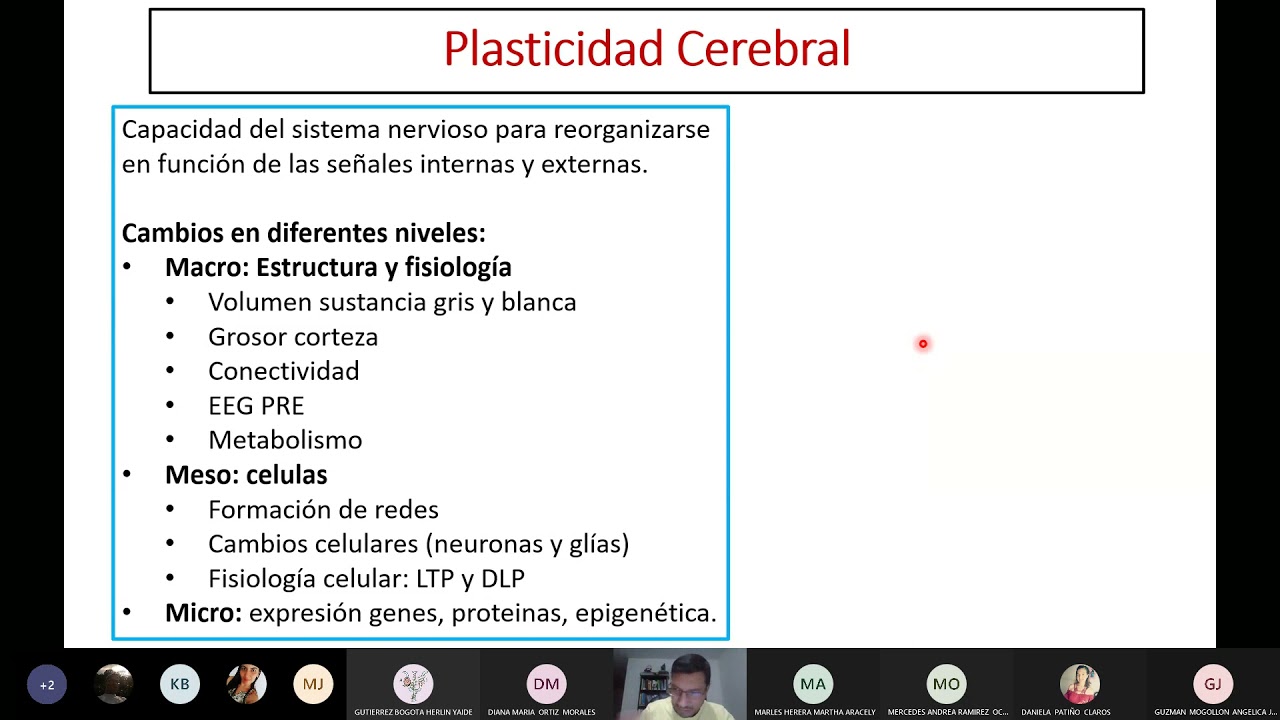



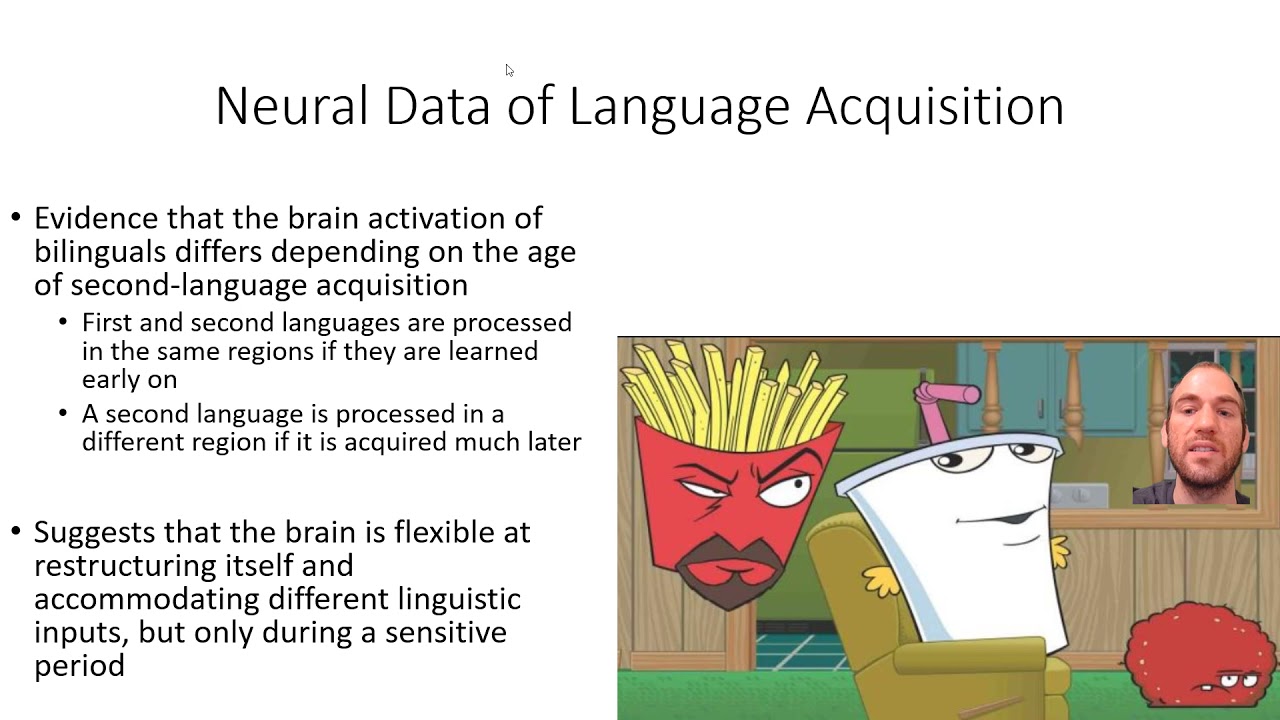





Sensitive periods are gradual developmental windows where organisms are maximally responsive to environmental stimuli, allowing learning even after the period closes but with reduced efficiency (e.g., language acquisition between ages 3-7); in contrast, critical periods are finite, abrupt windows where heightened sensitivity is compulsory for skill development, and missing exposure results in permanent functional impairment (e.g., visual cortex development in kittens blindfolded during the first 3 months).
Sensitive vs Critical Periods: Learning & Brain Development
Added:Basic concepts of neuroplasticity, including how neural pathways are formed, strengthened, or pruned in response to experience.
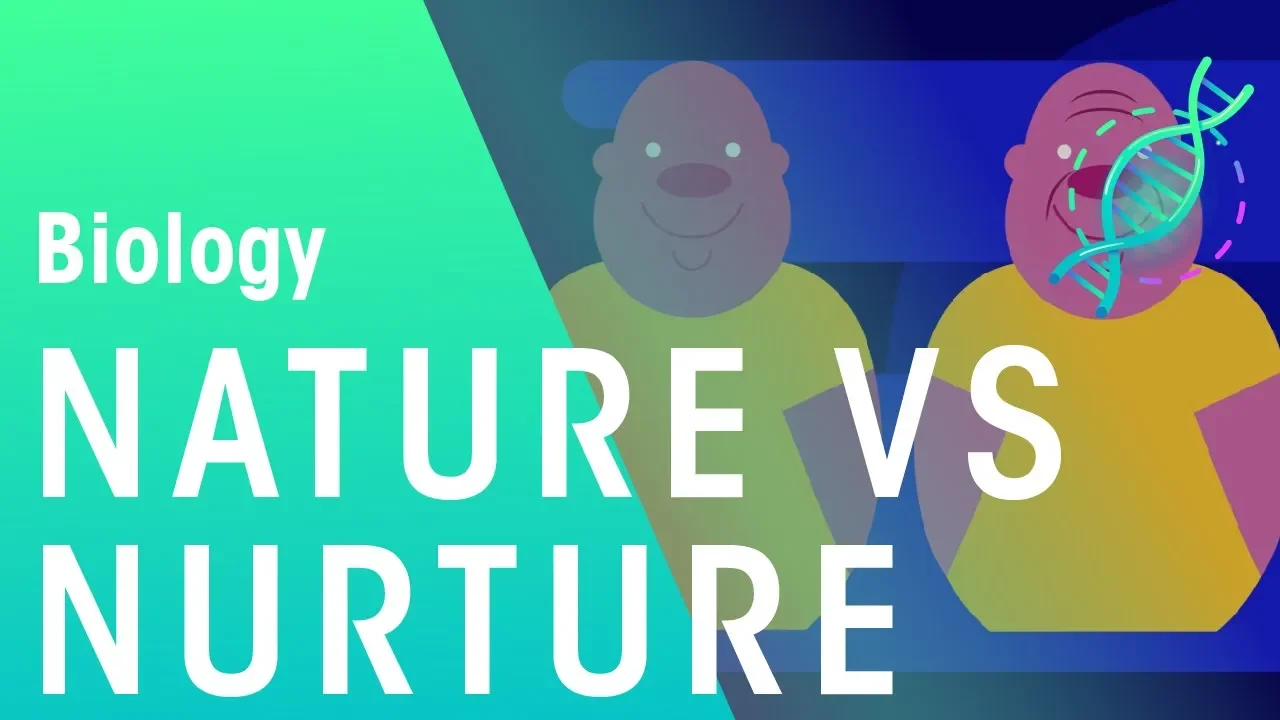
The fundamental debate of nature versus nurture and how genetics and environment interact to shape human development.
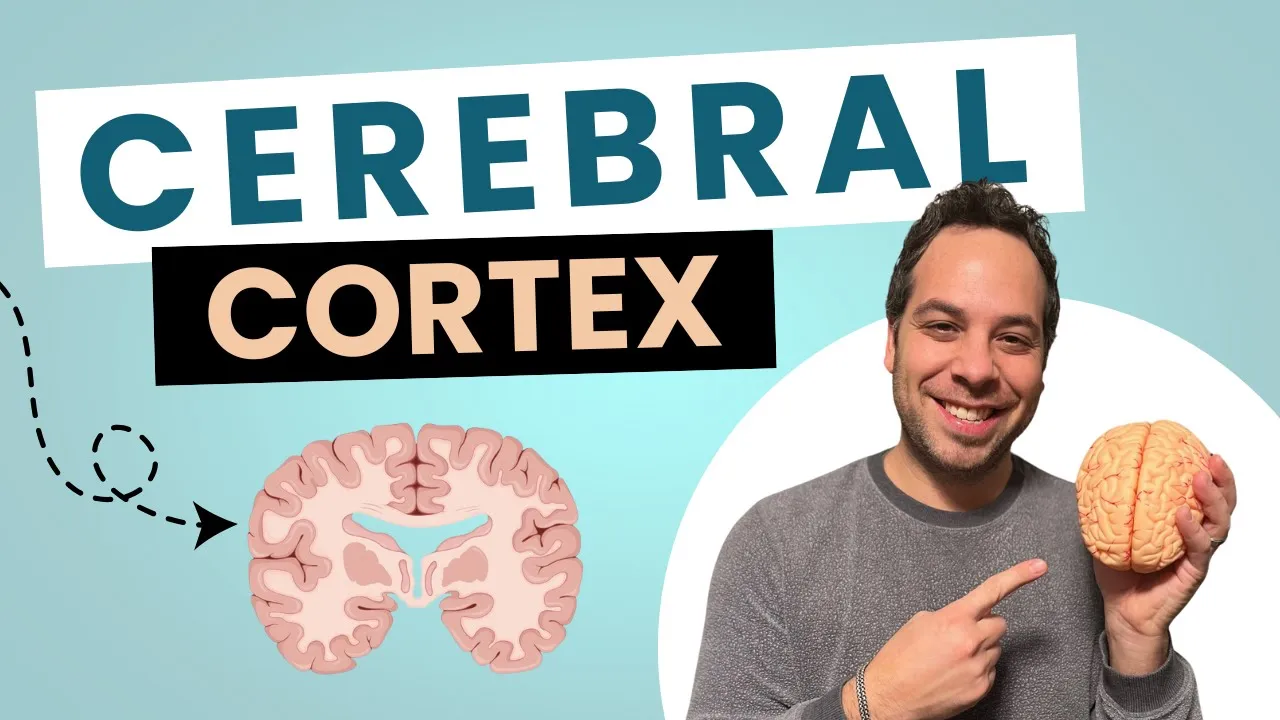
An introductory understanding of brain anatomy, particularly sensory processing areas and the role of the cerebral cortex.
Case studies of severe environmental deprivation (such as Genie Wiley or Romanian orphanage studies) to examine the long-term effects of missed developmental windows.
The distinction between experience-expectant and experience-dependent brain development.
Theories of language acquisition and how sensitive periods apply to learning first and second languages.
Practical applications in early childhood education policy and design of targeted interventions for developmental delays.
79K views348likes3:00Original Release: 2012-07-14
Sensitive periods of learning can be described as specific times during our development when a biological event is more sensitive to environmental stimuli.
So for instance, our brains are most sensitive to exposure to language between the ages of three and seven.
After the sensitive period has closed, we can still learn, but the learning process is less efficient. So for instance, if we grow grow up in an environment where we're not exposed to to language through our childhood, i.e. we're not exposed until say we reach adolescence, we can still learn language. It's just that the process will be less efficient.
Critical periods on the other hand are finite periods in which an organism has heightened sensitivity to external stimuli that is compulsory for the de development of a particular skill. For instance, certain areas of the visual cortex are only capable of synapse formation during the early stages of development. And once the critical period has has elapsed, the individual will have some visual impairment if they're not exposed to that visual stimuli during the critical period. as illustrated by experiments done by Hubil and Visil which temporarily temporarily blindfolded one eye of a kitten during the critical period from zero to 3 months and when the blindfold was taken off one eye it never fully developed vision in that eye it actually resulted in a reduction and in dendritic branching at the end of the neuron and there was less afr activity in the blindfolded by.
So in terms of differences between sensitive and critical periods, well sensitive periods start and end gradually as opposed to critical periods where there's an abrupt start and abrupt end.
During the period, it's a time of maximal sensitivity to environmental stimuli. Whereas for a critical period, we describe it as a heightened sensitivity to external stimuli.
After the period is closed, for a sensitive period, it can still learn, but the process will be less efficient.
For a critical period, after the period has elapsed, the cortical areas allocated for the skill will adapt and perform a different function.
Examples of sensitive periods. Well, language development again we can learn after the sensitive period has closed i.e. adolescence for a critical period.
An example is the full development of our visual capabilities. If we're not exposed during those critical periods, we will have some visual deficiencies.
Up Next
47:57
Developmental Psychology Ch 1: History, Theory & Applied Directions
@BilkentUniversitesi
64.7K views•2017-11-06

68:32
Cognitive Skills for Differentiated Instruction | Teacher PD
@BrainWareLearning
631 views•2017-12-17
4:09
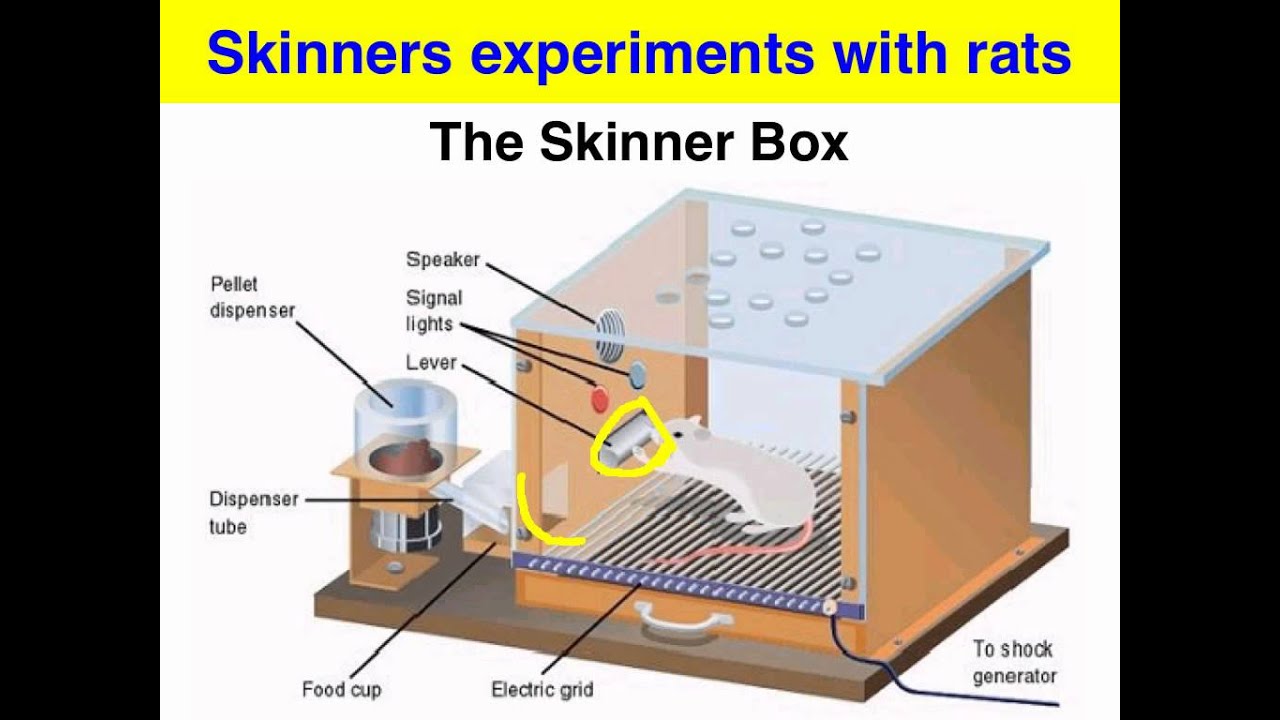
Operant Conditioning & Skinner Box Explained | VCE Psychology
@Psyccounting
407.5K views•2012-07-20

6:40
The Nocebo Effect: How Beliefs Can Cause Real Harm
@CGPGrey
10.4M views•2013-12-23
Related Study Plans & Knowledge Roadmaps
Structured learning paths in Psychology
psychology
Neuroscience of Creativity: Networks & Training
01Foundations of Creative Cognition
02The Cognitive Neuroscience of Insight & Fixation
03The Triple Network Model of Creativity
+ 1 more learning modules
15h4 modules
Explore Roadmap
psychology
Imposter Syndrome: Etiology & CBT Framework
01Defining the Imposter Phenomenon
02Socio-Developmental Etiologies
03CBT Fundamentals & Thought Distortions
+ 2 more learning modules
15h5 modules
Explore Roadmap
psychology
Adult ADHD: Executive Dysfunction & Scaffolding
01Neurobiology of the ADHD Brain
02The Core Triad of Executive Deficits
03Executive Dysfunction and Emotional Regulation
+ 2 more learning modules
12h5 modules
Explore Roadmap
psychology
Loneliness: Evolution, Neurobiology & CBT
01Evolutionary Origins of Human Connection and Loneliness
02The Neurobiology and Physiology of Chronic Loneliness
03Maladaptive Social Cognition: The Psychological Loop
+ 2 more learning modules
12h5 modules
Explore Roadmap