Building Web3 Games: Unity & Smart Contracts
Learning Goal: "Architecting Web3 Games: Connecting Unity Game Engines to Smart Contracts for Real-Time On-Chain State Management"
This curriculum is designed to take software engineers and game developers from foundational decentralized concepts to deploying, connecting, and architecting hybrid Web3 games using the Unity Engine, C#, and Solidity smart contracts.
- Prerequisites: Basic programming familiarity (variables, conditions, functions). No prior experience with game engines or blockchain is required.
- Estimated Total Study Time: 40 hours.
Module 1: Blockchain & Web3 Foundations
This module introduces the conceptual architecture of Web3: decentralized ledgers, cryptography, smart contracts, and Web3 wallets. You will learn how browser extensions function as secure key management tools and understand what happens on-chain during decentralized transactions.
Why this video
To develop games that interact with players' assets, you must understand how players prove ownership and authorize actions. This video explains MetaMask as a secure gateway to decentralized networks, outlining how it handles key pairs, sign-in flows, and transactions without compromising seed phrases.

Why this video
This animated short introduces the concept of self-executing code stored on-chain. It establishes the "if-then" logic rules of smart contracts, helping you understand how game-state rules (e.g., "if player burns 10 gold tokens, then mint a sword NFT") operate autonomously without a traditional centralized database.
Why this video
This video explains the conceptual shift of Web3: transitioning from web platforms where your data is siloed by big tech corporations, to an open ecosystem where your digital identity, in-game items, and achievements are interoperable and held inside an encrypted digital wallet.
Self-Study Recommendation: Because foundational blockchain videos are brief overviews, you should independently research how EVM (Ethereum Virtual Machine) gas fees are calculated and how block times differ between Ethereum Mainnet and Layer-2 scaling networks (e.g., Arbitrum, Polygon, or Ronin).
Knowledge Checkpoint
- Explain the difference between public/private keys and how MetaMask signs a transaction.
- Describe how a smart contract executes "if-then" logic on the blockchain without intermediary authorization.
- Understand why user data and currencies are globally portable in Web3 rather than siloed within a game developer's private database.
Module 2: Unity & C# Game Development Basics
This module builds your game development foundation. You will install the Unity engine, explore its component-based design, write custom game scripts in C#, and understand the lifecycle of the fundamental Unity Game Loop.

Why this video
A comprehensive masterclass on navigating the Unity Editor. You will learn about GameObjects, the Inspector window, structural hierarchy, and scene setup. This is a crucial practical step to establish your desktop workspace before adding Web3 layers.
Why this video
This video introduces Unity-specific C# syntax. It explains the relationship between custom script files, MonoBehaviour, and basic components, demonstrating how to declare variables and logic functions that run within a live scene.
Why this video
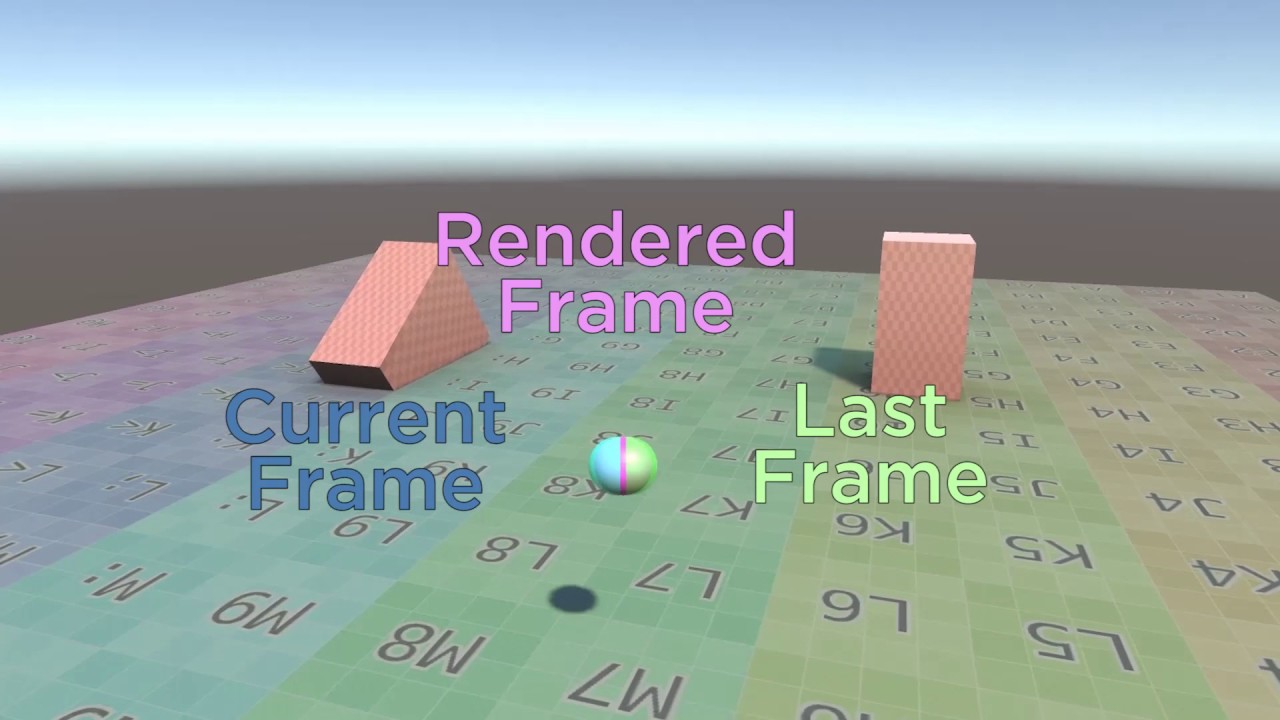
This micro-tutorial introduces the execution order of the Unity Game Loop. It distinguishes between Update() (which executes on every graphical frame) and FixedUpdate() (which runs on a consistent physics timer). This distinction is critical for performance profiling and network state updates.
Knowledge Checkpoint
- Create a new Unity project, add a 3D sphere, and attach a custom C# script.
- Differentiate between
Start()(run once upon initialization) andUpdate()(run every frame). - Implement
Time.deltaTimein a movement script to ensure that local asset physics remain frame-rate independent.
Module 3: Smart Contracts and Token Standards for Games
This module transitions from game loops to blockchain-native development. You will learn how to write Solidity code, deploy testnet contracts via the browser-based Remix IDE, and distinguish between standard tokens, unique 1-of-1 assets (ERC-721), and multi-token profiles (ERC-1155).

Why this video
This deep dive takes you from writing your first lines of Solidity to mastering state variables, visibility modifiers, function declarations, mappings, and contract deployments. This course establishes the programmatic foundation of secure smart contracts.

Why this video
In Web3 game development, using a separate ERC-721 contract for every weapon type is gas-inefficient. This video explains why the hybrid ERC-1155 "Multi-Token Standard" is used for Web3 games, allowing a single deployed contract to manage both fungible in-game currencies and unique non-fungible equipment.

Why this video
Before deploying your smart contracts to production (Mainnet), you must deploy and test them on simulated staging networks. This step-by-step tutorial demonstrates how to use the browser-based Remix IDE alongside MetaMask to deploy contracts to the Sepolia testnet.
Knowledge Checkpoint
- Set up Remix IDE, compile a basic contract using Solidity
0.8.x, and deploy it to the Remix VM. - Contrast ERC-721 and ERC-1155 standards and identify which token type best represents game ammunition versus a unique hero character.
- Connect MetaMask to the Sepolia Testnet, fund it with free testnet Ether using an online faucet, and execute a deployment.
Module 4: Bridging Unity to the Blockchain
This module connects Unity with deployed smart contracts. You will import specialized software development kits (SDKs), build wallet connection interfaces, and learn how to trigger read/write operations on EVM blockchains from within C# code.

Why this video
This tutorial demonstrates how to import a Web3 development kit into Unity, drag prefab UI elements into your scenes, configure RPC nodes with a ThirdwebManager, and call smart contract variables directly inside your C# scripts.

Why this video
Integrating multiple wallet networks is critical for a smooth onboarding user experience. This video shows how the ChainSafe SDK handles wallet handshakes in the editor, WebGL builds, and mobile platforms via WalletConnect protocols.

Why this video
SDKs like Thirdweb abstract away the underlying protocols, but low-level customization requires direct communication. This video, taught by the creator of Nethereum, demonstrates how standard C# interacts with the EVM via JSON-RPC protocols. This helps you understand how C# code queries raw contract data without relying on third-party SDK wrappers.
Developer Guide for the Nethereum Unity Gap: In production Unity applications, you will often need to read smart contract values (like account balances or item levels) without prompting a wallet signature. To do this with Nethereum, import the Nethereum DLLs into your Unity
Pluginsfolder, create a standardWeb3query client instance in C# targeting a public RPC endpoint (e.g., Infura or Alchemy), and write an asynchronous task usingweb3.Eth.GetContractHandlerto fetch data on-demand.
Knowledge Checkpoint
- Import the Thirdweb or ChainSafe SDK package into a blank Unity project.
- Set up a dynamic canvas UI containing a "Connect Wallet" button that displays the connected player's wallet address.
- Write a C# script that queries a contract on-chain and displays the player's token balance in a text element.
Module 5: On-Chain State Management & Game Architecture
In this module, you will learn to design hybrid architectures that balance speed and security. You will learn to store asset metadata decentralized, manage local updates during slow block confirmation times, and choose which state elements belong on-chain versus off-chain.

Why this video
This industry case study explores the architecture of Axie Infinity. Co-founder Jeff Zirlin discusses the decisions behind on-chain versus off-chain state structures, explaining why high-frequency battles run on off-chain game servers, while critical assets (like characters, check-ins, and tokens) are minted and traded on-chain.
![Upload Custom Images from Unity to IPFS using NFT.Storage [DAOCrossing DevLog 001]](https://i.ytimg.com/vi_webp/mV2H868KokI/maxresdefault.webp)
Why this video
Storing high-resolution game assets or JSON metadata files on-chain is too expensive. This development vlog demonstrates how to write a Unity manager script that uploads dynamic game assets directly to IPFS (InterPlanetary File System) using content identifier hashes (CIDs).
Why this video
This analytical review serves as a cautionary tale. It shows the user experience issues of CryptoFights, a game that forced players to wait for blockchain block times to confirm every turn during a match. This highlights why game designers must use off-chain execution, state layers, or optimistic sync.
Why this video
While this is a general Firebase database guide, it teaches the core programming concepts of Optimistic Updates (instantly rendering the predicted state, and rolling back if the backend database fails). This architectural design pattern is essential for mitigation of network latency in Web3 gaming.
Developer Guide for the Optimistic Update Gap: Since there are no video guides on implementing optimistic updates in C#, you must build your own state sync manager in Unity.
- When a player performs an action (e.g., purchases a sword with an on-chain token), immediately trigger a UI animation updating their gold and inventory in the local game state.
- Simultaneously, send the on-chain write transaction asynchronously using a coroutine or
async/awaitTask.- If the transaction returns a success status from the blockchain, keep the local inventory state. If the transaction fails or the user cancels the signature, catch the exception, revert the local inventory state, and show a user-friendly error pop-up in your UI.
Knowledge Checkpoint
- Architect an inventory system draft detailing which metrics are stored in an off-chain SQL database versus which are minted on-chain as ERC-1155 tokens.
- Formulate a Unity C# JSON parser that fetches IPFS metadata (
ipfs://<CID>/metadata.json) and dynamically changes a sprite image at runtime. - Implement an asynchronous state-checking script in Unity that handles transaction latency, displaying an interactive "Pending Confirmation" spinner that doesn't block the main game loop.
Course Map
Key People Index
- Gregory (Dapp University): A Web3 developer educator specializing in full-stack Ethereum development, smart contract optimization, and blockchain integration systems.
- Jeff Zirlin (Sky Mavis/Axie Infinity): Co-founder of Axie Infinity and designer of the Ronin network, pioneer of high-scale hybrid gaming architectures that separate fast off-chain calculations from secure on-chain asset settlement.
- Juan Fran Blanco (Nethereum): The lead developer of Nethereum, the open-source C# integration library that connects .NET and Unity applications directly to the Ethereum Virtual Machine.
- Jimmy Vegas: A game developer and educator who specializes in introductory Unity development tutorials, scene management, and UI building.
Final Self-Assessment
Complete this comprehensive checkpoint to verify your mastery of Web3 game development:
- Decentralization Fundamentals: I can explain the gas fee and block latency trade-offs of deploying a Web3 game on Ethereum Layer 1 versus EVM-compatible sidechains like Polygon or Ronin.
- Smart Contract Coding: I can write a Solidity contract that stores metadata URIs and allows users to mint in-game items via standard token payment.
- Token Selection: I can explain why ERC-1155 is typically preferred over ERC-721 for storing large inventories of in-game items.
- Local Architecture: I can navigate the Unity workspace, write MonoBehaviour scripts, and manage gameplay variables using C#.
- SDK Configuration: I can configure a Web3 manager component inside Unity, connect it to a testnet RPC node, and fetch player wallet signatures using wallet prebuilt templates.
- On-Chain Querying: I can write C# code to read on-chain contract state values asynchronously without triggering browser popups or gas consumption.
- Decentralized Storage: I can upload game assets and JSON configuration files to IPFS and dynamically fetch them using content identifier hashes (CIDs).
- Latency Management: I can implement optimistic updates in Unity C# to update UI menus immediately when an action occurs, with safe rollback exceptions in case of transaction failures.