







![🇪🇸 La Guerra Civil [1936-1939] 🌐 HISTORIA de ESPAÑA](https://i.ytimg.com/vi_webp/eOB_WsRTm1E/maxresdefault.webp)
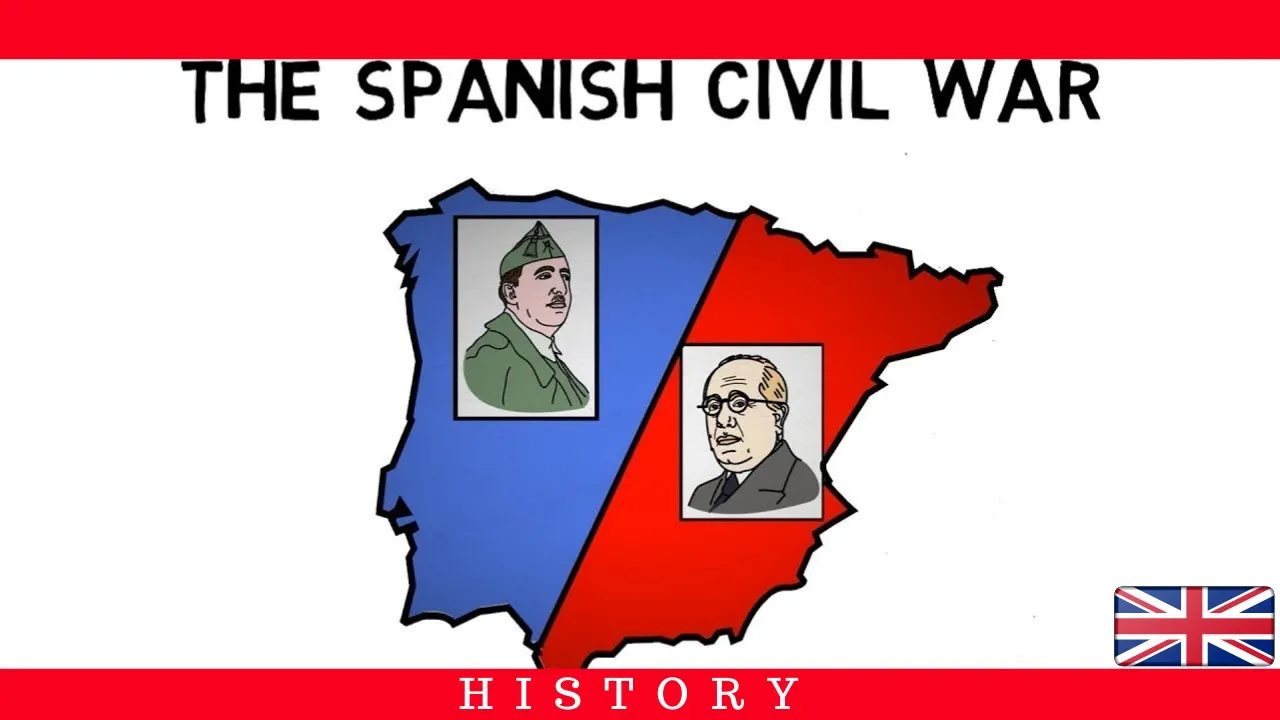





The Spanish Civil War (1936-1939) erupted due to deep political polarization and institutional failure in the Second Spanish Republic, where extreme left-wing and right-wing factions became so entrenched in their ideological opposition that they abandoned peaceful political competition and resorted to violence; the war began when Nationalist generals led by Franco attempted a coup in July 1936, exploiting widespread disillusionment with the democratic experiment that had failed to unite Spain's fragmented political spectrum.
Origins of the Spanish Civil War: Political Polarization and Conflict
Added:Understanding of the global political landscape of the 1930s, specifically the rise of fascism, communism, and the crisis of liberal democracies in Europe.
The establishment and structural challenges of the Second Spanish Republic (1931–1936), including its attempts at agrarian, military, and educational reforms.
The traditional socio-economic divides in Spain, characterized by the powerful influence of the Catholic Church, conservative military elites, wealthy landowners, and a growing, disenfranchised working class.
Basic political science concepts such as polarization, coup d'état, and how democratic institutions can destabilize under extreme ideological factionalism.
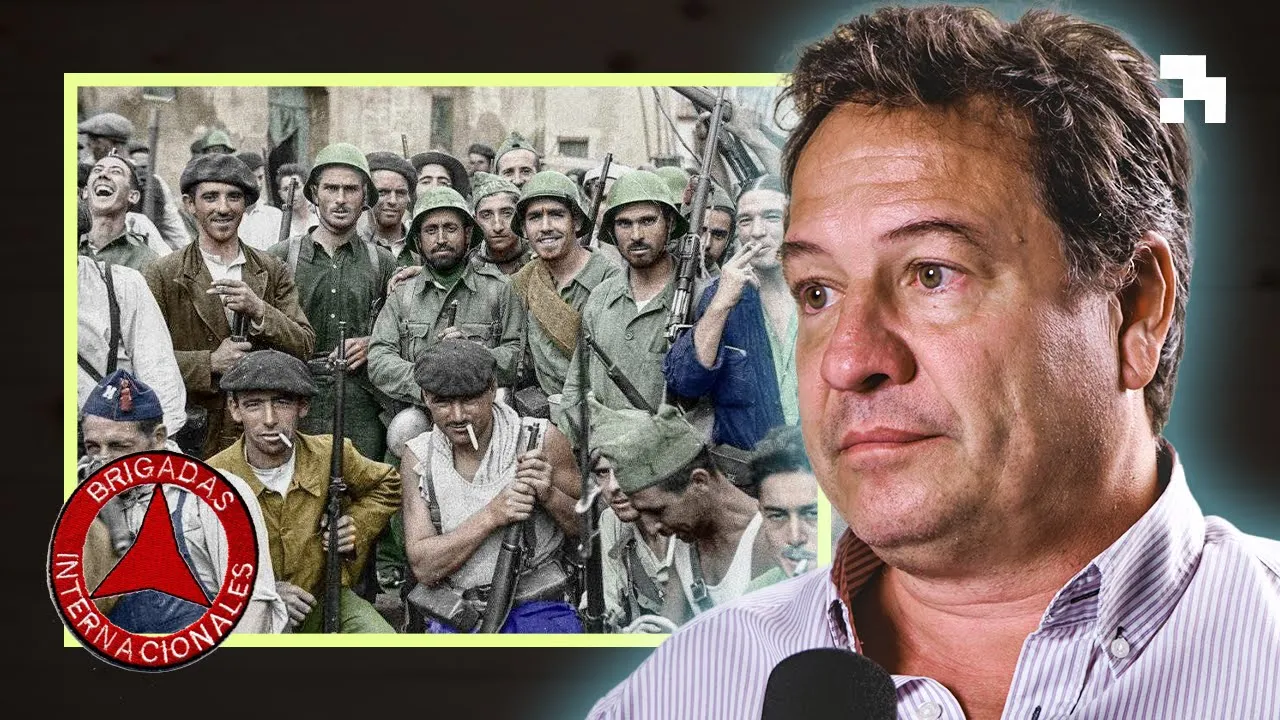
The course of the Spanish Civil War (1936–1939), focusing on key military campaigns, the division of Spain into Republican and Nationalist zones, and the role of international brigades.
The geopolitical significance of foreign intervention, analyzing how Nazi Germany, Fascist Italy, and the Soviet Union used Spain as a proxy battleground and testing field for World War II.
The establishment and characteristics of Francisco Franco's authoritarian dictatorship (Franquismo) from 1939 to 1975, and its long-term social and economic impacts on Spain.
Spain’s eventual transition to democracy in the late 1970s, including the controversial 'Pact of Forgetting' and modern efforts surrounding historical memory and the exhumation of civil war victims.
67.9K views2.1Klikes12:31Original Release: 2024-03-25
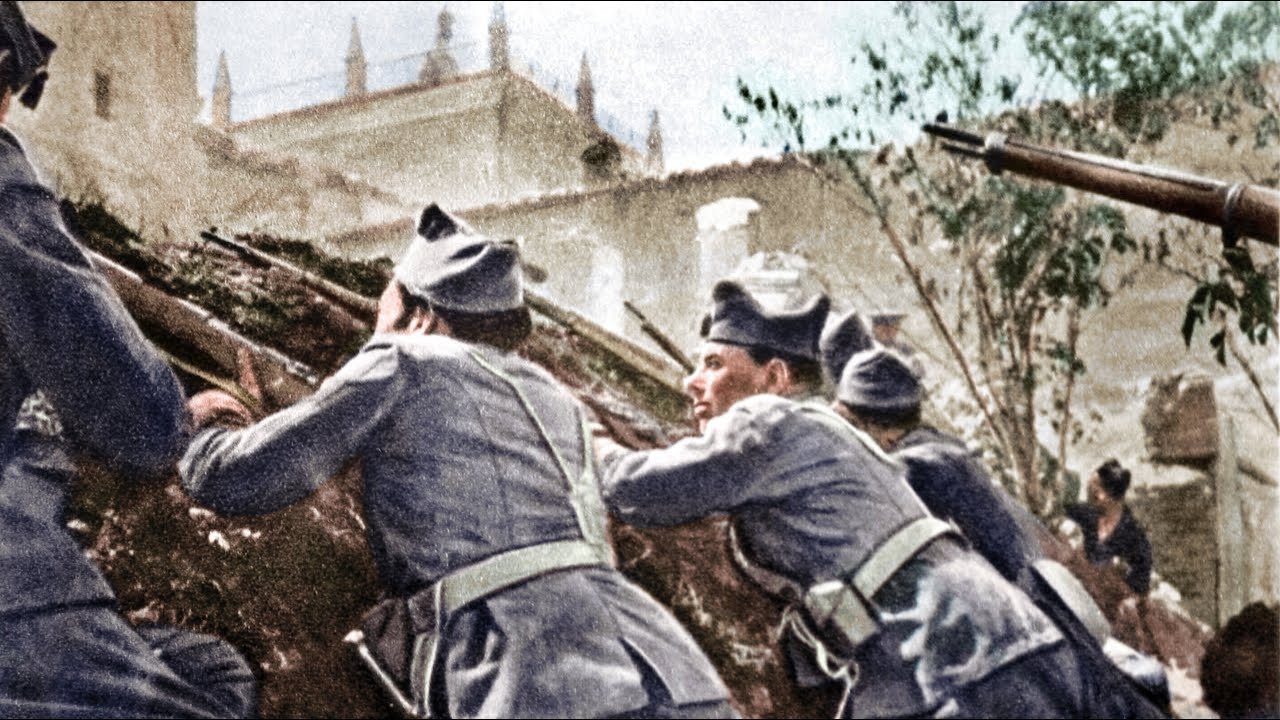
In July 1936, a secret cabal of Spanish generals and politicians attempted to topple Spain’s government and install a military junta. They did not succeed.
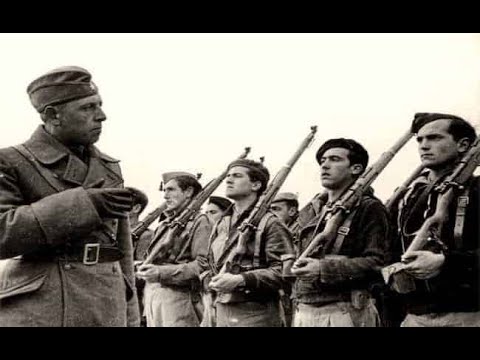
But the bid for power plunged Spanish society into all-out civil war. Vitriol, and violence, had already become commonplace in Spain, and now the extremes of the political left and right were done completely with competing for votes. After the generals botched their coup, hundreds of thousands flocked to join the military rebellion and were consolidated by Generalissimo Francisco Franco into the right-wing National cause. Their Republican opponents - supporters of the left-wing government - were equally determined to rally against enemies they despised… So, why?
How did Spaniards, or at least a critical mass of them, become so disillusioned with the good faith of their countrymen? What began the Spanish Civil War?
Well, Spain, by 1936, was a bit of a mess. Once, high on New World silver, it had been the most powerful country on the planet, and the first to be called ‘the empire on which the sun never sets.’ But by the turn of the 20th century, it had been reduced to a middling power - being relatively poor and agricultural compared to its European peers.
Unlike them, Spain had managed to stay out of World War One, but most of the Spanish Empire had been lost in the previous century, and an attempt to build a new one in North Africa led to humiliating defeat in the 1920s. That upended Spanish politics and heralded the start of a seven-year-long military dictatorship, which did conquer the Moroccan Rif.
Headed by General Miguel Primo de Rivera, and backed by Spain’s King Alfonso XIII, the dictatorship ruled the country but it was popular in few quarters, and came down amidst the Great Depression in 1930. His image tied to it, Alfonso abdicated the next year, and the Second Spanish Republic began with the nation in a fragile state.
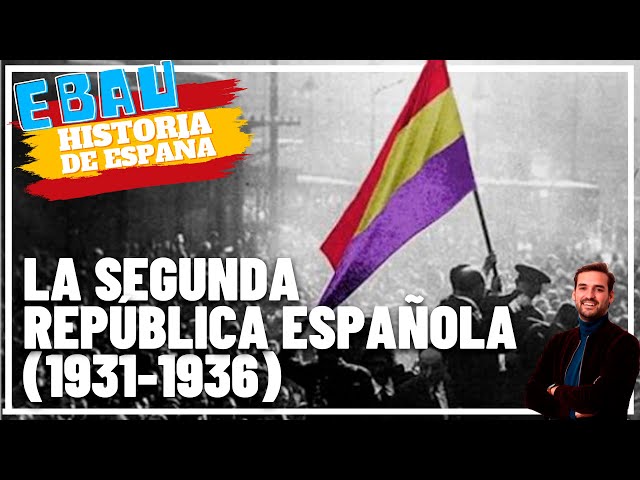
The republican constitution gave Spain the most democratic regime it had ever had to that point: with provisions for freedom of speech and association, and a universal right to vote (including, for the first time in Spain, women’s suffrage). But it was far from perfect - obviously - it devolved into civil war.
The republican government was structured similarly to neighbouring France.
And also to Weimar Germany. In the pre-war republic, Spaniards went to the polls to elect el Cortes (a parliament) with about four hundred seats. In place of a king, a president was head of state, and a cabinet led by a prime minister ran government departments.
It was not a particularly stable system for a few reasons.
Forget satisfying die-hard monarchists or communist revolutionaries, the new republic was undermined from the inside out when its own creators very quickly stopped getting along. In particular republicans from the moderate right felt betrayed when a constitutional convention approved measures that attacked the Catholic Church, and gave the state broad powers to seize and redistribute private property.
There was never a solid democratic majority to actually be elected; the country was splintered into too many camps, and it was much more complicated than just a left v right split.
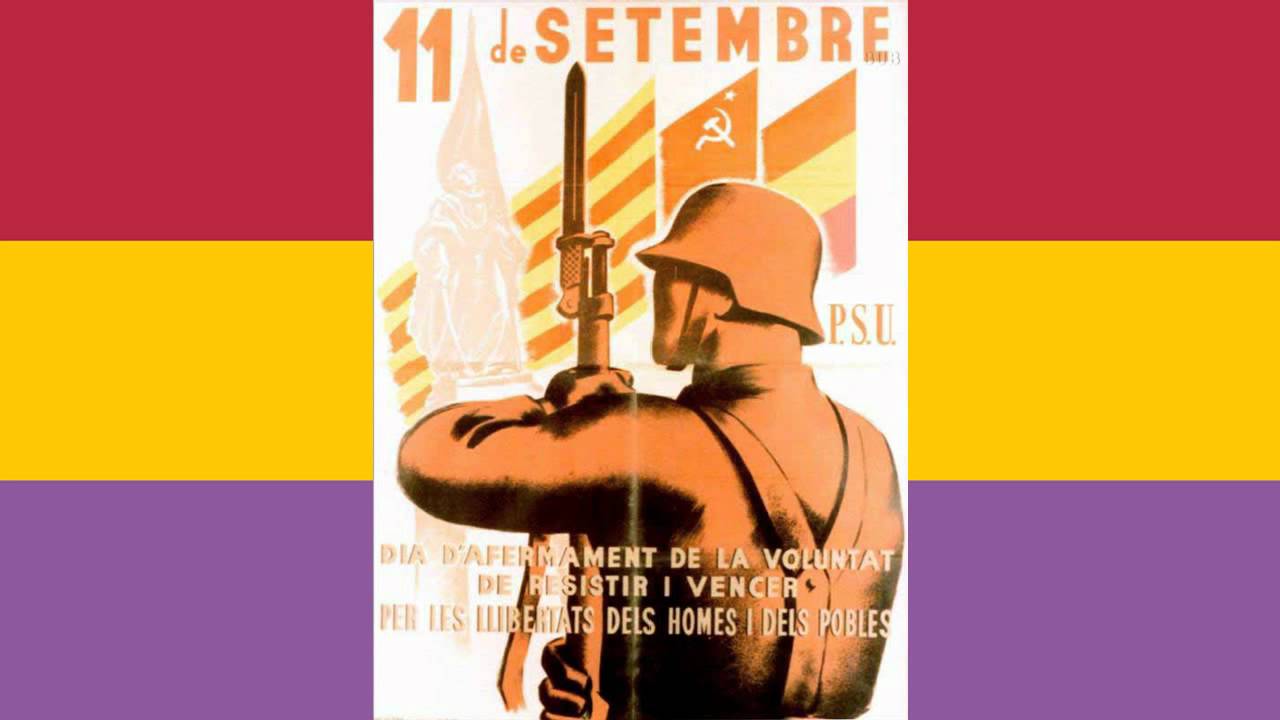
The Spanish left included everyone from middle-class liberals happy with the republic, to Marxists and anarchists out to topple state and society - woe betide anyone who might get in their way. The left’s most prominent figure was Manuel Azaña, a republican liberal-democrat who headed several governments. Further left, the Spanish Socialists, the PSOE, closely aligned with the powerful UGT trade union, were led by Francisco Largo Caballero and Juan Negrín while the Communist Party, controlled from Moscow, managed to incense the right but wasn’t materially influential until the Civil War started. Then there was the largest union in Spain: the National Confederation of Labour (CNT). It professed anarchism and refused to recognise the republic’s institutions at all.
In that way (though for very different reasons) they were similar to plenty on the right, but make no mistake it had strong republican elements as well.
Soon-to-be-president Niceto Alcalá-Zamora, along with Azaña, was instrumental in toppling the king, but as the civil war crept closer the republican right was challenged. First of all, monarchism had not been killed off, though its supporters were split between the royal family’s Alfonsine and Carlist branches. Then, spurred on by the anti-Catholicism written into the constitution, the conservative catholic, and expressly anti-republican, CEDA grew to be one of the most powerful parties in pre-war Spain. Led by José María Gil-Robles it became the largest single faction on the right.
The CEDA’s fairly authoritarian Catholic Corporatist principles brought much consternation to republicans, and it sent the far-left into hysterics.
Likewise radical rhetoric by the PSOE and radical action by their union allies only pushed conservatives towards their own extremes. All the while the army top brass, which had not opposed the creation of the republic but wasn’t positively for it either, looked forlornly on.
The republican left, republican right, and socialist-republican coalition fell apart almost immediately at the end of 1931. For the next few years, across the country workers would clash with capital, and labourers with landowners; secular reformers confronted traditional Catholics and the Church, while regional minorities in Galicia, the Basque Country, and Catalonia, railed against the central government - demanding self-rule or outright independence. It wasn’t war yet, but the UGT and CNT regularly brought cities and farms to a halt with devastating strikes.
More worryingly, they built armed paramilitary wings which, naturally, met rightist militias.
Among those, was the fascistic Falange Española - the Spanish Phalanx - organised by the firebrand son of the late dictator.
Both the monarchist right and the revolutionary left would try and fail to overthrow the republic before the 1936 nationalist plot.
A year in, and Manuel Azaña was Prime Minister at the head of a left-wing government.
Unhappy about that, a band of army officers tried to take Madrid, and one briefly did hold Seville.
Backed, though, by neither the rest of the army nor the civilian population, they were in custody, or off to Portugal, within about a day.
In 1933, President Alcalá-Zamora decided that the government wasn’t functioning (which it wasn’t) and called fresh parliamentary elections - making himself a pariah to the left. The right won power, but the largest group of delegates were not moderate republicans of the president’s breed.
The CEDA had a plurality in parliament, and its leader, Gil-Robles expected the post of Prime Minister.
He was denied it on account of his party’s indifference towards maintaining democracy.
Nevertheless, his conservatives were too popular to just ignore. Three members of the CEDA were made ministers a year later, and the left called a general strike.
In Asturias, that was developed into an armed uprising, and a so-called ‘Proletarian revolution’ (supported by the Socialist Party, and UGT and CNT militias), was declared.
The government, backed by the army this time, put it down with extreme prejudice.
The last pre-civil war election, held in February 1936, returned a Cortes not too different in character from the one before it: left-wing revolutionaries looked with disdain on their more moderate cousins, who squabbled with the centre-right and Catholic conservatives, and monarchists. They themselves didn’t get on, and all had to contend with José Antonio Primo de Rivera’s Falange movement hovering over their shoulder.
The vote saw the left narrowly win back power, having formed an electoral alliance: the Popular Front. It was led by Azaña’s moderates but included the PSOE, as well as separatists and the Communist Party. At that point, General Franco, as the professional head of the army, urged the outgoing government to use force to prevent the leftists taking office.
It didn’t, and a new Azaña ministry took steps to demote and sideline officers, like Franco, whose loyalties were questionable. It should be noted though that a significant chunk of commanders and more among the rank-and-file were republicans, and their releasing of military stockpiles to civilian militias in response to the Nationalist coup in July was one of the reasons that the putschists could only split Spain, not seize it.
The CEDA had again won the most seats of any right-wing party, but when Gil-Robles began to call for a non-violent solution to Spain’s woes, its members abandoned him in droves and the Falange exploded in size. The CEDA leader had in fact already refused to seize power when he was briefly war minister in 1935; for that, he was later decried as a traitor in Francoist Spain.
In April, the Popular Front government moved to oust the president, which was legal, if not necessarily clever.
The removal of Alcalá-Zamora, a centrist, was probably the moment that the right as a whole gave up on republicanism.
Backed by large sections of the police, most clergy, landowners from estate-holders to single-plot farmers and plenty of the peasantry, the Falange, monarchist militias, and army commanders started actively planning for a coup.
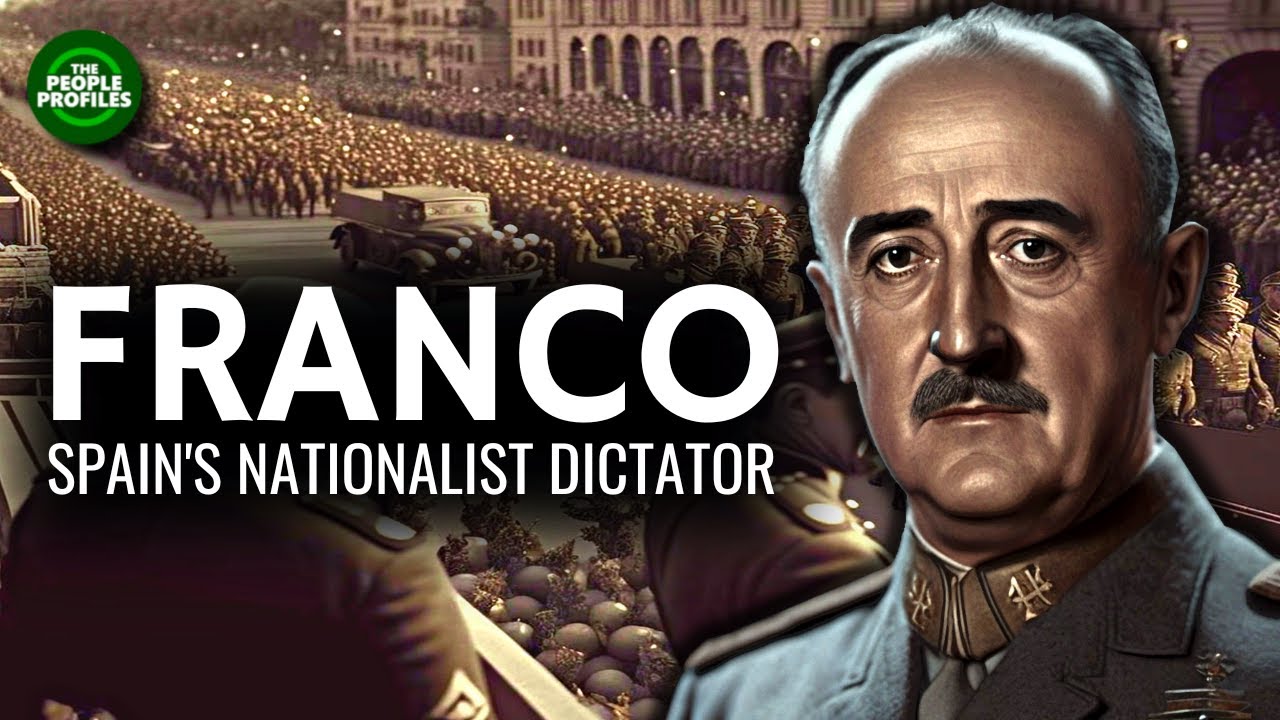
The three main military conspirators who intended to lead the revolt were: Emilio Mola who would soon command Nationalist forces in mainland Spain, José Sanjurjo who had been exiled in Portugal since the failed 1932 uprising, and to a lesser extent Francisco Franco, who had been fired as chief-of-staff and effectively exiled with a posting on the Canary Islands.
What they needed was a spark, and they got one when Spain’s foremost monarchist politician, José Calvo Sotelo, was murdered by a police officer with ties to the Socialist Party on July 13th.
That was almost certainly not part of a plan; Socialist leadership didn’t order it, and now-president Azaña was personally disgusted by the killing. But that wasn’t the point. By the conspirators, the government could now be painted as incredibly inept at best, in addition to being a puppet for godless Marxists.
They could be the forces of order who would save Spain from a red terror.
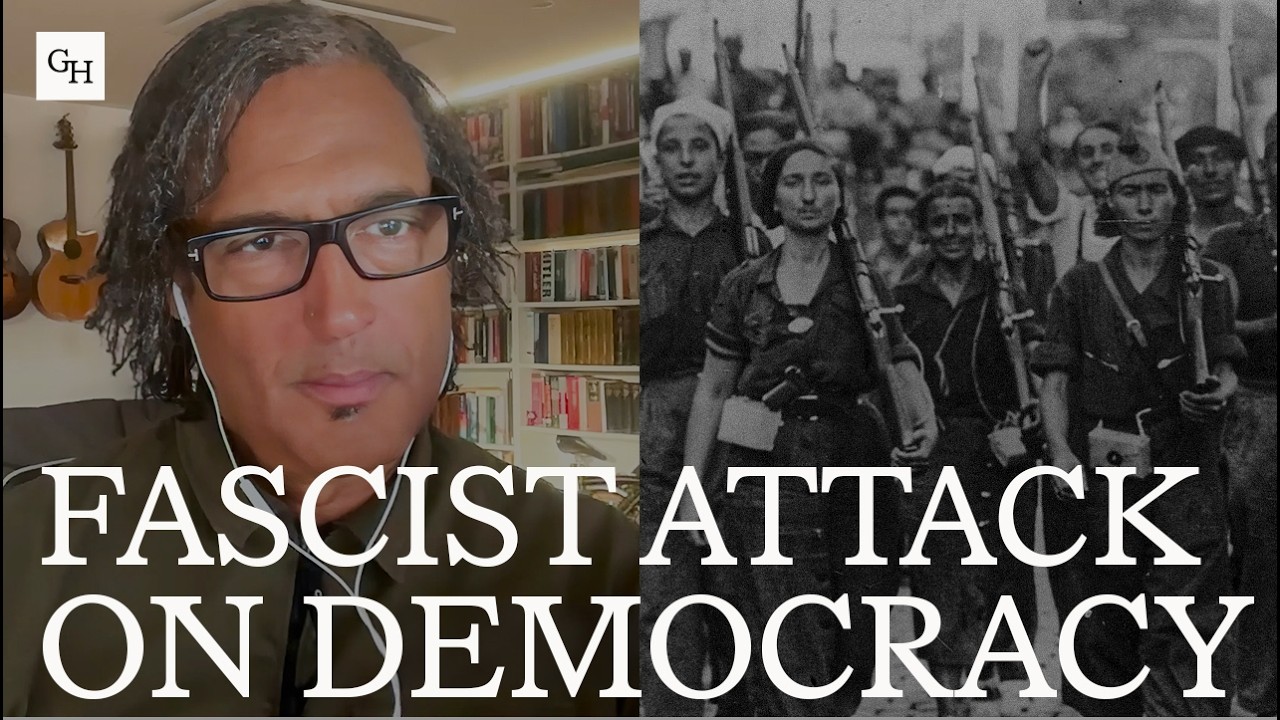
For the soon-to-be Republican fighters, the Nationalists were in fact a force for backwardness and merciless repression, and they were ready to be the freedom fighters who would save Spain from slavery and subjugation.
They would both get a scarred nation, but Spain survived its civil war.
Not every country is so lucky. See, for example, the contentious coming-together of Yugoslavia in the video to the left and find out how its eventual doom was foreshadowed at the very beginning. As always, if you enjoyed this one it should be right up your alley, and thanks for watching Look Back History.
Up Next
9:59
The Spanish Civil War and Franco: A Ten Minute History
@HistoryMatters
3.1M views•2018-07-28

33:02
The Great Schism of 1054: Causes and Consequences
@SacredCathedrals
113.5K views•2026-02-19
91:57
The Geopolitics of the Ukraine War and the Rise of Global Autocracy
@JordanHarbingerShow
468K views•2025-04-19
17:05
Understanding the Cold War: Superpower Conflicts and the Road to Détente
@OverSimplified
46.1M views•2019-01-24
Related Study Plans & Knowledge Roadmaps
Structured learning paths in History
history
Byzantine Iconoclasm: Theology, Art & Politics
01Foundations of Byzantium and Early Christian Images
02The First Iconoclasm: Leo III and the Crisis of Images
03Empress Irene, Nicaea II, and the Second Iconoclasm
+ 2 more learning modules
9h5 modules
Explore Roadmap
history
Iranian Revolution (Causes, Events & Legacy)
01The Pahlavi Dynasty and the Roots of Discontent
02The Spark of Rebellion and the Rise of Khomeini
031979: The Fall of the Shah and the Climax of the Revolution
+ 2 more learning modules
8h5 modules
Explore Roadmap
history
Mali Empire: Mansa Musa, Trade & Timbuktu
01Foundations of the Mali Empire
02The Trans-Saharan Gold and Salt Trade
03The Reign and Pilgrimage of Mansa Musa
+ 1 more learning modules
6h4 modules
Explore Roadmap
history
1947 Partition: Politics, Borders & Legacies
01Foundations of British India and the Divide
02The Political Negotiations and the Mountbatten Plan
03Drawing the Boundary: The Radcliffe Line
+ 2 more learning modules
8h5 modules
Explore Roadmap