










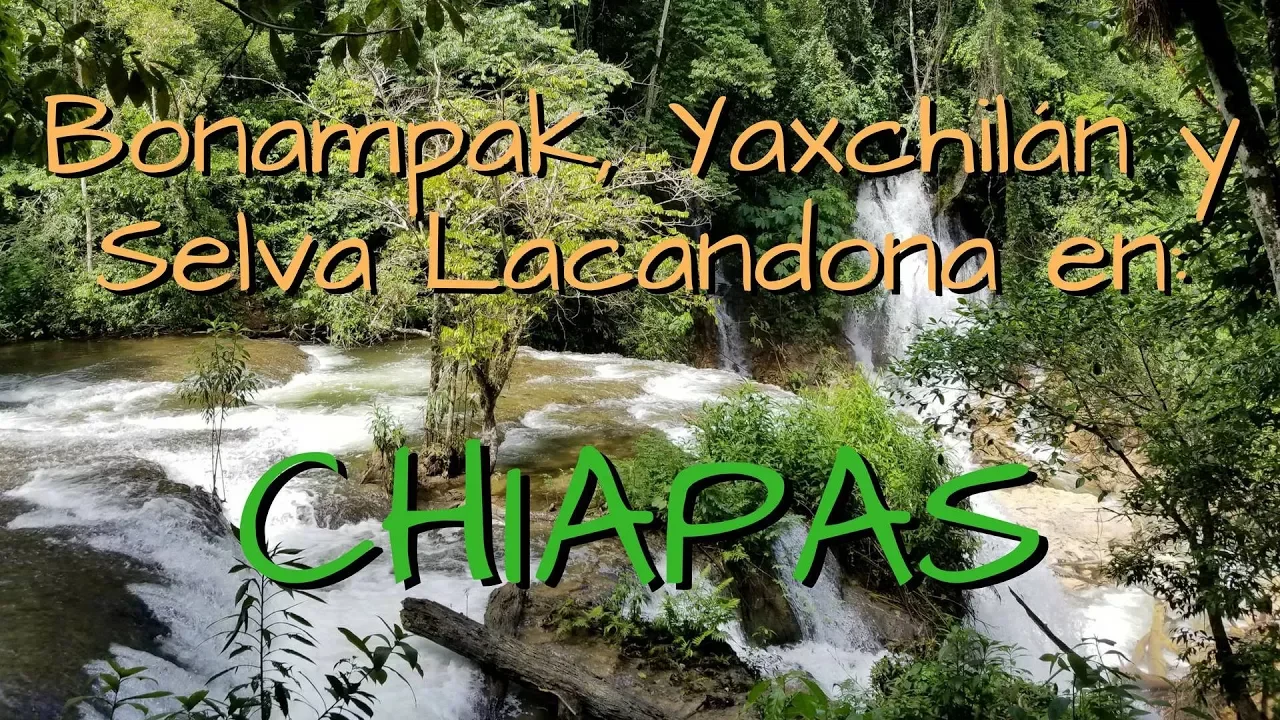





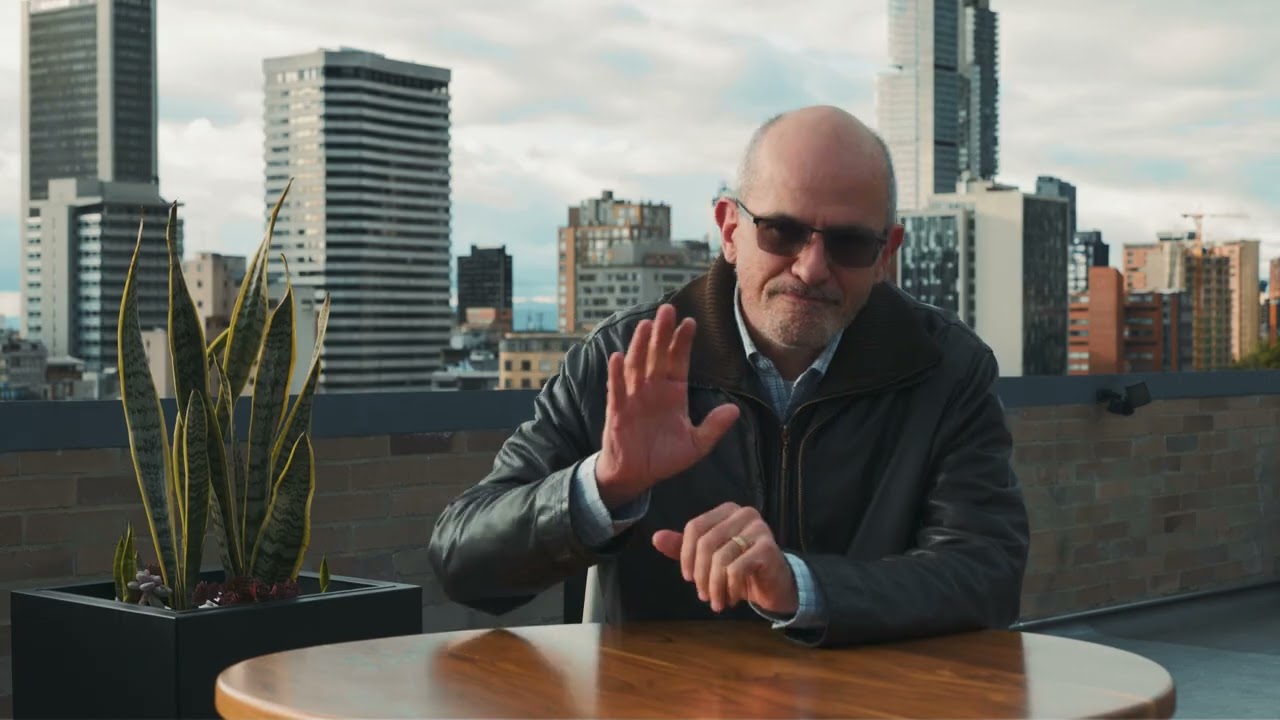


Yaxchilan is an ancient Maya city located on the Usumacinta River in Chiapas, Mexico, that reached its peak power during the reign of King Itzamnaaj Balam II (died 742 A.D.) and is renowned for its well-preserved lintels and over 120 inscriptions documenting the city's dynastic history, including the remarkable presence of female rulers and the 808 A.D. conquest of Piedras Negras by King Kinich Tabal III, while also providing evidence of Maya bloodletting rituals where priests used fish spines and spiked ropes to collect blood on paper for ceremonial offerings to the gods.
Yaxchilan Maya Glyphs: Secret Inscriptions at Ancient Ruins Explained
Added:Basic geography and chronology of the ancient Maya civilization, particularly the Classic Period (250–900 CE).
An introductory understanding of Maya hieroglyphic writing, specifically how it functions as a logosyllabic system combining logograms and phonetic signs.
The political landscape of the Classic Maya, characterized by competing, independent city-states rather than a single unified empire.
The role of public art and architecture in Mesoamerica as tools for royal propaganda, dynastic validation, and religious ritual.
The history of Maya decipherment, focusing on Tatiana Proskouriakoff's breakthrough work utilizing Yaxchilan's stelae to prove the glyphs recorded actual historical and biographical events.
Detailed study of Yaxchilan's prominent rulers, such as Shield Jaguar II and Bird Jaguar IV, and the political alliances of the Usumacinta region.
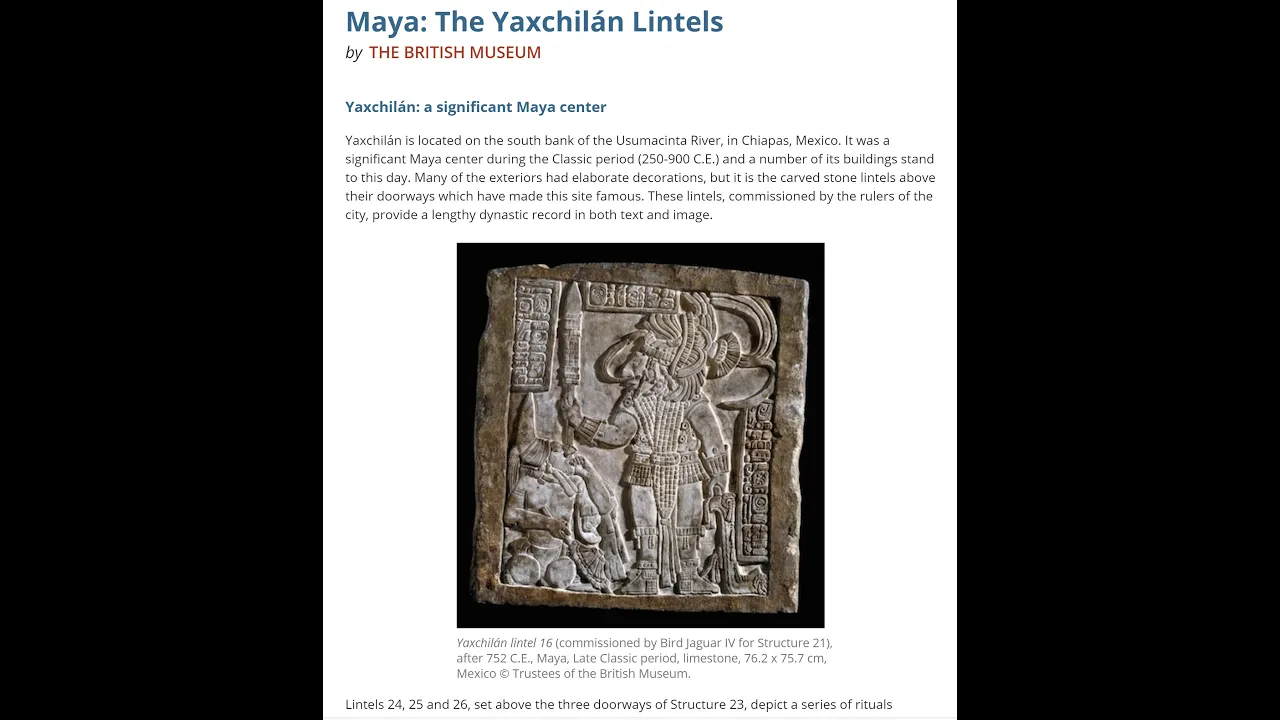
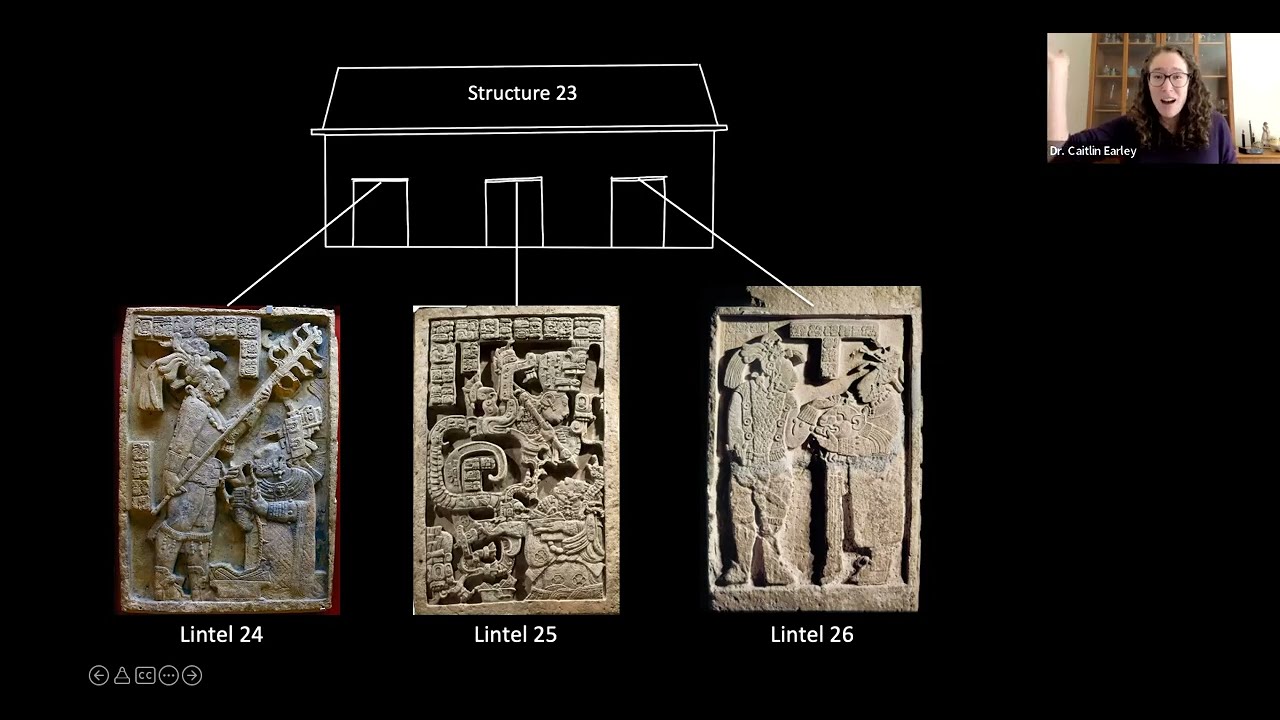
The iconographic analysis of Maya ritual practices, particularly the royal bloodletting ceremonies depicted on Yaxchilan's famous lintels (e.g., Lintel 24).
Comparative study of regional architectural styles, contrasting the Petén style with the Usumacinta style found at Yaxchilan and Piedras Negras.
The preservation and archaeological ethics concerning the conservation of limestone carvings and monuments in high-humidity rainforest environments.
1.3K views17likes35:07Original Release: 2022-01-13
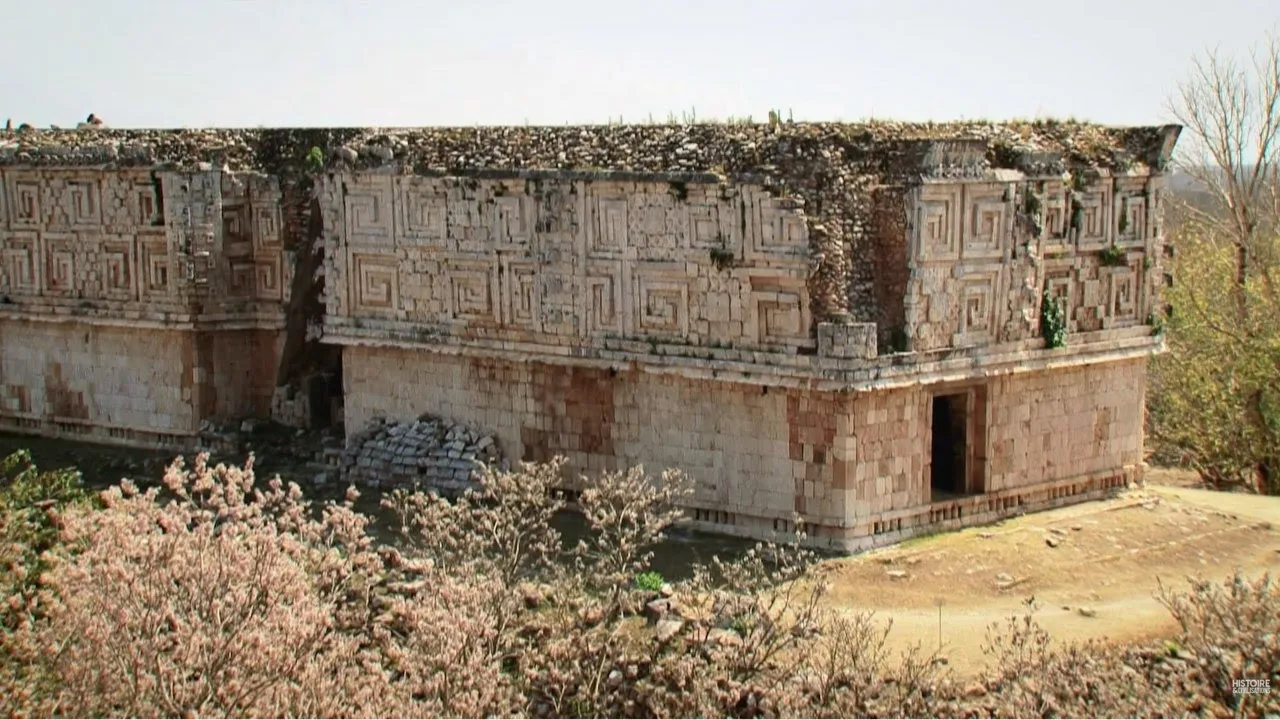
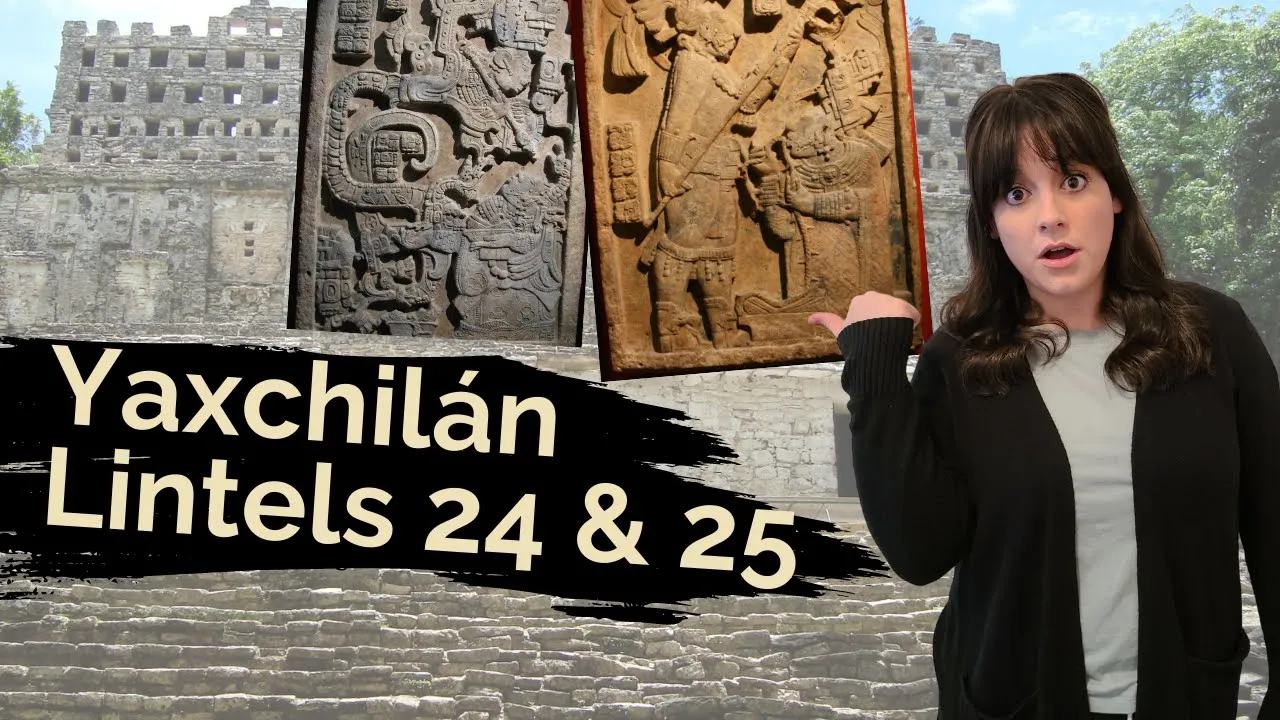
hola family hello family humanities salute for me it's 5 25 a.m and i'm about to go to yacht clan and bonam park come with me i decided to go with a collective like this guy because yatchi clan and bonam pak is three hours and 30 minutes from here from palenque so i didn't want to do like seven hours of motorcycle in one day or two days because either way i need to come back here in palenque and then go the other direction closer to the caribbean coast because next it's either pomona or i go directly to kalakmur all right let's go visit those sites vamonos [Music] is [Music] uh [Music] [Music] [Applause] [Music] [Music] [Music] um [Music] okay [Music] oh [Music] we just arrived i'm your brother wallace and i'm about to show you [Music] you welcome to [Music] yachty clan [Music] [Music] [Music] so [Music] [Music] [Music] yatjiklan is an ancient maya city located on the bank of the usmasinta river in the state of chiapas mexico origins are from the pre-classic period it was one of the most powerful maya city in the late classic la with its major rival being piedras negras at 40 kilometers away on the other side of the border of guatemala [Music] also dominated control the side of bon amp this is another site that we are going to visit right after this one because it's only 21 kilometers away but it's much smaller than yachiklan researchers believe that the original name was meaning broken sky [Music] [Music] a large part of what is known today about comes from the hieroglyphic text of the king who ruled during its late classic apology the stairway number one at this site is the most important with the most information to know what was happening during that time [Music] stick with me here because we are about to witness some awesome details [Music] pretty hot [Music] [Music] [Music] so in my whole group we were around 9 to 10 people nobody went there but look at this you had to look up when you are in those little doorway we could say and look at how beautiful this is the condition of those glyphs is magnificent it's incredible those little details and it's not the only one there's three of them but this one has a lot of details in good condition you can see how they were addressed the shoes they were wearing and if i was more knowledgeable of the script of the maya i could tell you what was written but most of the time it was a date and an event corresponding to a king now let's go to the other one look at this oh wow i'm still looking at this today editing this video and i'm still amazed by the condition this is the original there's no renovation on this this is [Music] wow [Music] incredible [Music] [Music] [Music] uh [Music] so [Music] [Music] i really wanted to have a closer look at all the details and just immerse myself in the artist that created this and try to see if there's some glyph that i could understand because i know just a couple symbols i wasn't able to do so i was really really grateful at this moment to be there alone in this acropolis only two other people passed by and they went away right away and look at those those were both probably to bring to powder to smash some rocks some ingredients and then they would have another rock that they would use manually to crush what they wanted to have in the powder form [Music] the incas are well known for their water irrigation knowledge but from my understanding and now i could say experience i've been to many sites in guatemala and in mexico the maya were really good too so this what we are seeing here was probably used for water irrigation where was it placed exactly i don't know but this is really really heavy so i'm going to show you guys how they do the process of excavation from the beginning when they find the site i don't know if they really found a site and then they see oh this is for sure a temple or a pyramid let's excavate so let me show you it's really hot out here [Music] so the building or the temple in its original form [Music] so this is how the archaeologists found the stylus this temple [Music] then the process of excavation [Music] ucb remove a lot of plants dirt trees roots now they are inside and then the final touch the details it looks like this and after that it looks like this and in the now moment it looks like this or maybe it was that one on the other side i don't know which one is structure for the three [Music] all right so done with the east plaza it's like a really small plaza now let's get to the grand plaza the main one i need to get back down this hill sweat a little bit more for you guys and then get there vamonos [Music] last temple before i leave this east plaza it's temple 42 let me show you wow there's a beautiful linto i don't know how to say this in spanish or english in french it's atlanto with a big stone and then you can tell there was a roof this is new new stucco on it monkeys looking at me come on [Music] [Music] [Music] there's two people maybe even three maybe a baby [Music] okay now we are back at the the two way can we call it the two-way yeah the split way where we split where we decided either we go at the or at the grand aquapolis so now we're going at the grand necropolis and it's like crazy and the mosquitoes are loving it so we were right here now we are going right here and probably this one is following you see right here we went there i didn't know we could go there so i came back i'm going to the grand agropolis going like this that's that and then coming back [Music] reached its greatest power during the reign of king itsam naj balam tu who died in his 90's in 742 a.d this site is well known for its well-preserved lentils set above the doorway these lentils plus the stilas erected before the major building describe the dynastic history of the city so remember the lentils that we saw in the small acropolis with all the details where i went in the doorway and i film over me those are the lentils that they are talking about and they describe the dynastic history of this city of yachiklan now i'm entering this place that we are not supposed to go to because to me it doesn't make sense so i went there with good intentions just to visit and suddenly when i went inside i saw all the details but it was really humid and a really weird smell and then lots of bats everywhere it was really really dark deep inside so i decided to just go back but at least i saw a part of what they didn't want us to see it was like a underground palace under the city [Music] there's so many bats in there and it stinks so i just wanna go right i just wanna go never been there [Music] this is the one we saw from the water now we are in the grand plaza foreign [Music] here we can see something very interesting those are some woman ruler many woman ruler were depicted in yeti clan [Music] [Music] over 120 inscription have been identified on various monuments at the site in 808 a.d the king kinich tabu skull iii marked his capture of the last king of piedras negras overthrowing and destroying the city as a capital [Music] [Music] so so some of you might know but the mayans were giving blood in a ritual or ceremonial purposes for certain gods in order to be grateful for all the protection and all the rain and every elements so the priest [Music] masculine priests were giving blood by their penis they were [Music] stabbing their penis with a spine of a certain fish i don't remember the name in english and the woman was by the tongue they were pursuing it and then passing it back passing a rope with spike on it and then the blood would go on a paper and then in the ritual they would burn the paper so the blood would ascend to the sky to honor their gods so let me show you a st stila or it's probably not a stele it was a glyph in a certain temple here they say it's lentil 24. let me show you so here you see the masculine priest or king or god ruler leader and here you see the woman so she stabbed her tongue this is a rope this is some spike so she pass it through there then the blood would drip on it go into a book that contains paper and this is their representation of blood and eventually they would burn that paper to honor their gods this is what the mainstream say i don't know is it true you tell me you tell me let's continue the visit wow there's so many lentils [Music] [Music] [Music] um [Music] [Music] so foreign [Music] [Music] now use your imagination a little bit this temple was all painted in red from a paint made from cinnabar those sculpture were perfectly carved with millions of details and that guy sitting on the throne on the top was in perfect shape [Music] [Music] hey [Music] so [Music] [Music] mm-hmm [Music] all right just finished the visit of it was quick because i'm with a group right so we have a time limit so i had to run back i wasn't done i had more shots to get but we'll work with what we have and now going to panam park and enjoying the wind in my face because i'm super sweaty [Music] stay awesome stay blessed spread love seek knowledge i'll see you in bon amp in maybe 30 stay awesome so on the way back we saw this friend really nice really peaceful friend [Music] say [Music] so you
Up Next
9:53
Ix Mutal Ahaw: Powerful Maya Queen Stela Explained
@ARTSQ_channel
3.7K views•2024-08-27

33:02
The Great Schism of 1054: Causes and Consequences
@SacredCathedrals
113.5K views•2026-02-19

91:57
The Geopolitics of the Ukraine War and the Rise of Global Autocracy
@JordanHarbingerShow
468K views•2025-04-19
17:05
Understanding the Cold War: Superpower Conflicts and the Road to Détente
@OverSimplified
46.1M views•2019-01-24
Related Study Plans & Knowledge Roadmaps
Structured learning paths in History
history
Byzantine Iconoclasm: Theology, Art & Politics
01Foundations of Byzantium and Early Christian Images
02The First Iconoclasm: Leo III and the Crisis of Images
03Empress Irene, Nicaea II, and the Second Iconoclasm
+ 2 more learning modules
9h5 modules
Explore Roadmap
history
Iranian Revolution (Causes, Events & Legacy)
01The Pahlavi Dynasty and the Roots of Discontent
02The Spark of Rebellion and the Rise of Khomeini
031979: The Fall of the Shah and the Climax of the Revolution
+ 2 more learning modules
8h5 modules
Explore Roadmap
history
Mali Empire: Mansa Musa, Trade & Timbuktu
01Foundations of the Mali Empire
02The Trans-Saharan Gold and Salt Trade
03The Reign and Pilgrimage of Mansa Musa
+ 1 more learning modules
6h4 modules
Explore Roadmap
history
1947 Partition: Politics, Borders & Legacies
01Foundations of British India and the Divide
02The Political Negotiations and the Mountbatten Plan
03Drawing the Boundary: The Radcliffe Line
+ 2 more learning modules
8h5 modules
Explore Roadmap