



![[1] Revolución haitiana. REVOLUCIONES](https://i.ytimg.com/vi_webp/ycYgb2-X2oI/maxresdefault.webp)
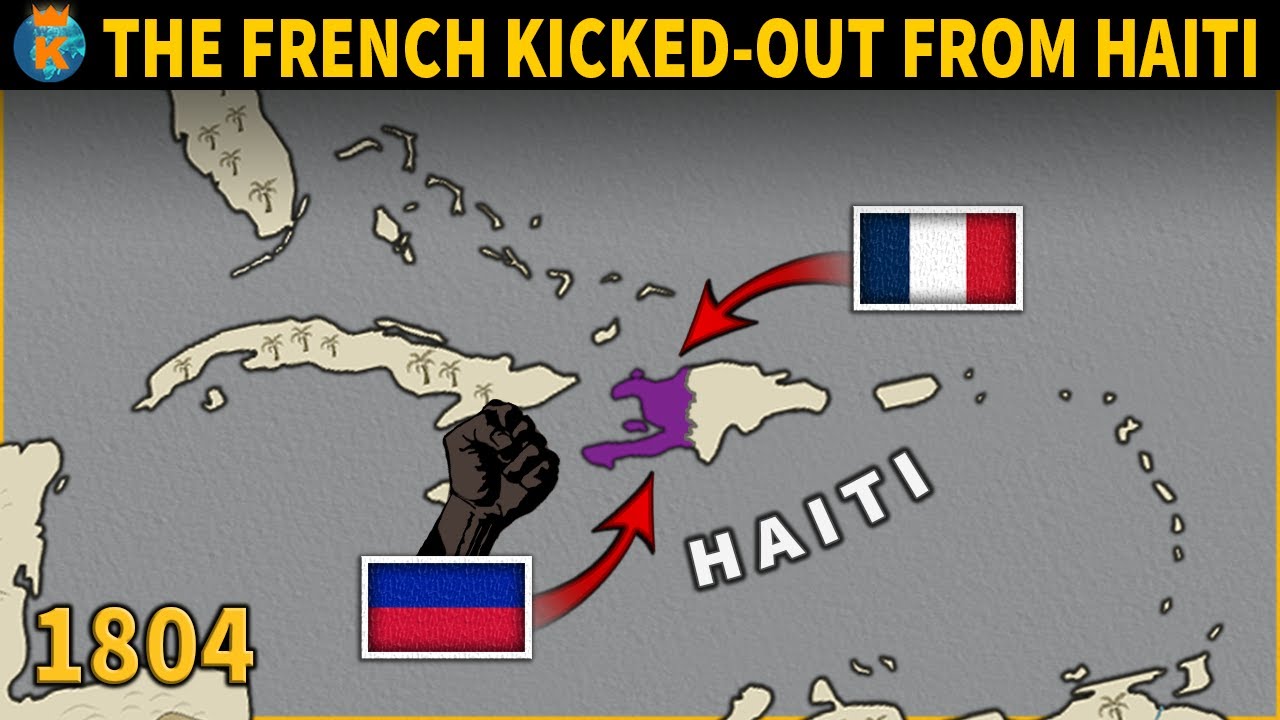
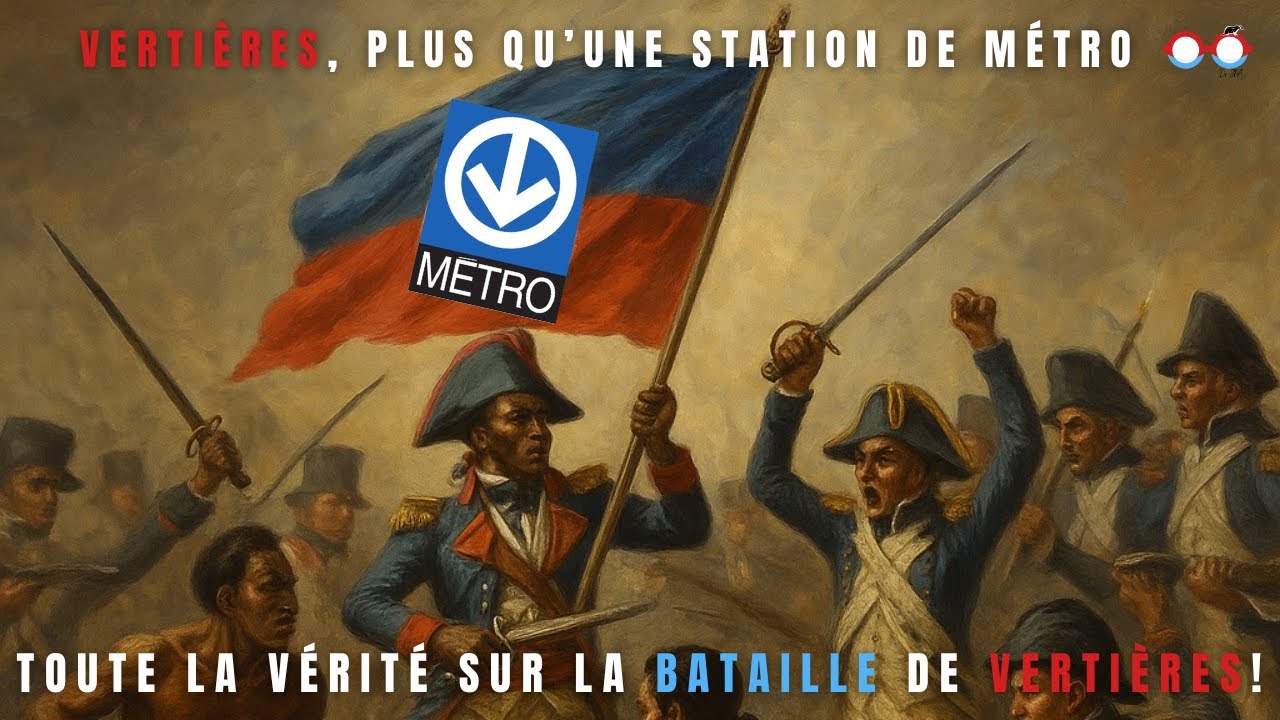
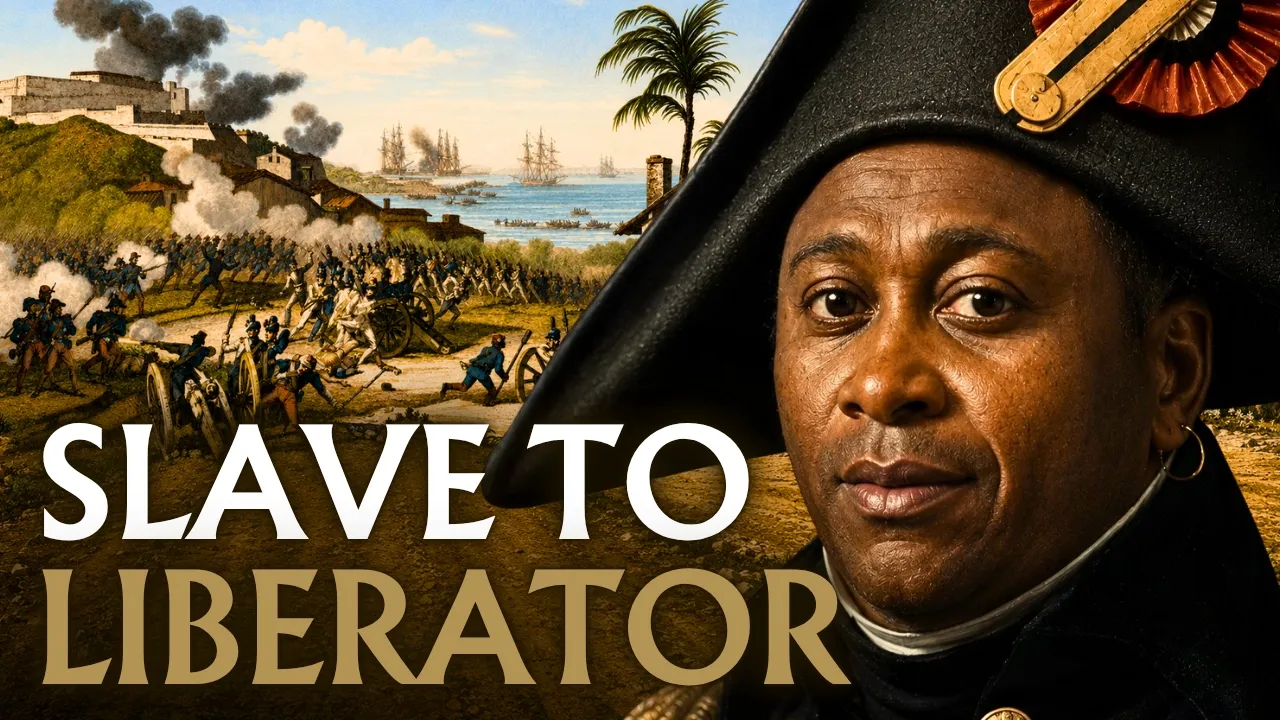
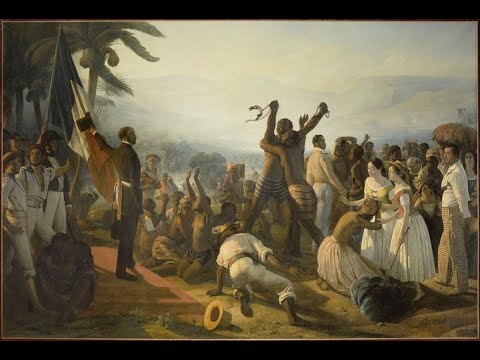
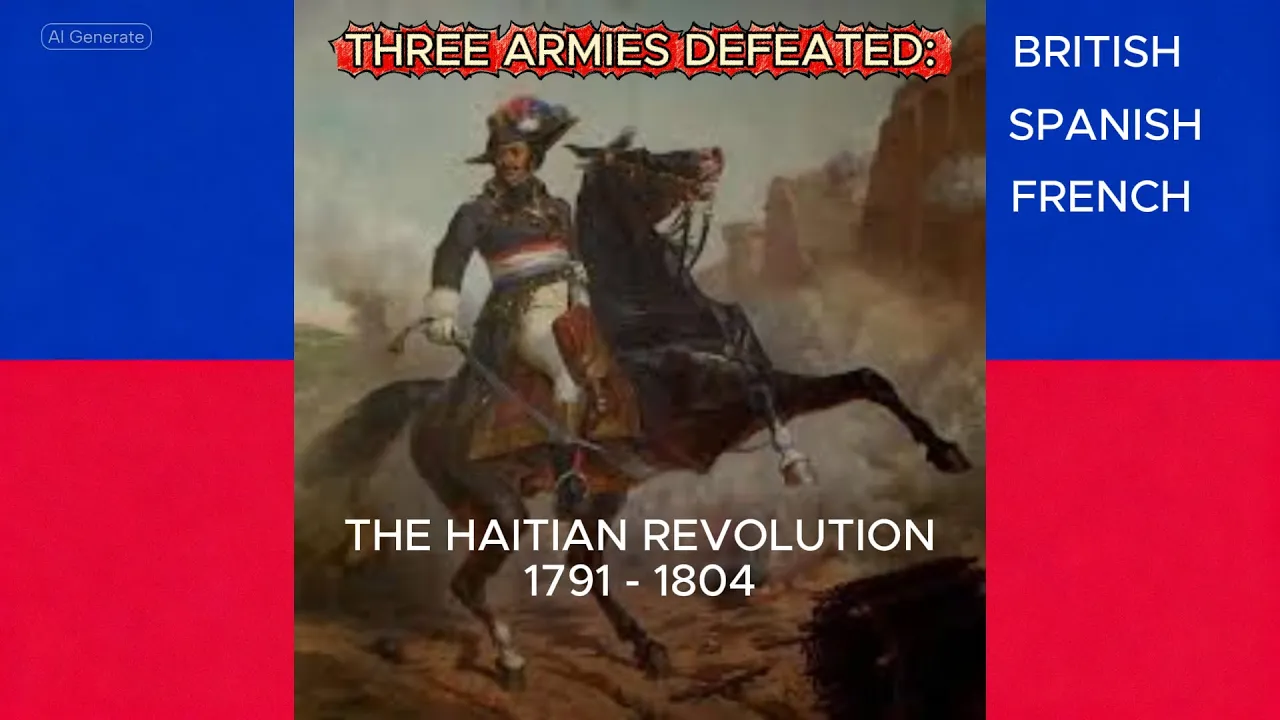


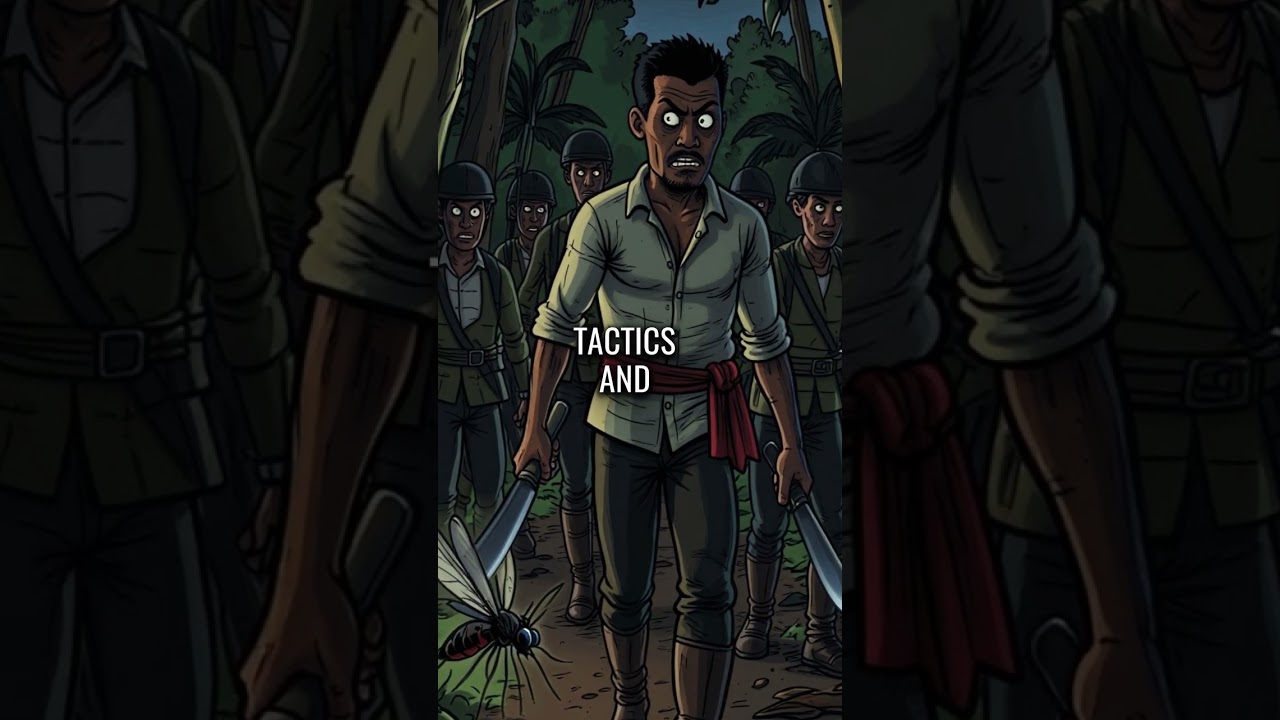



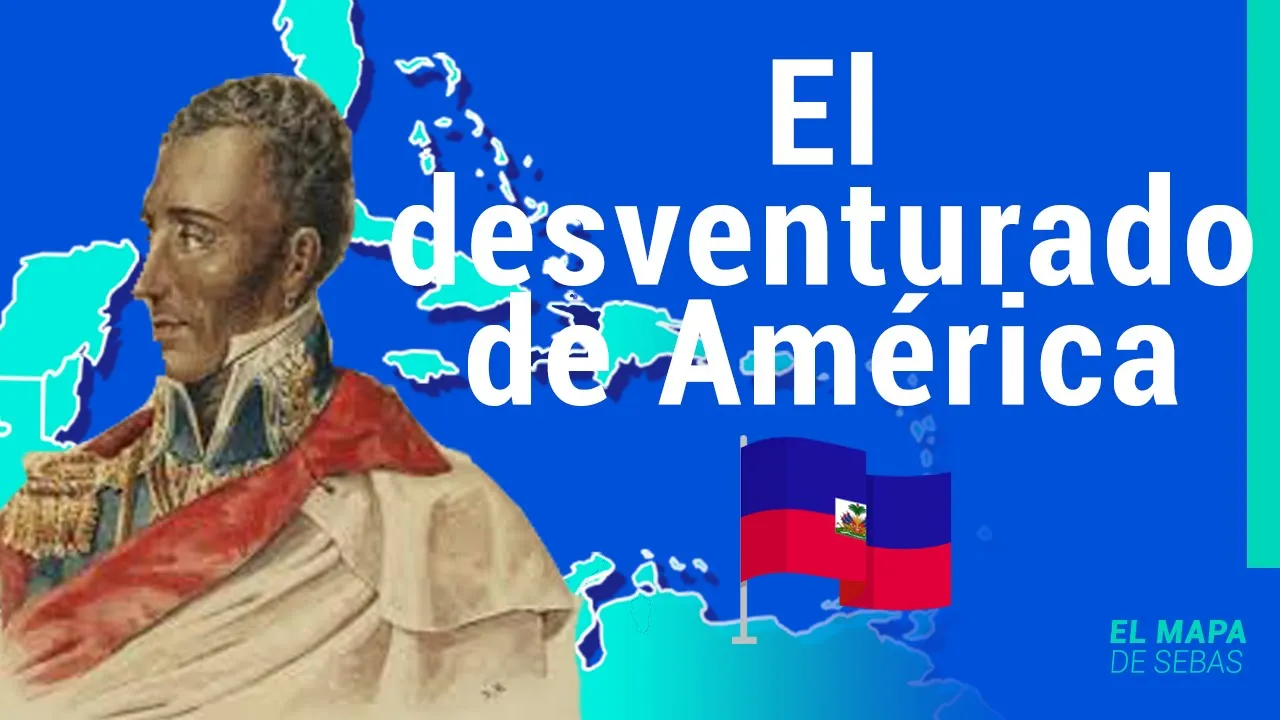


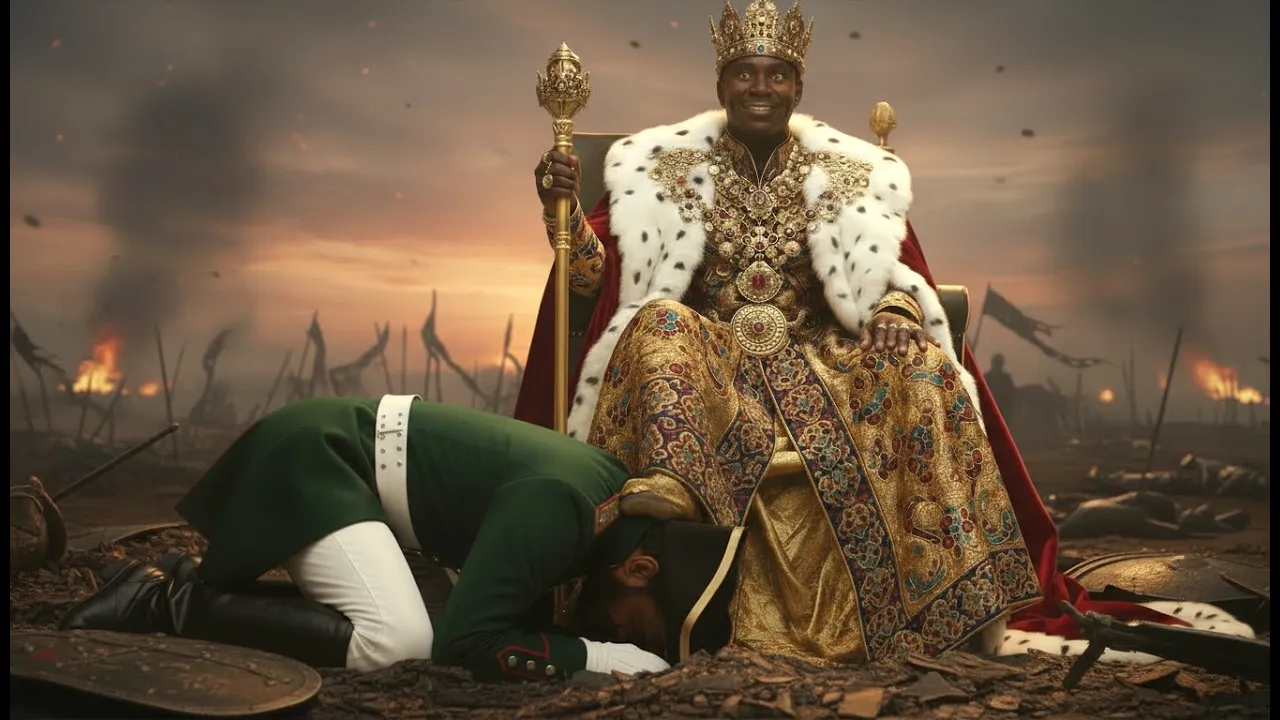
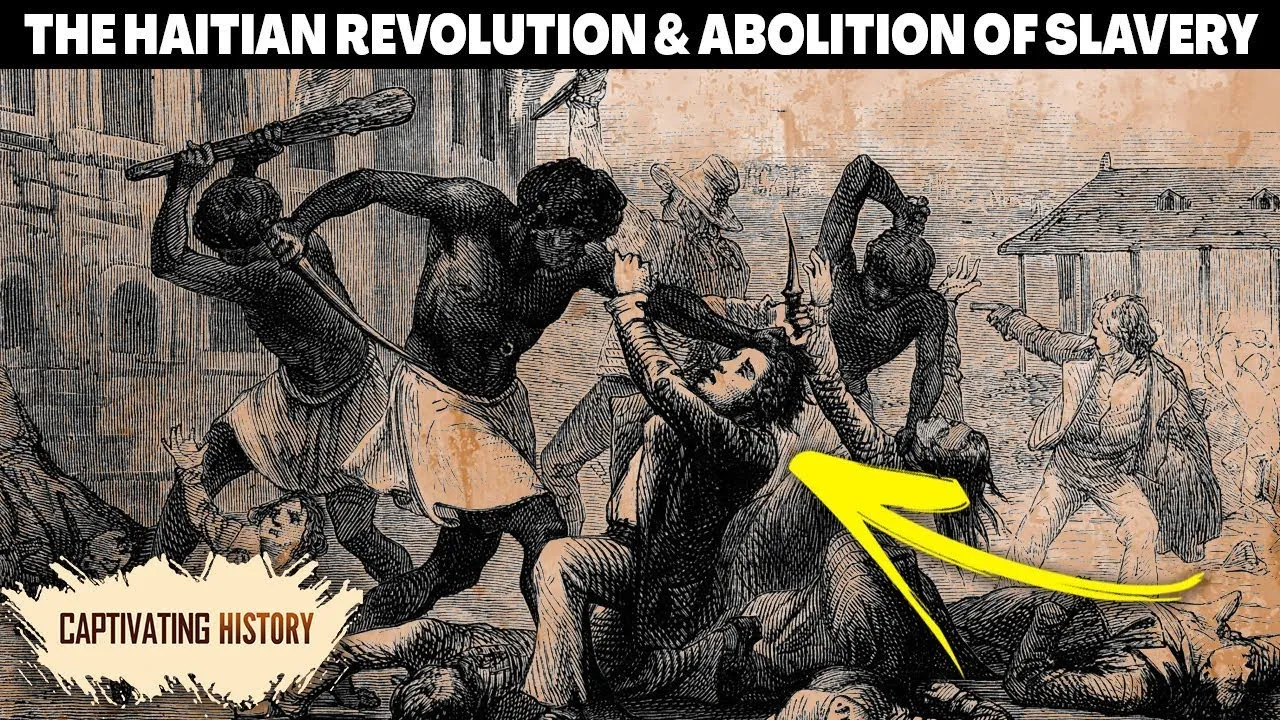
The Battle of Vertières on November 18, 1803, was the decisive victory of the Haitian Revolution where Black forces under Jean-Jacques Dessalines defeated French colonial troops, leading to Haiti's independence on January 1, 1804. This battle was pivotal because it directly influenced the British abolition of slavery, as they realized the institution was unsustainable. The battle demonstrated that European colonial rule could be successfully challenged, and it remains the only major military victory Black people have achieved against European forces in nearly three centuries.
Battle of Vertières (1803): The Victory That Ended Slavery in Haiti
Added:The origins and brutal realities of the transatlantic slave trade and the plantation economy in the French colony of Saint-Domingue.
The ideals of the French Revolution (1789) and how they sparked notions of liberty and equality among colonial subjects and enslaved populations.
The early phases of the Haitian Revolution (starting in 1791) and the rise of key military leaders like Toussaint Louverture.
Napoleon Bonaparte's rise to power in France and his 1802 decision to send an expeditionary force to reclaim Saint-Domingue and reinstate slavery.
The formal Haitian Declaration of Independence on January 1, 1804, and the establishment of Haiti as the world's first free Black republic.
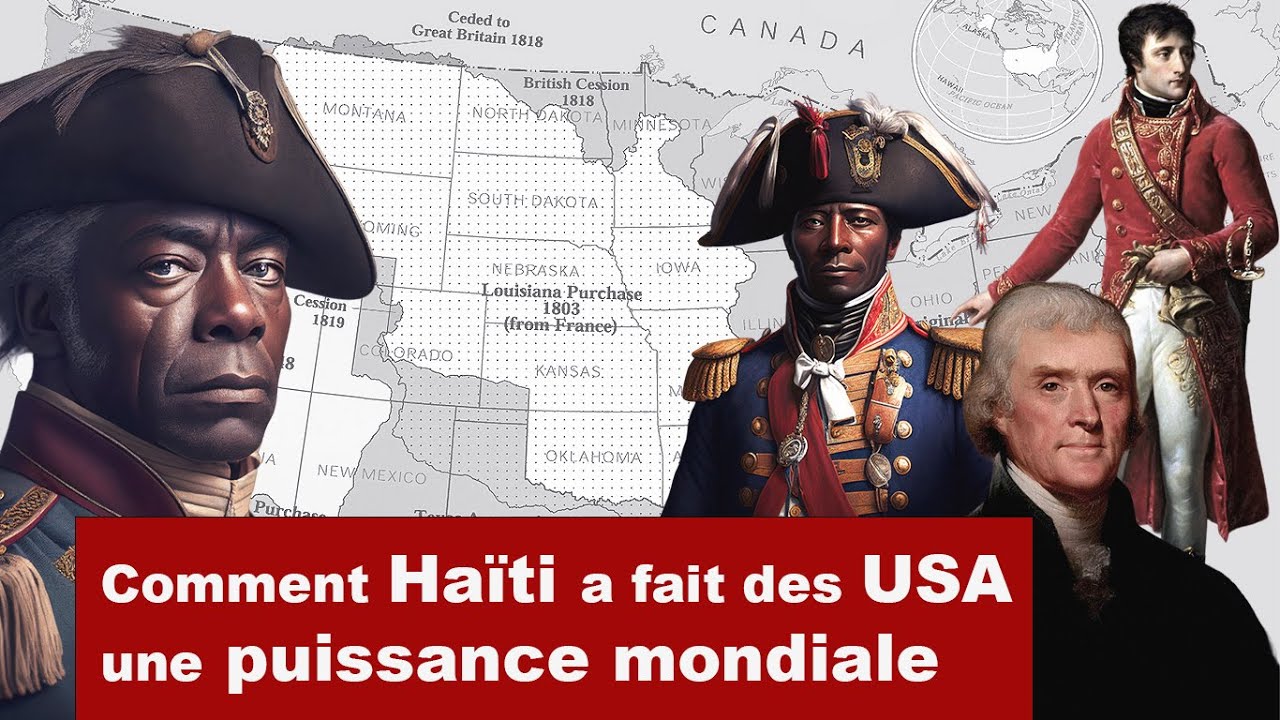
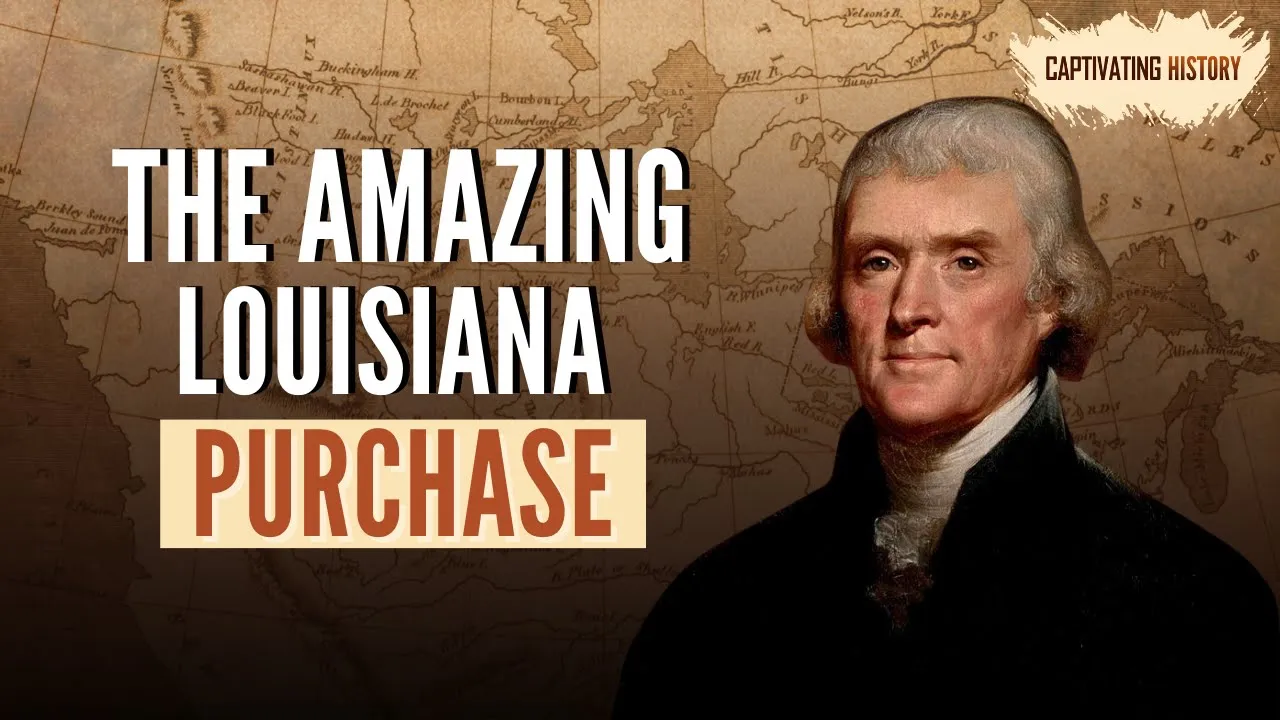
The geopolitical fallout of the revolution, including the Louisiana Purchase and its influence on slave revolts and abolitionist movements worldwide.
The diplomatic isolation of early Haiti and the crippling 1825 indemnity demanded by France in exchange for official diplomatic recognition.
The internal political struggles of post-independence Haiti, including the partition of the country between Henri Christophe and Alexandre Pétion.
2.3K views0likes16:47Original Release: 2022-11-18
yeah we back now today is a very important day for black people around the globe listen I know you guys did not learn about this day in school November 18th you guys hold July 4th in higher esteem than November 18th you guys hold December 25th in higher esteem than November 18th you guys hold a bunch of dates that Europeans renovated and gave to you in higher esteem than November 18th the day that black men defeated white men the day that white men had to wear the white flag of defeat in front of black men the day that white men had to take the knee in front of black men listen listen let's get into it man of course we understand over the past couple centuries there were many battles and skirmishes between black men and white men where white men were defeated like the anglo-zulu war the anglo-ashanti war but this was different in the fact that this was a battle that culminated in white men accepting defeat and having to run home with a Tails tuck between their legs this was a defeat that ended up with a bunch of white men drowned in the Caribbean Sea lost their life this was a defeat that changed the course of history forever as we all know just a couple years after this defeat this is when the British officially abolished slavery this is when the legislation for the abolition of slavery had to go into acceleration because they realized listen we are on borrowed time we are on borrowed time the black men are coming for their retribution and we might be next so let's hurry up and get rid of this slavery thing because the black men are ready for war so let's get into it man let's talk about the Battle events yeah the battle that changed the course of history Forever Without this battle I guarantee you bro black men and women would still be under direct subjugation of Europeans still to this day this was the battle that changed the minds of Europeans worldwide and realize that the institution of slavery was not sustainable because eventually black men and women will rise up and chop our heads off and chop the heads of our wives and our children too so let's get into it man not wasting no time the battle events yeah let's go for the entirety of of 1802 and the majority of 1803 Vaseline traveled east west north and south getting the entire Rebel population on the same page and eliminating All Points of weakness apart from Vaseline there were many individual generals commanding different sections on the island Francois in the Northwest Kristoff up north Petro in the West Jeff wow in the south on the 4th of August 1803 general captured the town of Jeremy from the French shortly afterwards Vaseline and the rebel forces captured the towns of Saint Mark for Liberty Jacques Mel and Savo for The Prince and let Kai listen I'm telling you listen the summer into that little winter of 1803 listen black man was marching on the white man boy we was marching you hear how many times we captured in a few short months bro bro that's like bro that's a whole huge section of the island bro we just marching on Them White Boys bro let's get back into it man by October 1803 the French had already lost the entire Island except for their weak positions at papaya the capital and mostenicola on the 6th of November 1803 Vaseline left the town of go naive and traveled up north when he reached the town of limbe there were over 27 000 Rebel soldiers waiting on his arrival Destiny took the command and led them march on the front lines of this large army to attack the French at the capital of the colony while at the same time singing Grenade which is roughly translated to soldiers attack if you die so what instead of the typical gorilla tactics of Hit and Run style Ambush which were employed during the majority of the Rebellion that Celine decided to instead directly attack the French and overpower them by Brute Force based on the numerical advantage by this time in the war the majority of the French troops had fallen victim by assassination on the battlefield disease or been poisoned or set up by local sex workers who served as agents and spies for the Haitian revolutionary Army now let's take a pause the sex workers on the island the women who pretty much occupied the sex worker class were the mixed-race women the mulatto women the daughters of the Frenchmen you know you know these guys were such scumbags right these guys literally had their daughters you know basically serving as [ __ ] on the island so when diplomats and different dignitaries would come to the island you know how in the modern day the Dominican Republic is known as a tourist location for men who want to spend a few dollars have some fun with some you know pretty mixed race ladies well back in the day you know the capital of senomang the colony of senomen present-day Haiti that was pretty much the tourist location of the time right that is where you know the diplomats would come and you know just smash on the light-skinned women so yes the Frenchmen the Europeans were such degenerates that now not only did they enslave and you know marginalize their own mixed race Sons but they also allowed their own daughters to be the sex workers on the island and their own daughters served as spies and intelligence agents for the Haitian revolutionary forces to destroy them and Vanquish them from the colony in fact I should do a video on actually I spoke about this in one of my videos I believe it was entitled the greatest women of all time yeah the greatest women of all time the women of the Haitian revolution and I spoke about a lady by the name of Henriette St Mark right she was a mixed race lady who served as a weapons dealer and a spy for the Haitian revolutionary Army and unlike their mixed race Brothers who were you know just you know want to be white boys want to be Europeans trying to side with the Europeans against the black men the mixed race women the mulatto women were more so drawn to the side of the black Rebels because not only did they receive more respect on that side you know they were only seen as you know [ __ ] and you know just degenerate just look down upon by the white Frenchmen right but they actually were given Respect by the you know the men of the the black Rebel side so yes they served on the side of the rebels and one of them by the name of Henriette said Mark she was actually executed and sentenced to death and hung in front of the church in Port-au-Prince because she was caught working in cahoots with the Haitian revolutionary Army and she was assassinated by the French army yes they hung a woman in front of a damn church because she wanted to liberate the colony bro these people are degenerate individuals bro and you guys love them you guys think these are you know amazing people you want to go vacation in France and go see the Eiffel Tower you guys think these are you know these honorable people but that's on y'all because like I said you guys are miseducated you guys sat in these Western European curriculum classrooms and listen you guys are just not smart so it is what it is man that's why we on my channel and I'm gonna teach you the real history so you can have pride in yourself as a black person and stop being foolish how they trained us to be foolish in these Western classrooms where we learn nothing but garbage now let's get back into it by this time in the war the majority of the French troops had fallen victim by assassination on the battlefield disease or been poisoned or set up by local sex workers which destroyed their numbers over 80 000 soldiers had been set by Napoleon in early 1802 and less than ten thousand remain by October 1803 Vaseline appointed generals Kristoff clairvo and Romaine to accompany him on the front lines and gave instructions for each of these generals to attack different sections of the capital and to pin the French into a corner without allowing them access to retreat into the mountains on the 18th of November 1803 at four in the morning General clairvo gave the signal when he opened fire on the French at forbida French General roshambo hurried to gather his troops and took the direction of vetsier the battle was already active in full force before the sun rose Christoph and Romaine had already captured large sections of the capital and began bombarding the stronghold of the French desoline gave instructions to Claire Vogue to keep forbreda surrounded and told Francois to block off the entrance into the mountains the French opened heavy hat but the rebel forces continued advancing upon the French another bullet struck and killed his horse knocking kapua to the ground he got on his feet grabbed his sword and began running toward the French on foot at the head of his troops commanding his troops to keep investing upon the French the French were stunned at the sight of this black man at the head of his troops saw it in hand running head first into a barrage of bullets with no fear to provide assistance to capua desoline sent General gabar a young Soldier only 27 years of age to provide reinforcements Gaba arrives with clairvo where they began destroying the French it was a hurricane of bullets being fired upon the French listen the guns was singing boy the guns was singing said by 3 P.M it began raining and the French General roshambo in the French army began to retreat after 11 hours of fighting on the 19th of November Rochambeau accepted defeat and relinquished control over the capital and acknowledged the authority of Vaseline and the black Army ten days later the rebel forces marched into the capital on the 4th of December the French relinquished controls of Musa Nicola the only area remaining under their control on the first of January 1804 Independence was officially declared yeah man now listen I just wanna um I just want to correct a a historical falsehood when you Google the battle events here right what you will see is in the European perspective they give you this nonsensical story of how when Francois he got knocked off his horse and he was running on foot they say that the French had stopped the battle to come congratulate him because they wanted to show love for his bravery bro listen that did not happen bro that did not happen like that that literally was made up the white men made that up white people made that up bro they said that they stopped the battle because they just love The Bravery of Francois so much that they went to go congratulate him on his Brave that did not happen bro we're in the middle of bloody war bro like little infants and babies and old people were getting butchered by the French army so you think they wanted to stop the battle and show love you know why they put that in there they put that in there so in young Haitian children are learning about this they want to look at the French as good people oh wow look at that they stopped the battle to show love and Shake our head does that even make sense you're in the middle of a war bullets are singing and you're going to go across the battlefield to shake your hand oh wow bro wow you're really Brave I really like your bravery bro that did not happen bro if you're going Wikipedia they say that they said oh my God roshambo went over to capoi and was like wow bro you're really a brave Soldier I really I really admire you that did not happen bro that did not happen bro like these are the same people that was raping our great grandmother so you mean they tell me they just loved our bravery so much when we were defeating them on the battlefield that didn't happen that was a lie they literally made that up they made that whole [ __ ] up because they want black people to you know look at them favorably and they wiped out all their atrocities when they made us listen I'm not going to get into the atrocities that happened during the colonial period I'm not going to mess up this beautiful video but listen I just want to let y'all know if y'all do research on the Battle of vets here and you see that they said that you know the French sent uh sent soldiers over to the Haitian side to congratulate Francois because they just loved his bravery so much that didn't happen that was a lie that was a lie it doesn't that doesn't even sound realistic bro like what come on man that didn't happen Okay it didn't happen anyways listen November 18th 18 1803 this was the final battle this was the major Victorious battle this was the greatest battle that black men have ever fought up against our European enemies this was the greatest battle bro this was the great we vanquished them bro we vanquished them under the cover of the rain them boys escaped and retreated because the rain was falling and they bro [ __ ] boys listen listen bro listen listen listen we've never had another battle events here in like over 200 Years bro it's been like 219 Years bro it's been like 219 years you know and we have not had a head-up battle with these guys where we actually defeated them in a war you know what I mean we've did we've been peaceful protesting we've been marching we've been tweeting and hashtagging we've been doing a bunch of I don't know what we've been doing but listen black men have not registered a victory against Europeans on this major scale in almost three centuries okay listen I'm gonna be honest that's disgraceful but anyways listen it is what it is it's a holiday for me I'm not working today I'm not answering no emails today I'm not answering no phone calls today I'm not going into no meetings today listen I'll be chilling at the crib in my pajamas you know I mean it's cold outside I got the I got the heat I got the thermostat on 79.
listen I'm chilling I'm about to make some breakfast I'm about to bro listen it's a holiday for me man this this my July 4th you know what I'm saying this this is the day where i'm gonna you know I mean make good food eat good food probably you know I'm saying drink some rum probably get drunk you know what I mean probably just make some videos for YouTube I'll be chilling today this is a holiday for me you know I mean yeah this battle events here day it is what it is it's your boy never carry that's Elaine back in the building yes indeed and I'm gone Pace oh yes and by the way at the end of the war you know when roshambo surrendered to desolene and acknowledged his authority you know during war there are hostages that are taken right so there were Haitian hostages that were taken out of French and there were French hostages that were taken by the Haitians right as an agreement of the surrender we were supposed to exchange our prisoners right so the French relinquished the Haitian prisoners and then we were supposed to relinquish the fresh prisoners but you know neceline was like ah I don't feel like surrendering the French prisoners bro I'm just gonna go send them to go you know I'm gonna go send them down in the ocean to go live with the sharks so yeah man we you know what I'm saying we drowned a bunch of Frenchmen in the sea yeah we drowned them in the sea and they skeletons is probably still in the ocean right now you know what I'm saying if you go deep sea diving you'll see a bunch of skeletons of the French soldiers but listen You'll see way more skeletons of black men women and children down there as well so that was retribution and that was Revenge you know what I mean that was Revenge you got to keep in mind during the colonial period between the 1600s and the 1800s they were over 5 million in Haitians that lost their life due to torture disease malnutrition just maltreatment just you know just a terrible death you know just infant death child death just being burnt to death you know just being to death hung to death burned just chopped up to death eaten by dogs so they the French people took over 5 million Haitian lives in the period of about two centuries right over 200-year period they took about five million of our people right so we only took about what um about maybe 300 000 of their people you know during the war about 300 000 of their people I would say you know um yeah so you know that pales in comparison to how much they took from us you know they took five million bodies we only took about you know 200 300 000 a day bodies you know what I mean and I'm pretty much throwing all the European bodies into the five I'm talking about the battles between the Spanish the English and the French and the French Massacre of 1804 authorized by Vaseline if you compile all those deaths I would say that the Haitians only really took maybe two to three hundred thousand European bodies at most and the Europeans took over 5 million of our people so you know I don't know what to say man I don't know what to say but listen y'all still want to go to France y'all still want to go to the Eiffel Tower I still want to go through the Louvre I still want to go have your honeymoon and vacation in France like it's the place to be it is what it is man it is what it is but it's your boy never card that's Celine and I'm going peace [Music] [Music] [Music] [Music] [Music] [Music] [Music] their faces
Up Next
81:31
Toussaint Louverture: Grace and Leadership in the Haitian Revolution
@DrRoyCasagranda
154.2K views•2025-11-06

33:02
The Great Schism of 1054: Causes and Consequences
@SacredCathedrals
113.5K views•2026-02-19
91:57
The Geopolitics of the Ukraine War and the Rise of Global Autocracy
@JordanHarbingerShow
468K views•2025-04-19
17:05
Understanding the Cold War: Superpower Conflicts and the Road to Détente
@OverSimplified
46.1M views•2019-01-24
Related Study Plans & Knowledge Roadmaps
Structured learning paths in History
history
Byzantine Iconoclasm: Theology, Art & Politics
01Foundations of Byzantium and Early Christian Images
02The First Iconoclasm: Leo III and the Crisis of Images
03Empress Irene, Nicaea II, and the Second Iconoclasm
+ 2 more learning modules
9h5 modules
Explore Roadmap
history
Iranian Revolution (Causes, Events & Legacy)
01The Pahlavi Dynasty and the Roots of Discontent
02The Spark of Rebellion and the Rise of Khomeini
031979: The Fall of the Shah and the Climax of the Revolution
+ 2 more learning modules
8h5 modules
Explore Roadmap
history
Mali Empire: Mansa Musa, Trade & Timbuktu
01Foundations of the Mali Empire
02The Trans-Saharan Gold and Salt Trade
03The Reign and Pilgrimage of Mansa Musa
+ 1 more learning modules
6h4 modules
Explore Roadmap
history
1947 Partition: Politics, Borders & Legacies
01Foundations of British India and the Divide
02The Political Negotiations and the Mountbatten Plan
03Drawing the Boundary: The Radcliffe Line
+ 2 more learning modules
8h5 modules
Explore Roadmap