




















Major modes are seven different scales derived from the major scale, each starting on a different degree and featuring specific altered notes that create distinct emotional qualities ranging from happy (Lydian with sharp 4th) to dark and dissonant (Locrian with multiple flats), allowing composers to add unique colors and moods to their music beyond the basic major and minor scales.
Modes in Music Theory Explained: A Composer's Guide
Added:The construction of the diatonic Major Scale, including its pattern of whole and half steps.
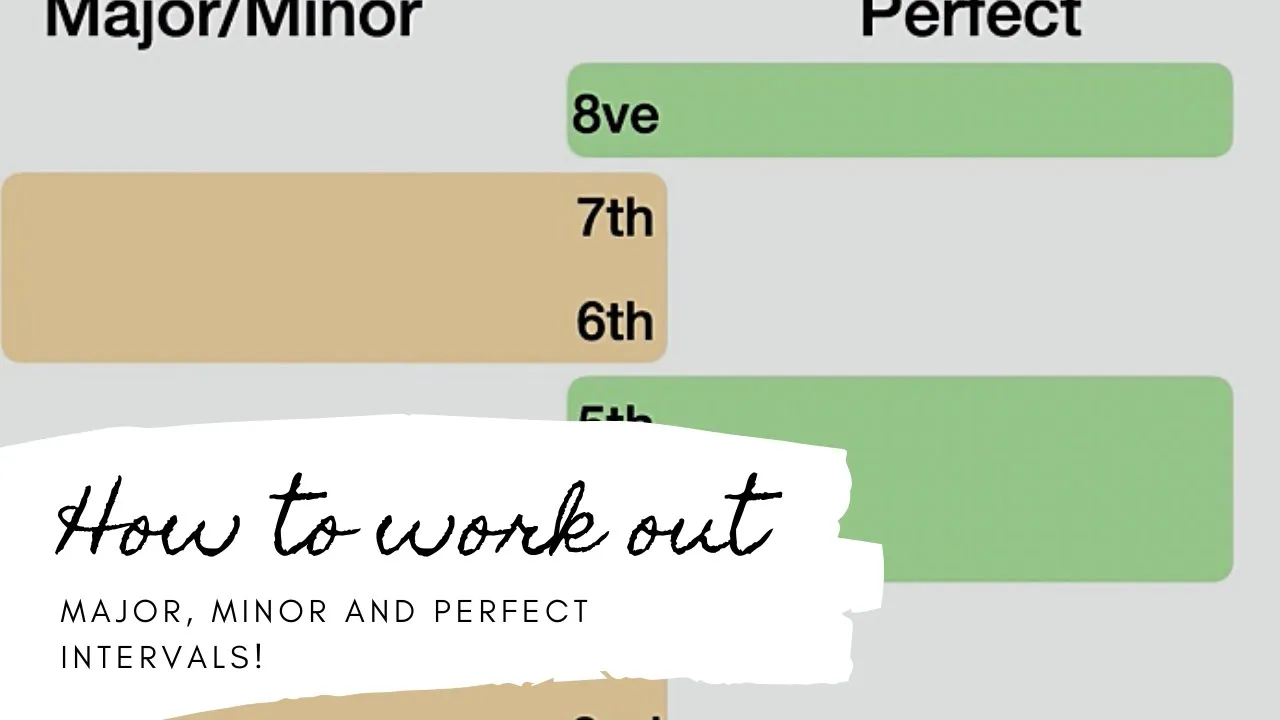
Basic interval theory, specifically major, minor, and perfect intervals, which are essential for identifying modal formulas.
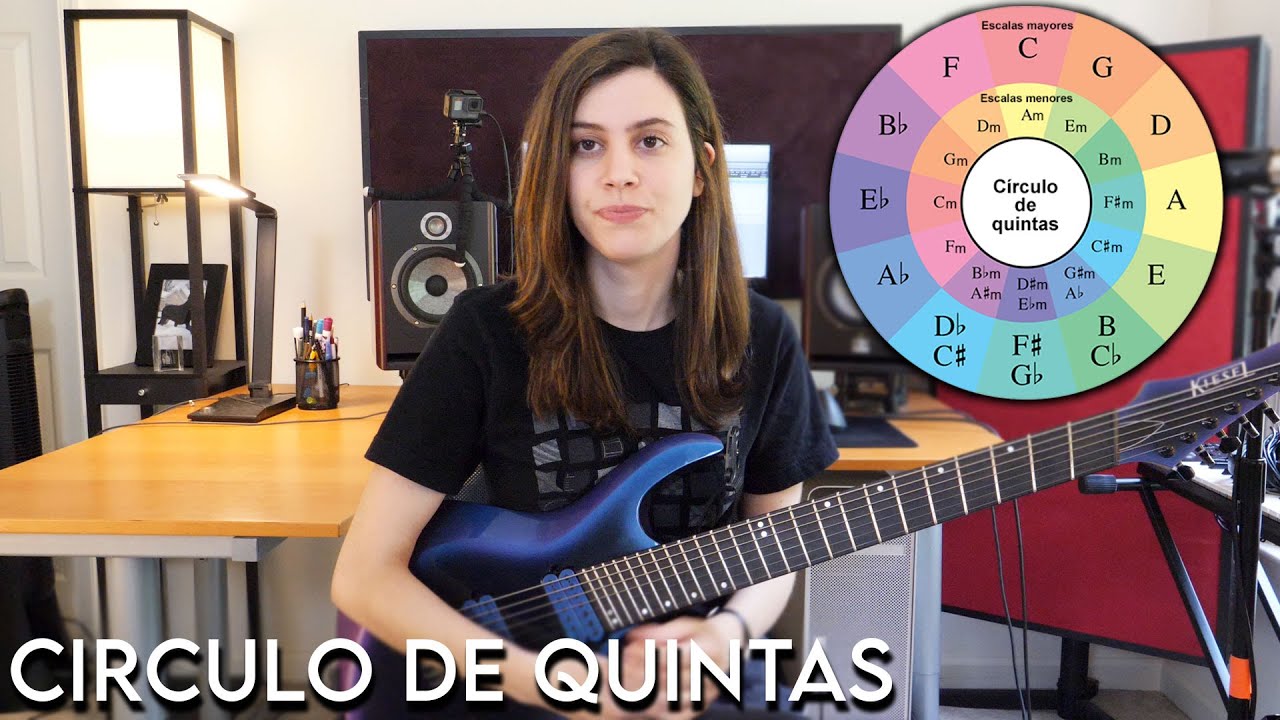
Understanding key signatures and how to navigate the Circle of Fifths to find relative scales.
Diatonic chord construction, including how major, minor, and diminished triads are built on different scale degrees.
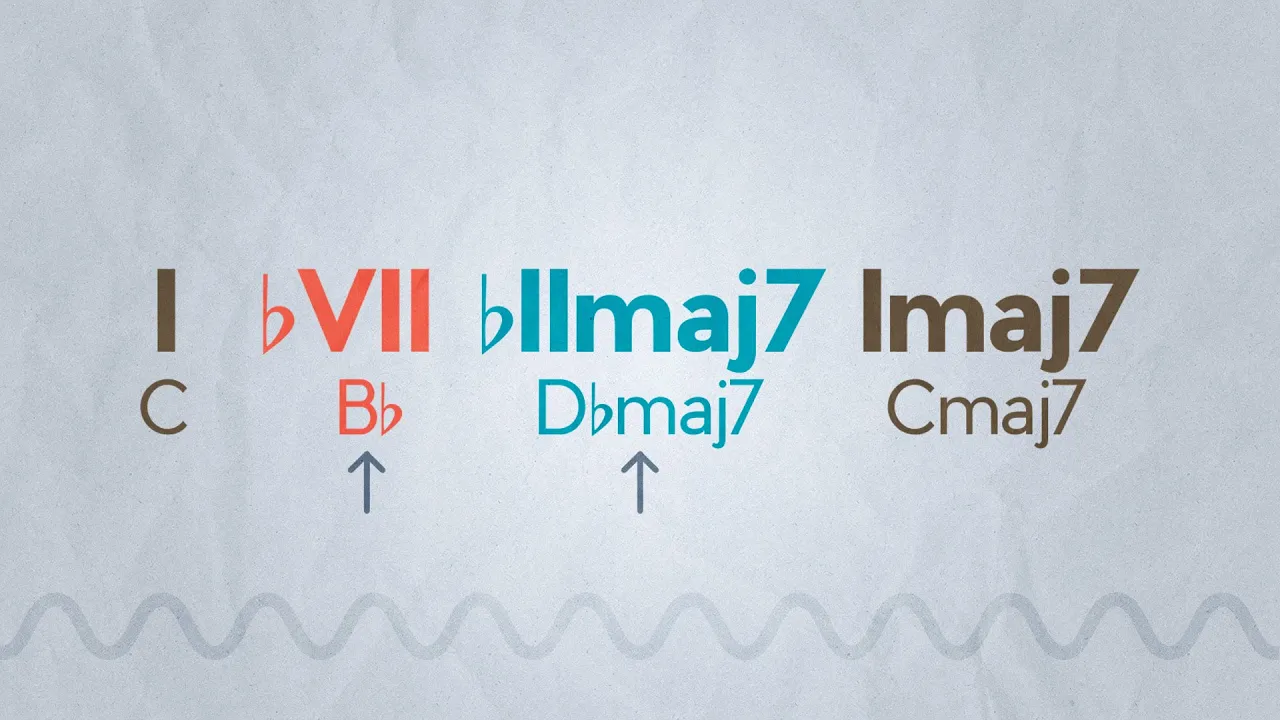
Modal Interchange (Modal Mixture), which involves borrowing chords from parallel modes to enrich harmonic progressions.
The study of non-diatonic modes, specifically the modes of the Melodic Minor and Harmonic Minor scales (e.g., Lydian Dominant, Phrygian Dominant).
Modal Jazz composition and improvisation, exploring how to solo over static chord changes and non-functional harmonies.
Applying voice-leading techniques and pedal points to establish strong modal centers without relying on traditional dominant-tonic resolutions.
2K views69likes17:15Original Release: 2020-07-17
what's up everybody welcome back to another video and in today's video I'm very excited because we're gonna be talking all about the major modes so you're probably seen an influx of mode videos on the internet lately specifically YouTube and namely two that came out this week at the time of this recording charles cornell did a video on modes and guy mitchell more from from think space he did a video on the modes as well so i thought i'd chime in a little bit and plus i've been getting a few questions from you guys on modes so i thought i'd contribute a little bit and talk about the modes as well so I've set up a PowerPoint presentation here just to go along with the video and hopefully this will give you kind of a visual sense of what the modes are and how they work so without further ado let's just get into it here so a little bit of an overview on the modes the modes are basically subsets of the major scale I mean we're all familiar with a major scale like sea to sea and we know that it's built in a series of steps right like whole whole half whole whole whole half and that's the formula for the major scale but the way we use the modes is really to add new colors to our music because the you know and we're going to talk about this in a little bit but basically the way the modes are laid out and the step sequences like the formulas for those modes they result in several altered notes like sharp this or flat this and this really affects just the tonal quality of the music so I just wrote here in the second point to think of them as major scales with altered notes and we're going to get into that in just a little bit and here you can see that we have seven modes one for each starting note of the scale so you can have like it's basically there's seven types of modes we'll get into the names in a little bit but basically there is one mode for each note of the scale so cdefg a and B or ABCD efg right and then yeah we use them for emotional effect just to change up the mood a little bit and it it basically affects just the quality and the emotional effect and everything which is really cool okay so let's talk about the Moe's themselves here are the seven modes we have Ionian Dorian Phrygian Lydian mixolydian Aeolian and Locrian so let me quickly talk about it in the way that a lot of classical textbooks talk about modes basically the the way you the way they teach us to remember the modes is through a mnemonic I don't play Lydian music after lunch I don't play Lydian music after lunch so basically we're just going from top down to bottom Ionian all the way down to Locrian and that's the way you can remember the order of the modes so Ionian being like basically the major scale that's basically the very first mode that we have and it's called Ionian okay and then if we take a look at this the sixth mode Aeolian that one's actually the minor natural minor scale so essentially it's it's the major scale but with altered notes so in the middle column we see here a bunch of these red numbers and those are the alterations from the major scale but going back to the way the classical textbooks teach us modes they teach us to think about it in a way where you think about the mode itself so let's say someone said okay Christopher what is C Phrygian okay like if I said what's C major then you know exactly what scale that is on the piano or your instrument right but if I said something like what mode is C Phrygian what notes belong in C Phrygian then the typical way to do that in the classical textbook would be to identify which mode we're talking about so in this case Phrygian we know is the third mode right so we would say okay if Phrygian is the third mode then we have to think of C as being the third note of whatever major scale we're talking about so if C is the third note then what would be the tonic or the first note of the scale so we now we backtrack we say C Phrygians will C is the third note because Phrygian is a third mode so C we go back a whole step which is B flat they would go back another whole step to a flat so now we know that we're using the a flat major scale but just starting from C and ending on C right so basically you have your your C scale from C to C but with the notes of a flat major so you have four flats and B flat E flat a flat and D flat hopefully that makes sense and you can see in the middle column there that the scale literally tells us that there are four flats flat 2 flat 3 flat 6 flat 7 ok let's do another example let's say we were given F mixolydian so someone said Oh show me what F mixolydian is then the classical textbooks would say alright mixolydian is mode number 5 which means F is note number 5 so if it's F mixolydian what is the first note of the scale or the tonic so we say okay F is the dominant or the fifth under the scale we count backwards and we know B flat is the first note of the scale if F is the fifth note of the scale and again we're just talking about the major scale here but there's there's also things like minor modes and all that but we're not gonna cover that here and that's way more complicated so anyway we know we're talking we're in the key of B flat major and we're just going from F to F so you would expect that the you would basically have the F major scale but what the notes would be flat right and that's basically having an E flat in there because F major already has B flat but you would have an E flat as well because it's in the key of B flat major but just starting on F and ending on F and if we take a look at mixolydian essentially it's the major scale but with a flat 7 which is E flat in the key of F major so that's kind of a way that I mean that's the first way to look about it look at it but the downside to that is you don't really understand how the modes really work per se because all you're saying is ok I mean I'm going from E to E I know I'm playing the notes of the C major scale so it's like you know e Phrygian but how does that you know really apply to anything so then the second method to look at it is to think of them as the major scale but with alterations and in this second column in the middle column right here is exactly the way I'd like to think about it in terms of these alterations so if you just look at the first column we're looking at the major scale and that's totally fine there's no alterations it's just c d e f g a b c or doremi facility though right however the second mode the dorian tell there is a flat 3 and a flat 7 so that means it would be C D E flat because the 3rd E is now flatted so C D E flat F G a B flat and then C right so you have a B flat and an E flat and if you think about it that's really B flat major because B flat major has two flats so basically you're going from C to C but within the scale of B flat major which kind of interesting and that this is this is how you go through all of them as long as you know the alterations for all of these modes it's very easy to apply them and say okay well if it's like let's say G Phrygian then I say okay it's the G major scale but flatting the 2nd 3rd 6th and 7th so if G a flat B flat C D E flat and F and that's it I think it's a lot faster the only downside to this is you actually have to memorize what the different alterations are of each of these scales so there's pros and cons to both ways of thinking about it but jazz musicians tend to think of it in this way because literally when they're playing scales and improvising they don't have time to think okay see Locrian that means I have to you know C is the seventh note of the major scale go all the way back down to the first note what would that be they just think of it as flat two three five six and seven and they know instantly what the affected notes are and then on the very right here I've also listed out examples of different pieces that incorporate these different modes just so you can hear them and ingrain the sound into your mind a little bit I think that's the best way to learn about the modes and it's very similar to film scoring as well where they stick with specific modes and make sure these they bring out those alternate notes to really show us how how they how they sound in context they really change up the emotional aspect of the scene that way so it's really cool so let's talk about really quickly the modes organized by mood right because like we just said the modes have a certain quality to them like happy sad depressing that type of thing and you know I mean western music we basically only use two of the modes two main modes we have the major scale and the minor scale right so you see how Ionian is major scale and Aeolian is the minor scale those we we know very very well but the other ones are the ones we're going to talk about just a little bit more so Lydian is actually the happiest scale because Lydian actually has that sharp 4 in it and I think it would be more useful if I actually play it out the scales for you so you can hear the differences in these moods here so first of all the Lydian scale is essentially the major scale with a sharp 4 or you can say a raised fourth so the C major scale we know is like this right what the Lydian scale way we raise the 4th note which would be F in this case if we're playing the C major scale we would have F sharp which sounds like this and [Music] what this actually allows you to do is to play chords that have that raised 4th in it like D major or even like f-sharp major that could be really cool too even though C major doesn't have a sharp and C sharp having that F sharp in there opens up a lot of possibilities but just to say like C major and D major listen to this you you you right and the race forth really contributes to like the secondary dominant for example the five and five anyway so that's really nice it adds a completely new color to it that sharp four and this applies to every scale of course like doesn't matter what note you're starting on Ionian we know as the typical major scale that's what we're very familiar with let's take a look at mix a load sorry mixolydian and this one is a little more edgy it's still a happy sound but it's it is a little more colorful a little more darker than than the Ionian major scale so have a listen to this this is lowering the seventh so just a really common chord progression is like having the one chord and then the flat seven chord so like this [Music] right and you can hear instantly how that flaps I've been darkens the sound just a little bit really cool next we have Dorian which is used a lot in I would say like eighties music maybe some 90s music as well but more like rock punk music where they're going for a little more of a colorful sound so it yeah like I wrote there on the right it has like a smooth bright jazz type of feel to it and here we have the flat 3 and the flat 7 so it's not quite as set as the as the natural minor scale because we don't have that flat 6 so here's what the Dorian scale sounds like [Music] ok that's all that's a very very beautiful scale then we have the natural minor scale which we know sounds like this [Music] and that's why the natural minor scale has like the flat six and the flat seven chords which are both major chords but it's due to the flat SEC than the flat seven that actually give us those possible chords then we have the Phrygian which is even darker because now we have two flat two so the relationship between the tonic and the second note that semitone that half-step is what gives it that sense of urgency and that mystery in there so here's what the Phrygian sounds like you know and Rick B Otto who is a youtuber he talks a lot about music theory but he has a great explanation on how to practice modes but essentially you want to play chords and you want to play scales where you really expose those half steps so for example I know the half step is between the 1st and the flat 2 1 in flat 2 and also between the 5 and the flat 6 so if I play chords like a C minor 6 chord and then make sure I also have the D flat in there as well kind of like this [Music] like it doesn't it's not the most beautiful sound but you can start to play chords that incorporate those those you know half steps in there comparing the one in the flat two and then the five and the flat six and those will actually give you the the tone of the mode you're going for those those half steps and the finally we have Locrian which is like flat 2 flat 3 flat 5 flat 6 and flat 7 which sounds like this so naturally with so many lower notes you would expect the mode to just be darker and more dissonant and this time we have to have sus between the one of the flat 2 and the 4 and flat 5 so having chords like not the most pleasant sound it does sound pretty dark and deep and sinister so the the Locrian mode is not used as much in like film scoring for example ok hopefully that makes sense the kind of a way to organize the modes from a very happy sound to more of a sinister and dark sound ok so here are some main takeaways modes can dramatically shift the emotion in our music as we just heard and if you go back a couple slides or go back to the beginning of the video we on the right side I kind of mention some examples of these modes where you can listen to them in context and most can be used in scales or chords and records I should say and I just mentioned how Locrian is used less less in traditional film scoring just because of its super dark sound we we hear a lot of Phrygian a lot of Dorian of course a lot of lady and john williams loves that that sharp 4 and there to really bring that happiness and uplifting touch to his pieces like a et right Dadar that's completely Ionian completely major but then you have so that brings in the g major scale a little bit having that have sharp in there so yeah it kind of just gives out a little bit more of a lift which is really cool so I guess it's just a really sum it up I think of modes as a collection of moods rather than think of them as like Oh sharp this flat this what scale degree am i starting with all that stuff just remember what alterations you have consider the different moods that you're if you're writing a specific scene and you're saying what kind of scale would really fit the mood of this scene well I mean the major and minor scales can really get us pretty far but if you're looking for an alternative color that's maybe not used as much then explore the different moods you have if you're going for something super uplifting and super exciting then Lydian and even and mixolydian can can really help you out and for something a little bit more a neutral a little bit darker maybe you have you have Dorian and maybe Phrygian and then Locrian you can really use for those super super dark moments where you want those clusters and you want everything to really just build up and build a lot of tension so it's pretty cool I think of them as moods rather than different scales I just like to think of them as like a collection of you know whole and half steps that that result in a really nice different sound compared to adjust our regular major and minor scales thank you so much for watching I really appreciate it and before you go I want to give you a little gift just for sticking with me to the end of this video essentially it is a music theory guide that I put together telling you basically all the fundamentals of music theory that I think you need to know in order to be well on your way to composing a piece of music and actually know exactly what you're doing so it's very important you know a lot of people write music not exactly knowing what to do and you know what they do and why they do it so I think a little roadmap and a little structured guide will actually help you with that so it's totally free just and just sorry click on the link in the description box below and you'll find it and just download it and keep it with you and feel free to refer to it any time when you're composing your next piece and you're not really sure what you're doing just refer to it try to understand the concepts I try to lay it out as clear as possible and I think it'll really help you if you take the time to look at it so thank you so much I really appreciate it I will see you in the next video and take care have a good one bye bye
Up Next
9:47
Modal Chord Progressions: Composition and Harmony Guide
@GuitarWithOfficial
480 views•2020-08-18

10:20
Mozart's Musical Dice Game Explained: History, Rules, & Fun
@webpianoacademy
5K views•2023-03-13

47:36
Understanding Diatonic 7th Chords in Major Keys | Music Theory Tutorial
@GracieTerzian
54.7K views•2022-03-02
10:49
Understanding John Coltrane's Giant Steps: A Music Theory Analysis
@Vox
10.4M views•2018-11-12
Related Study Plans & Knowledge Roadmaps
Structured learning paths in Music Theory
music-theory
Composing Galant Music: Partimento & Schemata
01Foundations of Figured Bass and Keyboard Harmony
02The Rule of the Octave (Regola dell'Ottava)
03Galant Schemata: The Building Blocks of Form
+ 2 more learning modules
30h5 modules
Explore Roadmap
music-theory
Decoding Overtone Series: Tuning & Drone Music
01Acoustic Foundations: The Physics of the Overtone Series
02Tuning Systems: Equal Temperament vs. Just Intonation
03Microtonality and Spectralism: Beyond Standard Pitches
+ 2 more learning modules
24h5 modules
Explore Roadmap
music-theory
Impressionist Harmony: Scales, Planing & RPGs
01Foundational Music Theory: Keys, Intervals, and Seventh Chords
02Impressionist Color: Chord Planing and Parallel Harmony
03Whimsical Textures: Pentatonic Cascades and Whole-Tone Scales
+ 1 more learning modules
14h4 modules
Explore Roadmap
music-theory
Negative Harmony: Axis Reflection in Indie Pop
01Music Theory Foundations: Scales, Intervals, and Triads
02Functional Harmony and the Circle of Fifths
03Demystifying the Negative Harmony Axis Reflection
+ 2 more learning modules
16h5 modules
Explore Roadmap