Gentrification is a process where property values in a neighborhood are artificially lowered, allowing outside developers to purchase land cheaply, displace existing residents, raise property values, and sell at profit, which threatens the economic stability and cultural preservation of marginalized communities.
Gentrification | Boyz N the Hood scene | property values & community economics
Added:Deep Dive
Understanding the basic definition of gentrification and its demographic impacts on urban neighborhoods.
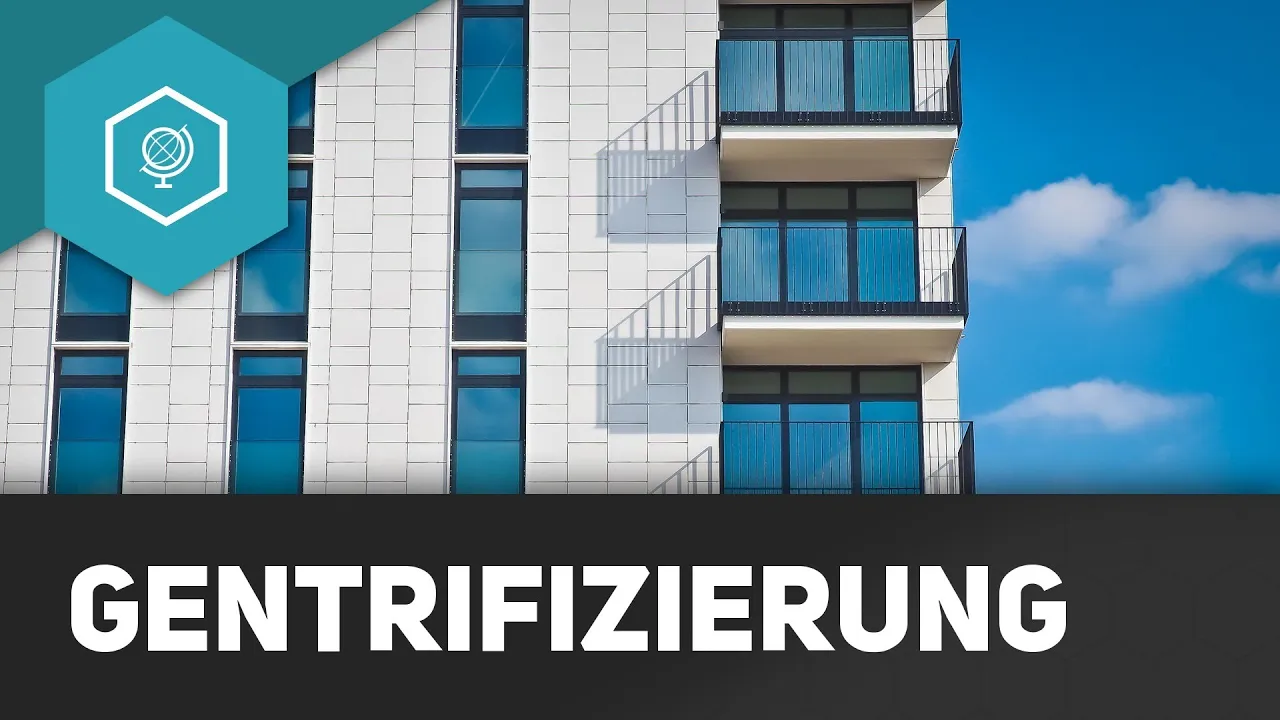
Gentrifizierung - einfach erklärt!
122.2K
Gentrification is a process of neighborhood change that typically occurs in transition zones of cities—areas located between the city center and the outskirts. These neighborhoods are characterized by dilapidated buildings and low rents, making them attractive to young people who cannot afford central city living but want proximity to the center. The initial population often includes artists and students who bring cultural vibrancy to these areas.
Click to watch →

The Reason Tim Burchett Wanted To Know Where The Black People Were At During DC Protests
30K
This segment explains gentrification as a process that transforms urban demographics over time. The speaker details how Washington DC changed from 'chocolate city' (predominantly Black) to a more diverse urban area. Key factors include the expansion of train lines connecting DC to Virginia and Maryland, construction of sports stadiums, and development of high-rise condominiums. The speaker notes this process began during their college years (15-17 years ago) and continues today. Current statistics show Black population at 43.26%, down from previous decades, with the city now described as 'a mini New York' in terms of diversity.
Click to watch →

Volt, hogy 3-4 ember vittek el a rendőrök naponta a pincéből - ilyen egy belvárosi drogbarlang
119.9K
Urban gentrification transforms neighborhood demographics through foreign investment and rising property values. In this neighborhood, approximately 80% of apartments are owned by foreign nationals while only 20% are occupied by permanent local residents. This pattern shows how gentrification displaces original residents and changes community character. The video illustrates how property ownership shifts from local to foreign hands, creating demographic changes that affect neighborhood identity. This transformation is accompanied by the emergence of establishments serving adult entertainment and nightlife, replacing traditional community-serving businesses and changing the social fabric of urban neighborhoods.
Click to watch →
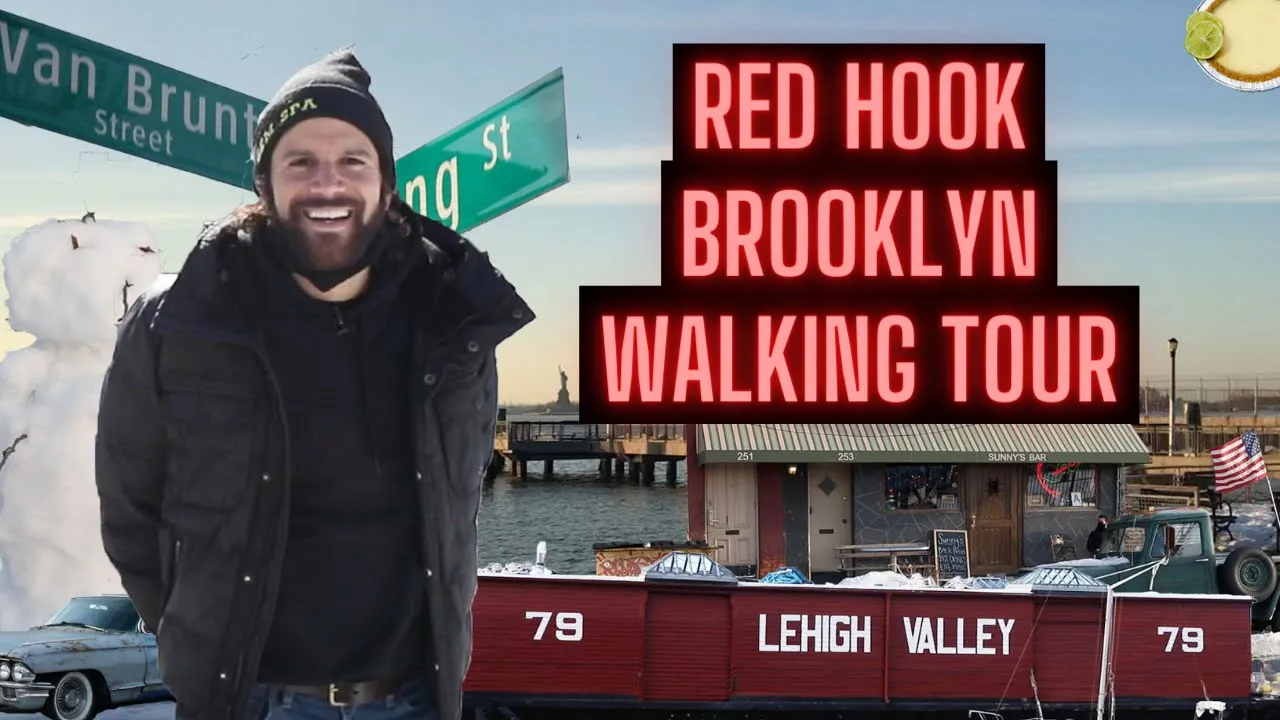
Red Hook Brooklyn NYC Walking tour
60.7K
Gentrification is a real phenomenon where run-down neighborhoods get built up quickly, often pricing out original residents. The process typically follows stages: first, a neighborhood becomes cheap due to decline; second, artists move in to take advantage of large industrial spaces; third, as the area improves, more investment comes in; fourth, rising property values force out original residents. Red Hook experienced this pattern after mid-1900s decline, losing half its population before artists moved in.
Click to watch →
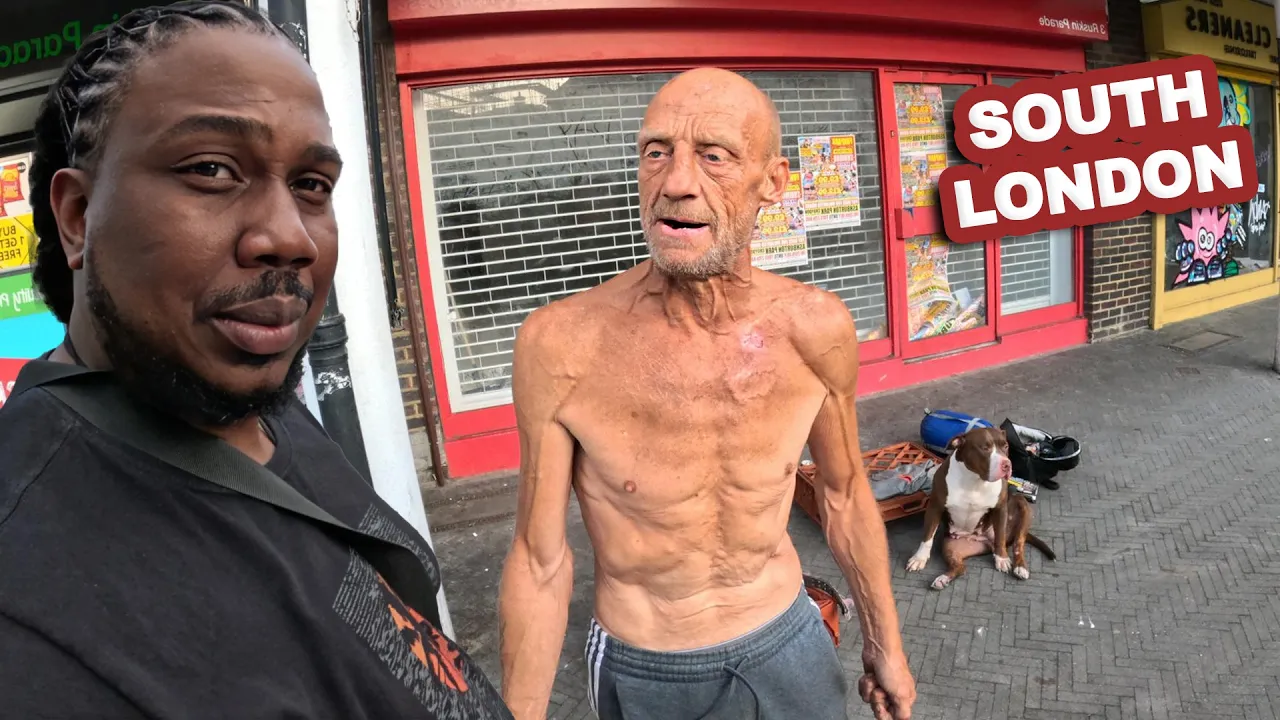
The Streets of Croydon South London - What They Dont Show You
133.7K
Urban areas undergo continuous demographic transformation through gentrification, migration, and institutional placement. When gentrification displaces residents from one area, displaced populations relocate to other neighborhoods, creating new demographic compositions. Schools may place challenging children in specific areas, further shaping community dynamics. This process demonstrates how urban development policies create cascading effects across city geography, redistributing populations and reshaping neighborhood characteristics. The movement of people from various parts of the UK and internationally creates complex social mixtures in urban areas.
Click to watch →
Deep Dive
The concept of property valuation and how systemic disinvestment artificially lowers real estate prices in marginalized areas.

How Bias in the Property Tax Assessment System Plays Out
15.3K
Redlining originated in the 1930s with the Homeowner's Loan Corporation, which federally insured loans only in 'good neighborhoods.' Local consultants created maps using a four-color system: green (good), blue (okay), yellow (declining), and red (hazardous). These maps explicitly used racial characteristics, with one form asking whether neighborhoods had 'negro populations'—if so, they were automatically marked hazardous. This policy lasted until 1968 when deemed unconstitutional. Urban renewal laws then allowed governments to designate redlined neighborhoods as 'blighted' and exercise eminent domain to acquire property. Highway construction was often routed through poor neighborhoods where property values had been artificially depressed, making it cheaper to acquire land through eminent domain. This combination of policies systematically destroyed wealth in minority communities while providing subsidies to white homeowners.
Click to watch →

Milwaukee Rotary Club: Juli Kaufmann - Fix Development
242
Traditional real estate and financial systems create powerful barriers that prevent neighborhood investment and perpetuate disinvestment. These systems control property development through financial mechanisms that determine money flow, real estate systems that control property valuation, and concentrated wealth among exclusive investors. The results include wholesale homogenization of places, mega-concentration of investments in targeted areas, and chronic disinvestment in neighborhoods where lowest-income residents live. Market disparities are stark: projects in disinvested areas that cost substantial amounts to build may be appraised at significantly lower values, while similar projects in prosperous areas may be appraised at much higher values. This creates a cycle where disinvested neighborhoods remain underinvested because traditional market forces discourage investment.
Click to watch →
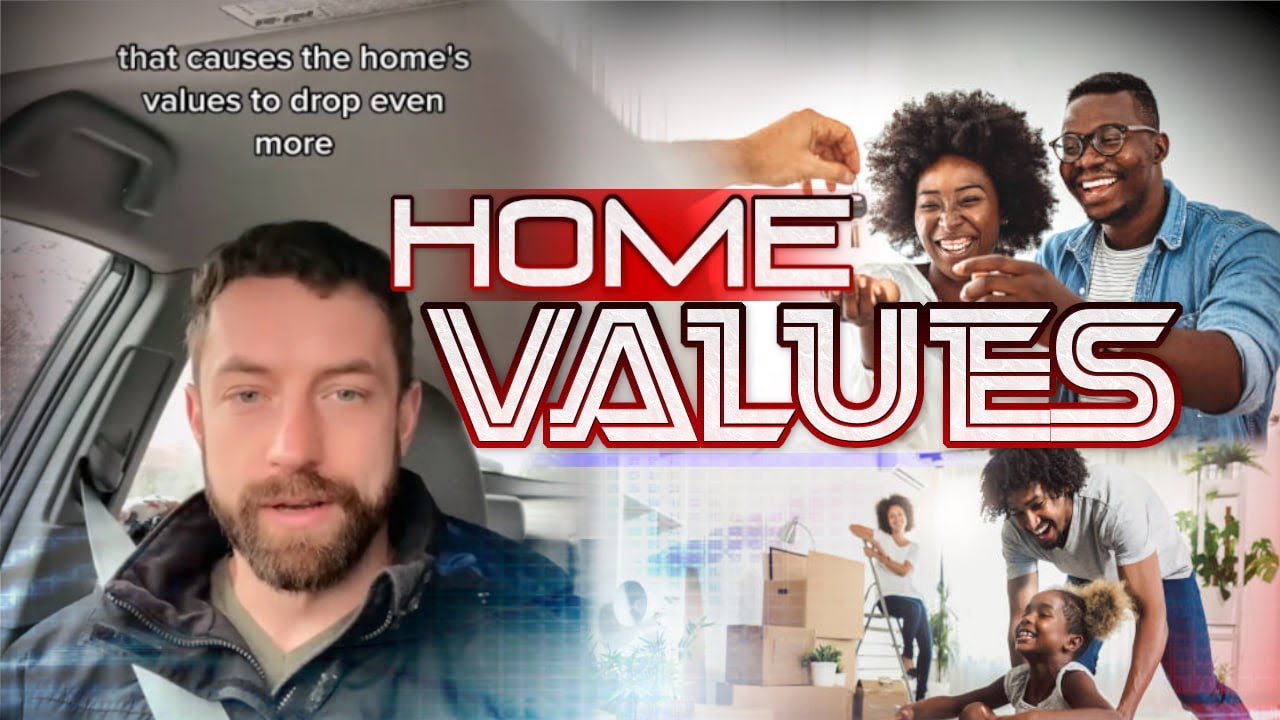
WM Says Home Values Always Drop If "Them Folks" Leave The Neighborhood
70.5K
In the United States, if 10 or more residents of a neighborhood are not white, home values decline instead of increase because white people refuse to buy homes in such areas, creating a cycle where Black homeowners face devaluation of their life savings investments, mortgage difficulties, and economic sabotage through discriminatory appraisals and sales practices.
Click to watch →

Don't Buy Into Cheap Real Estate
185
In disinvested areas, properties depreciate because locals have no extra wealth to upgrade their homes. This creates a vicious cycle: older assets attract lower prices, which attracts people who want to pay less, leading to further depreciation. The rundown effect attracts crime and undesirable elements, creating a downward spiral where property values continue to decline despite potentially good rental yields on paper. The solution is to look at equitable markets that have done very well in the past but are still good value today, where people have paid down debt and can reach out to renovate and improve the neighborhood.
Click to watch →
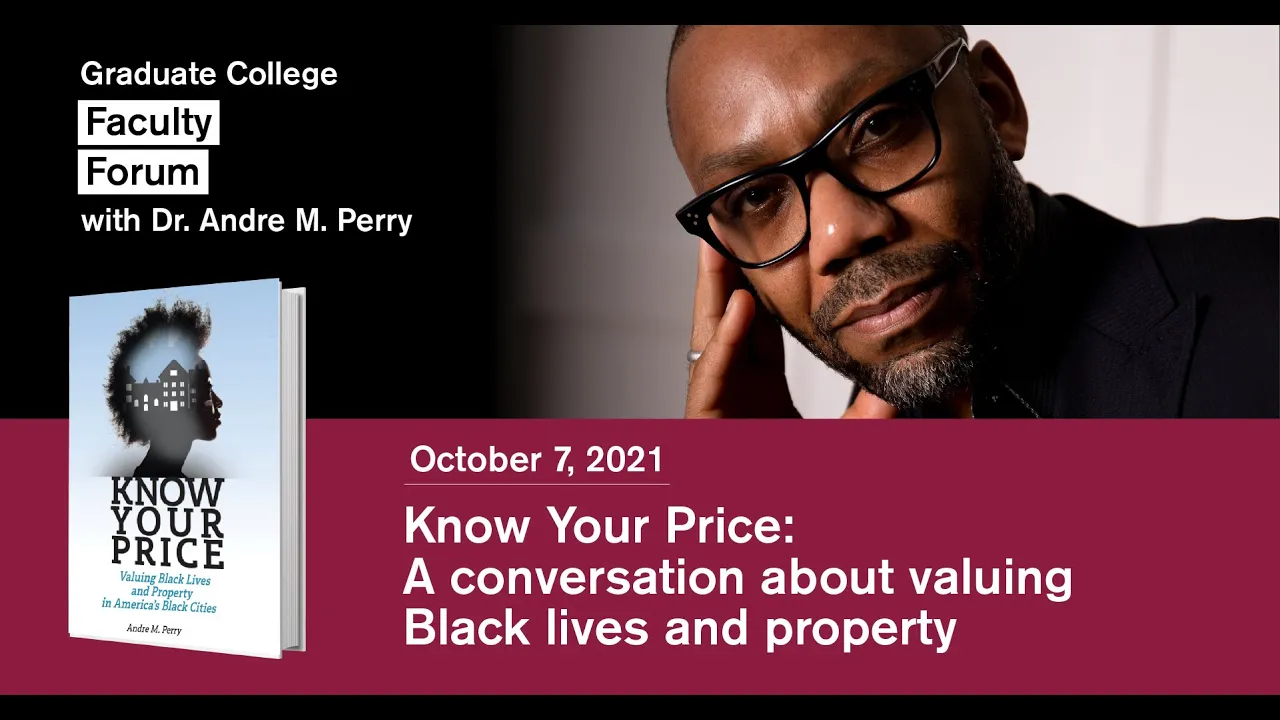
Know Your Price: A conversation about valuing Black lives and property with author Dr. Andre Perry
634
Black-majority neighborhoods across America face systematic undervaluation in real estate markets. Research shows homes in areas with 50%+ Black populations are underpriced by approximately 23% ($48,000 per home) even after controlling for physical characteristics and neighborhood amenities. This creates a cumulative $156 billion in lost equity nationwide. Historical policies including redlining, highway construction through Black neighborhoods, urban renewal displacement, predatory lending, and racial restrictive covenants established patterns of devaluation that persist today. The result is that Black residents cannot build wealth through homeownership at market rates, perpetuating cycles of poverty and limiting opportunities for education, business development, and intergenerational wealth transfer.
Click to watch →
Deep Dive
The history of discriminatory housing policies in the United States, such as redlining and municipal neglect.

The History of Redlining (part 1)
241
Redlining represents institutionalized racism where banks refused mortgages to certain neighborhoods based on race. Following the Civil War and abolition of slavery, local governments enacted exclusionary zoning laws prohibiting property sales to Black people until Buchanan v. Warley (1917) declared them unconstitutional. Homeowners then replaced these laws with racially restrictive covenants banning sales to Black people, Asians, and others. During the Great Depression, the federal government created housing programs that mandated racial segregation. The FHA introduced residential security maps in 1934, color-coding neighborhoods: green (best, homogeneous), blue (desirable), yellow (declining due to 'infiltration'), and red (hazardous, mostly Black residents). These maps made racial segregation an official requirement of federally backed mortgages, creating a state-sponsored system of segregation.
Click to watch →

Epstein Bill SIGNED, Harris Floats PEACE PRIZE For Trump, Black ERASURE in Boston - w/ Sabby Sabs
24.8K
Redlining was a discriminatory housing policy practiced across the United States that systematically denied loans to Black communities. The policy involved coloring maps with different colors: green, yellow, blue, and red. Red neighborhoods were designated as Black communities that should not receive loans. Even Black families with sufficient household income were automatically denied home loans based solely on their neighborhood. This policy prevented Black people from buying homes in suburban areas during white flight, effectively trapping them in urban areas and preventing wealth accumulation. The neighborhoods that were redlined are now being gentrified, creating a cycle of displacement. The documentary argues that this policy represents one of the most effective tools for maintaining racial inequality in American housing.
Click to watch →

TOTAL CHAOS ERUPTS After SHOCK Supreme Court Ruling!
58.9K
Redlining originated in 1934 when the Federal Housing Authority created color-coded maps that drew red lines around black neighborhoods, denying federal loans to residents. This federal policy prevented black people from building wealth through homeownership. The GI Bill excluded black people from educational benefits. Urban renewal demolished black communities while suburbs explicitly forbade black homeownership. The interstate highway system was deliberately routed through black neighborhoods, destroying their economic base. These policies created the concentrated black neighborhoods that exist today, not through voluntary choice but through deliberate federal and private discrimination.
Click to watch →

How redlining prevented Black and Brown families from becoming home owners
67.2K
Redlining was a discriminatory federal housing policy from 1933-1968 where the Home Owners Loan Corporation used color-coded maps to deny loans to Black and Brown communities, systematically excluding them from homeownership and creating lasting economic disparities that persist today through lower median incomes, reduced financial freedom, inadequate community resources, and educational disadvantages affecting future generations.
Click to watch →
The Untold Sabotage Against Black Communities By Whites
25.4K
Institutional racism in housing has a long history. The National Housing Act of 1934 formalized redlining, which effectively restricted people of color from home ownership. Instead of getting to live in the newly established suburbs, black Americans and other people of color were segregated into urban housing projects. The government was not subtle; according to the federal housing administration's reasoning, if black Americans bought suburban homes, property values would go down and threaten the loans of white Americans. There was no evidence of this; the federal housing authority's justification was based in racism. Despite redlining being outlawed over 50 years ago, its impact continues today. In 2020, black Americans were over 40% less likely to own their homes compared to white Americans.
Click to watch →
Deep Dive
The relationship between local business ownership, community wealth retention, and neighborhood stability.
Mayoral Canidate Kevin Kelly
100
Local business ownership is crucial for community economic health because it keeps money circulating within the neighborhood rather than being exported to outside owners. When corner stores and small businesses are owned by local residents, they are more likely to hire local workers and reinvest profits in the community. This creates a positive economic cycle that strengthens neighborhood stability.
Click to watch →
TALK PGH - Mount Washington - Alicia Carberry
305
Local business ownership strengthens community economic development by keeping money within the neighborhood. When residents own and operate businesses, they create jobs, support local suppliers, and develop deeper connections to the community. This model of economic development prioritizes community wealth retention over external investment, fostering sustainable neighborhood growth.
Click to watch →

Grand Reopening of Second Federal Credit Union
165
Community business ownership represents an important form of economic development that keeps money circulating within local communities. Business owners who have lived in their communities for many years understand local needs and can provide services that meet those needs. These businesses contribute to community economic vitality while also serving as anchors that help stabilize neighborhoods.
Click to watch →
11/02/17 Nashville Civic Design Center Annual Luncheon Event
127
Successful community development requires understanding what residents actually want in their neighborhoods. Communities should pursue mixed-income housing, mixed-use commercial development, and local business ownership to retain talent. When communities devalue their own land, external developers exploit this by offering quick cash for properties. Communities must create opportunities for residents to maintain ownership stakes and develop businesses that serve changing neighborhood needs. Community-owned businesses help retain wealth within local neighborhoods by ensuring profits stay in the community rather than flowing to outside investors. These businesses create local employment opportunities and provide residents with a sense of ownership and pride. When communities can own and operate businesses, they demonstrate that local residents can succeed economically within their own neighborhoods.
Click to watch →
Why Local Business is Better for People, the Planet, and Your Wallet with Stacy Mitchell | TGS 198
10.7K
Research shows communities with higher shares of locally owned businesses have stronger civic and social networks. These communities show more neighborhood organizations, greater community group membership, more civic institutions, and higher voter participation. Conversely, towns dominated by chains like Walmart and regional corporations experience breakdowns in civic and social structures, with fewer community connections and engagement.
Click to watch →
Prerequisite Knowledge
- Concept 01Understanding the basic definition of gentrification and its demographic impacts on urban neighborhoods.
- Concept 02The concept of property valuation and how systemic disinvestment artificially lowers real estate prices in marginalized areas.
- Concept 03The history of discriminatory housing policies in the United States, such as redlining and municipal neglect.
- Concept 04The relationship between local business ownership, community wealth retention, and neighborhood stability.
Subsequent Learning
- Step 01The 'Rent Gap Theory' developed by geographer Neil Smith, which explains the economic disparities that drive developer interest.
- Step 02Policy interventions and community-led solutions, such as Community Land Trusts (CLTs), rent control, and inclusionary zoning.
- Step 03The role of public-private partnerships, municipal tax incentives, and zoning laws in urban redevelopment and displacement.
- Step 04An analysis of cinema and pop culture (such as the works of John Singleton) as pedagogical tools for studying structural racism and urban sociology.
Gentrification
Self-Destruction
Gentrification
0:00Playing Section
- 1
Discusses property devaluation and forced displacement.
- 2
Argues for black economic self-sufficiency.
- 3
Links drugs and guns to internal community decay.
The Resident Retention and Economic Integration Perspective
While the classic narrative in urban economics posits that deliberate property devaluation and subsequent reinvestment inevitably displace low-income residents, some economists and sociologists offer an alternative view. Empirical research, notably by scholars like Lance Freeman, suggests that gentrification does not automatically lead to widespread displacement. Instead, many low-income residents choose to stay in gentrifying neighborhoods to benefit from improved municipal services, reduced crime, better local schools, and new employment opportunities. This perspective argues that rising property values can lead to socioeconomic integration rather than displacement, provided there is sufficient housing supply. From this viewpoint, the root cause of displacement is not reinvestment itself, but rather restrictive zoning regulations and a lack of new housing construction that fails to meet increased demand.
Deep Dive
The 'Rent Gap Theory' developed by geographer Neil Smith, which explains the economic disparities that drive developer interest.

City Debates 2015 Planetary Rent Gaps
1.5K
Rent gap theory, developed by Neil Smith based on his 1975 undergraduate dissertation research in Philadelphia, explains gentrification as a class struggle process where capital exploits the disparity between current and potential land values (the 'rent gap'). When this gap becomes wide enough, developers can purchase disinvested properties cheaply, rehabilitate them, and sell at profit, requiring the active displacement of existing residents through various tactics. This theory challenges celebratory narratives of gentrification by revealing it as structural violence against working-class populations, where the quest for profit takes precedence over the need for shelter. The theory remains relevant today under conditions of financial deregulation and planetary urbanization, helping to expose how global financiers, developers, states, and local populations work together to produce uneven accumulation.
Click to watch →

Urban Margins and Rights to the City: Panel 1
184
Neil Smith's rent gap theory explains gentrification through economic calculation: a neighborhood gets gentrified when the potential rent someone can get from a building after upkeep exceeds the current rent plus the cost of redevelopment. If the potential rent is greater than the current rent plus redevelopment costs, the neighborhood will be gentrified. This economic logic drives displacement.
Click to watch →

rent gap
1.8K
Rent gap theory, developed in 1979, explains gentrification as an economic phenomenon where property owners hold undervalued real estate, avoid maintenance to maximize returns, and sell to developers when neighborhood values rise, creating a gap between current and potential rents that generates maximum profit; this theory shifts focus from blaming cultural groups like hipsters to examining how finance, developers, and government policies facilitate displacement through market mechanisms.
Click to watch →

UT Lecture with Dr. Eric van Holm: Gentrification and the Future of American Cities
337
Neil Smith's rent gap theory explains gentrification economically: building values decline over time while land values near city centers remain stable. This creates a gap between potential and realized property value. As buildings depreciate, the rent gap widens until it becomes profitable for developers to tear down old structures and rebuild. Hurricane Katrina exacerbated this by destroying buildings, widening the rent gap and accelerating gentrification in affected areas.
Click to watch →
December 7, 2021 Reparations Task Force - Witness Testimony - Damien Goodmon
208
Urban geographer Neil Smith identifies gentrification through the 'rent gap' theory—the difference between actual rent being paid and potential rent. Communities become targets when there is traditionally undervalued real estate, and through transit infrastructure investment, increase in creative class, and adjacent economic development, the rent gap widens. Only by removing existing residents who are disproportionately low-income Black and Brown people can this new value be realized, making these communities more attractive for capital investment.
Click to watch →
Deep Dive
Policy interventions and community-led solutions, such as Community Land Trusts (CLTs), rent control, and inclusionary zoning.
Gentrification and the Real Estate State: Sam Stein
881
Immediate policy actions include defending expiring rent control laws (June 15 deadline) and supporting good cause eviction legislation limiting rent increases to inflation plus maintenance costs. Community land trusts separate land from building ownership, preventing either party from capitalizing on rising values. Limited equity cooperatives add resale restrictions maintaining long-term affordability. Right to purchase policies give threatened homeowners opportunity to sell to cities for public housing conversion. These solutions address the fundamental problem: rent control prevents displacement by stabilizing rents and enabling tenant organizing, while community land trusts ensure social value from public investments doesn't translate into private profit.
Click to watch →
The Problem With Left-Wing NIMBYism
52.3K
Rent control provides stability but manages symptoms, not causes—it prevents displacement but doesn't enable mobility. Inclusionary zoning acts as a tax on new housing, reducing project viability without sufficient government subsidies. Community land trusts preserve existing affordable units but don't build new ones, leaving massive shortages unaddressed. A Kensington Market trust with only 12 units demonstrates how preservation alone cannot meet demand. True accessibility requires both reasonable prices and mechanisms allowing people to obtain housing. Without sufficient supply, rent control cannot prevent displacement or enable easy mobility. The fundamental solution requires building enough housing relative to demand, whether market-rate or social housing.
Click to watch →

Housing Finance & Social Equity: Learning from the New Economy Project
182
Community Land Trusts (CLTs) are models that remove housing from market-based speculation through 99-year land leases, preserving affordability in perpetuity. They include built-in community governance with tripartite boards where residents participate in decision-making. There are now over 200 CLTs across the country. The Cooper Square CLT has protected almost 400 units of permanently affordable housing. The East New York CLT represents one of the last communities of color fully transformed by gentrification. Policy approaches include the Public Land Disposition bill prioritizing public land for CLTs, and Opportunity to Purchase Acts giving non-profits first right to buy multi-family buildings. The New York City public bank would partner with Community Development Credit Unions rather than large commercial banks.
Click to watch →
What Just Happened At NYC Mayor’s Mansion BLEW My Mind!!!
210.9K
Community land trusts are nonprofit organizations that hold land in trust for community benefit, enabling transfer of ownership from landlords to responsible stewards including community land trusts, nonprofits, or tenants. The video describes policies including establishing community land trusts to buy housing on the private market, giving tenants right of first refusal to purchase buildings, and committing to social housing by ending subsidies for luxury development. This represents a policy approach to addressing housing neglect and ensuring community control over housing stock, with debates about whether such policies will attract investment or diminish property values.
Click to watch →
Community Land Trusts: A Solution to Gentrification
1.5M
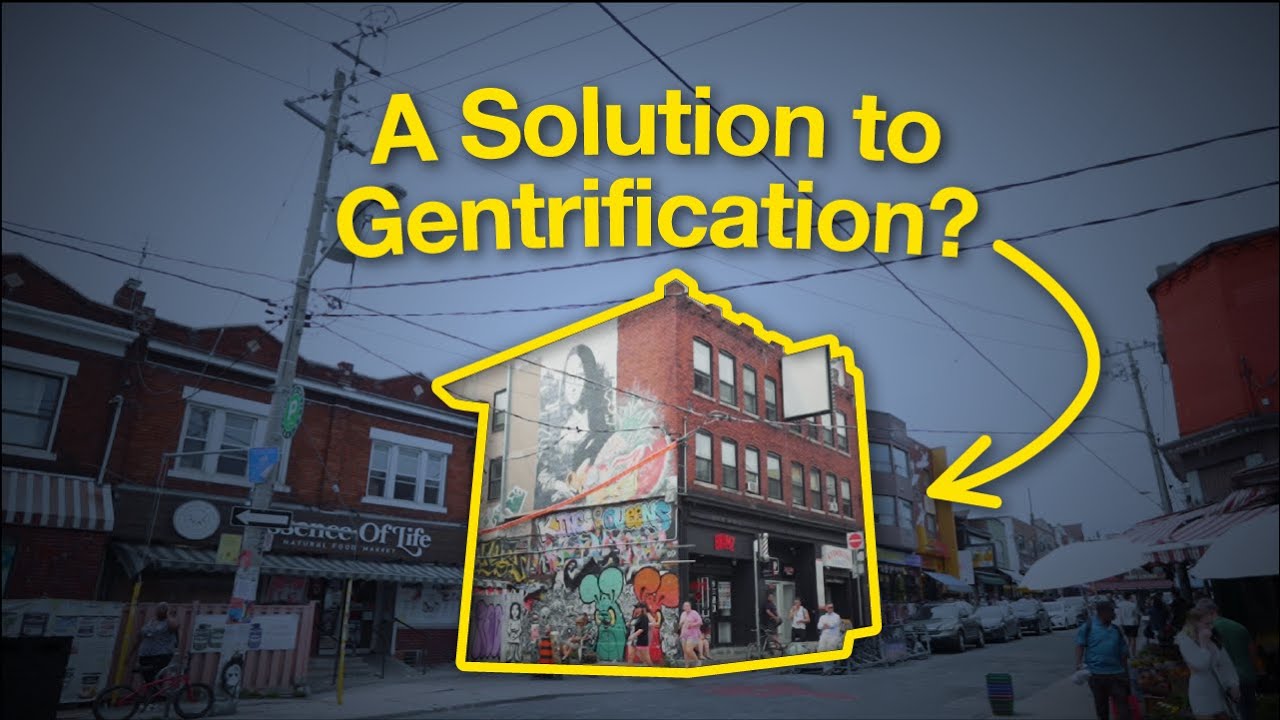
Community Land Trusts (CLTs) are nonprofit organizations that acquire and manage land democratically to protect culturally significant neighborhoods from gentrification; they operate through a tripartite governance structure with equal representation from residents, surrounding community members, and government/expert stakeholders, and can leverage community bonds as a social finance tool to raise capital for property acquisitions while ensuring long-term affordability and community control over neighborhood development.
Click to watch →
Deep Dive
The role of public-private partnerships, municipal tax incentives, and zoning laws in urban redevelopment and displacement.

BARRY FARM: Community, Land and Justice in Washington DC
214.7K
The evolution of U.S. cities occurs at the expense of Black communities, with their destruction becoming acceptable sacrifice for urban development. Cities partner with private developers to redevelop public housing through mixed-income housing, pulling properties into private markets. This process constitutes a land grab where developers benefit from rising land values while residents face displacement. Berry Farm residents received relocation notices without concrete re-entry criteria or guarantees of return. Low-income requirements set at $59,000 annually excluded most former residents. The relocation process was described as a nightmare, with residents given minimal time to pack and belongings thrown into boxes. This demonstrates how redevelopment policies extract wealth from long-time residents while offering inadequate compensation, transforming public housing into tools of economic extraction rather than community investment.
Click to watch →

The Public Private Partnership Behind Block 9
751
Public-private partnerships in urban development use tax incentives and infrastructure payments to transform vacant lots into mixed-use buildings, where developers pay current property taxes during construction and commit to future infrastructure investments in exchange for tax exemptions, ultimately increasing the city's property tax base while providing public amenities like parking garages and community plazas.
Click to watch →

#CANLI GÜNE BAKIŞ / 16.12.2025
1.2K
The redevelopment of Şire Market involved acquiring 147 shops from a developer, who then received land parcels from various locations including Alaçatı, Çeşme, Didim, Diyarbakır, and Ankara. This public-private partnership created significant controversy as the developer gained substantial advantages while local businesses faced displacement. The case illustrates the complexities of urban redevelopment and the challenges of balancing public interest with private development interests. The redevelopment became politically contentious, with claims that opposition parties used the President's visit to Malatya to threaten the government about the market's future. The case also highlights how agricultural industries depend on coordinated efforts between producers, policymakers, and market institutions to maintain their economic viability and preserve regional identity. The apricot market in Malatya experienced significant price fluctuations, with prices ranging from 800 to 1,100 liras per kilogram depending on market conditions.
Click to watch →

Housing, Urban Development & Zoning Nov. 17, 2022
175
Public-private partnerships combine public resources with private sector expertise to achieve urban development goals. Cortex, a 200-acre site in Midtown St. Louis, has been developed through such partnerships over 20 years. These partnerships allow developers to access public incentives while committing to deliver public benefits like jobs, tax revenues, and infrastructure improvements. The partnership model enables development in areas that would otherwise be too costly for private developers to pursue independently.
Click to watch →

Mediodía de Noticias - Programa 08/05/26
163
Public-private partnerships in urban development involve: (1) Collaboration between municipal government and private institutions, (2) Advisory councils for decision-making, (3) Resource pooling for urban projects, (4) Focus on local identity and sustainable development, (5) Planning for significant events (bicentennial celebrations), (6) Entrepreneurship support programs, (7) Market fairs and exhibitions, (8) Level-based support systems.
Click to watch →
Deep Dive
An analysis of cinema and pop culture (such as the works of John Singleton) as pedagogical tools for studying structural racism and urban sociology.

John Singleton | Boyz N The Hood, Oscar Nominee & A Major Health Issue That Turned Deadly
65.9K
John Singleton (1968-2019) was an American film director, writer, and producer who made history as the youngest and first African-American to receive an Academy Award nomination for Best Director at age 24 for his debut film 'Boyz n the Hood' (1991), which depicted his own experiences growing up in South Central Los Angeles; throughout his career, Singleton advocated for authentic representation of Black stories in Hollywood, criticizing studios for refusing to let African Americans direct films about Black experiences, and he passed away at age 51 in 2019 due to complications from a stroke.
Click to watch →
Forensic Audit: The Chilling Deaths of Lexie Bigham, Dee Goldberg, and Lloyd Avery II
257
John Singleton's 1991 film Boys and the Hood served as a forensic deconstruction of what it meant to be young, black, and male in South Central Los Angeles. The film captured the statistical reality of nearly 1,000 homicides in Los Angeles in 1990, concentrated in inner-city dead zones. Singleton didn't just write a script but created a mirror reflecting harsh realities, giving statistics faces, names, and pulses. The film functioned as both a warning and a desperate plea for the survival of a generation. South Central was defined by structural abandonment during the post-industrial era, filled by the crack cocaine epidemic and hypermilitarized LAPD policing. Young black men were viewed as biological threats rather than citizens. Singleton disrupted this narrative by casting people who lived the reality they portrayed, seeking truthtellers rather than actors.
Click to watch →

#Live A educação étnico racial na perspectiva do Currículo da Cidade de São Paulo
11.4K
Structural racism is a systemic form of oppression that permeates all social relations, including education, and requires educators to actively combat it through anti-racist practices across all subjects rather than treating it as merely an individual moral issue; effective ethnic-racial education involves integrating cultural knowledge (such as African games like Mancala), ensuring representation of diverse populations including immigrants and Indigenous peoples, and implementing policies that address the intersectional realities of students' lives while recognizing that racism operates through both institutional practices and everyday interactions.
Click to watch →

Mesa 15 --- Métodos educativos con el cine
102
An anti-racist and multicultural agenda considers Chicano cinema as a medium to denounce racism as a social practice and policentric multiculturalism as a work horizon. It must be based on the recognition that communities, societies, nations, and continents are linked from race, multiculturalism, and colonialism. A pedagogy of anti-racism and multiculturalism with and from cinema implies considering social categories such as race, class, gender, nation, sexual orientation, and religion, and paying attention to mediators like narrative structure and cinematographic style. The task of the educator is to draw attention to the game of cultural voices presented in any cinematographic work, focusing on multi-vocality rather than pluralism. The goal is to achieve what Paulo Freire calls the act of freedom, leading to critical thinking capable of establishing non-arbitrary relationships between contents and creating new criteria, leading to intellectual autonomy of students.
Click to watch →
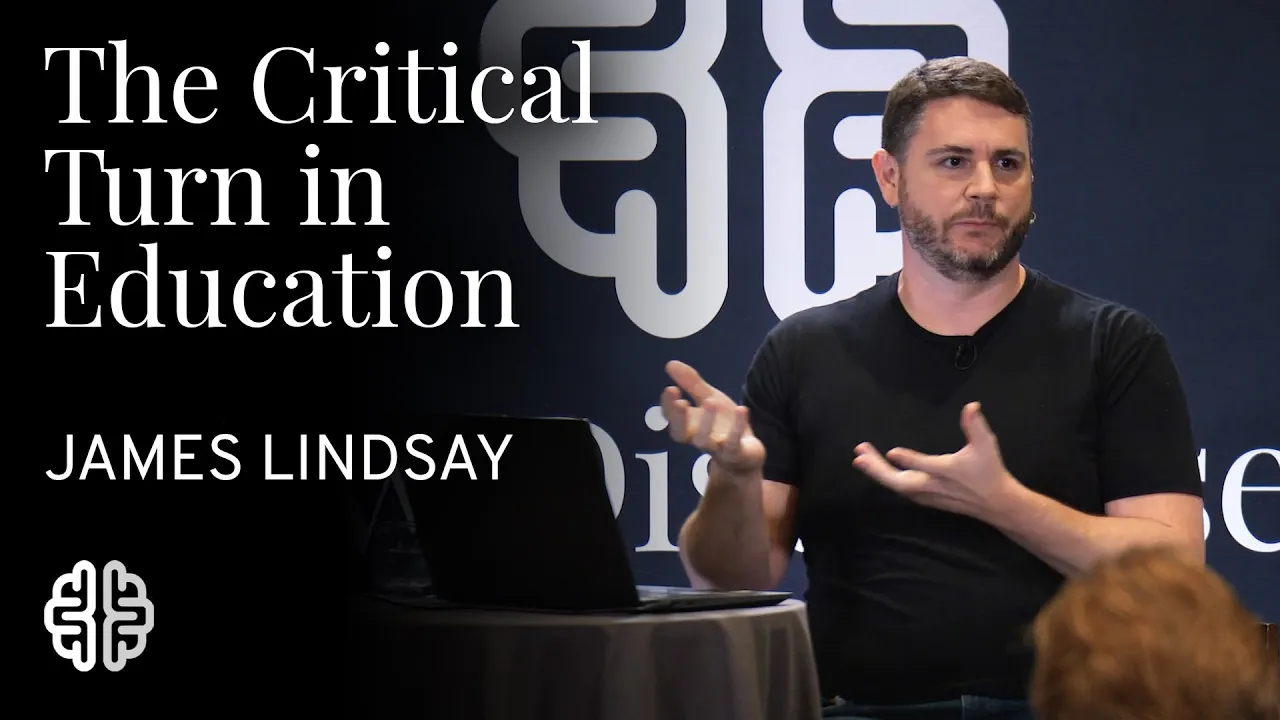
The Critical Turn in Education | James Lindsay
62.4K
Gloria Ladson-Billings imported Paulo Freire's critical pedagogy into a racial framework in 1995, creating culturally relevant pedagogy. She proposed three goals: academic excellence (lip service), cultural competence (reading one's political environment), and critical consciousness (conscientization). This represents the importation of Marxist political education under different branding, stealing education to teach political literacy disguised as cultural responsiveness. The method uses seemingly innocuous materials to spark conversations about structural racism and identity.
Click to watch →
Gentrification
Self-Destruction
Gentrification
0:00- 1
Discusses property devaluation and forced displacement.
- 2
Argues for black economic self-sufficiency.
- 3
Links drugs and guns to internal community decay.
The Resident Retention and Economic Integration Perspective
While the classic narrative in urban economics posits that deliberate property devaluation and subsequent reinvestment inevitably displace low-income residents, some economists and sociologists offer an alternative view. Empirical research, notably by scholars like Lance Freeman, suggests that gentrification does not automatically lead to widespread displacement. Instead, many low-income residents choose to stay in gentrifying neighborhoods to benefit from improved municipal services, reduced crime, better local schools, and new employment opportunities. This perspective argues that rising property values can lead to socioeconomic integration rather than displacement, provided there is sufficient housing supply. From this viewpoint, the root cause of displacement is not reinvestment itself, but rather restrictive zoning regulations and a lack of new housing construction that fails to meet increased demand.
Understanding the basic definition of gentrification and its demographic impacts on urban neighborhoods.
The concept of property valuation and how systemic disinvestment artificially lowers real estate prices in marginalized areas.
The history of discriminatory housing policies in the United States, such as redlining and municipal neglect.
The relationship between local business ownership, community wealth retention, and neighborhood stability.
The 'Rent Gap Theory' developed by geographer Neil Smith, which explains the economic disparities that drive developer interest.
Policy interventions and community-led solutions, such as Community Land Trusts (CLTs), rent control, and inclusionary zoning.
The role of public-private partnerships, municipal tax incentives, and zoning laws in urban redevelopment and displacement.
An analysis of cinema and pop culture (such as the works of John Singleton) as pedagogical tools for studying structural racism and urban sociology.
3.2M views50.1Klikes2:42@MOVIECLIPSOriginal Release: 2012-10-07
Won't ya'll take a look a that sign up there, see what it says?
cash for your home... You know what that is?
It's a Billboard.. - Billboard What are ya'll? Aimus and Andy?
Are you steppin' and he's fetchin'?
I'm talking about the message, what It stands for?
It's called "Gentrification".
It's what happens when the property value of a certain area is brought down. Huh? You listenin'?
Yeah... you bring the property value down.
They can buy the land at a lower price, then they move all the people out raise the property value and sell it at a profit.. Now what we need to do, is we need to keep everything in our neighbourhood, everything... Black.
Black owned with black money, just like the Jews, the Italians, the Mexicans and the koreans do... Ain't nobody from outside bringin' down the property value... It's These folks (crowd ooh-ing) shootin' each other and sellin' that.. crack-rockin' shit... Well how you think the crack-rock gets into the country? we don't own any planes, we don't own no ships... But we are not the people who are flyin' and floatin' that shit in here... I know every time you turn on the TV that's what you see? black people, selling the rock, pushin' the rock, pushin' the rock... Yeah, I know... But that wasn't a problem, as long as It was here... It wasn't a problem until It was in Iowa and it showed up on wall street where there are hardly any black people... If you wanna talk about-Uh...guns. Why is it there that there's a gunshop on almost every corner in this community... - Why?
I'll tell you why, by the same reason that there's a liquor store on almost every corner in the black community.. Why? they want us to kill ourselves.. you go out to the beverly hills you don't see that shit.... But they want us to kill ourselves... Yeah... the best way you can destroy your people you take away their ability to reproduce themselves... Who is it this dying out here on these streets every night?
Ya'll... Here... Young brothers like yourselves... What am I s'posed to do? fool roll up tryin' to smoke me? Imma shoot the muthafucka If he don't kill me first... You doin' exactly what they want you to do... You have to think young brother about your future... Huh?
Up Next
5:12
Understanding Fair Use on YouTube: Copyright Law Explained
@youtubecreators
2.1M views•2019-10-08

12:54
Triumph of Orthodoxy Icon: Byzantine Art & History Explained
@BenCallan
2.1K views•2024-08-06

9:49
FastAPI vs Flask vs Django: Choosing the Right Python Web Framework
@TechWithTim
302.5K views•2024-05-26

1:42
Game of Thrones Opening Credits: A Cinematic Analysis
@gameofthrones
46.3M views•2011-04-18
Related Study Plans & Knowledge Roadmaps
Structured learning paths in General & Interdisciplinary Studies
general-studies
Elevator Engineering: History, Physics & Cities
01From Hoists to Safety Brakes: The Dawn of Vertical Lift
02Hydraulic vs. Traction: The Engineering Physics of Elevators
03Modern Speed, Safety, and Algorithms
+ 2 more learning modules
12h5 modules
Explore Roadmap
general-studies
Rubber: Material Science, History & Geopolitics
01Origins of Natural Rubber & Mesoamerican History
02The Chemistry of Natural Rubber & Vulcanization
03The Geopolitics of the Rubber Boom & Colonization
+ 2 more learning modules
12h5 modules
Explore Roadmap
general-studies
Containerization: Evolution, Logistics & Trade
01Ancient Trade & Bulk Cargo: Amphorae to Barrels
02The Industrial Revolution & Cardboard Packaging
03The Containerization Revolution: Malcom McLean
+ 2 more learning modules
12h5 modules
Explore Roadmap
general-studies
Textile Tech: Evolution, Labor & Global Impact
01Pre-Industrial Textiles: Handloom & Cottage Industry
02Mechanization: The Spinning Jenny to the Power Loom
03The Factory System & Global Labor Transformation
+ 2 more learning modules
10h5 modules
Explore Roadmap