

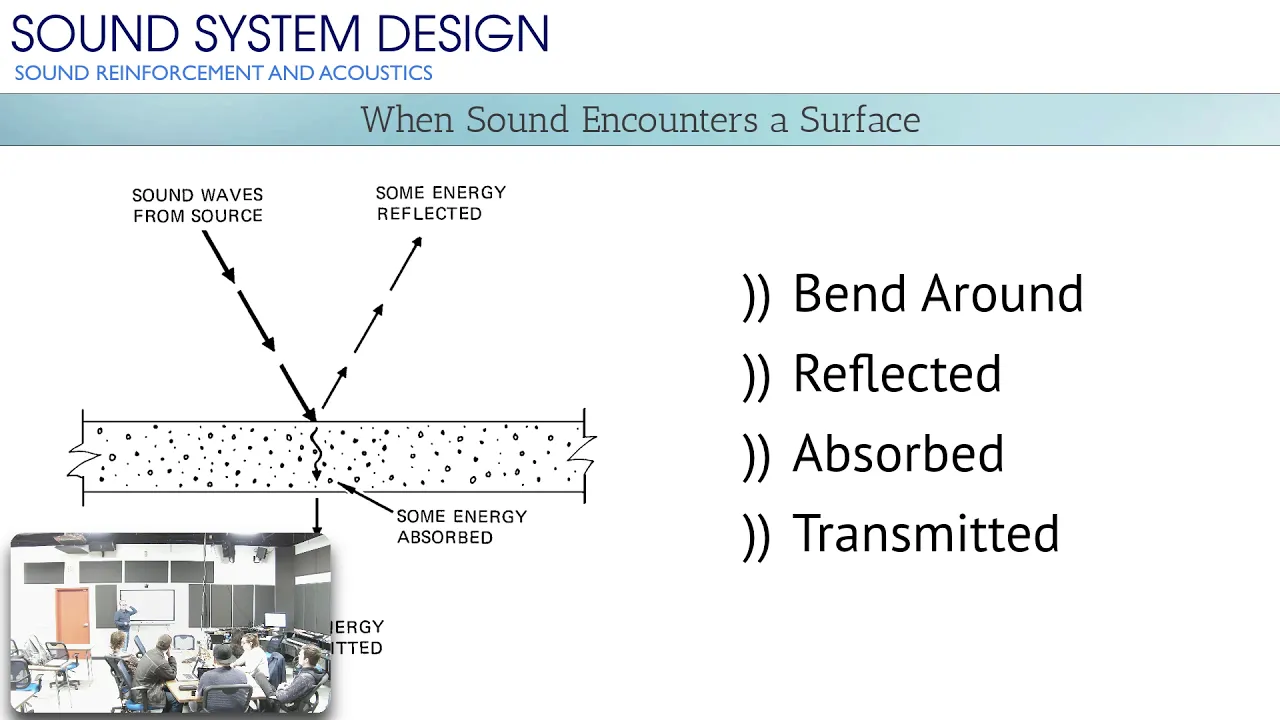

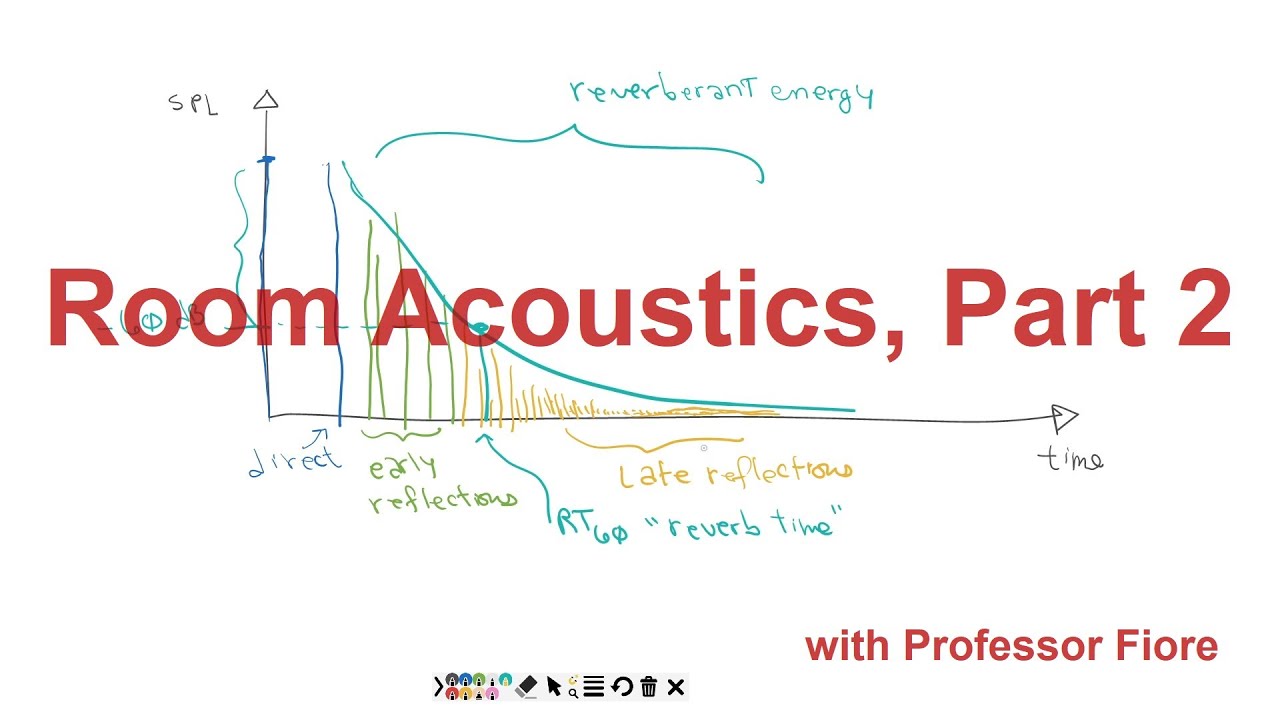
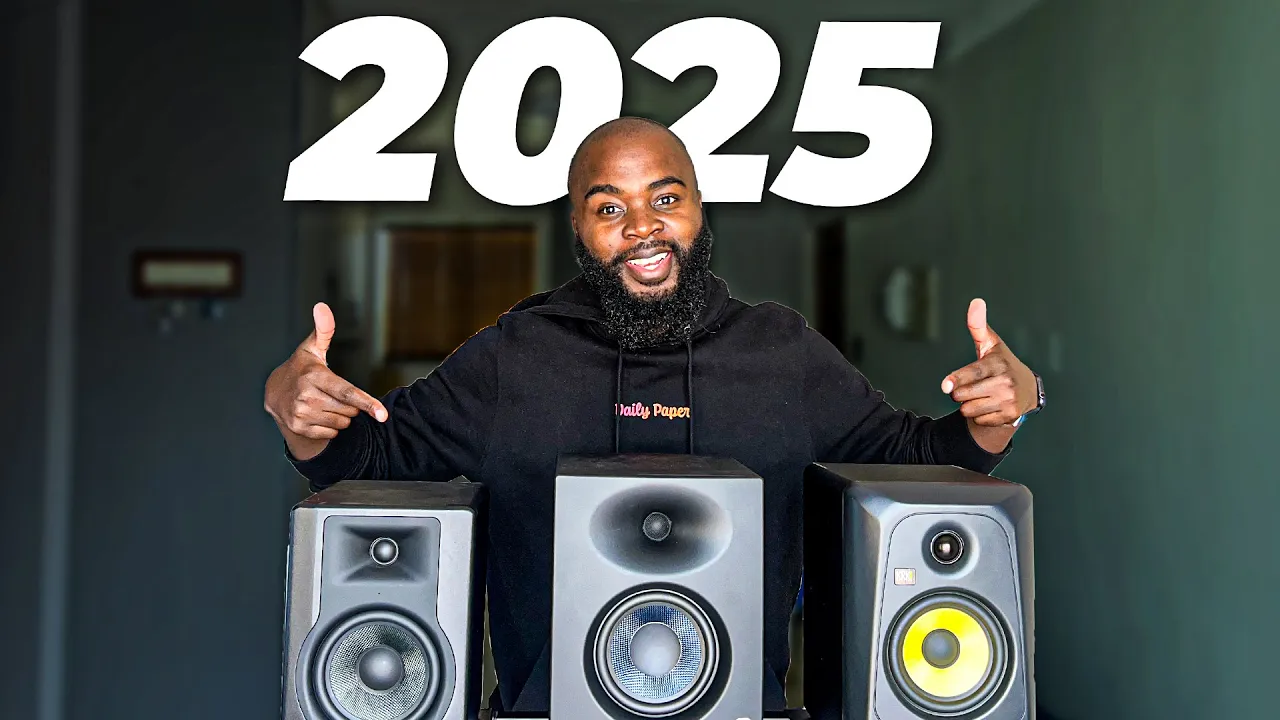
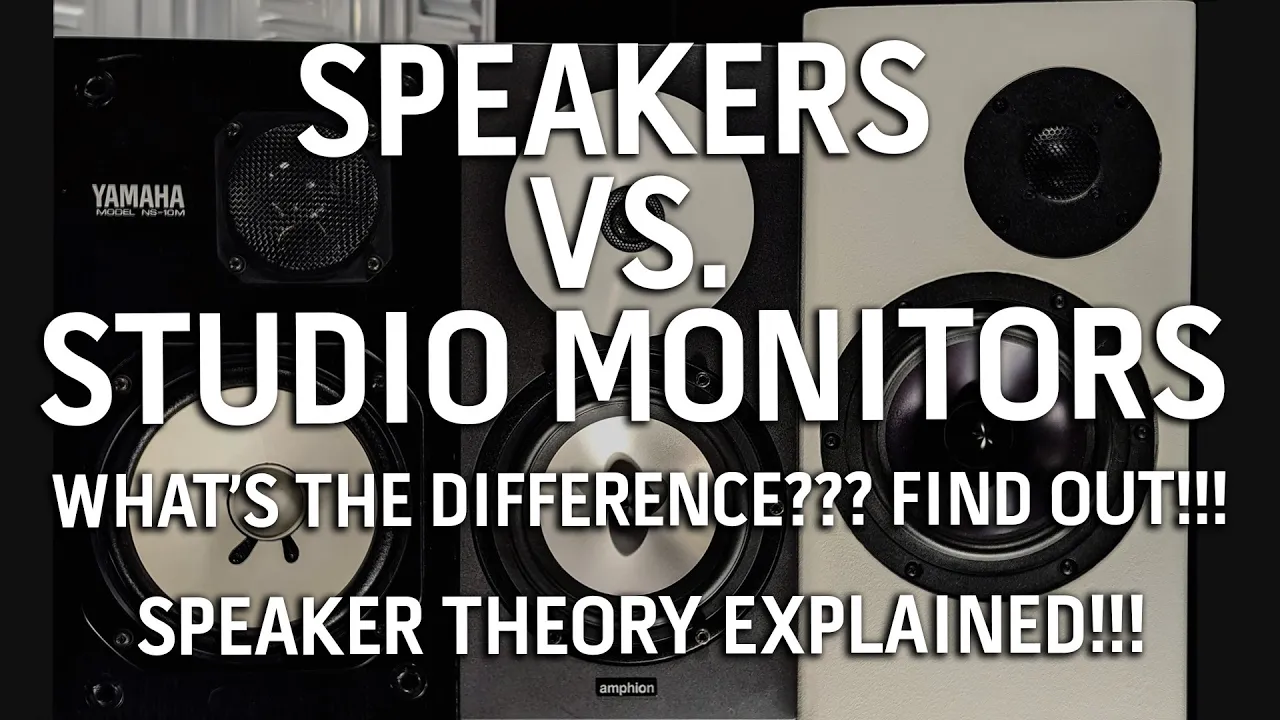















Proper speaker placement and listening position are essential for accurate audio monitoring in home studios. The 38% rule states that the listening position should be placed at 38% of the room's length from the speaker wall, at the center of the room's width. To create an equilateral triangle setup, measure 1 foot behind the listening position point, then position speakers so the distance from each speaker to the listening position equals the distance between the speakers. Monitor angling should be approximately 30 degrees, verified using the KRK Audio Tools app. Reflection points can be identified by placing a mirror on walls and checking if speakers are visible from the listening position; these areas should be treated with acoustic panels.
How to Place Studio Monitors Correctly: The 38% Rule Guide
Added:If I was to set up a studio for the first time, this would be the only video that I watch.
All right. Getting fat. Getting old.
Getting fat. Getting old. Most home studio guys make one mistake. They just drop their monitors anywhere and hope for the best. But speaker placement and listening position are actually half the battle in getting mixes that translates.
And I would go ahead and even say if your speaker placement or listening position is wrong, it doesn't matter how much money you spent into the soundproofing or the acoustic treatment.
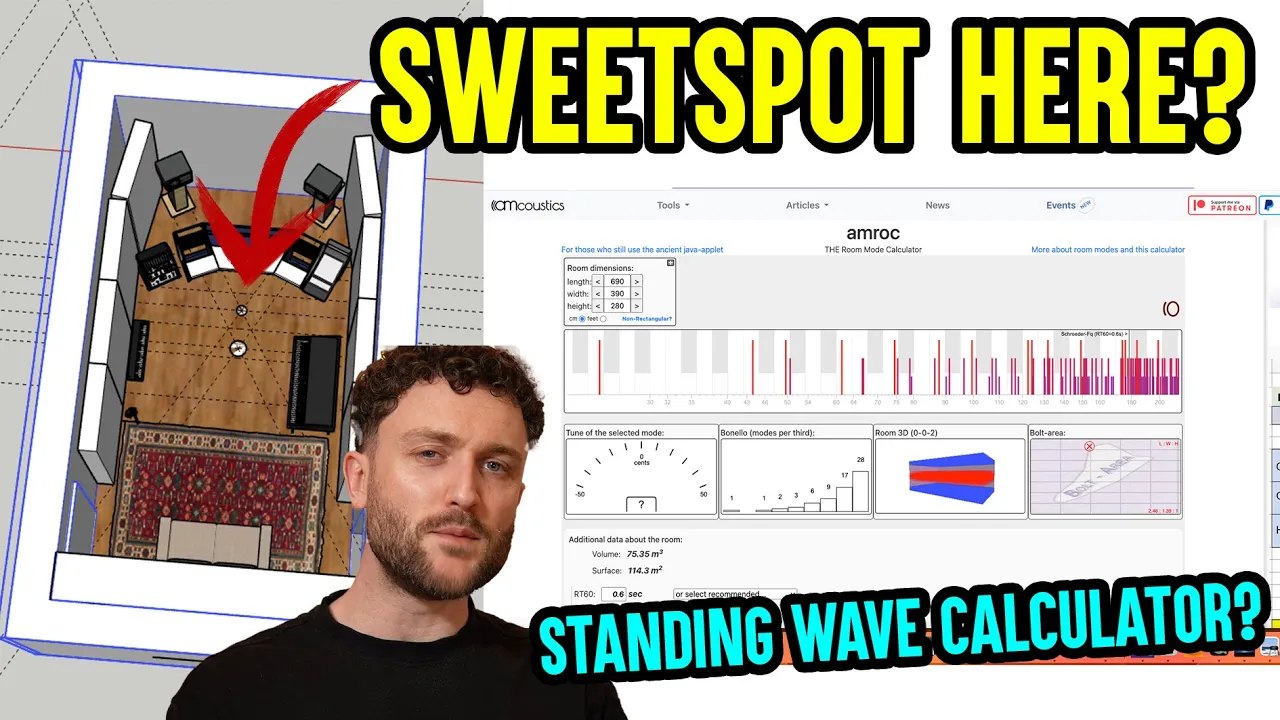
Your mixes will always sound off. You may hear one speaker brighter than the other because of the materials in the surroundings and the reflections. You may have issues with the phantom center where the mono signal is drifted slightly towards the right or towards the left. So if that's the issue, how would you know your vocals are dead in center? you would end up panning them left or right and you would always be confused like what's wrong here? So that's why speaker placement and listening position are the first thing that you would need to do when you're setting up your home studio. And today I'll show you exactly how I set my speakers in my studio. Let's go ahead and do that. All right. So the first step, finding the right listening position. We're going to use this rule called 38% rule. That means you place your listening spot at about 38% into the length of the room. measured from the wall that you will be placing your speakers against. For example, my room is 16 ft 10 in long and 38% of that would be about 6 ft 5 in. So, I measured that from the wall and marked that spot and it's also the center of the width of the room. So, that's where my head should ideally be when I'm mixing. Once you know your listening position, the next step is creating an equilateral triangle. That means the distance between the monitors and the distance between each monitor and your head should be equal. that locks in your stereo image. So let's go ahead and do that. All right. So here's the catch.
Most people who know about equilateral triangle, they are doing it wrong. Let me show you the proper way. So this is our listening position that we figured out using the 38% rule. We are not going to make the equilateral triangle from this point. We are going to measure 1 ft behind the point that we just figured out. So one ft behind that point would be it would be exactly right right there. And the reason why we are using this new position as our reference point to make the equilateral triangle is because I explained all of that in the video that you can find in the description or maybe up here somewhere.
Go ahead and check that video out. It's really important to make your equilateral triangle like this.
[Music] So, now we're going to talk about how to angle the monitors. And for that, I want you to take a closer look at my phone.
On my phone, I have this app called KRK Audio Tools. You can download it, too.
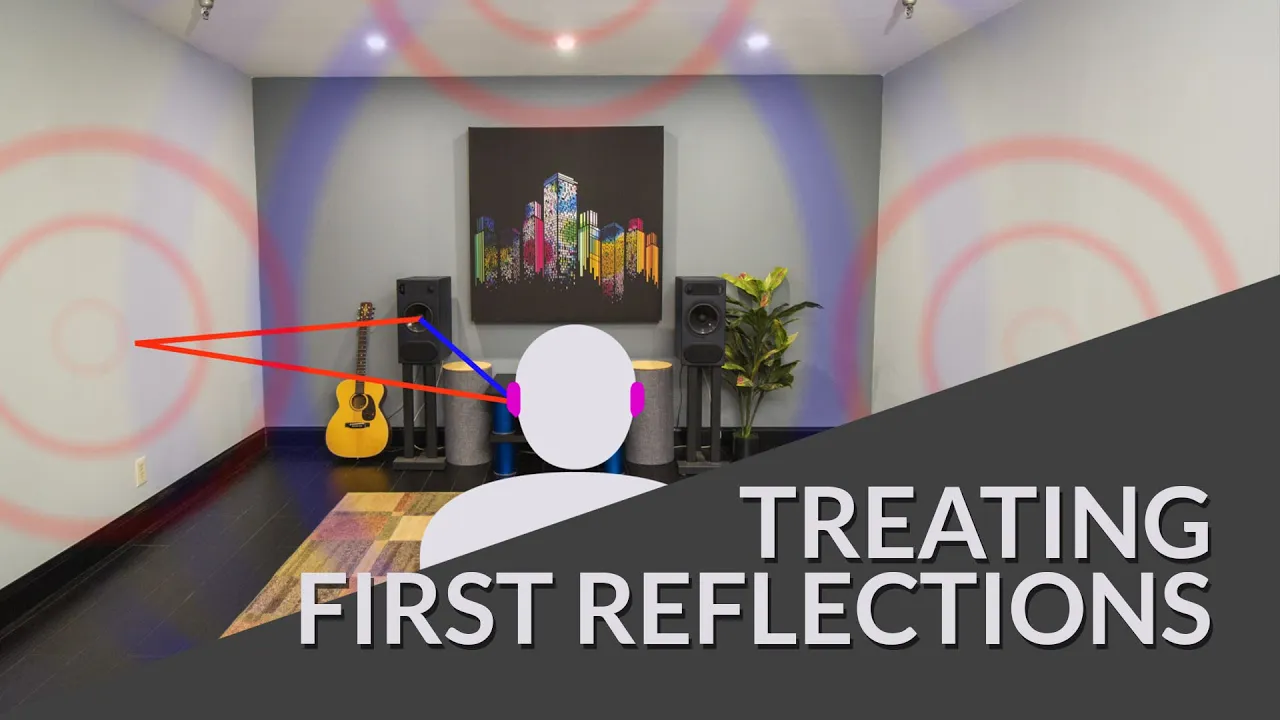
It's free. And uh what you got to do is make sure your monitor is straight in line with the front wall. And then you go inside here on the app and monitor align. You tap that. And uh this is the right monitor. You tap that. And then when you move your monitor slightly, the reading on that app would change. 30° is what we are aiming for. That's just rough idea that your monitor is right now at 30° and facing you directly. This is something that's just going to get us started and uh we're going to make the final adjustments when we are sitting on the desk. Another big mistake in home studios is a reflection point. Well, here's a quick trick. If you put a mirror on the wall and can see your speaker from your listening position, that's a reflection point. Treating those parts with panels will clean up your sound. So, the first one is no-brainer. Put the panels in each corner of your room going from floor all the way up to the ceiling right behind your speakers on the front wall. It all depends on the size of your room. If your room is small, make sure that you have thick panels on the back wall as well. Diffusers are great on the back wall. So, I already had a panel here, which I wasn't sure if this was the correct spot. We're going to try and check it now. So, use a mirror. Put it against the wall. Go ahead and sit down at your listening position. Where's my marking? Right there. I'm at my listening position right now. And what do I see? I see the back of the monitor.
In order to demonstrate it to you guys, I'll take this camera there at my listening position at my ear level. All righty, guys. So, there, right there, you can see both of the speakers in the mirror. You can see that, right?
So, that is speaker right and that one is speaker left. So, that's your first reflection point. Make sure you add a panel in this location. And in order to make it more visible, I'm going to move my mirror a bit more towards the right.
Let's go ahead and see. What do you see?
Yep. So, that's my first reflection point. I need to add a panel right there to control the first reflection. This panel. Okay.
Now, let's do the same on the left. All right. Now, tell me, what do you see?
This should be exactly This is right there where I need to put the panel.
Right? You can see both of the speakers, right? Am I right? Am I wrong? Tell me, guys. I can see you.
That's right, buddy. This is exactly how beautiful it gets sometimes working at the Ether Recording Studio. So, come on in. Book in your session and write some songs when you see the sun going down.
All righty. All righty. Book in a session now. DM me at the Ether Studio.
So, that's the accurate monitoring in a home studio. I use the same setup when I mix and master for my clients here at the Ether Studio. If you want your music to sound pro everywhere, get your speaker placement right first. And if you need help with mixing or mastering, hit me up. The links in the description.
Don't forget to like, share, subscribe if you learned something new today. All right, I'm going to enjoy my sunset. You guys fix your speaker placement.
[Music]
Up Next

Home Studio Acoustics: Rescuing a Garage Recording Space
@rodemic
177K views•2011-03-03

Triumph of Orthodoxy Icon: Byzantine Art & History Explained
@BenCallan
2.1K views•2024-08-06

FastAPI vs Flask vs Django: Choosing the Right Python Web Framework
@TechWithTim
302.5K views•2024-05-26

Game of Thrones Opening Credits: A Cinematic Analysis
@gameofthrones
46.3M views•2011-04-18
Related Study Plans & Knowledge Roadmaps
Structured learning paths in General & Interdisciplinary Studies