
![AP Psychology Unit 1 Review [Everything You NEED to Know]](https://i.ytimg.com/vi_webp/4yvfd8aoUBc/maxresdefault.webp)




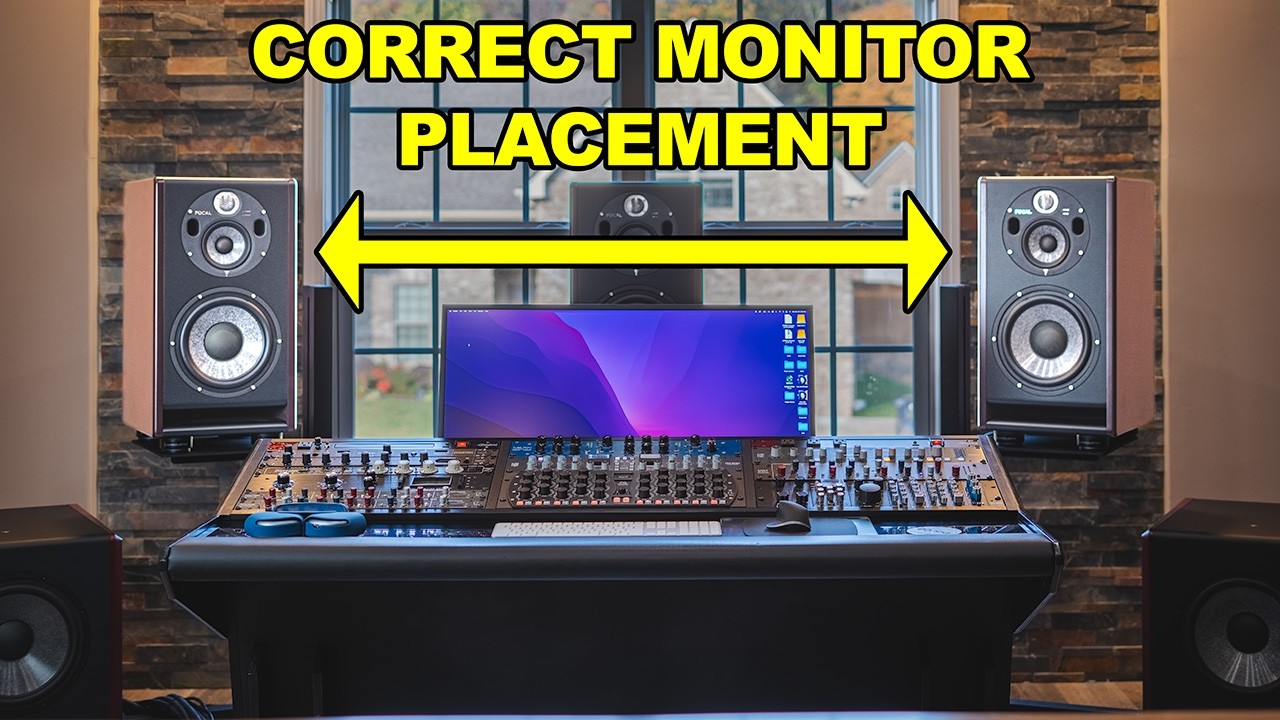

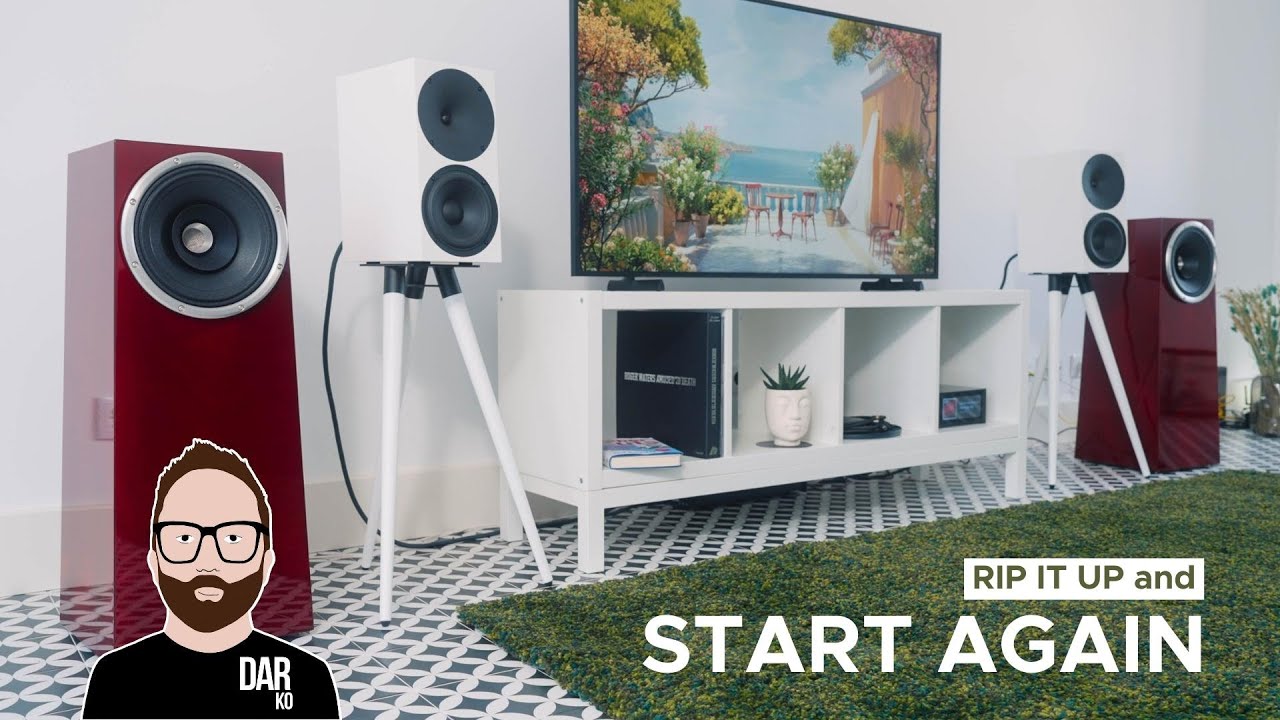


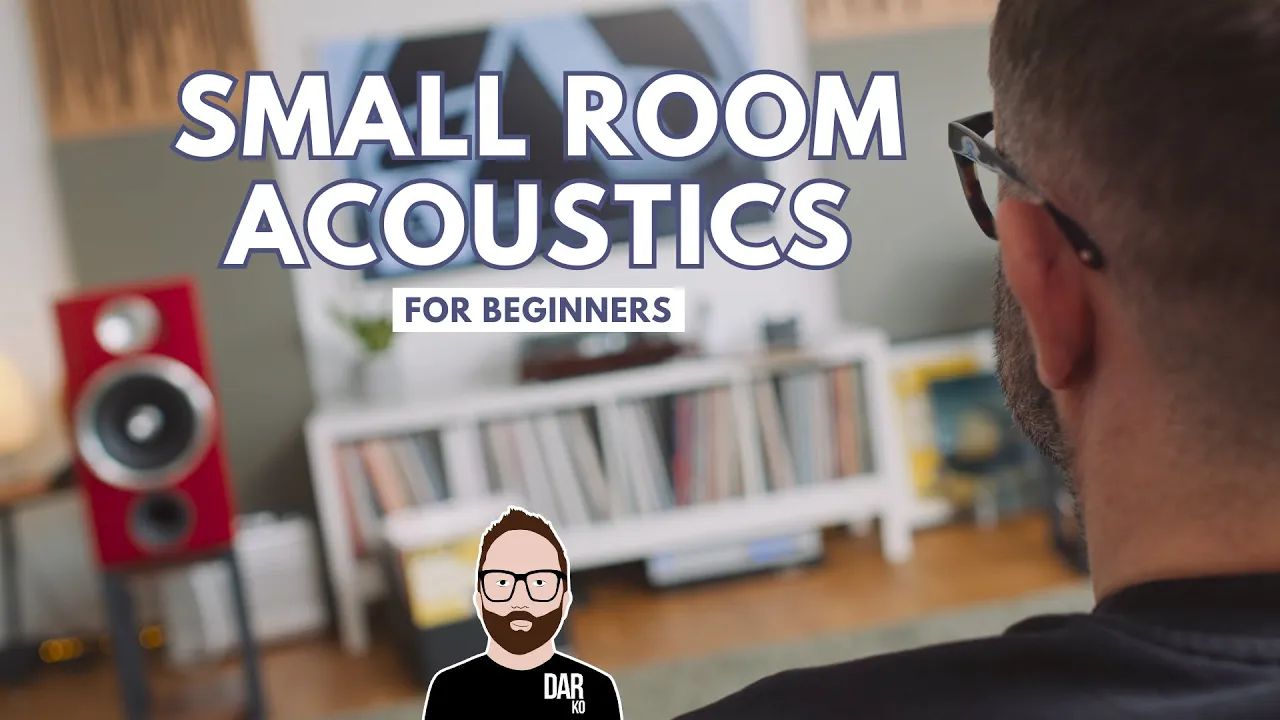
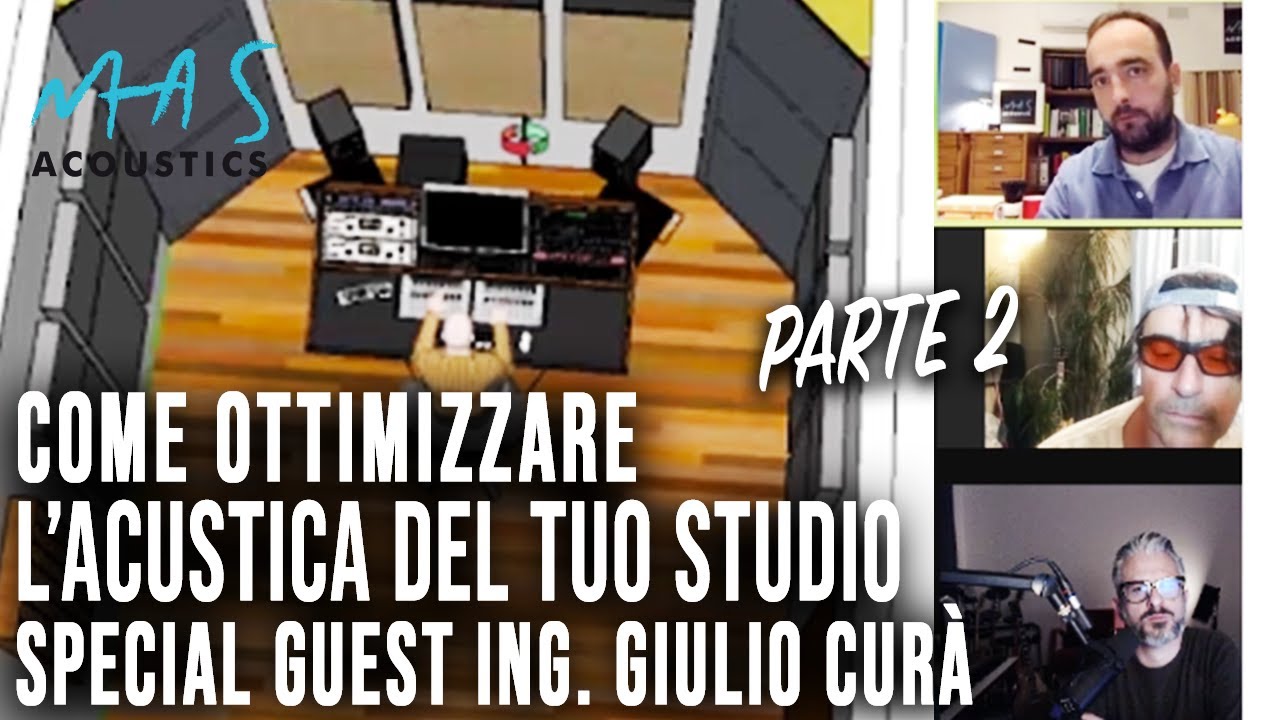
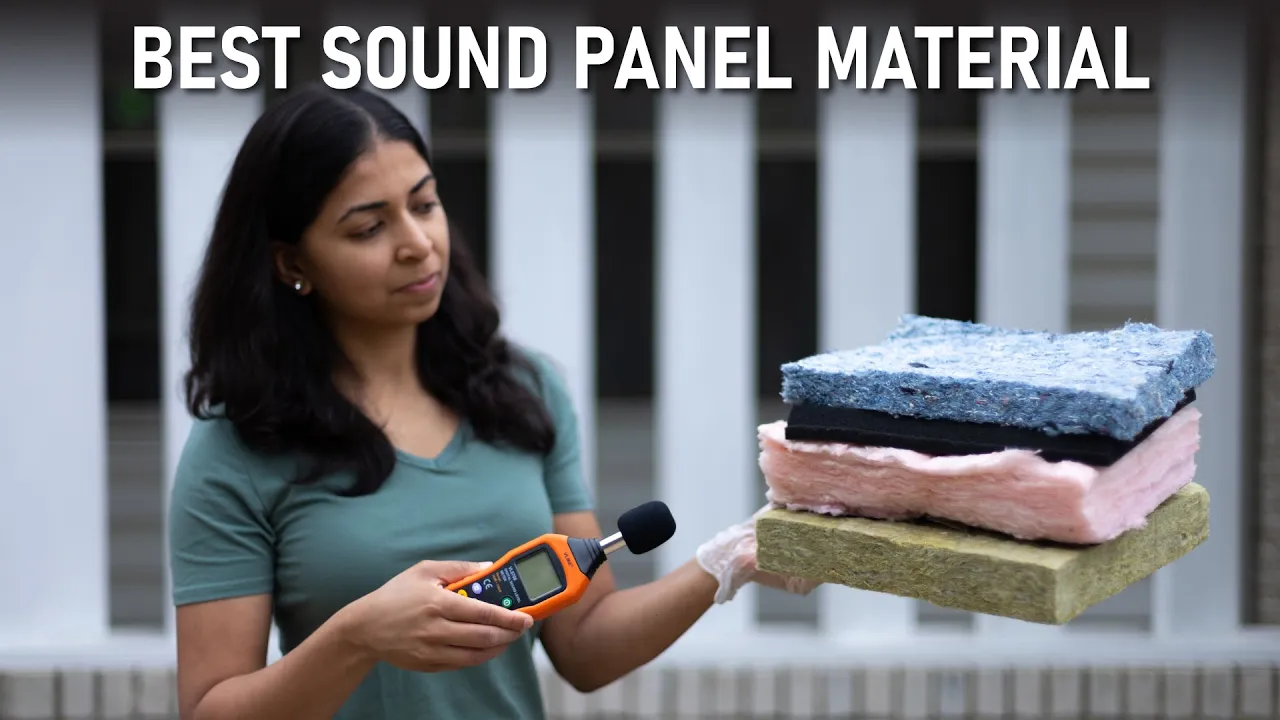


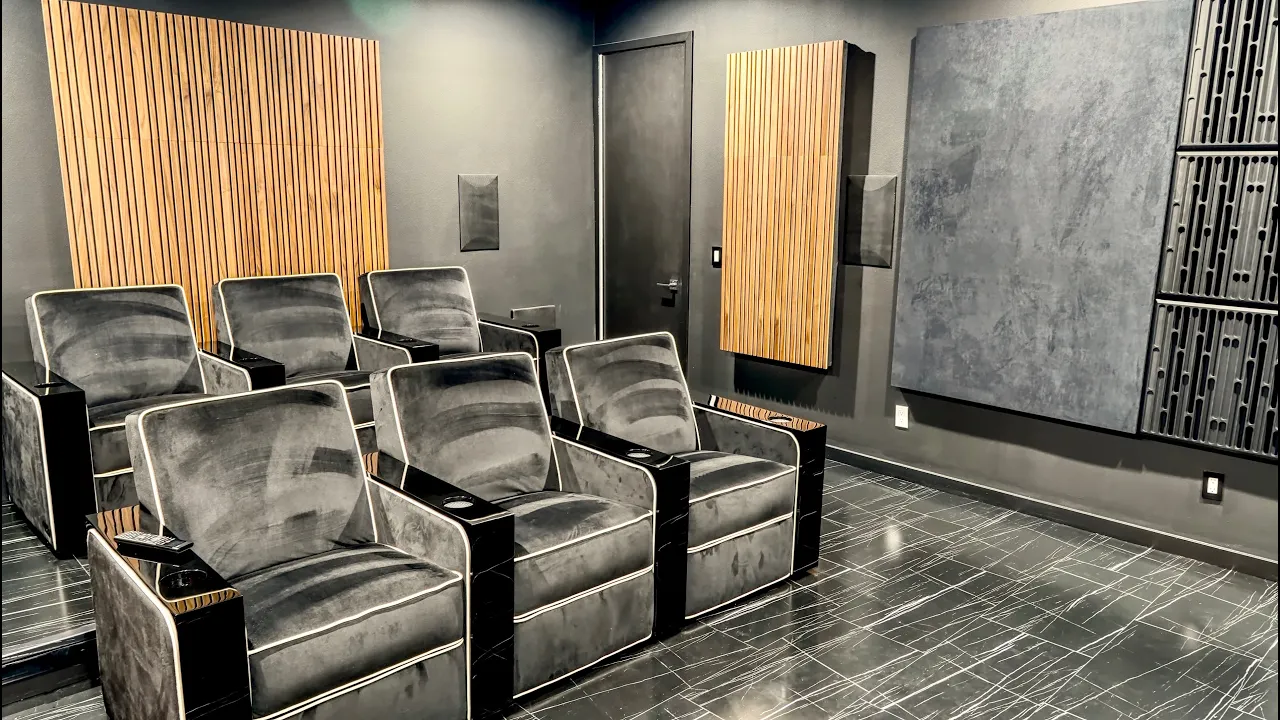
Effective home studio setup requires proper speaker positioning (forming an equilateral triangle with the listening position), using speaker isolation feet to decouple speakers from surfaces, placing bass traps in corners to manage low-frequency buildup, and treating first reflection points on walls to minimize acoustic reflections, which together create a balanced listening environment for accurate recordings.
Home Studio Acoustics: Rescuing a Garage Recording Space
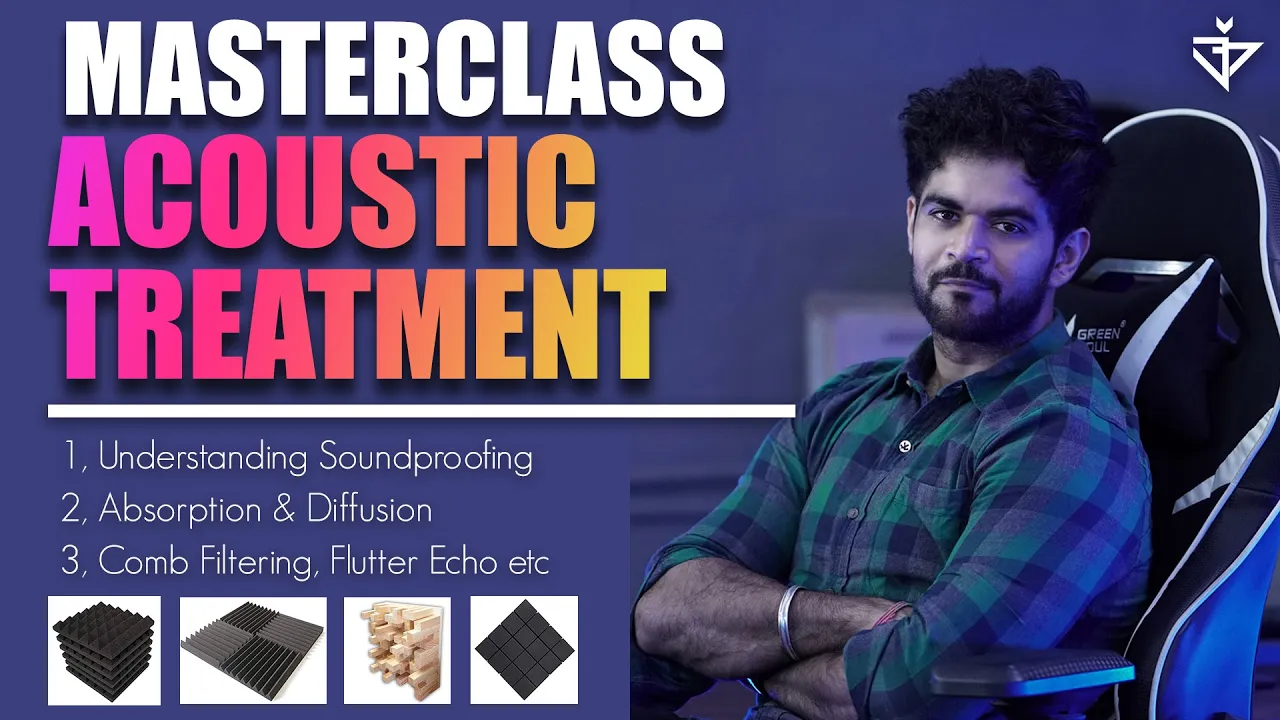
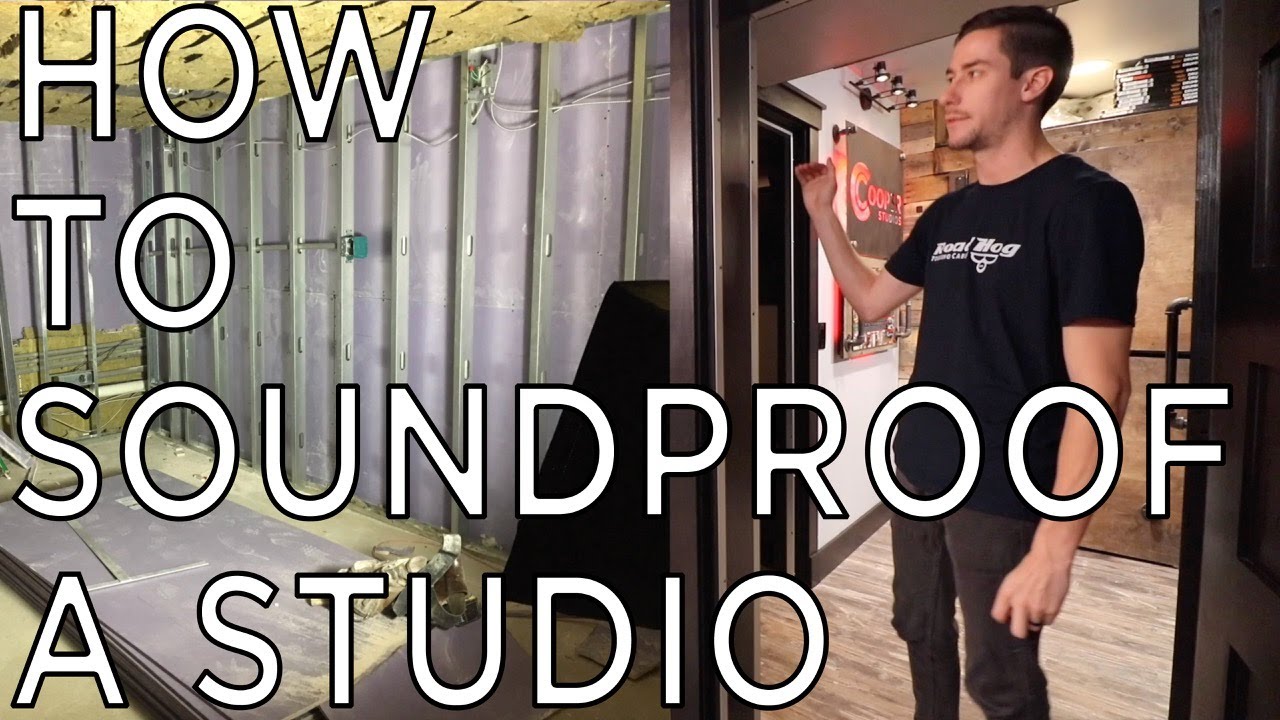
Added:The fundamental difference between soundproofing (blocking sound from entering/leaving) and acoustic treatment (controlling reflections within the room).
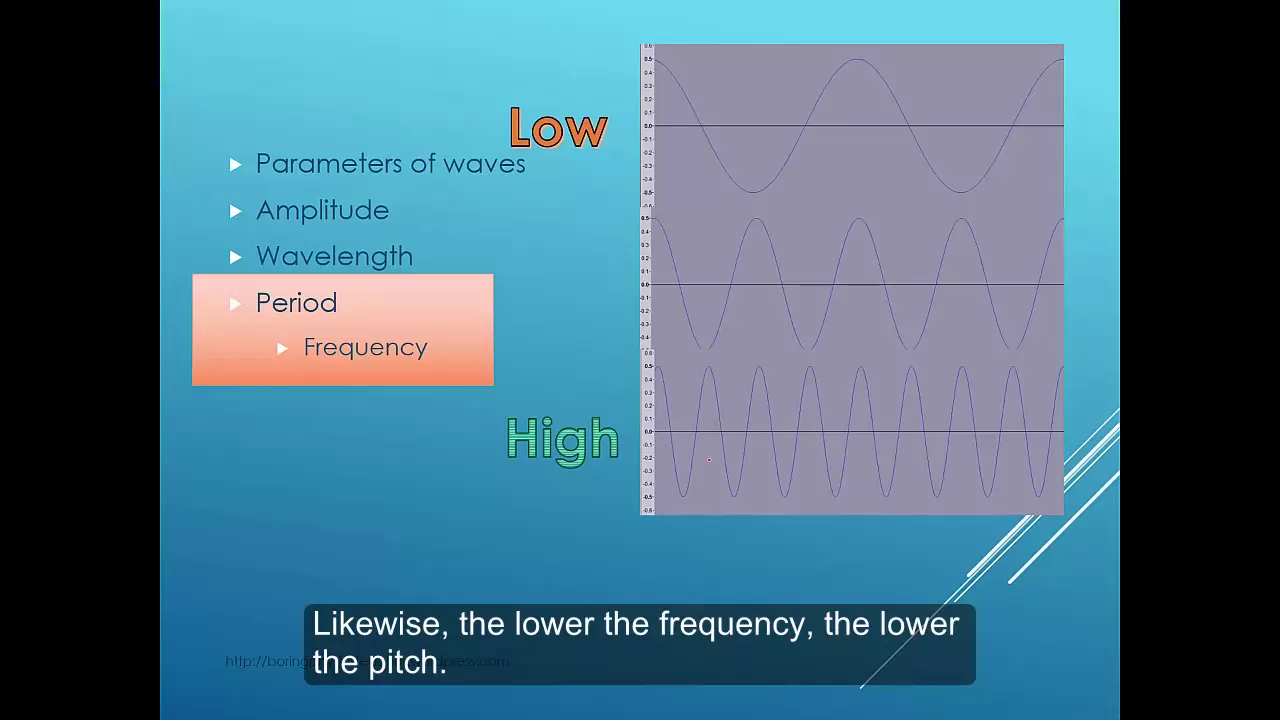
Basic physics of sound waves, including how frequency, wavelength, and amplitude dictate sound behavior in enclosed spaces.
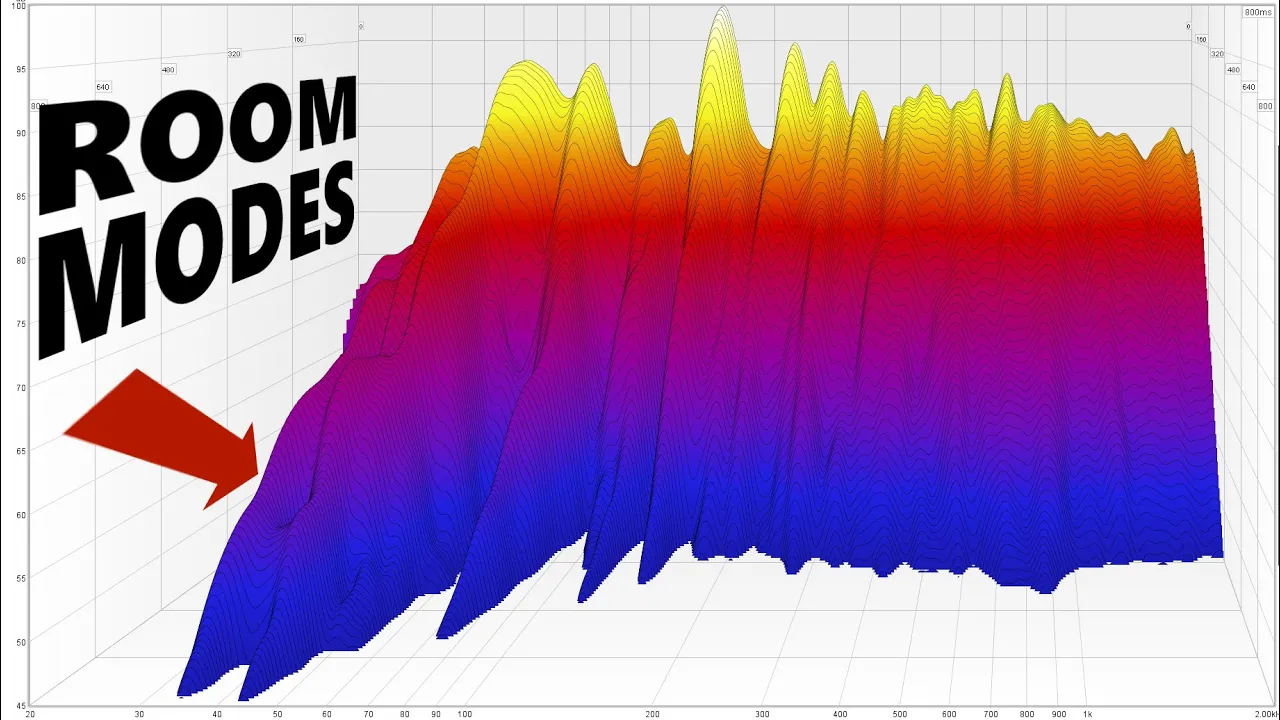
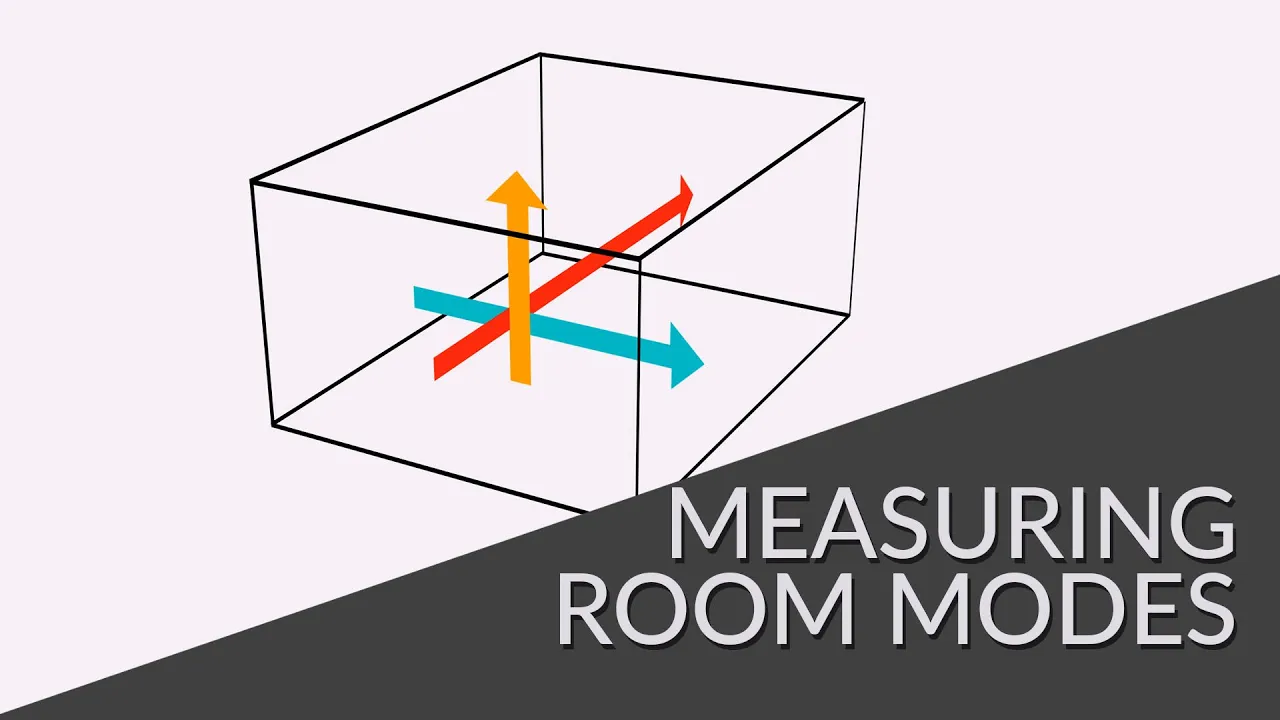
The concept of 'room modes' and how physical room dimensions can cause low-frequency acoustic energy to build up in corners.
Basic understanding of monitor placement principles, such as the equilateral triangle setup between the listener and speakers.
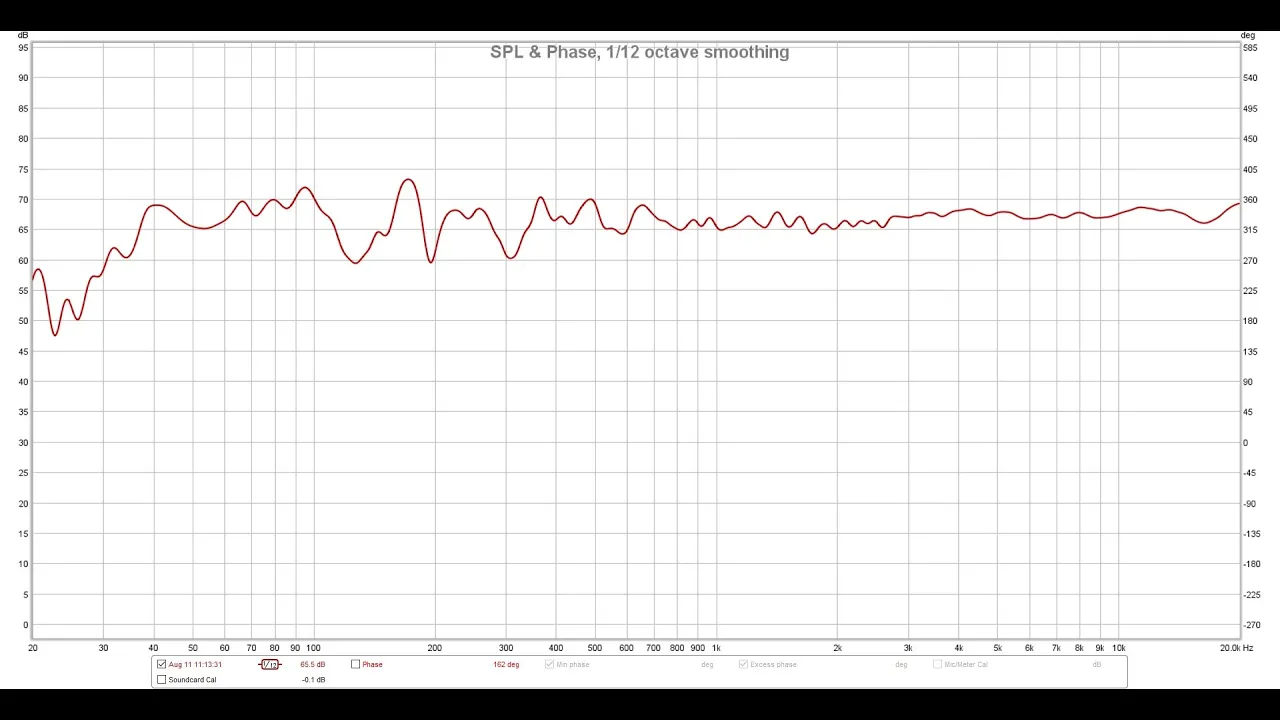
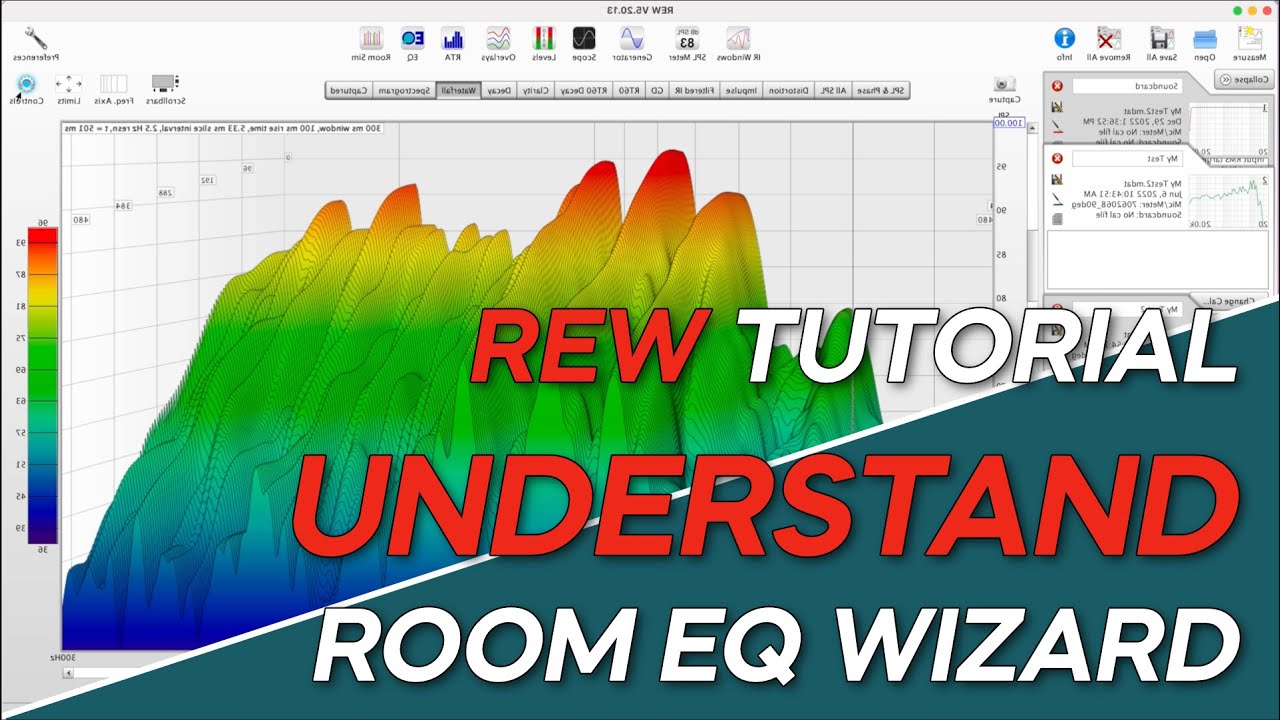
Using acoustic measurement software (like Room EQ Wizard) and a measurement microphone to scientifically map the room's frequency response.
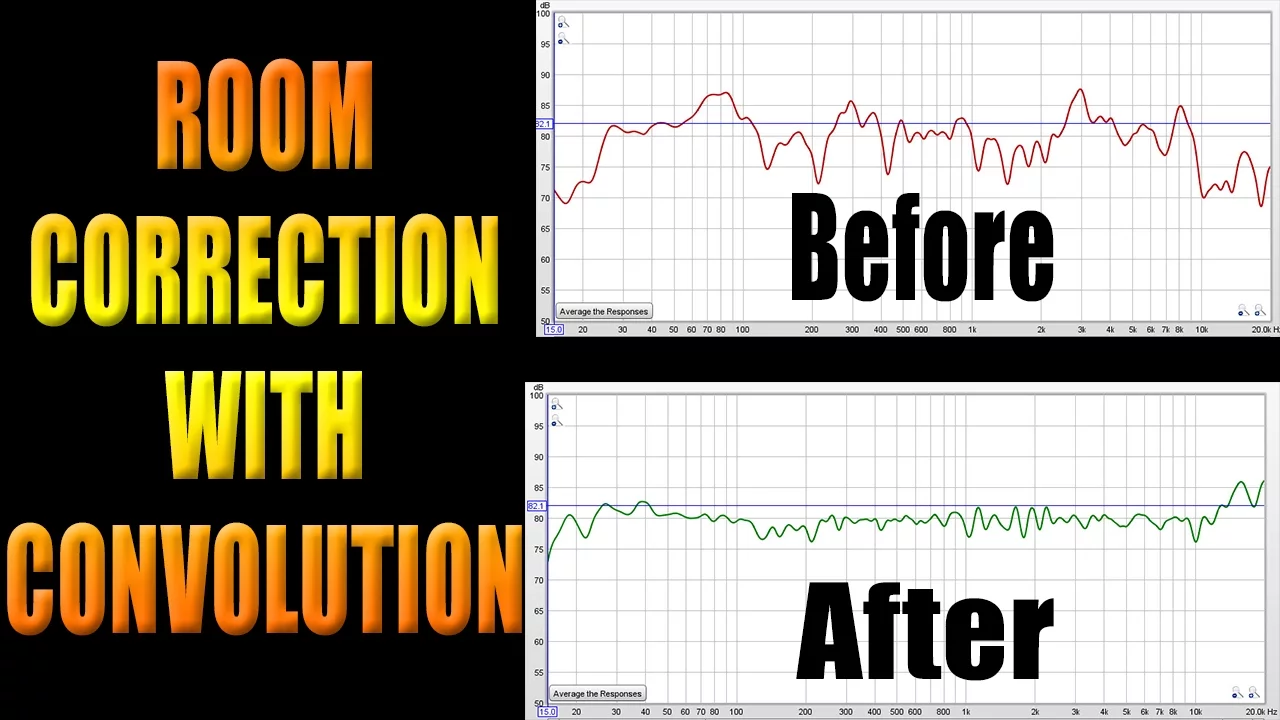
Applying digital room correction software (DSP) to calibrate monitors and address remaining acoustic anomalies.
The materials science of DIY acoustic treatment, specifically calculating density and air gaps for absorption materials like Rockwool or fiberglass.
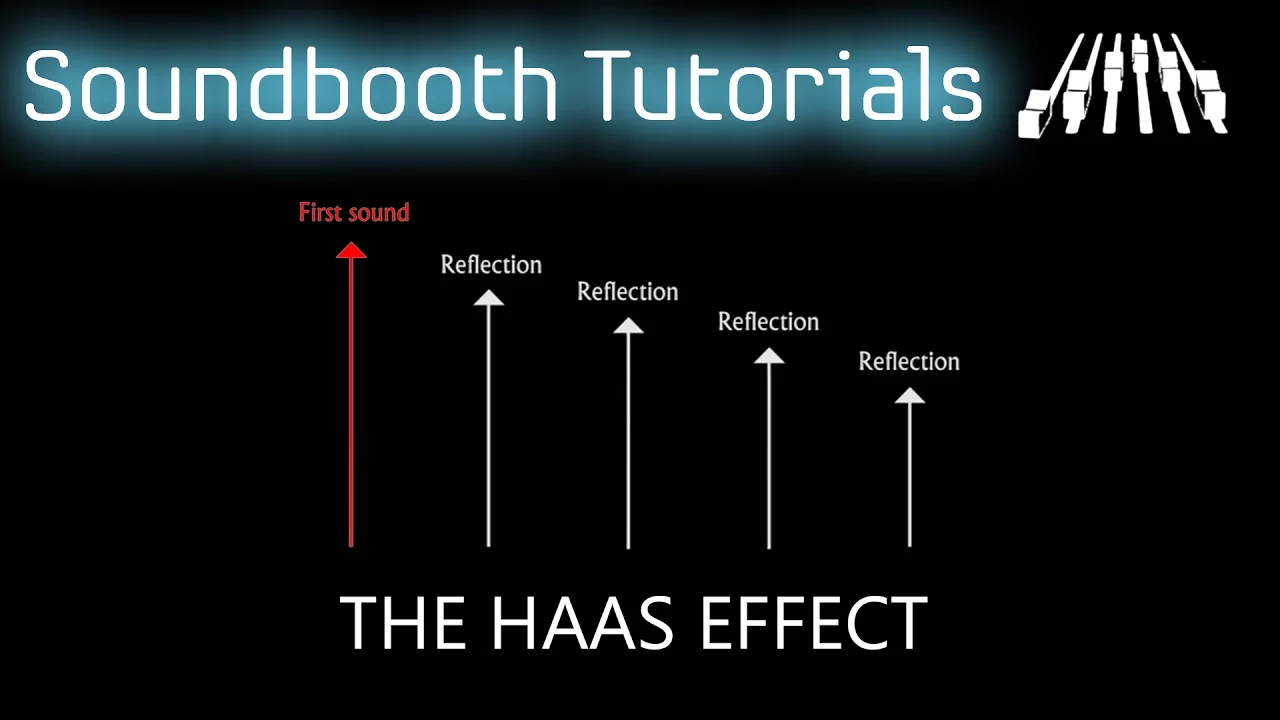
Advanced psychoacoustic principles, such as early reflections and the Haas effect, to optimize critical listening and mixing environments.
177K views841likes14:35Original Release: 2011-03-03
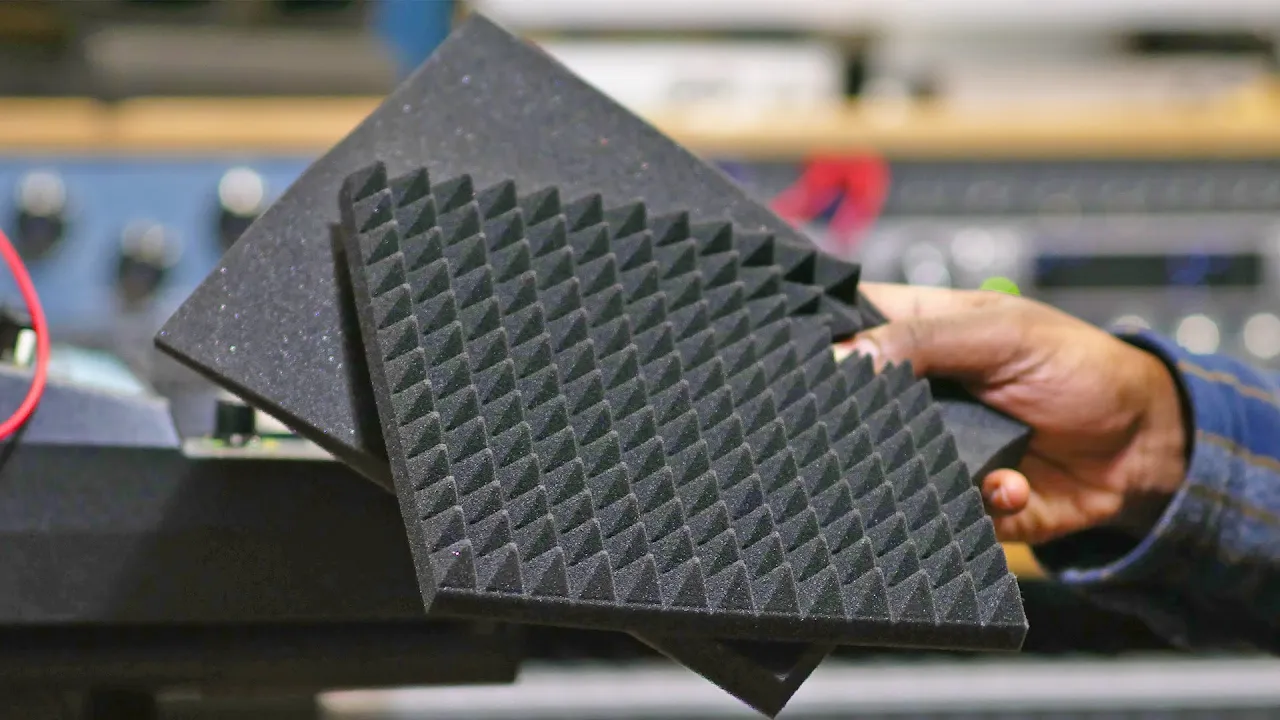
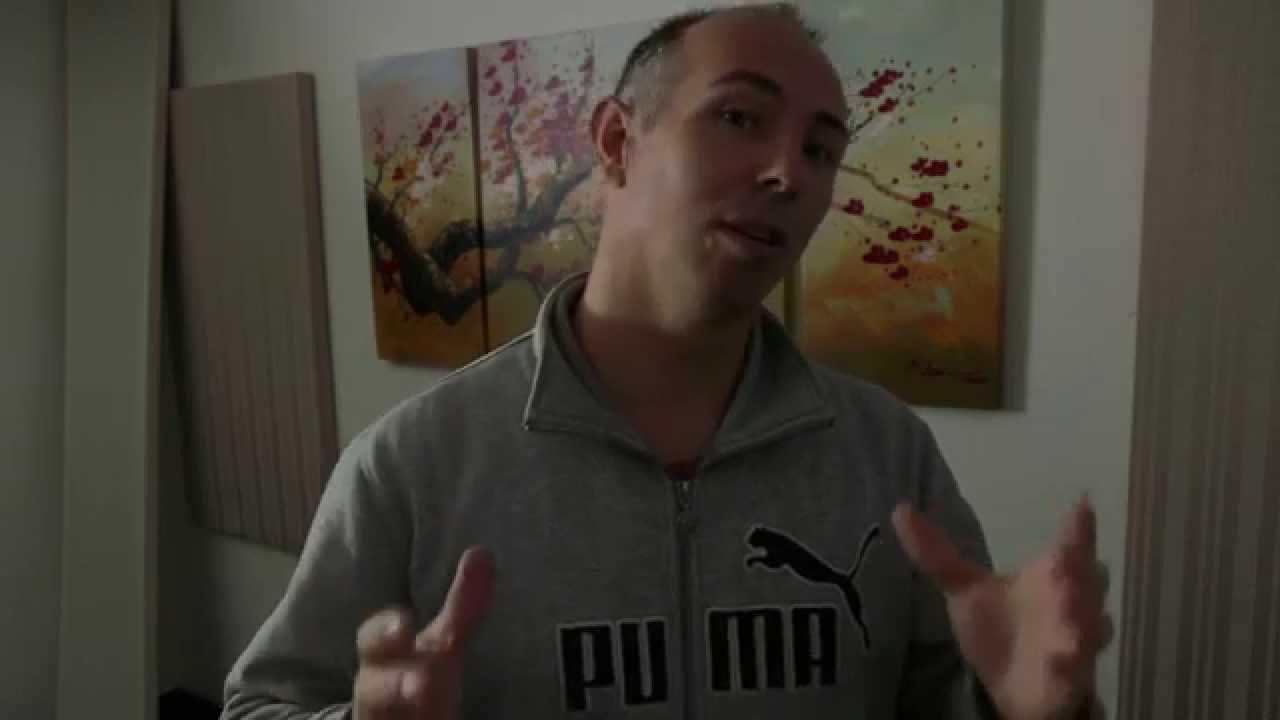
hi I'm Francis Buckley and welcome to another episode of Studio Rescue this time with a little bit of mystery today we're going to go meet a gentleman named eliso who is in uh slightly unusual circumstances in his studio so uh what do you say we go Rescue eliso studio hey l oh hey Francis how are you man I'm good yourself not too bad not just sorry how you doing good to see you good to see good to see you so uh this is your setup huh yeah yeah it's right yeah well tell me what's uh what's what's the problems here H well I'm hearing these things and I'm not happy with the way I'm hearing things so right it's getting frustrating and every time I'm trying to record well get frustrated I sometimes I don't even do much right I don't get much done right uh you're having what probably bottom end problems yeah I have I have a lot of bottom end problems uh balance problems you get takes stuff out of here and it doesn't sound outside like it doesn't here the biggest problem yeah well you know with home Studios there's always some problem that you're going to have to deal with because it's never going to be an ideal environment okay so let's just kind of you know sort of take a look around and see what we got here first of all it's a garage and it has thear gar door okay that's we're going to have to cover this we're going to have to put some panels on here to knock down some of the reflections um I think the first thing that we should do is we need to get you out from the wall okay you're too you're too tight back in against the wall okay give the give the room you know a little chance to work uh you do have a nice long throw to the back wall over here so it's not like you're you're your tight end this is the normal garage this is probably 22 ft oh you know so we should be able to get enough bottom end in here okay you're also dealing with the fact that you have a curtain here now what's behind the curtain is the great mystery okay uh but that's it's not acting as a wall it's and it's not really act even acting as a sound barrier it's just you know it's just something there to divide the room is really all it is uh so you're not you're never going to you're never going to achieve the balance that you need because the whole thing with with setting up a studio is balance trying to get even uh space around your speakers getting your speakers set right you know so what we're going to do is we're going to we're going to do what we can to make this reward apprciate you know uh you know like I said I think we'll pull it out and move this couch back a little bit get this rug pulled out uh we're probably going to have to put some kind of a cloud up here because it's a cement floor concrete slab you know nice and reflective but you know the thing is it's not that reflective in here as I thought when you told me the studio was in the garage I my it's in the you yeah but it's really not you know and I imagine that slash has probably got something to do with it I mean you put up a slash poster automatically rooms sound better I don't know what it is about Slash but for some reason you hang that poster up especially when it's got this kind of lean to it you know I just something it's breaking up the wave we're probably going to take that down and ruin the sound of the studio hey but we got to do what we got to do you know uh and um you know like I said at least you got a big space around here you got your washer and dryer so that you can you know do a little laundry in between you know all right so you know I don't think we got a lot you know I think what we ought to do too is I think we ought to get your new desk yeah thought because this is you know so I think what we'll do we'll get you a new desk we'll we'll get you set up with the with the panels here and um we'll make it happen so let's Rescue lso studio here we go first time I ever seen a studio with its own laundry mat all right what do you think I like it yeah I like the desk looks really nice we got you pulled out from the wall a little bit so you got a little bit of space uh but the most important thing we have to do is we have to set our speakers okay now you've got two sets of speakers so that presents a little bit of a of a of a I don't want to call it a problem but a little bit of a situation okay so sit down in your chair get yourself into your comfortable listening position now you told me these were going to be your Mains right these are the ones that you're going to use mostly okay so I'm going to going to kind of get them situated in a place that there so what they need to do is when you get get in your like you were going to be working okay now we want to get these turned and pointed directly at you okay so they're looking directly at you now let me come over here and get this one okay now setting up the speakers is the most important because that's everything else has to revolve around your speaker setup okay so if something if something doesn't the speakers are right and something doesn't fit in we got to make it fit in but the way this table is set up it's it it looks to me like it's going to be set nicely but we have to do one thing because you don't really want to just set the speakers on this wood because it will act as a sounding board okay and you'll get vibrations and whatnot through here so from our buddies V Acoustics who are going to be providing us with all the acoustic treatment that we're going to do here we're going to use these what are called V acoustic speaker feet okay and and what they are is they're just little uh uh foam and they're going to separate they're going to help to decouple the speaker from the um from the the the the desktop okay we're going to put these in the front and put one in the back so that it's level again okay now we're pointing nice and straight right at you right here like this we still pointed that to nicely Okay so the first thing I'm going to want to do is I'm going to want to measure from the center of the cone of this speaker over to the center of the cone of this speaker and we're looking at three feet okay there's our three feet right now I want to take this measurement and I want to come out to your ears and you are we could go just a little bit when you're going to when you're when you're working you're kind of leaning in right you're sort of sitting up yeah yeah okay so you this is your triangle this spot here for these speakers now for these speakers these speakers are going to be 56 okay which means the real sweet spot I'm try not to hit you in the face doing this the real sweet spot for these guys is going to be back here okay so if you're going to use these you kind of need to slide back into it but we you know we make a little adjustments how's that looking I think just just a tilt okay see this one's actually sitting in a little a little more in through the on the board okay what's that now you'll notice what I did down here with these speaker stands I turned the speaker stand so that the point goes underneath so that they can't fall over okay they're going to catch okay it's a little bit little bit of earthquake okay all right but these are pretty good solid stands okay so now we can measure one more time since we moved them a bit okay and we're looking at 54 64 so again you're sweet spotted back up a little bit I'll tell you when back up back up back up hope hope come come forward a little bit okay that's your sweet spot for these speakers okay but it's because they you you have to be on this triangle okay so you slide into this position for these you're going to use these you want to back out a little bit okay so there's our speaker set and that's the most important thing in the room is getting the speaker set all right so now we've got our speaker set up what we have to find now is What's called the angle of first reflection and the angle of first reflection is the first place that the audio coming off the speakers hits a surface and generally it's right on the side okay so we do this cool little trick trick that we have where we take a little mirror like this and we Slide the mirror along the wall until you can see the speaker so what you want to do now is slide up into your work position because we're going to we're going to concentrate on these speakers okay okay all right so get comfortable in your position I'm going to take this mirror and I'm going to slide the mirror along the wall when you see the cone the white cone of that speaker in the mirror you you just tell me to stop okay here you go slide it along stop okay so that's where you're seeing it yeah okay all right so this is for this one all right now slide back out to the position for these guys and which was right about there okay now I'm going to do the same thing and you tell me when you see that one there okay I'm going to leave the mirror here as a mark look I'm going to cover them both okay so we're going to kind of get right in the middle here which is almost right smack in the middle of this okay so this is where we'll hang we'll probably put one here and we'll probably put a second [Music] one okay so the other thing we need to do with our V Acoustics material is these are Bas traps okay and Bas traps go in Corners because base energy tends to travel around the room and build up in the corners and what what this does is this impedes that motion of the Bas Okay so we've made a little Mark up here where you had the bass traps before and I'm just going to with the velcro I'm just going to take and get these guys right back you know I got them up just a little too high I think just get these back right back into the corners with this Velcro just like downtown man okay those are going to take care of your some of your base problems okay so we got it all set up got the panels up Bas traps in first reflection panels everything is pretty much ready to go so what I want you to do sit down get this thing all fired up and I'll be right back all right [Music] [Music] okay this is for you to say thank you for letting us come down and rescue your studio this is a road nt2a large cap condenser microphone okay uh great microphone one of my favorite allaround microphones it's sounds good on just about everything in fact I really can't think of anything it doesn't sound good on it's got your your three polar patterns your two rolloffs your pad it also comes with this really Nifty shock mount okay great shock mount but it has this really super cool builtin windscreen that just pops right up into place he it's got a little telescope on it so that if you're using a different microphone or you get get it right smack in place it's a really really cool setup okay but we're not finished it also comes with from our good friends at VI Acoustics it comes with a flexi screen light which is a shield that goes around behind the microphone like this and forms a little vocal booth because in home recording studios we're not always in ideal environments which we're kind of not in an ideal environment right now it's a garage but we've done what we could to to to pull it around this is going to give you a little bit of a vocal booth it's really going to improve the sound of the microphone by keeping down any kind of unwanted sounds coming in from behind it all right well you are all ready to go enjoy your new studio I want to hear some great stuff coming out of here and lso Studio has been [Music] rescued well that was a pretty interesting Studio Rescue first time I ever did a garage but you can see what we were up against we had a lot of lively servfaces around there that was our first concern so we got his desk pulled out got him a new desk got that pulled out from the wall got his speakers all set up took care of some panels on the garage door uh Bas traps in the corners got the place set up feeling a lot better and I know that liso is going to be a lot happier with the recordings he's going to get out of there now [Music] the so thanks again to our friends from by Acoustics for all the stuff the flexi screen light the bass traps uh you guys are great and again to Road microphone for another gorgeous nt2a microphone hey I'm Francis Buckley and I'll See You Again On Studio [Music] Rescue and hey if you're stud is in need of a rescue just log on to road.com studi rescue and we'll see what we can do for for you [Music]
Up Next

7:47
Home Studio Acoustics Setup: Symmetry, Speaker Placement & Bass Traps
@rodemic
212.4K views•2011-02-28

12:54
Triumph of Orthodoxy Icon: Byzantine Art & History Explained
@BenCallan
2.1K views•2024-08-06

9:49
FastAPI vs Flask vs Django: Choosing the Right Python Web Framework
@TechWithTim
302.5K views•2024-05-26

1:42
Game of Thrones Opening Credits: A Cinematic Analysis
@gameofthrones
46.3M views•2011-04-18
Related Study Plans & Knowledge Roadmaps
Structured learning paths in General & Interdisciplinary Studies
general-studies
Elevator Engineering: History, Physics & Cities
01From Hoists to Safety Brakes: The Dawn of Vertical Lift
02Hydraulic vs. Traction: The Engineering Physics of Elevators
03Modern Speed, Safety, and Algorithms
+ 2 more learning modules
12h5 modules
Explore Roadmap
general-studies
Rubber: Material Science, History & Geopolitics
01Origins of Natural Rubber & Mesoamerican History
02The Chemistry of Natural Rubber & Vulcanization
03The Geopolitics of the Rubber Boom & Colonization
+ 2 more learning modules
12h5 modules
Explore Roadmap
general-studies
Containerization: Evolution, Logistics & Trade
01Ancient Trade & Bulk Cargo: Amphorae to Barrels
02The Industrial Revolution & Cardboard Packaging
03The Containerization Revolution: Malcom McLean
+ 2 more learning modules
12h5 modules
Explore Roadmap
general-studies
Textile Tech: Evolution, Labor & Global Impact
01Pre-Industrial Textiles: Handloom & Cottage Industry
02Mechanization: The Spinning Jenny to the Power Loom
03The Factory System & Global Labor Transformation
+ 2 more learning modules
10h5 modules
Explore Roadmap