

![AP Psychology Unit 1 Review [Everything You NEED to Know]](https://i.ytimg.com/vi_webp/4yvfd8aoUBc/maxresdefault.webp)

![[ Tutoriel MAO ] Monter Son Home Studio (débutant)](https://i.ytimg.com/vi/l872YFN7gmo/maxresdefault.jpg)










![How To Get Your Mix To Translate [Getting To Know Your Speakers]](https://i.ytimg.com/vi/zGgosy_NusY/maxresdefault.jpg)


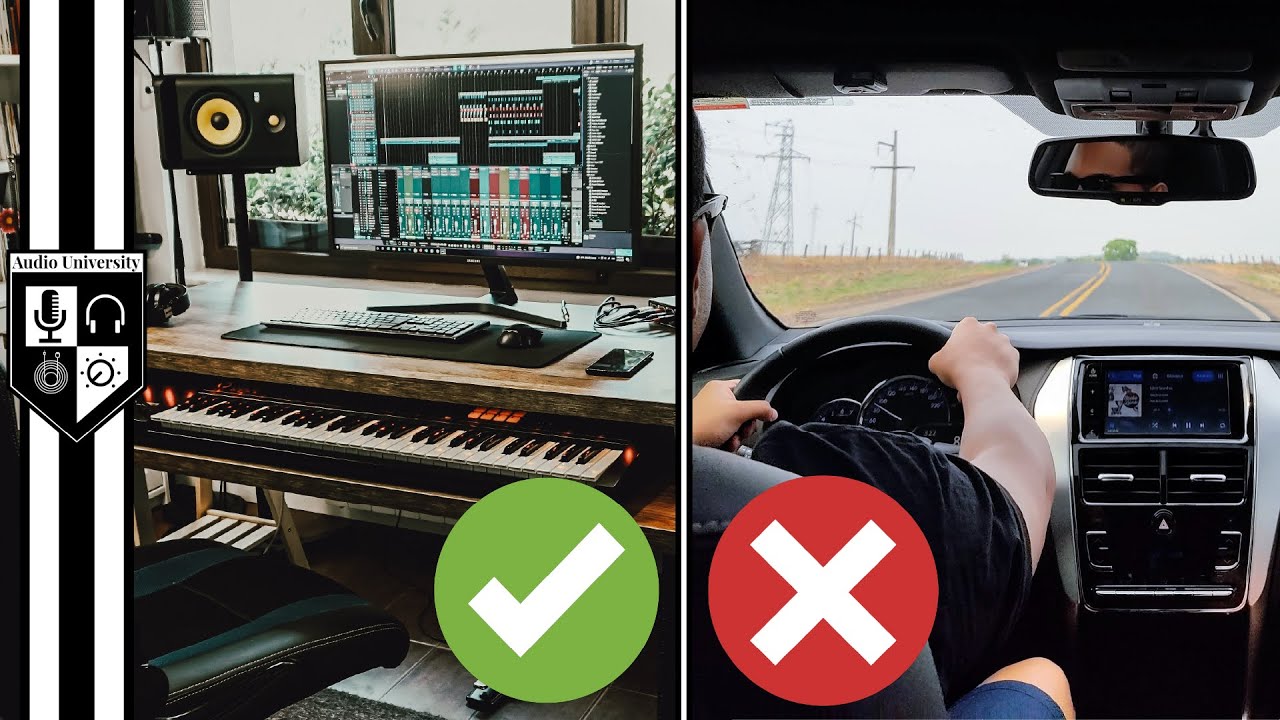
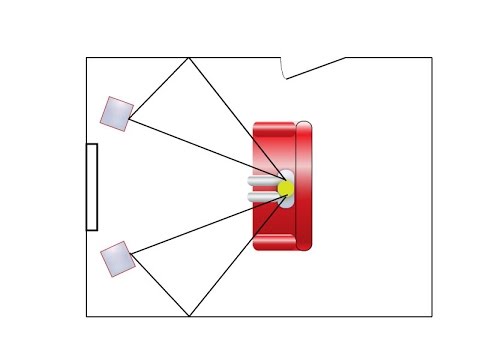
Proper home studio setup requires symmetrical room arrangement with the mixing desk centered, speakers positioned to create an equilateral triangle with the listener's ears, acoustic panels placed at first reflection points using the mirror technique, and bass traps installed in corners to control low-frequency buildup, which together resolve common issues like muddy sound, lack of bass presence, and reduced detail in mixes.
Home Studio Acoustics Setup: Symmetry, Speaker Placement & Bass Traps
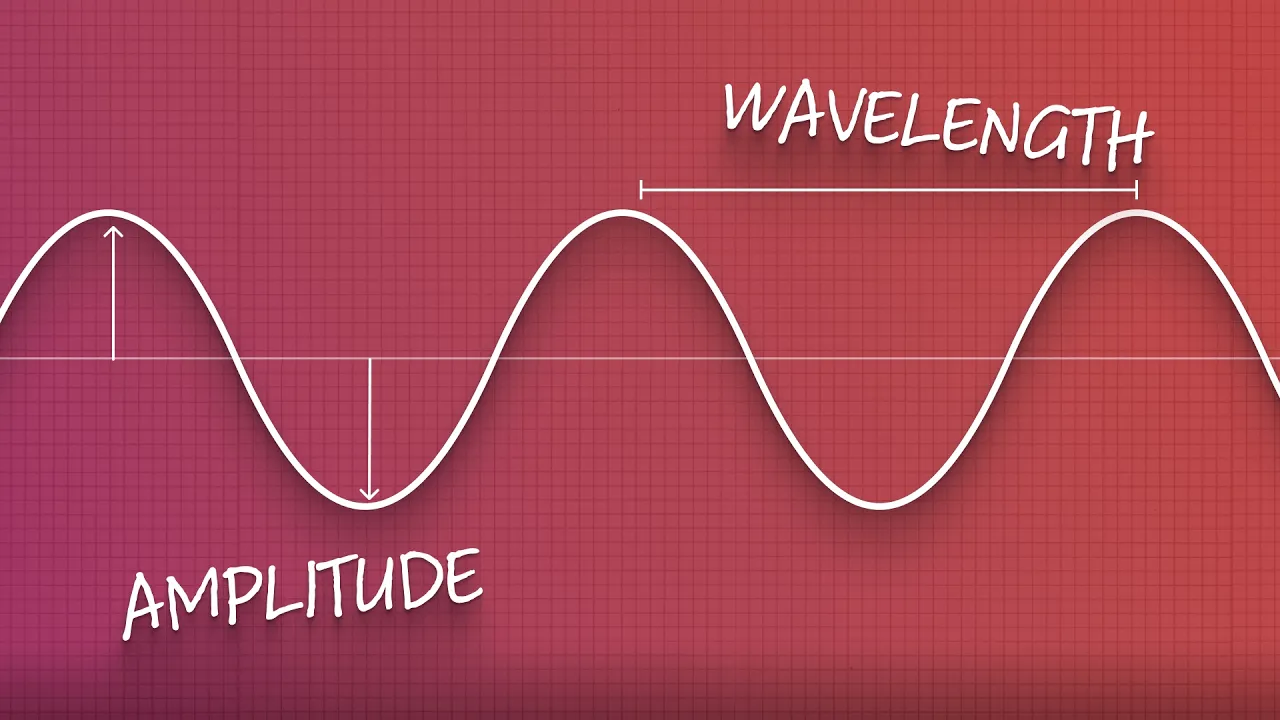
Added:Understanding the basic physics of sound waves, including concepts like frequency, amplitude, and wavelength.
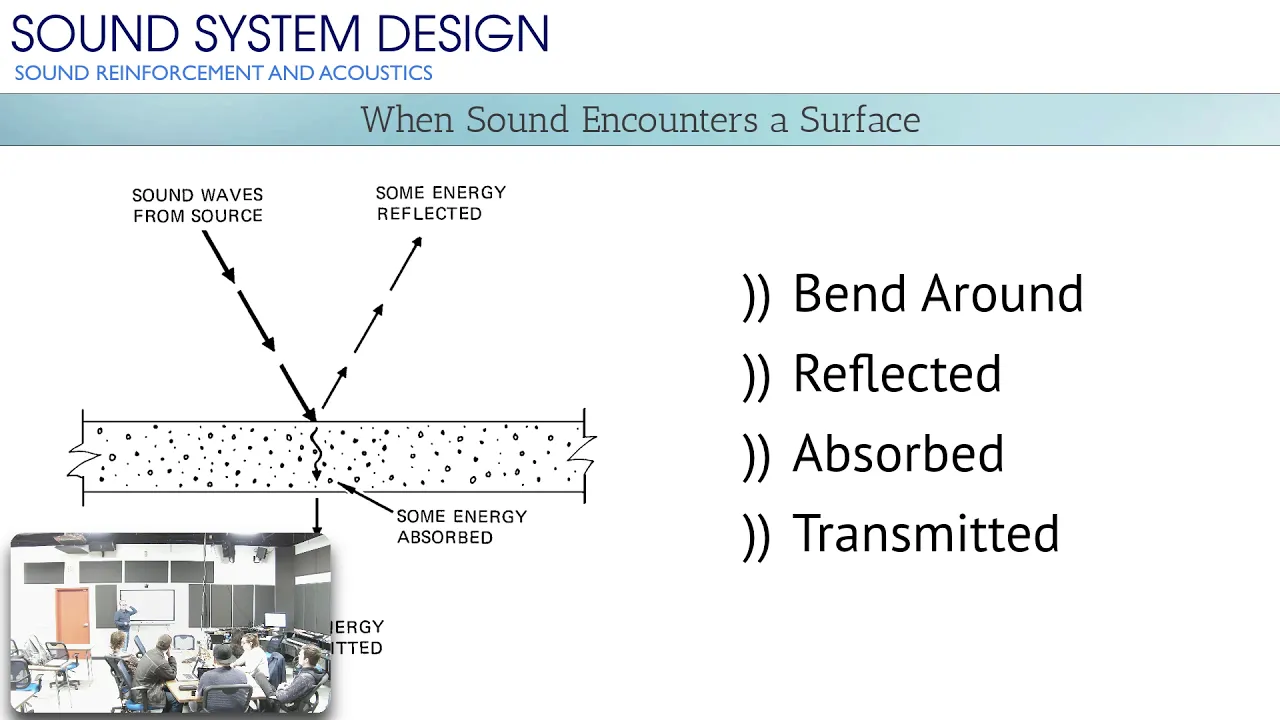
Familiarity with how sound behaves in enclosed spaces, specifically the phenomena of reflection, absorption, and diffusion.
Knowledge of studio monitor basics, including the difference between active/passive monitors and consumer speakers, and the concept of the listening 'sweet spot'.
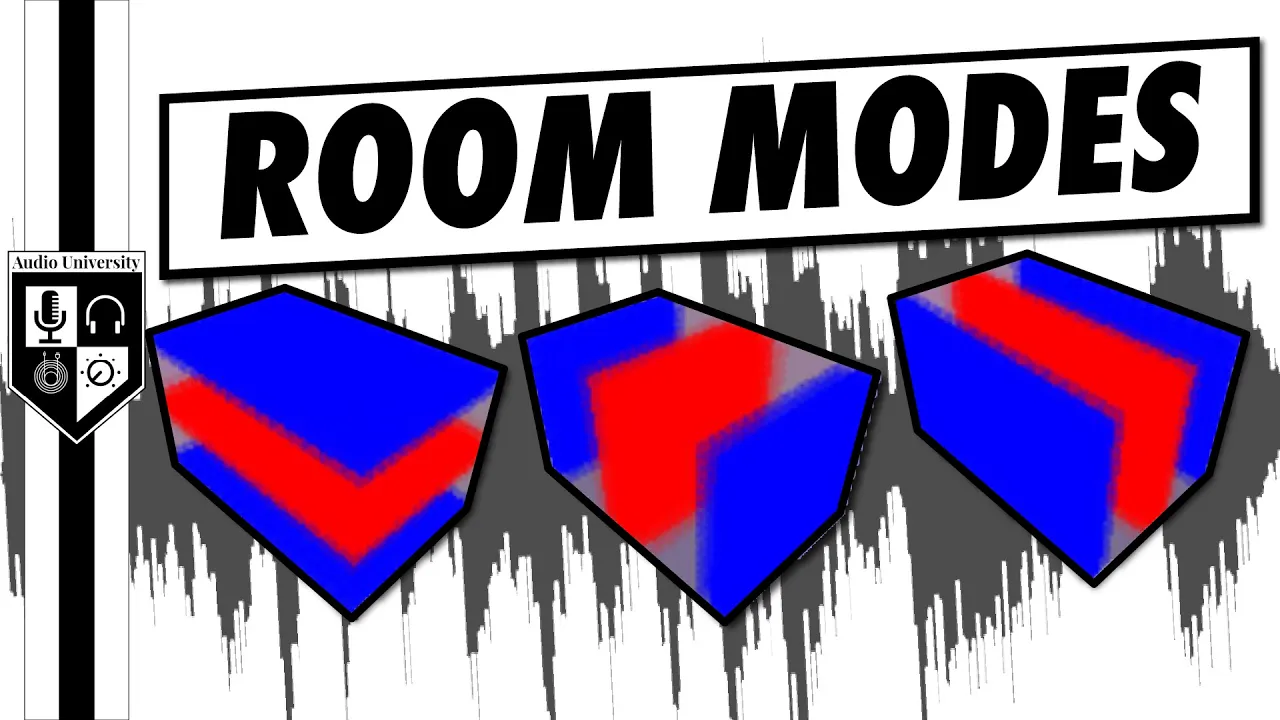
An introductory understanding of room modes and standing waves, and how they cause constructive or destructive acoustic interference.
How to use acoustic measurement software (such as Room EQ Wizard) and a calibrated measurement microphone to scientifically analyze a room's frequency response.
Advanced acoustic treatment design, including the placement of ceiling clouds, first-reflection point absorbers, and mathematical diffusers (e.g., QRD diffusers).
Implementing digital room correction software (DSP) as a final calibration step to fine-tune speaker output after physical treatment.
Mastering the critical listening skills and mix translation techniques required to verify how mixes created in the treated environment sound on external playback systems.
212.4K views1.1Klikes7:47Original Release: 2011-02-28
[Music] hi I'm Francis Buckley and welcome back to Studio Rescue now last week we went to a home studio that was pretty small this week we got a message from Michael Alvarado and his room is pretty much the average home studio setup but of course it's got its own particular set of problems so let's go out and rescue Michael Alvarado's [Music] Studio hey Michael hey Francis how you doing pretty good man yourself good see thanks for coming no problem I got your message thank you understand you're U having some problems with your room huh yeah just a little bit Yeah well tell me what's uh tell me what's going on you know when I mix in here it feels like it's a little bit a little bit not as full as it could sound and I feel like I'm not getting a lot of Bas presence in my mixes you know right probably not much detail yeah not a lot of detail and I feel feel like it sounds a little muddy you know not as good as it can sound okay well just by taking a quick look around the room uh it's it's a good size room it's not you know the teeny tiny small bedroom but I'm thinking that maybe it's probably just in the way things are set up okay I I think your the room without measuring it I think it's a little longer this way than it is that way you're not taking advantage of the symmetry of the room everything has to be uh um symmetrical in that you want to have the same amount of space around one side that you have on the other this one you've got a doorway going out over here this one over here you're you're further from the wall on that side than you are over here so we need to need to get set up properly okay and I'm thinking that the best thing to do would be probably to take your desk and put your desk back here on this wall and get it in the center so we've got the same the same thing on either side of the speakers right maybe pull your bed and put it up over in this side not not all the way against the wall put this dresser over there okay and couple other things we'll pull that amplifier out we'll put the the keyboard in and um we'll just get a little bit better balance in here so that you start getting a little bit more true sound coming out of the speakers that you know that you're expecting you know so uh what do you say should we get to it absolutely let's do it let's uh rescue Michael Studio here we go so the first thing we have to do get all the furniture moved around you didn't see that did you yeah we saw that get all the furniture moved around so that we can get the studio set up properly man that was a lot of furniture to move around I should have brought a couple of big guys to help first thing you got to do is get your speakers set up cuz everything in the room has to revolve around your speaker placement the first thing I want to do is get Michael sitting in his mix position and make sure the speakers are pointed directly at him so that when he turns his chair he looks right straight into the speaker now once we've got him set I'm going to take my tape measure and I'm going to measure from the center of the cone of one speaker to the center of the cone of the other and I'm going to use that measurement to move out to Michael ears now not quite far enough so the way I compensate for that slide the speakers apart a little bit then I take the measurement again from speaker to speaker and out to Michael's ears to make sure that he's sitting on the Apex of that triangle look at that baby okay so this is your triangle I'm going to slide this mirror along this wall okay and when you see that that speaker this mirror you tell me to stop okay okay so here's the mirror trick again just going to slide it along the wall till Michael can see the right speaker in the left side mirror there perfect and of course we do the same thing on the right side we slide it along the wall until Michael can see the left speaker when he finds it that's where we'll put our panels and that'll help control the angle of first reflection now I want to measure the height of these panels and to do that I'm going to measure the height of Michael's ears so that he's sitting right basically right in the center of the panel and of course we do the same thing on the other wall hanging the panels at the exact same spot and then we're going to move over to the base traps now the bass traps go in the corners because that's where base energy tends to build up so that's the best place to put the bass [Music] traps let's have a look around and see what we did huh all right so we got your speakers set that was always the most important thing yes get the speaker set got your got your your listening position here uh we did our mirror trick and got our VI Acoustics panels all up thanks to the to the good Folks at VI Acoustics for supplying us with the acoustic material thank you um we got your your brand new 19inch monitor got rid of that old uh uh worn out CRT got you looking all modern yes uh got your keyboards plac even got your ample out so that's available for using totally um and um you are ready to get back to work man all right yeah so why don't you um sit down get this get your your session fired up all right and um I'll be right back all right here's a gift to you from Road microphone oh for letting us come and rescue your studio this is the nt2a large cap condenser microphone this is one of the best and most versatile microphones I've ever used okay it's got your three polar patterns your two rolloffs uh your two pads great microphone I've used it on guitars voices drums all kinds of stuff it is a incredible microphone and it comes with a couple of really trick things first of all it's got this really nice shock mount and the shock mount has this really cool built-in windscreen okay sets up like this gets you all nicely set in there and then it's got one more piece that goes with it from our friends at VI Acoustics this nice little flexi screen light and it goes on the rod in the back of the microphone like this and forms a little vocal booth oh that is awesome yeah man now this will keep down the reflections that happen a lot of times in home Studios you're in areas that aren't quite ideal for recording obviously right well this can cut down on any noise that's happening inside the room give you a nice little vocal booth effect okay man well sit down enjoy your new studio get back to work and I'm looking forward to hearing some great music coming out of this place and Michael Studio has been officially rescued and we'll see you soon man [Music] enjoy I want to start well that was pretty dramatic we had to do a lot of moving around in that room but I think we got it set up nicely we set Michael up with a brand new monitor for his computer because I haven't seen a monitor like his since the 60s and I don't even think we had computers in the 60s but anyways thanks Michael for letting us come out and rescue your studio thanks again to the guys from V Acoustics for all the acoustic material and of course Road thanks for that beautiful nt2a microphone I'm Francis Buckley see you again next time on Studio Rescue oh hey by the way if your studio is in need of a rescue just log on to road.com Studio Rescue and let's see what we can do for you all right take two [Music]
Up Next
6:52
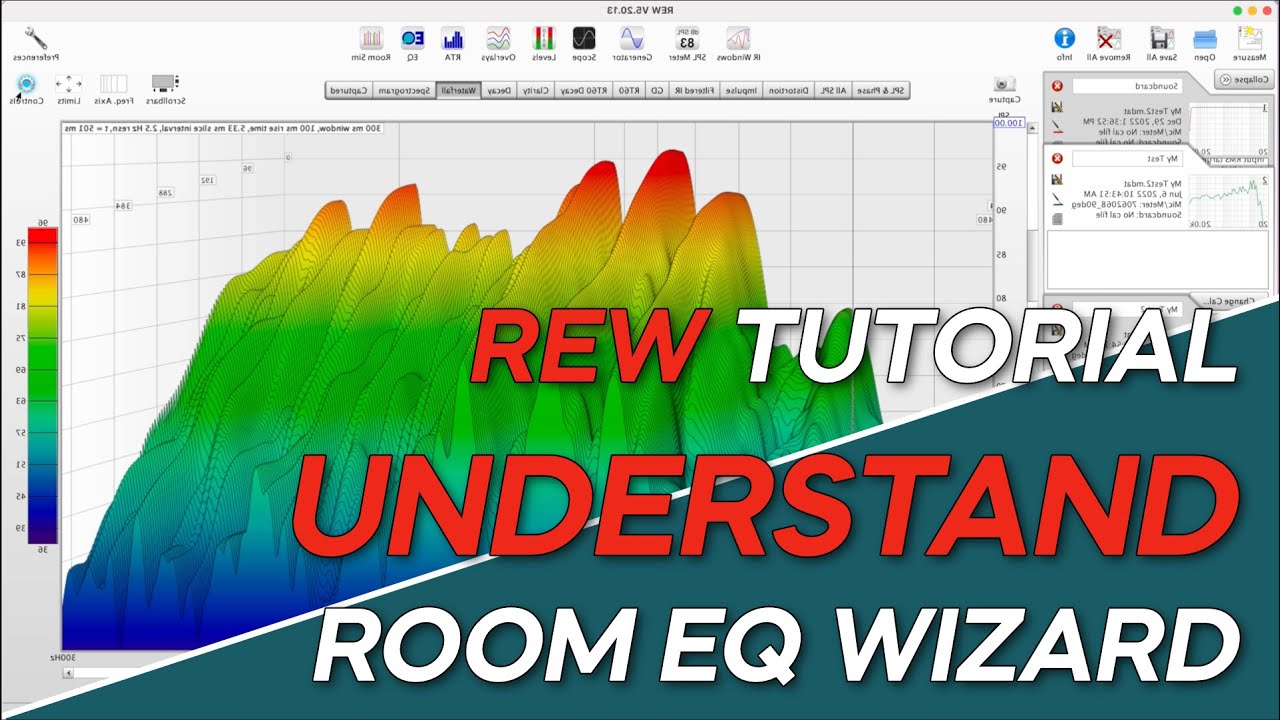
Room EQ Wizard Setup & Acoustic Measurements Tutorial
@GIKAcousticsLLC
182.7K views•2023-01-11

12:54
Triumph of Orthodoxy Icon: Byzantine Art & History Explained
@BenCallan
2.1K views•2024-08-06

14:35
Home Studio Acoustics: Rescuing a Garage Recording Space
@rodemic
177K views•2011-03-03

1:42
Game of Thrones Opening Credits: A Cinematic Analysis
@gameofthrones
46.3M views•2011-04-18
Related Study Plans & Knowledge Roadmaps
Structured learning paths in General & Interdisciplinary Studies
general-studies
Elevator Engineering: History, Physics & Cities
01From Hoists to Safety Brakes: The Dawn of Vertical Lift
02Hydraulic vs. Traction: The Engineering Physics of Elevators
03Modern Speed, Safety, and Algorithms
+ 2 more learning modules
12h5 modules
Explore Roadmap
general-studies
Rubber: Material Science, History & Geopolitics
01Origins of Natural Rubber & Mesoamerican History
02The Chemistry of Natural Rubber & Vulcanization
03The Geopolitics of the Rubber Boom & Colonization
+ 2 more learning modules
12h5 modules
Explore Roadmap
general-studies
Containerization: Evolution, Logistics & Trade
01Ancient Trade & Bulk Cargo: Amphorae to Barrels
02The Industrial Revolution & Cardboard Packaging
03The Containerization Revolution: Malcom McLean
+ 2 more learning modules
12h5 modules
Explore Roadmap
general-studies
Textile Tech: Evolution, Labor & Global Impact
01Pre-Industrial Textiles: Handloom & Cottage Industry
02Mechanization: The Spinning Jenny to the Power Loom
03The Factory System & Global Labor Transformation
+ 2 more learning modules
10h5 modules
Explore Roadmap