












![[#4] TRANSPORTE DE MEMBRANA: TRANPORTE ATIVO PRIMÁRIO E SECUNDÁRIO | MK Fisiologia](https://i.ytimg.com/vi/wtJJqfh099w/maxresdefault.jpg)


![Биохимия фотосинтеза: #3. АТФ-синтаза [Clockwork]](https://i.ytimg.com/vi/BWkJg4EmLdo/maxresdefault.jpg)

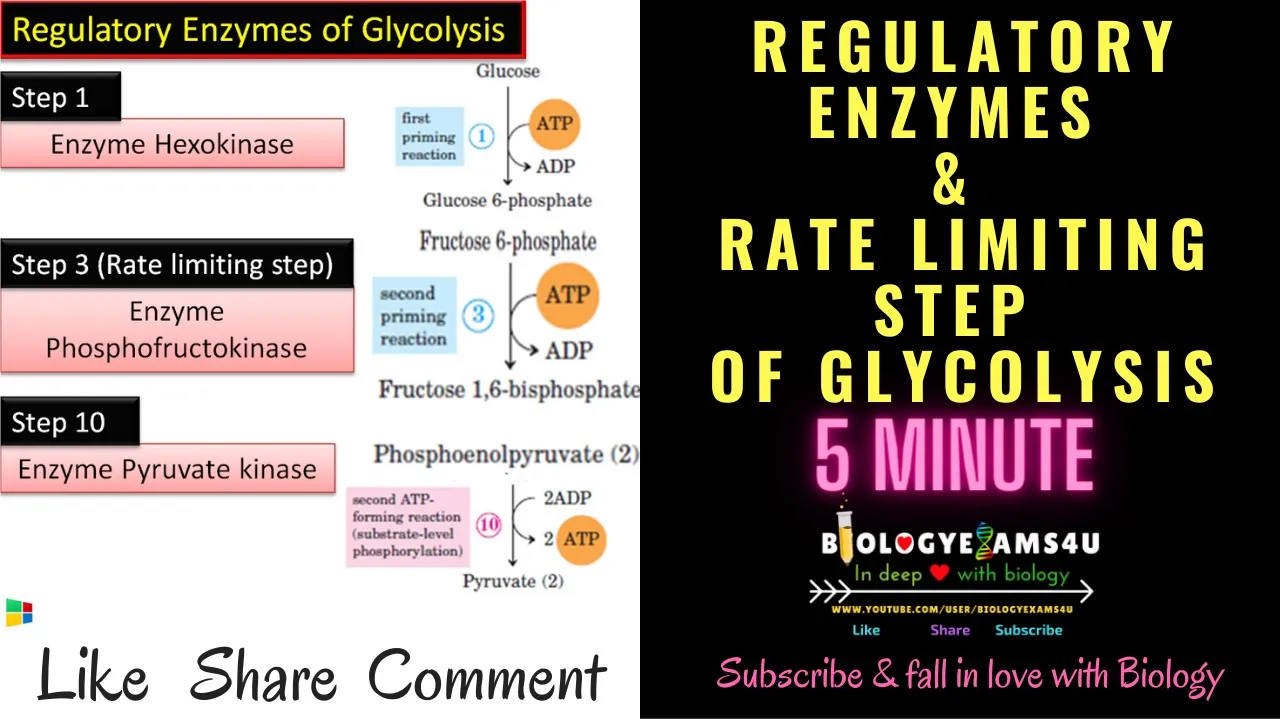

ATP serves as the cell's energy currency because its hydrolysis reaction has a large negative Gibbs free energy change (ΔG), releasing energy that can be coupled with energy-requiring biosynthesis reactions (which have positive ΔG values) to make them thermodynamically favorable; this coupling works because the overall ΔG for the combined reaction equals the sum of individual ΔG values, allowing energetically unfavorable reactions to proceed when linked to favorable ones.
ATP Hydrolysis: Gibbs Free Energy Explained | MCAT Biology
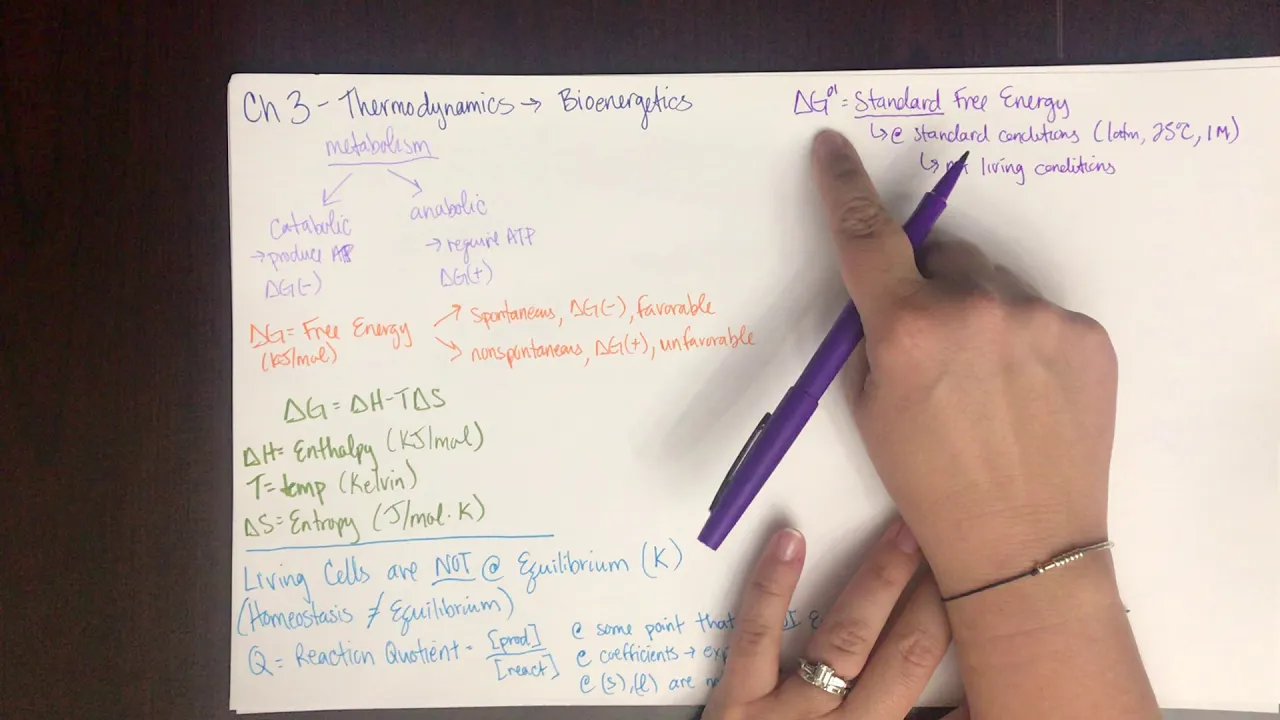
Added:Basic principles of thermodynamics, specifically the definition of Gibbs Free Energy (ΔG) and the distinction between spontaneous (exergonic) and non-spontaneous (endergonic) reactions.
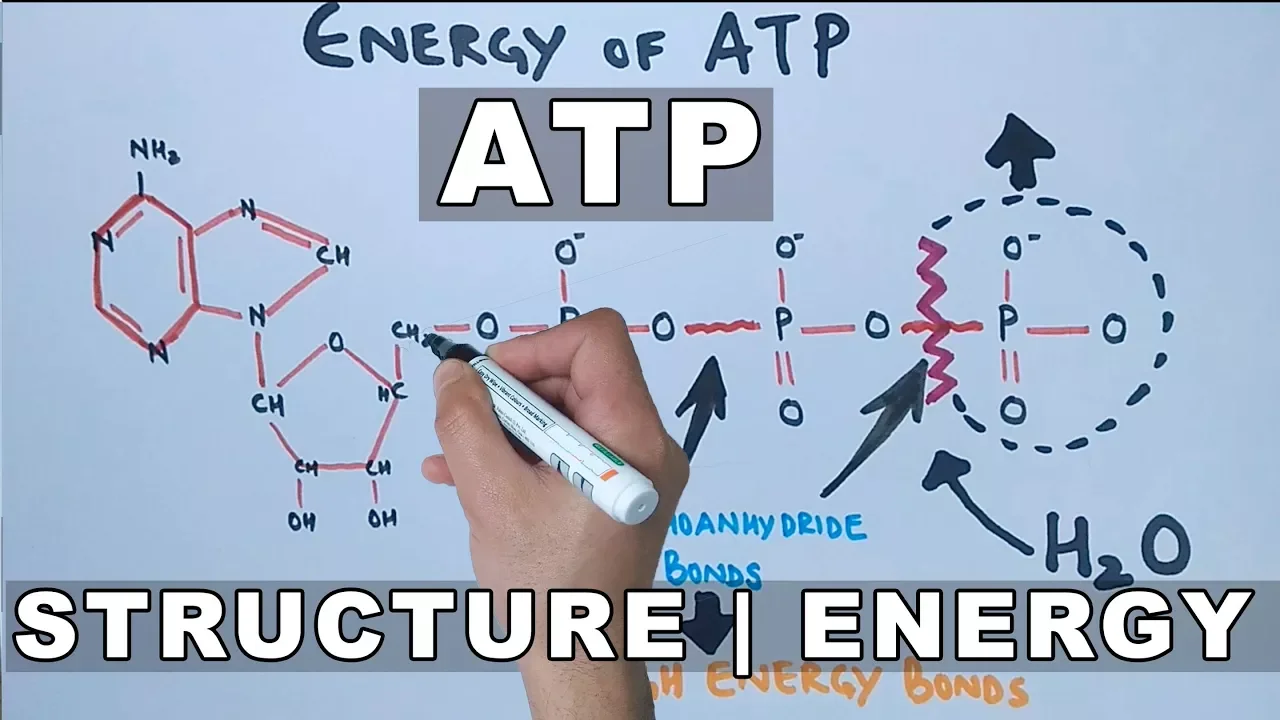
The chemical structure of Adenosine Triphosphate (ATP), focusing on the high-energy phosphoanhydride bonds between its phosphate groups.
The definition of standard free energy change (ΔG°') versus actual free energy change (ΔG) in biological systems.
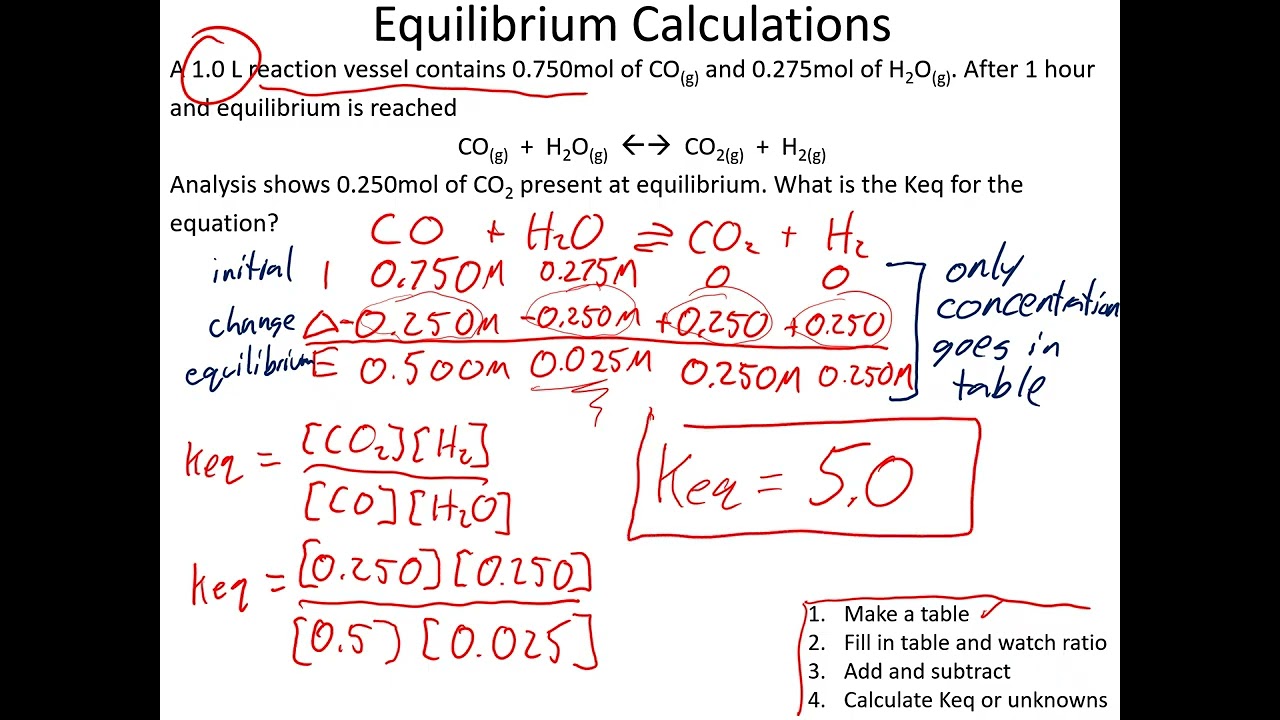
The concept of chemical equilibrium (Keq) and how reactant and product concentrations influence reaction spontaneity.
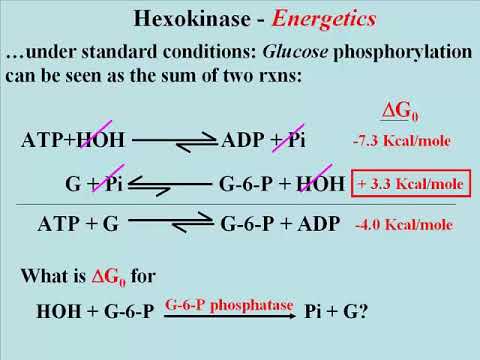
The practical application of reaction coupling in specific metabolic pathways, such as the phosphorylation of glucose by hexokinase during glycolysis.
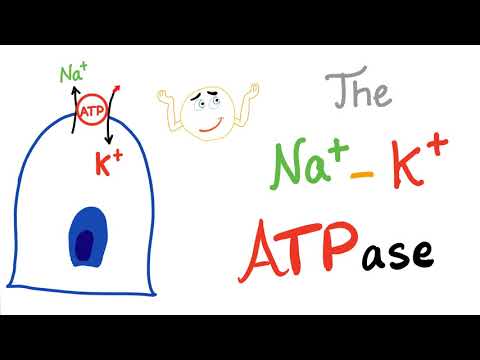
Active transport mechanisms across cell membranes, such as how the Na+/K+ ATPase pump couples ATP hydrolysis to move ions against their electrochemical gradients.
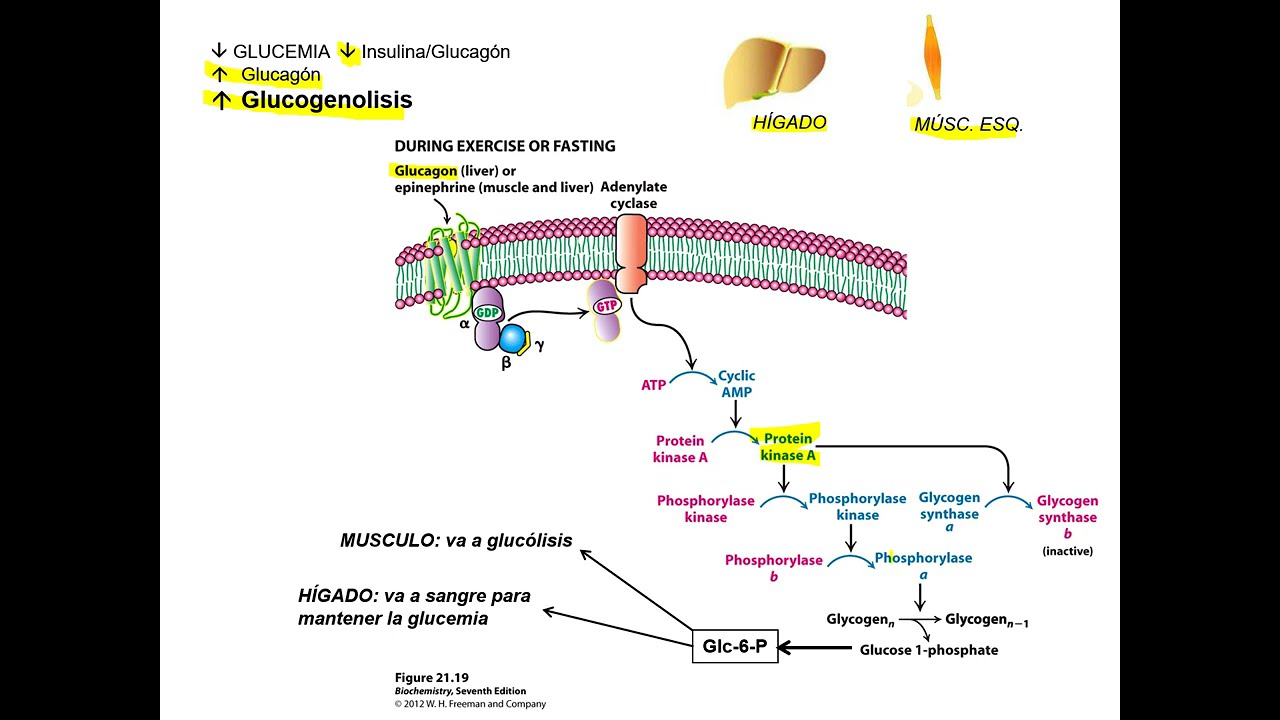
The mechanism of ATP synthesis, exploring how the mitochondrial proton motive force drives the rotational catalysis of ATP synthase.
How cellular energy charge (ratios of ATP, ADP, and AMP) acts as an allosteric regulator for key rate-limiting enzymes in metabolism.
135.4K views654likes7:41Original Release: 2013-09-17
So let's talk about one of the most famous molecules in all of biochemistry, ATP.
So why is ATP so famous?
Well, it's the energy currency of the cell.
And the reason it's called the energy currency of the cell is because it powers, it essentially fuels, many life sustaining reactions inside of our body.
So some examples of these include biosynthesis of biomolecules.
So remember fats, proteins, carbohydrates, and nucleic acids are all essential to life, and building these molecules requires energy in the form of ATP.
In addition, ATP is also used to contract our muscles.
And this is very important in order to allow living organisms to move.
And additionally, ATP is also involved in some ion movement across cell membranes.
And of course, moving ions across membranes is really important to maintain a comfortable internal environment within the cell.
Now, you could take my word for it that somehow ATP magically powers all of these life-sustaining processes, but you really don't have to.
In fact, in this video, we're going to review some topics from general chemistry to really understand how ATP, on a chemical level, really fuels these reactions.
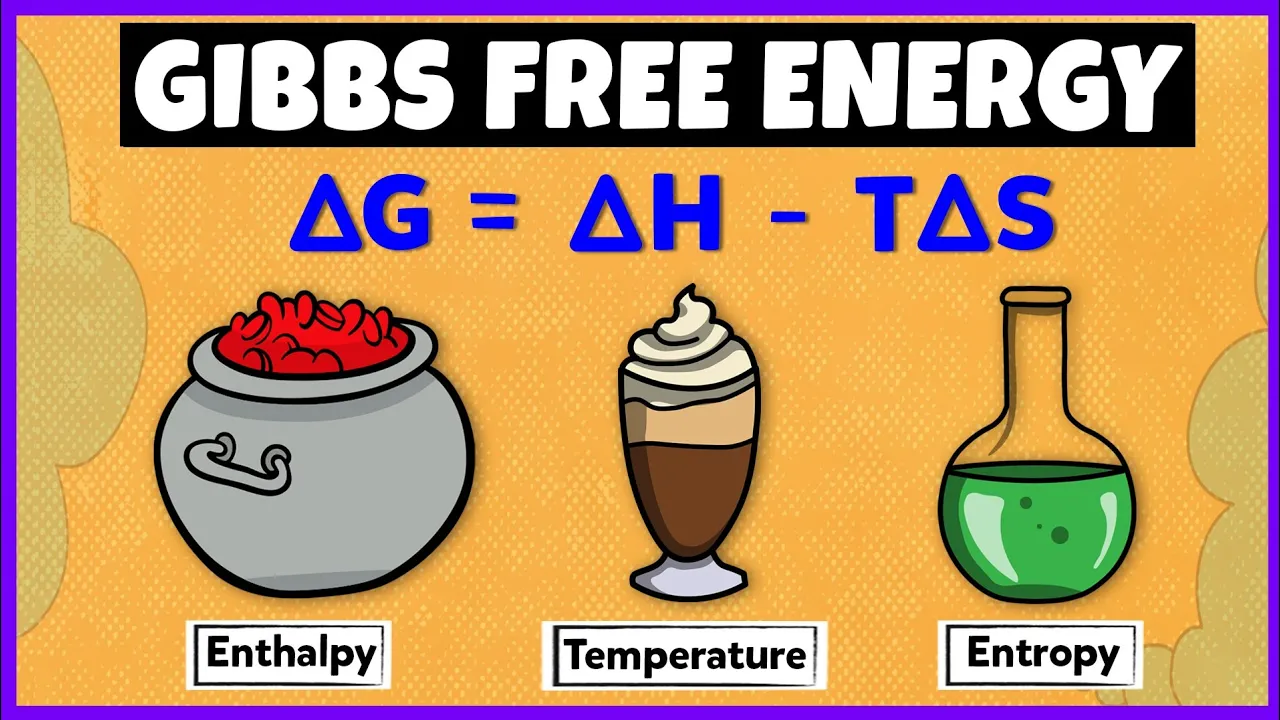
Now, the topic we want to review in introductory chemistry is a thermodynamic parameter called Gibbs free energy, or as it's more often written as just simply delta G.
So now recall that delta G is a quantitative number.
And it's a number that's measured in units of joules, which is a measurement of energy.
And depending on whether this value is positive or negative, it tells us whether or not a reaction requires energy, or whether a reaction releases energy.
Now remember that delta G is equal to the free energy of the products of a reaction, minus the free energy of the reactants in a reaction.
So if the change in Gibbs free energy is negative, which means that the products have a much smaller free energy than the reactant, we say that this reaction releases energy.
On the other hand, if we have a positive value of delta G, which means that our products are at a much higher energy level than our reactants, we say that that reaction requires an input of energy.
And I know I've been kind of nebulous about this term energy here.
And so, briefly, I want to remind you that the change in free energy going from reactants to products of a reaction takes into account both the change in enthalpy, as well as the change in entropy, which are two topics that you might be familiar with from general chemistry.
So how does this all relate to ATP?
Well, it turns out that there is a reaction involving ATP that has a very large negative delta G value.
That is to say it releases a lot of free energy.
Specifically, this reaction involves ATP combining with water, and when it combines with water, we call this a hydrolysis reaction.
So I'll just write that here to remind us.
And the products of this reaction are a molecule called ADP and a free phosphate group.
And like I mentioned before, the change in Gibbs free energy is very negative.
So what's going on here?
So ATP starts out with triphosphate, three phosphate groups, loses a phosphate group because it becomes diphosphate.
And then it forms a free phosphate group that it cleaved off.
So on first glance, it might seem that this reaction is not balanced because we don't have this hydrogen or oxygen on the right side of our equation.
But I just want to note here that the negatively charged hydroxyl group becomes a part of the phosphate group.
And the remaining hydrogen ion of the water combines with another molecule of water in solution to become a positively charged hydronium ion.
And usually, these two things are left out just for the sake of convenience.
But I wanted to point them out here so that you wouldn't be confused by the stoichiometry.
On the other hand, many biosynthesis reactions in the body have a positive delta G value.
So remember, a positive delta G value means it requires an input of energy.
And an example of this type of reaction is when we take a monomer, such as an amino acid for example, and we string them together covalently to form a polymer.
So in the case of an amino acid, that would mean we're forming a long peptide chain.
Now here's where our knowledge of introductory chemistry comes in.
So in thermodynamics, the study of energy changes, there's an important principle that states that the overall delta G for a reaction-- I'm going to scroll down here to give us some more space.
So the overall delta G for a reaction is equal to the sum of the delta G values for the individual steps of a reaction.
So let's actually go ahead and add these two reactions together and see what happens.
So let's write that out.
So we have ATP as a reactant, as well as water, as well as our monomer subunits.
And we are producing ADP, a free phosphate group, and a polymer.
Now what is the delta G for our overall reaction?
Well, we just simply have to add the delta G values for each step.
Now I didn't give you actual numerical values for each of these steps.
But in general, the hydrolysis of ATP produces energy in excess of the energy needed for biosynthesis reactions, such as this one.
So essentially what I'm saying is that if we add a very large negative number to a smaller positive number, we will get an overall negative delta G value.
In other words, we have just taken a previously energetically unfavorable reaction with a positive delta G value and turned it into an energetically favorable reaction with a negative delta G value.
And we have done this by what we call coupling a reaction that has a favorable delta G value, such as the ATP hydrolysis, with a reaction that has an unfavorable delta G value.
I want to mention that the ability to add these delta G values tells us nothing about the path that the reaction actually takes.
And in fact, generally speaking, almost never does a reaction proceed in two discrete steps like it's written here.
Instead, this coupled process often occurs simultaneously.
But as you can see, it's still beneficial to separate these two reactions into two discrete steps, so you can prove to yourself essentially why ATP, with its negative delta G value, is able to fuel energetically unfavorable processes.
Up Next
22:07
Understanding pH, EC, TDS and PPM in Hydroponics
@epicgardening
531.3K views•2017-11-21
83:56
Biocatalysis and Catalysis in Islatravir Synthesis | Merck Webinar
@SCIwheresciencemeetsbusiness
675 views•2020-10-08
9:15
Chromatography Basics Explained: Types & Principles | MCAT Prep
@khanacademymedicine
1.3M views•2013-09-17

17:31
Edible Water Bottles: A DIY Guide to Sodium Alginate Spherification
@ryan
10.5M views•2019-06-21
Related Study Plans & Knowledge Roadmaps
Structured learning paths in Chemistry
chemistry
Nuclear Chemistry: Decay, Meds & Fuel Cycle
01Introduction to Nuclear Structure and Radioactivity
02Decay Dynamics and Kinetics
03Radiation Interaction and Detection
+ 2 more learning modules
24h5 modules
Explore Roadmap
chemistry
Supramolecular Chemistry: Forces & Machines
01Foundations of Chemical Bonding and Intermolecular Forces
02Introduction to Host-Guest Chemistry
03Thermodynamics and Dynamics of Self-Assembly
+ 2 more learning modules
16h5 modules
Explore Roadmap
chemistry
Photochemistry: Excited States & Reactions
01Foundations of Light-Matter Interactions
02Molecular Orbitals and Electronic States
03Photophysical Processes and Jablonski Diagrams
+ 2 more learning modules
18h5 modules
Explore Roadmap
chemistry
Coordination Chemistry: Bonding & Properties
01Introduction to Transition Metals and Ligands
02Crystal Field Theory (CFT) and Geometry
03Magnetic Behavior and Spin States
+ 2 more learning modules
14h5 modules
Explore Roadmap