















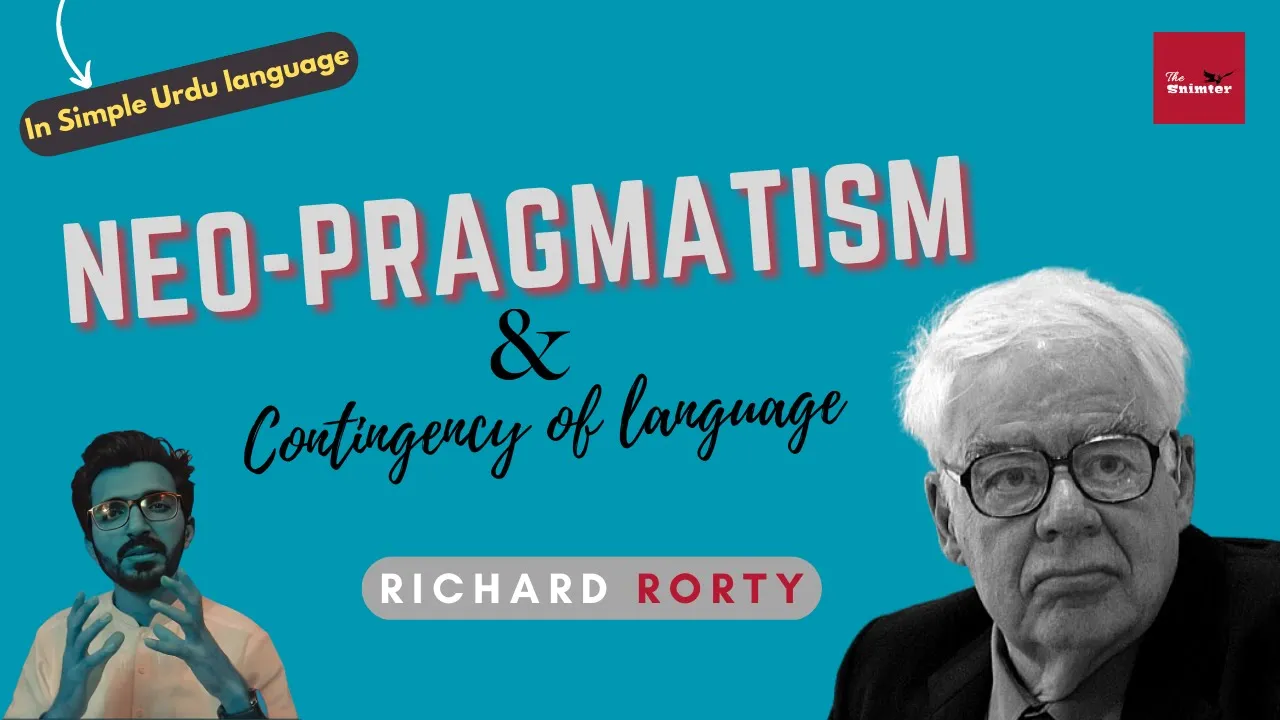




Charles Sanders Peirce introduced pragmatism as a maxim for clarifying intellectual terms, proposing that the meaning of a concept is determined by its practical effects and observable consequences—specifically, that for a concept to be meaningful, it must make an observable difference in reality; if a term cannot be translated into conditionals specifying what would happen if acted upon, then it lacks real meaning. This pragmatic approach to meaning was developed within Peirce's broader scientific framework, emphasizing that inquiry involves testing beliefs through systematic investigation rather than relying on authority or tenacity, and that knowledge grows through a self-correcting process where beliefs are held constant while others are tested in different contexts.
American Pragmatism: Peirce, James & Dewey | Philosophy
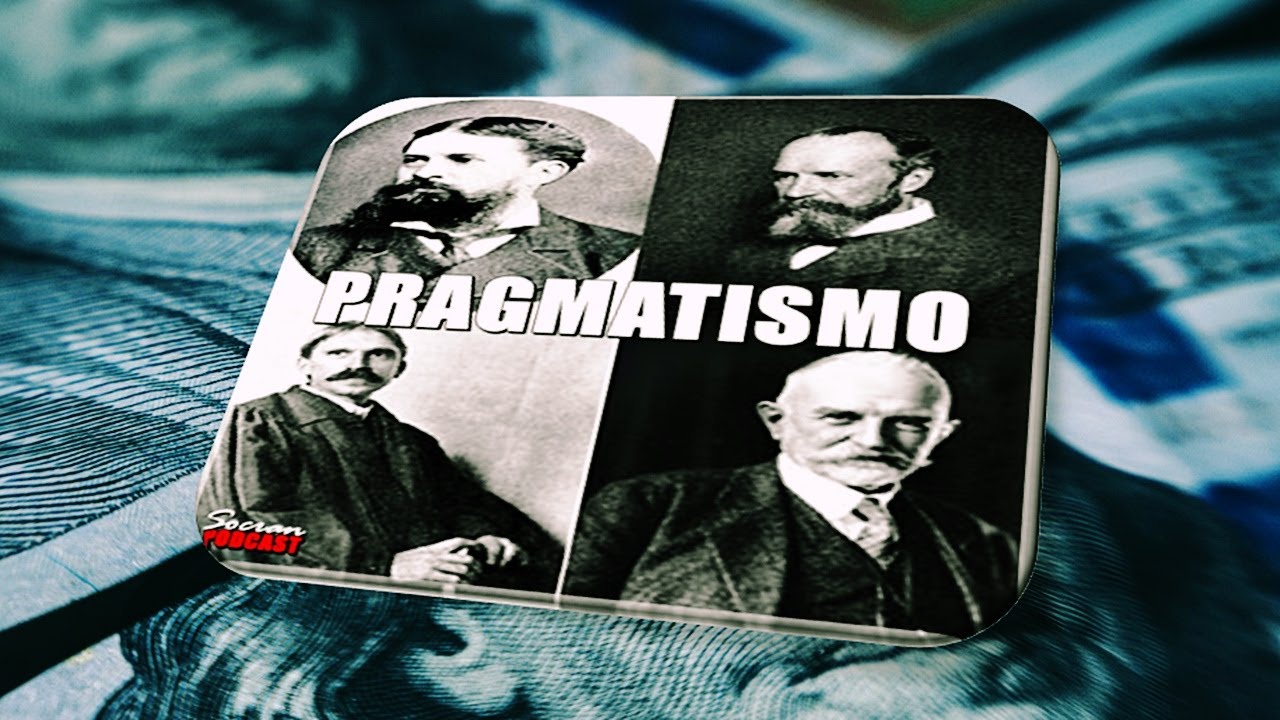
Added:[Music] in philosophy as in so many other respects it's now the United States rather than Britain that is the chief Center of activity in the english- speaking world but there's been American philosophy of international importance for a 100 years now in fact Bertrand Russell in his autobiography describes the Harvard School of philosophy as having been the best in the world during the late 19th and early 20th centuries American philosophy of that period is represented Above All by three figures who have since attained classic status CS Pur William James and John Dewey they are sometimes given a group label the American pragmatists but in fact they're more different from each other than that might suggest CS Pur was born in 1839 the son of a professor of mathematics at Harvard he was trained from the beginning as a mathematician and scientist and his paid jobs were as astronomer and physicist philosophy was something he did in his spare time until at the age of 48 he retired to devote himself to it entirely but this I'm afraid led to his being sunk in poverty and debt by the time he died in 1914 at the age of 74 he never wrote a book and a great deal of his work came out only postumus when his collected papers were published in eight volumes a near contemporary of purse was William James born in 1842 and also educ educated at Harvard from which he graduated in medicine James became a Harvard lecturer in anatomy and physiology then after that professor of philosophy and then after that professor of psychology among his best known books are the principles of psychology published in 1890 the varieties of religious experience published in 192 and pragmatism published in 197 he died in 1910 unlike Pur he received International recognition during his life lifetime in this context it's interesting to mention that the novelist Henry James was one of his brothers and Henry for part if not most of his life felt himself under the shadow of world famous elder brother William the third and most recent of our three classical American philosophers was John Dewey who was born in 1859 and lived until 1952 he spent the whole of his career as a university teacher first at the University of Michigan then in Chicago and finally at Columbia New York few philosophers of any place or time have had such widespread influence on practical and public affairs his philosophy of education alone can be said to have had worldwide impact and he was influential in other fields as well it's difficult to pick a few books from so copious an output but perhaps I might mention democracy and education published in 1916 human nature and conduct published in 1922 experience and nature published in 19 1925 and the Quest for certainty published in 1929 to discuss the work of Dewey James and purse I've invited Sydney Morgan besser professor of philosophy at Columbia University in New York now let's let's start right at the beginning of the story the first of these people in time was Pur and it was him who introduced the term pragmatism as a philosophical term and he introduced it first of all as a maxim uh for meaning didn't he can you explain exactly what that meant well it was a maxim for clarification of certain kinds of terms which you called intellectual terms yes it was not necessarily a theory of meaning for all terms or how to analyze all terms uh that he also dealt with in a in in a later book but in this essay it was primarily a theory of how one analyzes specific terms uh or specific ideas or if you wish sentences in which these terms are embedded he was he was motivated to try to tell someone how he can be clear as his ideas sort of an approach to give rules for clarification so that if an agent acts he at least knows the beliefs clearly upon which he acts that's the motivation of the background now what was the the pragmatic Criterion of meaning what was that well I can give it by illustration you consider the Practical effects of the concept as it well but let me sort of begin with an example and then see whether we can build up from examples right let's say if I ask you what you meant when you said something sugar is soluble in water I presume you would mean that if I or anyone put the sugar in water it dissolve here to get clearly in mind what you mean you would specify if you wish some conditional as to what would happen or what kind of consequences would happen or what actions or habits the particular entity has that you could activate as it were by your action it relates the meaning of the concept to an actual or possible action or or yes the meaning would be specified in this conditional right so that now if you take a particular sentence in the indicative like this particular Hammer is hard or whatever will attribute the predicate hard here's in the indicative and the peran view is well you should be able to translate the indicative into these kinds of conditionals if it were not possible if you really wouldn't have a clear concept of Mind well it's just hard hard and you would then suggest or he would suggest to try to clarify the specific kinds of of things that if the particular entity was acted upon some particular observable consequence would happen in terms of scratching or what so to bring it down to ordinary speech what what Pur is saying is that for certain kinds of concept to be meaningful then their application in reality must make an observable difference to something if they don't make an observable difference to anything then they don't have real yes but these are conditionals they would be that's right now this would be is not necessarily a statement that it has carried out no no no it's about it's about meaning it's not about occurrence if I placed it in water it would this is only for the clarification of certain term right I want to push the discussion a little further along uh because although uh purse made this a very substantial contribution to theory of meaning he wasn't concerned with theory of meaning in a sort of Scholastic way was he he wasn't concerned with it in isolation for him it was all part of a much more General concern with science I emphasized in my introduction to this discussion how Pur the man was all his life a working scientist that's what he was and he was a logician and he was and he was concerned to clarify Concepts clarify statements clarify beliefs as part of a much wider scientific Enterprise whose aim was to understand the world and to acquire new knowledge wasn't it yes can you put it in that context for us well first I'll amplify some of the remarks about uh the meaning as you suggested he said he learned these habits in the laboratory that's how a scientist get clear about his terms and yes in the 20th century some people thought that one clarifies terms in that way which is called operational definitions you know when to apply if certain things are done by you then these and these would be the observational consequences uh but that's the background and and we now go to the other topic you've introduced the notion of inquiry I think we could begin first with person by inquiry of course you simply mean finding out about the world both in common sense terms and more organized in scientific terms right right and sort of testing the hypothesis in a suitable way collecting the hypothesis suitable having certain rules to tell you when the hypoth so the inference is a well-formed inference that when the conclusion follows it's the whole substructure of science that we're talking about but now I think one could begin first with sort of a theorist of ordinary belief so the ordinary believer and taking the notion of belief now for granted uh P frequently gives the following picture I say picture because it this isn't quite a full presentation and suggest this picture to a lot of people that normally we can sort of go along and rely on our beliefs and then when we run into a problematic situation one has to have a strategy for how to revise one's beliefs and there he begins with possible strategies that one could follow the method of tenacity you pick some belief and you stick to it the method of authority you go to an authority tell you what to believe and he gives some reasons why one shouldn't rely on those methods that self-defeating uh but now the better method is to engage an inquiry and to try to find out by inquiry which particular kind of uh belief which is under test is better than its competitors by actual testing in accord with certain principles and now when he does this particular view he presents another theory this of how one justifies the beliefs thus far we've talked about the motivation we engage in inquiry in order to fix our beliefs and we have to come to a rational decision that we have a right to accept this belief rather than a competitor in order to act on it and Bas further work on it to so on to have some particular rules in the background uh to form well formulated beliefs about the nature of the world and then given you utilities you act he's not telling you what you should act for that's part of the ethics and the Aesthetics but now if by hypothesis one goes a little further the following picture once again is frequently presented as being relevant to Pur while we test some beliefs we're holding some beliefs constant and then while we're holding some belief constant in one con we can subject them to check in another context and the sort of the rationality behind it is the sort of self-correcting process and we don't have to begin with premises which are certain and indubitable upon which we sort of build our knowledge
Up Next

William James's Pragmatic Theory of Truth Explained
@kevincurrie-knight3267
28.9K views•2015-11-23

John of Damascus on Holy Images: A Theological Defense
@BannedBooks
139 views•2026-04-25

Should We Destroy the Machines? Big Tech Surveillance Critique
@TheStoriesWeTell303
167.9K views•2025-11-30
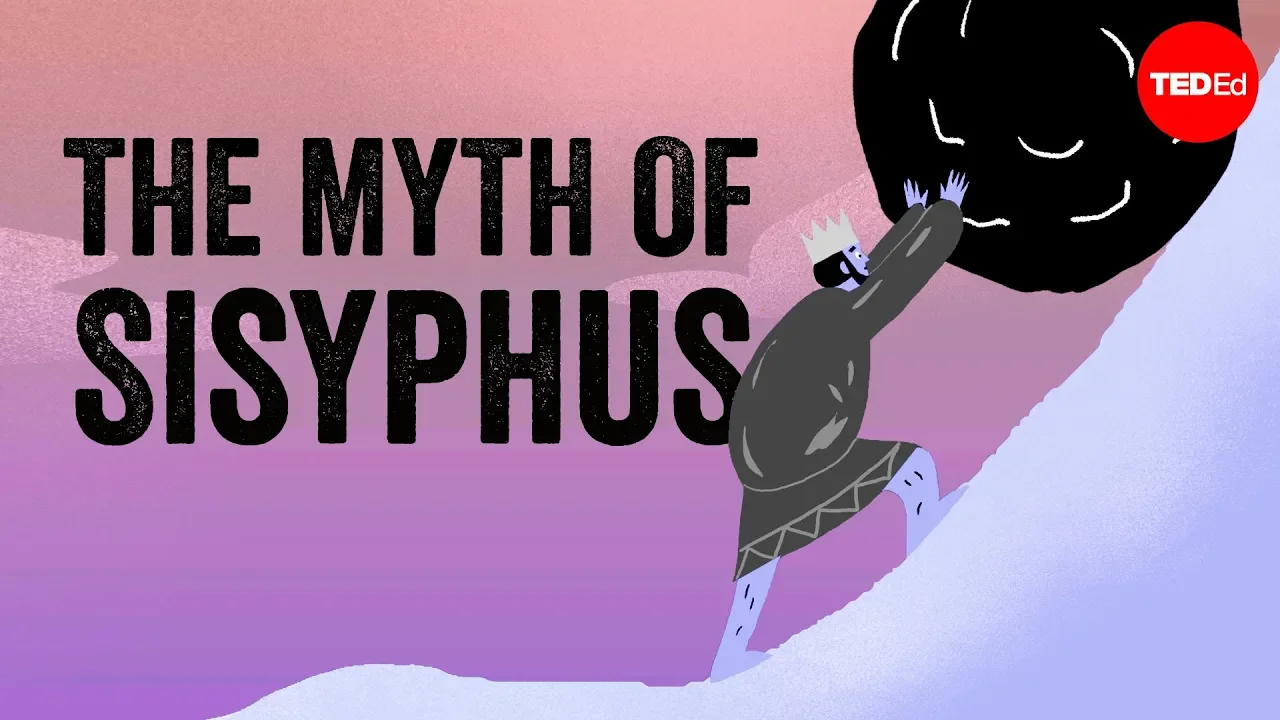
The Myth of Sisyphus: A Greek Legend of Eternal Punishment
@TEDEd
8.6M views•2018-11-13
Related Study Plans & Knowledge Roadmaps
Structured learning paths in Philosophy