Chemical preservatives are substances that inhibit, reduce, or arrest food decomposition processes by interfering with microorganism cell membranes, disturbing enzyme activity, and affecting genetic mechanisms; they extend food storage life by maintaining flavor, color, nutritive value, texture, and appearance, and are categorized into traditional preservatives (salt, sugar), acidulants (benzoic acid, sorbic acid), gaseous agents (sulfur dioxide, carbon dioxide), and antioxidants (BHT, propyl gallate, vitamin E, vitamin C).
Chemical Food Preservation Methods: Preservatives & Additives
Added:Deep Dive
Fundamentals of food microbiology, including the environmental factors that promote or inhibit microbial growth (such as pH, water activity, and temperature).

HOME SCIENCE CLASSES # Grah Vigyan ka Paper # FOOD & NUTRITION # Class 45 # Food Microbiology
162
Microbial growth is controlled by environmental factors: (1) Temperature - thermophiles (40-60°C), mesophiles (20-45°C), psychrophiles (0-10°C or below freezing); (2) Water activity - high-moisture foods spoil quickly, preservatives reduce water availability; (3) pH - each microorganism has specific pH requirements; (4) Light - essential for photosynthetic microorganisms. Refrigeration slows growth by reducing temperature to unfavorable levels.
Click to watch →

ABC bakterii ciekawych, groźnych i pożytecznych, dr hab. inż. Elżbieta Hać-Szymańczuk
419
pH affects microbial growth: most prefer neutral pH (6.5-7.5), acidophiles grow at pH 2-5, alkalophiles at pH 8-11. Fermentation creates acidic environments that inhibit spoilage bacteria. Redox potential indicates oxygen availability: high redox supports aerobes, low redox favors anaerobes. Water activity (Aw) measures available water: pure water has Aw = 1, foods always have Aw < 1. Adding solutes like sugar or salt reduces Aw by binding water molecules, inhibiting microbial growth. Xerophiles thrive in low-moisture environments, osmophiles in high-sugar environments, and halophiles require high salt concentrations.
Click to watch →

Factors affecting Microbial Growth in Food (Intrinsic Factors) | V.H.N.S.N.College (Autonomous)
183
Intrinsic factors inherent in food that affect microbial growth include pH (most bacteria grow best at neutral/alkaline pH 6.8-7.5, with some pathogens like Salmonella thriving between 4.5-8.8), water activity (defined as the ratio of vapor pressure of food water to pure water, where pure water equals 1.0 and food products have aw < 1.0; microorganisms require specific minimum aw levels: Listeria needs 0.95, while yeast can survive at 0.70), nutrient content (microorganisms require proteins, carbohydrates, lipids, water, energy, nitrogen, sulfur, phosphorus, vitamins, and minerals for growth), antimicrobial substances (such as lactoferrin and lysozyme in milk, and lysozyme in eggs), and biological structures (like skin and membranes in meat, and egg whites that prevent microbial entry).
Click to watch →

Hygieniapassi koulutus /kertaus
2K
Water activity (Aw) measures the availability of free water for microbial growth. Fresh foods have high Aw values supporting microbial growth, while processed foods with added salt, sugar, or preservatives have lower Aw values (around 0.8), inhibiting microbial growth. Drying removes free water from foods, making them unsuitable for microbial growth. pH affects microbial growth: molds and yeasts can grow across a wide pH range, while bacteria prefer neutral pH (around 7). Most foods are near neutral pH, making them susceptible to bacterial growth. Highly acidic foods like citrus fruits resist mold growth. The temperature danger zone is +6°C to +60°C, where microorganisms grow rapidly. Foods must be cooled below +6°C and heated above +60°C quickly to prevent bacterial growth.
Click to watch →

Curso Gratis: Principios de Microbiología de Alimentos
27.6K
Food microbiology studies microorganisms affecting food and water quality, encompassing characteristics, ecology, environmental resistance, and survival capabilities. The field examines three aspects: microorganisms as food producers (like yogurt fermentation), agents of food deterioration, and foodborne pathogens. Main microorganisms include bacteria (cocci, bacilli, spirilla), viruses (rotavirus, norovirus, hepatitis), parasites, fungi (Aspergillus, Penicillium), and algae (ciguatoxin-producing dinoflagellates). Contamination sources include plant surfaces with typical microbial flora, animal surface and intestinal flora, and soil containing the greatest variety of microorganisms. Contamination routes include water (surface waters, wastewater), air (mold spores, respiratory pathogens), and direct contact with contaminated surfaces. Water for food processing contains microorganisms from soil, animals, and wastewater, with natural waters containing variable microorganism numbers. Soil dust is lifted by air currents and carried by water currents onto food surfaces.
Click to watch →
Deep Dive
Basic chemical concepts, specifically the behavior of organic acids, salt dissociation, and pH scales in aqueous solutions.

شرح الدرس الثانى علوم متكاملة اولي ثانوي ترم اول الخواص الكيميائية للماء 2026 ll المحاضرة 2
47.2K
The pH scale (0-14) measures solution acidity/basicity: pH 7 is neutral, below 7 is acidic (high H+), above 7 is basic (high OH-). There is an inverse relationship between H+ concentration and pH, and a direct relationship between OH- concentration and pH. Hydrolysis is the reverse of neutralization, where salts dissociate in water to produce acids and bases. Strong acids/bases completely dissociate into ions, while weak ones remain as molecules. The acid-base nature of a salt can be predicted by examining hydrolysis products: if H+ appears, the salt is acidic; if OH- appears, it's basic; if neither appears, it's neutral. This principle helps predict solution pH and understand salt behavior in water.
Click to watch →

علوم متكامله اولي ثانوي | الخواص الكيميائيه للماء علوم متكامله | مستر محمد صقر
60.8K
Acids produce hydrogen ions (H+) when dissolved in water, while bases produce hydroxide ions (OH-). Acids are classified as strong (completely dissociate, like HCl, H2SO4) or weak (partially dissociate, like H2CO3). Bases are similarly classified as strong (like NaOH, KOH) or weak (like NH4OH). The pH scale measures solution acidity/alkalinity from 0-14, with pH 7 being neutral. pH below 7 indicates acidic solutions (high H+ concentration), while pH above 7 indicates basic solutions (low H+ concentration). Hydrolysis of salts produces acidic, basic, or neutral solutions depending on the parent acid and base. Acidic salts (from strong acid + weak base, like NH4Cl) increase H+ concentration. Basic salts (from strong base + weak acid, like NaHCO3) increase OH- concentration. Neutral salts (from strong acid + strong base, like NH4HCO3) produce neutral solutions.
Click to watch →

المحاضرة 2 علوم متكاملة - الدرس الثاني كاملاً - الخواص الكيميائية للماء 💦
234.6K
Acids produce H+ ions, have sour taste, and pH < 7. Bases produce OH- ions, have bitter taste and slippery feel, and pH > 7. The pH scale (0-14) measures acidity/alkalinity logarithmically. Strong acids/bases completely dissociate; weak ones partially dissociate. Neutralization reactions produce salt and water. Salt hydrolysis determines solution pH: acidic salts produce H+, basic salts produce OH-, neutral salts produce neither. pH meters and indicator strips measure pH. Enzyme activity depends on pH, and blood pH must be maintained at 7.35-7.45 for proper physiological function.
Click to watch →

علوم متكامله اولى ثانوي 2026 | الدرس التاني علوم متكامله | الجزء التاني | الخواص الكيميائية للماء
143.6K
When salts dissolve in water, they dissociate into ions. The resulting solution pH depends on the parent acid and base: (1) Acidic salts (from strong acid + weak base, e.g., NH4Cl) produce pH < 7, (2) Alkaline salts (from weak acid + strong base, e.g., Na2CO3) produce pH > 7, (3) Neutral salts (from strong acid + strong base, e.g., NaCl) produce pH ≈ 7.
Click to watch →
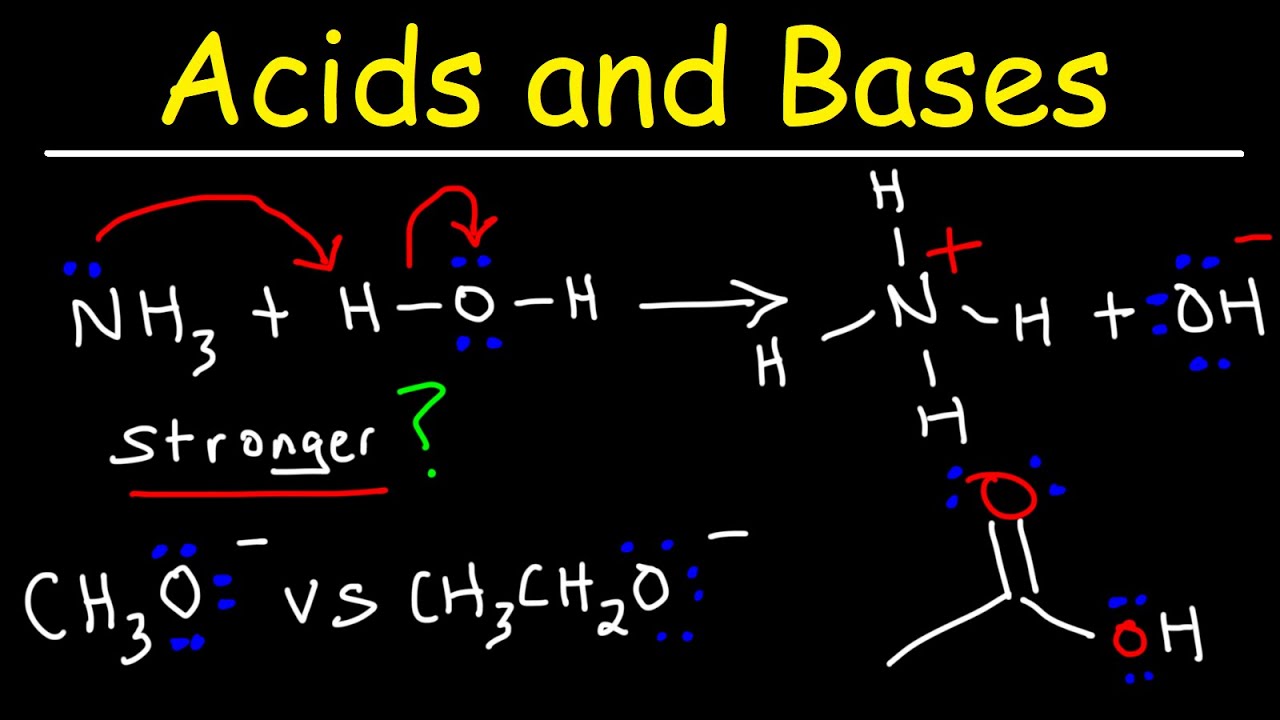
Acids and Bases - Basic Introduction - Organic Chemistry
482K
The acid dissociation constant (Ka) measures the strength of an acid in solution. For the reaction HF ⇌ H3O+ + F-, Ka equals [H3O+][F-]/[HF], where concentrations of liquids and solids are excluded from the equilibrium expression. pKa is defined as the negative logarithm of Ka (-log(Ka)). Strong acids have large Ka values and small pKa values (often negative), while weak acids have smaller Ka values and larger pKa values. As acid strength increases, Ka increases and pKa decreases.
Click to watch →
Deep Dive
The primary mechanisms of food spoilage, distinguishing between microbial contamination, enzymatic browning, and lipid oxidation.

Food spoilage, Types, signs, causes, prevention | microbes man and environment | A-Z Concepts guide
25.5K
Enzymatic spoilage occurs when natural enzymes in living organisms continue working after death, breaking down tissues through autolysis or self-destruction. This causes changes in texture, color, and flavor. For example, tomatoes change color and become soft as enzymes break down their tissues. Enzyme browning in fruits and vegetables like apples and potatoes occurs when cut surfaces are exposed to air, converting colorless compounds to brown compounds. Cooking destroys these enzymes, preventing browning. Oxidation spoilage happens when food components react with oxygen, particularly after physical damage. This causes rancidity in fats and changes in color and flavor. Prevention requires air-tight packaging to minimize oxygen exposure.
Click to watch →

M-01.Food spoilage – types and source
1.6K
Physical spoilage results from damage during harvesting, handling, transporting, and processing. High heat destroys nutrients, denatures proteins, and removes moisture; extreme cold degrades color, alters texture, and cracks surfaces permitting contamination. Pressure disintegrates structure. Foreign substances (glass, wood, excreta) pose hazards. Insect/pest activity accelerates decay through webbing and holes. Rats/mice carry pathogens on feet and feces. Chemical/enzymatic spoilage occurs through natural enzyme reactions: pectin breakdown causes fruit softening; enzymatic browning (apple exposure to air) produces brown pigments; autolysis damages skin and promotes mold growth; hydrolytic rancidity forms free fatty acids; lipid oxidation creates fishy odors. These processes reduce food quality and safety.
Click to watch →

Cdpo/Icds supevisor / Food Micro biology / Included previous year 3 questions
2.7K
Food spoilage occurs through three main mechanisms: physical, microbial, and chemical. Chemical spoilage includes rancidity (oxidation of fats producing aldehydes and ketones causing off-flavors), enzymic browning (enzyme-catalyzed oxidation in fruits like apples), non-enzymic browning (caramelization), and freezer burn. Microbial spoilage involves microorganisms producing toxins such as patulin (from Penicillium in apple juice), aflatoxin (from Aspergillus in ground nuts), and ochratoxin (from Aspergillus in coffee beans and grapes).
Click to watch →
Aula 02 - Processamento de Frutas e Hortaliças - Prof. Silvio Sampaio
2.1K
Food alterations include mechanical damage, chemical changes (hydrolysis, oxidation), and microbial spoilage. Lipid hydrolysis releases free fatty acids causing off-flavors. Lipid oxidation requires oxygen and produces free radicals, catalyzed by heat and light. Ascorbic acid is destroyed by heat and oxygen. Mechanical damage accelerates spoilage. Microbial spoilage occurs mainly by yeasts and molds due to low pH, with yeast fermentation producing alcohol and CO2. Bacteria like Salmonella and E. coli are introduced through handling and irrigation. Clostridium botulinum poses serious health risks in low-acidity, anaerobic environments, requiring careful thermal processing.
Click to watch →

ගුණාත්මක ආහාර නිශ්පාදනය BST 2026 part 01
646
Food spoilage occurs when food becomes unfit for consumption due to various factors: physical factors (temperature, moisture, mechanical damage, time), chemical factors (pH value), and biological factors (enzymes, microorganisms, macroorganisms). Enzymatic browning occurs when polyphenolic compounds react with oxygen via polyphenol oxidase enzyme, while non-enzymatic browning includes caramelization (sugar heating) and Maillard reaction (sugar-amino acid reaction). Rancidity in fats occurs through autoxidation (oxygen reaction) or enzymatic oxidation (water reaction with lipase enzymes).
Click to watch →
Deep Dive
Basic cell biology, focusing on the structure and function of microbial cell membranes and how substances transport across them.
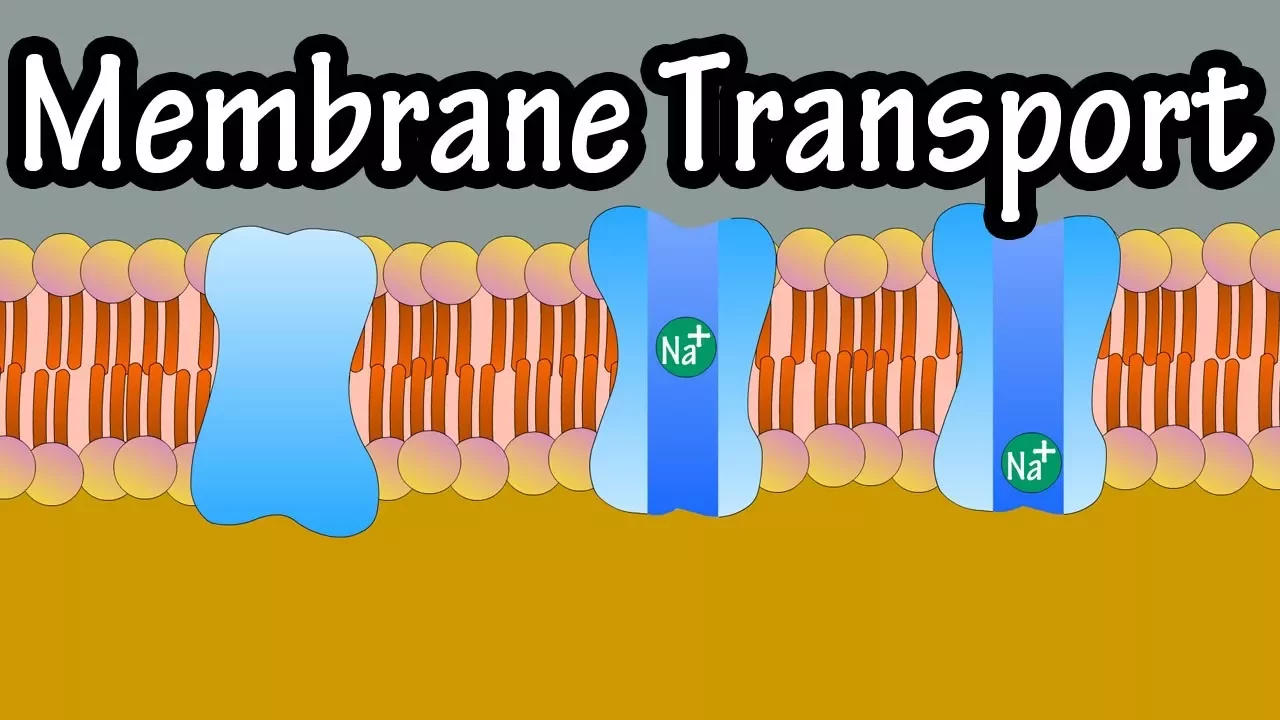
Cell Membrane Transport - Transport Across A Membrane - How Do Things Move Across A Cell Membrane
1.3M
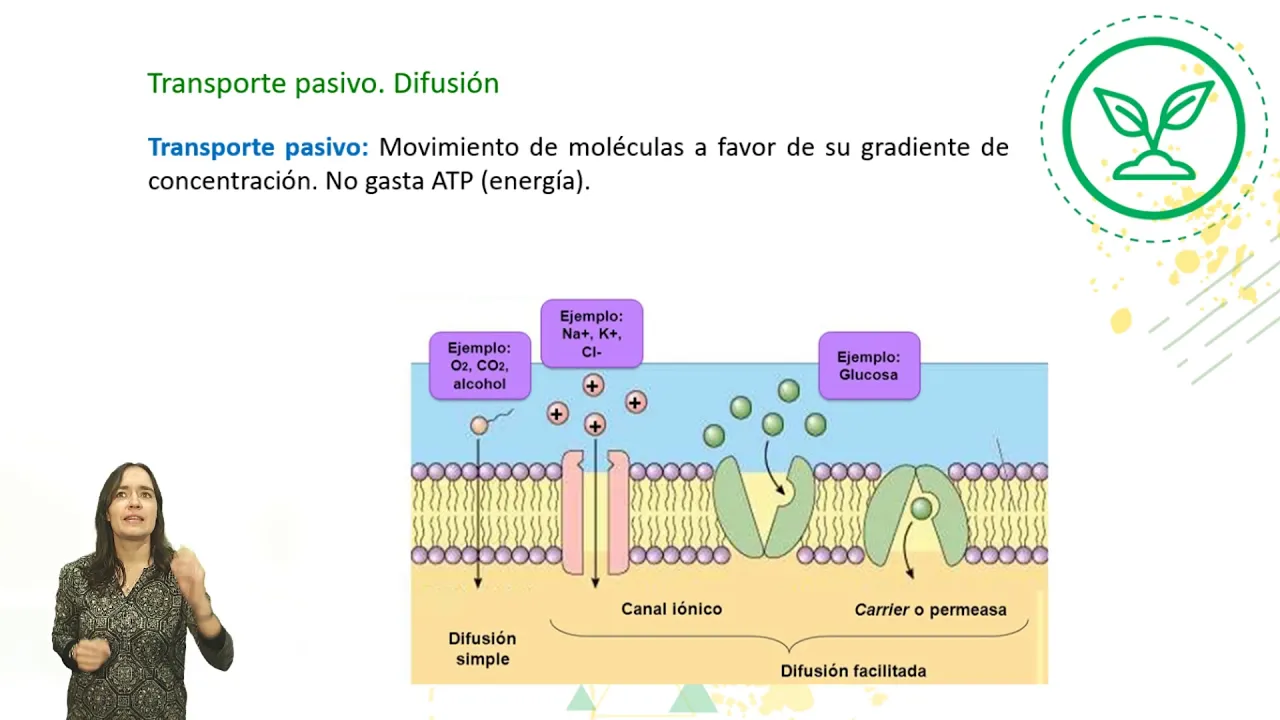
Facilitated diffusion enables charged or polar solutes to cross the membrane via protein assistance. Channel-mediated diffusion uses water-filled channels specific to certain ions, with leak channels remaining open continuously and gated channels opening only in response to stimuli. Carrier-mediated diffusion involves proteins changing shape to transport polar molecules like glucose. Osmosis is the passive water movement through selectively permeable membranes via aquaporins or between phospholipids, driven by water concentration differences. Active transport requires energy, including primary active transport (ion pumps using ATP directly, such as the sodium-potassium pump) and secondary active transport (using energy from another substance's gradient movement).
Click to watch →

La célula (Membrana celular) Estructura y funciones | Bicapa lipídica | Biología (Parte 2).
249.8K
The cell membrane is a thin, elastic, flexible structure (7.5-10 nm thick) primarily composed of proteins and lipids, with cholesterol and carbohydrates. Its primary function is separating the extracellular from intracellular environments through the lipid bilayer. The lipid bilayer consists of two layers of phospholipid molecules, each with a hydrophilic phosphate head and hydrophobic fatty acid tail. The hydrophobic tails attract each other to form the membrane core, while hydrophilic heads face aqueous environments. Membrane permeability depends on substance structure and cholesterol concentration.
Click to watch →
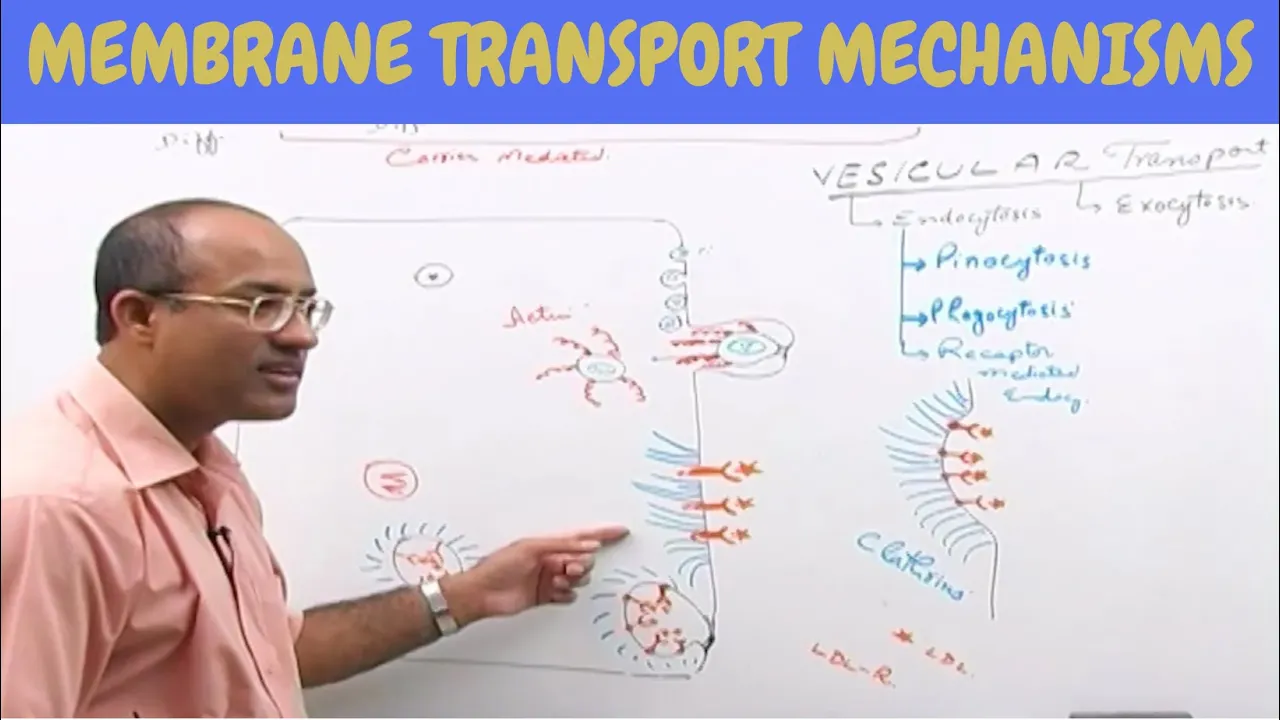
Cell Membrane Transport | Plasma Membrane Transport | Cell Biology🩸
393.7K
Passive transport moves substances from high to low concentration without energy input. Simple diffusion requires lipid solubility and small molecular weight (oxygen, CO2). Facilitated diffusion uses protein carriers for substances that cannot dissolve in lipids: glucose transporters activated by insulin signaling, and ion channels including leak channels (always open), voltage-gated channels (open at specific membrane potentials), and ligand-gated channels (open when bound by neurotransmitters like acetylcholine). Both mechanisms remain passive because substances move downhill along their concentration gradient.
Click to watch →

Cell Biology | Passive & Active Transport | Endocytosis & Exocytosis
1.4M
Membrane transport mechanisms include passive processes (simple diffusion for small non-polar molecules like O2, CO2, steroid hormones, and lipid-soluble drugs moving down concentration gradients without energy, and facilitated diffusion using channels/carriers for charged/large molecules like glucose and ions) and active processes (primary active transport directly using ATP via ATPases like the sodium-potassium pump, and secondary active transport using gradients established by primary transporters for cotransport like sodium-glucose symporters); vesicular transport encompasses endocytosis (pinocytosis, phagocytosis, receptor-mediated endocytosis for LDL uptake) and exocytosis for secreting neurotransmitters, hormones, and other proteins.
Click to watch →
Biología Nivel I - "Intercambio célula ambiente" - Clase N°2
31.7K
The cell membrane is the structure delimiting all cells, organized according to the fluid mosaic model (Singer and Nicholson, 1972). Its main components are: phospholipids forming the bilayer matrix, proteins (integral and peripheral) forming channels and receptors, cholesterol (in animal cells) providing rigidity, and glycans on the external surface for cell recognition. The membrane is a lipoprotein structure that is fluid and selectively permeable. Its functions include controlling substance passage, maintaining chemical differences between cell interior and extracellular fluid (essential for nerve impulse transmission), and regulating internal cellular content. Cellular transport is classified into passive transport (along concentration gradient, no energy) and active transport (against gradient, requires ATP). Passive transport includes diffusion (simple through lipid bilayer for small lipophilic substances like O2, CO2, alcohol; facilitated through proteins for ions and glucose) and osmosis (water movement). Solutions are classified relative to cell interior: hypotonic (lower solute outside), isotonic (equal), hypertonic (higher solute outside). Active transport uses carrier proteins (pumps like sodium-potassium pump moving 3 Na+ out and 2 K+ in per ATP) and bulk transport via vesicles. Endocytosis brings materials in: phagocytosis (cell eating) engulfs solid particles like bacteria; pinocytosis (cell drinking) takes in dissolved substances. Exocytosis expels materials like waste or secretory products (insulin).
Click to watch →
Prerequisite Knowledge
- Concept 01Fundamentals of food microbiology, including the environmental factors that promote or inhibit microbial growth (such as pH, water activity, and temperature).
- Concept 02Basic chemical concepts, specifically the behavior of organic acids, salt dissociation, and pH scales in aqueous solutions.
- Concept 03The primary mechanisms of food spoilage, distinguishing between microbial contamination, enzymatic browning, and lipid oxidation.
- Concept 04Basic cell biology, focusing on the structure and function of microbial cell membranes and how substances transport across them.
Subsequent Learning
- Step 01Hurdle Technology: The practice of combining multiple preservation methods (e.g., thermal processing, pH control, and preservatives) to synergistically secure food safety.
- Step 02The regulatory science and safety assessment of food additives, including how organizations like the FDA establish Acceptable Daily Intake (ADI) levels.
- Step 03Natural food preservation alternatives, including the study of plant-derived essential oils, bacteriocins, and biopreservation using lactic acid bacteria.
- Step 04The biochemical mechanisms of specific chemical classes, such as how sulfites inhibit enzymatic browning or how nitrites prevent Clostridium botulinum growth.
Preservative Basics
Usage & Factors
Preservative Types
Preservative Basics
0:03Playing Section
- 1
Defines food preservatives as agents inhibiting spoilage processes.
- 2
Outlines selection criteria: flavor neutrality, solubility, wide pH range.
- 3
Explains action mechanism: disrupting microbial membranes and enzymes.
The Clean Label Movement and Natural Biopreservation
While chemical food preservation is highly effective at extending shelf life and preventing spoilage, it faces significant opposition from the 'Clean Label' movement and modern nutritional science. Critics raise concerns about the potential long-term health impacts of synthetic additives, including gut microbiome disruption, allergic sensitivities, and links to chronic inflammatory conditions. This opposition has driven research and industry adoption toward natural biopreservation—which utilizes beneficial microorganisms (such as lactic acid bacteria), bacteriocins, and plant-derived antimicrobial agents (like essential oils). Additionally, advanced physical preservation technologies like High-Pressure Processing (HPP) and pulsed electric fields offer chemical-free methods to achieve food safety and shelf-life extension, challenging the reliance on synthetic chemical preservatives.
Deep Dive
Hurdle Technology: The practice of combining multiple preservation methods (e.g., thermal processing, pH control, and preservatives) to synergistically secure food safety.
Hurdle Technology
14.4K
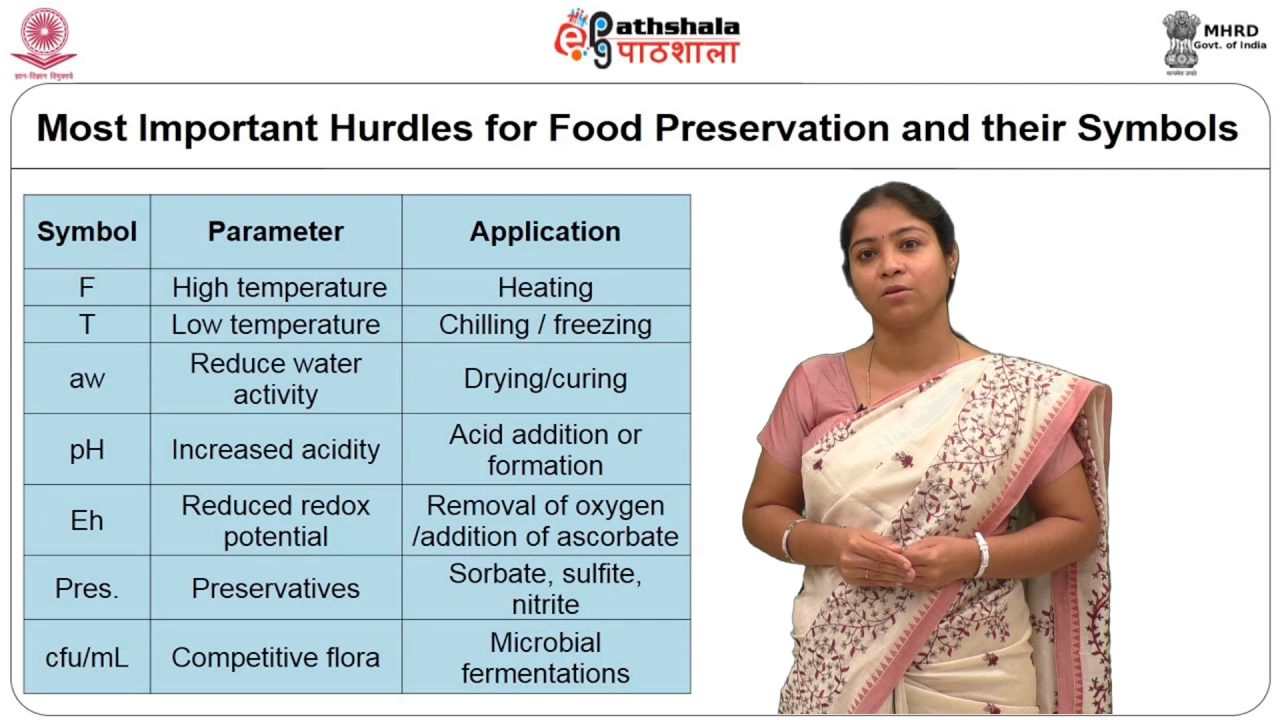
Hurdle technology is a food preservation technique that combines two or more preservation factors (called hurdles) such as high/low temperature, water activity, pH, redox potential, preservatives, and competitive microorganisms to create a synergistic effect that inactivates pathogens and extends shelf life while maintaining sensory and nutritional quality; this approach is based on three principles—homeostasis disturbance, metabolic exhaustion, and stress reactions—that collectively prevent microbial growth more effectively than single preservation methods.
Click to watch →

Hurdle Technology in Food Processing
33.6K
Hurdle technology is a food preservation approach that combines two or more preservation techniques (such as pH control, temperature, water activity, preservatives, and packaging) to create multiple barriers that microorganisms cannot overcome simultaneously, thereby preventing spoilage while maintaining food quality; this proactive method works through principles of homeostasis disruption, metabolic exhaustion, and multi-target preservation to meet consumer demand for minimally processed, fresh, and natural foods.
Click to watch →

ปลาดุกร้า | แดนกินดอง
27.5K
Traditional fermented fish preservation uses hurdle technology with five barriers: washing to remove contaminants, salt to draw out moisture and kill harmful bacteria, sugar to feed beneficial bacteria that produce acid, sun drying to reduce water activity, and vacuum packaging to remove oxygen. During fermentation, protease enzymes break down fish proteins into peptides and glutamic acid (natural MSG), creating the characteristic umami flavor, while lipase enzymes break down fats into fatty acids and aldehydes that create the characteristic aroma.
Click to watch →

UGC NET Home Science Previous Question Papers #2 | UGC NET Home Science Preparation By Aditi Mam
2.8K
Hurdle technology is a food preservation method that creates multiple barriers (hurdles) to prevent microorganisms from spoiling food. The concept involves combining multiple preservation methods simultaneously: (1) Temperature control through heating, cooling, refrigeration, or freezing, (2) pH control using acidity regulators, (3) Water activity reduction, (4) Redox potential modification, (5) Adding preservatives (natural or artificial like sorbates, nitrites, sulfites, sodium benzoate), (6) Packaging including modified atmospheric packaging and UV irradiation. The goal is to create barriers that microorganisms cannot overcome, ensuring food safety.
Click to watch →
How to Apply Hurdle Technology? Explained
1.9K
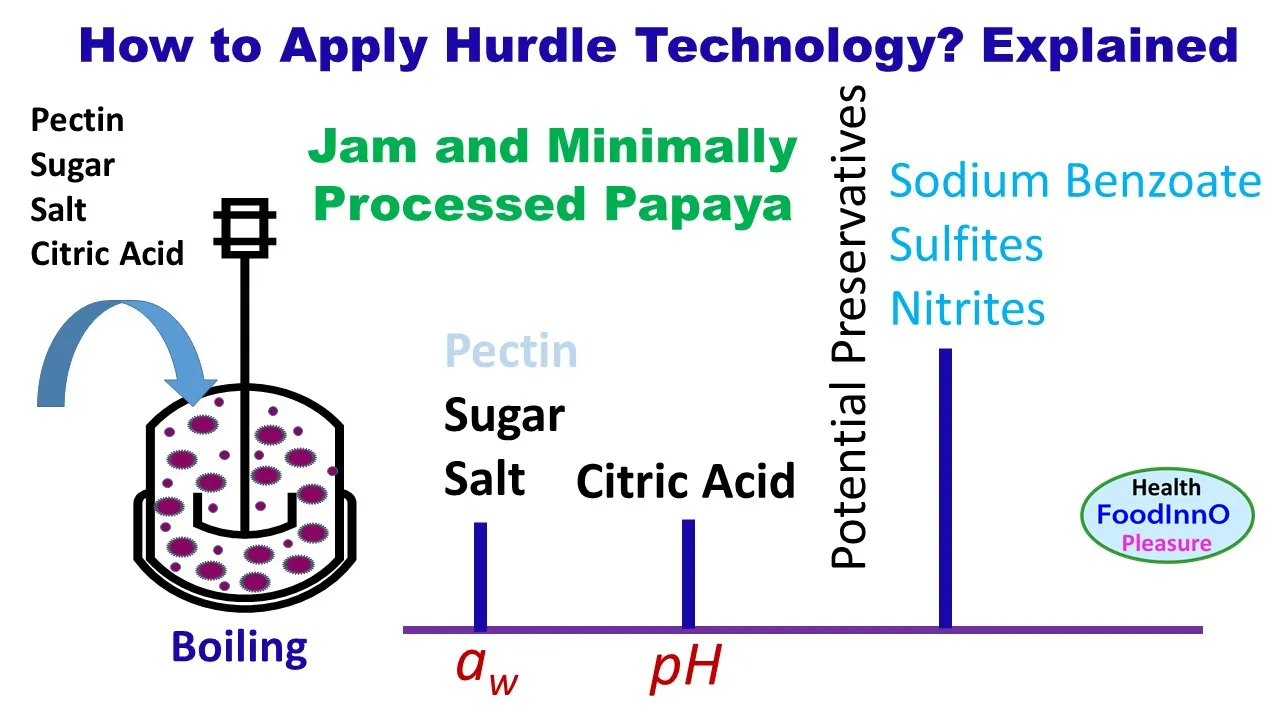
Hurdle technology is a food preservation method that combines multiple mild preservation factors (hurdles) such as water activity reduction, pH control, heat treatment, redox potential management, and storage conditions to inhibit microbial growth and extend shelf life, rather than relying on a single intense preservation method; for example, in jam production, seven hurdles including washing, boiling, sugar/salt addition, citric acid, vacuum sealing, rapid cooling, and controlled storage work together to achieve a shelf life of approximately two years, while minimally processed papaya uses four hurdles (blanching, dipping in preservatives, packaging, and low temperature storage) to achieve 90-day shelf life.
Click to watch →
Deep Dive
The regulatory science and safety assessment of food additives, including how organizations like the FDA establish Acceptable Daily Intake (ADI) levels.

“GRAS” Generally Recognized as Sick! How the Food Supply is Ruining Your Health!
224
Toxicology studies for food additives include acute toxicity (single high doses), subchronic toxicity (repeated exposure in rodent and non-rodent species), chronic toxicity (highest dose producing no adverse effects - NOEL), reproductive/developmental/neurotoxicity studies, and metabolism/pharmacokinetic studies. Human studies are generally not required but may supplement animal data. The FDA's safety review includes data submitted by the petitioner, FDA scientist review, and establishment of an Acceptable Daily Intake (ADI). The ADI is calculated by dividing the NOEL by a safety factor (100-1000) accounting for animal-to-human differences and data uncertainties. The FDA weighs estimated human dietary exposure against the ADI to ensure no reasonable certainty of harm. Examples include caffeine ADI of 400mg/day for adults and lead ADI of 0.005mg/kg body weight/day.
Click to watch →
ILSI Mesoamérica – Programa de capacitación técnico-científico 2025
577
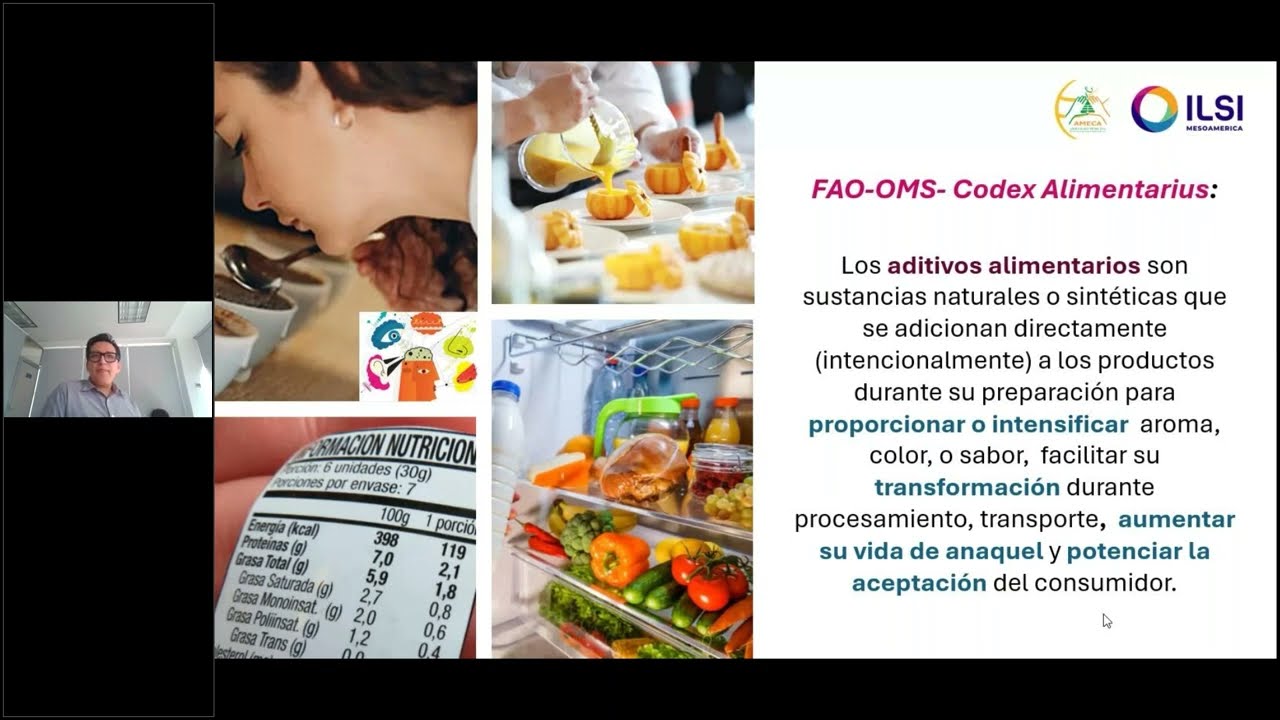
Four main regulatory bodies evaluate food additive safety: FDA studies additives as chemical substances and regulates their use in specific foods with maximum limits; JECFA (FAO/WHO) establishes acceptable daily intakes based on toxicological studies; EFSA provides classification codes for identification and traceability; and Codex Alimentarius provides international standards. The FDA's 1958 law prohibits colorants that cause cancer in animals or humans, but scientific controversy exists because some colorants cause cancer in rats due to rat-specific metabolism that may not extrapolate to humans. Only nitrites converted to nitrosamines are definitively identified as causing cancer in humans. The Codex Alimentarius provides guidelines for additive measurement including Acceptable Daily Intake (ADI) in mg/kg body weight, maximum use levels in mg/kg of food matrix, and Good Manufacturing Practices (GMP) for additives without specified doses.
Click to watch →
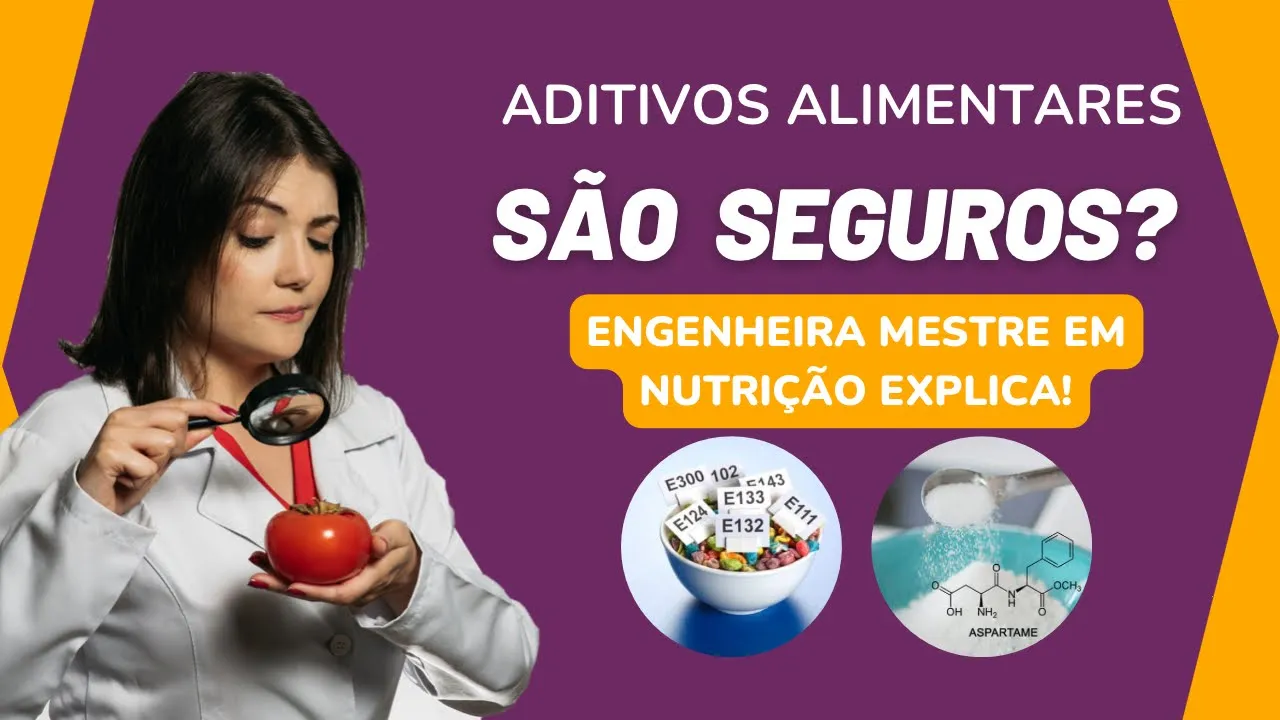
Aditivos nos alimentos, são seguros?
202
Food additive safety is determined through scientific testing where researchers conduct long-term animal studies to identify the No Observed Effect Level (NOEL), then apply safety factors (dividing by 10 for animal-to-human extrapolation and another 10 for human population variations) to calculate the Acceptable Daily Intake (ADI), ensuring additives are safe for daily consumption; for example, phosphoric acid in beverages has a maximum limit of 500mg per liter and an ADI of 70mg per kg body weight per day.
Click to watch →

添加物は問題ナシ? 食の安全性を科学的に判断する【幸せ砂時計サイエンスLIVE 第3回】
201.1K
The ADI concept establishes safe levels for food additives by setting limits at 1/100th of the lethal dose. This accounts for individual variations in metabolism, including differences between adults and children, and between healthy individuals and those with compromised health. The implementation of ADI standards has actually reduced food-related deaths from approximately 1,000 to under 100 per year, demonstrating the effectiveness of this approach.
Click to watch →

Nach diesem Video siehst du Süßstoff mit ganz anderen Augen!
24.8K
The Acceptable Daily Intake (ADI) is a safety factor established by expert bodies like EFSA and WHO, indicating how much of a substance a person could consume daily for a lifetime without expected health risk, expressed in mg/kg body weight/day. The ADI is determined by identifying the highest dose in animal studies showing no harmful effects, then dividing by a safety factor of 100 to account for differences between animals and humans and individual sensitivities. ADI values: aspartame 40 mg/kg, acesulfame K 9 mg/kg, saccharin 9 mg/kg, cyclamate 7 mg/kg, sucralose 15 mg/kg, steviol glycosides 4 mg/kg, neotame 2 mg/kg. For a 70 kg adult, aspartame's ADI of 40 mg/kg means approximately 2800 mg per day could be consumed safely for a lifetime. A typical 330ml can of Diet Coke contains about 80-85 mg aspartame and 50 mg acesulfame K, meaning one would need to consume about 33 cans daily to reach the ADI limit.
Click to watch →
Deep Dive
Natural food preservation alternatives, including the study of plant-derived essential oils, bacteriocins, and biopreservation using lactic acid bacteria.
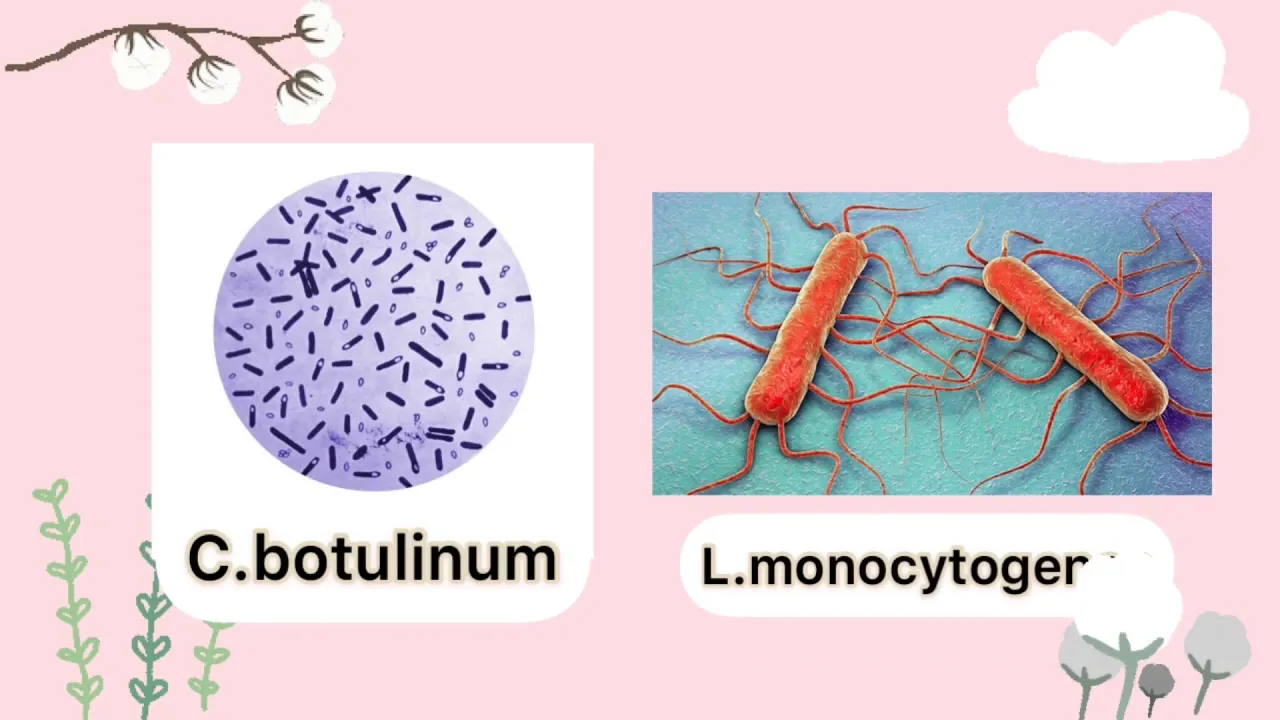
MIC500- ROLE OF BIOPRESERVATION IN IMPROVING FOOD SAFETY AND STORAGE
545
Bio-preservation extends food storage life and enhances safety using natural microbiota and antimicrobial compounds. Key antimicrobials include organic acids, bacteriocins, acetyldehyde, enzymes, CO2, and H2O2. Bacteriocins are proteinaceous peptides produced by bacteria with antimicrobial action against related species. Unlike therapeutic antibiotics, they are ribosomally synthesized and rapidly digested in the gut. Lactic acid bacteria produce multiple bacteriocins regulated by signal transduction systems. Effective bacteriocins possess favorable properties: thermal resistance, broad-spectrum activity against both gram-positive and gram-negative bacteria, non-toxicity, and activation by gastrointestinal enzymes.
Click to watch →
20 BIOL 8470 Module 5 Chapter 41
149
Natural antimicrobial substances include coumarines in fruits/vegetables, lysozyme in eggs (breaks bacterial cell walls), aldehydes/phenolics in cinnamon/mustard, allicin in garlic, eugenol in cloves, and polyphenols in tea. Bacteriocins are bactericidal proteins produced by competing bacteria: nisin from Lactococcus lactis disrupts membranes, and they inhibit Clostridium botulinum in low-acid canned foods. Bacteriophages (viruses that kill bacteria) are sprayed onto ready-to-eat meats to kill Listeria monocytogenes. These biological approaches offer alternatives to chemical preservatives with potentially fewer health concerns.
Click to watch →

الدكتور محمد فائد || خميرة الخبز الحامضة الطبيعية أو الخميرة البلدية وأهميتها للقولون
108.9K
Natural yeast contains multiple species of lactic acid bacteria including Lactobacillus plantarum, Lactobacillus brevis, Lactobacillus casei, and Pediococcus. These bacteria produce dextran, giving traditional bread its characteristic stringy texture. Lactobacillus plantarum is particularly important for dough development. The bacteria also produce antimicrobial peptides (bacteriocins) that act as natural antibiotics, eliminating harmful bacteria including Helicobacter pylori. This complex microbial ecosystem distinguishes natural yeast from industrial alternatives.
Click to watch →

Chemical Free agriculture by Siva Shankar | Nela Talli Weekend Special - 22-08-15 | HMTV
39.1K
Natural food preservation can be achieved using lactic acid bacteria, which convert sugars into lactic acid to inhibit harmful microorganisms and extend shelf life without chemical preservatives. The process involves cultivating lactic acid bacteria in a nutrient-rich medium (such as 1 liter of base material mixed with 10 liters of water), then applying the bacterial culture to food items like vegetables and fruits. This method creates an acidic environment that prevents spoilage while maintaining the nutritional value and natural flavor of the preserved food, offering a sustainable alternative to synthetic preservatives in food processing.
Click to watch →

Ask Adam: What's wrong with American bread? Help for picky eater? Russian food boycott? (PODCAST E9)
233.8K
In a good sourdough starter, lactic acid-producing bacteria outcompete bad bacteria and prevent the growth of mold and other harmful fungi because they produce lactic acid. When bread is baked, the bacteria die but the acid remains, which is why sourdough tastes sour and resists molding.
Click to watch →
Deep Dive
The biochemical mechanisms of specific chemical classes, such as how sulfites inhibit enzymatic browning or how nitrites prevent Clostridium botulinum growth.

Browining reactions in food Part II
256
Chemical inhibitors prevent browning through multiple mechanisms. Antioxidants (ascorbic acid, glutathione, cysteine) react with oxygen and intermediate products, breaking chain reactions. Ascorbic acid reduces quinones back to phenolic compounds but may impart unpleasant taste at 0.75% concentration. Sodium chloride generates chlorine dioxide under acidic conditions (pH <5) with pH-dependent inhibition. Chelating agents (citric acid, kojic acid, EDTA) bind copper ions essential for PPO activity; kojic acid at 1-4 mM inhibits PPO and bleaches melanin. Sulfites (SO2) prevent both enzymatic and non-enzymatic browning but may cause tissue softening and toxicity (WHO limit: 0.7 mg/kg body weight). Firming agents (calcium lactate, calcium chloride) strengthen cell walls preventing compartment destruction. Acidification below pH 3 inactivates PPO; ascorbic acid is more effective than isomers.
Click to watch →

𝐆𝐀𝐓𝐄 𝐗𝐋 𝐅𝐨𝐨𝐝 𝐓𝐞𝐜𝐡𝐧𝐨𝐥𝐨𝐠𝐲 | 𝐏𝐘𝐐 𝐏𝐑𝐀𝐂𝐓𝐈𝐂𝐄 𝐒𝟏𝟔 | #𝐏𝐘𝐐 वाली 𝐂𝐥𝐚𝐬𝐬 𝐈 𝐆𝐀𝐓𝐄-𝐁𝐓/𝐗𝐋/𝐄𝐘 𝐈 𝐃𝐁𝐓 𝐁𝐄𝐓 𝐈 𝐈𝐂𝐌𝐑 𝐈
118
Citric acid, EDTA, and ascorbic acid inhibit enzymatic browning in peeled potatoes. Citric acid lowers pH to inhibit polyphenol oxidase. EDTA chelates metal ions (copper) required for enzyme activity. Ascorbic acid reduces quinones back to phenols. Mannitol is not effective against enzymatic browning.
Click to watch →

Jawaban LKS PT Intan Pariwara Biologi kelas 12 Assesmen Akhir Semester 1
4.5K
This section covers the biochemical mechanisms behind fruit and vegetable browning. Polyphenol oxidase (PPO) oxidizes phenols into quinones, which polymerize into melanoidin pigments causing brown coloration. Prevention methods include sulfites (react with quinones) and salt solutions (bind to PPO active sites). The section also explains enzyme structure, including prosthetic groups (non-protein components like metal ions) and cofactors. Non-competitive inhibition occurs when inhibitors bind to allosteric sites, changing enzyme conformation and preventing substrate binding.
Click to watch →
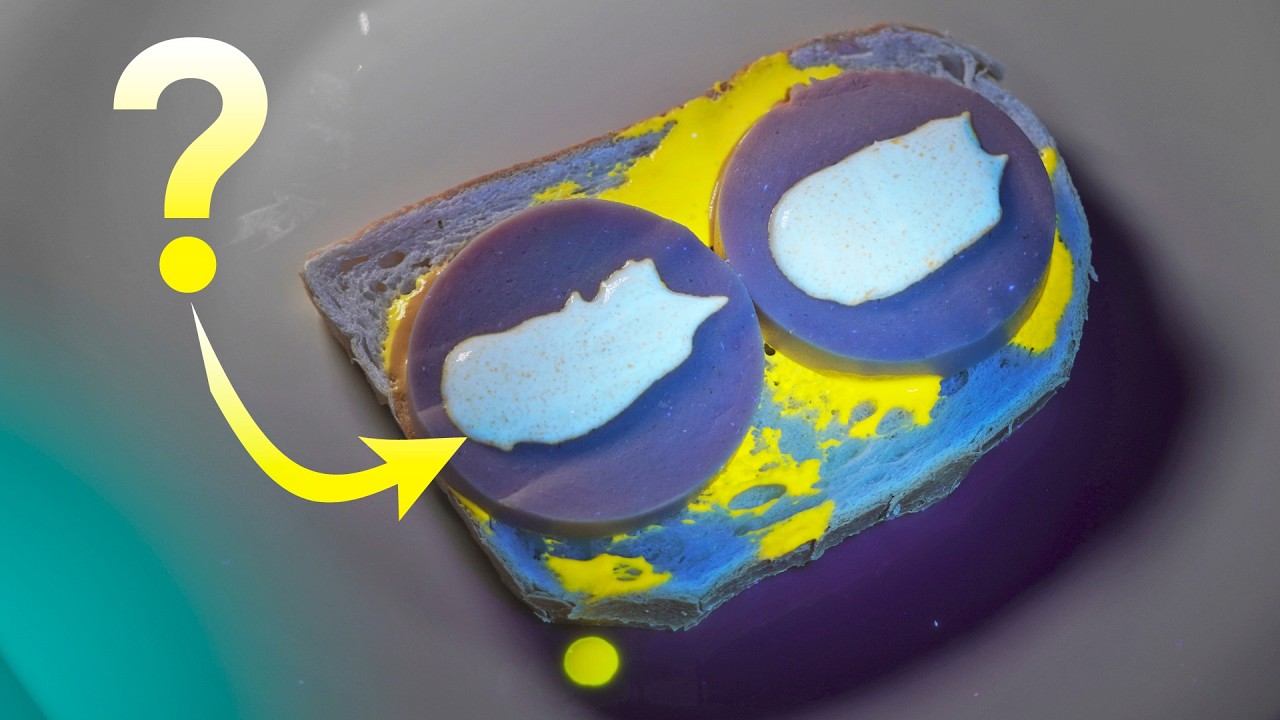
Why No PRESERVATIVES Is a BAD Idea?
105
Sodium nitrite preserves meat products by reacting with myoglobin to create pink color and inhibiting Clostridium botulinum (which causes botulism). Without it, meat spoils 3-4 times faster and appears gray. Final concentration is only 5 mg per 100g. Sulfites (0.05% in wine) release sulfur dioxide that absorbs oxygen and inhibits bacteria. The video demonstrates sulfite decomposition using potassium chlorate catalyst, showing rapid boiling from autocatalysis. Both additives are essential for food safety despite common misconceptions.
Click to watch →
Aditivos alimentares - parte 2
3.8K
Sorbic acid (INS 200-202) has higher pKa than benzoic acid, maintaining greater non-dissociated form at higher pH values. Propionic acid (INS 280-283) specifically targets molds and Bacillus mesentericus, preventing rope infection in bread that can occur at any fermentation stage. Sulfur dioxide and its derivatives have been used since ancient Egyptian and Roman times for wine preservation. The active agent is sulfurous acid formed when SO2 reacts with water. Only one-third of added SO2 becomes active antimicrobial agent, while the rest is lost or combines with food components. SO2 is toxic and can trigger asthma attacks in sensitive individuals. The recommended daily intake limit is 0.07 mg per kg body weight. Countries like the US and Portugal require labeling when SO2 exceeds 10 ppm. Nitrites and nitrates (INS 249-252) are essential in meat curing for fixing pink color and preventing Clostridium botulinum growth through nitric oxide production.
Click to watch →
Preservative Basics
Usage & Factors
Preservative Types
Preservative Basics
0:03- 1
Defines food preservatives as agents inhibiting spoilage processes.
- 2
Outlines selection criteria: flavor neutrality, solubility, wide pH range.
- 3
Explains action mechanism: disrupting microbial membranes and enzymes.
The Clean Label Movement and Natural Biopreservation
While chemical food preservation is highly effective at extending shelf life and preventing spoilage, it faces significant opposition from the 'Clean Label' movement and modern nutritional science. Critics raise concerns about the potential long-term health impacts of synthetic additives, including gut microbiome disruption, allergic sensitivities, and links to chronic inflammatory conditions. This opposition has driven research and industry adoption toward natural biopreservation—which utilizes beneficial microorganisms (such as lactic acid bacteria), bacteriocins, and plant-derived antimicrobial agents (like essential oils). Additionally, advanced physical preservation technologies like High-Pressure Processing (HPP) and pulsed electric fields offer chemical-free methods to achieve food safety and shelf-life extension, challenging the reliance on synthetic chemical preservatives.
Fundamentals of food microbiology, including the environmental factors that promote or inhibit microbial growth (such as pH, water activity, and temperature).
Basic chemical concepts, specifically the behavior of organic acids, salt dissociation, and pH scales in aqueous solutions.
The primary mechanisms of food spoilage, distinguishing between microbial contamination, enzymatic browning, and lipid oxidation.
Basic cell biology, focusing on the structure and function of microbial cell membranes and how substances transport across them.
Hurdle Technology: The practice of combining multiple preservation methods (e.g., thermal processing, pH control, and preservatives) to synergistically secure food safety.
The regulatory science and safety assessment of food additives, including how organizations like the FDA establish Acceptable Daily Intake (ADI) levels.
Natural food preservation alternatives, including the study of plant-derived essential oils, bacteriocins, and biopreservation using lactic acid bacteria.
The biochemical mechanisms of specific chemical classes, such as how sulfites inhibit enzymatic browning or how nitrites prevent Clostridium botulinum growth.
9.1K views96likes4:51@sciencebehindfoodsOriginal Release: 2021-06-16
[Music] [Music] hello everyone welcome to our youtube channel if you are new to here and want to learn about the food processing technology please hit the subscribe followed by the bay today we gonna talk about the chemical preservation of food so let's see what are food preservatives substances which are capable of inhibiting reducing arresting the process of fermentation acidification or other decomposition of food called as food preservatives also a preservative is a chemical or physical agent that extend the storage life of food products by returning or preventing the changes in flavor color order nutritive value texture consistency and the appearance when we select a food preservative we should consider about several factors it must not occur or flavors when used at effective levels also it should traditionally soluble in water or food with material also it should exhibit antimicrobial properties also the preservative action should be within a wide ph range in addition to that it should be economical and easy practical use when we add chemical preservatives into a food it interfere with the cell membranes of microorganisms and disturb their enzyme activity and then genetic mechanism chemical preservatives may also serve as antioxidant stabilizers forming agents and moisture rotations by all these activities microbial growth will return arrest or disturb certain preservatives have been used either accidentally or intentionally for centuries and include sodium chloride sugar acids alcohols and components of smoke in addition to preservation these compounds contributes to the quality and identity of the products and are applied through processing procedures such as salting curing fermentation and smoking the efficiency or reliability of chemicals may be changed due to different factors in educate cleaning of equipment and unexpected growth of microbial population in raw products can reduce the efficiency of chemical preservatives also combining with other methods that mean hardness technology can increase the efficiency of chemical preservatives there are different categories of chemical food preservatives first one is traditional chemical food vegetable chip salt and sugar are the traditional chemical food preservatives we can add bulk salt or sugar into foods and the second one is acidulants benzoic acid soabic acid and lactic acid are some example for acidulants also there are gaseous chemical food preservatives or evening agents such as sulphur dioxide and sulfides and carbon dioxide in addition to that antioxidants such as bhabht propyl gallate vitamin e vitamin c and lecithin can be act as chemical preservatives in food processing technology we will discuss about each and every chemical preservatives in food application in our future videos if you need any clarification please leave a comment if you found this video useful please give a thumb up and subscribe for videos just like this and hope to catch you in next time thanks for watching
Up Next
13:27
Nernst Equation Explained: Calculating Nonstandard Cell Potential
@ChadsPrep
49.8K views•2022-03-27
83:56
Biocatalysis and Catalysis in Islatravir Synthesis | Merck Webinar
@SCIwheresciencemeetsbusiness
675 views•2020-10-08
10:06
1H NMR: Determining Number of Peaks from Structure
@MSJChem
59.2K views•2017-04-06
17:31
Edible Water Bottles: A DIY Guide to Sodium Alginate Spherification
@ryan
10.5M views•2019-06-21
Related Study Plans & Knowledge Roadmaps
Structured learning paths in Chemistry
chemistry
Nuclear Chemistry: Decay, Meds & Fuel Cycle
01Introduction to Nuclear Structure and Radioactivity
02Decay Dynamics and Kinetics
03Radiation Interaction and Detection
+ 2 more learning modules
24h5 modules
Explore Roadmap
chemistry
Supramolecular Chemistry: Forces & Machines
01Foundations of Chemical Bonding and Intermolecular Forces
02Introduction to Host-Guest Chemistry
03Thermodynamics and Dynamics of Self-Assembly
+ 2 more learning modules
16h5 modules
Explore Roadmap
chemistry
Photochemistry: Excited States & Reactions
01Foundations of Light-Matter Interactions
02Molecular Orbitals and Electronic States
03Photophysical Processes and Jablonski Diagrams
+ 2 more learning modules
18h5 modules
Explore Roadmap
chemistry
Coordination Chemistry: Bonding & Properties
01Introduction to Transition Metals and Ligands
02Crystal Field Theory (CFT) and Geometry
03Magnetic Behavior and Spin States
+ 2 more learning modules
14h5 modules
Explore Roadmap