


![Are You In Tune? Or Is Your Guitar In Tune? [They Are Not The Same Thing]](https://i.ytimg.com/vi_webp/W7NOoNyqirc/maxresdefault.webp)
![[기초 음향학]소리의 3요소 2. 소리의 높낮이 : 음정](https://i.ytimg.com/vi_webp/oCGD83dckKQ/maxresdefault.webp)




![Муз.Ликбез - (НЕ)-ТЕМПЕРИРОВАННЫЙ СТРОЙ [Сравнение]](https://i.ytimg.com/vi_webp/aaOZC_PnZ2c/maxresdefault.webp)


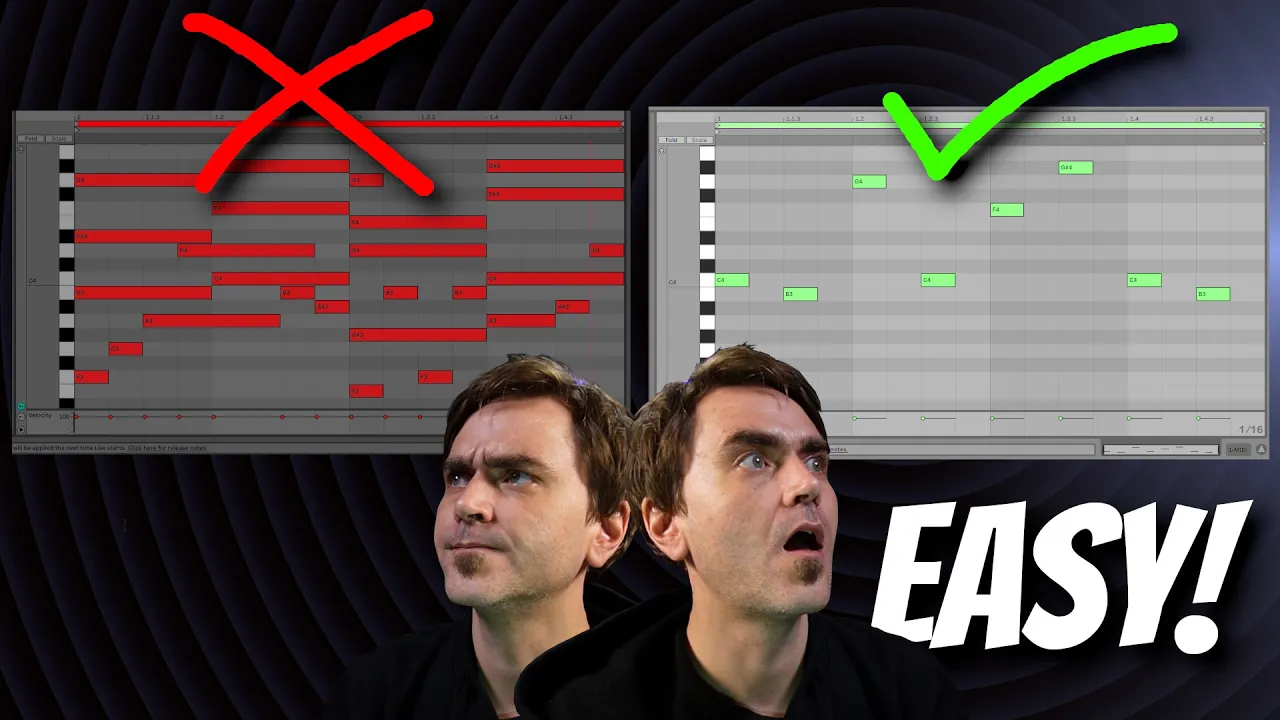

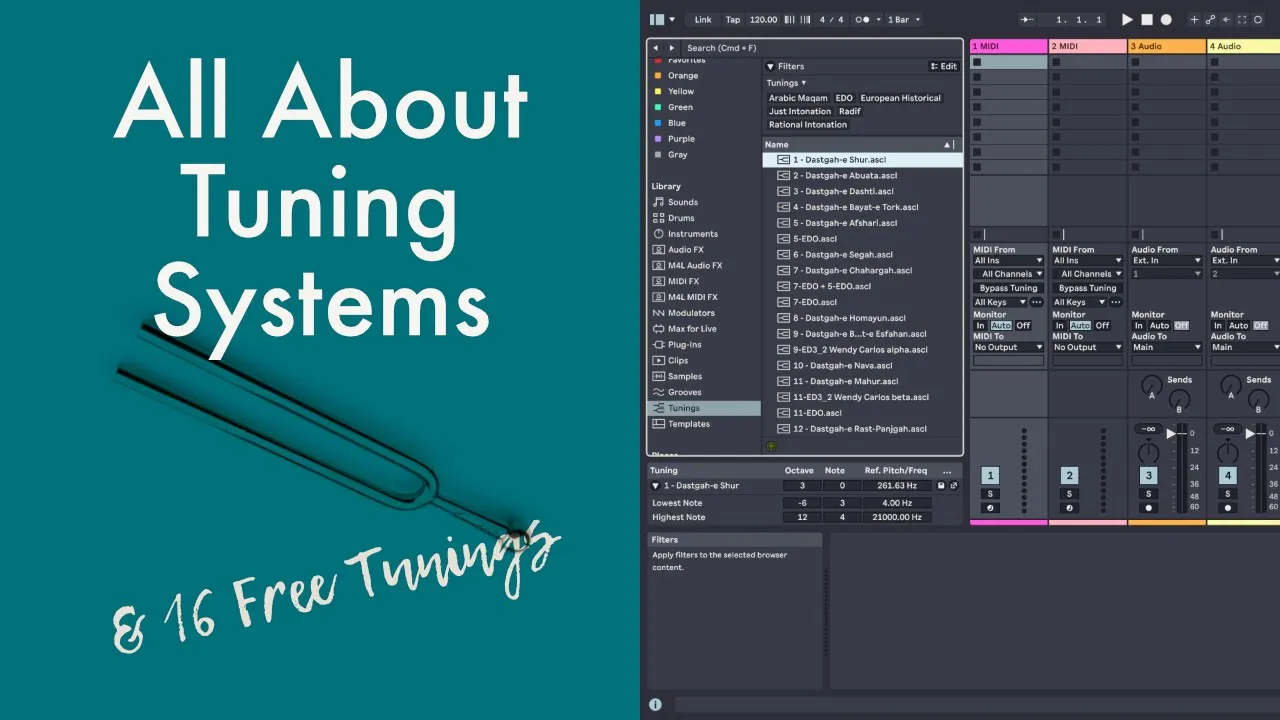
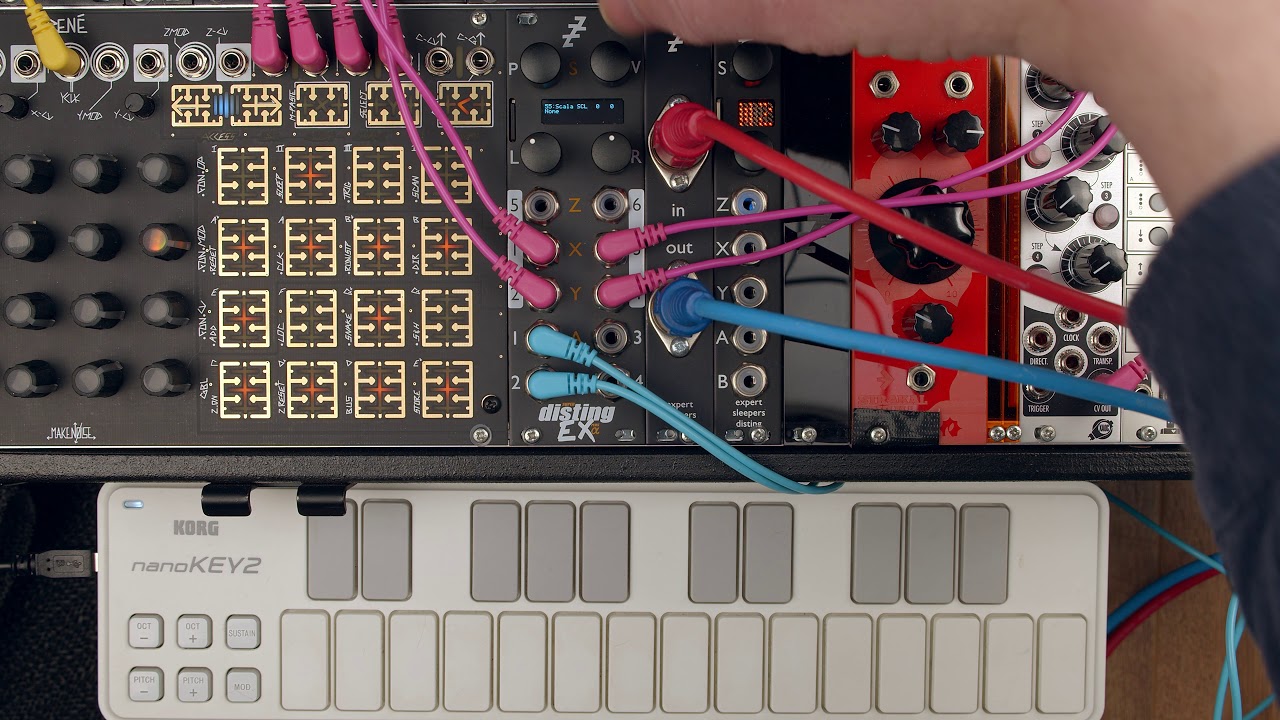
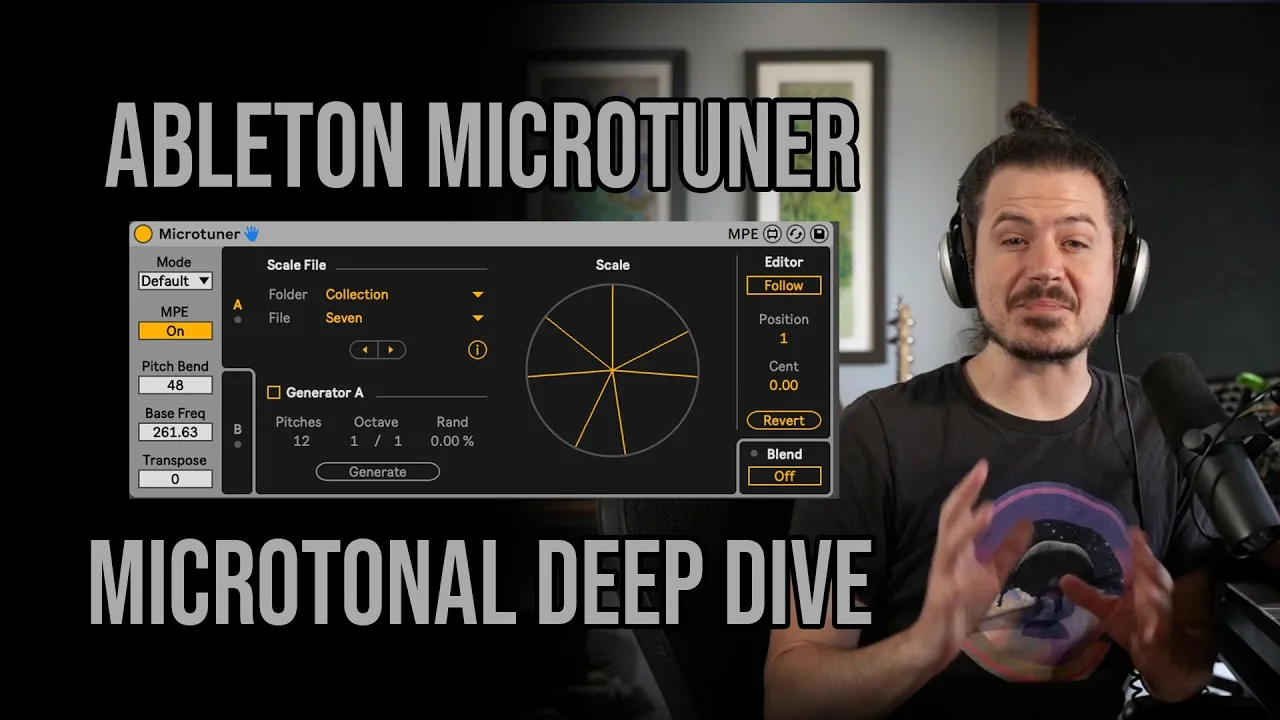
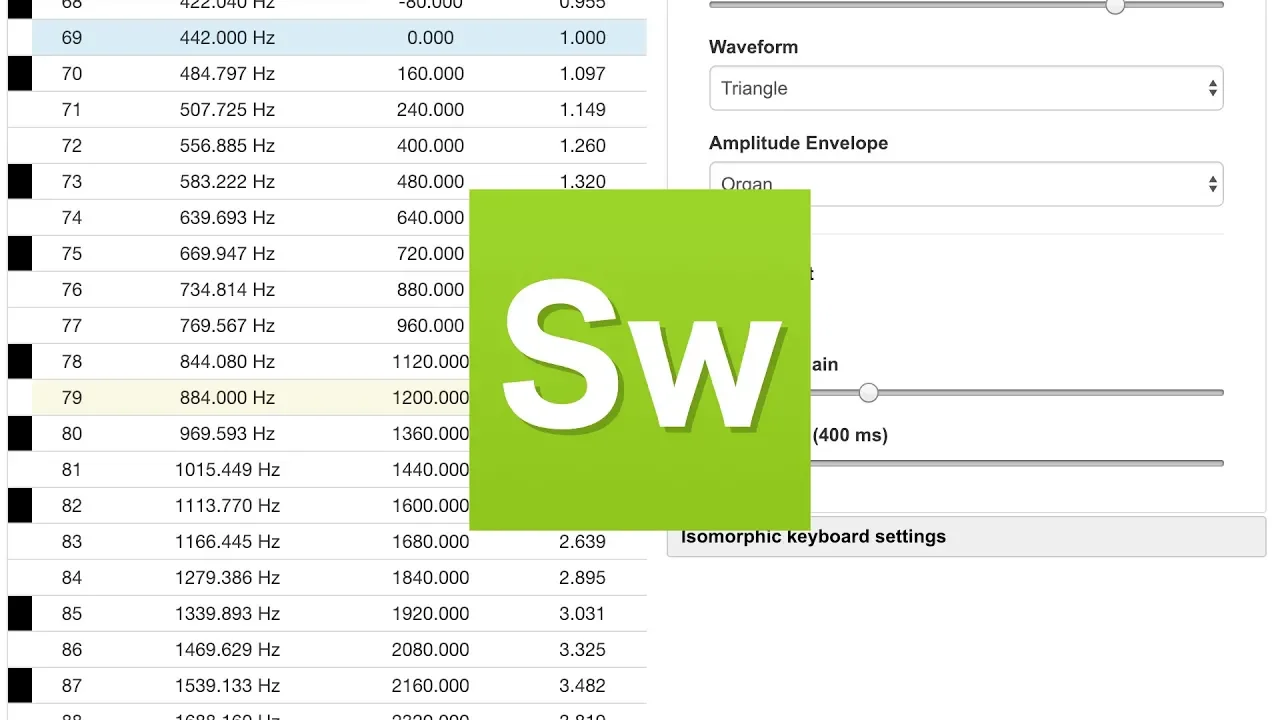
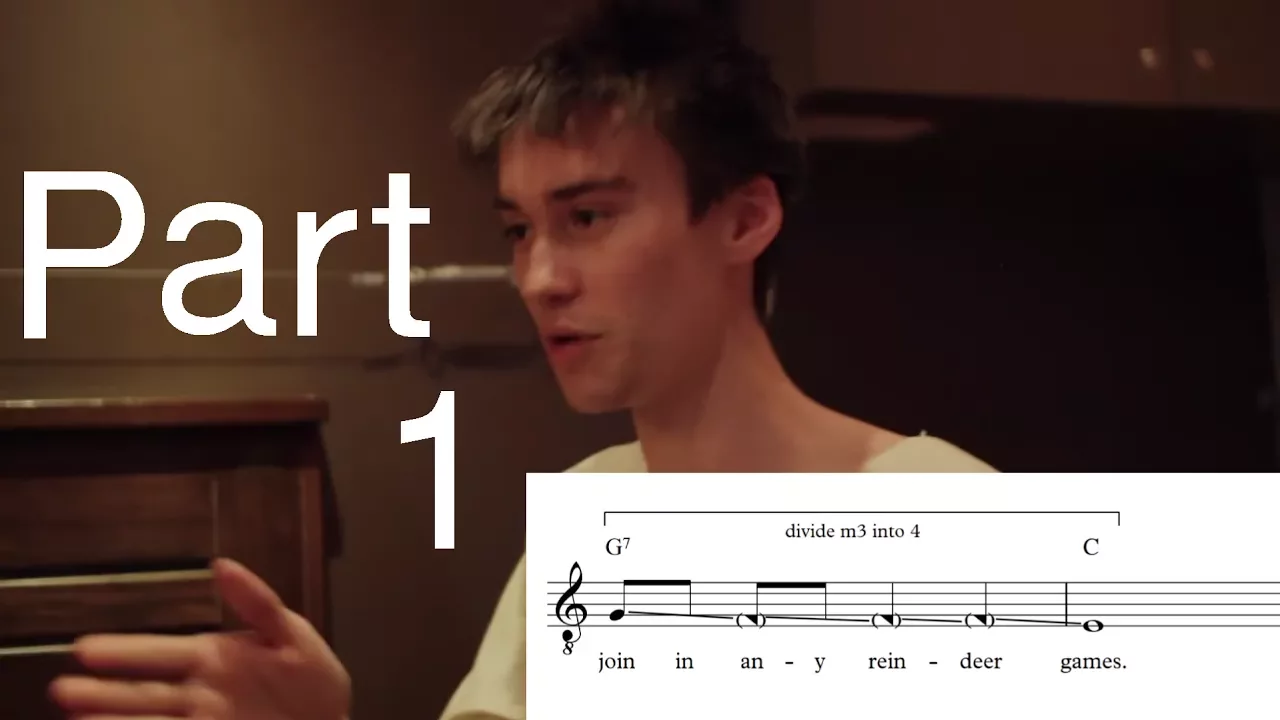


Microtones are small pitch intervals smaller than a semitone that add expressiveness and emotional depth to music, making it more interesting than strictly 12-tone equal temperament; they can be implemented in electronic music production using tools like Bitwig's Micro Pitch device or free plugins like Wilsonic, allowing producers to retune individual notes and create unique tonal colors that evoke specific emotional responses by pulling slightly out of standard tuning.
Microtonal Composition: Exploring Microtunings in Music Theory
Added:Understanding of the standard 12-Tone Equal Temperament (12-TET) system, which serves as the foundation of Western music theory.
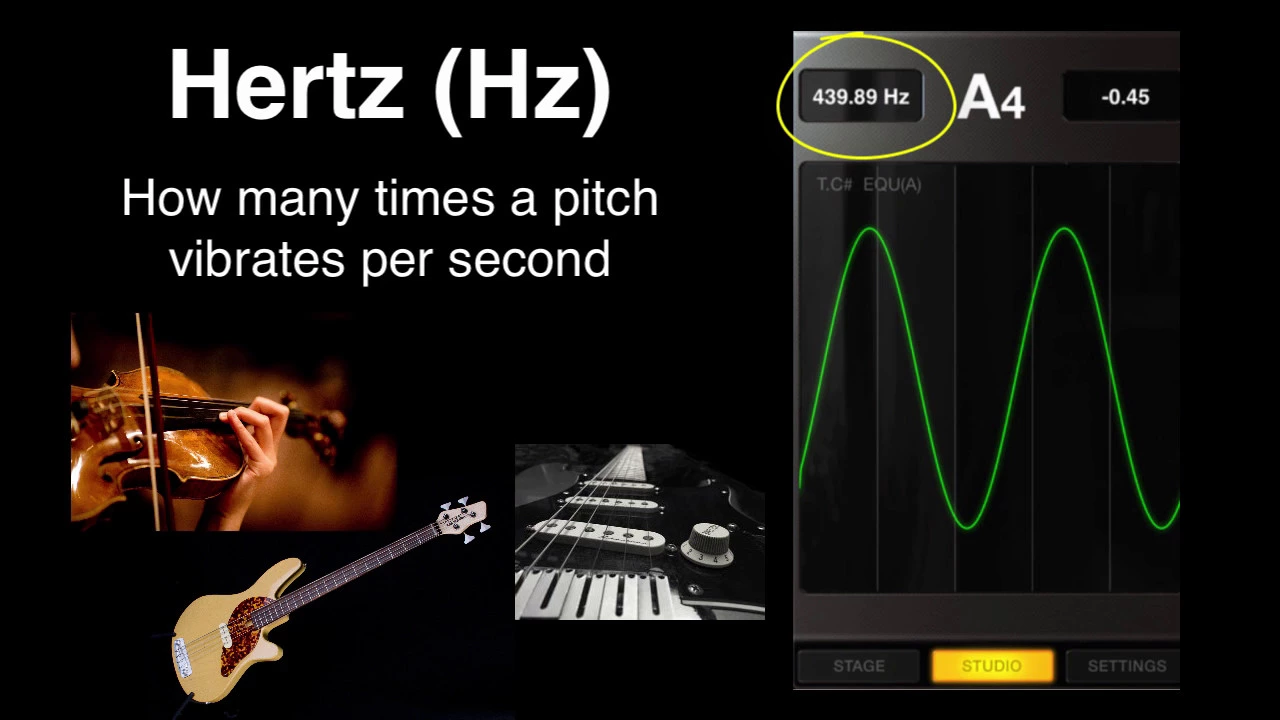
Basic knowledge of acoustics, specifically pitch physics, including frequency (Hertz), octaves, and how intervals are measured in cents.
Familiarity with standard harmonic concepts of consonance and dissonance, and how traditional chord progressions build and release tension.
Basic proficiency in operating a Digital Audio Workstation (DAW) and understanding how to load and route virtual instrument (VST/AU) plugins.
Exploring specific alternative tuning systems such as Just Intonation, Pythagorean tuning, and various Equal Temperaments (e.g., 19-TET, 22-TET, or 31-TET).
Studying non-Western traditional music systems that inherently utilize microtones, such as Turkish Makam, Arabic Maqam, or Indian Classical Ragas.
Mastering scale-design software and format standards like Scala (.scl) and keyboard mapping (.kbm) files to import custom tunings into other software synthesizers.
Developing advanced compositional techniques for microtonal voice-leading, modulation between different microtonal keys, and controlling acoustic beating.
654 views25likes18:33Original Release: 2024-01-04
oh you know I wonder what let's fade into it so I'm going to hold a D major I'm using my quity keyboard so you have to give me a second okay you know I think that sounds better [Music] what's up everybody I'm signal and a longtime subscriber ask about microt tuning they're always interacting with the channel so I couldn't say no I think in order to compose with micr tuning you need to understand microtones and how common and necessary they are I'm going to say necessary microtonality is what's going to make music a little more interesting it's what makes um streen instruments interesting right it's why guitar is fun to play even if you're playing fast without the microtonality it's just a mechanical thing it's sort of like the element that we're missing from electronic music almost that's why people really like midi pitch expression a mod wheel on a midi keyboard is a lot like bending a guitar string except it eliminates one of your hands from the keyboard which kind of sucks but you can also go in two directions unlik a guitar you know it's easier to just show you than it is to explain it so I have a guitar in my lap it's what's hooked up to audio one here just a dry guitar so I could play a minor pentatonic scale right like [Music] this now that structure right here is like um it's like a word on paper all right it's not artic ulated it right I mean I am articulating it as I play it but when you think about it you're not articulating it so you can give it give it some Jive right so [Music] like instead of I'm going right it's that bend I'm not showing you my guitar on purpose I almost did you should just listen so we establish the microt tone we can respond somewhere else so so here's a semmit tone here's the microtone and then we could go like microtone to semitone right whammy bars are really good for this one of my favorite albums is this is a la drive for someone with nothing to think about The Lonesome crowded West is just as good those are modest Mouse's first two albums there there's lots of list going on but with a whammy bar like like microtones so what this is is just basic articulation and expression and it exists relative to what is proper right no one wants to be like 100% proper it's boring so when people go it kind of catches your attention a little bit like here's a ninth it's really fun to bend the nine [Music] so when we get into the composing part of this it's about explaining why that works and it's still about tension and release it's saying like The Listener expects a nine they get like a sharp nine but that sharp nine right is getting close to a minor third so all this becomes incredibly true when we look at other cultures and they have other tunings outside of 12-tone equal temperament and it works just fine and they it's music you know so here you can see how context is relative to the root we establish in music the same thing can be said for music culturally the roots of the culture will establish the music so you get the point we're in key but we're pulling ourselves out of key just enough to pull on the heart strings so here I have pigments and bit weight has what's called micro pitch it's a midi device we can retune midi [Music] notes okay I'm just going a simple E minor to C major progression it's a shell voicing there's no third um I'm going to put in my taus just to make it a little more ambient pretty much okay so I'm an E minor I decided I'm going to write a solo out of let's just go with my seven so that would be the major so I'm going to because I'm an e I'm going to leave that e and I'm going to retune this D slightly towards my major 7th until I kind of like the way it sounds [Music] really see so play the E play the D play the E play the D really doesn't sound bad if anything it kind of warms up a little bit as we move towards the major 7th but as we move away from the major 7th it it's going to sound a little more chill [Music] I like that and that's where that's going to be so I retuned my D you can see how I'm kind of focusing on potential half steps right uh we have this F I'm going to leave that yeah let's reto the F in the same direction you can see how there's a relationship here with the D [Music] right you see that's Out Of Tune but it's really not like and it sounds cool [Music] and then let's retune the four slightly towards the major 3D like that so here's our retune D major right may I mean like I think that sounds [Music] cool I don't have perfect pitch what you like you literally just wait until you feel comfortable or relaxed somewhere in your diaphragm and you just have to trust yourself if you're afraid of yourself this isn't going to work out doesn't seem like Apex Twin came out and said I'm using microtones it more seems like someone came out and was like I can't transcribe this with my piano he's in a different tuning I I this I just wasted a bunch of time but you know I'm just getting these sounds by ignoring the part of me that wants to impress you right and I'm just like that sounds good good to me I like that relative to this and this excuse me I mean this I don't love everything Rick Bato has to say but he does have a head on his shoulders and there is an at the drivein video you should watch I love at the drive-in where he talks about them playing with Out Of Tune guitars and he has the stems and he's like look at this this shit's Out Of Tune and uh yeah if you like the Mars VTA it's just the same guy the same guitarist just before Oh you know I wonder what let's fade into it so I'm going to hold a D major I'm using my city keyboard so you have to give me a second okay you know I think that sounds better now there is a technology that I found out about while researching for this video I actually found a free plugin we're going to use it's called will Sonic uh I need to spell it right but it relies on technology called MTS ESP and I don't remember what that stands for but it's microtonal system something for other you can see I actually put it here on my master and I can do that because pigments communicates directly with wi Sonic arua is one of the developers that have decided to include um MTS ESP compatibility in their plugins if bitwig were to put MTS ESP into their St like into into bitwig I could instead of putting well Sonic here I could take this micro pitch and put it on my master right would that' be [Music] cool I'm over here right pretty we're already in Crazy [Music] territory now it gets super cool here we have diamonds I'm going to link some YouTube tutorials from the Creator named by Marcus Hobbs musician name is Marcus satellite very talented would recommend it he worked for Disney doing 3D animations and this seems like a passion project you know I feel very lucky to be looking at it more than anything else like I a pay anything for this it's cool you know I feel like these scales are going to be better for Melody so I'm going to turn on my arpegiator [Music] [Music] we're making music with sine waves today so take out the b shorten the G um do I even need an e no you know what let's leave the that e yeah take this arpegiator slow it down to like quarter notes [Music] look at all these options for equal temperament I feel like this is a good tool to have open well you also do some Google searches I mean really just listen to the Creator talk about it if anything I'll I mean links I'll include links all over the [Laughter] [Music] place yeah well Sonic is really cool it's so powerful it's like it's just so powerful like it's insane what this thing's doing I feel like there's a territory with these tunings where if you're not listening for it or if there's not like an absurd amount of notes you're not even going to realize this is a microt tuning right like I mentioned earlier people didn't really understand that apet was always using alternate tunings until they try to transpose his music and they're like like I can't do this on my piano I need to retune my [Music] piano like as a musician this is definitely enough to make me ask like what's going on but I don't know if that's true for everyone else it's really obvious when you change it right but what if you didn't just change it in front of someone something else I think is interesting is a lot of these tunings sound a lot more appropriate with sents or you can take them a lot further with since because it's a lot less jarring than using these scales on top of a piano like [Music] watch you can see when we take these tunings off of a synth and put it on a piano it's a little more obvious that something's going on and I think this is because a I was using sine waves B since are like alien and they're not as ingrained in the culture or in in humanity as long as piano so this isn't on let me put in equal temperament right something I might try to get away with right and get away with is really the attitude I have with this is a piano that's in tune and then a syn that is Out Of Tune and I'm using the phrase Out Of Tune but you're it's still in tune with with you okay so when you're making the decisions it's like how I made the decision earlier to tune this micro pitch I made myself happy it's no more complicated than that I mean like I hope that makes sense I'm just going to redirect everyone to Marcus Hobbs because this is more his territory uh very impressive what he's doing again free passion project right in front of us you you have to respect it that's it for to day everyone thank you to Adam for the good idea and don't forget to like comment and subscribe I'll see you later
Up Next

68:26
VCV Rack Patch from Scratch: Scalar Quantizer Tutorial
@OmriCohen-Music
1.3K views•2019-04-09

12:54
Triumph of Orthodoxy Icon: Byzantine Art & History Explained
@BenCallan
2.1K views•2024-08-06

9:49
FastAPI vs Flask vs Django: Choosing the Right Python Web Framework
@TechWithTim
302.5K views•2024-05-26

1:42
Game of Thrones Opening Credits: A Cinematic Analysis
@gameofthrones
46.3M views•2011-04-18
Related Study Plans & Knowledge Roadmaps
Structured learning paths in General & Interdisciplinary Studies
general-studies
Elevator Engineering: History, Physics & Cities
01From Hoists to Safety Brakes: The Dawn of Vertical Lift
02Hydraulic vs. Traction: The Engineering Physics of Elevators
03Modern Speed, Safety, and Algorithms
+ 2 more learning modules
12h5 modules
Explore Roadmap
general-studies
Rubber: Material Science, History & Geopolitics
01Origins of Natural Rubber & Mesoamerican History
02The Chemistry of Natural Rubber & Vulcanization
03The Geopolitics of the Rubber Boom & Colonization
+ 2 more learning modules
12h5 modules
Explore Roadmap
general-studies
Containerization: Evolution, Logistics & Trade
01Ancient Trade & Bulk Cargo: Amphorae to Barrels
02The Industrial Revolution & Cardboard Packaging
03The Containerization Revolution: Malcom McLean
+ 2 more learning modules
12h5 modules
Explore Roadmap
general-studies
Textile Tech: Evolution, Labor & Global Impact
01Pre-Industrial Textiles: Handloom & Cottage Industry
02Mechanization: The Spinning Jenny to the Power Loom
03The Factory System & Global Labor Transformation
+ 2 more learning modules
10h5 modules
Explore Roadmap