






![[특강] 비오-사바르 법칙과 앙페르법칙 1부(미적분,벡터 없음)](https://i.ytimg.com/vi/FjOS2zDGISM/maxresdefault.jpg)


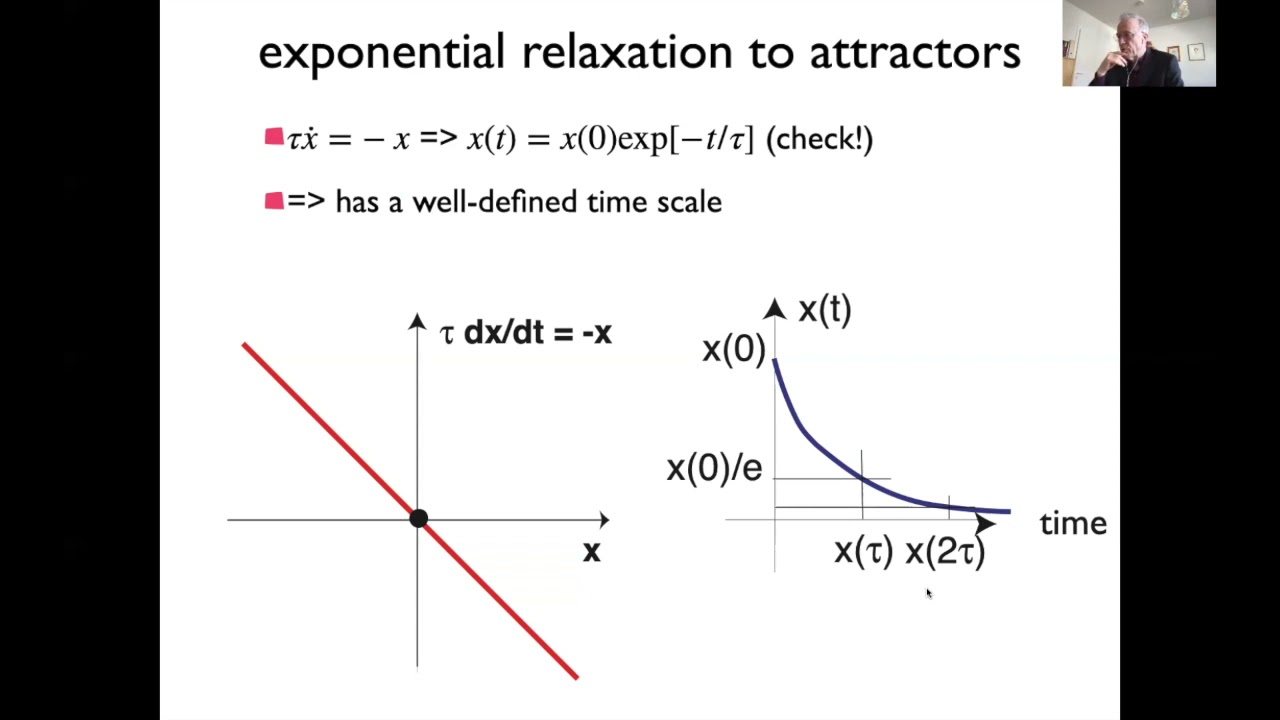



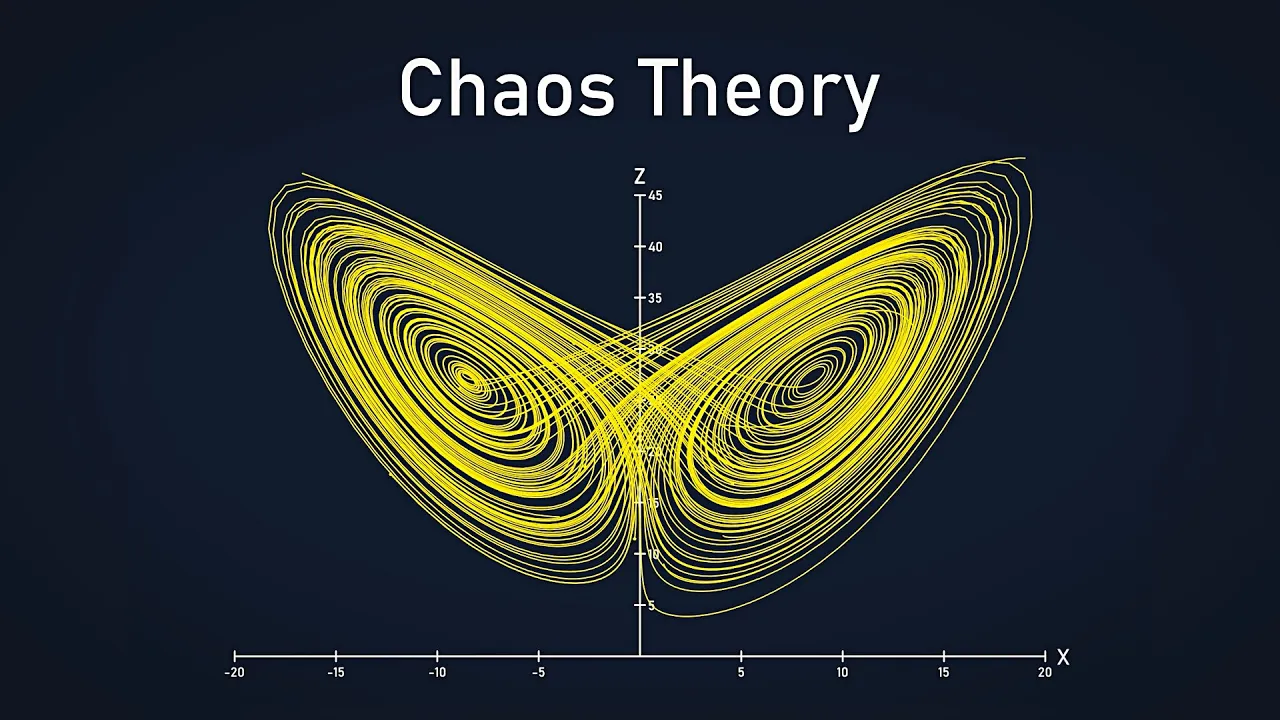
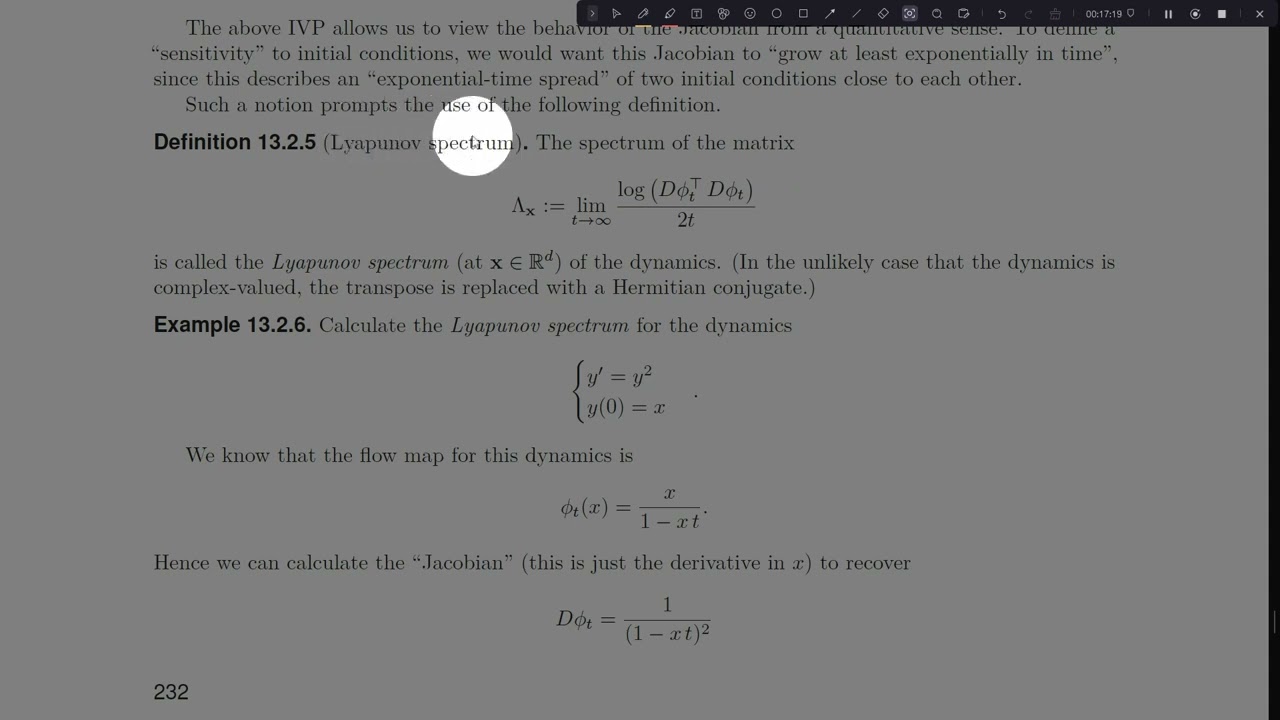





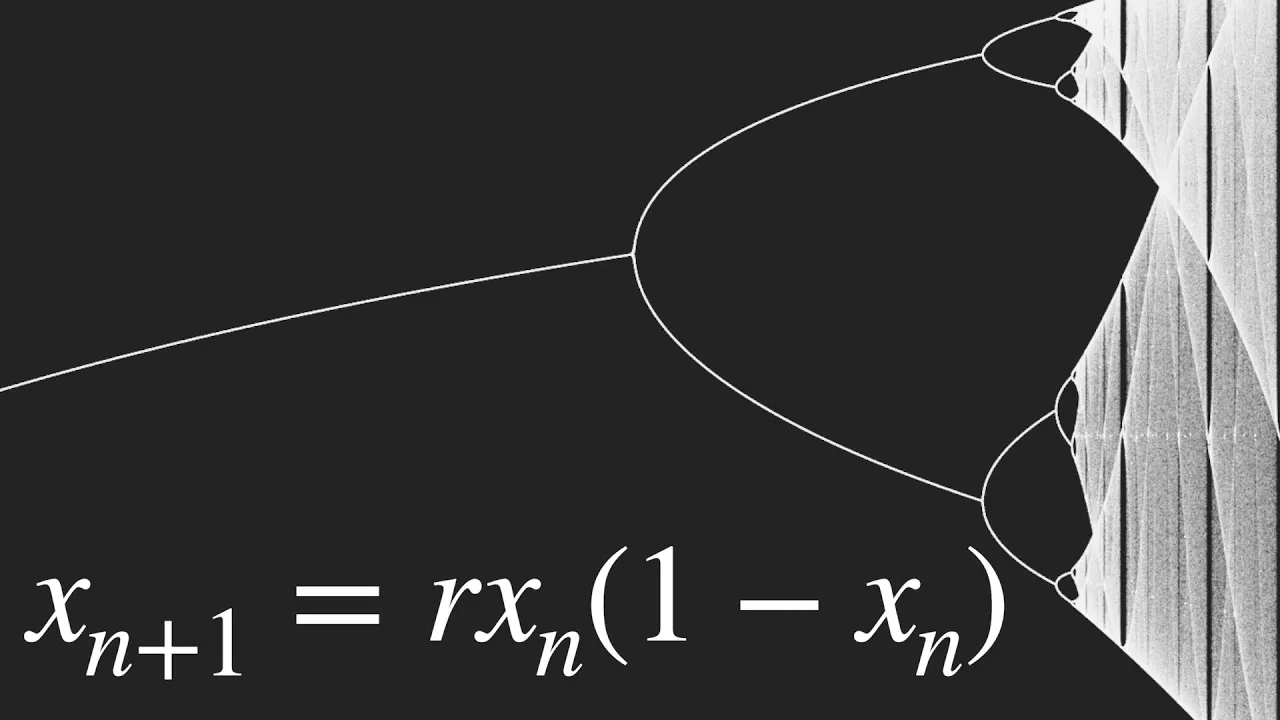
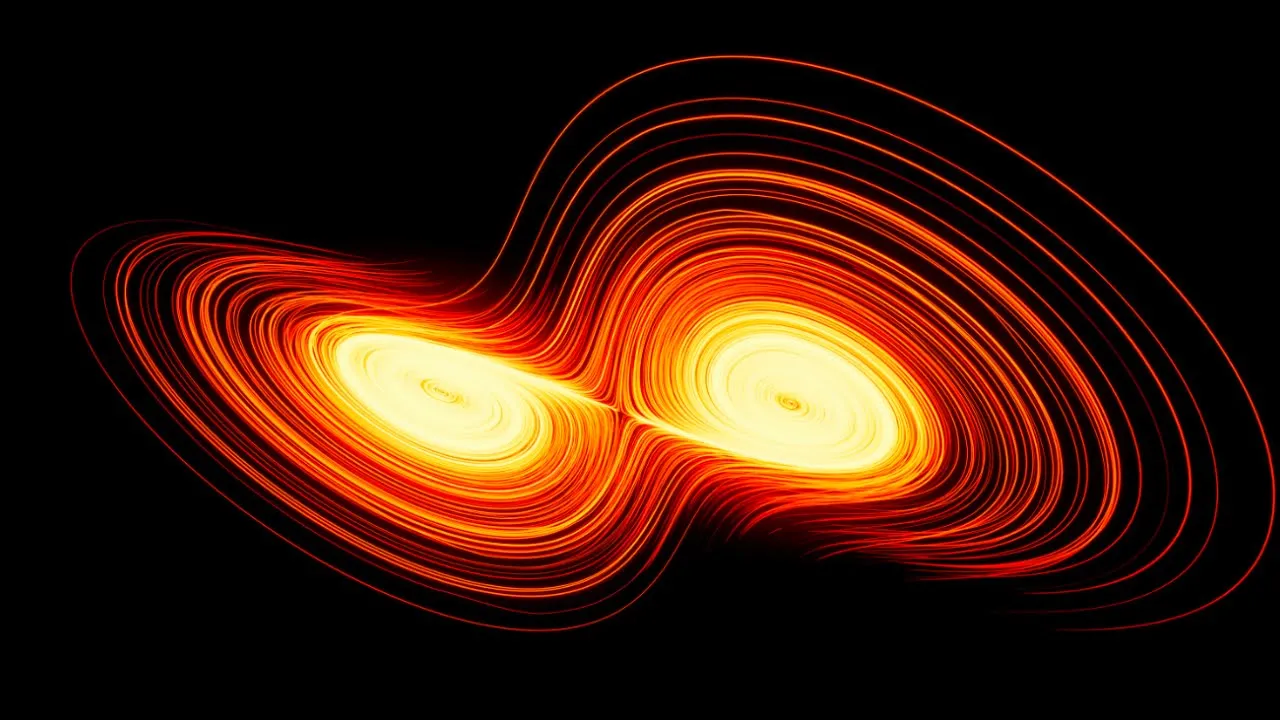


In dynamical systems with multiple attractors, the boundary between basins of attraction exhibits fractal properties, meaning it contains infinitely intricate structures at all scales; while chaotic systems appear random, they actually follow deterministic rules with sensitive dependence on initial conditions, and their complex behavior can be analyzed using mathematical tools like Lyapunov exponents and computer simulations.
Chaos, Fractals, and Physics: Nonlinear Dynamics Explained
Added:Fundamental classical mechanics, specifically the equations of motion, simple harmonic oscillators, and pendulum dynamics.
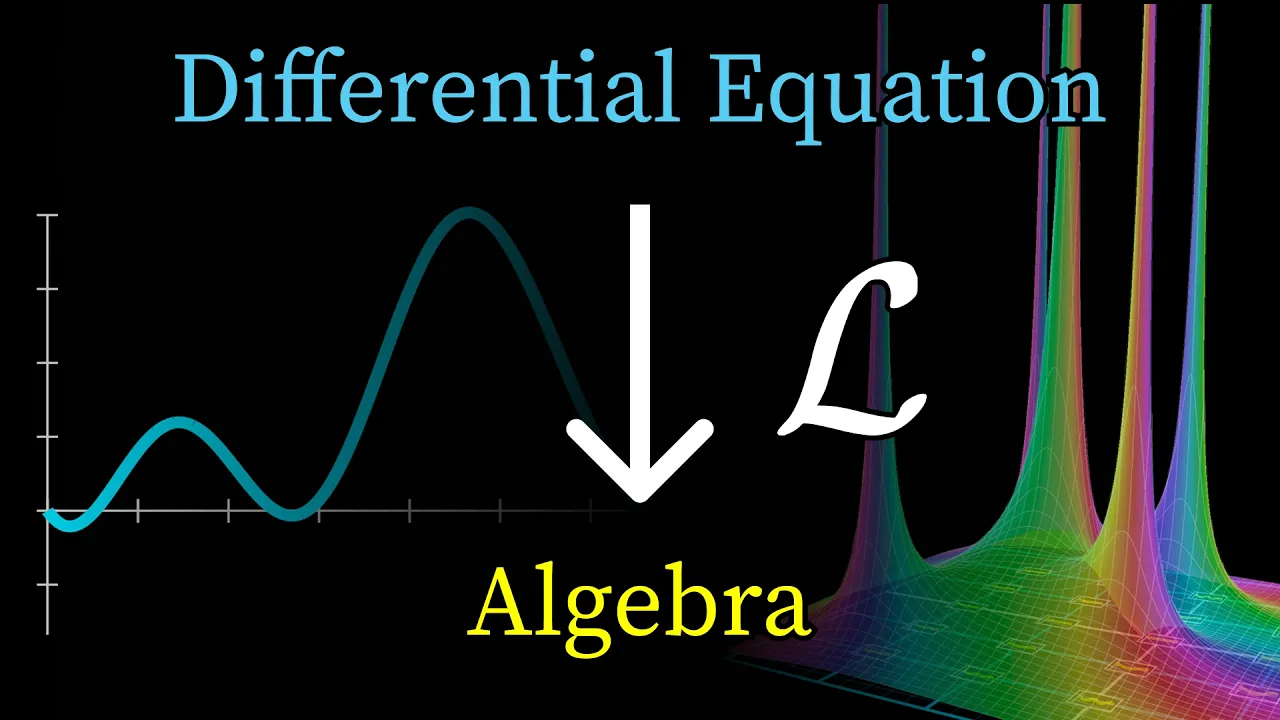
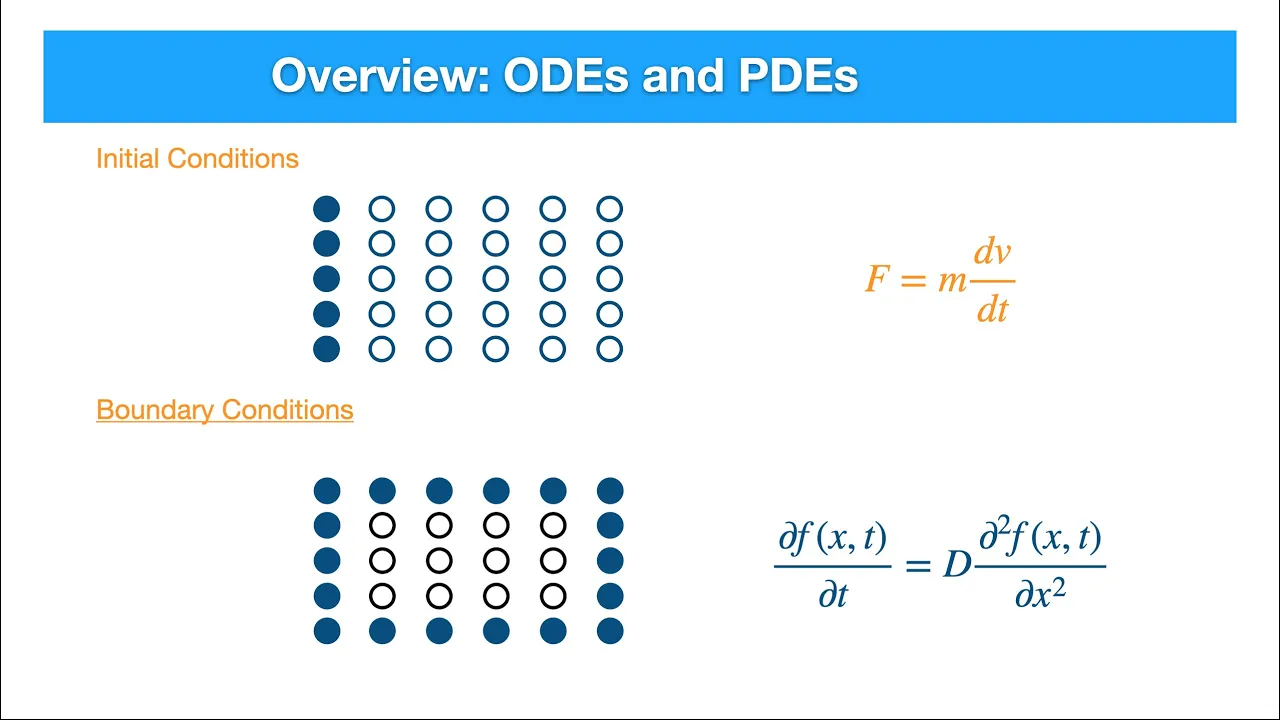
An understanding of ordinary differential equations (ODEs), particularly the mathematical distinction between linear and nonlinear equations.
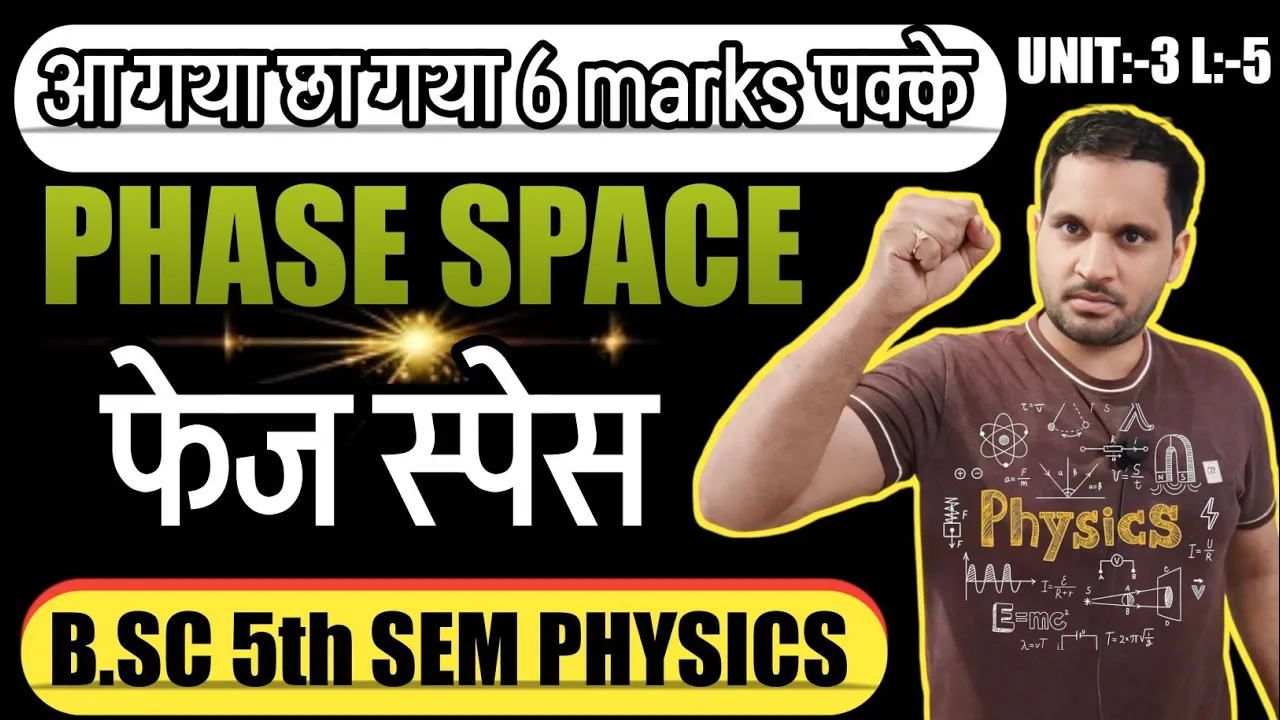
The concept of phase space, including how to plot coordinates of position versus momentum to represent system states.
Basic vector calculus and classical electromagnetism, to understand how magnetic forces behave as non-contact, distance-dependent vectors.
Bifurcation theory, exploring how parameter variations cause sudden qualitative or topological changes in a system's behavior.
Quantitative measures of chaotic behavior, such as calculating Lyapunov exponents to measure sensitivity to initial conditions.
The study of strange attractors (e.g., the Lorenz attractor) and their applications in meteorology and fluid dynamics.
Practical applications of chaos theory in cryptography, chaotic synchronization, and understanding cardiac arrhythmias in biology.
1.1M views68.4Klikes7:07Original Release: 2016-10-10
heckles an iron ball hangs on a thread exposed to the force of gravity and the attraction of three magnets if this pendulum is brought to any starting position and then released it will ultimately come to a stop over one of the magnets but over which one that depends solely on the starting position each magnet will attract any ball that is released in its immediate neighbourhood but each will also attract some balls who starting position is farther away the situation is complex and extremely difficult to grasp within the framework of the experiment here computer simulation can be of help we mark the balls starting point with the color of the magnet over which it comes to rest to obtain a systematic overview we do this for a series of points scattered uniformly over the entire plane the colored squares represent only their central points [Music] it is possible to refine the structure by using a denser grid of sampling points [Music] [Music] or an even denser grid and even denser one still the colors are stirred together into a highly complex structure how should we understand this picture in some areas it is quite clear all balls that have started within a blue area land over the blue magnet [Music] from here the ball lands on the red magnet from here starting from only a slightly different position on the other one and from a position in between on the blue one the magnets seem to compete for the balls down to the smallest detail any prognosis as to the behavior of the balls in this area is nearly hopeless this is chaos pure and unadulterated all of the yellow colored dots taken together form the realm of the yellow magnet known as its basin of Attraction a formation displaying wildly interlacing fibers of arbitrarily small thickness a ball started anywhere inside this area will end up at the yellow magnet the longer the ball needs to come to rest the darker the color of the respective sub area from here it happens very quickly and then more and more slowly the shape of the areas of attraction can change considerably if the experimental conditions are modified for instance the length of the thread or the strength of the magnetic or gravitational force quantities which mathematicians call parameters in this computer simulation it is easy to reduce the gravitational force to that of the moon causing structures to gradually disentangle themselves and to raise it back to that of Earth in any case we observe a peculiar phenomenon wherever any two colors meet there seems to be a narrow strip of the third interposed between them as far as we can verify this property continues on down into the tiniest ramifications can we trust this perception can there really be such an infinitely frayed dividing line
Up Next

5:10
Three-Body Problem Physics: Chaos, Stability, and Orbital Dynamics Explained
@AbhijitChavdaClips
15.9K views•2025-04-18

12:53
21cm Hyperfine Transition in Neutral Hydrogen: Radio Astronomy Basics
@AaronRobertParsons
12.4K views•2011-10-13

32:32
NMR Spin Physics I: Zeeman Effect, Resonance Condition & Larmor Frequency
@nptel-indianinstituteofsci8064
2.3K views•2024-01-17

27:14
Entropy and the Second Law of Thermodynamics Explained
@veritasium
27.5M views•2023-07-01
Related Study Plans & Knowledge Roadmaps
Structured learning paths in Physics
physics
Nuclear Physics (Decay, Fission & Reactors)
01Atomic Structure and the Binding Force
02Radioactive Decay and Half-Life
03Nuclear Fission Mechanics and Chain Reactions
+ 2 more learning modules
12h5 modules
Explore Roadmap
physics
Soft Matter (Polymers, Colloids & Rheology)
01Foundations of Soft Matter & Thermal Forces
02Polymer Physics and Macromolecules
03Colloids, Surfactants, and Self-Assembly
+ 2 more learning modules
38h5 modules
Explore Roadmap
physics
Analytical Mechanics: Lagrangian & Hamiltonian
01Mathematical Foundations: Calculus of Variations
02From Newtonian Mechanics to Constraint Dynamics
03The Principle of Least Action & Lagrangian Mechanics
+ 3 more learning modules
28h6 modules
Explore Roadmap
physics
General Relativity (Spacetime & Cosmology)
01Foundations of Relativity: Special Relativity
02The Geometry of Spacetime: Equivalence Principle & Curvature
03Einstein's Field Equations: The Mathematics of Gravity
+ 2 more learning modules
55h5 modules
Explore Roadmap