





![[ASMR] Holding Your Sick Girlfriend To Sleep [heavy breathing] [Sleep Aid]](https://i.ytimg.com/vi/I1YB7NtuyE0/maxresdefault.jpg)





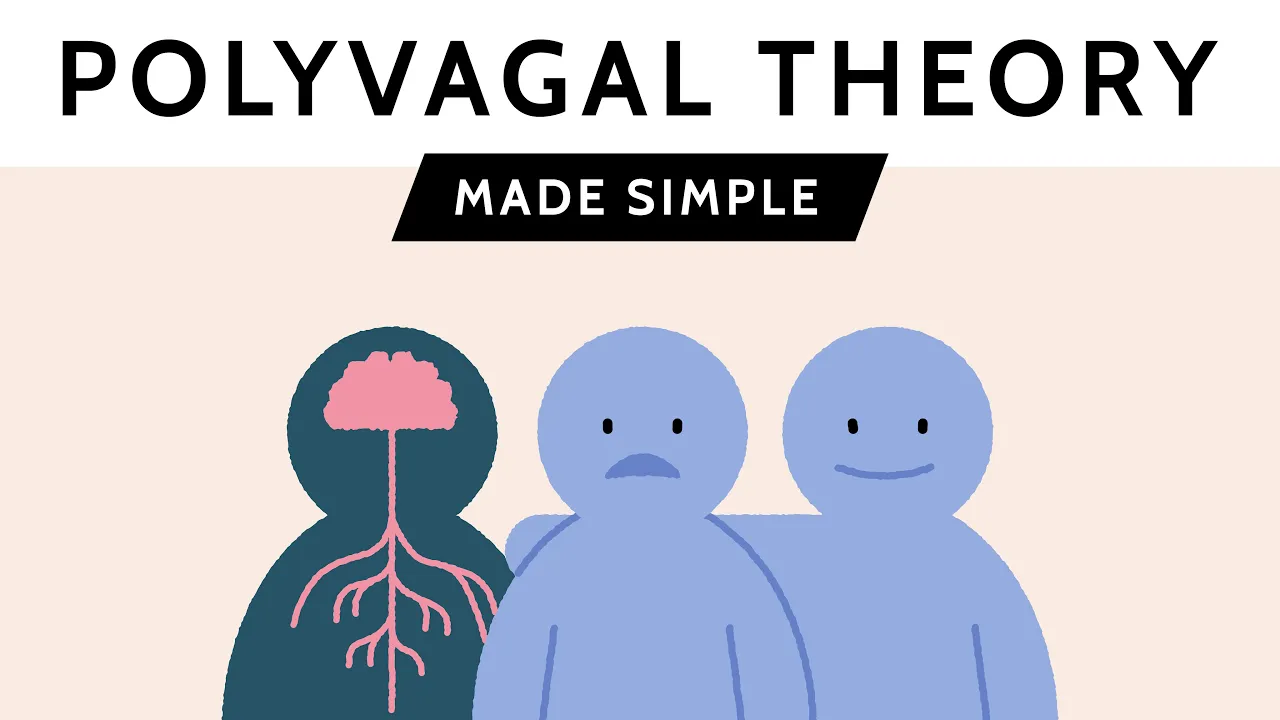








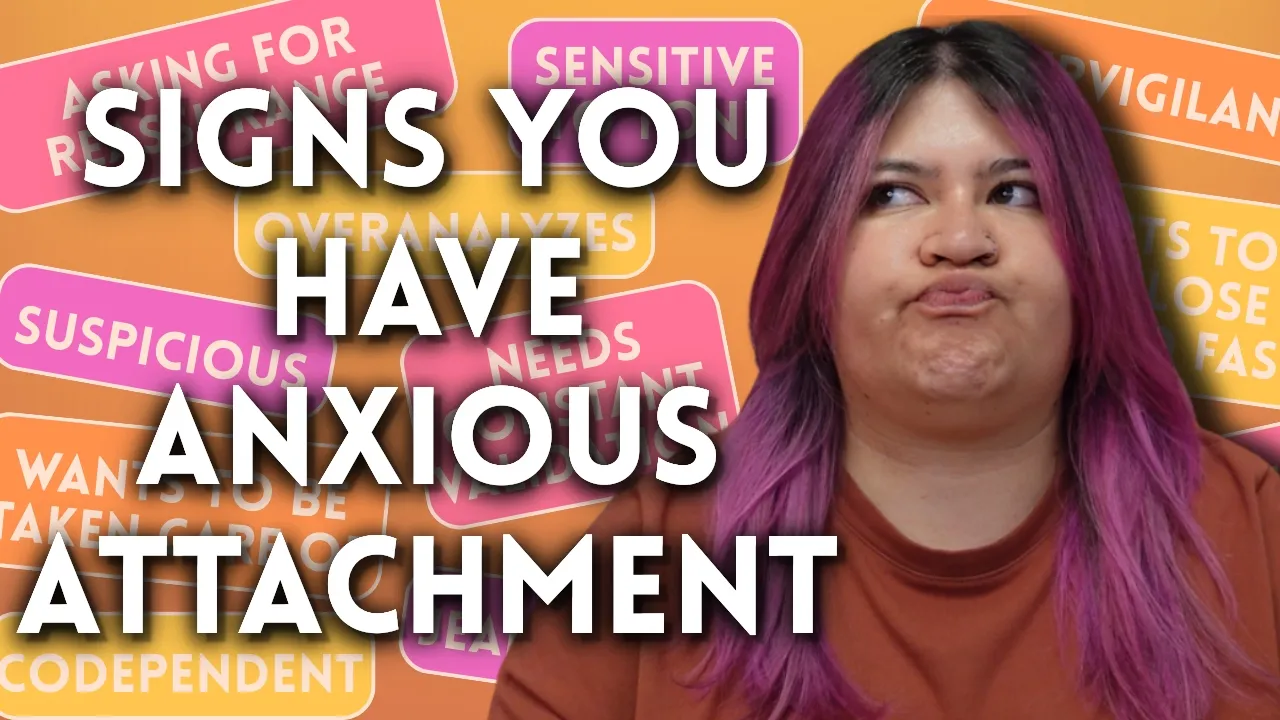
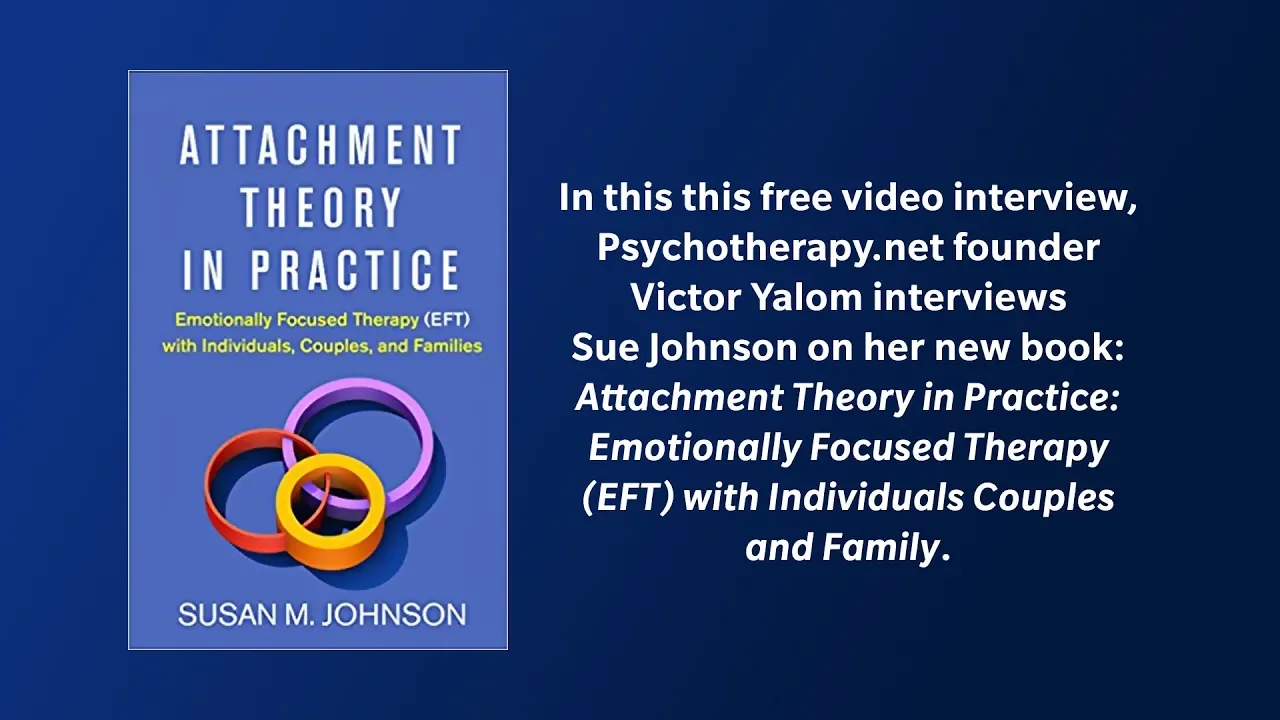
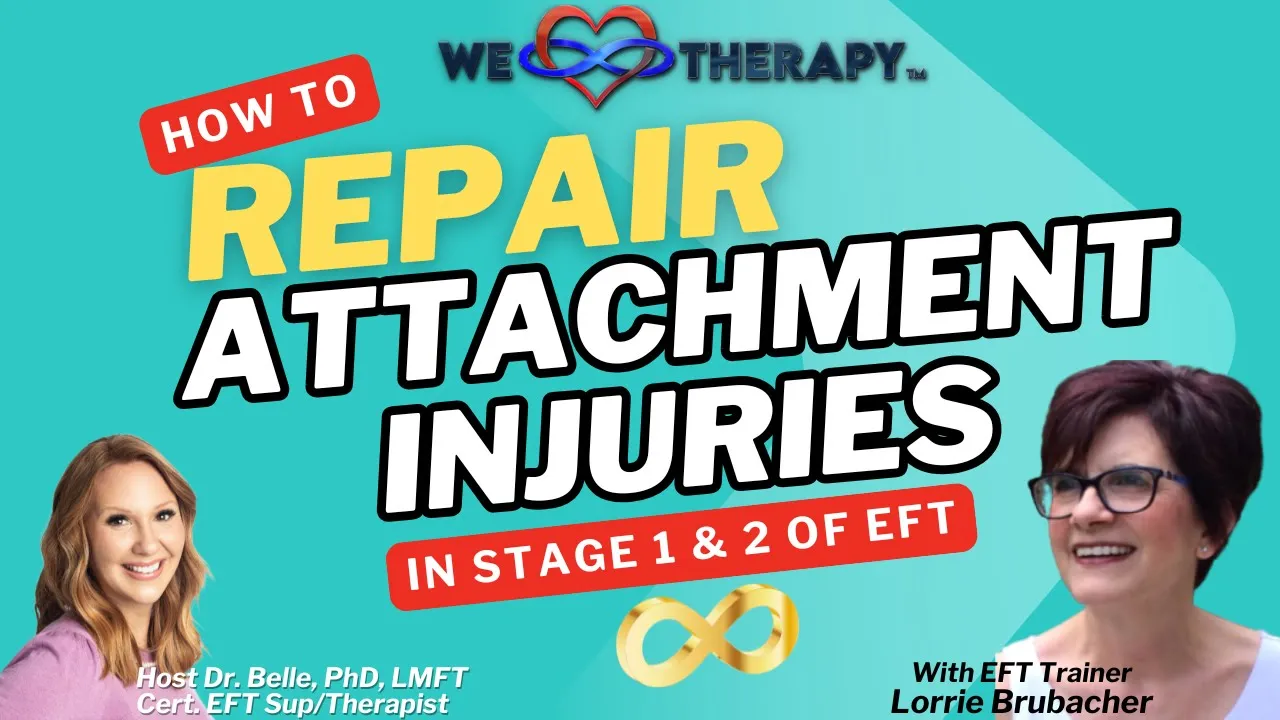

Trauma fundamentally disrupts the autonomic nervous system, creating dysregulation that manifests as fight, flight, or freeze responses; understanding attachment styles (secure, anxious, avoidant, disorganized) helps clinicians recognize how early relational experiences shape nervous system regulation and guide healing through somatic approaches that restore the body's innate capacity for self-regulation and connection.
Attachment Trauma & the Nervous System: How Trauma Impacts Relationships
Added:Foundational concepts of Attachment Theory (John Bowlby and Mary Ainsworth), including secure, anxious, avoidant, and disorganized attachment styles.
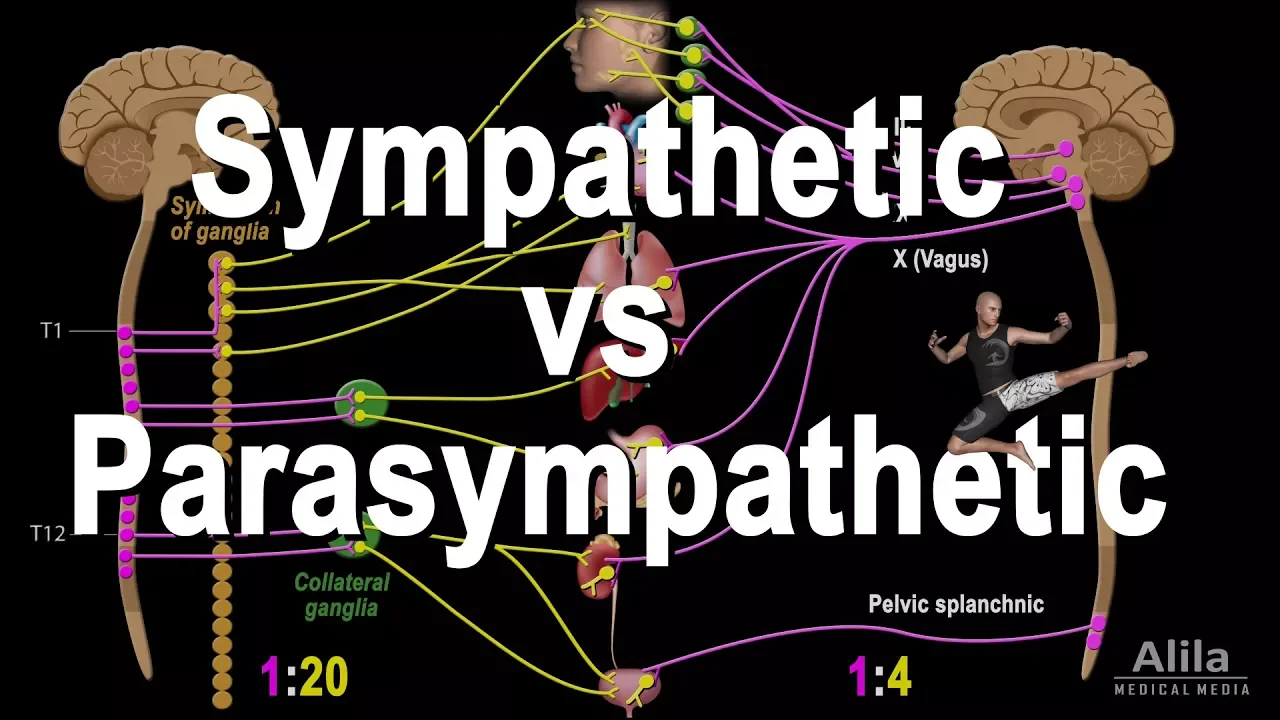
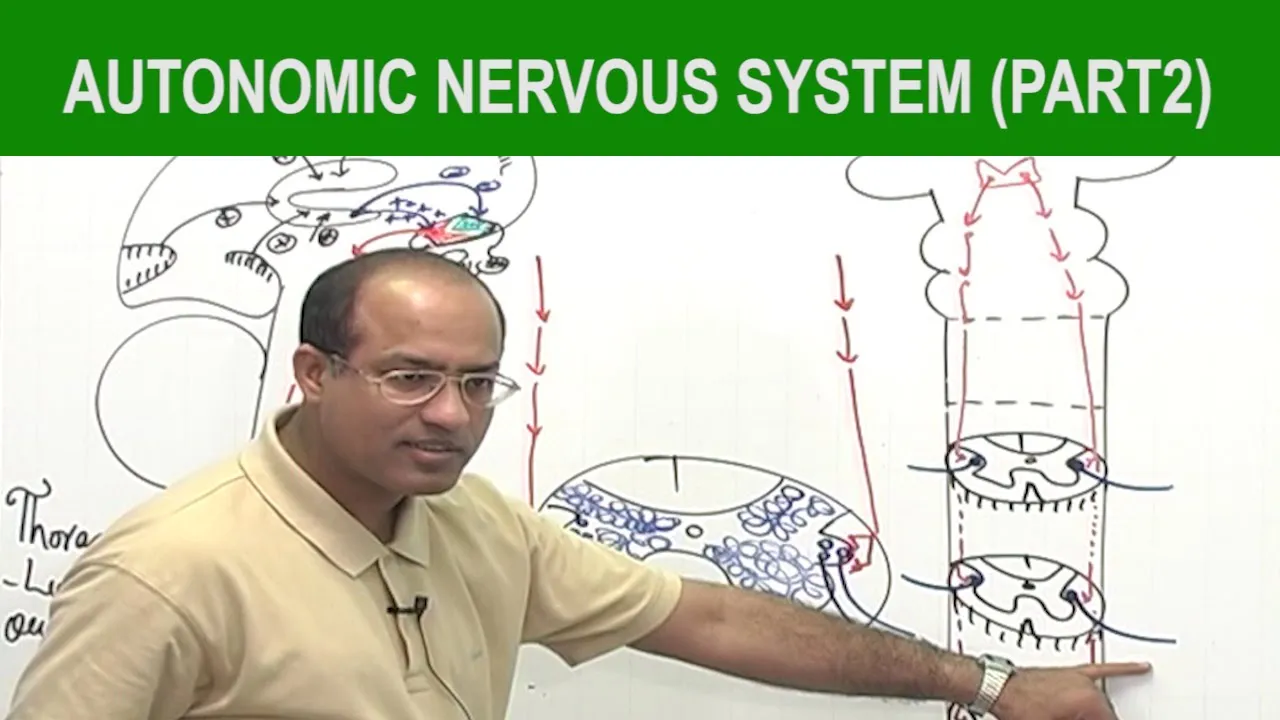
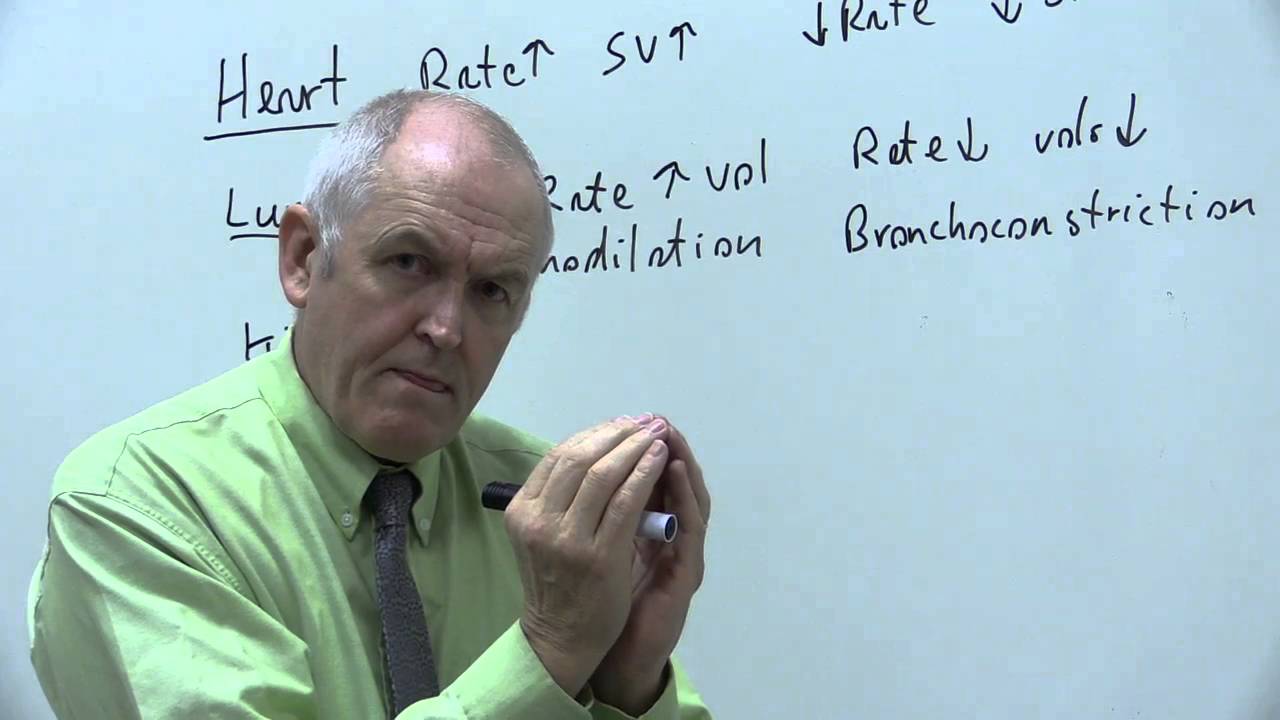
Basic neuroanatomy and physiology of the Autonomic Nervous System (ANS), specifically the opposing functions of the sympathetic and parasympathetic branches.
An introductory understanding of psychological trauma, distinguishing between acute, chronic, and complex trauma (C-PTSD).
The mind-body connection, specifically how psychological stress manifests physically as somatic symptoms in the body.
In-depth study of Polyvagal Theory (developed by Dr. Stephen Porges), focusing on the social engagement system, mobilization (fight/flight), and immobilization (freeze/faint) states.
Somatic psychology and body-based trauma therapies, such as Somatic Experiencing (Peter Levine) and Sensorimotor Psychotherapy (Pat Ogden).
Interpersonal Neurobiology (IPNB), pioneered by Dan Siegel, which explores how the brain, mind, and relationships interact to shape human development.
Clinical modalities for attachment repair and relational healing, such as Emotionally Focused Therapy (EFT) for couples and Internal Family Systems (IFS).
7.3K views141likes1:01:18Original Release: 2020-05-07
hi everyone thank you for joining me my name is david cato i'm the associate clinical director at sierra tucson and i'm here today to talk to you about attachment trauma and the nervous system what we're going to be going over today is a multitude of things but a lot of it includes talking about the nervous system talking about the biology and physiology of our humanness and how we cope with certain things that happen to us we're going to go over different kinds of trauma different attachment styles my background in training is in somatic experiencing as a somatic experiencing practitioner under the training of peter levine i'm also trained in dare which is modality that was created by diane paul heller about attachment this event is sponsored by sierra tucson for the q a you can submit a question on the bottom left of your screen at any point during the presentation all questions will be answered during the last 10 minutes of the program for resources you can find a pdf of the presentation and additional resources under the headshot image located on the left of your screen for help or assistance please email melissa pangaro at m pangaro at naccme for naadac credit information you must watch the program all the way through the q a section at the end of the presentation do not leave the console please continue to stay on the platform and you will be automatically redirected to an evaluation landing page if this is your first time attending a webinar in 2020 you will need to create an naccme account when you are first directed to the landing page for all subsequent webinars you attend you will already have an account and will just need to log in after completion of the evaluation you will be able to download or print your certificate in aadac credit is only offered for the live broadcast okay so the first thing i want to go over and and provide education on is orientation we talk about orientation in the nervous system which is orienting to the environment with the senses and basically what this means is that you can take any of your senses and be able to connect to your environment by a way of feeling safe if i were to tell you that in 10 minutes a tiger will come into your room that you're in right now you'd have a chance to feel what that's like in your nervous system and be able to make a plan for how you would how you would respond and hopefully what that what that plan might be would be to escape flee find safety if a tiger came into the room without any warning you might have a different response your nervous system might go into a fight response you might experience a freeze response one of the things that i had heard recently is that with so many things going on in the world including even you know a while back there were some shootings with those things happening somebody who knew someone that i knew was present there said that there were a lot of people who didn't respond and they were just kind of stuck at the event and so that says that freeze comes in a lot more common than we might think our nervous system can tend to shut down one of the things i'll be talking about a lot in this presentation is the difference between fight flight and freeze and how they're all important responses in our systems for orientation if you're able to allow your eyes to go around the room and be curious about the space you're in even if this is a room that you've been in a lot whether it's your home or your office if you look around you might notice something you hadn't seen before or maybe a color that sticks out to you what i'd like to invite you to do is be able to feel that in your system and see what that's like oftentimes we get really wrapped up in things that are going on around us especially in times like today and can struggle with feeling uncomfortable this can help access our parasympathetic nervous system to help us feel safe because basically it's a primal instinct that says if you look around the room you're assessing for safety you're looking to see if there's any danger and if you are able to find that there is no danger your nervous system will start to relax what you also might notice again is seeing things that you may not have seen before or something that you hadn't seen in a while and this can be really helpful for your clients too because a lot of them their systems are in threat response all the time and so while they're in this threat response they don't typically have any healthy or positive coping sources which is probably why they're either in treatment or receiving therapy but what we also know is that they can feel unsafe even if they are safe and that's kind of the work that we that we tend to do is be able to find based on our experiences based on how we were brought up our attachment styles and all of that how we can help settle our nervous system somebody who has let's say a disorganized attachment style might not feel as safe as someone who had secure attachment with their parents and also doesn't have a lot of trauma trauma is a lot of different things and i've put some definitions together from professionals in the field and the first one comes from freud he says that trauma is a breach and the protective barrier against stimulation leading to feelings of helplessness basically what this means is that any time our barrier is pierced or anytime someone is in our space that we don't want there we can feel stimulation we can feel activation we can feel unsafe if somebody's in our space that we don't want and and i'm thinking right now especially with with everything for covet 19 happening we're all very aware of our space and our protective barriers and so being able to recognize if somebody's in your space or someone's too close to you and you don't want them there you're going to recognize it and your nervous system is going to feel it so this is kind of the whole concept when we when even in freud's day the the first understanding of trauma and how we started to look at these kinds of things if we have that barrier breached we're not going to feel safe and it could cause trauma peter levine who's the founder and creator of somatic experiencing says that trauma is in the nervous system not in the event this means that we can be holding on to things that happen a long time ago oftentimes people might experience grief for several losses at one time because they didn't have the opportunity to process it previously based on their experiences based on other traumas that may have happened and it can get stuck in the nervous system it also can be shown that certain things can happen that can trigger reactions in our system that can trigger other traumas and can be activating on an ongoing basis dr robert scare says that meaning and helplessness play a role in how an event becomes a trauma and so with freud and the protective barrier and dr levine and inside the nervous system this is also about our surroundings and our environment and also what we make of it you might have had clients who have talked about let's say for example their parents were present when they experienced the trauma and their parents remember the trauma differently than they do and a lot of this is about the meaning that they make out of it i've often had family members say oh no it didn't happen like that invalidating the client when the client's memory is what is what their experience is and so they have that experience that says this is what actually happened while the the family member or someone else may say no that's not how it happened invalidating them and could even cause shame especially in children throughout this presentation i'm going to be showing you some images and in these images i'm inviting orientation oftentimes when when we talk about or hear about these kinds of things when we're discussing trauma and traumatic events there can be activation that happens and so these images are going to be a reminder along the way to feel in your system how you're doing when i present this to family members and residents here at sierra tucson what i notice is i invite them to see what's in the picture i invite them to notice how they're feeling inside and i ask them like what are what do you notice inside as you as you recognize us as you see this and they typically say things like oh i feel calm or oh it feels relaxing and then every now and then there will be someone who says i don't like tulips and that kind of can create more activation within them but for the most part being able to have an invitation for orientation can help relax the nervous system trauma is an event that cannot be controlled my definition of trauma that i heard that i feel fits best more than anything that i've heard so far is too much too quickly i know it sounds really simple but when the nervous system or the the human body experiences too much and too short of time it can create trauma in the system and basically what that means or what that looks like could be a lot of different things but what we know about trauma is that if somebody experiences a really intense feeling such as terror shame anger rage those are typically emotions or feelings that come because of some sort of trauma or because some sort of event happened and there are sometimes people who hold on to these feelings they hold on to their terror or their shame or their rage for long periods of time and that's typically because of a trauma response something that they've held on to that they're not able to fully process their high intensity or big t trauma events low intensity or long term events we also call a little t traumas and i'm going to be going over the differences in these the first kind of trauma i want to talk to you about is single incident trauma there are several examples about this but what a the thing that i want you to know is that single incident primary trauma is a big event and so let's say somebody experiences an accident this isn't going to be an accident like a fender bender in the parking lot this is going to be cars totaled the person is hospitalized maybe they've had to have surgery that kind of thing and so those are that's what i think of primary single incident big t trauma there are also other types of single incident traumas such as natural disasters and you're thinking well that takes its toll and lasts a long time and yes most absolutely natural disasters can also be a complex trauma which uh complex time is what i'm going to talk about next but the initial event of the natural disaster happens once and then the devastation can be lasting single abuse or assault and this is typically what i like to call a non-relational abuse or assault but this is somebody who you may not know let's say maybe a random mugging on the street or maybe somebody um approaches you in public and hits you or something like that that would be considered a single abuse or assault not somebody who you'd know or had a relationship with we going to get more into relational types of traumas in complex and developmental trauma for sudden loss people can experience a loss and whether it be sudden or whether they're expecting the death it can be a trauma for sure anytime violence is witnessed this can also be not even directly witnessed but even being witnessed in the media or on the news right now is a very interesting time to be viewing the news and not necessarily that it's witnessing a violence but it's a witnessing of of other things that can be traumatic also people who experience chronic illnesses or medical issues that can be traumatic for them there are a lot of residents that i've worked with here at sierra tucson in the past that had ptsd as a result of their medical issues and this also includes mental health issues as well in this image i invite you to ask what you see this is the only slide that i believe is the one that activates the most people when i show this and it's not my intention to be activating i really more so want to let people know how their experiences can be i often hear a lot of different mixed reviews on this one because some people say oh i feel fear i always ask you know what do you feel when you see this picture well first of all i say what do you see they say tornado of course and then what do you what do you feel i hear fear i hear excitement i hear people talk about the beauty of nature and so not everyone gets activated when they see things like this i grew up in northeast texas where we had tornadoes seasonally it was every once a year for for a few months and we had tornado warnings and tornado watches and even though i was never in a tornado my nervous system was trained to know that they are scary that they can hurt you i was never traumatized by this or never had ptsd as a result however i was taught my system was taught that tornadoes are scary and can hurt you and therefore that's what my system says but other people who didn't have that exposure feel excited they want to go see them for some reason the person in this image is wanting to get very close and take a nap and take a picture of it and there are people like that and i also use this slide to show people that it's okay to have a different experience or to have a different perception than other people um sometimes people will argue well how can you see beauty in this it's a very scary thing and it's it's okay that we all have the different responses to it the next type of trauma i want to talk about is complex trauma this is an example of lots of big t's and little t's happening so big traumas are happening little traumas are happening and oftentimes complex traumas are relational for example anyone who's experiencing ongoing abuse or neglect that's typically if it's ongoing it's somebody you have a relationship whether it's a parent or a partner or a friend that might be you know abusing you and a friendship and so there's a lot of different kinds of abuse or neglect that can be happening as far as neglect being abandoned by by a partner being abandoned by a family member can definitely create that that sense of loss in the nervous system in addition to that domestic or community violence being whether or not you're in a relationship with someone or bullying is an example of complex trauma things that are ongoing typically that are relational pieces people who experience things like witnessing violence in in war that can definitely or that is definitely a complex trauma and and what i've noticed in working with a lot of uh veterans and first responders at sierra too so not everyone who experiences those things or sees those things gets traumatized by them but based on how the nervous system is is kind of prepared or how the nervous ex nervous systems experiences have been over time can definitely affect whether or not someone is traumatized by something like that any type of other relational issues having a partner cheating on you having a partner abandon you feeling like you're disconnected from them can be complex traumas we kind of talked about this already but any kind of recurrent physical abuse any sexual abuse at all or sexual assault is definitely a complex trauma depending on what's what time in life it happened it could also be developmental trauma which we'll talk about next and then of course abandonment's a complex trauma especially since we're going to be talking about attachment styles having a sense of abandonment if you have a anxious attachment style can definitely be very traumatic going into developmental trauma development is always complex trauma there's always lots of big t's and little t's happening and developmental trauma typically happens within the developmental phases and so that's anywhere from pre-birth through about age 25 when the brain is still developing and so people who are going through puberty people who are reaching adulthood those are people who are vulnerable to this state because if they're experiencing trauma at that time it can definitely impact their development it typically occurs within the caregiving system not always it does but it typically does the caregiving system can be anything from a parent or guardian to a teacher or a mentor those kinds of things if you have someone who is taking care of you or has been responsible for you there can be developmental trauma if they mistreat you it also interferes with healthy attachment and development and so if you have this disconnected relationship with your parents or or maybe they're neglectful when you're a child you're more likely to have disorganized relationships as an adult and not be able to connect when you need to you might develop more of an avoidant style because you don't want to be hurt again and so that's kind of what the system starts to do developmentally developmental trauma is also not necessarily about what not not what happens to you but what should have happened to you that didn't meaning that getting love and affection as you need to when you're a child and as you're growing up is very important because it creates secure attachment a lot of times people who experience developmental trauma have shame and having that belief that they're bad or i'm a bad person and so what happens is especially for children who who get um who get neglected there is that thought of i'm not good enough i'm not important or especially the children who are bullied who who think they're not good enough as a result of that as well there's intergenerational trauma and historical trauma it's also known as transgenerational trauma and i'm gonna go over this briefly but basically it's handing down trauma that over generation so handing down trauma so for example there there there's research that's showing that people who were ancestors of holocaust survivors actually are experiencing symptoms as if they were in the internment camps even though they weren't and weren't even alive yet at that time and so what they're learning is that families are passing down certain experiences not intentionally of course but they're passing it down and therefore creating this cycle of continued trauma in the family system other examples i was doing this lecture for family members several months ago and one of the family members had said that when they were in a grocery store when they were a small child in the united states their parent told them not to speak in spanish in public because people would think something negative about them and so that person grew up being ashamed of their heritage as a result of that and so the mom was just trying to protect the child and yet the parent didn't realize that that would cause shame later on and so we can't really choose what people take on what they don't and one of the things that comes up the question i get asked a lot by by family members is how do we not traumatize our child or how do we undo the trauma that we may have caused and i always let them know that it's not something that we they you you can undo like immediate this is something that that takes some time and part of the reason why people go to treatment is to be able to get that peace be able to understand that they can they can have healing even though that there's been trauma another thing that i talk about with energy intergenerational and historical trauma is secondary trauma and so handing down trauma can be primary trauma but also secondary things and it's little pieces like um one of the examples i like to use is when parents grandparents great-grandparents are talking to to a child the child might say hey i'm afraid to go to the bus stop a couple blocks away because this bully might might harm me when i get to the bus stop and then the the parent would say well when i was your age i had to walk 15 miles uphill in the snow etc etc which gives the you know invalidation to the child that says your experience is not good enough and so i don't want to hear it until then the child starts to shut down the child gets afraid and then they that ultimately can lead to freeze which can lead to depression etc which i'll be talking about shortly the four attachment styles i want to talk about i know there's a lot of different information out there about attachment and and the dare training that that i went through uses these four attachment styles and i want to break them down just a little bit each and and i talk about how different people experience different attachment styles the first attachment style i want to talk about is the secure attachment style this is when you have as a child loving and affectionate parents you have very good healthy relationships you're able to have secure connected relationships to people a secure attachment style is having healthy communication healthy connection and not experiencing or causing any type of of grief or abandonment with someone but also being there to support them having healthy communication healthy conversations an anxious attachment style is someone who struggles being in a relationship because they need to have the attention they need to be with another person a lot or or they need to have constant communication from the person it's a person who's texting their partner saying hey what are you doing hey how are you doing it just kind of like repeats itself over and over and it can it can be a struggle especially if an anxious person an anxious attached person ends up getting in a relationship with someone who's avoidant who's the exact opposite of that where they're not really connecting and then you've got the combination of the two the anxious avoidance style which is that you know i hate you don't leave me type type of relationship and so i i don't i'm not really going to talk about personality disorders or personality traits on this webinar though that's typically where that those kind of traits can start to show up is in an anxious avoidant attachment style disorganized attachment is when someone has experienced a lot of trauma and a lot of developmental trauma especially relational pieces but also not really being able to be healthy or connected these are the people who cannot have healthy relationships at all an anxious person and an avoidant person they can have somewhat of a connection with other people the disorganized attachment there's not that connection these are the people who end up in abusive relationships these are the people who avoid relationships altogether because of how dysregulating their relationships can be i have another image i want to invite you to look at i really like this image because it has a lot of color in it red is one of my favorite colors and so i like that there's a lot of red in it and it can really help like settle the system seeing a beautiful sunrise or a beautiful sunset and i don't know um how many of you enjoy the beach but being on the beach can be helpful being near the water it's another invitation to orient allow yourself to check in find out how your system's doing and see if there's anything you need right now you need something to drink you need to grab a snack going more into the physiological aspect of things the neurological effects of trauma are important to talk about because this is where we start to see how it happens in inside of us like there's the the nervous system piece but there's also our brain there's also other parts of our of our bodies that that are all connected and what we know is there's this thing called the corticotrophin releasing factor crf i'm going to call it the stress hormone which basically as it ramps up as we get more stressed out we start to find or our clients start to find things that we believe or they believe helps them feel better those things typically look like substance use or substance use disorder it could be playing video games or overeating or not eating enough or getting in unhealthy relationships are acting out behaviorally there's a lot of things that we do to help our our stress decrease but what's actually happening is that it's actually increasing the stress instead of decreasing it and so while people think that oh i'm feeling better after a couple of beers it's actually not really helping with that it's actually kind of covering it up and that's why ultimately there are people who are we call them functioning alcoholics or functioning addicts who for a very long time do well until they don't do well anymore and that's typically because this distress has gotten so high that they can't tolerate can't tolerate anymore that's that's when things like overdoses happen that's when um suicidal ideation and suicide attempts happen as well we at sierra tucson i know you heard me say ptsd a couple times we talk about the post-traumatic stress response versus the post-traumatic stress disorder which is basically a response that our nervous system has in order to help protect it and so because someone has experienced all of this trauma they have these ways that the system comes out and copes and basically says the the system basically protects itself because of these things that have happened one of the examples is people who have borderline personality disorder a lot of that is personality traits they're exuding in order to get their needs met and that's kind of how they've learned to get their needs met their whole life by acting out behaviorally by disconnecting from others by suicidal ideation etc we talked about this earlier but sometimes trauma appears resolved and yet it is still repressed and so there is that peace in the nervous system that even though i've worked with a lot of people who said oh yeah i've already processed that or oh yeah i got over that years ago and yet it's still in their in their nervous system recent evidence suggests that even with appropriate interventions the person may still develop ptsd or still have post-traumatic stress responses from from the events that they experience and so i want to ask what are predictors for developing ptsd what what causes someone to get ptsd or have post traumatic stress responses what we know is the magnitude of exposure how much trauma have they experienced is there prior trauma and if so how much and what's the social support system look like i invite you to look at this picture and ask what you see it's really interesting because when i show this to family members a lot of them will collectively say it looks like a healthy family a few might say oh yeah it looks like a it looks like a dental ad when i show this to residents there's a lot more activation i hear things like oh they're faking it or oh um they're they're just smiling for the photo behind the scenes or something else going on and so i hear a lot of that activation and this is where attachment is really important because if you have a avoidance or disorganized attachment style you're gonna see pictures of a happy family and not see that you're gonna see something different you're gonna probably see what what's happening in your system which is that disconnection or that dysregulation as a result of something seeing something that you didn't have but should have so it's really interesting that this picture gets so much activation when most of us will see this as a as a genuinely happy family but next we're going to talk more about the nervous system itself and what injury or wounding looks like we also call it dysregulation so technically if somebody has a wound whether it be a physical wound or an emotional wound there's the capacity for it to heal and so what we want to do with our nervous system is be able to heal the wounding the autonomic nervous system or ans is connected to everything else inside of us so if i get activated or if a client is activated with you you might notice their blood pressure increases or they might notice it they might start sweating or their heart starts beating faster or breathing more shallow there's going to be a lot of these things that come up inside the system because if they get activated since everything is connected things will start behaving as if there's activation and because everything is connected one of the things that that i hear a lot of is for people who've experienced things like crohn's disease or other gastric issues a lot of them it goes to activation there is a lot of activation around that and it's because their nervous system is so activated it's creating issues elsewhere the job of the autonomic nervous system is to ensure survival it's the first part of us that starts working in utero and the last to shut off if we're suffocating so it's literally always with us from pre-birth until death and so it's always there to protect even if freeze is happening it connects the brain to organs including the heart liver lungs sweat glands and the interior muscles of the eyes and the interior muscles of the eyes when we when we talk about orientation if we are using our eyes to look around and we're noticing that there's no threat that can help the parasympathetic rest which gets me into the sympathetic and parasympathetic we talk about the sympathetic autonomic nervous system this is what i also call activation which is basically we're getting ready to do something i'm going into fight or flight if i'm sympathetically activated maybe i'm angry maybe i'm afraid there's something happening my organs get stimulated my muscles start to respond as such for parasympathetic it's our system slowing down it's our system protecting itself and it's our rest and digest phase and so we also call this freeze and so a lot of people think about fight flight and freeze and they think about it being negative there's a negative connotation to it and it i really want everyone to know that it's definitely not negative this is something that we all need within our systems to be able to take care of ourselves and they all serve a purpose we get sympathetically activated as a primal thing to take care of ourselves and parasympathetic rest comes because i notice that the tiger's not there anymore or the threat isn't there anymore and a lot of the clients that you might be working with they don't really have the parasympathetic part or maybe they have too much parasympathetic with with their depression the ventral vagal complex is there's three parts to it's our fight flight and also our social engagement piece which i'll talk about a little more towards the end but basically this is our getting ready for something to happen so if you are sitting in your chair right now if you take notice of what your body is doing allow yourself to put your shoulders back maybe put your arms up a little bit like like you're going to get ready to fight someone and notice how that feels inside typically if that's that's the the front part of the nervous system the ventral vagal piece and so anything fight flight like i'm ready to i'm ready to protect myself or i'm ready to run away you'll notice that you're that your chest is up shoulders back and there's there's activation in the front we'll talk about the dorsal vein complex in a moment but the fight and flight piece really helps us protect ourselves the dorsal vagal complex on the other hand is is a freeze part of our system and so i think of dorsal it's like dorsal fin and so if you take your shoulders if they're still up and you kind of push them inward and maybe kind of fold over a little bit this is a freeze response you might notice sometimes people if they get really really upset or really activated they might go into a fetal position or maybe they lean all the way over kind of hanging their arms and their head down we call that collapse and so that's a higher level of freeze and so there's this continuum of freeze behaviors freeze is also equivalent to dissociation and i want to make that clear because a lot of people talk about um the difference between or they ask about the difference between freeze and dissociation but it's actually actually the same thing in the continuum for low-level stuff let's say for example i walk into the kitchen and i forgot why i went in there oops and then i walk out and then as soon as i get into the other room i'm like oh okay i remember and then i go back that's a very low level freeze that we all have as human beings this is not a result of trauma it happens to everyone when we start getting higher on the continuum people start to lose track of time i've worked with a lot of residents at sierra tucson who have said things like oh i don't remember ages five through eight or i don't remember my childhood or i don't remember um you know there there's a few weeks in 2012 that i don't remember and it's just you hear those things and then that's when the nervous system is actually the freeze is helping them check out to protect them from something to protect to protect further injury or further wounding and then we get higher on the continuum where we get into things like people losing losing days people not remembering going to places people really struggling like in their adult life as versus to versus to how it was in their childhood and then the highest the higher levels of of the continuum are people who have dissociative identity disorder or people who end up catatonic as a result of not being able to not being able to connect at all in their environment and did kind of function as a protective mechanism as well freeze is also a possible basis of depression meaning that somebody who is stuck in bed all the time or somebody who is struggling with being in bed or being depressed depression is also a clinical issue but there are times when it's really just nervous system shutdown sometimes we we go and go and go and then as soon as we need to stop when we stop our system shuts down it can shut down for sometimes days and so that's kind of an example of the system needing to to freeze and to take care of itself breeze also comes online when fight and flight are not achievable trauma can look like a lot of different things and so among the things listed here there's a lot of pieces that people can experience and so every everyone is going to be different and their experiences are going to be different and one of the things that i hear residents say a lot is um you know my trauma isn't as bad as that other person's trauma and because i don't i don't have nightmares and flashbacks or i don't have um you know i don't i don't check out all the time and so there there's that understanding that we can give our clients it basically says that your your trauma is validated and because your nervous system is different from another's you might still have a similar response even if you believe they have for lack of a better term worse traumas threat responses can look like a lot of different things too and so what we know is that we have we've talked about fight fight and freeze but we also know that some of these work in tandem or in combination together all of these signs you see here are fight flight or freeze responses or a combination response a lot of times people who feel lots and lots of anger for example or lots and lots of fear they can be stuck or frozen in that fear or frozen in that anger and so that keeps them at a high level very high level of activation all the time you've got the people who function as always on and the people who function is always off here's another image i really like the green in this picture i don't really know why but i really like it i feel like that tree is very inviting and i ask that you allow yourself to kind of see or sense inside yourself how you're doing i know we're talking about a lot today but also be asking yourself how how can you use this information to benefit not only your clients but also yourself the window tolerances is really important to share because it talks about and shows us the difference between someone who has a resilient nervous system and someone who has a dysregulated nervous system and so the person with the resilient nervous system they're the ones who are easily able to process things they're able to feel into their feelings they're able to recognize activation and deactivation and they can kind of connect to all of that somebody who has a dysregulated system they're going to be all over the place and so if they get too much activation or they go into overwhelm that's probably going to shut them down in some way whether it brings up feelings of rage or whether it brings up more anxiety or if they're below the the window of tolerance they might notice feeling depressed or they might feel suicidal at that place and then you've got the people who are bouncing back and forth the off and on and so those people are the ones who those are the people who the people who are stuck on and stuck off or going back and forth they're the ones who typically get seen as having bipolar disorder bipolar disorder actually gets misdiagnosed a lot of the time because they're actually ptsd symptoms that come about as a result of trauma that people have experienced and the way we're going to help people who are stuck on are the people who have a lot of high activation all the time we're going to want to bring more parasympathetic rest into their system we ask them you know find something that helps soothe you whether it's meditation or yoga or i know right now they're doing a lot of online yoga practices and meditation practices and the current time that we're in for the people who were stuck off or the ones who have depression a lot of the time those are the ones who need activation so they're going to need let's say fitness going to the gym and getting some cardio some flight and getting some weight lifting some fight and so getting some activation in your system if you have a lot of shutdown or pairs of or parasympathetic stuckness if you have that then we're going to want to bring in some some activation so that we can come back to that resilient or healthy nervous system here's another image the next thing i want to talk about is the social engagement portion and and when i show this to people i ask them to to see what they're feeling and a lot of times people say happy it looks like dad and his son are having a fun time and this is what social engagement can look like and it's important to to discuss that the other part of our ventral vagal complex part two i call it social engagement which is where we're having healthy interactions and healthy relationships we're having a good time like that father and son we just saw and what you might see in your clients actually what you will see in your clients if you're doing trauma work with them is that their facial features will start to change i i want to know therapists who who ask their clients to um to take photo of themself at their first session a selfie at their first session and then several months later look at that photo and compare it to what they look like now and it was really interesting because as they were doing trauma work attachment work what they found was that the face kind of came online and the face kind of came back to life so to speak not even necessarily realizing that that that it wasn't that there wasn't that connection beforehand but being able to to notice people smiling bigger people having more awareness of their eyes and just having more of a connection in their face it's interesting because if you're if you had healthy attachment growing up the the big smile is something that it's going to be really important because it can help remind you of that for somebody who didn't have that they can feel disconnected and it can be it can be damaging for them i know we talked about the tiger earlier and so i wanted to to share an image just because it's it's important that we talk about nature in this too the next thing i'm going to talk about is the importance of the nervous system in prey animals animals in the wild they have to listen to their nervous system they don't get the option or the choice to go drink or go do drugs or play a video game all day they actually have to live for survival they fight and flee when they need to and they freeze when they need to and oftentimes what happens is if they they feel like their the threat is too large they will have freeze and so one of the things we we recognize and one of the things that helped me understand this a lot in the beginning was if you say deer in the headlights the deer in the headlights is basically that response a deer freezes because it doesn't know how to respond it doesn't know whether or not it should fight or flight and so it defaults to freeze because freeze actually protects it from feeling the damage and feeling the pain if that deer could fight or flee from the predator it would and so that's why it's important to note that we as human beings are the same our nervous systems are the same but we don't allow our systems to do what they need to do we don't allow our systems to take care of themselves we actually we actually get in the way a lot and if we get out of our own way we will be able to have the healing if we allow our systems to take care of itself it will because that's what it's there for nature has instilled in all animals including humans a nervous system capable of restoring our equilibrium healing can look like a lot of different things you might notice or hear your clients talking about oh i feel tingling in my hands or or oh there's a warmth in my chest or oh i'm feeling calm and i haven't in a long time or or that kind of thing you're gonna hear them talking about feeling better and certain things that that they'll notice and in therapy that's kind of what happens is you go to therapy you do heal and you start to feel better and because of that you'll notice some of these some of these signs the improvement in quality of life and day-to-day functioning is really what what we want for for our clients and for our residents and we want to make sure that they have they have the healing that they need they're also going to experience a reduction of core symptoms of intrusive re-experiencing and hyper-arousal so you might even notice hyper-vigilance might might shut down or they might start to notice that they're not having nightmares or flashbacks anymore and so you'll start to hear them talk about how they're healing and what's better for them we also notice improvement of being able to self-regulate and that's really important especially if they are not good self-regulators having the connection of relational capacities especially as important as we're talking about attachment and how we can connect to others being able to heal the attachment trauma that we have be able to heal the other traumas that we have in order to continue to decrease somatic and physical distress i want to thank all of you for your time and for participating in this presentation i will be available for questions and invite you to ask whatever came up our first question is would covet 19 be a single incident trauma or only if you are suffering the consequences of having it we're in a very interesting time right now and with covet 19 there are people who are who are experiencing it as a single incident trauma and there are people who are probably experiencing it or could be experiencing it as a complex trauma in that maybe they've had other prior traumas that they experienced and as a result of that covid19 adds to the stress of this if you actually have covid19 that could create even additional stress especially if you know others or have had loved ones who have had the illness or have even lost their life as a result of the illness and so i think what we'll learn is there's going to be more information that's going to come out about trauma ptsd complex trauma and covet 19 as time continues to move along to just kind of keep an eye on what people's perceptions are going to be of it and how people are going to be responding but it would be also related to whether or not they've had prior trauma the next question is can excessive poverty contribute to intergenerational trauma yes it can in fact there are a lot of people that i have worked with in the past who have actually gone out and become hyper successful in order to negate the fact that they grew up in a impoverished environment and so they kind of as a trauma have that experience of oh we never had anything and so now i want things and so it can kind of be the opposite of of what that experience would be and so i it's interesting when i think about that just because poverty is is a lot more common than than we think and there are people who do live through generations of poverty and getting out of that is actually can actually be considered a triumph but it could also be getting out of it because of the trauma surrounding impoverishedness impoverishedness the next one is can you talk more about people who are adopted and the relation to developmental trauma yes there is a book called the primal wound by author nancy verrier and it does talk about trauma the trauma piece of being adopted at birth or being separated a child being separated from its mother at birth is that primal wound in that we are primarily connected to our parents especially our mothers in order to get the affection and care and love that we need and if we are adopted we lose that connection immediately and that connection is what's going to be able to help us create and connect more healthy relationships if we have healthy relationships along the way next question is there a spectrum of severity for attachment styles does for example can someone be mildly disorganized can someone have more than one type absolutely there are i view kind of everything that we see as a spectrum or a um continuum so to speak that there are people who might have more severe disorganized attachment or more mild anxious attachment um and there are some people who might even have mild secure attachment like somebody might have disorganized attachment with a lot of their relationships and then they might have one secure attachment so i would view that as like a mild secure attachment it's really interesting because i hadn't really thought about viewing it on the art of a continuum but it's interesting to be able to see that and yes you can absolutely view it that way next question how can you tell that an event is repressed so about repressed event we can't always tell whether or not something is repressed oftentimes what i would rely on is the person's information like what what are they telling you if a person says hey i've had this memory that i've repressed for so long and maybe a modality like emdr or individual therapy has brought out this thing that i've repressed for so long it's really more about their version or their perception of what that would look like and what that would mean for them that's how i view repression there could also be let's say for example somebody has prolonged resentment and so that's anger that they've been repressing for a long period of time and yet maybe they've let it out in some ways and so it's really hard to tell whether or not an event is repressed unless that person has an understanding of yes i've repressed this event or yes i've held this down for a long time and that happens quite a bit here at sierra tucson where we're working with people as they say oh you know i've held this out for so long and now that i'm in a safe place i can actually start to open and process this the next question what role does age play in fight flight freeze responses for example would a younger person be more likely to experience a freeze response due to relative physical and or emotional immaturity so when i think about this as far as age goes i don't know that age so much plays a part more so what's happening around them while they're a certain age a lot of people will talk about you know when i was in childhood these are the kinds of things that happened and there could be someone experiencing trauma at age eight and then someone else not experiencing trauma at age eight and they would have differences in their responses in their nervous system somebody who is experiencing trauma will develop more disorganized fight flight and freeze responses and then people who have not experienced trauma will probably be having more social engagement and more secure attached styles and there is that piece of people who are entering puberty or people who are entering adolescent and early adulthood there are these kinds of rites of passage that people may experience and sometimes you have teenage angst and i view teenage angst it's like a fight response of a dysregulated system and so um that's also when mood disorders like depression start surfacing and there's freeze that's present and so as far as age goes i think that would be where i would look at age being a factor more so other than age being a factor more so other than the actual events that they've experienced we have time for one more question and um the next thing i want to answer is i'm wondering how you feel about emdr and trauma recovery so i am not trained in emdr and i'm not an emdr therapist however i will say that in working at sierra tucson knowing that residents here have been experiencing emdr through the time that i've worked here a lot of people find it very very helpful in their recovery and the same thing with somatic experiencing some are finding it really helpful and there are people who say you know what that's not a modality for me and there are some people who say for emdr that's not a modality for them either what i view emdr and sc as in differences as far as trauma healing emdr is more of an activating modality it's hey let's talk about the trauma let's talk about the memory and let's process that target memory while somatic experiencing is more resourceful and says hey let's re let's create more resilience in the nervous system and more structure so that we can have the a bigger capacity for healing and so what i in kind of ending the answer to this question is combining somatic experiencing an emdr emdr can be activating to bring out the trauma se can be resourcing and help heal the trauma and so they work very well in tandem the last thing i want to say about emdr is a lot of people who come into residential treatment actually say and i say a lot of people but quite a few people i've worked with come into residential treatment and they say that it happened because they started emdr and emdr opened up all of these memories and so it's kind of like that releasing piece and can open up more while sc also helps re-regulate that thank you all so much for being here today i hope you have a wonderful day
Up Next

3:13
5 Parenting Styles and Their Psychological Effects on Children
@BaldExplainer
102.6K views•2025-06-15

68:32
Cognitive Skills for Differentiated Instruction | Teacher PD
@BrainWareLearning
631 views•2017-12-17

9:55
Thinking, Fast and Slow: Daniel Kahneman Animated Book Summary
@FightMediocrity
2.3M views•2015-06-05

6:40
The Nocebo Effect: How Beliefs Can Cause Real Harm
@CGPGrey
10.4M views•2013-12-23
Related Study Plans & Knowledge Roadmaps
Structured learning paths in Psychology
psychology
Neuroscience of Creativity: Networks & Training
01Foundations of Creative Cognition
02The Cognitive Neuroscience of Insight & Fixation
03The Triple Network Model of Creativity
+ 1 more learning modules
15h4 modules
Explore Roadmap
psychology
Imposter Syndrome: Etiology & CBT Framework
01Defining the Imposter Phenomenon
02Socio-Developmental Etiologies
03CBT Fundamentals & Thought Distortions
+ 2 more learning modules
15h5 modules
Explore Roadmap
psychology
Adult ADHD: Executive Dysfunction & Scaffolding
01Neurobiology of the ADHD Brain
02The Core Triad of Executive Deficits
03Executive Dysfunction and Emotional Regulation
+ 2 more learning modules
12h5 modules
Explore Roadmap
psychology
Loneliness: Evolution, Neurobiology & CBT
01Evolutionary Origins of Human Connection and Loneliness
02The Neurobiology and Physiology of Chronic Loneliness
03Maladaptive Social Cognition: The Psychological Loop
+ 2 more learning modules
12h5 modules
Explore Roadmap