





![The Sounds of Language | Phonetics | Chapter 3 Complete | The Study of Language | [ URDU/HINDI ]](https://i.ytimg.com/vi/SewXa-z9hXQ/maxresdefault.jpg)






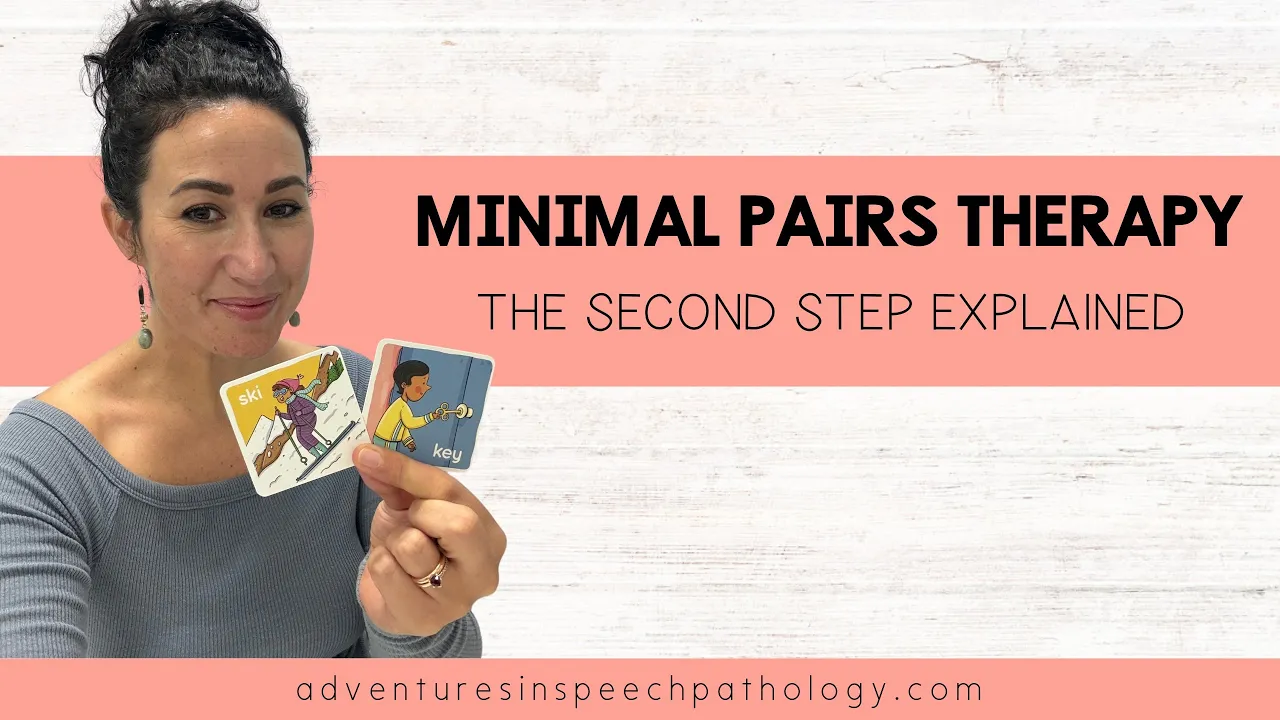
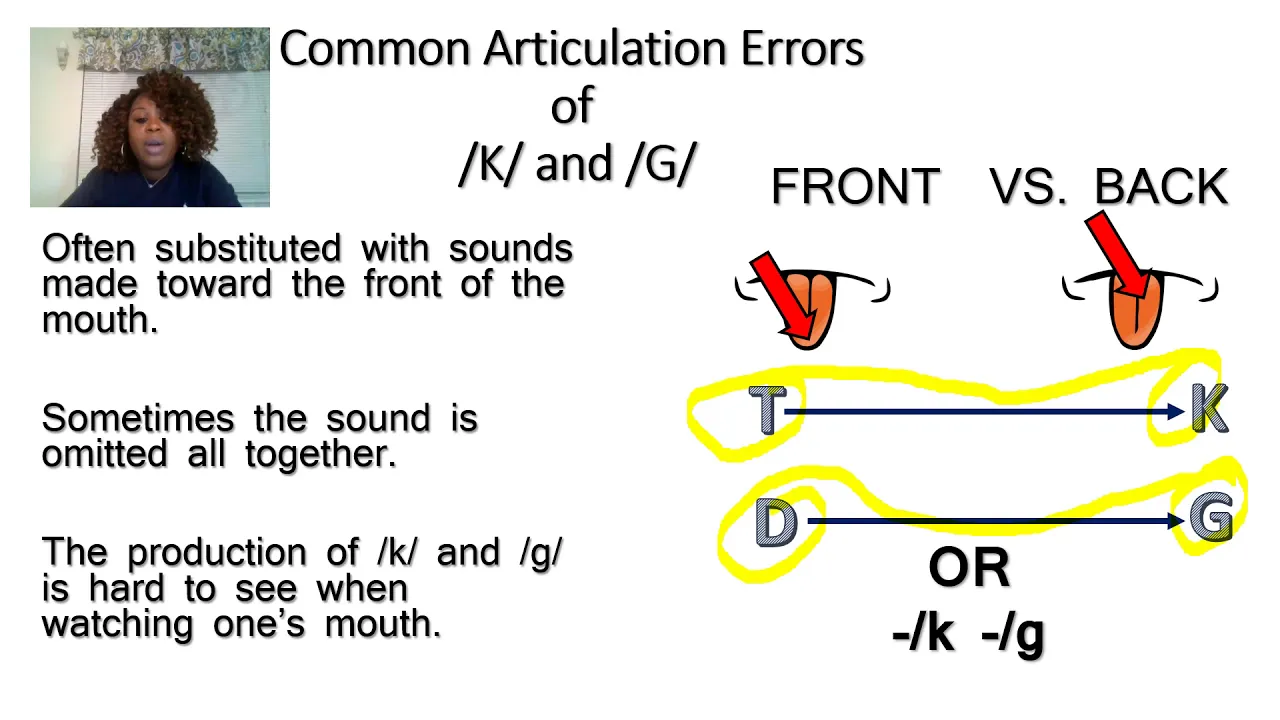
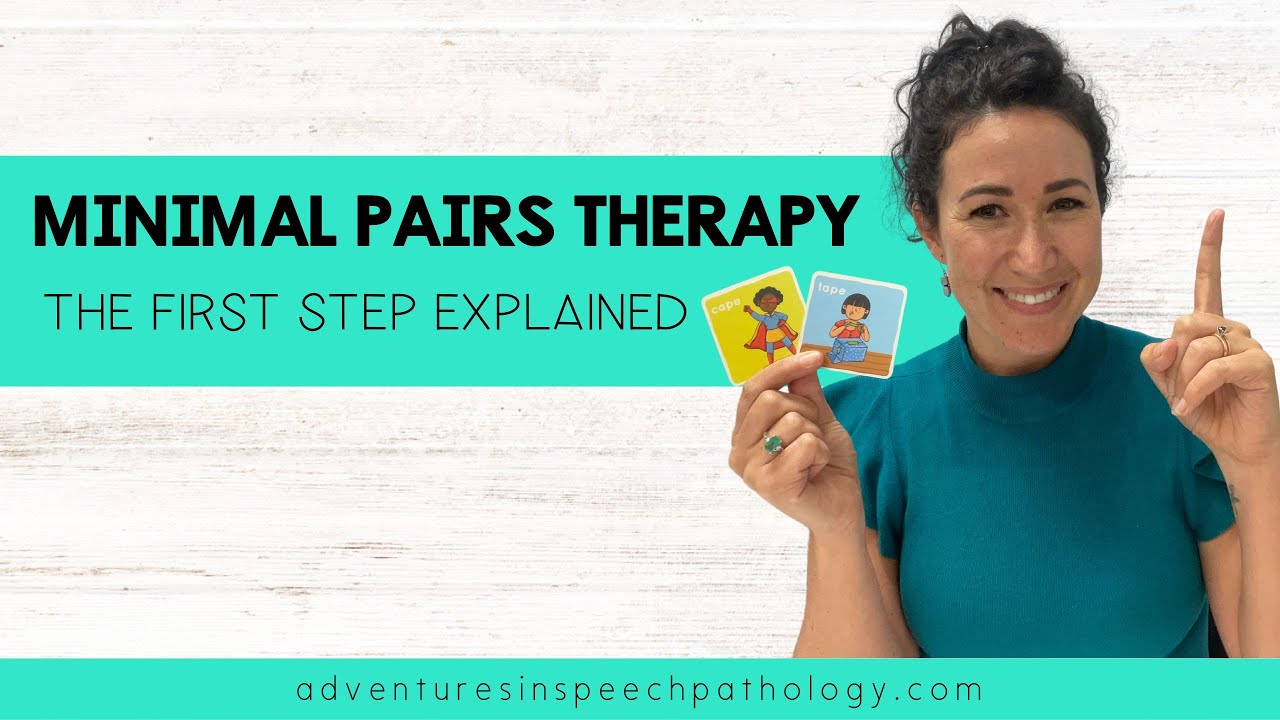

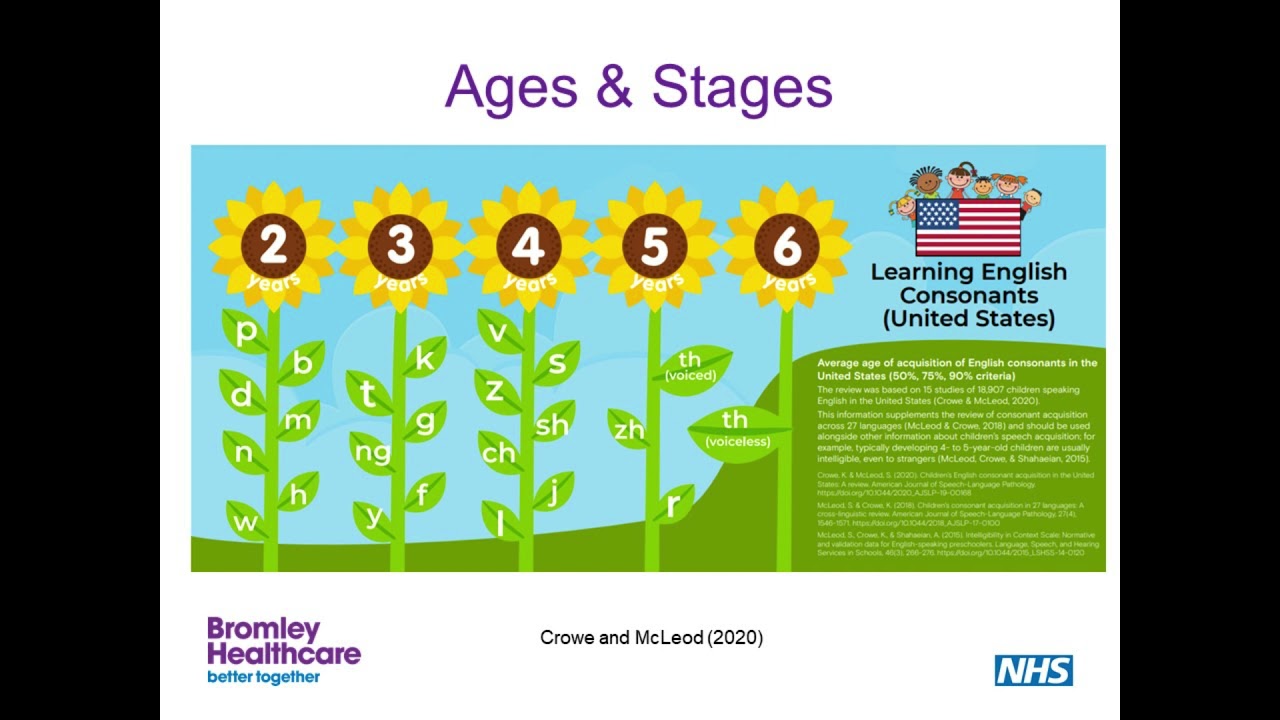
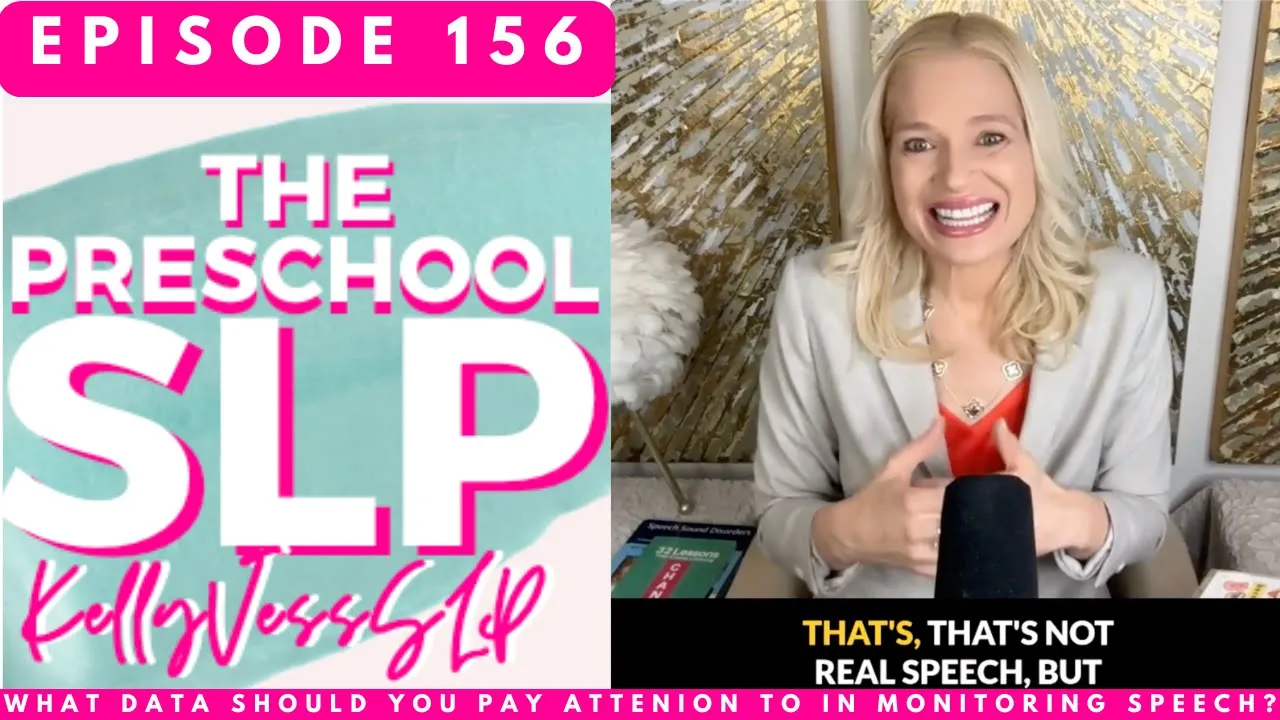




Fronting is a common speech sound error where children substitute the D sound for G and T sound for K (e.g., saying 'dough' instead of 'go' or 'tat' instead of 'pat'). To teach these sounds effectively, start at the isolation level with just the sound plus a vowel, then progress to syllables and words, achieving 80% accuracy at each stage before moving forward. Use fun techniques like having the child 'drink chocolate milk' to encourage proper tongue placement (back of mouth, elevated, chin up), and use visual/tactile cues like touching the chin or dangling keys to remind them to keep their mouth open and tongue back. Focus exclusively on the target sound during practice, even if other parts of the word aren't perfect, and gradually reduce prompts as the child masters each level.
Speech Therapy for G, C & K Sounds: Fronting and Devoicing
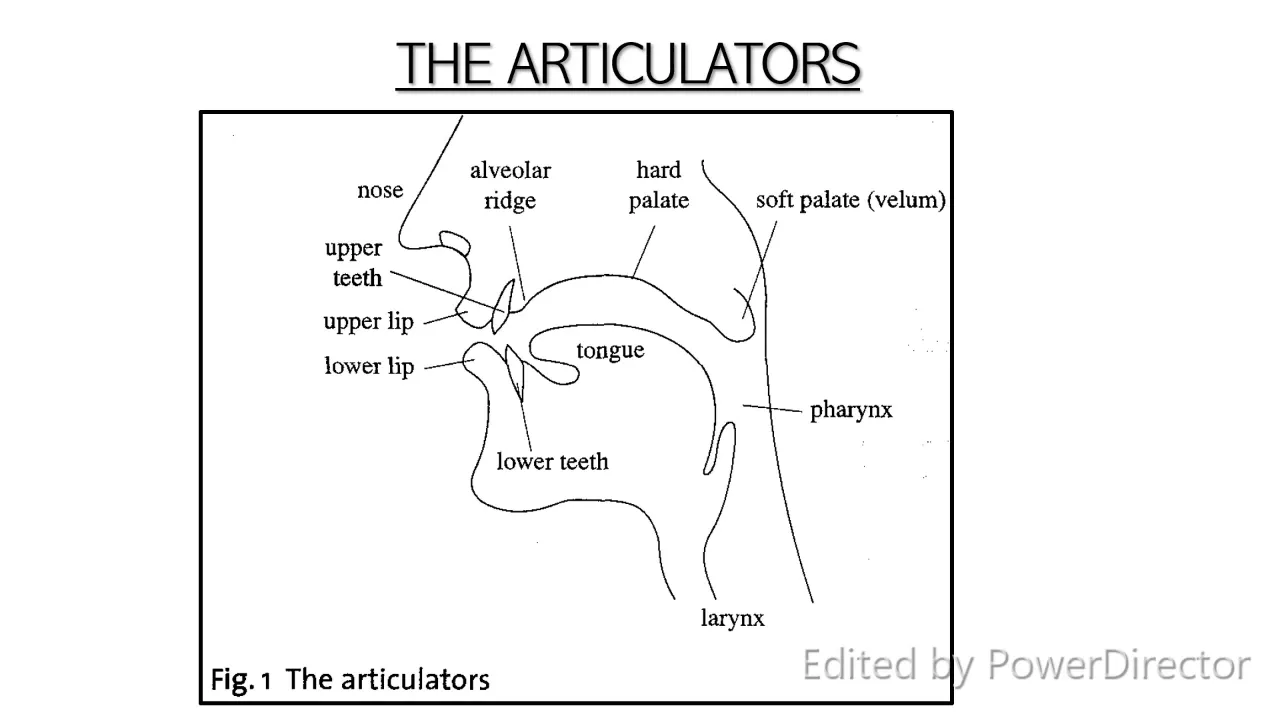
Added:there my name is Kelly slim pediatric speech-language pathologist and this is day three for a speech therapy at home for parents who wants to work with their kiddos on their speech and language skills since we're not able to provide direct services at this time and so these are just some free quick tips hints and strategies about working with your child at home on their articulation and so articulation is the way that words are pronounced your speech sounds per se and so this particular video is on fronting and that just means it's a phonological process or a pattern of errors where the child says the D sound for the G sound for example or the T sound for the K sound so your child might say dough instead of go or your child might say tat instead of Pat and again they're replacing the D for the G or the T for the K and what we want to do here is begin at the isolation level and that's pretty much only the sound or a syllable level where it's the first consonant sound either the G or the K and then just a quick vowel after that to see if your child is stimula bull for the word position so we're gonna start to get an isolation and syllable we want to hit 80% and four out of five trials before we move on to the next so you're thinking there's no way my child is gonna be able to sit down and do like 25 trials of this word this sound that you want me to work on so if your child is able to do it the first time or to correctly or if you know that they can do it at the syllable or isolation level go ahead and move on to the word level and we want to start with the initial position of words that's that's typically the easiest for children again and then we will move to the final position of words so for example the word go G is in the initial position the word cat K is in the initial position so though the words that we would start with after your child has mastered that we want to move to the final position of the word so the word pick it's in the initial position and the final position we want to see if your child can do both positions or that final position after they have mastered the initial position okay so you're like that's great how do we do this though every time I say it they just say the same sound they just say you know Dodd instead of dog every time and I've told them over and over again that's not how you say it so here's a couple of little tricks if your child likes chocolate milk or water or juice for G we want to have our voice on send to G and K are the same sound they're made in the same place and the back of them in the back of your mouth where your tongue is elevated and in a backwards facing position kind of going up and back and so for the G sound we want to turn our voice on and we want to get our chocolate milk and always say Oh get your chocolate milk here we go this is how I drink my chocolate milk I go good good good and that that little a sound is just a fun little sound that you put on the end of it to make it more fun for your kiddo but really it's just so that they will tip their head back and whenever you're making the fun gulping sound that's the correct sound and don't be discouraged if they say a lot of times their head their head is falling forward so we really want to get their chin up so the tongue naturally falls to the back of the mouth if you're like you know my child can't do that they're still doing this try to see if you can get them to lay down on their back so that they're looking up and maybe you could hold some keys there that's a good one for K sound you're dangling your keys and you're saying you're saying open your mouth a lot of times kids mouths are falling or they're falling close when they're saying T's T's and so we always still open your mouth big pretty smile like this and then we'll go ahh please pull your tongue up up up you know so we want to encourage them to keep their mouths open tilt their head back and then either drink their chocolate milk or I do a touch cue for my case ounce okay peez cat and that's just a little quick visual or a tactile cue to remind your child this is the case out and you got to pick your chin up to pull your tongue back so again isolation syllables one word and then if you're gonna work on a word I recommend just focus on the sound so if you're working on the word gold and you're just trying to get that initial G I don't care what the rest of the word sounds like like if you're working on flag and they're saying tag or sag and they're hitting that G every time you say yeah good job could you sound good good good excellent job drinking that chocolate milk because again later developing sounds they're not going to be able to produce and then they're just gonna get frustrated that every time they try to fix a different sound something else keeps going on so if you're working on to your case stick to G or K no matter why even if the rest of the word sounds terrible and just reward them for their positive progress on the targeted sound that you're actually working on so four to five times would be 80% and focusing on the one sound starting in isolation moving to the first position of the word followed by the final position of the word and then once they've mastered those imitative lis where you're saying the word and they're saying the word go dog get got gog Bulls get Ghul once they are getting it um then you could say mommy giggles see if they can go ahead and imitate that phrase try to pull back on your visual and verbal cues if they start to slip just a little bit we want to back up to the word position we always want to be 80% or higher at whatever level we're working at before we move on to the next level and that's your articulation tip of the day for kiddos who are fronting thanks so much for watching
Up Next

Phonological Disorder Causes, Patterns, & Treatment in Children
@Better.Speech
10.9K views•2023-02-22

Triumph of Orthodoxy Icon: Byzantine Art & History Explained
@BenCallan
2.1K views•2024-08-06

FastAPI vs Flask vs Django: Choosing the Right Python Web Framework
@TechWithTim
302.5K views•2024-05-26

Game of Thrones Opening Credits: A Cinematic Analysis
@gameofthrones
46.3M views•2011-04-18
Related Study Plans & Knowledge Roadmaps
Structured learning paths in General & Interdisciplinary Studies