

















Writing originated in ancient Sumer around 3100 BCE as temple scribes developed a system to track grain storage, evolving from simple tally marks and pictographs into abstract wedge-shaped cuneiform symbols; this transition occurred because Sumerian's monosyllabic structure allowed pictograms to represent sounds rather than just objects, enabling the creation of complex words and abstract concepts that could be written left-to-right after scribes rotated characters 90 degrees to accommodate clay tablet limitations.
The Origins of Writing: Sumerian Cuneiform and the Birth of Recordkeeping
Added:The geography of Mesopotamia and the rise of the Sumerian city-states (such as Uruk and Ur).
The impact of the Neolithic Revolution and how agricultural surplus led to urbanization, division of labor, and complex societies.
The basic concept of proto-writing, including how early humans used physical clay tokens and bullae to represent quantities of goods.
The administrative and economic role of Sumerian temples (Ziggurats) in collecting, storing, and redistributing agricultural resources.
The transition of cuneiform from basic administrative recordkeeping to recording literature, mythology, and law, such as the Epic of Gilgamesh and the Code of Hammurabi.
The comparative development of other early writing systems, such as Egyptian hieroglyphs, Indus Valley script, and Oracle Bone script in China.
The evolution of writing systems from logo-syllabic cuneiform to phonetic writing, leading to the development of the Phoenician alphabet.
The modern history of deciphering cuneiform, including the significance of the Behistun Inscription and the work of early assyriologists.
2.1M views50.5Klikes7:08Original Release: 2016-06-04
On this show, we often talk about the history of people or places, societies.
Rarely do we get to talk about the history of an idea.
So today we're going to try an experiment: we're going to talk about the history of the concept of the written word.
♫ [intro music] ♫ Writing is one of mankind's most enduring technologies.
For fifty-six hundred years, this ability to transmit thoughts over generations, to give instructions, to express ourselves, to communicate ideas over the gulf of space and time, has allowed us to make vast strides in our understanding of the universe, our understanding of each other and our understanding of ourselves.
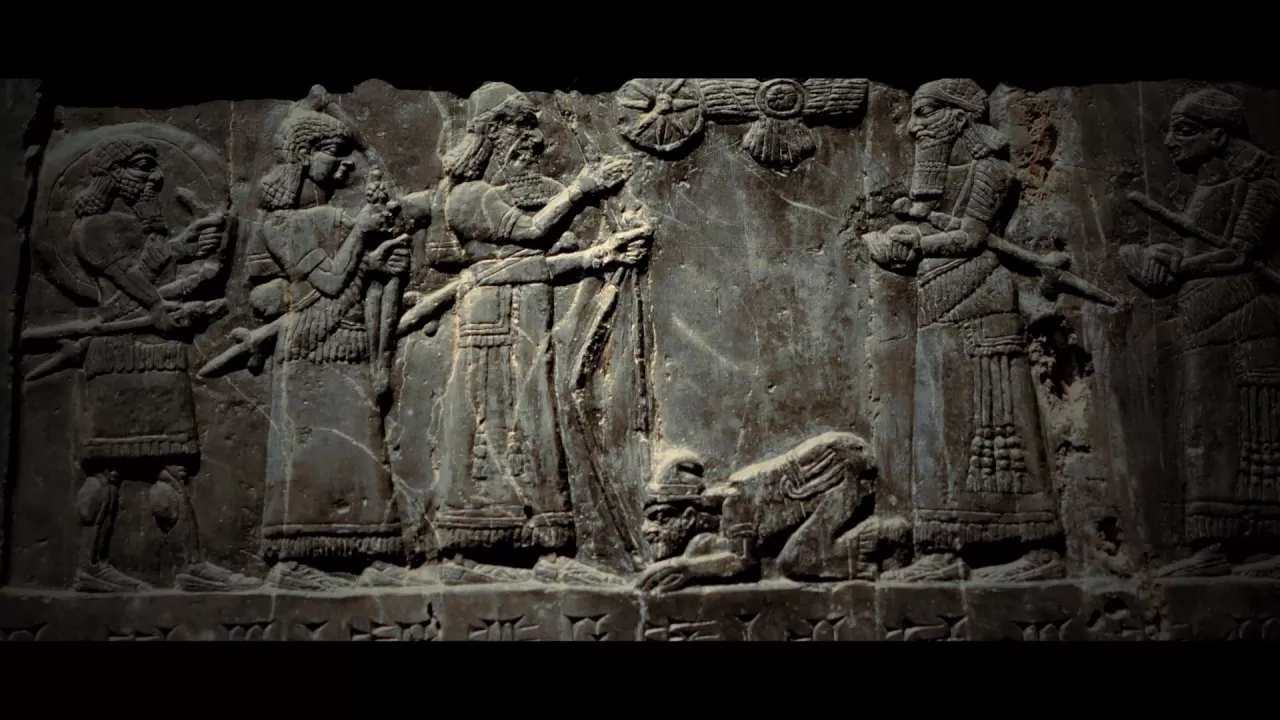
But to understand how writing began, we have to travel back to ancient Sumer, where the first widespread use of writing started.
Look around. What do you see?
Yes, you see the potters and the merchants.
You see streets and gardens.
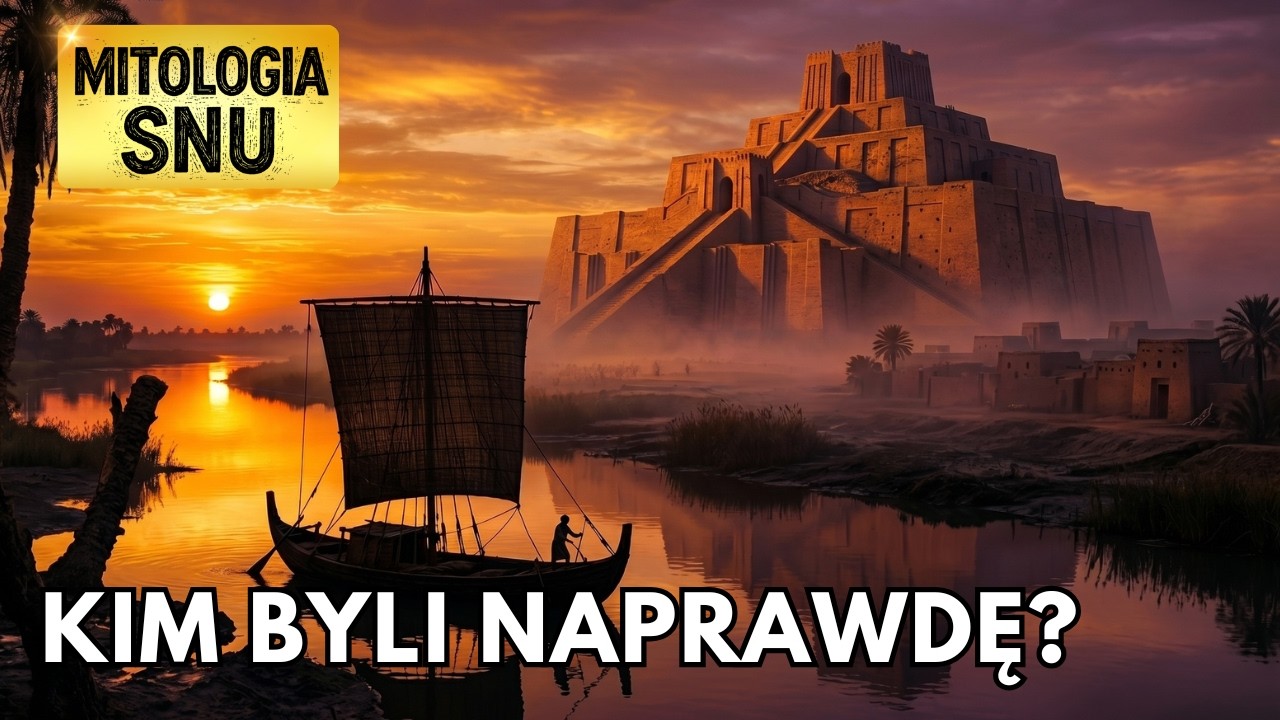
But what do you see looming over all of it?
The temples.
These temples play a huge part in why writing began.
For, you see, Sumer was the land of the world's first real cities.
Not hundreds of people or thousands of people, but tens of thousands grouped together.
And these cities formed city states bound together by the veneration of a specific set of gods.
The people mastered irrigation and the cities grew and as the cities grew, so too did the temples to the gods.
But these massive, sprawling temple complexes didn't serve only as houses of worship.
No, no, look close.
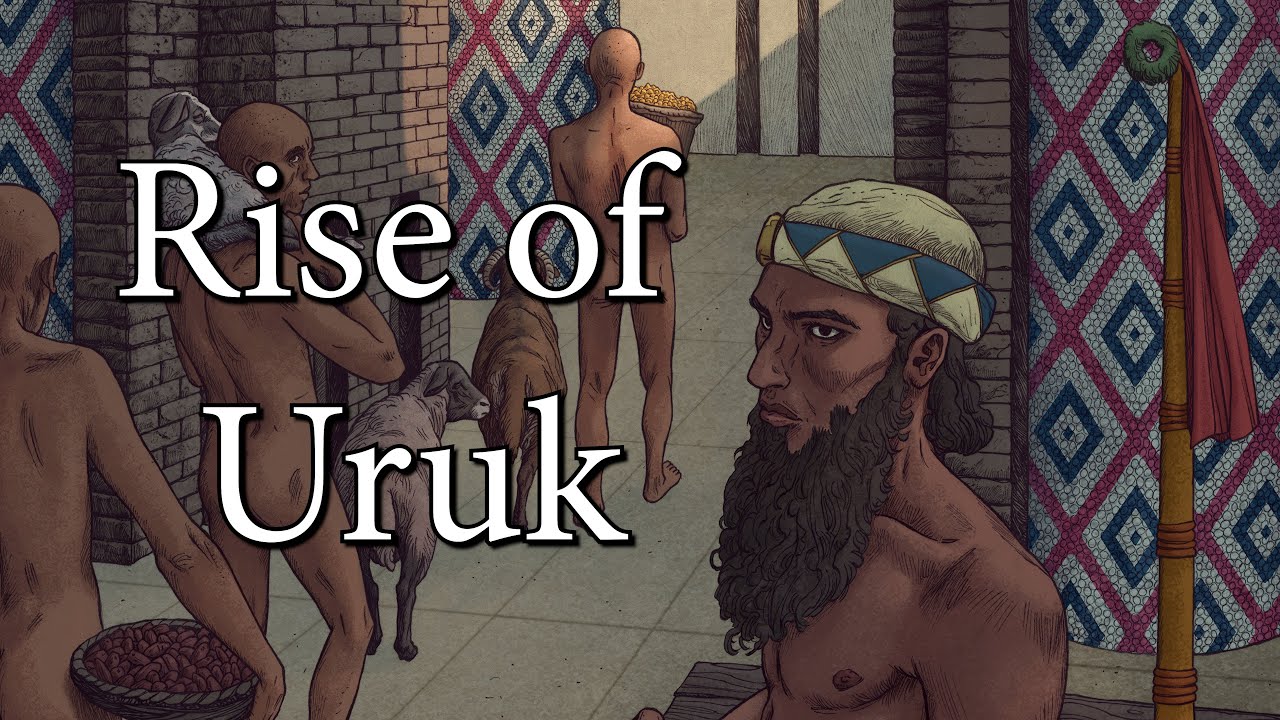
Do you see the men bringing in the clay pitchers full of grain?
These temples also served as enormous warehouses.
Repositories for the vast wealth of the city.
In good times, donations and gifts would come flooding in.
And in lean times, they would be distributed back out.
This system created vast wealth for the priests, but it also ensured that cities of this size could function.
But we're not concerned with that. Not directly.
Look next to the men bringing in the grain.
Do you see that man watching them?
Notice how every time they bring in a jar of grain, he makes a little mark on that clay tablet he's holding.
With an economy of this size, with tons of supplies moving in and out of the temple each day, they needed to keep records somehow.
And that is exactly what he's doing.
That tablet will later be stored so that priests can know what exactly the have on hand in their giant temple warehouse.
But as much as tally marks have their place in the origin of writing, there's something far more interesting for us on that wet piece of clay he's got in his hands.
You see, he's drawn a little picture of a grain stalk next to his tally marks so it's clear that his tallies refer to grain.
Well, over the generations, that nice little drawing of grain would get simpler.
More abstracted.
Scribes looking for quicker and easier ways to note common goods wouldn't laboriously draw every single item coming into the temple, but instead came to an agreed-upon set of more symbolic representations for the goods flowing into the holy places.
And you can see how somebody might quickly realise that those symbols could represent not only the concept of something, but the word itself.
And that's exactly what happened.
The symbol for "cow" came to be understood not only as a representative of the animal, but also of the word "cow" itself.
But, still, there's not much you can do with just a set of a thousand or so nouns.
And here's where a happy accident of linguistics comes in.
You see the people talking around the temple?
Well, if you could hear them, it would sound like everybody was just saying the same few words over and over again.
And that's because Sumerian is a language where most of the words are just single syllables and where concepts are built out of putting words together.
Both of those points are important.
because when many of your words are mono-syllables, it's easy to go from thinking of a symbol as a word to thinking of it as a sound for that word.
To go from thinking of the symbol for "the ewe", meaning just the sheep, to thinking of it as meaning the sound "ewe".
And thus giving you the word for the tree "yew" or the person "you".
Once you do this, you're no longer drawing pictures for every word in the language.
Now you're starting to think of those pictures as sounds.
And stringing sounds together lets you build up all sorts of words.
And once you couple that with the fact that, in Sumerian, many concepts were built up out of basic words, so for example: "sickle" plus "grain" might mean "harvest", there's a huge amount you can do with the concepts and sounds that a thousand or so images represent.
But we're not done yet.
Because the very medium the scribes were writing on changed how we write in the West today.
You remember how our buddy in the temple tallying the grain was making his marks on a clay tablet?
Well, watch him write.
See how he's writing from top to bottom, just as you would if you were making a list.
Well, that would soon change because the problem with clay is that it takes forever to dry.
and so if you accidentally set your hand down while you're writing from top to bottom, you could easily obliterate whole sections of the column you just wrote.
But this risk is reduced if you start writing from left to right.
But a lot of the people in the temple didn't like that innovation.
It was easier on the scribes, but for the other literate folks who had to read it, they had learned to read from top to bottom and so they didn't like this "sideways" thing at all.
So what did the scribes do?
Well, they simply rotated all of the characters 90 degrees so that a person could turn the tablet and read it from top to bottom just like they always had.
Soon, people were just reading the sideways characters left to right.
But because they'd been flipped, now they were even more abstracted.
Even further from the pictures and the things that they originally represented.
This writing system was then adopted by the neighbouring Akkadians and Elamites.
who abstracted it even further.
Determinatives, or little markers to designate what part of speech something was in case it was ambiguous, also got added.
And now you've got a real writing system!
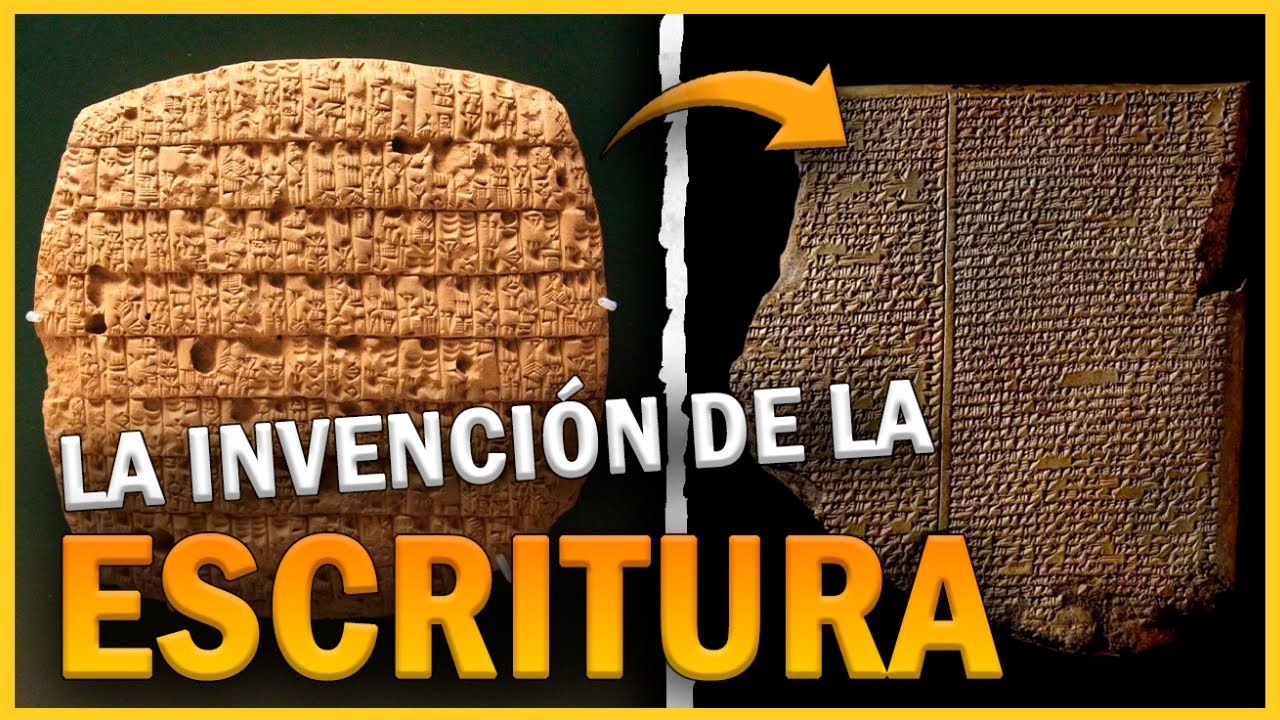
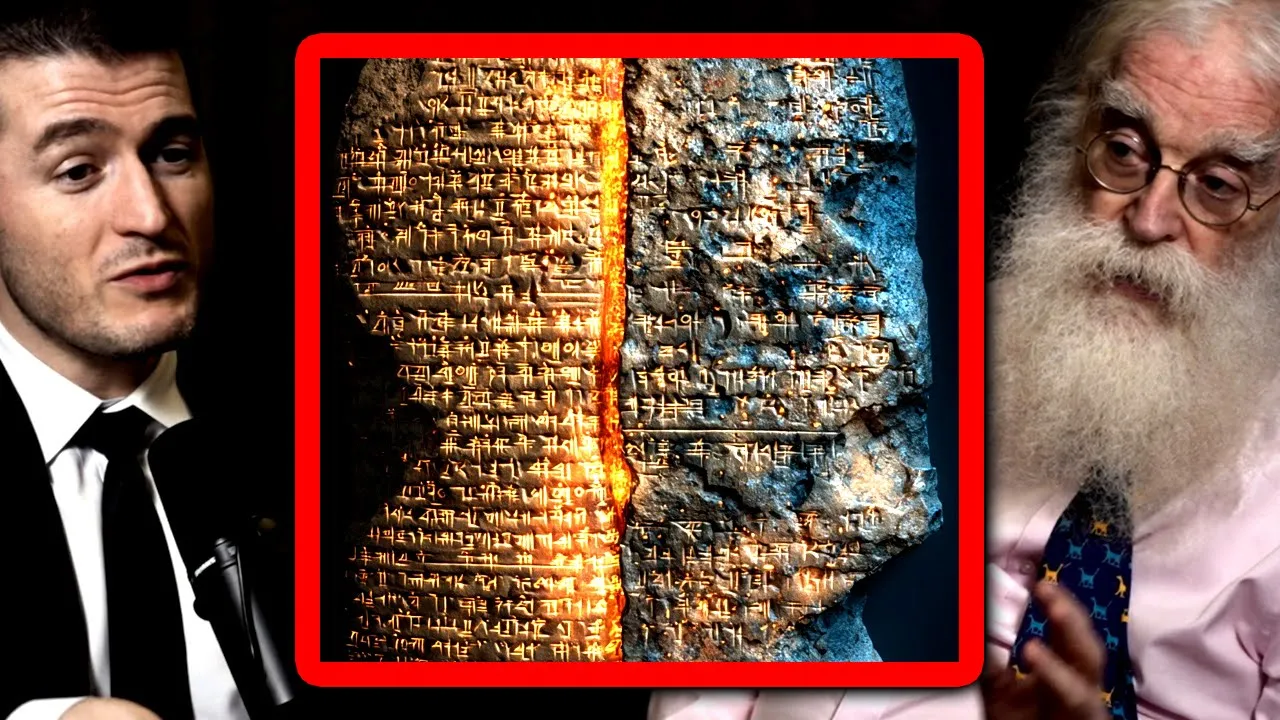
The original pictures, and even the pictograms they became, vanished entirely into wedge-shaped impressions and line strokes made by the stylus favoured at the time.
Which means, instead of simply a handful of nouns to record storage lists, we have a system for writing that can give us things as abstract and lyrical as The Epic of Gilgamesh, or the Enûma Eliš.
So how do we know all this?
Well, funny thing about clay, when a place is burned down and all of your writing is on clay, rather than it being destroyed, the writing hardens and becomes preserved.
But that won't happen here for some time, so let's just celebrate what scribes like this one and the marvellous city of Sumer gave us: a gift that has lasted us more than five and a half thousand years.
Writing.
Now since we don't get to do the Lies episodes for these one-offs, I also want to point out that this is just the first place in history where writing achieved widespread use.
Later it would be developed independently in Mesoamerica and was almost certainly developed independently in China.
There's a great deal of contention about whether it developed independently in the Indus Valley and Egypt.
Although, from what we've read, which admittedly isn't nearly enough to form anything more than a layman's opinion, I'm more in the camp that both of these groups inherited the basic concept from Sumer.
Anyway, let us know in the comments if you liked this little experiment and are as interested in the history of ideas as the history of societies and peoples.
If so, we'll try to do this from time to time.
Who knows? Maybe we'll even cover how we moved from the Sumerians writing syllables to that incredible tool: the Alphabet that most Western cultures still use today.
See you next week!
♫ [closing music] ♫
Up Next
41:08
Introduction to Indian Epigraphy: History and Scope
@Vidyamitra
13.1K views•2018-02-20

33:02
The Great Schism of 1054: Causes and Consequences
@SacredCathedrals
113.5K views•2026-02-19
8:49
Mali Empire Origins: Sundiata's Victory and the Gold Trade
@extrahistory
2.4M views•2018-04-14
17:05
Understanding the Cold War: Superpower Conflicts and the Road to Détente
@OverSimplified
46.1M views•2019-01-24
Related Study Plans & Knowledge Roadmaps
Structured learning paths in History
history
Byzantine Iconoclasm: Theology, Art & Politics
01Foundations of Byzantium and Early Christian Images
02The First Iconoclasm: Leo III and the Crisis of Images
03Empress Irene, Nicaea II, and the Second Iconoclasm
+ 2 more learning modules
9h5 modules
Explore Roadmap
history
Iranian Revolution (Causes, Events & Legacy)
01The Pahlavi Dynasty and the Roots of Discontent
02The Spark of Rebellion and the Rise of Khomeini
031979: The Fall of the Shah and the Climax of the Revolution
+ 2 more learning modules
8h5 modules
Explore Roadmap
history
Mali Empire: Mansa Musa, Trade & Timbuktu
01Foundations of the Mali Empire
02The Trans-Saharan Gold and Salt Trade
03The Reign and Pilgrimage of Mansa Musa
+ 1 more learning modules
6h4 modules
Explore Roadmap
history
1947 Partition: Politics, Borders & Legacies
01Foundations of British India and the Divide
02The Political Negotiations and the Mountbatten Plan
03Drawing the Boundary: The Radcliffe Line
+ 2 more learning modules
8h5 modules
Explore Roadmap