


















The Spanish Civil War (1936-1939) was fundamentally shaped by internal ideological conflicts within both the Republican and Nationalist camps, where Communist infiltration of the Republican government undermined its effectiveness, while Nationalist unity under Franco ultimately proved decisive; despite initial Republican advantages and international sympathy, poor military leadership, internal factionalism, and strategic errors led to Republican defeat, demonstrating how internal political divisions can determine the outcome of civil conflicts regardless of external support or initial military positioning.
Understanding the Spanish Civil War: Key Campaigns and Political Intrigue
Added:The geopolitical climate of Europe in the 1930s, particularly the rise of Fascism, Nazism, and Soviet Communism.
The establishment and turbulent political history of the Second Spanish Republic (1931–1936).
Basic political ideologies of the era, including anarchism, socialism, monarchism, and fascism, to understand the factions involved.
The traditional socio-economic divisions in Spain, specifically the power dynamics involving the Catholic Church, the military, and landowners.
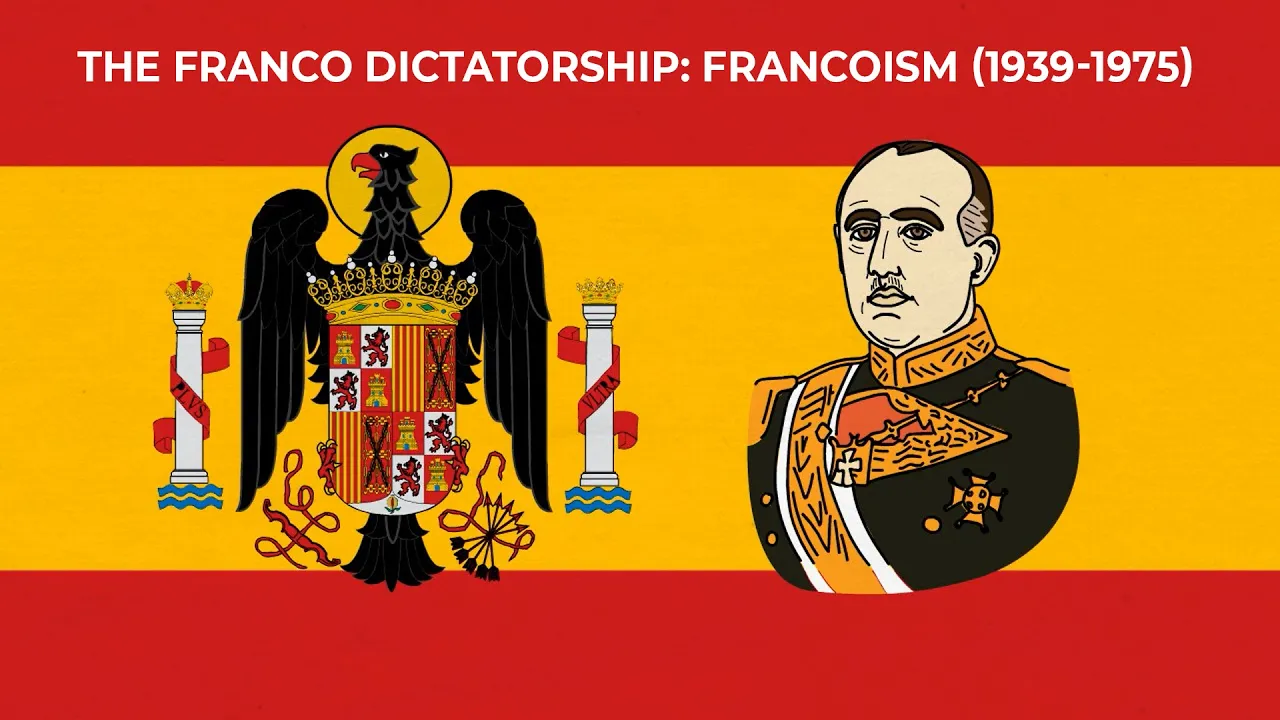
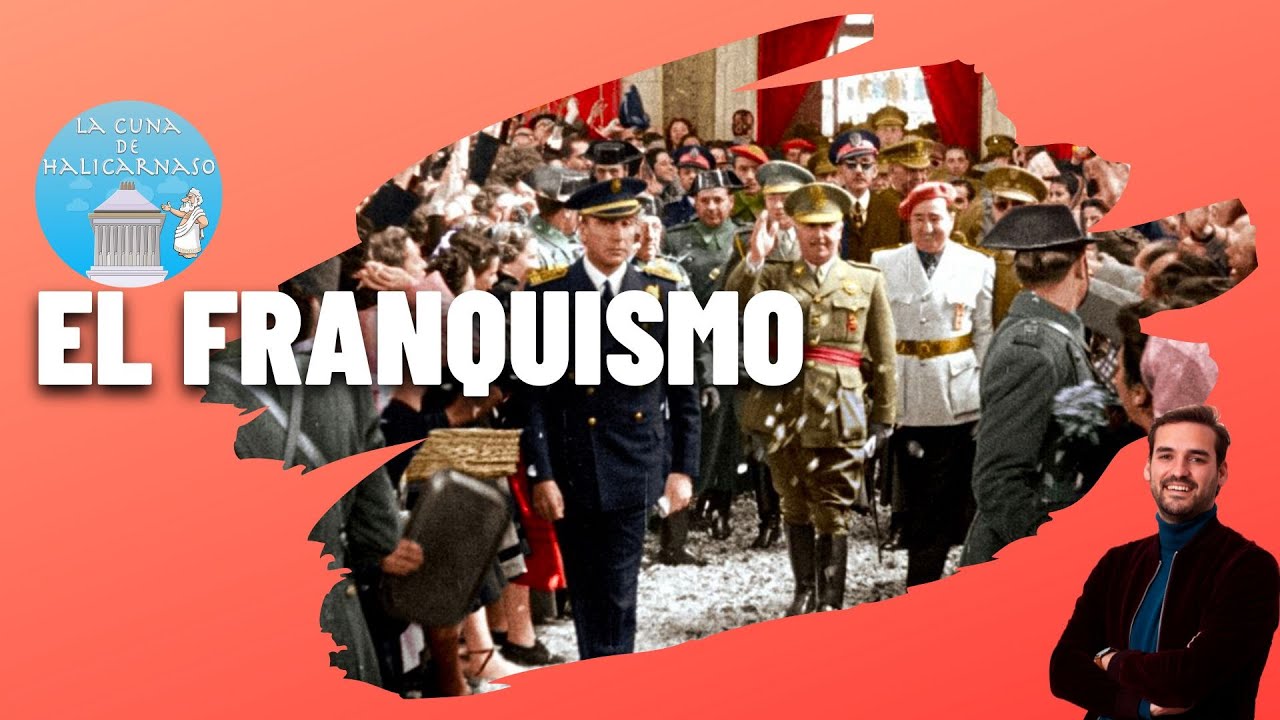
The establishment, structure, and long-term consequences of Francisco Franco’s dictatorship (1939–1975).
The military tactics and foreign interventions of the Spanish Civil War as a direct precursor and tactical testing ground for World War II.
Spain's transition to democracy after Franco's death and the controversial 'Pact of Forgetting' (Pacto del Olvido).
The cultural and intellectual legacy of the war, including the works of George Orwell, Ernest Hemingway, and Pablo Picasso's 'Guernica'.
287K views10.5Klikes21:07Original Release: 2023-05-26
it finally happened this video is sponsored by raid Shadow Legends check it out via the link in the description also this video is part two in a two-part series you can watch part one by clicking the link on the top right of your screen [Music] by 1937 it had become clear to the nationalists that the Civil War could not be won in Madrid so on March 31st 1937 the northern offensive began the idea was to fully occupy the Republic's Northern Enclave which would free up the Nationalist troops fighting there to be relocated to the main front the fact that Northern Spain happened to be fully industrialized was a bonus the first Target was The Basque Country it was here where the German Condor Legion infamously bombed the city of Guernica which killed or injured several hundred people militarily The Raid didn't mean that much but it sparked International outrage against the nationalists this was a little odd though because there were plenty of atrocities on the Republican side as well so why were the Nationalist crimes the only ones generating outrage the answer is simple the nationalists sucked at propaganda the Republic loved foreign journalists and let them follow their troops into battle the nationalists meanwhile view journalists as spies and kept them far away from the front with treatment like that it was inevitable that the journalists who influenced International opinion would favor the Republicans this was on top of the general leftward stances of artists and intellectuals which the nationalists did nothing to change but on the ground the Nationalist offensive was still a success taking the Basque capital of Bilbao on June 19th amazingly The Basque government chose not to sabotage any of the city's industry this horrified the Republican allies who could do nothing but Retreat into Australia's where they would hold out until October this campaign cost the nationalists 30 000 casualties although with disproportionately few fatalities the Basques and Republicans had similar casualties but nearly a third of theirs were deaths so what were the Republicans doing all this time well exactly what you would expect good old-fashioned leftist in fighting but before we find out why let's talk about this video sponsor raid Shadow Legends and its brand new animated show you already know about raid but did you know that it has its own animated show raid call of the Arbiter is a brand new limited series set in raids Dark Fantasy World of Talaria each episode tells the story of one of raid's Champions bringing Talaria and its inhabitants to life this is alongside dedicated lore videos and behind the scenes content you can join the millions who've already watched by clicking the link in game or searching for raid call of the Arbiter on YouTube to celebrate call of the Arbiter The Raid Shadow Legends game is releasing new features including Champion biographies for both Champions featured in the show and those who can only be found in game everyone who logs into raid for seven days by July 24th will get the legendary champion RT hack who's featured in The Call of the Arbiter show and if you're a new player use my exclusive Link in the description or scan the QR code on screen to get the Epic Champion Knight errant alongside other special bonuses you can find me in-game as call me Ezekiel there's never been a better time to get into raid Shadow Legends so click my link in the description or scan the QR code on screen to begin playing for free right now and now back to the video [Music] so before we talk about the Civil War within the Civil War I need to disappoint you it never happened there were no front lines fought over by division level formations there were no major battles and there was no independent Anarchist Society at war with both Republican and nationalist Spains I'm sorry Hearts of Iron 4 lied to you here's what really happened as the war dragged on the pro-russian Communists Consolidated more and more power around themselves this concerned the anarchists and non-muscow aligned Communists they had even discovered that the Soviet nkvd was in total control of the Republic secret police and used it to arrest torture and execute their political enemies including anarchists and disloyal Communists another sticking point was that the Spanish gold reserves the fourth largest in the world had been shipped to soviet-controlled banks in Paris where they were used to pay for military equipment at outrageous prices then instead of actually giving that equipment to The Republic the Soviets only gave it to units whose officers agreed to join the Communist party which meant that the military was quickly falling into Soviet control too this all came to a head in late April when communist soldiers attempted to seize CNT Fai Frontier posts in the Pyrenees Mountains fighting ensued which killed several people the anarchists figured out exactly what the Communists were doing and in response forcibly reclaimed all of the authority they had lost in Aragon and Catalonia since the beginning of the war the Communists use this as an excuse to deploy troops to Barcelona whose people erected barricades against them street fighting then erupted throughout the city the poum and other factions joined the anarchists since George Orwell was a member of the poum he was there to witness many of these events first hand things continue to escalate from there a Pou and Brigade tried to leave the front for Barcelona but was stopped by Republican aircraft as other airwings were repositioned to undertake further missions against the insurgents Communist troops also continued to enter the city but they remained heavily outnumbered the anarchists could have taken this opportunity to finish what they started throw off State control and realize their anarchist's dream but preventing a conflict with the Republic was deemed more important so a compromise was offered on May 6th the CNT Fai offered to stand down if the government removed its troops from Barcelona and no reprisals were carried out the government agreed to those terms the next day what immediately followed was a surge of communist troops into the City and mass reprisals against the anarchists and their poum allies while the cntfai and poun would continue to participate in the war from this moment onwards they were politically impotent and that wasn't the only Victory from Moscow because in that same month the moderate left Republican government collapsed and was replaced by a new one headed by Juan Negrin Lopez a man whose loyalties largely lay with Moscow one of his first acts was to destroy the anti-soviet poum so if there was any doubt before Republican Spain was now definitely under communist control so leave a Black Flag Emoji in the comments to commemorate the end of anarchist power in Spain the nationalists didn't miss out on the Consolidated power game either Franco decided to forcibly unite the disparate nationalist factions into a single party while they had no problem working together before independent political factions would limit Franco's power the conservatives couldn't do much about this but the carlis and the falange were still powerful so some concessions would need to be made luckily the decision of what to concede to who was very easy you see the Carlos were a very serious organization focused on winning the war the falange was not and were willing to throw fits and jeopardize the war effort to get what they want as a result the unified party was essentially phalangious in ideology and only coralists superficially its uniform would be the blue coat of the falange with the red beret of the coralists so with politics settled let's return to the front [Music] the weakness of Republican Spain's militias was made clear very early in the war this prompted the government to put together a professional Army this concerned the anarchists who knew that a standing army would be loyal to the state but by this point who cared with the anarchists thought besides a professional military would be much easier for the Communists to control at the very least a professional Army would be much more capable of carrying out offensive operations the first of which was about to begin now let's suppose you were the supreme commander of the Spanish Republican forces and needed to select the target of your first major offensive where on this map would you attack I promise this isn't a trick question you probably selected here the Astra Maduro region it's a good choice Astra Majora is relatively flat and defended by some of the nationalists weakest forces best of all successfully taking it would cut nationalist territory in two but here's the thing you or someone else trying to win the war was not in charge of the Republic's military by this point the Communists were and they had much more important concerns than winning the war like this have you ever heard of estro Madura before probably not but the whole world knew about Madrid so an offensive there would be a major propaganda event so given the choice between furthering the war effort and securing Spain as a valuable communist Ally or a sick photo op outside of Madrid the Communists chose the photo op thus the Battle of brunette began named after the village of Burnett west of Madrid this battle was a disaster for the Republicans Madrid was where the best nationalist troops were and the Republican Air Force proved itself to be totally incompetent massively outmatched by Germany's Elite Condor Legion Republican Logistics also failed to keep up with the demands of the front soldiers regularly had to fight without ammunition or even water a dangerous shortage in the Spanish summer heat and to top it all off two Republican Scouts were captured and revealed much of their plans to the nationalists but none of that stopped the Communist propagandists from bragging about the quote almost perfect attack plan which in the end only moved the front by 50 kilometers this was at the cost of 25 000 casualties one-third of the Air Force and 80 percent of the Republic's armor this is also where George Orwell famously took a bullet through the throat but don't worry because another Republican offensive was on its way was it targeting Astra Madura of course not that would involve the Communists admitting they had made a mistake and they'd never do that so instead they planned a brand new offensive in an even worse region the mountainous and well-defended Aragon front this horrible front was selected not just because it wasn't estro Madura but also because it was a great excuse to further weaken Anarchist power in the region as troops were deployed Anarchist leaders were arrested and their offices were raided this Aragon offensive was a disaster for many of the same reasons as Bernat failing to accomplish anything other than wasting men and material and even worse as all of this was going on the nationalists defeated the last major Republican resistance in austurius if the Republic wanted to survive something had to change [Music] thank you in spite of continued failures at the front communist power behind the lines only grew one of their victories was the consolidation of Spain's intelligence service into the Sim the Sim ran its own network of secret prisons throughout Spain where maltreatment and torture were the norm they even operated a special Camp just for members of the international brigades who they suspected of disloyalty the treatment of the brigadiers got so bad that some even defected to the nationalists all of this meant that the Communists will continue to lead the war effort against the nationalists who were now for the first time in the war in numerical parity with the Republicans so did the Republic finally attack eshra Madura of course not that would make too much sense instead their next scheme would be a 40 000 man offensive targeting the city of terrawal this was a particularly odd move though because Franco was amassing his own forces nearby for an assault against Madrid for the Republic this offensive actually went well at first and forced Franco to cancel his Madrid offensive but the fighting became increasingly brutal as it neared terrawal and got even worse as the December freeze set in when the fighting reached Terra well itself it was characterized by dangerous house to house fighting many civilians were also trapped in the city and had to hide in basements and sellers but the fighting went on for so long that some civilians mostly children perished from Hunger before the fighting Ended as always nationalist air dominance played a crucial role it was during this battle when Peter camp now serving in the Spanish Foreign Legion records being accidentally bombed by friendly Italian aircraft who had mistaken his unit for the enemy after changing hands multiple times the Republicans were forced to abandon Terrell this return to the status quo came at the cost of 60 000 Republican and forty thousand nationalist casualties after so many republican failures initiative was reclaimed by the nationalists who began what could have very well been a war-winning offensive 27 divisions containing 150 000 men supported by 700 guns and 600 aircraft Advanced from Aragon on March 9 1938. their objective was the Mediterranean the Republicans having spent all of their forces on the failed terrible offensive didn't just Retreat from the nationalists but routed so on April 15th Good Friday Carlos rakites reached the seaside town of inurus cutting the Republic in two for the second time this offensive also saw the nationalists take most of Aragon with such massive success it begs the question why Franco stopped its surrounding Catalonia instead of conquering it outright even Republican leadership thought he was about to take it while Franco had become utterly convinced that the French would intervene in the war and take Catalonia for themselves the French had no such plans so instead of taking Catalonia the nationalists launched smaller offensives in the area around their Corridor to the sea to widen it this didn't do much to help the nationalists and while the Republicans were clearly bad at offensives they did very well on the defensive here for very little gain the nationalists suffered 20 000 casualties against the Republicans five thousand these nationalist mistakes meant that the Spanish Civil War would feature one last major battle the abro offensive foreign [Music] operational terms the abro offensive was perhaps the most impressive of the War soldiers were specially trained for a week in River Crossings Commandos infiltrated nationalist lines to scout out their positions and to assassinate centuries on the night of the crossing Republican Logistics were even properly prepared to meet the demands of the front when the offensive began on July 25th The Crossing was carried out expertly and with such surprise that the Republic captured 4 000 men on the first day unfortunately operations were the only area that saw Improvement strategically the offensive didn't make much sense the idea was to reconnect Catalonia to the rest of Spain but the region they would be capturing held little strategic value in itself and the nationalists were militarily Superior since the Republicans were relying on Bridges to cross the Abra River Franco opened the Pyrenees dams at and camasara this fed two meters of water into the abro which destroyed the vital Bridges the bridges were also made the target of nationalist airstrikes some carried out by Germany's brand new Stuka dive bombing the Republic's Engineers found themselves in a cycle of rebuilding Bridges each night when the bombers couldn't see them only to have them destroyed in the daylight as more nationalist reinforcements arrived the Republican Advance ground to a halt and morale foul rather than cut their losses Republican leadership decided to keep feeding men into the meat grinder by the 18th of August the nationalists launched a final counter-attack which drove the Republicans back across the Abram the abro offensive lasted 113 days at the cost of 75 000 casualties and nearly all of their military equipment the Republic gained no land and only inflicted 60 000 casualties on the nationalists this was made even worse by the fact that Moscow had long since lost interest in the war so none of that equipment or Manpower would be replaced the Republic's end was near the Spanish Republic pathetically trundled along through that winter suffering from shortages of everything including food and fuel for heating there was an attempt at a mass mobilization but many of the conscripts returned home because there were no weapons to arm them with when the nationalists launched their offensive on the 23rd of December there was no one to stop them Catalonia was quickly taken along with 23 000 Prisoners the other Republican Zone attempted an offensive in estro Madura but after limited gains it was stopped the Republic's government then collapsed and was replaced by a military dictatorship that ousted Negrin and the Communists they tried to surrender to Franco on the condition of no reprisals but with nothing to bargain with they were forced to accept an unconditional surrender but they wouldn't even enjoy that dignity on March 25th the date they were supposed to hand over their Air Force a combination of bad weather and poor maintenance made the Handover impossible when they tried to ask Franco for more time he just ignored them and ordered his troops to advance along all fronts the Republic's entire military collapsed the next day anyone who wasn't captured threw down their weapons and walked home the nationalists entered Madrid on the 28th and the last of Spain was secured on the 31st the national lists won the war Pope Pius XII sent a message congratulating Franco lifting our hearts to God we give sincere thanks with your Excellency for the victory of Catholic Spain with a civil war over the task of rebuilding began Spain's economy was in Ruins but Franco's top priority was autarky to make the nation as economically self-sufficient as possible in expectation of Another War Spain was also full of prison camps holding up to half a million inmates processing them commence with individuals receiving anything from provisional Liberties to force labor to executions but this system was very corrupt and Liberties could be purchased with bribes however anyone captured after the end of the war usually as a member of a resistance group was treated especially harshly foreign Nationals many from the international brigades were kept in separate camps one group was assigned to a labor detail which was forced to rebuild the town of belshita they were told you destroyed belshita and you will rebuild it nationalist Spain would go on to be an axis-leaning neutral during the second world war they sold raw materials to the Germans and continued to fight communism with division Azul a force of volunteers who participated in the invasion of the Soviet Union but all of this begs a question what would have happened had the Republicans won the war well if it's not already obvious given the Swift and massive infiltration of Communists into their government a Victoria Spanish Republic would have certainly been a communist state under the thumb of Moscow the Liberals were weak from the start but even if they had managed to maintain some of their power the Communists spent their entire intervention preparing to fight a civil war against the Liberals had such a contingency occurred the Liberals would have been totally isolated having just destroyed the military and political right they would have needed as allies the Spanish Civil War was also the single greatest opportunity to create an anarchist Society since nestro machno's black Army in Ukraine but just like makno rather than live up to their ideals they lost the Chance by allying themselves with Moscow and that's the Spanish Civil War this video was funded by the Soviet Union who is not currently infiltrating your government military or secret police and any suggestion otherwise is Trotsky eye propaganda and by this operations leader Josiah as well as by this video's sponsor rage Shadow Legends links to them and where you can support us directly are in the description like comment and subscribe for more I'll see you in the next one foreign [Music]
Up Next
12:35
Spanish Civil War Republican Factions: A Complete Guide
@historywithhilbert
65.4K views•2019-08-31

33:02
The Great Schism of 1054: Causes and Consequences
@SacredCathedrals
113.5K views•2026-02-19
91:57
The Geopolitics of the Ukraine War and the Rise of Global Autocracy
@JordanHarbingerShow
468K views•2025-04-19
17:05
Understanding the Cold War: Superpower Conflicts and the Road to Détente
@OverSimplified
46.1M views•2019-01-24
Related Study Plans & Knowledge Roadmaps
Structured learning paths in History
history
Byzantine Iconoclasm: Theology, Art & Politics
01Foundations of Byzantium and Early Christian Images
02The First Iconoclasm: Leo III and the Crisis of Images
03Empress Irene, Nicaea II, and the Second Iconoclasm
+ 2 more learning modules
9h5 modules
Explore Roadmap
history
Iranian Revolution (Causes, Events & Legacy)
01The Pahlavi Dynasty and the Roots of Discontent
02The Spark of Rebellion and the Rise of Khomeini
031979: The Fall of the Shah and the Climax of the Revolution
+ 2 more learning modules
8h5 modules
Explore Roadmap
history
Mali Empire: Mansa Musa, Trade & Timbuktu
01Foundations of the Mali Empire
02The Trans-Saharan Gold and Salt Trade
03The Reign and Pilgrimage of Mansa Musa
+ 1 more learning modules
6h4 modules
Explore Roadmap
history
1947 Partition: Politics, Borders & Legacies
01Foundations of British India and the Divide
02The Political Negotiations and the Mountbatten Plan
03Drawing the Boundary: The Radcliffe Line
+ 2 more learning modules
8h5 modules
Explore Roadmap