


















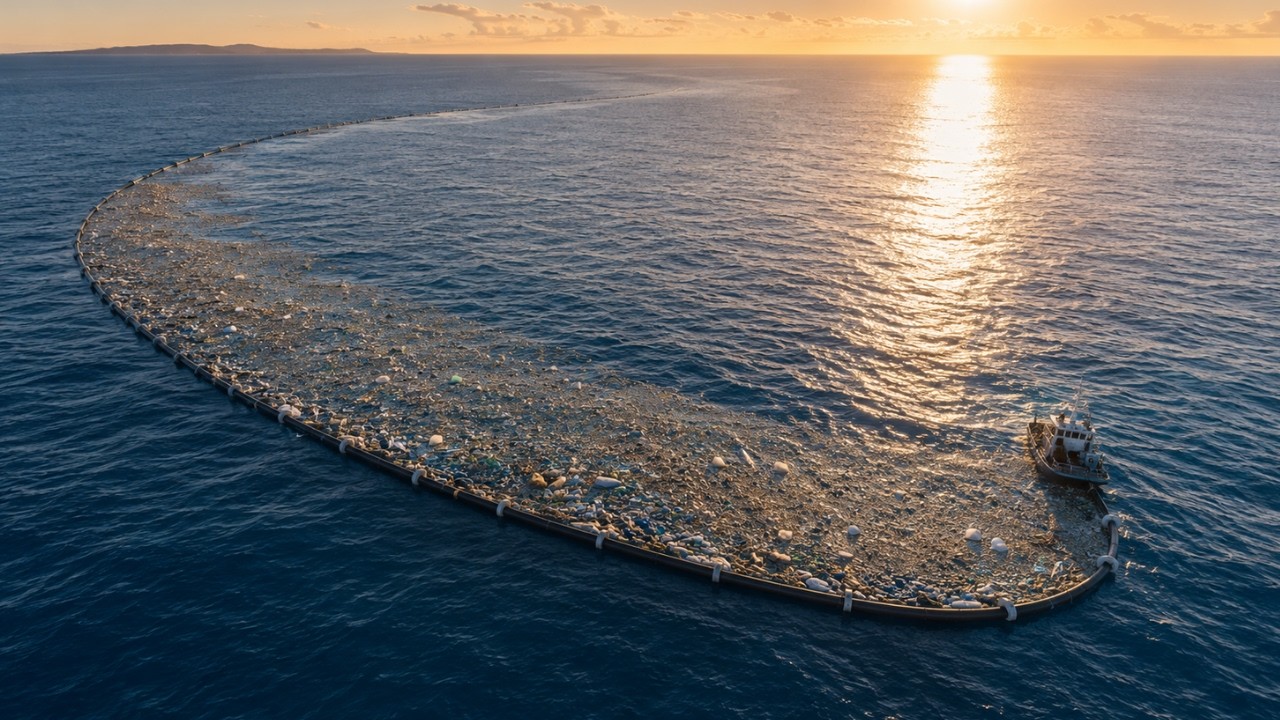


Ocean plastics pollution is a global crisis driven by approximately 8 million metric tons of plastic waste entering the ocean annually from land-based sources, primarily through improper waste management in rapidly developing regions like Southeast Asia; while most plastic accumulates in subtropical ocean gyres due to ocean currents, the problem requires a multi-faceted solution approach including improved waste management infrastructure, cleanup efforts, corporate responsibility, and individual behavioral changes to reduce plastic consumption and prevent further environmental contamination.
Ocean Plastics Pollution: From Sources to Solutions | Kara Lavender Law
Added:Basic polymer chemistry, including the definition of synthetic plastics and how they differ from natural polymers in durability and degradation.
Fundamental oceanography concepts, specifically global ocean currents, surface circulation patterns, and the formation of oceanic gyres.
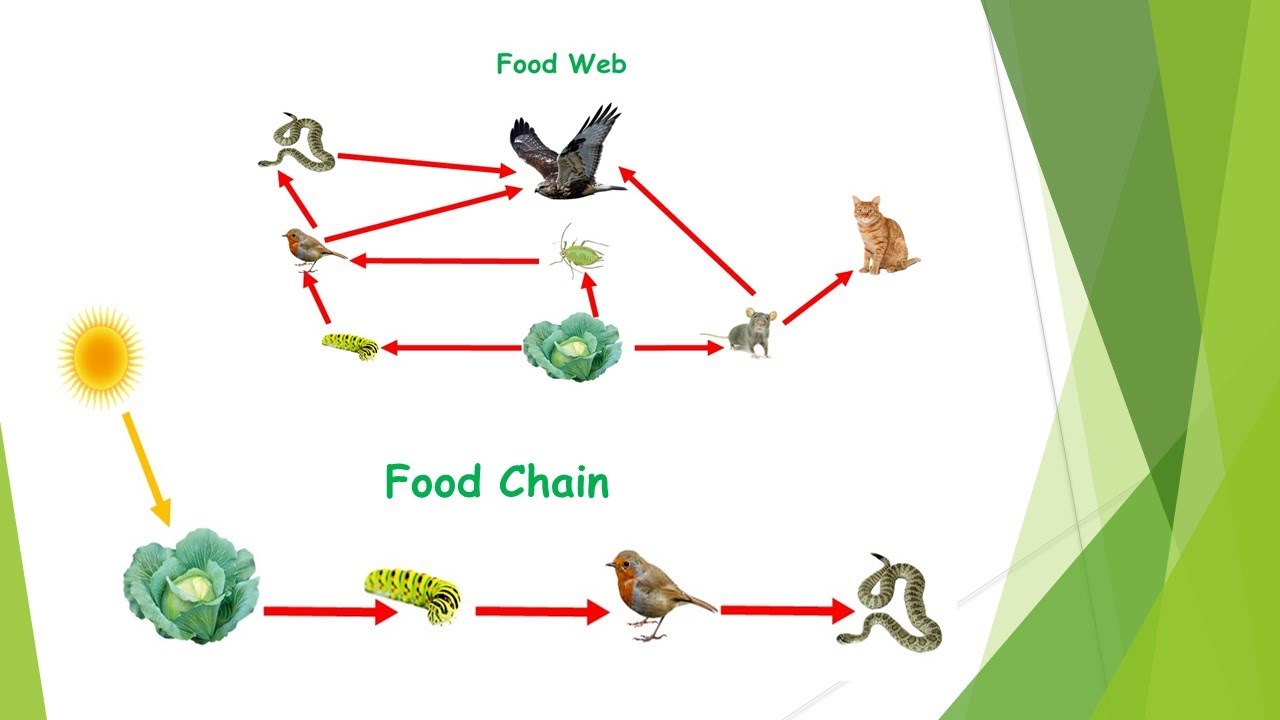
Introductory marine ecology, particularly food web dynamics, bioaccumulation, and the ecological differences between physical ingestion and entanglement.
An understanding of global municipal solid waste management systems, including recycling mechanisms, landfilling, and the primary pathways of waste leakage into watersheds.
Advanced ecotoxicology, focusing on the absorption of Persistent Organic Pollutants (POPs) by microplastics and their trophic transfer up the marine food chain.
Environmental policy analysis of international frameworks, such as the UN Global Plastics Treaty, and domestic initiatives like Extended Producer Responsibility (EPR).
Green chemistry and material science innovations, specifically the development of marine-degradable bioplastics and circular product design principles.
Critical evaluation of ocean remediation engineering, comparing the efficacy and ecological impact of open-ocean cleanup technologies versus land-based river interception methods.
288 views5likes1:10:47Original Release: 2019-08-13
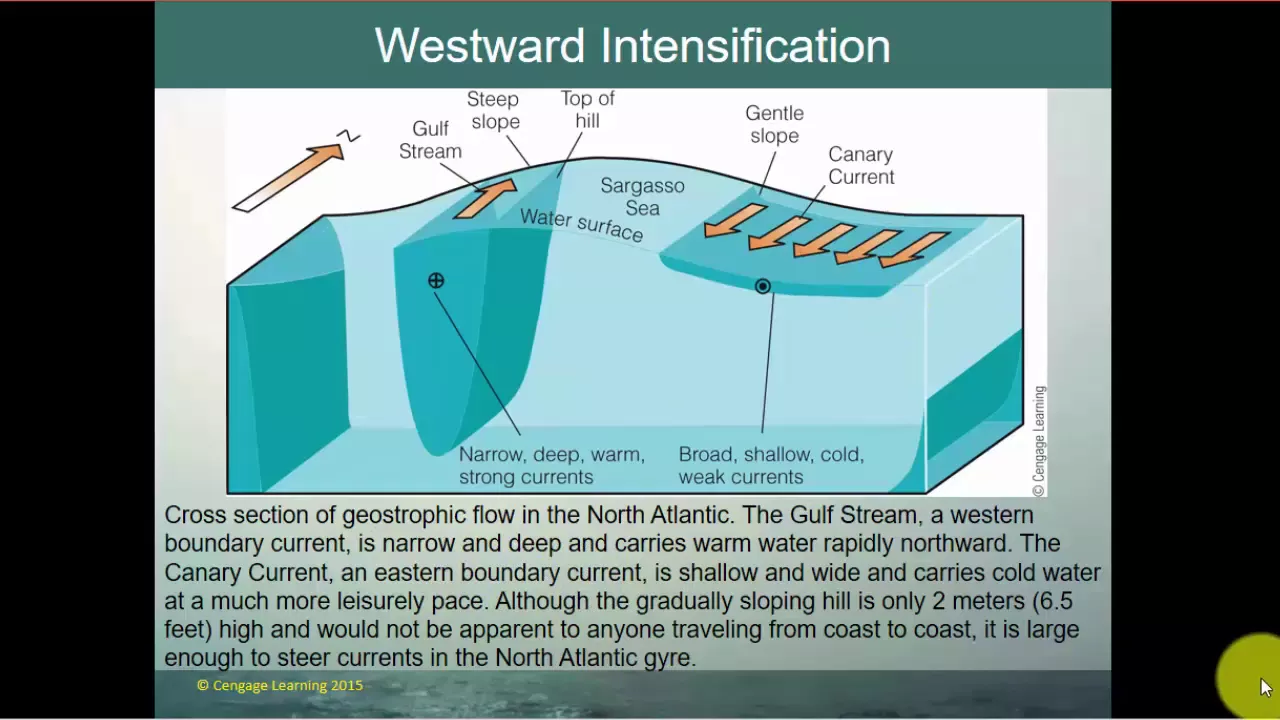
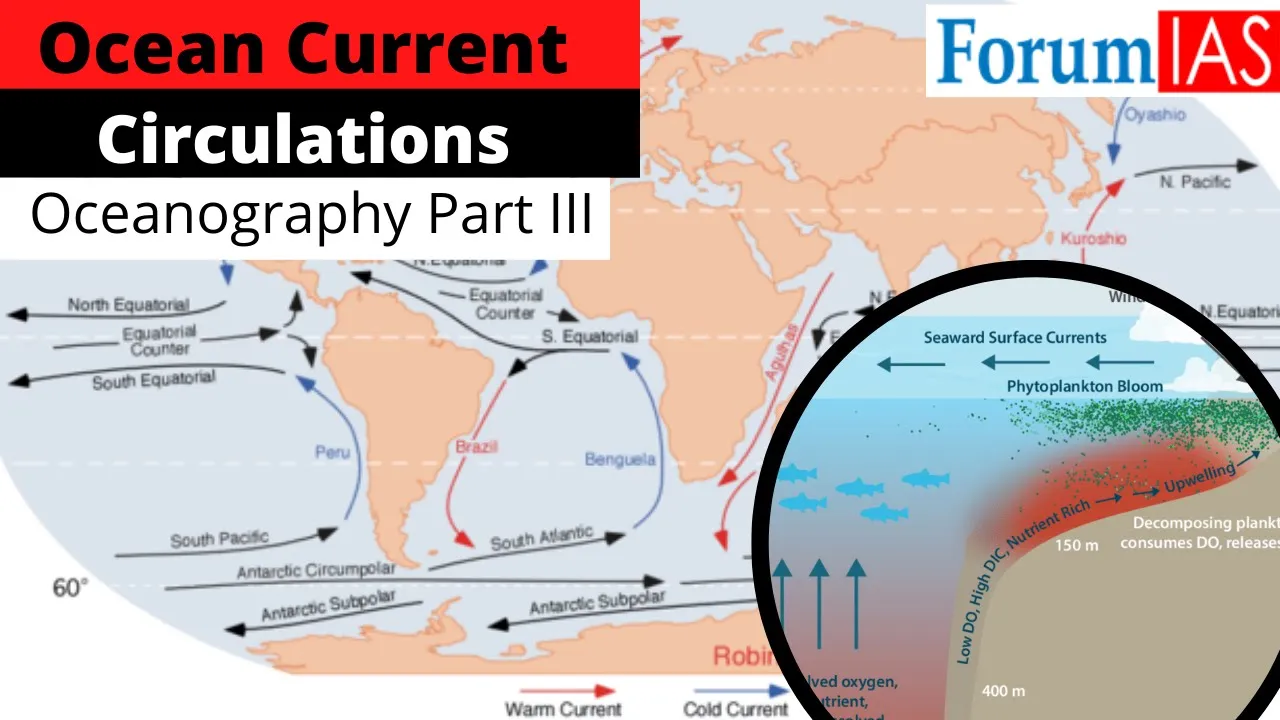
[Applause] hi good evening everyone so today I'm pleased to welcome dr. Carol lavender to the MD of Falmouth forum so Carol lavender law is a research professor at the scene Education Association she holds a PhD initial in physical geography from a script' institution of oceanography and a Bachelor in mathematics from Duke University dr. lewis research interests include large scale and misses scale ocean circulation and plastic marine pollution specifically the distribution of plastic marine debris is driven by ocean physics and the degradation and ultimate fate of plastics in the ocean main focus of this talk today so dr. law has more than twelve months at sea time on research vessels including in the eastern North Pacific and western North Atlantic oceans were a lot of plastic debris accumulates in 2008 Curl Curl dig and analysis of Education Association ocean plastics dataset collected in thousands of collected in thousands of placton net toast over more than 30 years by the sea semester students and faculty and with each unique ongoing long-term Asteria which is really really unique Carol published in several journals such as science in 2010 and 2014 just I'm telling you these two just like to let you know like how unique is the data that Kara actually has and how her team Karen has helped lead efforts both locally and globally to address the problem of ocean plastic pollution so linking science to solutions on the local level here in Falmouth Karen led a team that received an honor in the risk program grant to reduce the use of sea use plastic items and not just not just that she also works with her local community in Maine to promote this plastic reproduction and is on the board of directors of the gulf of maine marine education association additionally last year in 2018 Kara testified about ocean plastics pollution before the US Senate Committee on Environment and unpublished works on a more international scale scale Kara participated in a United Nation scientific advisory she also has served as a science advisor to the Trice free sea alliance led by the Ocean Conservancy Conservancy a group of nonprofit leaders working toward an ocean free of trash so as you can see with all that I just explained Kara has done a lot to raise awareness of the issue of plastic pollution through papers articles interviews talk through global and local communities and initiatives but I want to remind you also that as an educator she's preparing the next generation of scientists and non-scientists so everyone to continue working - half a cleaner ocean and province so thank you for that girl today we will learn how Karen and her team has brought scientific rigor to the popular field what we know and it's living hearing ocean plastic pollution helping this spell means a conception so is it real not in which way why from where it comes from so quantifying the problem identifying possible pathways to reduce this problem so just remind you again as and say this like silence your most used plastic base object careful and please join me in welcoming Carroll Avenue that was very generous well good evening everybody and first I have to thank root for an extremely generous introduction I'm not sure where she dug up all of the information and I will try to live up to the billing I also want to thank Susan Morris for the invitation to come speak with you tonight it's a pleasure to be speaking in Falmouth where I have been working with C education for oh gosh what are we coming over more than 15 years I'm now based in Maine but I do come down here fairly regularly and so it's a pleasure to be speaking to a local crowd and also for thanks to the MBL for hosting and for a lovely meal so actually let me back up one second thanks to all of you for spending your Friday evening here listening to talk about trash I'm really heartened to see this many people are interested so I'm going to talk to you today is sort of giving you an overview of my perspective of ocean plastics pollution from sources to solutions and I want to start with kind of my entree into this world which can be summarized by this image of the Great Pacific Garbage Patch so when I first heard about this problem and it was more than a decade ago and it was from a journalist who emailed somebody at SDI and said I hear you sail in the North Pacific do you sail through this fabled Garbage Patch and I had never heard of it a little bit of digging found some descriptions about a floating island of trash twice the size of Texas so thick you could walk on it of everyday items you could see this from space all kinds of descriptions of something that if work if it were true it would almost be a tractable problem in the sense that you could identify it find its edges and potentially try to clean it up in fact these are misconceptions and at sea education association just up the road here student students and faculty scientists have been collecting data for decades and we knew in-house that this was not an accurate description of the problem so we realized that the time had come for the rest of the world to know about what our little educational nonprofit was doing and I was fortunate to be in the right time in the right place to analyze the data set that route so nicely described so I'm going to tell you that story in a little bit more detail but first I want to talk about the conception so if you have an idea about a floating island of trash we're going to put that aside and from my experience sailing out in the open ocean and the places that you would refer to as garbage patches these are more typical images of what you would find if you were standing on the deck of a ship so you look over the side often there's very light wind as you see water and clouds and occasionally something might float by that's very surprising so this case we have a bhoot we have a five gallon bucket that's all encrusted with some kind of organic matter more often than not you would see something that is clearly an item a man-made item but you maybe don't know what exactly what it is we think those are probably fishing buoys of some kind this is some kind of container you might see a large fragment that's pretty clearly made of plastic and in extremely rare cases you might see a very recognizable items that you can trace to an actual source so these are pictures that were taken on our ship that sails in the Pacific Ocean about 18 months after the Japanese tsunami so this was in October 2012 on the opposite side of the Pacific Ocean and we saw things the crew on the ship saw this floating refrigerator going by we've course couldn't recover it but inside this drawer you could see these food packaging items in an egg tray so really shocking on many levels this was somebody's appliance and their food that got washed into the ocean that drifted across we found also other clearly recognizable items there's a tire back here there's some fishing buoys the food packaging there's bottles with clearly Asian characters a soccer ball there was also this this dinghy that was drifting had been weighted down by the barnacles growing on it that kindness is pressed right up against the side of our vessel so in this instance we can't say with a hundred percent certainty but it's pretty clear that these were items that washed out to sea and traveled across after the tsunami so instead you know that's a very rare instance I don't think we've had another occasion like that but in these regions the subtropical ocean gyres what you typically see are these micro plastic so this is a sieve and a student with some tweezers and you just see these brightly colored fragments that are irregularly shaped and there's different sizes and different colors this is not a big item it's not a water bottle but it's still plastic and it's still a contaminant so we hear a lot about micro plastics but in fact the category of materials we're talking about or broadly referred to as marine debris so man-made items in the marine environment and I just want to take a minute to acknowledge other aspects of the marine debris problem so trash on the beach is also marine debris these are images taken by a colleague at Ocean Conservancy this is a beach in Lima Peru that pretty clearly serves as an open dumping site if you look at those sort of materials here it looks like everyday items and in Hong Kong this largely looks like a lot of sort of fishing debris maybe debris that has washed ashore so even though maybe here and found this we typically don't see things that look like this we have all gone to the beach and found different types of items trash type items well the International Coastal Cleanup has been going on for more than 30 years now carried out by Ocean Conservancy and they've done a great job logging the types of items that are collected and the number the top 10 list of items collected has not actually changed substantially over that 30 year period and the things that are picked up are things that we all recognize that we all use every day although I hope we don't all use this every day but cigarette butts food wrappers beverage bottles that are plastic glass grocery bags cups and plates in 2018 I believe it was the first time that the top 10 items on the list were all made of plastic so glass bottles had dropped off and other types of bags had dropped off so marine debris is made up of items that we all use every day you're probably not surprised also to know that marine debris is also found on the seafloor so this is a collection of images taken by the Rosalia project with a remotely operated vehicle in Newport Harbor in Rhode Island and so you probably hard to see but there are plastic water bottles and cups and cans and beverage items again trash that is ending up sitting on the sea floor but there are also things like large derelict fishing nets this was a photo from mid why in the in the North Pacific and this was actually a debris removal effort so the marine debris on the seabed also takes lots of different forms it can be consumer items it can be large derelict fishing gear and other strange items too I'm sure but you may be surprised to learn that marine debris is also found in very deep and very remote places so this is an image of a plastic bag that just looks pristine from 2,500 meters depth and frame straight in the Arctic so even in very remote places far from human populations we're finding identify identifiable trash items so we hear a lot about micro plastics and why is that well first and foremost micro plastics by count are the most abundant type of debris in a marine environment so counting individual particles and they're also the most widespread so micro plastics these tiny bits can be found on beaches this is a photo from the Big Island of Hawaii Camilla Beach which is well known for being trash collecting Beach these micro plastics are found in the water column in the ocean so this is a picture of plastics collected on one of our ships in the North Atlantic but they are also below the sea surface to what we collect is at the sea surface micro plastic fragments have also been found in deep sea sediments so these little pinpoints are showing you where these were collected so broadly around the North and South Atlantic and also in the Mediterranean Sea these fragments have been found and then most recently there have also been micro plastics found in Arctic sea ice and here we start to see this forum cult that people refer to as micro fibers so this is kind of the newest character the newest category of micro plastics that's starting to get a lot of attention so even frozen into Arctic sea ice so micro plastics especially micro fibers seem to be quite ubiquitous in the marine environment and so for that reason alone I think people are really starting to focus on research into micro plastics well how is it the plastics plastic debris micro plastics have become so widespread in the environment and micro plastics by the way are not limited to the marine environment there is also increasing work showing that micro plastics are found in rivers in lakes even high alpine lakes there in agricultural soils they are in our drinking water tap water bottled water they're in beer they're in sea salt it seems that wherever we look we can find little bits of plastic so why is that so this figure is showing you the two curves the blue line is global plastics production in units of million metric tons as a function of time so 1950 is sort of the canonical start of global plastics production from sort of industrial production consumer plastics and so what you can see is that over time this curve is pretty much exponentially increasing there's a little dip here because of a global recession but the increase in global plastics production has actually outpaced most other commodity materials including steel and cement so the growth in plastics is notable and from our estimation since the beginning of this commercial production humans have produced about eight point three billion metric tons of plastics that number is so big that it doesn't matter if I describe it to you in terms of Empire State building's or blue whales or football stadiums it's huge it's a huge amount of material so what happens that material the red line is showing you plastic waste generation globally so in this study we tracked plastics production and we tried to follow sort of the uses through sectors like packaging or transportation or industrial purposes and we asked what's happened as that plastic waste has been generated how has it been handled and what we found is that the vast majority has either been land filled or is sitting in the environment less than 10 percent has been recycled and about 11 percent has been incinerated so when you look collectively at all of this 8.3 billion tons that we've produced between what's still in use and what's in landfills are in the environment we estimate that about 90% of that material is still in existence on the planet so this is a tremendous amount of material but even back when we were only producing maybe 10 or 15 million metric tons back in nineteen nineteen sixty there was evidence of this material ending up in the environment and contaminating wildlife so there was a paper published in 1969 documented this is a seabird if you can't tell the sea bird is it's a seabird carcass that has plastic debris in its guts so this was first described in 1960 the first description of floating plastics in the open ocean was published by Hui scientists in the 1970s from the North Atlantic these are little industrial resin pellets and the micro plastic fragments and then SCA first started getting into the micro plastics business in a formal way in the mid-1980s thanks to a scientist named Jude Wilber who's still a Falmouth resident and he published a paper in Oceanus magazine documenting some of our early data collection in the North Atlantic but it really it wasn't until 2003 when a man named Charles Moore described in Natural History Magazine a sail from Hawaii to San Francisco in which you coined the term Garbage Patch and described this pollution problem in a very visual way that has sort of led to some of these images and descriptions of of you know appalling islands of trash but he coined the term Garbage Patch in this article and it really took hold people could have finally had a vision of what this might look like and just a year later Richard Thompson in the UK published a paper where the term micro plastics was first used and first described so if we look at sort of the Scientific Interest and scientific articles articles that have been written about marine debris or plastics in the ocean since then I would argue that that curve probably looks something like these curves there's been a tremendous increase in scientific attention at the topic I think that's in large part due to the tremendous increase in public attention to the topic so why do we care about this I mean of course there's an aesthetics problem and we should take clean up our messes but really I think most people are concerned because of the potential impacts of marine debris with marine life so this is a figure showing the number of individual animals that encountered some form of demean debris according to the taxonomic group marine mammals fish birds and sea turtles and as the color coding is a little bit crazy but all I really want you to see is that the black and white parts of these bars is describing inter with plastic debris and the colors are other materials like glass metal or their unknown and so in this study which was published a few years ago now where they did a literature review they found evidence of encounters with marine debris and more than 800 species and of those encounters 90% of those encounters were with plastics and in fact 17% of those species that were encountering this debris were listed as threatened or endangered on the IUCN lists so these are species that are already threatened and in fact we're talking about tens of thousands of animals and in some cases we're talking about all of the species so all the species of sea turtles for instance have been interacting with marine debris and about 50% of species of marine mammals and seabirds well what are these what do I mean by encounter so marine debris encounters take a few forms and you'll be familiar with some of these the most obvious i think is entanglement so here's an example of a bird entangle it looks like a balloon string i'm in some sea turtles with probably some derelict fishing gear so entanglement caused is pretty obvious consequences can be very severe injury can be linked to death so we know that there is certainly a risk to animals when they encounter some of this debris and the entanglement debris is often a fishing gear a fishing line that can also anything really looping so packing straps that go around sort of cartons or bait boxes anything that's looping can be a threat to these animals what we know is this is a threat to individuals what we don't know is what the impact is on populations so especially a population of a threatened species for instance and that's very hard to know because we don't encounter all of these animals much of what's reported is what's been you know you report what you can find or that you can see you can't survey all sea turtles so this is very a very clear risk I was thinking about not just large debris moat going to smaller debris we know that marine life is interacting with it as a substrate or as a sort of floating platform so species are transported in association with debris in this case we're looking at some fish that are swimming below this net we know that fish to swim underneath things that are floating this is why fishers fish aggregation devices to try to draw the fish to them and so in this case we could have species that just by following this debris can end up outside of their normal ranges here we're talking at now species that are actually using the debris as a platform so this is a likely a child's ball from that Japanese tsunami and what you can see is it fits in the palm of your hand there's this crab here there are barnacles on it and these are traveling along with that debris across the ocean there was a recent study about a year to year ago I think by Jim Carlton down and William Smith stick documenting more than I think close to 300 living coastal species that were transpired transported by debris from the Japanese tsunami over the course of six years and this was really an unprecedented rafting event the consequences of which are really not yet known yet because we don't know if these species weren't able to establish at a place then become invasive that is the concern but even we get if we go down to these micro plastics there are rich communities living in these biofilms communities of microorganisms so this was a paper by Eric Ziegler formerly of SVA and other colleagues when Amaral's that law at the MBL and Tracy Mansur formerly of Hui that looking at the communities of microorganisms living in these biofilms on micro plastics and what they found is that the communities of organisms living on the plastic are quite different from what's living in the surrounding sea water or even living on natural substrates and at this point we don't really know what they're doing here how they're making a living if there's big questions about whether or not they're degrading the material but they're clearly living the creating their own ecosystem here that's been dubbed the plasti spear so the final impact I'll discuss and but not necessarily the final impact of marine debris and plastic debris is probably something you've heard of to have been concerned about his ingestion so I showed you that early sea bird image which the modern-day version looks like this this is an albatross chick on Midway Atoll photographed as it was found and you can see inside its belly a cigarette lighter and a bottle cap and other fragments of plastic and this has this this image has largely become sort of the poster child for the the problem of ingestion of plastic debris because it hits home when you see things that you recognize and maybe that you use so at this point we know that at least 220 species have ingested plastic debris and these are animals that are not just sort of large or charismatic animals but animals even as small as Oh plankton so these are so plankton collected in the North Atlantic that had ingested microplastics inside of them this is a study from my colleague Goodwin at FDA and a colleague looking at barnacles that were living on this buoy again probably from the Japanese tsunami and inside the barnacles they found these tiny pieces of micro plastics and then yes fish and of course large marine mammals and turtles and other animals are also eating these these particles so this is a fish that was swimming below that 5 gallon bucket that I showed you at the very beginning of the talk that's fish was swimming under the bucket following it and by some lucky chance both ended up in our plankton net and when we cut open this fish we found 42 pieces of micro plastic in its stomach so we know that you know the smaller the particle the more things can eat it and the big whales can eat you know yards and yards of plastic sheeting and car parts and I mean the things you read about or just appalling but even the smallest animals in the food chain are ingesting micro plastics now part of the reason this is of concern of course nobody really should be eating plastic we don't need plastic voluntarily there's no nutritive value there could be internal injury caused especially if you're eating a big car part that clogs up your insides or causes internal damage but I think a big part of the concern has to do with the chemicals that are associated with the plastic debris in the marine environment so plastics have a variety of chemicals associated with them some of them are actually ingredients so chemical additives that alter the materials color or flexibility or their inter microbial lots of added chemical additives are included there's also byproducts to me and due to manufacture the manufacturing process and many of these may be toxic or hazardous and then there's also a category of contaminants that are already present in seawater that would prefer to stick to plastic rather than be dissolved in seawater so these are legacy contaminants like PCBs and DDT s we know that these chemicals can be harmful and the question the big outstanding question if an animal eats the plastic debris that has these chemicals associated with it do those chemicals transfer into the tissues of the organism and cause damage and then taking that a step further if we eat that animal are we poisoning ourselves with plastic so these are very open questions and I would say the focus of a great breadth of research at this point people are conducting controlled laboratory experiments and have found evidence of harm either to individual animals or growth or reproductive effects the challenge is that an a laboratory experiment by necessity is is constructed to test a single outcome so there's a certain type of animal a certain type of plastic with a certain chemical constituent you know size and shape of plastic is is constant you're trying to keep a lot of things controlled and you'll get an outcome and that is very informative but you can't easily take that result and and apply it to the natural environment where we really don't even know what kinds of plastics many of these animals are exposed to so there at this point I would say there is certainly reason for concern I'm not panicking but we should continue studying it at this point to sort of try to figure out what these impacts might be back to this of a human health question which really I think for many people is one of the ultimate goal is to understand is you know is there plastic in our seafood this is a study from my colleague Chelsey Rahman she gathered seafood from a seafood market in Half Moon Bay California and analyzed it either the whole animal if it was shellfish or the gut if it was fish for microplastics and actually yes there's plenty of micro plastics in our seafood it was I would say maybe 20 percent 20 25 percent of the animals they looked at had microplastics in them typically there were small numbers of particles 0 to at most 10 particles many of them were these fibers the question is does it matter so I mentioned that there's also been micro fibers in our water and in our beer and all these kinds of things in terms of seafood we don't typically eat the guts of fish and so at least for particles above a certain size they may stay in the gut of the fish they might be adjusted we're probably not eating but certainly with shellfish it's in the tissue eat the whole animal so we are probably eating microplastics in our seafood but as I alluded to it's not going to go contamination doesn't necessarily imply an impact so contamination we certainly know that animals aren't counting debris there are certain instances where we can find a very clear harmful impact but in the instance of seafood I think the jury is out whether or not there is a measurable impact to either the marine animal or to the humans eating it cause for concern okay I want to take a step back and think a little bit about how all this plastic is getting into the ocean so this is a little bit of a complicated flowchart but we're not going to talk about it in great to great detail but the idea is that plastics start out as resin most of which are formed as these little resin pellets that then get formed into plastic products those plastic products are either used or they're just carded as waste and then these are pathways by which those PLAs that plastic can end up into the ocean it's color-coded by whether it's an activity at sea or an activity on land or both so we can certainly some of these pellets could be lost there couldn't be catastrophic catastrophic events like tsunamis that have a whole kind of whole range of materials into the ocean at once lost fishing you're lost shipping containers full of Nike shoes or rubber duckies oceanographers deploy plastic in the ocean and we don't always intend to recover it but we can have losses from other types of ships and platforms but the only category that we really have it an estimate the quantitative estimate for of from a source is down it's discarded pathway so these are losses that are probably not intentional you're using the items not intentionally intending to lose them in terms of discards we can think about a properly managed waste you put your garbage into the garbage can and it gets handled whether it's in a landfill or burned properly managed way shouldn't enter the environment the exception being wastewater discharge if some of these smallest particles don't get filtered out you can imagine that the outflows that go into the environment can contain some of these small particles but really what we thought most about because we're suspicious this is that this might be the largest source of plastics to the ocean is the improperly managed waste category so what happens to all of that waste if it's not properly either because of deliberate littering or accidental littering or because there simply isn't the waste management infrastructure to handle it so a study that I was involved in estimated the amount of plastic waste generated on land that is input to the ocean in a single year so what's interesting about this study is that we had absolutely zero data from the ocean the way we did this was we took waste management data data that estimated how much waste is being generated in countries around the world this was data that came from the World Bank how much of that is plastic and how much of that is not properly captured and contained and the way that this was reported was by country not because we wanted to point fingers or figure out where the the bullseye was on a map but simply because the data were reported that way by the World Bank so first the top-line message is that the number is big 8 million metric tons of plastic we estimate enter the ocean from waste that was generated on land when you look at the map which is the warm colors are color coding the highest values you see that there's a very very clear high region here in Southeast Asia and we think the reason for this is that these are this is a region where there are rapidly developing economies with that is increased consumption increased waste and yet these are economies that have not yet built the infrastructure to deal with that increased waste waste much of which is made of plastic so this is definitely an area to focus if we want to stem the tide if we want to stop the waste from going into the ocean but what's really important is not to just say ups China's fault when we look at the list of top 20 countries in putting plastic waste to the ocean the United States is number 20 out of 192 countries and the EU collectively is number 18 and the reason for this is not because we're litterbugs necessarily but if you look at the United States we have a very large coastline and we have a very high coastal population and equally important we generate more waste more plastic waste per person per day than anywhere else in the world so we create a tremendous amount of plastic waste even if all of us do the right thing all the time but accidentally the candy wrapper flies out of your hand one day when you add up all those lost candy wrappers plus the intentional dumping and sort of bad actors it adds up to a big number so this is not something that we can ignore we can't this is a global problem and we are contributors okay now we come to se a so this study here as I mentioned we didn't look at a drop of ocean data so we've got a number for how much we think is going in from one of a multitude of sources at SVA we go out to sea and we measure the ocean so another way to try to gauge this problem is to say well how much plastic do we think is out in the ocean by going out and sampling it so if folks aren't familiar with the Education Association and see semester we are an educational nonprofit here in Woods Hole we have been operating since 1971 and we run the C semester program for undergraduate students who come to us for a sort of off-campus study abroad experience they come to our campus which is but halfway from here to Falmouth on Woods Hole Road and they live on our campus and study for six weeks and they study the ocean environment from a variety of perspectives including scientific of course but also maritime history marine policy and they learn to become full-fledged crew members on board our tall sailing ships which are also scientific research vessels so they come to us for six weeks they propose they construct research projects that they're going to carry out when they go out to sea on our ship either than the Atlantic or our ship in the Pacific and then they conduct oceanographic research during their seas six weeks on sea as they're also fully operating the ship so early on we adopted the new stein net a surfaced towing plankton that is a workhorse piece of gear for many reasons you can learn a lot by sampling the ocean surface it's accessible and students can pretty easily learn how to do all of the work to deploy recover and analyze the data by themselves and a big piece of our program is developing leadership and responsibility and being able to run the ship by the time they leave it so we have this surface towing plankton net it's a meter wide and 1/2 a meter tall and we tow it off the side of the ship for about a half an hour and then here's a bird's-eye view of the net being towed off the side of the ship the net mesh is about a third of a millimeter in size so pretty small mesh and we towed it a pretty slow ship speed and then we bring that net aboard and rinse its contents into a sieve and here comes the fun part students sit in the lab with tweezers and pick out individual pieces of plastic and from some further work that we've done now analyzing these samples historically we know that the human eyeball does a good job selecting plastic at these sizes if you start to get down to fibers and things like that you really have to use chemical identification techniques but our students have been using eyeballs and tweezers for decades and they do a really good job picking out plastics so when they pick up the plastics we get a count number of particles for the net toe and we divide that by the the area of the sea surface that we measured and we report that concentration in terms of pieces per square kilometer so what I'm showing you here is a map of the Western North Atlantic so we've got Newfoundland we've got South America here's the Caribbean Sea here and what you see each dot represents a single plankton net toe that was conducted since 1986 so now we have more than 10,000 plankton net toes towed and analyzed by our students over decades and it's colored by the plastic concentration and pieces per kilometre squared from zero which is the dark blue all the way up to two hundred thousand pieces per square kilometer so the red values are the high values and the stars are the highest concentrations we've measured so the first question and especially coming from my background in ocean physics was well where is the plastic and why is it there so one thing that's a little bit surprising is that the highest concentration sees black stars you might expect these to be pressed right up against the coast because I just told you that eight million metric tons of plastic is leaking off of our coastlines but in fact these micro plastics that we collect in the net are all of the black stars are far from land and in fact this green star is the highest concentration we've ever collected and that's 26 million pieces per square kilometres per square kilometre and that was collected quite literally in the middle of the Atlantic Ocean above the mid-atlantic ridge so when you look at this distribution kind of squint your eyes and look at the warm colors what you see is there is a clear region where these these plastics are accumulating this is the subtropical ocean gyre and this is what people this is really what garbage patches centered at about 30 degrees north latitude now I also mention that we have a ship in the Pacific so I want to show you our Pacific data set a little bit quickly here so we're looking at the eastern Pacific Ocean what's different about this map it's the same in terms of 1.4 plain tanto the color shading is a little bit different because we've had a higher category here but we're looking at a much broader latitude range so here's the equator so here's the northern hemisphere we've got the southern hemisphere this is Tahiti Hawaii Mexico so what you see is the highest Vatican centralia ghin are centered at about 30 degrees north latitude that's where the ocean currents are collecting them but what you can really see in this image is that outside of that region there are relatively low concentrations so in the size ranges that we are collecting in our plankton nuts you can very clearly see the region of the ocean where this stuff is collecting and where it's not well why is that so I have to tell you tell you a little bit of physical oceanography or I'd have to give up my card so I want to just show you this is a numerical ocean model modeling ocean currents that was created by my colleague Nikolay maximenko at the University of Hawaii so we're gonna look at a little movie in this movie he started the ocean basically evenly covered in fake plastic debris so that's what these purple specks are I'm gonna turn on the ocean currents and you can see what happens so you can see at the equator here right in the middle of the image it's becoming light because the material is moving away whereas in these regions in the subtropics they're getting darker and darker and accumulating this debris and these are the subtropical ocean gyres so ocean physics happens in such a way that there are these gyres that circulate around the large ocean basins and at these latitudes in both the northern hemisphere and southern hemisphere the currents kind of slow down and converge it's kind of like an oceanographic dead-end and so that's what's causing these floating passively drifting materials like plastics to accumulate here so this is great and really exciting to see but then this is also going to show you now the utility of the plastics data that we've been costing for decades because we can now look at the the plastics that we've collected in the real ocean and overlay that on the model prediction so the color shading here is basically taking this North Atlantic patch and putting it on the ground and then these bars are showing you the concentration that we collected in our net tows and you can see there's a really strong correspondence there so not only is there a Garbage Patch in the Pacific an accumulation zone as I'd like to call it and one in the North Atlantic this model predicts that you would find them also in the southern hemisphere gyres and in these regions that are very few ocean data there have been sort of single cruises that go through here and it appears that yes in fact there are plastics accumulating in these regions as well okay so back to the high-level question of how much plastic is in the ocean from ocean data we did a study collecting all of the plankton that data that exists that existed as of 2015 and this is now a global map and again each dot is a plankton that's oh and you can see the SCA datasets here in dense concentrations in the North Atlantic and the eastern or in the eastern Pacific and here are those singular cruises I mentioned in the South the southern hemisphere so you can see there does seem to be accumulations in these regions and its color shaded according to concentration so you can see that but what you can see is if you wanted to make a global average you certainly could average all these numbers and come up with something but the vast majority of the global ocean has not been sampled for ocean plastics so it wouldn't be a very meaningful number so in order to be able to make a global estimate of floating microplastics we turn to these numerical models so these are three models we don't have to go to the details this top one is the one I just showed you there are two other flavors that are probably they're pretty independent the way that they were constructed and in all three of these you can see these khans high concentrations the reds are happening at 30 degrees north and south but obviously there's great variety and the details of these models and when you actually put these together and add up all the floating microplastics we come up with a range of between 93 thousand and two hundred thirty-six thousand metric tons okay so that's a big number right let's go back and compare that to our estimate of input from land so this is a picture of the Los Angeles River after a rainstorm this is a big boom that was used to collect the trash that was washing out all this had been sitting on dry land until there was this big rain event so we're talking about plastic waste from land the estimate to remind you was 8 million metric tons per year and now what we've estimated from ocean data floating at the sea surface is basically 1% of it at 90 feet we're talking thousand metric tons instead of 8 million tons per year so this has raised a big question in the community where is all the plastic this is a cartoon that's just meant to illustrate where it could be so if this is kind of think about the big white box is the marine environment so we've got coastlines which are beaches but rocky shorelines and estuaries and wetlands here's the sea surface where we tow our nets here's the sea ice where I mentioned there's been evidence of microplastics here's the water column where we have lots of biota and the sea floor including the sediments so each of these boxes represents what I refer to as reservoirs where plastic debris could be residing so we have a number for the little stuff in the sea surface box but we really don't have any numbers for any of these other reservoirs and we certainly know that there is plastic debris in all of these places but we don't know which one of these boxes has the most because we it's very hard to sample the ocean as hard as it is to go out in the middle of the ocean and tow Punta nuts it's a lot harder to get seafloor images or samples or to sample sediments so this is I would say a very big open question right now and of course until you know where the debris is and what kind of debris it is whether it's micro plastics or big items or entangling items it makes it hard to understate hard to know what the impacts are or how to clean it up cleaning it up how are we gonna fix this mess well the bad news is there is no silver bullet so get rid of that how we're gonna fix this mess it's going to require a variety of interventions and approaches and changes so this is just sort of showing this wedge approach the the one that's offset here is improved waste management infrastructure and in my opinion that is the the top priority right now we know that there's tremendous amount of waste in the environment that's not being captured and treated in in waste management so let's turn off the tap there as a first priority moving around there is also important to do cleanups and cleanups in my opinion are most effective when they start on land and maybe move slightly offshore because that's where we think most of this material is coming from so this is sort of the last chance there's a last chance capture in here where you can maybe get it or clean it up before it ends up as microplastic thousands of miles offshore there are other things like incentivizing return of fishing gear because we know the entanglement risks of fishing gear the micro fibers I mentioned we could put filters on our washing machines incentivize recycling so that maybe some of some of this waste that might be lost because people don't really care about it might be worth something and be captured and collected but I think in the long term we really have to move to this part of the of the figure and thinking about really how are we using these materials plastics are invaluable they were developed for reason it's a tremendous engineering success we all rely upon them but are we using them in the best possible way and when we do use them do we have a thought about what we're going to do with them when we're done so this is where we start getting into innovations thinking about how we use these materials trying to think about full life cycles and recapturing the materials to make sure that they have value and end up being excuse me reuse minimizing waste and minimizing what can be lost to the environment so the fact that this many of you have turned out is a good indication how much publicity and public attention there has been to this topic and this has also caused it to reach really international policy agendas so I had the opportunity to participate in discussions led by Germany when they had the presidencies of the g7 and g20 and they put this on the top of their job their agenda creating marine litter action plans and then Canada followed up Japan also engaged on this when during their presidencies so these groups are engaging a marine litter as a major global problem the UN in a variety of capacities has programs around tried to solve the problem bring attention to it understand the science better and then the group of academics have even argued that we should have an international agreement on marine plastic pollution something akin to the Paris agreement so there this is being discussed at very high levels what about in the United States well the United States actually passed the microbead free waters Act of 2015 under President Obama it was bipartisan legislation that passed without any kind of contention these plastic microbeads were are no longer allowed to be used in cosmetic products so they've been used in things like facial scrubs and toothpastes as abrasives and this is really what I was talking about with that wastewater so imagine that you buy your facial scrub you wash your face you rinse it down the drain you're properly disposing of that product but the filters in the wastewater treatment plant may not capture it before it goes out into the environment so this this piece of legislation was intended to tackle what is a known problem John Kerry held our first our ocean conference in 2016 a marine debris was a featured topic there and then most recently in last September the Senate Committee on Environment and Public Works held a hearing in which I was fortunate to testify on cleaning up the oceans and we could talk about there's a lot of interesting things that came out of that but for me one of the big takeaways is that the discussion was not whether or not this was a problem the starting point of the discussion was this is a problem what are we going to do to fix it so there are good indications and then shortly after this hearing Congress again bipartisan piece of legislation was the save our seas Act of 2018 which mainly the outcome was to reauthorize the marine debris Act which allows the NOAA marine debris program to continue existing it's not all good news though as I mentioned Canada and the g7 did come up with this ocean plastics charter but unfortunately the u.s. was refused to sign it so the u.s. and Japan didn't sign this charter so there's work to be done well that's great but what about what are we gonna do we'd have to wait for the the US government or for these high-level policy groups to do something so like many things let's just think about what we can do locally and this is where Falmouth is really I think leading in many ways so you probably know that there's been local legislation passed the plastic bags are banned from many stores approved in 2014 so quite a few years ago and more recently polystyrene foam has been banned I think that's now at out place it was past just this past November so local legislation can have an impact especially when it's targeted to things that maybe have you know no negative impacts or maybe they're easily replacements and then there are also a lot of local campaigns going on so SDA together with Falmouth water stewards wrote a grant proposal to know is marine debris program to conduct a behavior change to sort of local public education campaign about reducing use of single-use plastics where we can and so we've named that the trash shouldn't splash campaign we've worked with all of the local woods whole restaurants you'll see signage in there saying do you really need that straw trying to help them figure out how to phase out single-use plastics where possible and at the same time educate the consumers the customers that are coming into those businesses so that they don't have blowback and angry people who just want their straw so a lot of what we really promote is you know things like straw pond requests don't give people a plastic straw Inlet unless they ask for one and then we've also been working in K through 12 schools and a big part of that project was through the Falmouth water stewards was a group of middle school girls who I think are about to be high school girls now coming up they started to skip the straw program and in town so you'll see this partnership and then if anybody knows Alan Robinson he moved to town I don't know like 10 minutes ago and he's already got eight funding for eight refill reuse Falmouth water refill stations so this is actually the first one that's over but in the off of Main Street here by the the public restrooms so these are piped into the Falmouth water you can bring your own reusable water bottle and fill up your water bottle for free with sparkling clean Falmouth water reducing single-use water bottle use and he's very recently with a number of other people started a phallus litter reduction team so there's a lot going on locally lots of ways to engage what can I do even if you don't want to get engaged with big groups I think first and foremost if we all make less waste there's less than you need to deal with so this is really just the waste management hierarchy this is like this is not this is not new right use less reuse so it's you know you're bringing reusable water bottle and coffee mug and produce bags and straws and utensils and that will allow you to avoid those single-use products so that's really kind of the focus of our trash and Splash campaign recycle what you can of course and then some people may want to engage in conversations with manufacturing products and say you know you gave us this package you should help us figure out what to do with it so that's under the umbrella of extended producer responsibility which has actually been legislated in Europe but is much easier much harder to do here there were things like last chance captures so this is actually mr. trash wheel he was built in Baltimore by a man named John Kellett whose son is actually a currency semester student so we had him on a panel today speaking to the class and I learned a lot of a history of mr. trash wheel it's an extremely charismatic solar and hydro powered water wheel that simply collects trash that comes down the Jones Falls River in Baltimore goes up this ramp and falls into a dumpster so it gets collected and towed away and properly disposed of before it goes into the ocean and mr. trash wheel has a Twitter feed and mr. trash wheel has two friends professor trash wheel and Captain trash wheel who all have distinct personalities really an internet sensation a great success story I highly encourage you to Google mr. trash wheel so this is a really effective way you know to he and he just would walk by Baltimore Harbor every day he said and would hear tourists saying the harvest sodas disgusting and he would watch this trash flow out after a rainstorm and set just decided I want to do something about it so this is a real success story but broadly cleaning up litter anywhere and everywhere and that's what this town this litter initiative is thinking about especially in beach cleanups because we know those of course are right on the ocean then you know it's this is like tell your friends and family there are things you can do in your own business or in your own school reduction or recycling initiatives and I really encourage folks to engage with the local government the Public Works Department because that's how some of these things really come to be is working with the town officials who know how things operate new what the barriers are so just engaging your community in any way that you can or just take your household level with your friends or family so with that I just want to end with a massive acknowledgement slide first and foremost none of this would be possible without the more than 8,000 seasoned students that have been going to see and collecting plastics for decades and I wouldn't be here if not for them and then of their many SCA collaborators SCA collaborators this is a small fraction who contributed to this work over the decades Chris Reddy deserves a special call out because he's that what's lotion or graphic he really pushed us and said you need to get that data out there nobody knows what you're doing so he was really a big impetus in getting our first paper published as well as collaborators at University of Hawaii and then some of the high level estimation work about 8 million metric tons and eight point two billion tons that came out of a working group out of the National Center for ecological analysis and synthesis so these are some of my colleagues in that working group and then support from federal agencies but also the Ocean Conservancy and the Daugherty Foundation so with that I would like to say thank you [Applause] questions terrific talk thank you very much most of you are solution ideas were on the supply side you made one mentioned on the demand side but one mention on this on the supply side but and you said that was really hard to deal with the manufacturing side can you say a little bit more about that side of it please yes thank you for asking that because that was actually not my intention and I should have kirsta me now that I should have put when I roll it on there part of I've been fortunate to work with a group called the trash because he's Alliance which was put together by the Ocean Conservancy at the same time that they supported this working group to advance the science and the group is actually the membership is largely big corporations who either make plastics or make plastic products or use plastic products I mean we're talking about Dow Chemical we're talking about coca-cola we're you know big companies and those are in the same room with NGOs and then I serve as one of a few science advisors to sort of keep the conversation honest and they are looking to find common ground where they can affect solutions and so that group after we estimated this huge input of plastic waste from land has decided to invest in waste management in Southeast Asia and how that's actually going to be realized remains to be seen there's huge money I think they know that this is a problem they don't want their products out there there's been brand shaming there are lots of people who are really trying to attack them and I think they're trying to take the high road and act were they well know they're not going to stop making plastic and I don't think we can reasonably ask them to do that so they're going to put money towards the waste management but also there was just an initiative announced in Davos two days ago a group of these I think it's Unilever and PepsiCo Procter and Gamble are now trying to start a reusable container system sort of basically reinventing the milkman I don't know what the feasibility of this actually yes they are creating like stainless steel haagen-dazs containers and you buy it and then somebody picks it up and cleans it and brings it back they're engaging but you're absolutely right we are consumers and we have power and I think that's why they're engaging so you know it's part of a suite of solutions you're you're going to see more from them they may not be doing everything and they're probably not going to stop making plastic same topic of the pie chart that you had displayed do you think there's a space for biomedic or replacement materials kind of like a bio-inspired plastics or other biodegradable Technic aerials yeah biodegradable plastics or compostable plastics are challenging yes maybe I think there could be places for that so let's remember the slide that came before that so there are definitely folks who just say well let's just make it all biodegradable we can throw it out our car window and it'll disappear well that's you don't want people to think that biodegradable means do whatever there are materials that exist that are bio-based bio-based dusted that doesn't necessarily mean that it will break down either in nature or in a composting facilities you have to be very careful about what materials you're talking about so even if it's made out of corn it doesn't mean it's gonna disintegrate but there are some materials that will biodegrade but they biodegrade in an industrial composting facility and lots of in fact we found that a lot of them would slow restaurants we didn't come in and tell them this about this new problem that they've never heard of right so they were already taking some measures and a lot of them said oh well we're using green ware and that's great but it's great if you have a place for that green ware to go where it's going to end up in an industrial composting facility and if you don't then it means it's going to go into the regular trash can and if it's lost into the ocean it's just as much of a hazard so I think we have to be careful and also remember that that the properties of plastic that make it so useful and versatile are things like durability and strength and resistance to bio degradation so many of the applications for plastics don't lend themselves to a material that will break down in a short short period of time so I personally would like to see us just use the last single use stuff than trying to make it out of something that will break down and weather an industrial composting or not I had a similar question about biodegradable plastics but I'm wondering as you're talking with a biodegradable plastic are there still actual plastic plastic soil based plastics in mixed in with the biodegradable do you know anything about that you mean in an individual item are they mixed so if you had like a corn starch bag is it all corn starch plastic or are there oil-based plastics in there as well yeah that's a good question so this is where hero consumer beware six pack rings that hold your beverages right so when I was a teenager I knew that I had to cut up my six-pack rings so I didn't kill some marine animal I knew nothing more than that's what I was supposed to do well those six-pack rings are now made of plastic that is called photo degradable so it is a traditional plastic but bound with starch molecules that allow it to fragment so the idea is that if the six-pack rayon gets lost in the ocean it will fragment and it won't be an entanglement hazard that's great but now it's generating a tremendous amount of micro plastics so you're solving one problem but perhaps contributing to another so I think it depends on the individual item you really have to read what these things are made of and I myself have fallen for what I thought was compostable and I accidentally bought something that was just made out of corn so yeah it's just I think I just have to be careful well I'm going over here Kara what about the China the big dog on the block with regard to sources yeah that's a great question so chai I mean China is an interesting one the trash species Alliance and following up on that study and we when we put out that study right none of those numbers are right in sense of and we think it's right to an order of magnitude and we did enough sort of you know moving around with the numbers making challenging our assumptions to make sure that we think the the general kind of order is plus or minus right so we don't think like the US has got leap up to number one but you really need to go to these places and measure what's on the ground measure and nobody really is measuring what's flowing out of a river I mean very few data of that flux exists but the people who are going and working on waste management are going to Indonesia and Vietnam and Thailand I don't know if anybody going into China I think it's a tough nut to crack but China also used to be until very recently the country that took in all of our waste our single-stream are mixed plastics are mixed paper because they had a workforce that could pick through it excuse me that could pick through it didn't make a living and they have since put up what's called the green fence national sword is the policy so they are now turning away recycling you know containers that are above a really minimal amount of contamination which basically doesn't exist so that's really challenged our recycling in this country because we're all used to just dumping it all in one big bin and then figuring that somebody somewhere and somehow is sorting it and that's somebody somewhere somehow is no longer China so that's yeah that's a good question I had a question about the plastic fibers they come strictly from things like netting or do they come from other types of plastics so that's a good question and we don't really know I mean we can look at the the composition of the fibers and so we can say yes they're polyester or nylon or whatever the material is I think a lot of people like to talk about clothes and washing machines because there has been a study that sort of shows that I reach that off clothing in the washing machine they can come out but really I mean look at around us with carpets and upholstery and microfiber cloths that you use to clean with your furniture your car seats I mean there's there's fibers everywhere so it's not just your synthetic clothing and a lot of the fibers actually are natural materials they'll they'll be cellulose based or cotton or wool so it's really important to know what type of material that's contaminating the fish or the shellfish or whatever but it may be more important that it's a fiber this is where some of this you know what is really the impact does it matter that it's a long skinny thing that might be able to cross into the bloodstream or does it matter that it's a long skinny thing that's made of plastic versus cotton we don't have the answers to those questions yet that's a really I don't know what the solution is to fibers I like my fleece I live in Maine first of all thank you very much it's been very interesting very informative but you have mentioned a couple times corn and a biodegradable that it's not biodegradable or something what is that it depends on material so most traditional plastics are made from fossil fuel sources so oil or natural gas you can also make those from plant-based sources like ethanol sugar cane the end product is the same it's the same molecule so corn based traditional plastics are no more biodegradable than oil based traditional plastics there is another category of polymer called PLA polylactic acid also made from corn and I may be entirely sure the constituents but plant based that is biodegradable in that particular environmental condition of an industrial composting facility so that's thank you for asking that and clarifying because it is confusing I enjoyed your talk very much I have a comment and a question the question is to do is the health risks associated with eating seafood be the shellfish or you know regular fish and then too if you're only looking at floating debris you're missing part of the problem given the density differences of these materials are denser than seawater in some cases so maybe some of it is sitting on the bottom absolutely and in the beginning of the talk I tried to make clear that although I was gonna focus on stuff floating we know there's material at the sea floor the challenge is that we don't have enough information on the sea floor to say is there more sitting as big stuff on the sea floor or is it all micro plastics and sea ice or is it all sitting on beaches and it's interesting in the scientific community in this in this field because there's definitely the it's all sitting on the sea floor camp and there is the it's all sitting on the coastline camp and I'm sort of like really no yet so that's absolutely right I mean we know love missing it in fact we're only measuring a very small size range floating so weird that doesn't even account for the big stuff that's floating like I showed you from the Japanese tsunami so absolutely human health we know that we're ingesting plastics when we eat seafood I still eat seafood I'm not concerned about it I'm more concerned about my exposure to plastics and all my other activities because relative to what I'm exposed to through my seafood I'm getting much more exposure on my skin and potentially inhaling it that doesn't mean it's never going to be a problem and it doesn't mean it's not a problem for the animals that are eating those things but that's why it's such an active area of research and that's why it's so hard because the plastics it's not a single material it's a variety of polymers some of them float some of them sink there's a variety of additives they behave differently in the environment they're different shapes and sizes so weak it's not like you're just studying one thing you're studying this really heterogeneous pollutant and so you have to be really careful about what you learn in these laboratory experiments and then how if that tells you about the real world whether human are meaningful if we accept that the problem is with us for the future because all we can do is reuse reduce and so for and manage what we what we're doing we're not fixing the max mess at all we are making it little so if we're growing it more slowly so what does the world look like in a hundred years time that's a great question well you know I mean we've already dubbed this era the Anthropocene because we're going to see these layers of plastic and landfills and beach sediments you're right I mean even if we reduce the way that we use this material is that plastics production curve is probably not going to slow down so I don't know I mean I sort of feel like plastics aren't going away and we need to think about that what we do with them when we're done with them and that needs to be the the producer needs to be involved with that whether it's the person that makes the plastic or the person that makes the product and we need to be good consumers and how we make our decisions and then how we treat our waste but that's a I mean the the world will still have plenty of plastic in a hundred years I just hope that you know we're not unable to eat seafood because we've now determined that it's you know it's killing us um and thank you for your wonderful talk and the community of like words whole that is a both affluent and be close to the coastline I wonder if it's somewhat easier to convince people to have single-use products whereas in places that are maybe not as close to the coastline or have a lower socioeconomic status I wonder what ways we could make reducing our plastic both feasible for those communities where the ease is very important and the inexpensive 'ti it's very important as well as not may be at the forefront of their thoughts thanks for that question I mean not it's interesting because we think about ok so Falmouth is a relatively affluent community community in our region and so how do we reach sort of other communities close to us but then and we even think about places communities in Africa where there is no clean water and they literally buy pouches of water to survive and so you can't remove you can't take those away and that clearly is like we need to work on clean water for those communities so there's that that's like a bigger problem that the plastic is a symptom of more luckily you know I I don't know I'd have to think about that I think about plastic bag bans and some of the arguments that you know you're disadvantaging people who can't buy reusable and the way the you overcome that is when you Institute that the stores maybe are subsidized to do it but give away some reusable bags so I don't know exactly how to do that I have to think more about it but we are intelligent thoughtful entrepreneurial people and we can figure that out like that one seems like we can we can do that and and we can do Africa water but that's a bunch of bigger beasts to tackle but it's true we can't say you can't have your patches of water thank you very much it was a wonderful presentation I I think we are all here in this audience and and all of the population or the silver bullet to solve this problem however I don't think plastics are the only problem there have been several studies readily available where plastics only represent 10% of the worldwide waste that is going somewhere be eternal and fill or be it in the ocean I think an interesting aspect of this and in future study would be to look at within 10 to 15 miles of a coastline and see what the bottom of the ocean looks like and see what materials which are heavier than plastic materials that are actually on the bottom because 90% it is fairly large number that's true most of that is organics so when you think about waste actually one of the best things we can do is divert organics to composting and that will severely reduce our waste stream there have been I mean it's not that there's no information about what's on the seafloor and you're right and you'll see the tire the kitchen sink and things like that at least by count when we look at what's on the beach and in many of the seafloor studies most of it at least in part is composed of plastic but I take your point I mean surely there are centuries of glass whatever is sitting on the sea floor the thing with with glass and metal at least as some of the sort of major materials that we use and dispose of they do sing and they don't really move so the the thing with plastics and when we started in this working group I mentioned we took marine debris as all materials and we pretty quickly narrowed in on plastics not because they're evil and we hate them and people love to hate but because there's actually really good reasons for that not only are they the most abundant things floating but they transform over time so these this chemicals I talked about can come and go the additives can leach out other things can sorb they drag down into smaller and smaller pieces we don't think they ever biodegrade in the environment I mean it's hard to say that positively or that they never will but they move around they transform the interactive wildlife the same way whereas a glass bottle or you know unexploded ordnance or the kitchen sink is kind of sitting there and unless you have some kind of major disruptive event it's probably just sitting there and affecting the immediate area so I take your point I mean plastics are not yet it's not ninety percent of our waste stream but it is an increasing number so I would like to thank Carol for this great talk and also for the discussion that we just had and also to each one of you for being here today so please thank you if you if you would like your own trash and splash sticker they are on the table in the back as well as some postcards that are made with artwork from the local K through 12 community we had a call for ocean art and we created some messaging postcards with those so I welcome you to take those and share them thank you
Up Next

67:00
Microplastics in the Great Lakes: Sources, Impacts, and Solutions
@UIExtension
3.8K views•2024-06-18

15:54
Life in Biosphere 2: Sustainable Ecosystems & Human Survival
@TED
334.9K views•2009-06-16
14:30
Microplastics Everywhere: How Plastic Impacts Our Lives
@TEDx
100.9K views•2018-05-08
10:28
Ice Stupa Artificial Glaciers: Solving Ladakh's Water Crisis
@SonamWangchuk66
3.2M views•2015-05-03
Related Study Plans & Knowledge Roadmaps
Structured learning paths in Environmental Science
environmental-science
Ocean Noise: Cetacean Impacts & Mitigation
01Fundamentals of Underwater Acoustics
02Marine Mammal Bioacoustics
03Anthropogenic Noise: Shipping & Seismic Surveying
+ 2 more learning modules
16h5 modules
Explore Roadmap
environmental-science
Road Ecology: Corridors, Overpasses & Fencing
01Foundations of Habitat Fragmentation and Carnivore Ecology
02The Road Barrier: Ecological Impacts of Transport Infrastructure
03Principles of Ecological Corridors and Connectivity Mapping
+ 3 more learning modules
14h6 modules
Explore Roadmap
environmental-science
Ocean Acidification: Kelp Buffering & Shellfish
01Fundamentals of Ocean Chemistry & pH
02Chemical Pathways of Coastal Acidification
03Bivalve Physiology & Calcification Under Stress
+ 2 more learning modules
18h5 modules
Explore Roadmap
environmental-science
Ice Stupas: Glacial Retreat & Water Security
01Foundations of Glaciology & Mountain Hydrology
02Climate Change and Glacial Retreat Dynamics
03The Science of Ice Stupas & Artificial Glaciers
+ 2 more learning modules
14h5 modules
Explore Roadmap