










![[이준구 재정학 핵심] 제14장 조세와 소득분배(세금의 진짜 주인은 누구일까)](https://i.ytimg.com/vi_webp/JogE-hPFKj0/maxresdefault.webp)










![[공기업경제학 문제800] 15차시_기8공_경제학_제5편_시장이론 (4)](https://i.ytimg.com/vi/NNGIqbKzNGo/maxresdefault.jpg)
![[정병열 객관식 재정학 문풀265] 제9장 조세의 전가와 귀착 [기본핵심문제] (54번) -독점의 특수한 케이스(계산문제) [중요도] ★★ [난이도] ★★](https://i.ytimg.com/vi/R3pmdNBL9NA/maxresdefault.jpg)
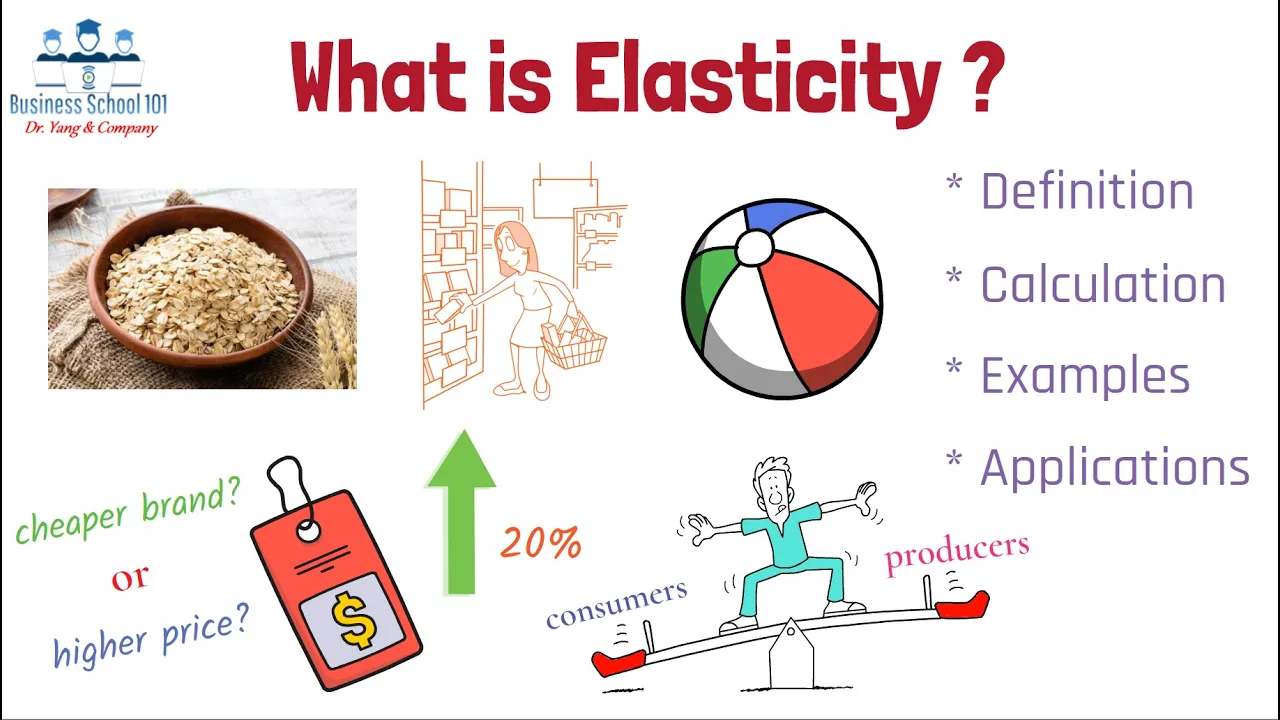
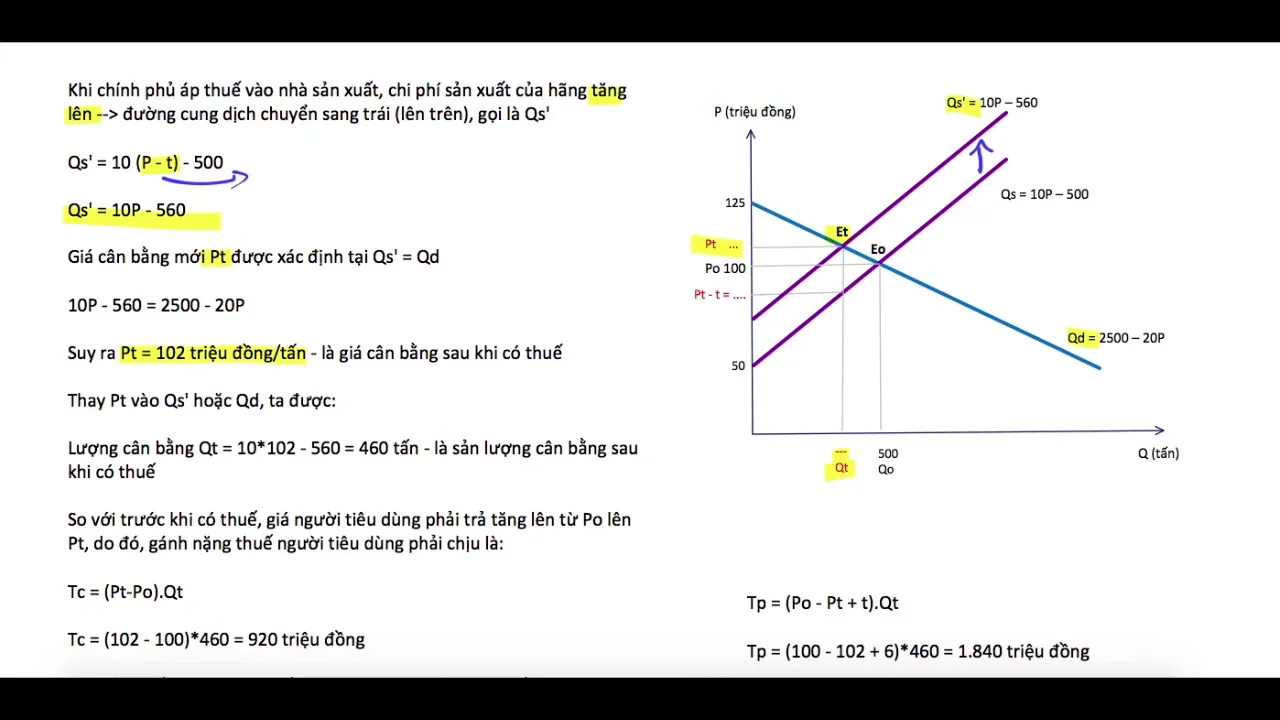
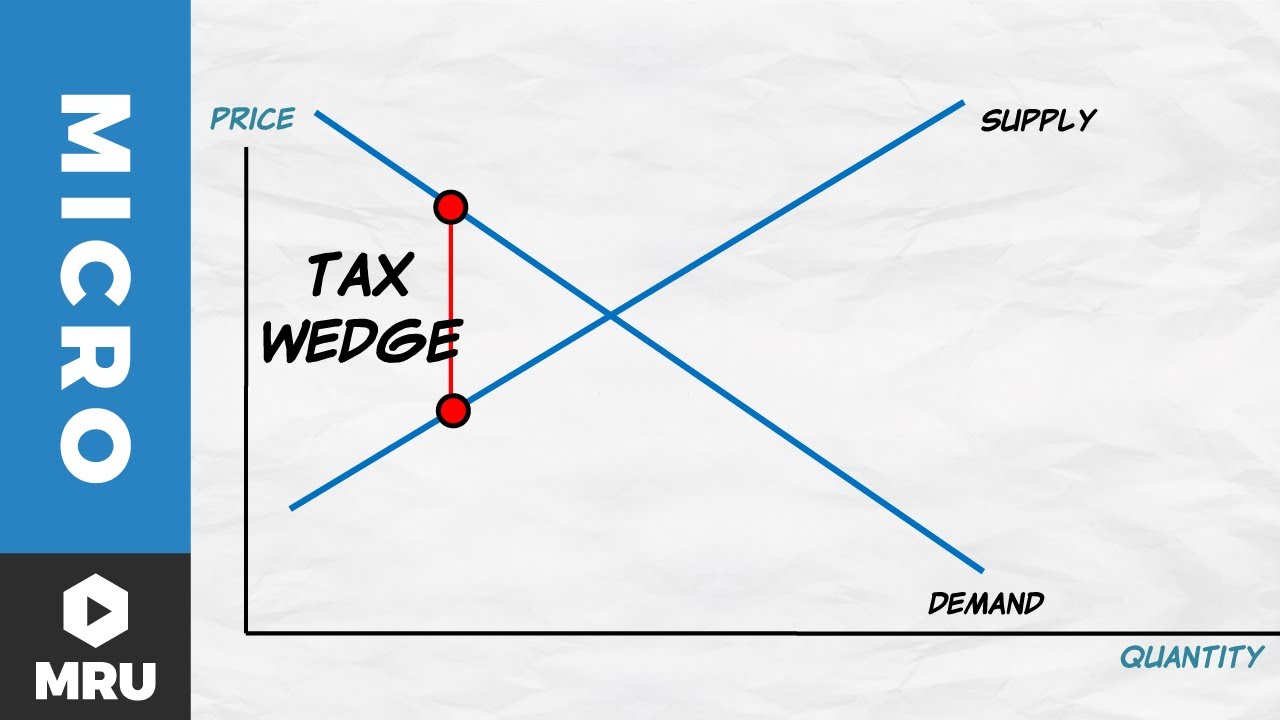
The incidence of a tax (who ultimately bears the burden) depends on the relative elasticities of supply and demand: when supply is elastic and demand is inelastic, buyers pay more; when supply is inelastic and demand is elastic, sellers pay more; when both are equally elastic, the tax burden is split equally between buyers and sellers.
Tax Incidence and Elasticity: Who Really Pays? | Economics Explained
Added:The basic model of market supply and demand, including how equilibrium price and quantity are determined.
The concept of price elasticity of demand, which measures consumer responsiveness to price changes.
The concept of price elasticity of supply, which measures producer responsiveness to price changes.
The fundamental distinction between statutory tax incidence (who is legally obligated to pay a tax) and economic tax incidence (who actually bears the financial burden).
Deadweight loss and welfare economics: Analyzing how taxes create market inefficiencies and reduce total consumer and producer surplus.
The economic incidence of payroll taxes (such as FICA) and how labor supply and demand elasticities shift the tax burden between employers and employees.
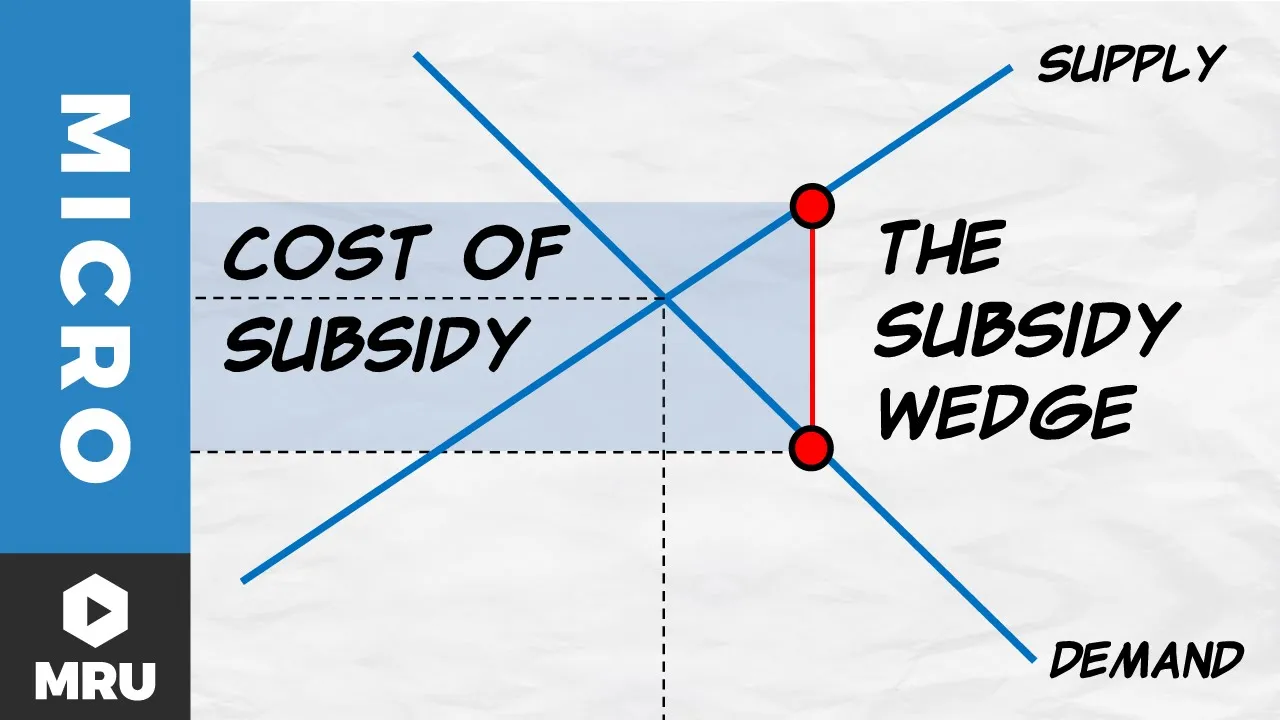
The incidence of subsidies: Understanding how the benefits of government subsidies are distributed between buyers and sellers based on relative elasticities.
Tax incidence in imperfectly competitive markets, such as monopolies or oligopolies, where firms possess price-setting power.
4.7K views100likes5:03Original Release: 2020-09-22
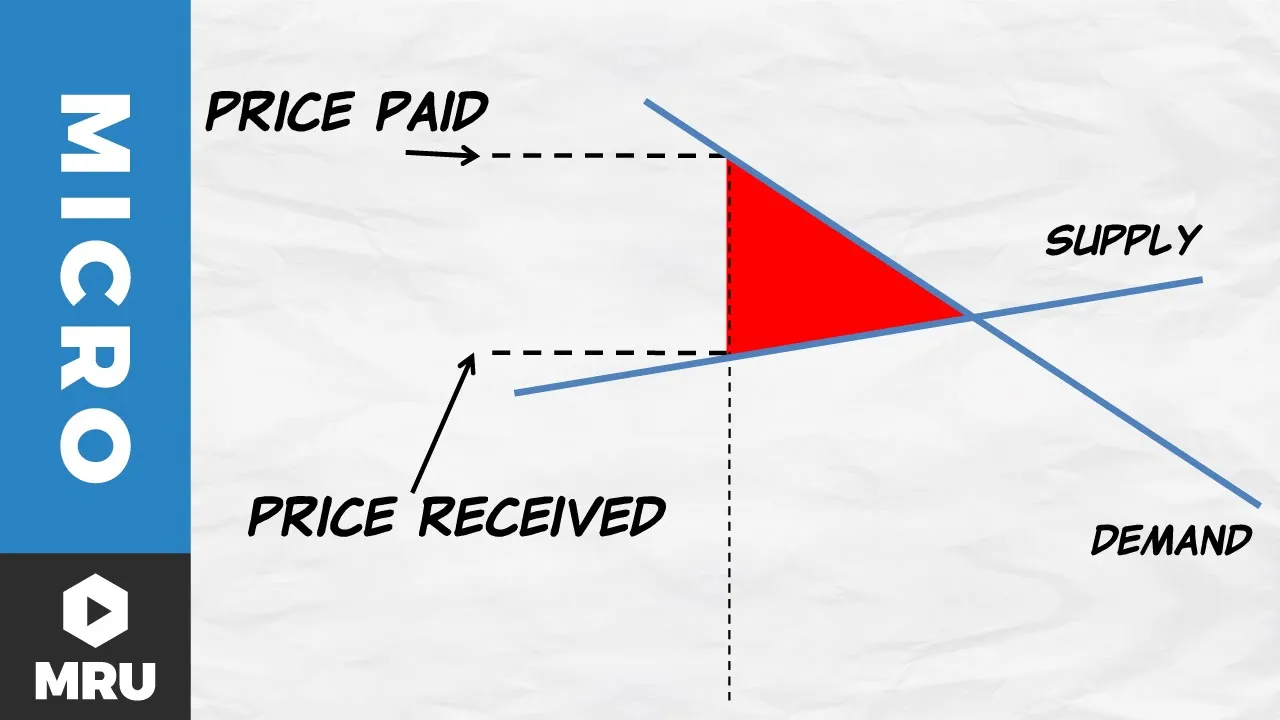
[Applause] [Music] [Applause] [Music] okay finally here let's talk about taxation and elasticity you know it's funny for a chapter we're skipping we're doing a lot with it and see how i had to explain elasticity you're not tested on it but we had to explain what's going on here because it affects one of the price controls or one of the government policies that influence economics and that's a tax okay and we're going to draw in a tax wage and we're going to talk about tax incidents who pays what okay and based on elasticity so i've got a couple scenarios here here's graph a here's graph b and graph a supply is elastic there's a lot of movement here in quantity uh change price a little bit they'll change coin supplied a lot while demand is inelastic meaning this is something that consumers feel like they have to have you have a baby you need diapers regardless of the price you're gonna have diapers you've gotta buy diapers or else you know rip your couch you know what i mean not like actually rip it like rest in peace your couch because you know kids pee and poop all the time when they're babies so you've gotta have diapers well let's tax this bad boy and see who pays more so draw in your tax wedge and it becomes very clear very early so if this is the price the market price is the middle equilibrium price all right here is the price that sellers receive okay and here is the price that buyers pay at checkout who inherits more this tax incidents buyers absolutely pay more of that tax incidence all right let's go over here we have uh b from graph b where supply is inelastic meaning they'll supply pretty much this product no matter what the price is there's a lot of movement in price very little movement and quantity see um very inelastic whereas demand is highly elastic change price a little bit and they'll drop you like a rock lower it a little bit they'll buy a lot okay so let's draw in a tax here suppliers pretty much stuck selling this no matter what and so if you tax it who's going to use this price that sellers get priced at buyers pay there's your market price in the middle the market price divides it and determines who pays what guess what if you are a seller in this market and you have an inelastic supply your consumer has an elastic demand you're going to pay more of the tax at least if you're you know good at what you do all right now if we go over here and they're both inelastic or they're both elastic or they're both unit elastic if we draw in a tax wedge here it's 50 50 split if they're both the same thing each has to inherit their own see if i can draw these straight live lecture here they're each having to pay an equal amount this is the really the first graph i mean this unit elastic is usually how we draw it um and it's how we started out this chapter but they're paying equal tax incidents here demanders have to have it suppliers are kind of indifferent and so demanders consumers have to pay more tax here suppliers pretty much locked in on what they're going to supply it's inelastic whereas consumers are like yeah if it's more expensive i'm not buying if it's less expense i'll buy a lot more in that situation the seller has to pay more tax um quick note here so everybody's like well what if taxes go up well let's say this is t1 this is t2 taxes just get bigger and the incidence just falls more on the buyer here um if this is t1 and we want to tax more that's a big tax right all right this is t2 same thing seller's gonna pay more okay so all you're doing when you're doing a bigger tax moving from t1 to say t2 all right we'll talk about why this is a terrible idea there's a phrase i need you to learn it's called taxes suck all right by the end of the semester if i say the word taxes out loud i want people yelling across campus suck all right i'm dead serious um it's one of those things too you're like hey you know what the government should do this or the government should do that that's your answer to everything guess what you just raise taxes because the only form of income for a government is taxation so every time you say hey government should do this government should do that your tax is just one of your sales taxes your income taxes your debt taxes whatever kind of taxes you can think of property taxes if the government should do more they're gonna have to pay for it you know why g is government spending we'll get there we start talking about uh gdp g is government spending and it's funded by t which is taxes so you could translate and say you know what g ain't free baby
Up Next
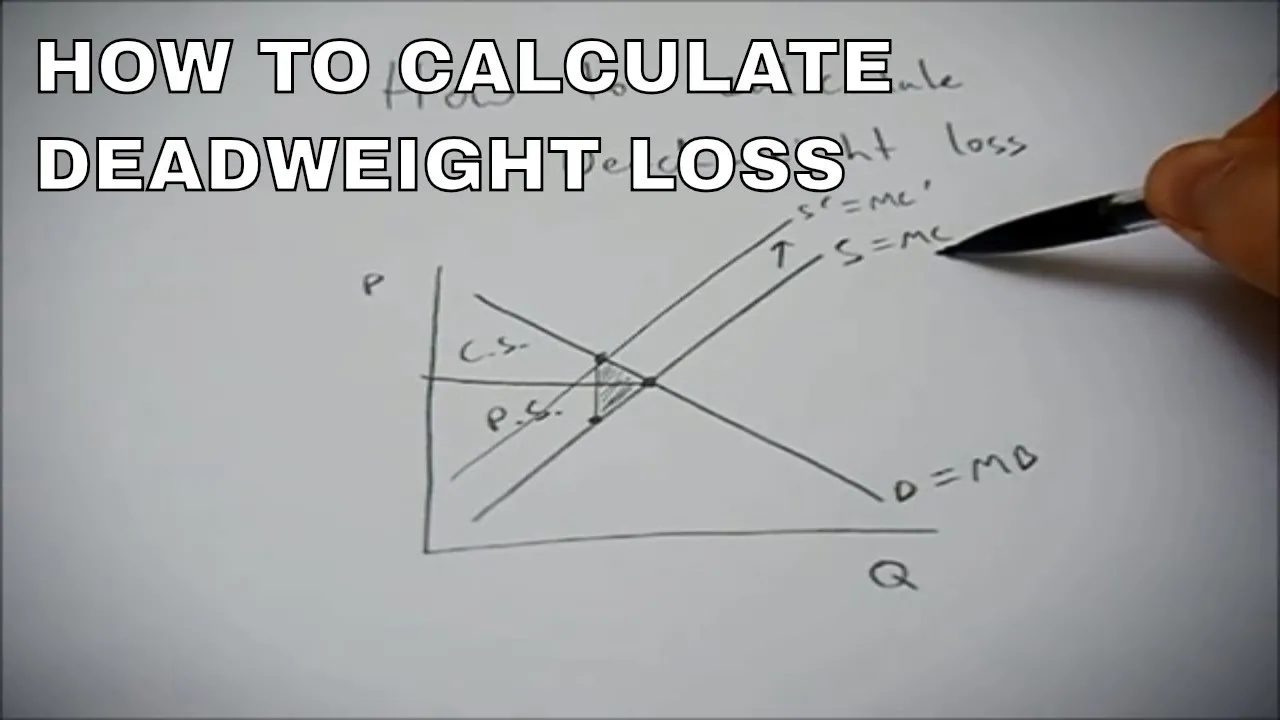
7:26
How to Calculate Deadweight Loss: A Step-by-Step Economics Guide
@FreeEconHelp
412.6K views•2011-10-30
5:07
Impact of Yuan in Indo-Russian Trade Amid Sanctions
@WION
261.9K views•2022-07-01

64:46
Aggregate Demand and Aggregate Supply: Macroeconomic Model
@ageconjon
68.9K views•2015-11-13

113:18
The Age of Easy Money: Fed & Inflation | Full Documentary
@frontline
21.2M views•2023-03-15
Related Study Plans & Knowledge Roadmaps
Structured learning paths in Economics
economics
Sovereign Debt: Defaults, IMF & Restructuring
01Introduction to Sovereign Debt & Government Bonds
02Debt Sustainability & Credit Ratings
03Anatomy and History of Debt Crises
+ 2 more learning modules
12h5 modules
Explore Roadmap
economics
Market Design: Matching Theory & Gale-Shapley
01Introduction to Market Design and Price-Free Markets
02Two-Sided Matching & The Gale-Shapley Algorithm
03School Choice Systems and Mechanism Design
+ 2 more learning modules
10h5 modules
Explore Roadmap
economics
Impossible Trinity: Forex, Capital & Policy
01Introduction to Monetary Policy and Central Banking
02Exchange Rates and International Capital Flows
03The Mundell-Fleming Model
+ 2 more learning modules
8h5 modules
Explore Roadmap
economics
Healthcare Economics: Market Failures & Systems
01Introduction to Healthcare Markets and Market Failure
02Asymmetric Information and Adverse Selection
03Moral Hazard and Insurance Design
+ 2 more learning modules
12h5 modules
Explore Roadmap