







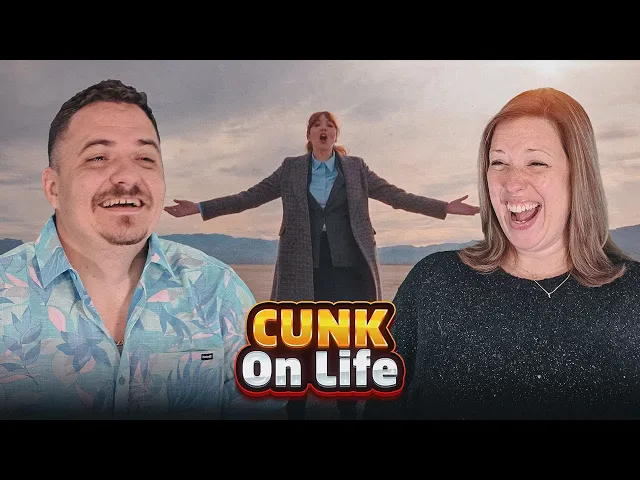


Professor Shelly Kagan explains that death is the irreversible loss of consciousness and personhood—the permanent cessation of the abilities that define us as thinking, feeling, and communicating beings—arguing that since there is no soul or afterlife, our mortality should motivate us to live meaningfully in this world rather than seeking comfort in religious beliefs about an afterlife.
Yale Philosopher Shelly Kagan on the Philosophy of Death and Dying
Added:Mind-Body Dualism vs. Physicalism: The foundational metaphysical debate regarding whether human beings possess an immaterial soul or are purely physical entities.
The Philosophical Concept of Personal Identity: Theories of what constitutes the persistence of 'self' over time, such as psychological continuity versus bodily continuity.
Epicurean Views on Death: Epicurus's argument that death is not bad for the person who dies because we do not exist to experience it once it occurs.
The Deprivation Account of Death: Deep dive into Thomas Nagel's theory that death is bad primarily because it deprives us of the good things in life.
The Philosophy of Immortality: Analysis of Bernard Williams's argument regarding the potential tediousness and lack of meaning in an eternal life.
Practical Bioethics: Applying theories of mortality to real-world ethical dilemmas such as euthanasia, physician-assisted suicide, and the medical definition of brain death.
Existentialism and Meaning: Exploring how continental philosophers like Martin Heidegger and Albert Camus view mortality as a defining condition for creating an authentic life.
27.4K views309likes26:33Original Release: 2012-06-12
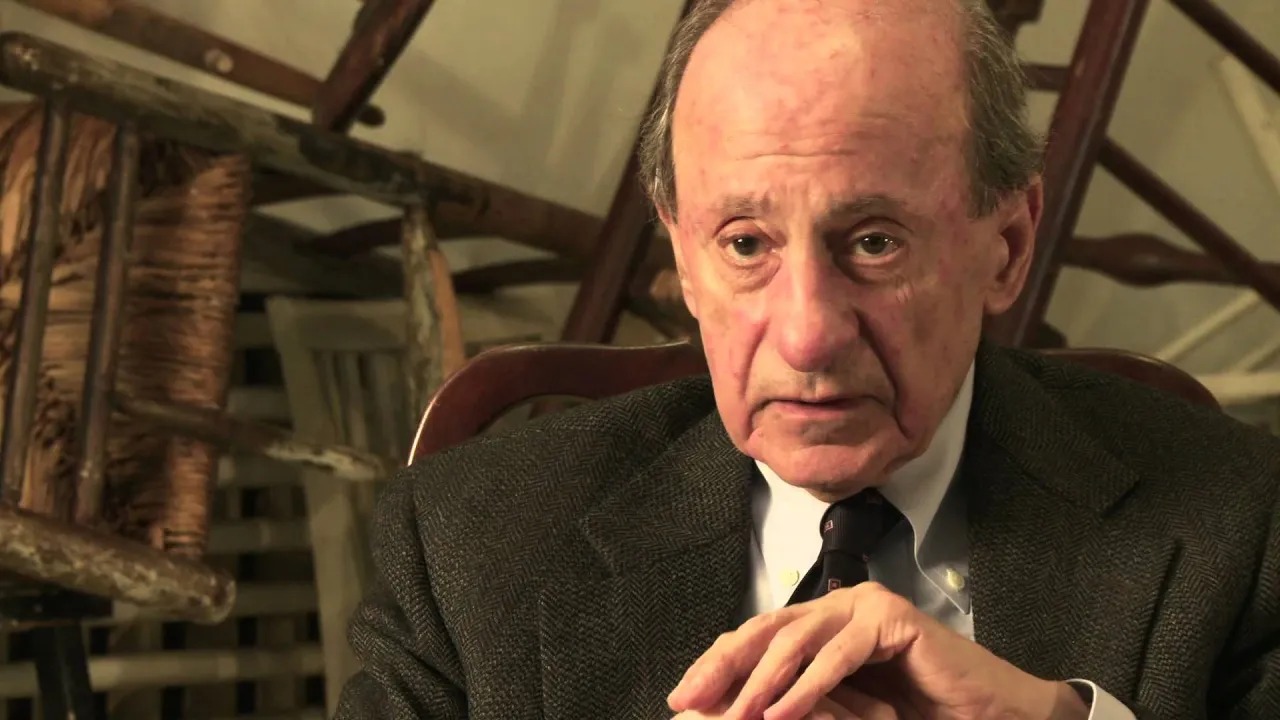
good afternoon and welcome to at Yale live I'm Eric Gershon Our Guest today is philosopher Shelley Kagan a popular Professor here at Yale and also in China where he's won a devoted following for his Yale open course on death today we'll talk with shelle about what death is how he thinks about it and we'll ask him some of your questions thanks for being with us shelle it's my pleasure thank you for having me so Shel death is a pretty broad topic let's narrow it a little bit when you contemplate death what kinds of questions are you not thinking about what aspects of death do you not consider well there's a lot of questions you might raise in thinking about death broadly uh there are questions about grieving or the process of dying biologically physiologically speaking there's the attitudes we have in society about the the dead or the dying I don't discuss such sociological anthropological or psychological question questions I think about philosophical questions concerning uh what happens when we die whether there's a soul might there be some possibility of surviving the death of our body uh there are questions about the ways in which death uh is bad for us whether immortality would be a good thing whether we should be afraid of death whether suicides ever morally Justified those are the sorts of questions I tend to focus on most of us avoid death as long as we can most of us don't think about it all that often what is the value that you have found in thinking long and hard about it well it's one of the central aspects of the human condition that not only that we're alive we're alive now but that our life is followed by death and throughout human history as long as people have been thinking they've been trying to understand death we've been trying to understand death to try to find out on the one hand whether anything's going to happen after we do die and on the other hand whether the fact that we're going to die should affect how we live these are two of the Central issues that everybody faces so how does a professional philosopher go about philosophizing about death what questions must or ought to be asked in order to come to any satisfying conclusions in your own mind about what it is and what it means for us well methodologically speaking I think about death the way I think about any philosophical topic which is basically thinking philosophers uh don't do Empirical research typically although there are a few that do mostly what we do is we gather the information we can whatever arguments or thoughts people have had and we try to think about these in a rigorous systematic critical way asking ourselves what kinds of positions can be put forward what kinds of arguments for them can be uh put forward how we might respond to objections to those arguments so that's how I think about any philosophical topic and I think about death in the same way of course the thing about doing philosophy is that you don't get definitive answers and the the sense that you're never going to find answers to these questions that all people will agree to or for that matter even all philosophers it's a sense in which philosophical questions are the questions that almost by definition we have a hard time trying to figure out how to make progress on and so although there are a number of positions in philosophy in general death with regard to death in particular where I've come up to answers to my own satisfaction it's not really as though there's anything where I'm completely 100% satisfied in the sense that I think I could persuade everybody or have answers to all possible worries so talk to us a little bit about some of the conclusions you have drawn well my own view is that uh I suppose most sensually that there's no such thing as a soul at least if what we mean by a soul is something immaterial something non-physical something distinct from above and beyond the body most people at least uh believe in a soul or the possibility of a soul uh and then that holds out for them uh the the the real possibility that something might continue after the body dies and decays I don't believe there is a soul I think what we are what a person is is simply a body that's able to talk as we're doing to think about questions like like we're doing to communicate to make plans to fall in love uh so I think we're just bodies and as a result the death of our body is uh the end of the death of my body will be the end of my existence as a person and I think that's the central thing to realize about the nature of death from which much of the rest follows so what are some of the consequences for the way that you perceive your own life or you live your own life uh you know that derive from that belief well I suppose most centrally if you believe in the possibility of an afterlife then you might think that the central goal here in this world is to live in such a way as to maximize your happiness uh get into heaven rather than hell uh in in the world to come since I don't believe there is any kind of afterlife the focus certainly needs to be this worldly we have to then ask ourselves how should I live with an eye towards how I am interacting with others and what I'm achieving for myself in in this world do you find that your students in your philosophy classes come to have some of the same um come to some of the same conclusions that you have or do you find that they're wildly Divergent well I don't survey the students and so it's not as though I can say okay before they hear the lectures here's what they're thinking after I hear the after they hear the lectures here's what they're thinking I do know based on conversations I have with theud and their papers presumably and their papers that no many many students don't share My Views and don't end up sharing my views on the one hand I want to say that's fine because of course the primary goal uh for me as teacher of the class is to get students to think critically about these issues to take a hard look at some of the views they may have held and ask themselves whether or not these views will withstand Critical examination so as long as they're doing that it's okay with me if they don't end up agreeing with me although on the other hand of course I believe that my views are correct and so I'm I'm upfront with them about this uh in the death class that I'm going to to to lay out the arguments as best I can and I hope they'll end up if they don't already agree with me at the at the outset I hope they'll come around but I don't actually have any statistics as to how many Minds I change let me ask you a question that is perhaps less an intellectual question but I think a very human one do you ever find thinking about death so much depressing and if not why not I don't actually find it a depressing topic I find it a fascinating topic and I and I greatly enjoy uh discussing these issues both in the class and and and writing about them uh in the class and and in my writings I try to keep a fairly light tone it's it's a heavy subject but we don't have to discuss it in morose or ponderous academic uh manners uh so I try to keep a fairly light touch but but that's not to say that death isn't itself a serious subject or in various ways a sad one I the the loss of a of a loved one is is a horrible thing to undergo and we all face that uh the fact that I'm going to die that you're going to die is in many ways uh sad because I think we're going to die in typical cases at least we're going to die well before we've exhausted the riches that life can offer us and so that's horrible so there are many sad aspects of death but I but it doesn't make me sad to to think about it and to teach it so have you come to a conclusion in your own mind about whether death is good or bad given that it can have some what we think of as certainly as negative repercussion for those of us who survive for example loved ones who who die before us right so that's a very complicated question which let me just touch upon a couple of aspects first of all is the very fact that we're going to die bad would immortality be good I suppose that most of us believe that immortality would be good and it's precisely because of that fact or that thought that we hope or maybe even believe that we have a soul so as to hold out the prospect of immortality my own view not unique to me but my own view is that immortality would not be good that if we actually lived forever uh life would become tedious Dreadful horrible a punishment rather than uh some sort of reward so the fact per se of our mortality is good but that's compatible with thinking that nonetheless we all die too soon uh the fact that after thousands or tens of thousands however long it might be uh of years uh I might grow bored doesn't mean that I will have grown bored grown bored by the time I die and my own view is no I'm I think the world's such an amazing place that I wish I had at least hundreds of years more uh probably far longer than that and so I think one aspect of death that's bad is the fact that most of us die while there's still good things in life that could be coming our way let's take a few questions uh from the public okay we've got one from a gentleman uh called eal and he emailed us this question I'm going to read it you death is often conceived as the irreversible loss of life as constrained by the limits of modern medicine the loss of all brain function for a person is typically thought of as the line Beyond which death begins because there is no current scientific means of reversing it but if that too could be reversed by some future science what would it then mean to die I think that's a that is indeed It's a Wonderful question what exactly should we say is the is the conceptual definition of death the empirical criteria that we use to determine when somebody's dead may vary used to be when the heart had stopped beating when person had stopped breathing uh now as the question remarks it has to do with when brain functioning has ceased but but those aren't what it is to die per se we might say and my own view is that to to die per se is to lose the ability for the body which is all we are just bodies that have abilities to do things so to die is to lose certain subset of the abilities we Norm normally have in particular the sorts of abilities that are tied to being a person the sorts of things I was gesturing towards earlier are ability to communicate our rationality our ability to plan to be creative to fall in love to write poetry and the like it's the it's the loss of those abilities Now The crucial Point here is it's not the temporary loss because well you know when you're asleep you're not reciting poetry you're not communicating but we might say pushing a little bit harder you're still able to do those things and so the question is when are the bodily structures sufficiently broken that it can no longer be done now I'm inclined to think that there could in principle be scientific breakthroughs such that it wouldn't be true to say it wouldn't be accurate to say the person never really died in principle it might be accurate to say the person did die the abilities were lost the the body was broken uh but for all that uh we are now able to bring the person back alive to give a a a a a either fanciful or religious example imagine the Judgment Day comes and God resurrects the dead the bodies have decomposed uh and the Adams then get recollected by God he reassembles them in the right way and turns the body back on the correct thing to say in that situation is not that we were never really dead at all rather God resurrected the dead he brought the dead back back to life now if somehow amazingly enough science were to make similar technological breakthroughs and we were to be able to similarly reassemble the atoms that would be turning the person back on but it wouldn't be correct to say he hadn't really died so not all the scientific breakthroughs of the questioner was asking about mean that the person wasn't really dead so and you you you referenced this in some of your earlier remarks but what would what would infinite life mean then well of course one thing when we think about immortality we have to get clear about how are we imagining it if we simply imagine extrapolating out life on the kind of curve that we currently have where old age brings sickness and disease loss of memory uh or other cognitive functionings then of course it's easy to believe that immortality would be just Dreadful this is a familiar Point uh Jonathan Swift actually has a quite interesting passage in Gulliver's Travels where he imagines Gulliver discovering a little subset of people who live forever but indeed they live in this horribly degraded State and it's it's horrible clearly when people imagine the desirability of immortality they're trying to correct for that and so the real question is can we imagine any way for immortality to be good and you know throw in whatever uh fantasy conditions you want to put in that we're always healthy that we're always wealthy that we can have whatever it is you want that you can change your career uh change your partner if that matters to you whatever it might be uh is there any kind of Life describable at all that you could really imagine being attractive for a billion years a hundred billion years a trillion years uh all I can say is when I've done my best to try to imagine such a life I'm unable to do it and to Simply say oh of course it would be desirable I think is to fail to face the question let's take another question from the public this one is from Shana Kaufman and she asks if you're familiar with the work of rabid Rabbi dovid gotle a philosopher who's inspired her whether you are or not I would ask um how you as a philosopher approach the question of death differently from say a theologian good so now I don't know that rabbi's work uh so how does a philosopher in general think about questions like this as opposed to a theologian one thing that a theologian has access to uh is what they take to be Revelation at least typical theologians have revealed truths uh you might think that the Bible is in some way divinely inspired or the Quran or what have you uh and you then will also typically have some kind of tradition within the church or uh whatever your religion might be that has answers has put forward answers and so a theologian can appeal to those kinds of authorities a philosopher typically again there are exceptions but typically tries to think about questions like this without making you use of these kinds of religious answers it's not so much that we're dismissing the religious answers as we're dismissing the appeal to religious Authority and so we go about asking ourselves what would we believe about these questions if we limited ourselves to what we could know using human reason it's perfectly compatible with that to think that there are these additional uh sources of information but then that raises a whole host of other questions namely do we have to believe in God do we have reason to believe that the Bible is divinely uh revealed and so forth what does it mean to say that it's divinely revealed and although as a philosopher one could think about those questions as well and in certain moods I do when I'm thinking about death I basically just bracket religious questions and and ask myself what conclusions should we hold about death putting aside whatever answers religion itself might try to argue for so is it possible then for a philosopher in your mold to have a real conversation with a theologian or would you not inevitably come to a point where you had to dismiss an argument that the Theologian was presenting on I I could certainly have such conversations and I have had conversations with with theologians I mean theologians like any other thinking individual tries to persuade theologi will try to persuade you of their views based on whatever evidence they think is appropriate to bring to bear including their religious Traditions at a certain point in such conversations the the the the ation may need to steer away from the topic you originally talking about in the way I was just suggesting a moment ago and turn to questions do we believe how should we inter how should we interpret the Bible let's say or or or what evidence do we have for Revelation and the like and then you can have quite interesting discussions with them as well on those topics theologians are often to a significant significant degree just philosophers specializing in a set of religious topics of course as you suggest at a certain point you may have to agree to disagree or say look we've run out of time we're not going to be able to settle the question so whether or not the problem of evil establishes the non-existence of God but that situation is no different from the situation I face when I'm talking with another professional philosopher precisely because the philosophical questions are ones where reasonable people can disagree and so often you say okay I see where you're coming from I see how you're weighing up the various pros and cons I weigh them up differently or here's some other issues will have to get to next time let's take another question this one from uh Veronica guaris uh via Twitter she asks and again we've addressed this somewhat but it's the kind of question you can take on you know infinitely I think what would the meaning of death uh be sort of the answer for the meaning of life that is is there really a difference in the question it's a common enough thought that uh these two questions are very tightly connected Kafka said uh at one point uh the meaning of life is that it ends suggesting that the fact that we die is in fact the cenal thing to think about in thinking about the meaning of life I myself think that's that's wrong I mean I think there are certain implications for how we should live when we think about or we get clear about the facts about death if if if it's if I'm right in thinking that the death of my body will be the end of my existence as a person that there won't be any doovers there won't be any second time around then that has significant implications about how care ful we need to be able how careful we need to be when we're living to make sure we we we live appropriately uh that we pick the right goals that we interact with people in the right way uh that we that we don't waste our life in terms of what we set what the goals we set ourselves are but that doesn't yet tell us what the appropriate goals are and I think the question of the meaning of life is indeed the question so how should you live and so although death has and the facts about death have some bearing on that they don't actually settle in any Central Way the the the central question how should we live what's the meaning of life that's that's a that's a matter for further philosophical reflection so how has your understanding of death changed over time as you've considered it and considered it and considered it more what are some of the most radical changes was there a time when you didn't believe that the end of your body was the end of your life some of my philosophical views my early philosophical views are lost in the midsts of time because I thought about things from a philosophical point of view from a fairly early age and so if you ask me and I I can think of certain philosophical questions I was thinking about at the age of eight nine 10 so if you ask me at that time did I believe in a soul I know uh IM material uh soul I no longer remember the answer although I rather suspect uh that I did but I don't remember having lost that belief and so I'm not confident uh that I did if you're asking rather all right think about your professional life you know from your from your 20s on how have my views about uh death changed I I suppose in Broad Strokes they haven't it's many more of the details that is uh there are any number of philosophical questions we've been skimming the surface here but there are some complicated philosophical questions about the precise definition of death or what what are the best Arguments for or against the existence of a soul or how exactly it could be that death is bad for you since uh you won't exist how can anything be bad if it's right that death is the end then you won't exist uh after the death your death so how can anything be bad for you then but death in seem as epicurus uh ancient Greek philosopher famously said look death isn't bad for you uh now you're alive and death won't be bad for you once you're dead you won't exist then so death he concluded can't be bad for you very few of us find that argument persuasive but trying to figure out what exactly is the answer to it where does that argument go wrong that's far from obvious and so there are questions of that sort that that have have my views have shifted indeed continue to shift I'm some some issues I'm I'm pretty much up in the air about uh another question has just come in pardon me what do you think one feels after death ah good so since I believe that death is the end I mean just think about it if you suppose you ask yourself what happens to the movie what happens in the movie after the movie's over the answer that's pretty obvious nothing happens in the movie after the movie's over uh suppose you ask what kind of music is your boom box making after you've dropped it and it's broken and the answer is it's not making any kind of music so I think that feeling things having experiences having thoughts having emotions uh these are things that my body is doing right now while it's functioning and death is the the breaking of the ability the loss of the ability to do those things and so I think that death is the end of thinking the death of death is the end of feeling death is the end of of thought and and and emotion uh and so the answer is it won't feel like anything there are no thoughts that will be had there are no feelings there there'll be nothing that it's like to be dead where it's important to understand that that doesn't mean being dead is like something but unlike everything else so there's nothing that else that it's like I mean there's nothing that it's like to give an example that I I talk about in in in the book uh uh or my class if you were to pick up a ballpoint pen and ask what does it feel like to be a ballpoint pen the answer is ballpoint pens don't have feelings there is nothing that it feels like to be a ballpoint pen I think the same thing is the right answer to say about what it will feel like when you're dead there's nothing that it will feel like because you won't have any feelings at all okay we're going to take one more from the public this one is from Mariam she asks what do you think about the end of the world in relation to your views about death gosh that's a question that stumps me a little bit I'm not sure I thought about in that connection since I do think that it's bad for most people in most circumstances there there are cases tragically where you die in the prime of your life uh but you've uh been ill I mean Prim abil you're young but you've been ill and so perhaps in those cases death isn't bad for you it it gives you relief from your pain and suffering uh most of us will die as I said earlier too soon uh and so I'm not quite sure what the question is imagining about the end of the world I mean suppose that the sun's supernovas and somehow uh people are still alive on the earth that would be a horrible tragedy uh be beyond the the loss of the individual lives the the end of the world uh unless we've managed to colonize other planets or other star systems or perhaps she means the end of the universe it's not quite clear how Grand when she imagines the world ending if if you imagine the end of the human race there's a certain kind of moral loss there that goes above beyond the sum of the loss of individual people I I think if Humanity does not continue that itself is a certain kind of tragedy and so although I'm not sure that death per se brings that in because in normal circumstances when we die uh there's plenty of others around and and and hopefully there will long be others around if if if the world ends and there are no people around at that point that will horrible in in a special and unique way let me ask one final question here of a different vein what do you make of your popularity in China which has been reported on uh on China National radio it it's it's been a remarkable uh experience so once the open Yale class uh uh the death class was was put online I started getting emails from people around the world which was wonderful and then after a while a large percentage of them uh started coming from from China and this this surprised me I had no particular expectations uh it it's quite clear that the death lectures are um not sure exactly they're people are resonating to them for reasons that aren't 100% clear there's there's some reason to think that they are attracted to the fact that I'm talking about important philosophical issues uh but I'm not simply citing authorities I don't talk about here's what Kant thought here's what Aristotle thought I do say some things about some historical figures but for the most part heart I'm speaking in my own voice and so I think people find that attractive there also some reason to think uh the evidence is indirect but there's some reason to think that the visuals uh uh are playing a role I I lecture in my in my classes dress more or less the way uh you see me in jeans uh sneakers typically a plaid shirt flannel shirt uh I'm sitting cross-legged on my desk I seem to have tapped into some ancient uh Chinese stereotypes about uh ancient sages and so I think part of the uh popularity is here's a sage speaking about issues which they don't cover in typical Chinese education well Shelley Kagan thank you so much for joining us I wish we could talk all afternoon this has been great fun perhaps you join us again some it's been my real pleasure thank you for having me and thanks to all of you for joining us we hope that you'll tune in again we're going to speak with uh Yale psychologist Kelly Brownell we'll have details on that on the Yale News website in the future thanks very much
Up Next
1:00
Lucretius on Death: The Symmetry Problem | Philosophy of Death
@Philosophy_Overdose
13.1K views•2024-02-01

131:21
The Arcades of Paris: Walter Benjamin on Urban Politics & Philosophy
@internationalcentreforcont7204
2.3K views•2013-06-19

51:36
Understanding Death's Badness: The Deprivation Account (Philosophy Lecture)
@YaleCourses
72.4K views•2008-09-30
4:57
The Myth of Sisyphus: A Greek Legend of Eternal Punishment
@TEDEd
8.6M views•2018-11-13
Related Study Plans & Knowledge Roadmaps
Structured learning paths in Philosophy
philosophy
Philosophy of Death (Metaphysics, Harm & Grief)
01Introduction to the Metaphysics of Death
02Is Death Bad? Epicureanism vs. The Deprivation Account
03Lucretius's Symmetry Puzzle
+ 2 more learning modules
15h5 modules
Explore Roadmap
philosophy
Frankfurt School: Critical Theory & Culture
01Foundations of the Frankfurt School and Critical Theory
02Horkheimer & Adorno: The Critique of Instrumental Reason
03The Culture Industry and Mass Deception
+ 2 more learning modules
12h5 modules
Explore Roadmap
philosophy
Philosophy of Language: From Frege to Austin
01The Linguistic Turn: An Introduction to Language in Philosophy
02Gottlob Frege: Sense and Reference
03Early Wittgenstein: The Picture Theory of Meaning
+ 3 more learning modules
15h6 modules
Explore Roadmap
philosophy
Feminist Epistemology: Standpoint & Injustice
01Introduction to Epistemology and Feminist Critiques
02Sandra Harding and Standpoint Theory
03Donna Haraway and Situated Knowledges
+ 2 more learning modules
12h5 modules
Explore Roadmap