
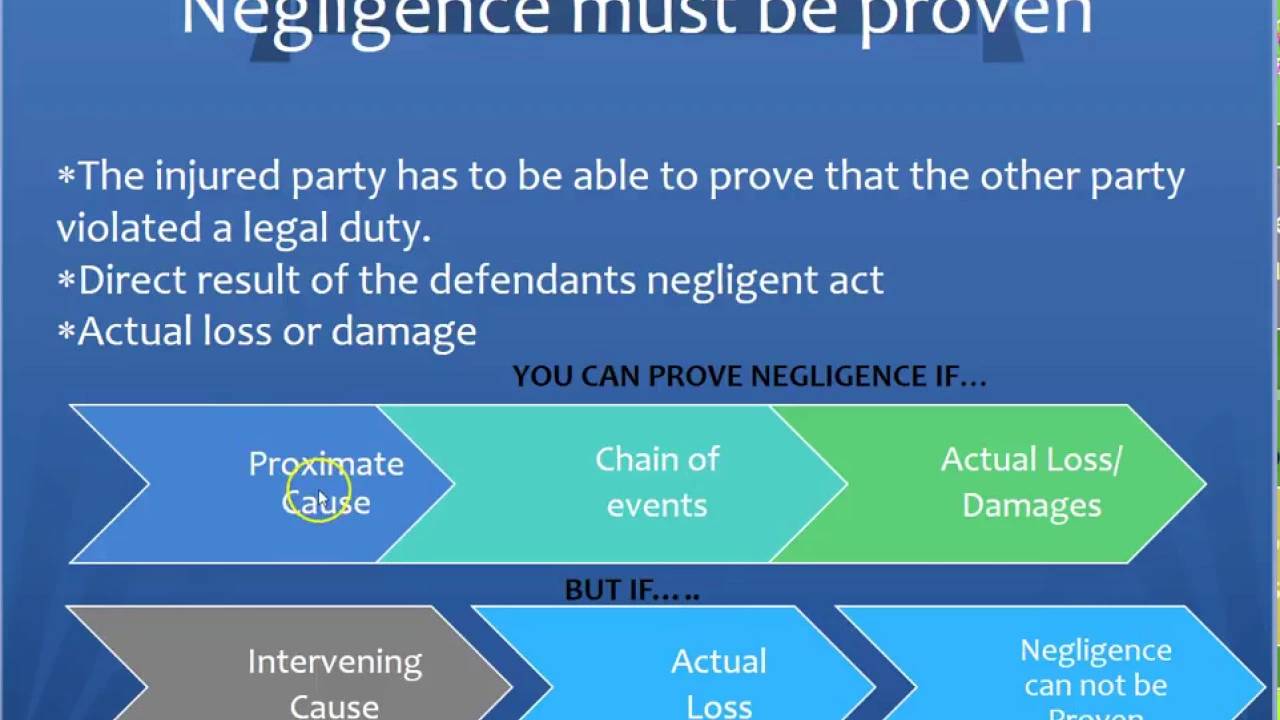


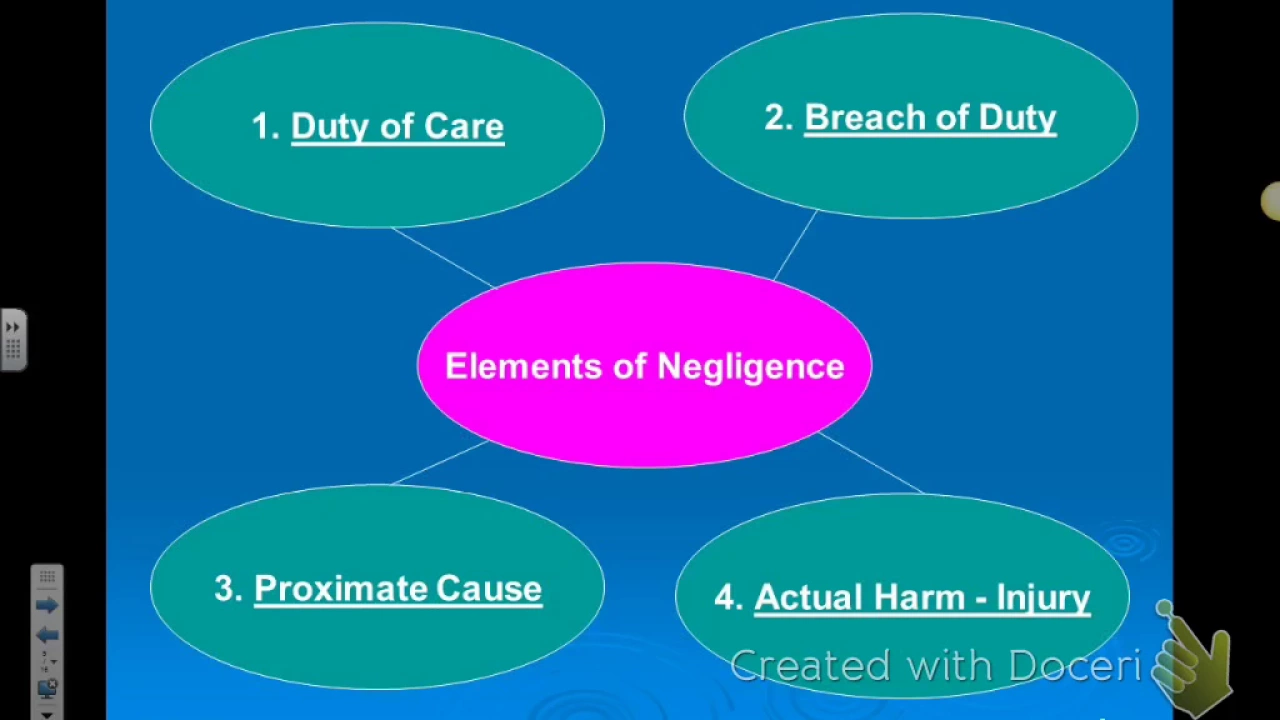













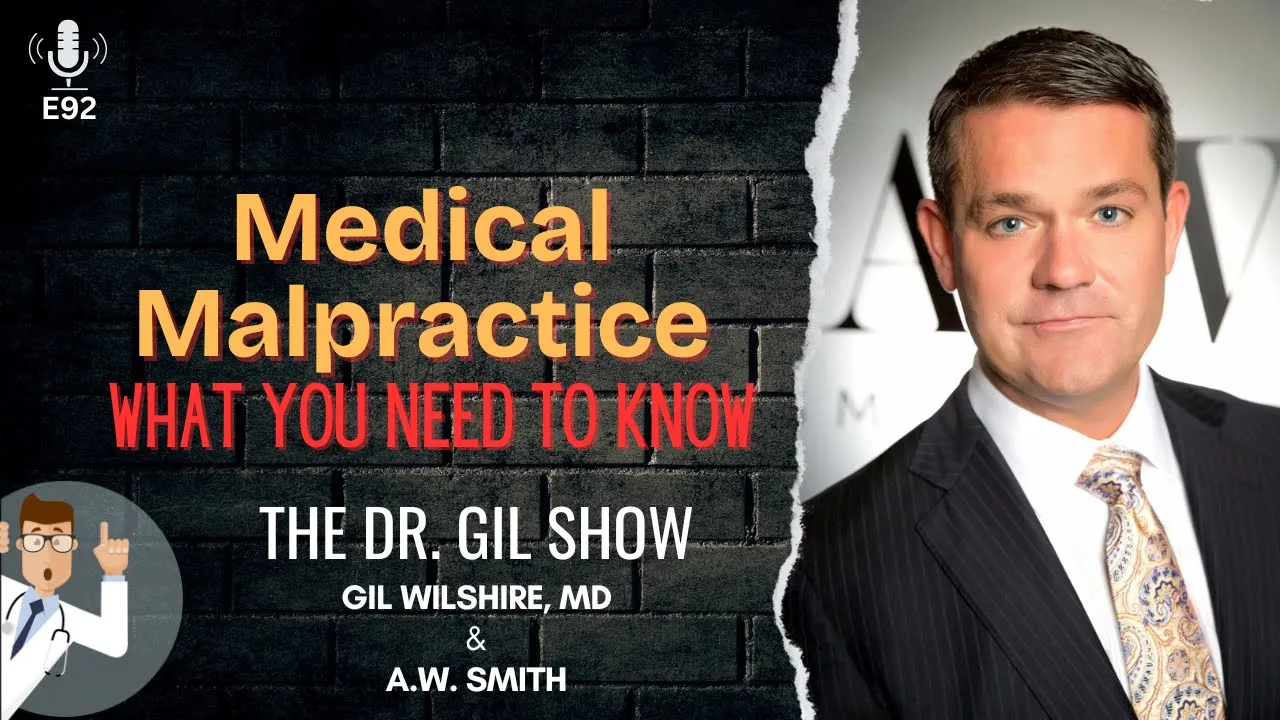










Medical malpractice cases require plaintiffs to prove four essential elements: duty of care (the provider owed a legal obligation to the patient), breach of standard of care (the provider's conduct fell below acceptable professional standards), causation (the breach directly caused the patient's injury), and damages (the patient suffered measurable harm). A critical barrier to entry is the requirement for expert medical testimony, which typically costs $1,500-$3,000 just to obtain a certificate of merit before filing. Additionally, plaintiffs must demonstrate that the harmful outcome resulted from substandard care rather than an unavoidable complication or known risk. These requirements, combined with the public's general respect for medical professionals and the lengthy, costly nature of medical malpractice litigation (averaging 2-3 years), explain why defense wins approximately 80-90% of medical malpractice trials nationwide.
Medical Malpractice Lawsuits: Key Legal Process & Trial Insights
Added:Why is it so hard for plaintiffs to win medical malpractice cases at trial? I've seen statistics that the defense wins anywhere from 80 to 90% of the time all over the country. The stats are pretty similar state-tostate. So, why is it so hard to understand that? Let's talk about what medical malpractice is. In Tennessee, where I'm licensed, they like to call this health care liability, which kind of takes the emphasis off the fact that it's medical malpractice, meaning that some provider has made a mistake somewhere, has breached the standard of care and caused harm, committed malpractice. They rephrase it as healthc care liability to deemphasize that aspect. It's really important more than just, you know, for semantics because in a malpractice case, that's the idea. someone has breached the standard of care and caused an injury that would not have otherwise occurred.
Now, the thing that makes medical malpractice cases so hard is literally just the facts of what happened. So, if somebody runs a red light in a car wreck case, everybody understands that, right?
You don't have to be a medical person.
You don't have to have gone to medical school to understand you're not supposed to run the red light. But the basic facts in a medical case are often very difficult to understand. For example, that the blood work showed an infection and that therefore a specific procedure, say an ultrasound or CT scan or something like that should have been ordered. To get that kind of testimony, you have to have a medical doctor. You have to have an expert. So, right there is the key barrier to entry for every plaintiff in a medical malpractice case.
Simply proving the facts of what happened requires hiring a medical expert. And in many states now, you have to prove before you even file your lawsuit that you consulted with a medical expert and that that expert said you have a decent case or at least, you know, enough to bring a claim. Usually called a certificate of merit or a certificate of good faith. In order to get that, you have to write a check to a medical doctor. And it's usually somewhere between 1,500 and 2500, $3,000 just to get that opinion just so you can go to court and start the process of a lawsuit. So, it's a huge barrier to entry. And it kind of means that even if there's clear-cut malpractice, if the damages aren't high enough, then it's impossible for the plaintiff to get a lawyer to take the case because of all these costs that are associated with simply bringing the lawsuit. So that's sort of step one, certificate of good faith, certificate of merit, proving the basic facts requires a medical expert and is very costly to plaintiff. So in the certificate of merit or the certificate of good faith, the expert has to say that there was a breach of the standard of care. What does that mean? Okay. Well, this is a question we get a lot, right? So just because you have a bad outcome or a risk of a procedure occurs and something terrible happens, that doesn't mean that the standard of care was breached. You have to show conduct falling below the minimally acceptable professional standard. Ordering the wrong test, not ordering the test that was indicated, you know, a complete failure to diagnose, injecting the wrong medication, the wrong amount of medication, misdiagnosing a condition entirely, saying it was cancer when it wasn't, or saying it wasn't cancer when it was, all these sorts of things. But just because a really bad thing happens or a rare side effect occurs, that doesn't mean that you've got a breach of the standard of care. And that is often where when we have to turn down cases, potential cases, that's something that we're saying where it's like this is a very unfortunate thing that happened, but it can happen. You know, it is a known side effect. And the fact that it happened in your case doesn't mean that the doctor or the nurse or whoever it is did anything wrong, right? So you have to show conduct falling below the standard of care and you have to show that in some way other than just well you this really bad thing happened because that's often not enough. The next element that you have to prove in a medical malpractice case is causation. And this is often very tricky because you have to show that the breach of the standard of care, the thing that the provider did that was wrong caused an injury that wasn't going to occur otherwise. And so in for example cancer misdiagnosis cases this is really hard because you know you're saying well you should have maybe diagnosed this cancer earlier in a timeline. Well then you have to show again through expert proof that had the cancer been found on this date the outcome would have been better. In a death case for example you have to show that there would be a greater than 50% survival rate for 5 years. In other words, if you'd caught it, then the person would have had a greater than 50% chance of living 5 years. This is very difficult to prove and it's very costly to prove because again, you can't just make this argument as the plaintiff or as the plaintiff's lawyer. You have to put up medical expert proof. And again, these are expensive consultations with experts who are very busy, professional people who earn a lot of money in their jobs and don't really want to take the time out to talk to lawyers about matters like this. And so they charge a lot of money and that adds a lot of expense. And this again is why so few cases get taken in the first place because of all of the inherent costs that are associated with proving. We've already talked about the certificate of merit, but also proving now causation.
You have to have an expert and sometimes that's a different expert, right?
Sometimes it's a different specialty.
Um, and it's often the case that there's more than one specialty involved in a medical malpractice case. In the state of Tennessee, increasingly every medical malpractice lawsuit has to be filed. And there's a very draconian kind of complex process called giving pre-suit notice that many lawyers mess up every year.
Every year I read in the court of appeals about an attorney who has messed this process up and got his client's case or her client's case thrown out.
And it's because the legislature makes it hard. So, for that reason, there's almost no discussion in Tennessee pre-suit. You know, a lot of car wreck cases, for example, you might settle before filing a lawsuit. You talk to an insurance adjuster who recognizes, yeah, you've got us. You know, our guy ran the red light. They make you an offer. Maybe you take it, maybe you don't. But you can at least explore that process of pre-suit settlement negotiation. It's almost non-existent in Tennessee and medical malpractice. In Kentucky, there's a little bit more uh of a of a conversation that we we've been able to have in those cases, but because they make it so hard in Tennessee to file these cases, and there's so many traps for the unwary, a lot of times the defendants are basically like, hey, you know, sue us and if if you do it right, then then we'll talk to you about settlement, but we're not going to talk to you till then. So, that's just another thing to think about in the state of Tennessee is that it's you're not likely to get your medical malpractice case resolved pre-suit.
You're going to have to file it. You're going to assume the costs related to that. And so, it's very difficult to get an attorney to take a medical malpractice case in Tennessee. So, once the medical malpractice lawsuit is filed, the other side responds either with a motion to dismiss, more likely with an answer, and then you begin the discovery phase, which I have a whole video on discovery.
long process, expert depositions. It can take and often does take several years.
Okay, medical malpractice cases are, I would say, the longest. They probably take on average two to 3 years uh to resolve. And that's really because of the amount of proof and discovery that you are doing in cases like that. Expert depositions, plaintiff's depositions, you know, all sorts of things that make this take a long time. So, usually at the end of discovery, the case either settles or is dismissed.
It's either thrown out in summary judgement or there's a settlement.
Very rarely cases go to trial. And that's where I was talking about, you know, 80% and the last statistics I saw in Kentucky or 90% plus in Tennessee, the defendant wins. Plaintiffs very, very, very rarely win these cases at trial. Now, when they do win, they tend to hit for big verdicts. But the problem is winning at trial. And why is it that it's so difficult? Well, there's a couple different reasons. One is, you know, I'm a firm believer that if a case is going to trial, it means that some lawyer or some party, whether that's the insurance adjuster or the the plaintiff, has missed something in the case and is being unreasonable. It was not uncommon that you see um there was a big jury verdict here in Davidson County where Nashville is I think it was $7 million on a nursing home case and the presuit offer to the plaintiff firm I'm I believe was 0 was nothing. Right. So somebody missed it. If if you offer nothing and then the jury comes back with millions of dollars I I put the pressure on the defense and the adjuster in that case to say you guys missed it.
Right? It can happen the other way.
plaintiff thinks their case is great and misses, you know, some key thing, some key weakness in the case and then they're shocked when it's a defense verdict.
But historically, it's it's weighted in favor of the defense and I think there's a lot of reasons for that. Uh, one is, especially depending on the kind of case, you know, the public has a lot of respect for the medical profession. They really do. and they they when a doctor says, you know, I was trying I was trying to save this person's life, uh or it's even if it's an emergency room setting, you know, the ER, especially after COVID and first responders had, you know, so much goodwill, you know, directed their way, you know, people don't really want to hold uh doctors accountable in this way and and are are sort of predisposed to let them off the hook. And that's part of the reason that you see so many defense verdicts where and and the flip side of that is where you see plaintiff's verdicts. It's when the plaintiff's lawyer is able to make the case about a systemic failure. Maybe it's a corporate thing, right? Maybe it's a nursing home that has a policy of uh short staffing so that they can maximize profits and then the short staffing leads to bed sores or whatever injury occurs. And so then you shift it into kind of a a corporate malfeasance type of case.
That's powerful versus you know the individual nurse whose job it was that day. You know they might jury might let them off the hook. Often does is my point. 10% of the time plaintiffs win or maybe 20% in Kentucky. So that's just my own theory as to why, but you know, the point is it's a big risk for a plaintiff to take a medical malpractice case to trial because the statistics are overwhelming that they're likely to lose that case just as a matter of probability. So what should you do if you think you have a medical malpractice case? The first thing I would say before you call anyone, call a lawyer, is get all your medical records. Because when we get calls and we think, "Hey, this is really worth investigating. This really might be a case of malpractice." That's the first thing we say. Do you have your records? Can you get your records? Um, people don't know this, but these providers can charge attorneys like astronomically more than they can charge you, the patient. So, it's always cheaper for you to go ahead and get them. And you know, the provider might sense that you're asking for your records for some reason, but they have to give them to you. They are your records. They belong to you, and they can't charge you nearly as much as they can charge us or whatever law firm. So, get your records and then we would be in a position to analyze those records and say, "Okay, we think we've got something here or, you know, sorry, we can't help you, but that's that's what you need to get going is your medical record." So, if you have a medical malpractice case, you want us to take a look at it, click the link in the description. We'd be happy to help you out.
Up Next

Hospital Accountability for Medical Negligence in the Philippines: Legal Standards
@thelawrequisitesph9489
236 views•2024-09-09

US Secondary Sanctions Impact on EU Businesses and Blocking Legislation
@Bureauvandijk
1.6K views•2019-03-20

Forensic Phonetics: Speaker Identification in Legal Cases
@nptel-nociitm9240
539 views•2025-03-19

Police Interrogation Tactics: False Confessions & Legal Reform
@LastWeekTonight
7M views•2022-04-18
Related Study Plans & Knowledge Roadmaps
Structured learning paths in Law