

![현대까지도 비밀이 풀리지 않는 역사상 가장 기이한 문명 '마야' [합본]](https://i.ytimg.com/vi/Hts7WvllSjs/maxresdefault.jpg)



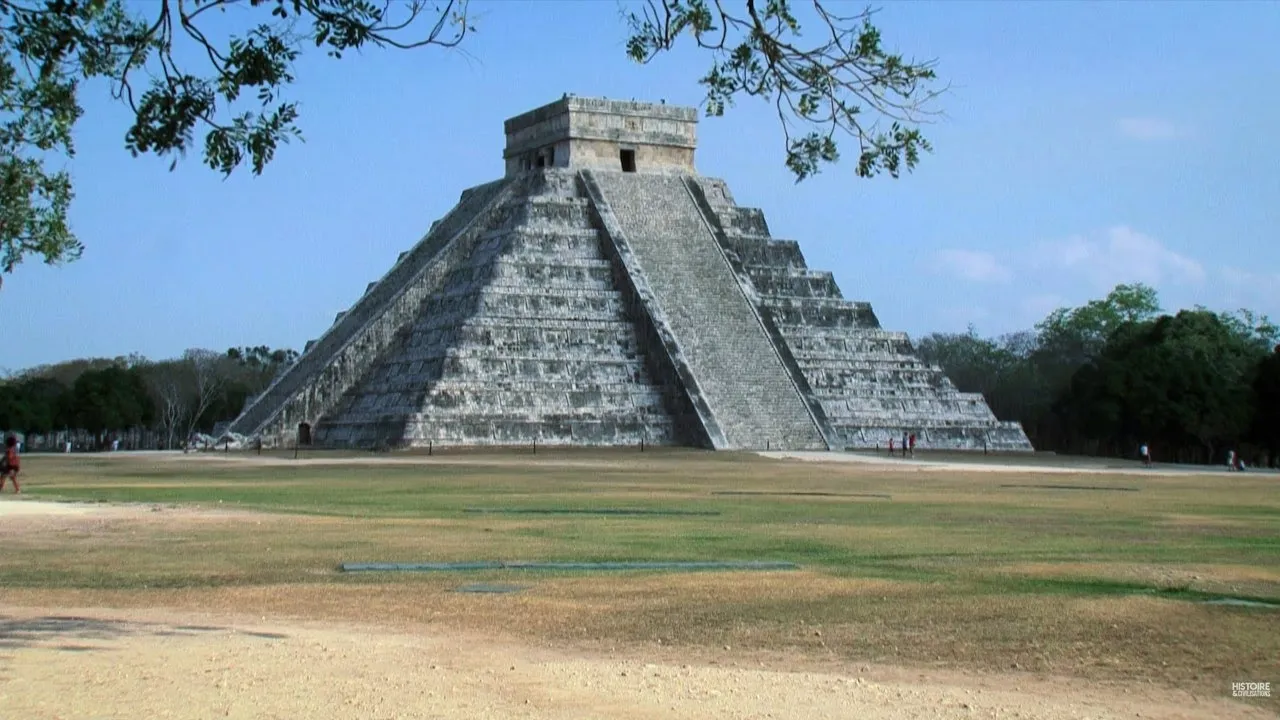














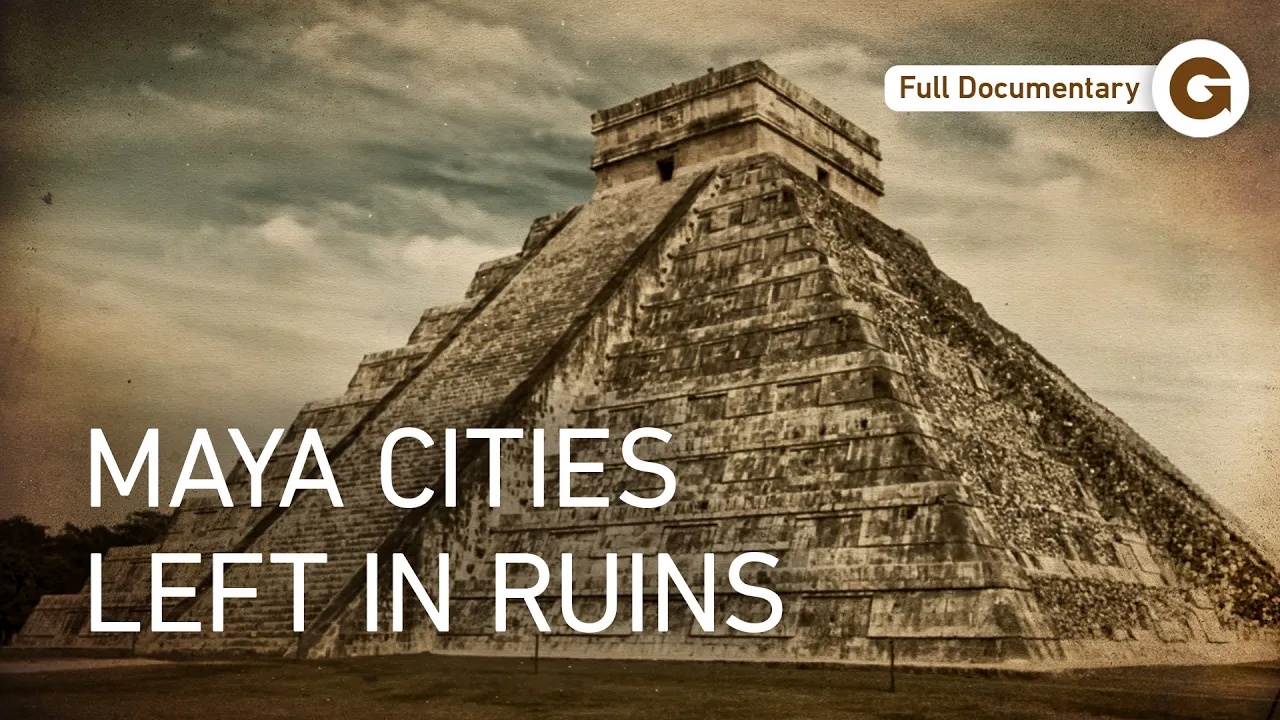


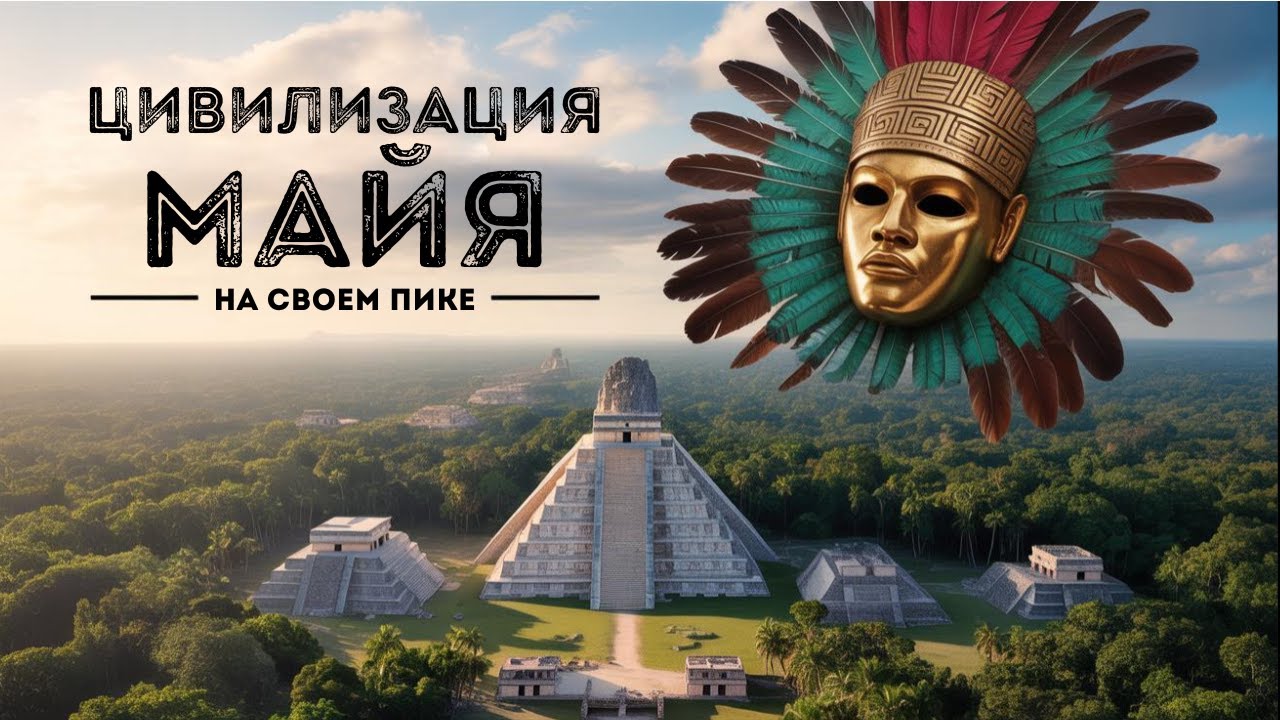

The Maya civilization, which thrived in Central America for nearly 4,000 years, experienced a devastating collapse around the 10th century AD due to a combination of environmental catastrophes (drought, famine, and overpopulation), internal warfare between competing city-states, and the failure of religious practices to prevent societal collapse; while some cities like Lamani survived longer through innovative underground storage systems (chiltoons), the civilization ultimately succumbed to these interconnected pressures, demonstrating how complex societies can collapse when environmental stressors exceed their adaptive capacity.
Maya Underground: Blood Rituals & Collapse | History Documentary (S2 E6)
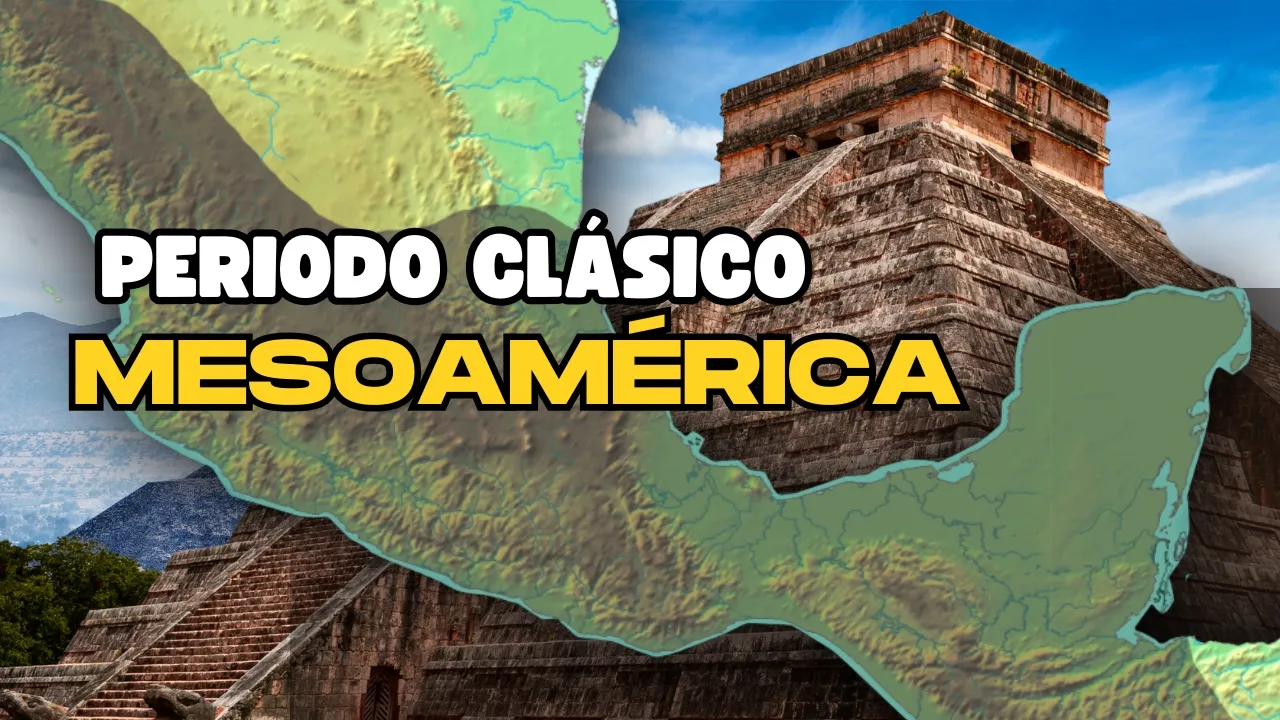
Added:Geographical and chronological framework of Mesoamerica, specifically identifying the Classic Maya period (250–900 CE) and its main territories.
The concept of Maya cosmology, including the tri-level universe comprising the heavens, earth, and the subterranean underworld known as Xibalba.
The political structure of Maya society, characterized by highly competitive, independent city-states ruled by divine kings rather than a single unified empire.
Basic understanding of archaeological evidence types, such as epigraphy (hieroglyphic writing), iconography, and osteological analysis.
Advanced paleoclimatology and the 'megadrought' hypothesis as a primary environmental driver of the Classic Maya Collapse.
The specialized subfield of Maya cave archaeology (speleology) and how sacred subterranean landscapes influenced urban planning and ritual architecture.
Comparative historical analysis of societal collapse, examining how resource depletion, systemic warfare, and political instability in Maya cities compare to other ancient civilizations.
The post-collapse Maya period and the resilience of contemporary Maya populations, challenging the misconception that the Maya people completely vanished.
321.6K views2.8Klikes45:12Original Release: 2021-01-21
like the ancient romans and egyptians the maya civilization was one of the most advanced in the world with an empire that stretched throughout central america they dominated this region for close to 4 000 years before they mysteriously vanished today their great empire has been swallowed up by the jungle but clues behind their incredible rise and devastating collapse can still be found underground from the depths of a cave where bloody human sacrifices were desperate pleas to angry gods they would take stingray spines and they would pierce the foreskin of the penis right down here through evidence of savage warfare inside tombs of a royal temple the horror of all of this is incredible wow it really goes down deep in here to subterranean tunnels where high priests spoke with gods of the underworld imagine a priest coming out through there magically appearing out of the darkness the maya calendar predicts apocalypse in the year 2012. for them it happened a thousand years too early but with 2012 almost upon us the clues they left behind may hold answers to the end of their world and possibly to ours we're peeling back the layers of time on cities of the underworld underground in 2500 bc the maya civilization began to take hold in central america then in the 10th century the great empire collapsed the mystery behind the disappearance of the maya civilization has baffled experts for decades some believe it was the result of brutal warfare others think it was natural disasters drought disease or catastrophic earthquakes and for some the answer can be found in the ancient maya calendar it may have predicted their demise in the 10th century and it ends in the year 2012. today millions believe that fateful year marks the end of days the apocalypse i'm don wildman in western belize near the guatemalan border back in the day this was the heart of the mayan world right now i'm in the middle of nowhere but look at the buildings and temples they left behind they're huge this was an advanced civilization they were geniuses in math astrology and engineering and then they practically disappeared and the jungle just swallowed everything the only way to find ancient mayan sites was to spot unusual looking hills or mounds from the air or machete to them right through the jungle but once they started uncovering sites like this they found evidence of bloody warfare ritual sacrifice and a prophecy of doom and the deeper underground they went the uglier the picture got the modern country of belize is the heart of the ancient maya world today the population is only 300 000 making it one of the least densely populated countries in the world and the terrain is rugged and remote but just over a thousand years ago the population was over a million and major maya cities dominated the landscape the maya's sudden disappearance has baffled experts for decades but as they began finding clues under the jungle floor a terrifying picture began to reveal itself some of the most important and gruesome discoveries were made in a remote cave buried deep in the belizean jungle where the skeletons of men women and children were found sacrificed in bizarre and bloody rituals finding ancient underground sites here in belize isn't like going to paris rome or london it's always out here in a thick overgrown jungle the best evidence of ancient mayan sites is always in really really remote places places i couldn't find on my own so i got in touch with a top expert who knows this place ancient mayan sites he's been every cave in the country aime aowei is perhaps the most respected maya expert in all of belize you're ready for a trip to the other world he was taking me to a remote cave called aktun tunichill muknow or atm it's a 20-mile drive from the nearest town of san ignacio then an additional three-mile hike that crosses the same river three times and so we're going over rivers and through the jungle that's right uh we have three river crossings if it's a little high it could be exciting because of recent rains the level of the river has risen dramatically but crossing these rivers is the only way to see rare evidence of human sacrifice and find out why the maya would venture into the dark underworld if you were to clear this forest there are thousands of mounds that were the residences of the people who inhabited this river valley today we know that there are actually more ancient buildings in this country than modern houses really okay here we go again this river's way strong really rough on the we'll be bottom down this little hill to the entrance of the cave and it's really slippery so you want to be careful although a thousand years ago this was a well-populated area venturing into this cave meant desperate times if the maya made the treacherous journey to perform a gruesome human sacrifice it meant the end was near how are we getting into this thing well we're gonna have to jump in there into that pool yeah swim up a little bit probably about 20 30 feet and then we'll hike in we're swimming into this cave that's right after a three mile hike through the jungle and three river crossings we had finally reached the heart of the maya underworld into the lair of the gods wow this is a massive cave the maya considered caves to be the domain of gods when drought famine and war began to devastate their cities they had to venture here to make their painful and often deadly sacrifices well you can really see why this was the entrance to hell huh that's right this was the portal to the underworld look up there look at that jagged shapes it looks like teeth this may be why the maya considered places like this the belly of the earth monster right because we really are inside the earth here huh and going further the entrance to the atm cave is through a small pool fed by a stream that runs from deep inside the mountains the early maya preferred to make sacrifices near the mouth of caves rather than venture inside and anger the gods the atm cave stretches over three miles beneath the belizean jungle some of its chambers reach 150 feet high connected by winding narrow passages we had gone almost 500 yards into the cave up the river and finally reached a massive central chamber the scene of a bloody sacrifice space is insane look at this if you look over here uh what we have is a grinding stone that's where it was left by them exactly where we found it but that's not the only thing they offered right the maya also conducted auto sacrifice bloodletting rituals bloodletting that's right there were various types of bloodletting they would take obsidian blades or stingray spines and they would pierce the tongue and catch the blood and offer the blood or sometimes they would pierce the thumb sometimes even the foreskin of the penis often they would drop this blood onto bark paper and burn the paper and then the essence of life goes up with the smoke the maya believed the heart blood and human breath were sacred substances that connected them to the spiritual world so they offered these up to their gods to ensure the continuation of the cycle of life piercing the penis was their offering for human fertility although it was incredibly painful the maya elite those closest to the gods performed these rituals on themselves it's an incredible room here it looks like it was made for this purpose yes and i think that the same way that you and i perceive this like an altar room so the demaio but when bloodletting didn't work the maya went even further into the cave and began offering up more than just their blood don we're in the middle of the underworld and you got to be very careful where you step what we have here is the skull of a male individual so why is he here this guy was a victim of sacrifice the maya believed that earth spirits fertility gods and rain gods reside in caves so by sacrificing a human they're inviting asking begging for the pity of the gods the their mercy they are and again you know i often say when is it that you pray the most you know when things are going bad it wasn't just men who were sacrificed jaime found evidence of women who were brutally killed in fact jaime was the first person ever to discover this horrifying scene hold on here's oh wow another one of these that's amazing she's so complete that's the first thing and you found this i was the first archaeologist to ever come into this cave and i still recall that day walking up this section and looking at this i mean i was dumbfounded blew your mind after further investigation i may discover that this maya woman had been disemboweled with her entrails offered up to the gods what would drive anyone to have to do this what kind of desperation were they feeling around 750 to 800 a.d we know that maya population has reached sort of a maximum a lot of the land has been cleared they're starting to get desperate because their crops aren't growing people are doing rituals and ceremonies to the gods petitioning the rains to come and the rains don't come so you start to get a little more desperate so you start to go deeper inside the cave offering your people and sacrifice so this is what we have when sacrificing their men and women didn't work the maya went to the most morbid disturbing measures to appease the gods in the bowels of the atm cave they resorted to their last hope the killing of infants if you look carefully okay up here you can still see some of the fragments of the skull we know that the maya whenever they they did any rituals they like to use things that were pure uncontaminated virginal if you want sure and what is more uncontaminated or virginal than a child so this is a gift the ultimate gift to the gods that's right there's little doubt in my mind that the reason they're doing this is because of drought and for this they made the ultimate sacrifice begging for rain oh they do and of course it fails and what happens they leave they abandon this area a great drought could have triggered the end of the maya but beneath one of the great maya cities there's evidence that brutal warfare left its bloody footprint on the maya's final days belize is home to the second largest unbroken barrier reef in the world it stretches nearly 200 miles and has one of the most diverse ecosystems found anywhere on earth when the great maya civilization vanished a thousand years ago the jungle swallowed just about every trace of their empire at the turn of the century archaeologists adventurers and treasure hunters began to explore these ancient maya sites and the race was on to find clues that would unlock the mystery of their disappearance what they found revealed to people desperate to please their gods as famine and drought devastated the region rival cities began to fight bloody battles over what dwindling land was left soon virtually the entire empire was at war this is caracal one of the biggest and most important cities of the ancient mayan world but it wasn't the only city around here see in those days there wasn't a single mayan nation there were dozens of city-states battling each other over territory the bigger the city got the bloodier the war some say the war fought between caracal and its arch rival a city called tikal was one of the bloodiest battles ever fought here today there's not much evidence of that war but there is a tomb that paints a pretty gruesome picture of caracal in its darkest days caracol sits three miles from the guatemalan border and just 50 miles from its rival city to calm deep inside caracol's most sacred temple are lost tombs that were the site of bloody human sacrifices but these weren't desperate pleas to the gods for rain they were cruel warnings to their enemies of war luis zeiden a local guide was going to take me inside how are you welcome to caracal thank you that's a big building yeah he just came out of cana which is the sky place which is where the elites live the king probably lived up on the top so we're in the middle of america we're in the middle of the city eight miles three miles depending on which direction you're looking at there were suburbs of karakol and how many people in the city a hundred and fifty thousand wow at its height caracol was a bustling city that stretched out 70 square miles kings watched over it from on top of the temple of kanawha which is still the highest structure in all of belize why did they make these steps so steep well you know then people were at that time five feet four inches that was the average height these steps were villages to keep them humble the kings live upstairs so this forces you on all fours yes it does prostrate to the king but kana the temple to the kings of caracol is also where the kings and queens of their enemies were killed and ritualistically sacrificed i feel like i climbed the mountain but we did this is on top of the mountain right here so this is a royal tomb yes this is this is the entrance to the underworld yeah going into a a mayan royal tomb right down here caracol's royalty were entombed inside rooms like these but the people of karakol also used these dark caverns to perform bloody sacrifices on their rivals along with the temples the tombs throughout caracal were built in stages over hundreds of years the miles would build one building on top of another like the layers of an onion we're looking at a layer of one building on top of the next yes yes this building on top of top of the one here i see and then you have a tomb here at the top look at that so each layer is a different time in mayan history yes these tombs were built along with the temple itself each generation of maya ruler built on top of the temple of the previous ruler as each new temple was erected they left this space hollow and built around it leaving behind the royal tomb caracal is dotted with ancient royal crypts but as the temple of the king none are as sacred as kana but the tomb wasn't just a resting place for the bodies of caracols kings and queens there's evidence that the rulers of caracal used this space for a much more sinister purpose i've even heard a story where we're a guy a king and he would have a cup made out of a human skull probably a king yeah that he that he captured he would drink out of it caracal's bloodiest battles were with its neighbor takal but by 800 a.d wars were breaking out all over the maya world when prisoners of war were captured especially royalty sacrificing them to the gods ensured continued domination over the area this was the tomb where the gruesome ceremony took place enemy kings queens and high priests would be cut up into pieces to be sent back to their cities a grisly warning that anything goes when it comes to defending the city not all of it would have been delivered so maybe your femur bone or your leg bone or something would have been kept by the by the by the people that captured you for a trophy yeah horror of all of us is incredible i mean this is a society that is unbridled in its violence drought famine and overpopulation led to chaos land was scarce times were desperate and this was an all-out war for survival so terror was often the most effective weapon but sometimes the most terrifying tactics weren't saved for the enemy they were used on their own people heads were placed like hills really in in the plaza in in the open area so everybody could see down in this area here where um we have found two individuals that were were buried in in a tomb with their legs cut off why were they done why did they do that you can um they could be disarters it would have been very very very symbolic of don't do this anymore things became so chaotic in caracal that men began to leave their own army there was no greater shame than desertion so military leaders inflicted the greatest suffering on the deserters but the disgraced warriors weren't buried in kanawha the temple of the king they were mutilated and discarded in small dark tombs there's a lot of tombs around here pretty much every building has multiple tombs in it but here we go oh yeah wow there we go that's a dark and nasty place look how intact it is i've done a little restoration but the ceiling's still here yeah ah a mayan tomb in 2003 archaeologists removed mutilated remains from this tomb possibly belonging to the shamed warriors of caracol it was a startling revelation for ancient maya soldiers to desert their posts meant they truly believed the end of the world was near that's how bad things had gotten when honorable men risked everything to escape to desert their own people and prevent their own passage into the underworld the horrors of war left a deep scar in caracal's underworld but while most of this great empire vanished another city survived by going underground while the u.s has over 19 000 airports belize has 43 only five of which are paved i'm on my way to a mayan city called lamini which roughly translates into a place of crocodiles we're hoping to find out clues as to the disappearance of the mayan culture and why it is that this place lasted longer than most where the road up here was washed out by the rain so we're taking a boat upstream and keeping an eye out for the crocs located on the west bank of the new river lagoon laminae was once one of the largest maya centers in northern belize it emerged as a regional power in 200 bc and continued to thrive long after most of the other maya city-states in the region had collapsed but why did this place thrive for close to 2000 years while the rest of the maya world disappeared if we can find out why this city survived we may find clues that will reveal why others vanished like other ancient mayan ruins most of the answers have been swallowed up by the jungle but there's still evidence of their amazing survival underground i took a boat up the new river to meet with jaime away again that is insane that kind of just rises out of the jungle that's right and it's one of the tallest structures here at the site the ruins of lamini stretch over four and a half square miles less than five percent of it have been excavated aside from a few major structures the jungle has consumed the homes of the thirty-five thousand maya who lived here lamoni was you know medium-sized city it's like comparing uh new york city or l.a with let's say cleveland and this is cleveland yes this this would be cleveland and what's amazing is that you know this is just one of many structures just as big there's several more out there in the forest so why was such a relatively small city able to survive for thousands of years the clues may still be scattered around the forest but because the jungle has engulfed the city they're difficult to find just right fortunately locals tipped off jaime to the location of this unusual underground tunnel we're trying to find this chiltoon this storage place and it's been buried just like everything else back here antonio hi me are we lost do you know where we are uh i think we're heading in the right direction i see the trail continues here all right you think but um these trails are often misleading because uh you know they go off in different directions so we'll keep looking oh my god look down look look you can see it just disappears i thought it was just this hole here but it keeps on going down further finally we had found what we were looking for the entrance to a maya sister or chilton well he says there's a lot of bats down there a thousand years ago this would have been filled with life-saving water or a stockpile of food what seems to have happened is that part of the roof of the chambers have collapsed in oh okay now are these chambers all over this forest yes these limestone chambers are called chilton and there are hundreds of them scattered beneath the jungle floor it's thought that they were used by maya families for either storing food or as water cisterns while other cities were suffering from drought or famine the people of lamoni had this secret stash so a 2 000 year old hole in the ground the maya had abandoned this chiltoon 500 years ago since then it's become a home for snakes spiders and bats i don't know what's down there but let's find out wow this really goes off doesn't it it does ah dang look at that guy that little bat is actually right where the original entrance of this chamber might have been think of it like a bottle you come down the chute right uh or the neck of the bottle and then you're inside the main chamber so this this mud and and dirt that's beneath us this would have been a lot deeper actually oh yeah yeah and and whenever we've excavated you know you could go down probably for another you know four feet okay uh before you hit the the actual original bottom of this uh chamber what initially appeared to be a cave was actually an ingenious storage facility everything was specially designed to hold and preserve laminized food and water they were often shaped like clovers located near the center of a courtyard and placed at a slight angle so the rain would just filter in filling the cistern extended families were responsible for maintaining them when other cities are unable to to access water and they're going to these caves to do all these rituals to petition the gods to make rain and to you know so that things get better the mildlam and i don't have that problem lamini survived 500 years longer than the majority of other maya cities but they still met their doom sometime around the 1600s no one knows exactly what happened in lamini's last days but there may be clues buried under four feet of mud this one has yet to be excavated oh okay so i'm sure that if we start to to dig down below it's likely that you will find skeletons really but why would skeletons be found at the bottom of a water cistern jaime has a theory as to why this cistern would have turned into a sacrificial altar in my ideology you know the underworld is this watery place that's where they get life-giving water and then the underworld is also a place of death and so it makes a lot of sense that the maya once these no longer function you know or serve the purpose of containing water or for food is that they would convert it to a place of the dead if lamini never suffered from the harsh droughts famine and war that other cities did why would the maya here commit the same gruesome sacrifices as their desperate neighbors most experts believe that lamini was eventually terrorized by a far worse fate the spanish conquistadors who decimated millions of natives throughout the americas skeleton still buried under the mud may have been a mass grave the result of the ruthless spanish invasion one of the last cities of the great maya civilization that ruled over this continent for two thousand years was annihilated what's the real core reason for the for the disappearance in your opinion the meyer victims of their own success um at the time of the decline the population was at a maximum and it took a lot of work to sustain this large population they had overdone it they basically there were too many mayans right yeah and so eventually the system you know fails the rulers are the ones that communicate with the gods to ensure fertility you know bountiful crops and when you know this starts to fail the people turn against the elite right and what do rulers often do you know you have an internal problem you try to create an external one so warfare increases yeah yeah i think uh at the core the maya system failed it no longer was able to sustain it it's amazing to think of a 1500 year old storage chiltoon out in the middle of the rainforest right under the floor i mean the river water and the thousands of storage still tunes may have sustained the lamini people longer than most but it didn't save them from her eventual fate by the time spanish conquistadors swept across the americas the maya had already been decimated by centuries of drought famine and war their civilization had lasted for thousands of years but how a dark tunnel beneath a long-lost city may reveal the magic of the maya over 40 percent of belize is under archeological protection due to the extensive maya sites found there years of brutal warfare may have caused the death of the great maya civilization but war alone doesn't explain the mystery of its sudden disappearance some say it was the toppling of the maya religion that led to mass chaos and rebellion kings of the maya city-states were considered to be godly and used terror to control the masses how did they lose their god-like status and grip on power today the clues to those mysteries may be found in recently discovered tunnels buried under an ancient maya city it's located in the jungle just outside san ignacio a small city in the western part of the kaio district i'm going to meet louis zaidan he grew up in this area knows it like his own backyard he was telling me he's been to dozens of mayan sites that are still actually buried by the jungle they just don't have the money or time to excavate them all and they're in a constant race against treasure hunters to get to these sites first these are huge ancient cities perfectly preserved and he's going to take me to one right now hi dom how you doing luis took me 12 miles outside of town to the isolated maya site of el pilar which straddles the guatemalan border spectacular vista so i'm the king of el palar surveying my kingdom what do i see before me you see 80 percent of the forest that is here right now was all gone all clear you see plazas courtyards farmland one of the biggest city-states within the belize river valley el pilar covered more than 5 million square feet at one point more than 50 000 maya lived in this area the city consisted of at least three large sections north south and west that were connected by wide causeways the maya began building here in 450 bc and continued to work and live at il pilar until 1000 a.d some 15 centuries after 1000 a.d the city simply vanished and the jungle reclaimed the land so this this is a significant city we're standing on yes this was like the like your cities of chicago or all of these in all these metropolitan cities but chicago is less than 200 years old el pilar survived for 1500 years and buried underneath these mounds are clues that reveal how el pilar remained one of the dominant city-states in the region a secret tunnel used by the high priests and kings to inspire awe and fear in the people look at that it just peaks up what is that that's a that's definitely a temple when you see a temple like that you know that it's in a private area this was where there your trumps and your these are where these people live this is where they're the people with the money a fancy neighborhood yeah it's like buckingham palace you just don't walk in there this is like that today howler monkeys rule el pilar but a thousand years ago the northern section of the city was home to lplr's vips it was called jimena or the place of the priests and it used to be one of the most restricted areas of el pilar the high priests used the tunnel as a form of magic appearing and disappearing in and out of the dreaded underworld all in an effort to control a population living in an uncontrollable land this is the house of the bats you ever been in there nope we're hal deep at this point about 20 feet i would say this would have been plastered as you can um there's a little bit of it still still here and probably even painted it this thousand-year-old secret tunnel called zotzna once connected two plazas and was used by the priests and elite of el pilar but zotsna may also have been used as another kind of secret passageway one that led to the underworld the domain of the gods in some cases we find where there is a temple they would hand dig you know they would dig out a a tunnel or a cave underneath the temple so it would represent the underworld for them here at this site maya temples and tunnels beneath them were made to imitate the natural world so they were built like mountains places to get close to the sky gods and the tunnels beneath them were made like caves entrances to jilbaba the place where the gods of the underworld lived you see you we call it a temple today but in those days they call it a wits which means mountain so it was the the perfect representation of a mountain a natural mountain with the with the peak and the caves beneath it it's a perfect representation of their religion the maya priests or shamans were considered intermediaries between the human and supernatural worlds they would travel deep into the underworld and then emerge from these secret tunnels as if by magic to relay the message of the gods to the people these elaborate ceremonies also ensure that the rulers maintain their power over the people after it was abandoned a section of the tunnel collapsed blocking the passageway of the high priests but a thousand years ago priests would have been able to walk beneath the plaza and exit here unseen so this is the temple right above the tunnel yes see it would have come out right here ah interesting right where the population would have been imagine a a priest coming out through there yeah magically appearing out of the darkness because in the tunnel it's going to be dark sure he coming out of shibalba the place of fright yes for them he went there for them he has been in there probably even for two or three days praying to their nine gods and then he comes out and then he reveals whatever the gods told him to the people and that gives him the authority to lay down the law yes because the authority of shibala is with him the people believed their high priests were responsible for the city's prosperity by pleasing the gods of the underworld el pilar prospered for hundred years but in one thousand a d the end of days fell upon el pilar some speculate it was drought famine or a massive earthquake like other maya cities el pilar began to crumble the high priests were unable to appease the gods and the people began to abandon their religion lose faith in their priests and eventually desert their cities no one knows for certain what sparked the catastrophic collapse of this huge metropolis el palar is still riddled with tunnels tombs and passageways once used by the elite and there are more excavations to be made throughout the site let's see if i can get in there wow really goes down deep in here oh no i can't get down that far but this is all tomb el pilar has barely been excavated and there's way more to this city under the jungle most of the excavation on this site has been done by grave robbers still right beneath me are more levels littered with artifacts and ruins but the real story is hidden underground maya high priests couldn't have predicted the ultimate demise of their great kingdom but the maya calendar tells a different story it was the most accurate in the ancient world and it predicts the apocalypse is just around the corner the year 2012. clues to the maya prophecy of doom can be found deep in a jungle cave a portal to the dreaded underworld the country of belize could fit inside the state of new hampshire it's less than 9 000 square miles just over a thousand years ago the mayans began to deeply enter into caves cenotes and tunnels that previously they wouldn't be caught dead in now it seems to me that the mayans had grown desperate to appease the gods most importantly the gods of the underworld now there's one cave here where the evidence shows not just sacrifices to prevent drought famine and war but a more desperate sacrifice to prevent the end of the world 16 miles from san ignacio in the maya mountains is a recently discovered cave called chachem ha the cave was found on the property of william plates a local guide according to william the cave may hold clues to the maya's bleak view of the afterlife and an eerie prophecy of doom the year 2012. oh look i'm just right in the side of the mountain here this is it the entrance into the underworld it just drops right down william discovered the cave on his land back in 1989 when he was out walking his dogs i saw them coming down in and down to this little hole i sat and literally disappeared so i started clear cutting some of the brushes and slowly moving some of the rocks which as a result of that i noticed the hole got big an intricate system of natural caves chechem has stretches for 820 feet inside the range of limestone hills known as the maya mountains the cave winds down 120 feet below the surface like other natural caves the maya believed this to be a portal to the underworld and performed ritual sacrifices here a lot of this here had to do nearly the front had to do so the like a permission i would call it more as an entryway into the underworld an offering to their gods so before they even came in this place they were asking permission exactly you could see theirs william found evidence of the bloodlettings and divination rituals that took place here offerings to appease the gods below but as william explored further into the cave he began to realize it had a vital connection to the ancient maya myth of the underworld the maya underworld is divided into several distinct levels each presided over by its own god it's possible that when the maya found this cave with its long dark passageways leading to distinct levels they immediately made the connection between the two and believed each section was home to the gods of jobalba according to maya religion there are nine levels in the underworld and for the maya numerology was absolutely essential they divided the universe into 23 levels 13 above one for daily life and the dreaded nine levels of the underworld below the maya also calculated a universal cycle of creation and destruction they believe the earth had been created five times and destroyed four times before currently we are living in the fifth and final era one that will end in 2012 the date of the final apocalypse there's so many pots there perfectly intact right where they left them right where the sacrifices were done the ceremonial pots found here date back at least 1200 years they make up what's probably one of the largest collections of maya pottery ever discovered they were usually filled with offerings like water if they were praying for rain from the god of water called chalk we're just at the entrance so level two as we continue deeper down it has a higher significance the deeper you were going through the more special you would have to be in the high ruling system at the time being in other words you're getting into some serious stuff down there man take a good look at this one man you can see a skull there that's this cold got a little claws this sinister looking monkey figure is one of a handful found in belize the maya believed monkeys were messengers to the gods of the underworld so when this monkey figure was found on this ceremonial pot it's possible it is a sign that this was your balba the place of fear it's like a a perfect artifact in a museum and it's in a cave essentially in a man's backyard what's your low ceiling so we got a rope there you take backwards now the rope it's to avoid any expressway down faster in the underworld well done what you sell there all right welcome to level seven we had descended nearly 120 feet beneath the jungle according to william we were in a section of the cave that represented level seven of the underworld it's hard to imagine the terror a mile would have felt here their underworld was a place of terrible suffering darkness cold and physical torture perhaps as their empire crumbled in the 10th century and the real horrors of famine and war drove them down into this cave it may have seemed to the maya that the prophecy regarding the end of the world in 2012 was coming a thousand years too soon an ancient mayan would only come here would only dare to come this far down if their needs were most intense if their they had an absolute need to talk to the gods exactly right are you ready for it sure i'm gonna go wow here we are down at the lowest level of the underworld level nine we had reached the lowest level of the cave and for the maya it may have represented the last level of the underworld the ninth level of the maya underworld was the most terrifying of all it was ruled over by the god apooch he appeared as the head of an owl on a rotting human body and once you fell into his clutches there was virtually no escape for all of eternity where most maya had thought of the nine levels of jilbaba as a netherworld these maya had literally climbed down into hell what is it well what we got here now this is the ring of stones represents an altar this is the final place man if you look up above it's one of the highest points of the whole entire cave imagine the whole ritual around here the fire light the smoke the chanting and this whole entire side would be eliminated you would probably have a gathering of my five six people so the priests the priests okay higher rulers and they're dressed in their formal gear they're formidable gear burning incense right there doing bloodlet sacrifices it's been considered so they are literally bleeding for the gods here in the depths of the underworld this is it this is the ultimate we're at the end of the mayan civilization here at the very end but what would have driven the maya to venture this far into the underworld were they hoping their gods and ancestors could save them from extinction the mayans had a premonition about the demise of their own civilization and they were right and they also predicted very specifically the demise of all civilizations the year 2012. and down here i mean their fire went out they were right about themselves hopefully they weren't right about us today less than 200 000 descendants of the maya remain in belize but its jungles and caves continue to offer up more clues about their rise and ultimate demise there's more waiting to be revealed about this amazing civilization which endured nearly 4 000 years but for now it all remains buried deep underground you
Up Next

68:08
Maya Lidar Survey: 95,000 sq km Reveals Hidden Civilization
@DavidPompeani
2.2K views•2025-12-19

33:02
The Great Schism of 1054: Causes and Consequences
@SacredCathedrals
113.5K views•2026-02-19

1:19
How the Safety Elevator Enabled Skyscrapers and Social Mobility
@Historyn60seconds
611 views•2026-01-02
17:05
Understanding the Cold War: Superpower Conflicts and the Road to Détente
@OverSimplified
46.1M views•2019-01-24
Related Study Plans & Knowledge Roadmaps
Structured learning paths in History
history
Byzantine Iconoclasm: Theology, Art & Politics
01Foundations of Byzantium and Early Christian Images
02The First Iconoclasm: Leo III and the Crisis of Images
03Empress Irene, Nicaea II, and the Second Iconoclasm
+ 2 more learning modules
9h5 modules
Explore Roadmap
history
Iranian Revolution (Causes, Events & Legacy)
01The Pahlavi Dynasty and the Roots of Discontent
02The Spark of Rebellion and the Rise of Khomeini
031979: The Fall of the Shah and the Climax of the Revolution
+ 2 more learning modules
8h5 modules
Explore Roadmap
history
Mali Empire: Mansa Musa, Trade & Timbuktu
01Foundations of the Mali Empire
02The Trans-Saharan Gold and Salt Trade
03The Reign and Pilgrimage of Mansa Musa
+ 1 more learning modules
6h4 modules
Explore Roadmap
history
1947 Partition: Politics, Borders & Legacies
01Foundations of British India and the Divide
02The Political Negotiations and the Mountbatten Plan
03Drawing the Boundary: The Radcliffe Line
+ 2 more learning modules
8h5 modules
Explore Roadmap