







![[Hindi] What is Charge? | क्या होता है चार्ज ? | Subodh Fating](https://i.ytimg.com/vi_webp/O7o-SLAbaqM/maxresdefault.webp)








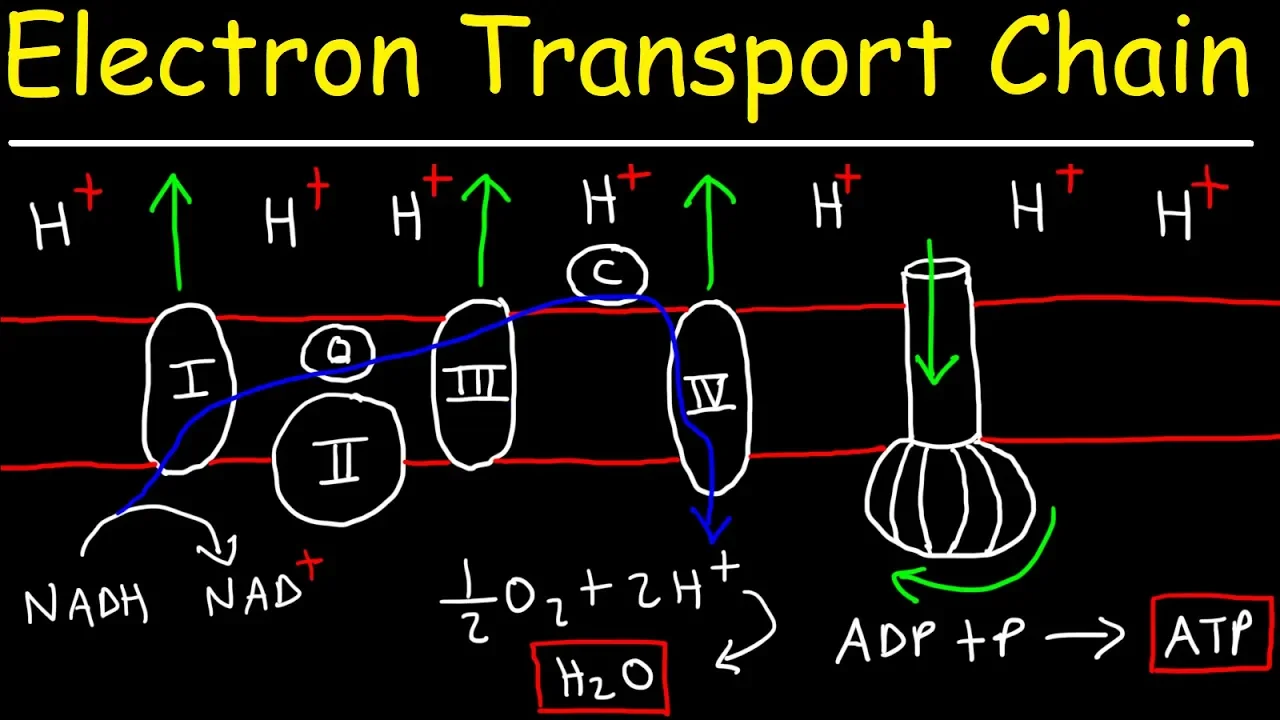


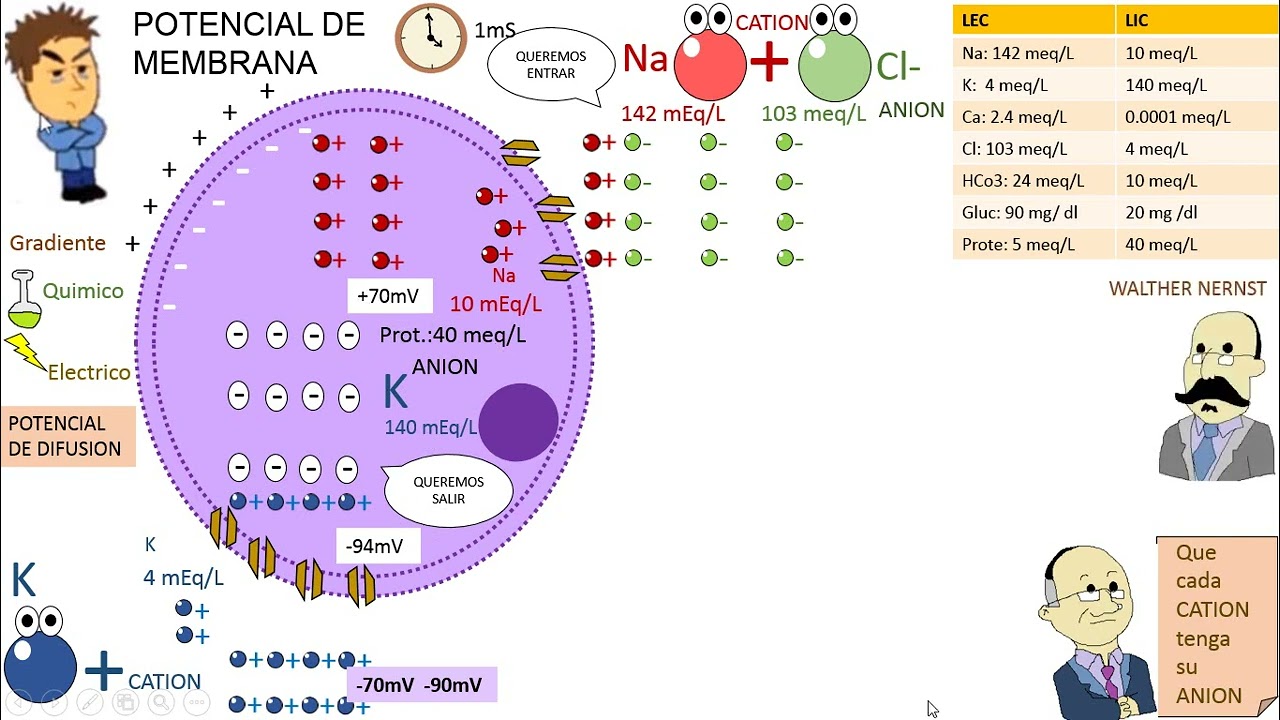
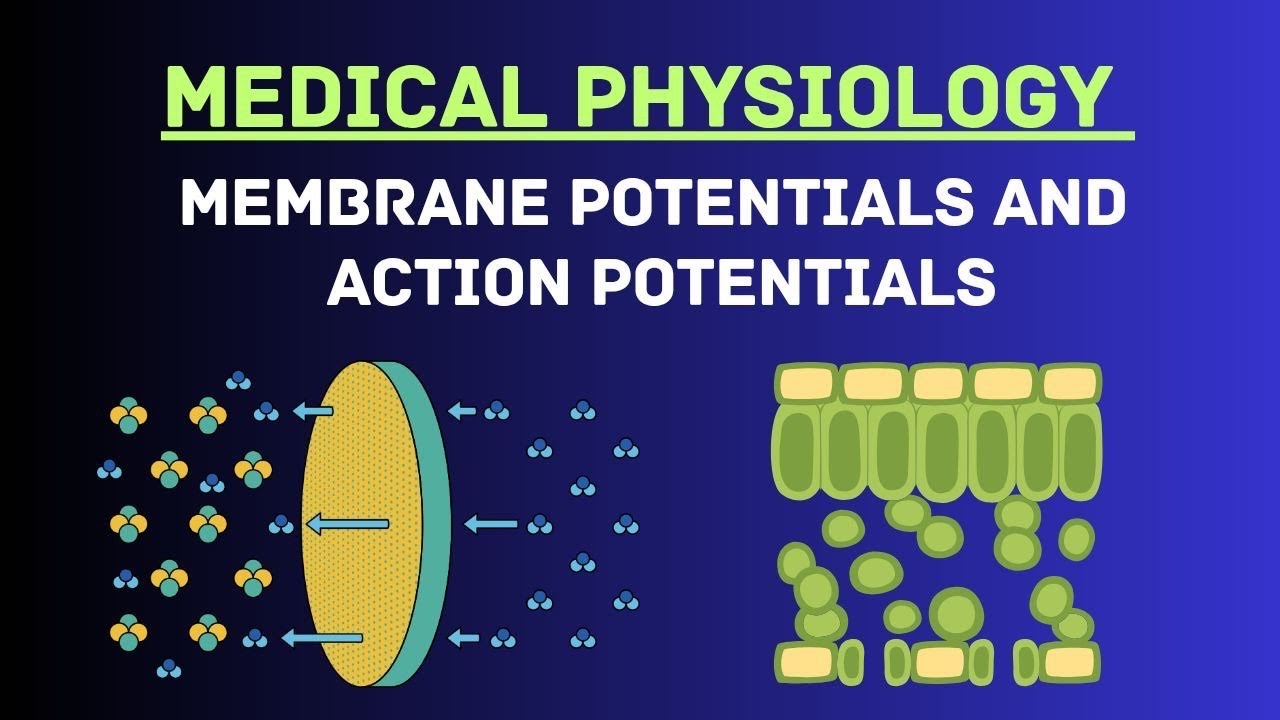
An electrochemical gradient is the combined effect of a concentration gradient (molecules moving from high to low concentration due to Brownian motion and entropy) and an electrical gradient (charged particles moving due to attractive and repulsive electric forces), which together determine the direction of ion movement across cell membranes.
Electrochemical Gradient Explained | Cellular Transport Basics
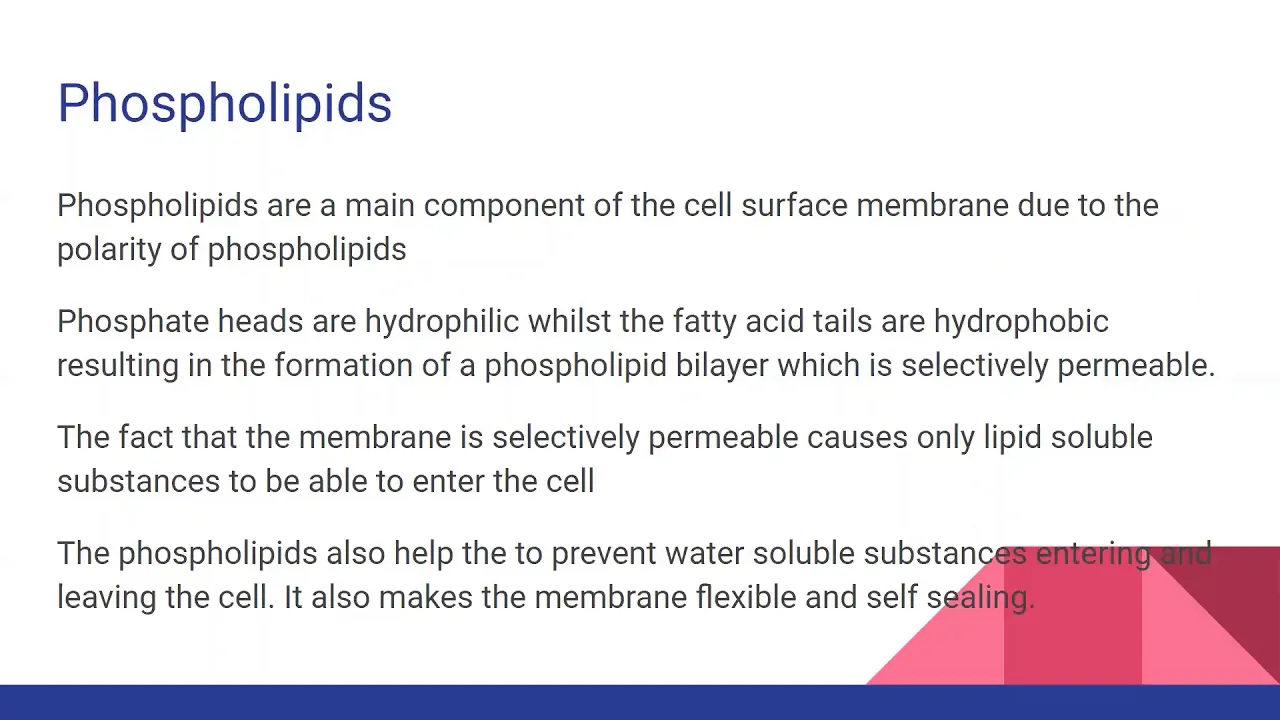
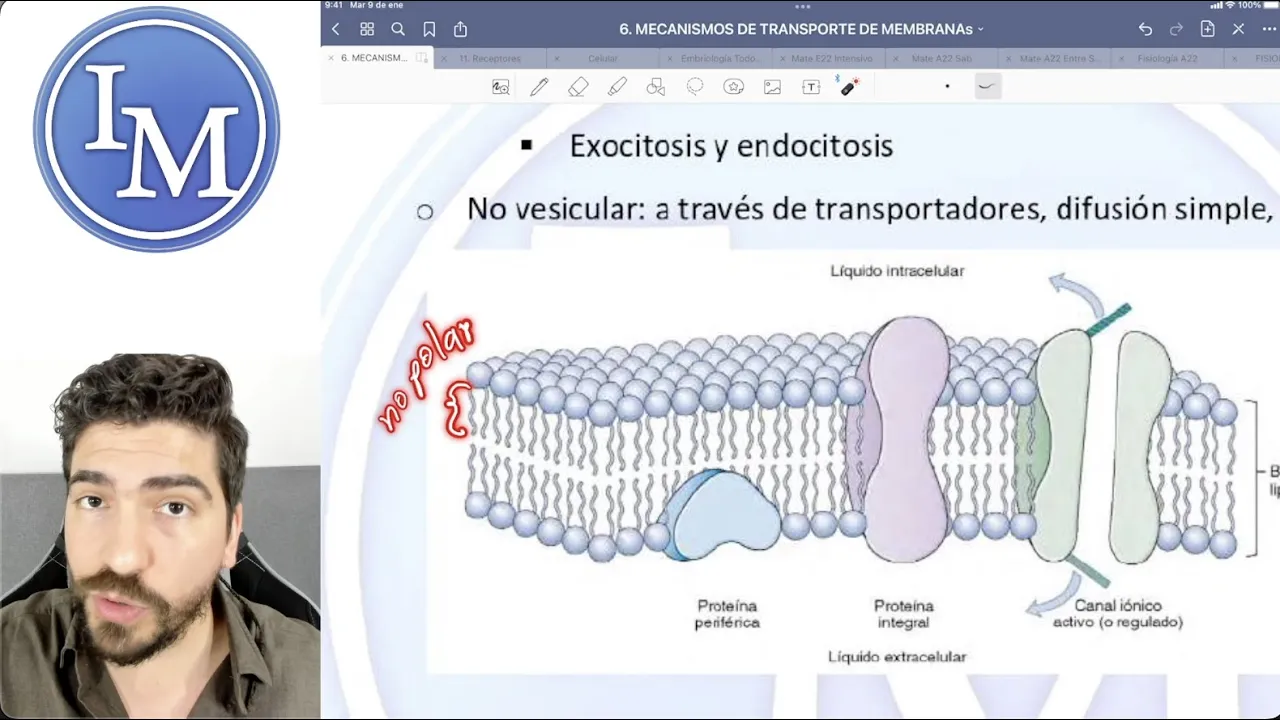
Added:Structure and selective permeability of the cell membrane (phospholipid bilayer).
The concept of chemical diffusion and how concentration gradients drive passive molecular movement.
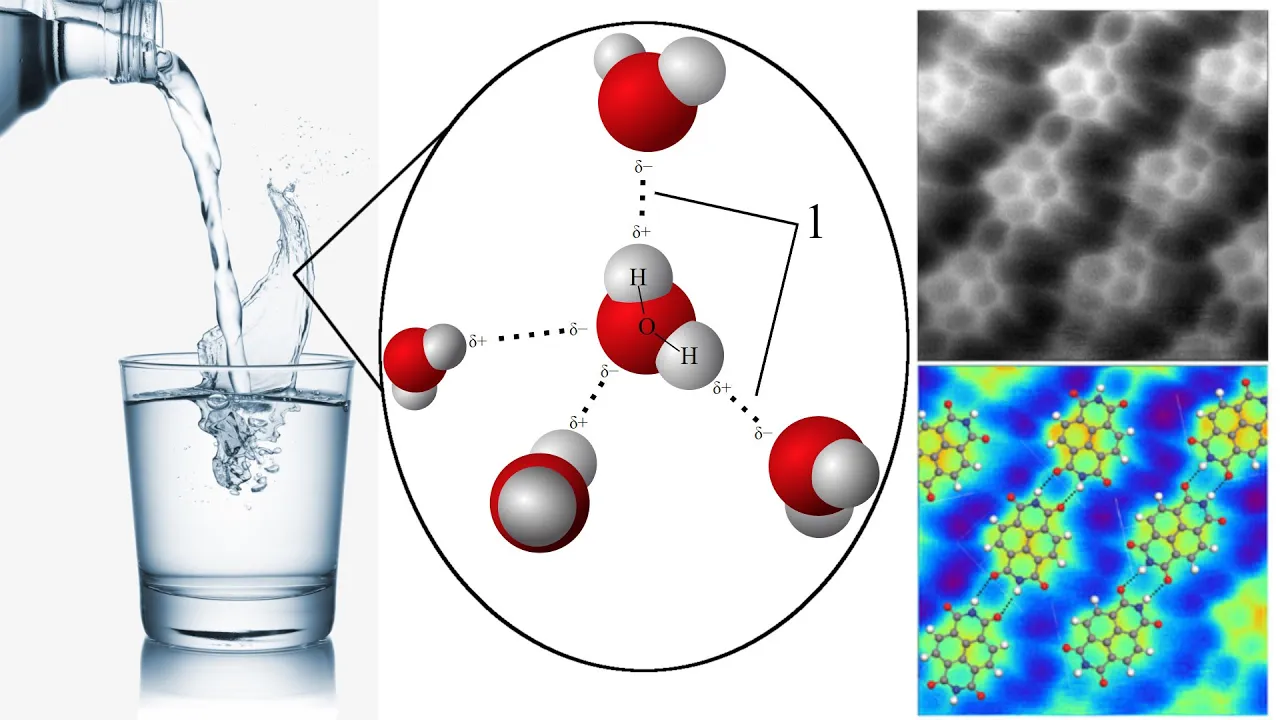
Basic properties of ions, including electrical charge and the principles of electrostatic attraction and repulsion.
The fundamental differences between passive transport (facilitated diffusion) and active transport mechanisms.
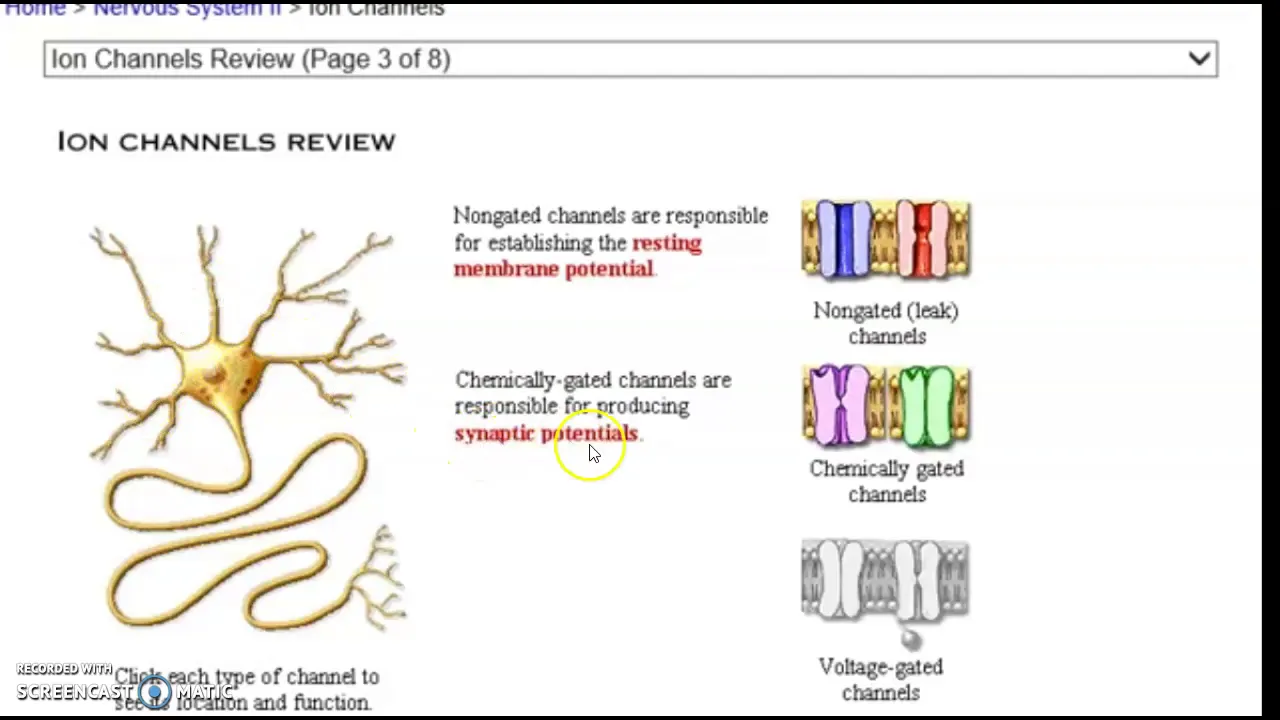
How electrochemical gradients drive action potentials and signal transmission in neurons.
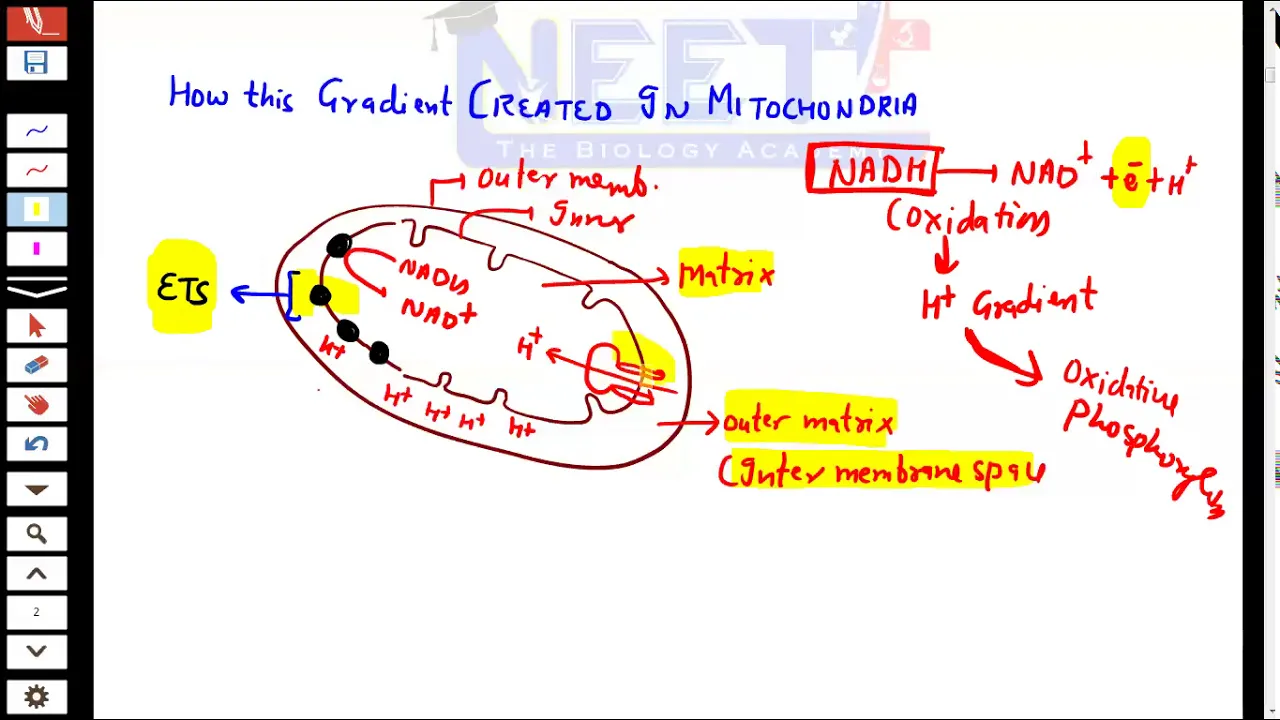
The mechanism of ATP synthesis via chemiosmosis and the proton motive force in mitochondria and chloroplasts.
Secondary active transport processes, such as symporters (e.g., Sodium-Glucose cotransporter) and antiporters.
Mathematical modeling of membrane potential using the Nernst and Goldman-Hodgkin-Katz equations.
41.2K views501likes9:30Original Release: 2014-07-30
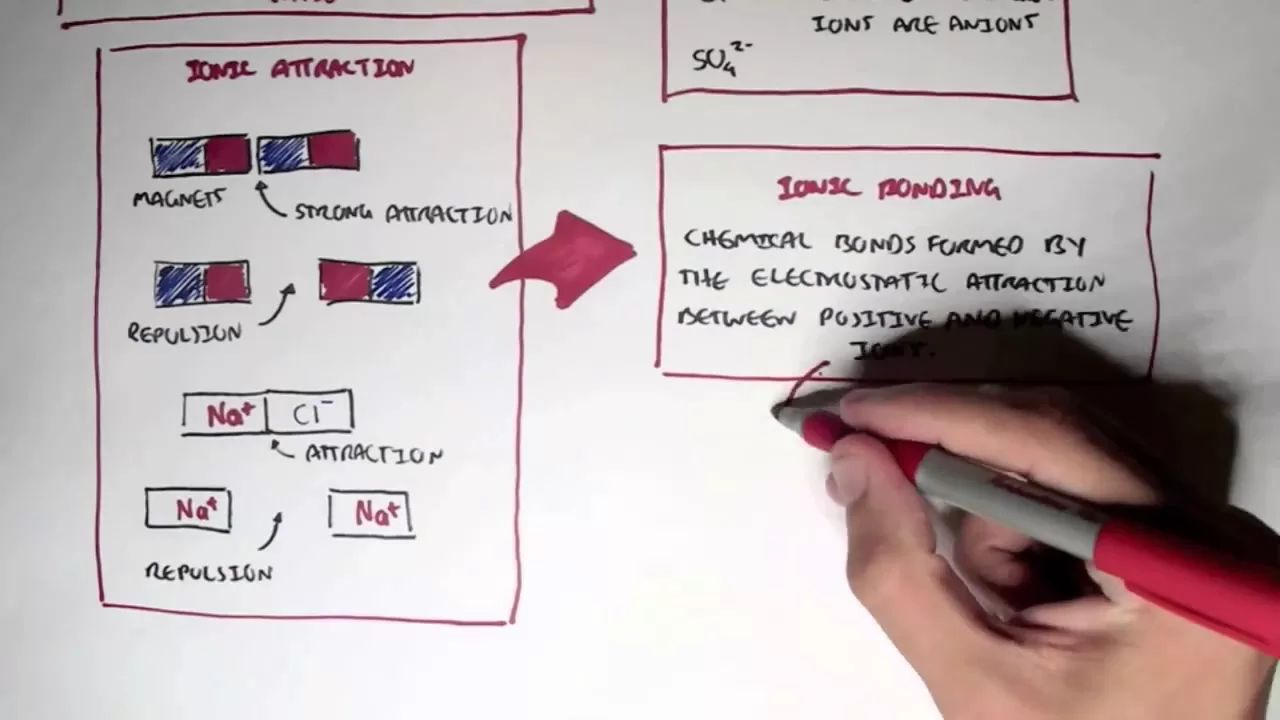
one of the many important functions of the cell membrane of a cell is to create an electrochemical gradient between the cytosol the inside of the cell and the outside of the cell the extracellular fluid now the question is not how we create the electrochemical gradient we're going to discuss that in the next lecture the question is what exactly is the electrochemical gradient so before we discuss the different modes of cell transport let's define what an electrochemical gradient is so let's begin with a concentration gradient or a chemical concentration gradient so let's recall a concept from physics we know that in physics according to Brownian motion if we take a molecule and place it inside a fluid the molecule will collide with the atoms or molecules of that fluid and as a result out that molecule in the fluid will experience random and Rapid motion so let's conduct the following thought experiment let's suppose we take a container shown in the black region and inside that container we have a certain fluid so the atoms of that fluid are shown by these blue dots so let's suppose we take we take 12 molecules six of those molecules are molecule a and we place those six molecules onto the left side of our container and the other six molecules let's call a molecule B are found on the right side of that fluid filled container now separating the left and the right side is a semi-permeable membrane that allows both of these molecules to basically pass through the question is what exactly will take place over time well over time time we're going to look we're going to get the following case in which we're going to have equal amounts of molecule a on both sides and equal amounts of molecule B on both sides basically as a result of Brownian motion molecules a and molecules B will be in a constant state of motion and based on the law of entropy the most mathematically probable state of our system is in which we have an even amount of molecules on each side so this is the most probable State and if we begin with state number one where we have all the a molecules on the left side or the B molecules on the right side eventually we will develop the following state so we say that molecule a moves down the concentration gradient from a higher concentration to a lower concentration so notice we had no molecules a on the right side and so a will move naturally from this location to this location and likewise the B molecules will move down their concentration gradient from a higher concentration to a lower concentration in the opposite direction of a and eventually we will have an equilibrium that will exist and our concentration gradient will basically cease to exist now according to Brownian motion molecules a and molecules B will still move across our semi-permeable membrane but there will be no net change so we take six molecules a and place them on the left side of a fluid filled container we also take six molecules B and place them on the right end of our container these two sides are separated by semi-permeable membrane that allows both of these molecules to move with ease now entropy dictates that after a while the most mathematically probable case will be a system in which we have these two molecules even out so basically we have the same molecules a on this side as of that side and the same number of B molecules on this side as on that side we conclude that molecules tend to naturally move from a high concentration to a low concentration so given situation A we say that there exists a chemical concentration gradient and both molecules travel down their perspective chemical Concentra their respective chemical concentration gradient molecule A travels from the left side where we have a high concentration to the right side where we have a low concentration and molecule B moves in the opposite from a high concentration the right side to the left side where we have a low concentration and this is known as the chemical concentration gradient or simply our concentration gradient now what about the electrical gradient well in this case molecule a and molecule B were both neutral they had no charge suppose our molecules now have a charge so when molecules have electric charge there can also be an electric gradient and the electric gradient is a result of the electric repulsive and attractive forces that exist in nature so this is basically a result of Brownian motion and the law of entropy and this is a result of the electric forces that exist in nature both positive or both um attractive and repulsive electric forces so let's suppose we look at situation three in situation three we have six C molecules that each have a positive one charge and on the other side the right side we have six D molecules that each have a negative one charge once again we are separated by a semi-permeable membrane that allows both of these molecules to pass through so in this case molecule C has a positive charge and molecule D has a negative charge both molecules will move down their electrical gradient and this movement is a result of the electric attractive and repulsive forces that exist in nature molecule C moves to the right while molecule D will move to the left until the electric charge basically equilibriates between our two sides so in this case we have a positive six charge in this case we have a negative six charge and we have the separation of our charge now eventually after some time passes as a result of the Tractive forces between the positive and negative as well as the repulsive forces between the negatives and the positives we basically have the following situation in which we have no charge no net charge on the left side we have 3D and 3C and so the charges cancel out and no charge on this side because they cancel out and so in this scenario we no longer have an electric gradient in the same way in this case we no longer have our concentration gradient now if we combine the concentration gradient with the electrical gradient we get the electrochemical gradient so the electrochemical gradient basically combines these two different types of gradients so notice that in this case we also had a concentration gradient because we have no molecule C on the right side all the molecules C were on this side so on top of these molecules moving to the right side as a result of an electric gradient because there is an attractive attraction between the positive and negative these C molecules will also move to the right side because they will move from a high C concentration to a low C concentration so this concept this scenario actually incorporates both the concentration gradient and our electrical gradient so at the end we have an even amount of molecules on both sides and the charges are also in equilibrium we have no net charge here and no net charge here and this is the electrochemical gradient so basically one of the purposes of our cell membrane is to create an electrochemical gradient and there are different modes by which our cell membrane actually allows the molecules or ions to pass through across the cell membrane and we'll discuss that in more detail in the next lecture
Up Next
11:21
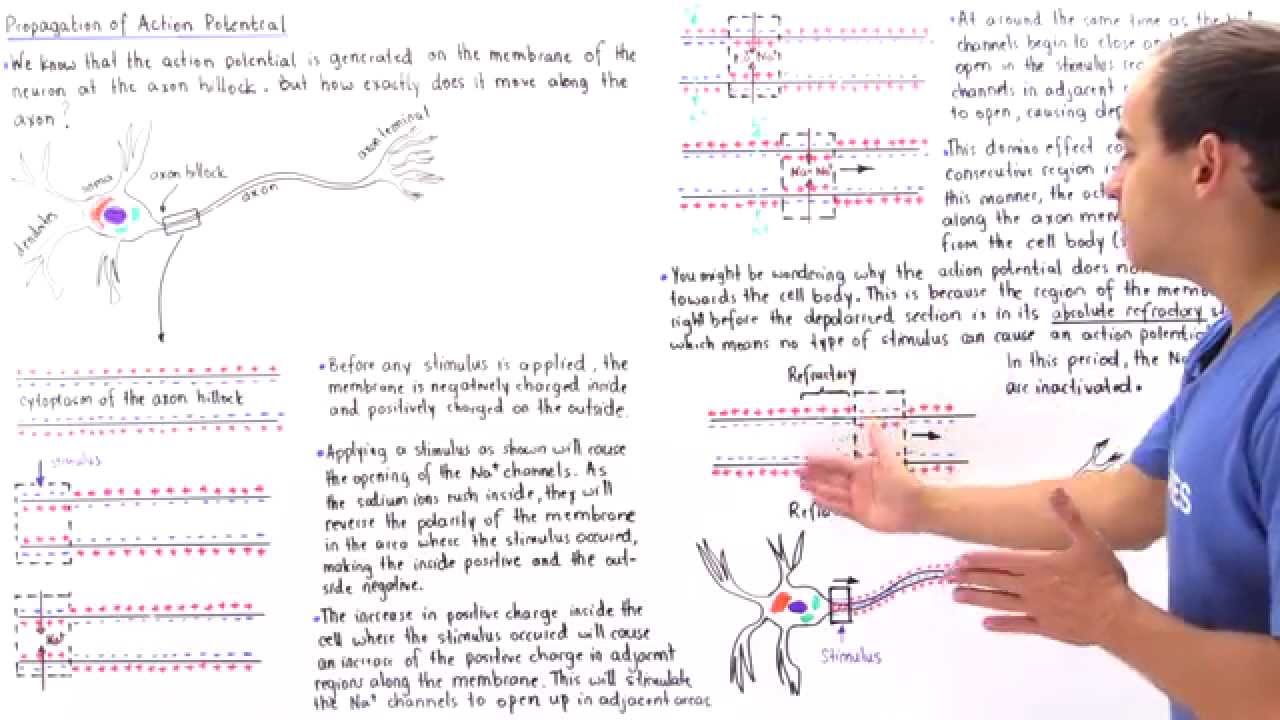
Action Potential Propagation: How Signals Travel Along Neurons
@AKLECTURES
93K views•2014-09-19
50:12
Bacterial Communication: Quorum Sensing and Biofilm Formation Explained
@JHUAAP
12.6K views•2011-06-28

7:47
Post-Translational Modifications Explained: Types & Functions
@AKLECTURES
136.8K views•2014-09-11

7:08
Bacteriophages: Earth's Deadliest Killers and Future Antibiotics
@kurzgesagt
34.6M views•2018-05-13
Related Study Plans & Knowledge Roadmaps
Structured learning paths in Biology
biology
RNAi: Biogenesis, RISC & Gene Silencing
01Molecular Biology Foundations: DNA to Protein
02Introduction to RNA Interference (RNAi)
03Molecular Biogenesis of miRNA and siRNA
+ 2 more learning modules
10h5 modules
Explore Roadmap
biology
Mycorrhizae: Signaling, Biophysics & Ecology
01Foundations of Mycorrhizal Symbiosis
02Molecular Signaling and Root Colonization
03Biophysics and Bioenergetics of Nutrient Exchange
+ 1 more learning modules
11h4 modules
Explore Roadmap
biology
Circadian Clocks: TTFL, SCN & Periphery
01Foundations of Molecular Biology & Gene Expression
02Introduction to Chronobiology and Actograms
03The Core TTFL: Molecular Architecture of the Clock
+ 3 more learning modules
14h6 modules
Explore Roadmap
biology
Population Genetics: Math, Drift & Selection
01Genetic & Probability Foundations
02The Hardy-Weinberg Principle and Baseline Models
03Mathematical Modeling of Natural Selection
+ 3 more learning modules
18h6 modules
Explore Roadmap