



















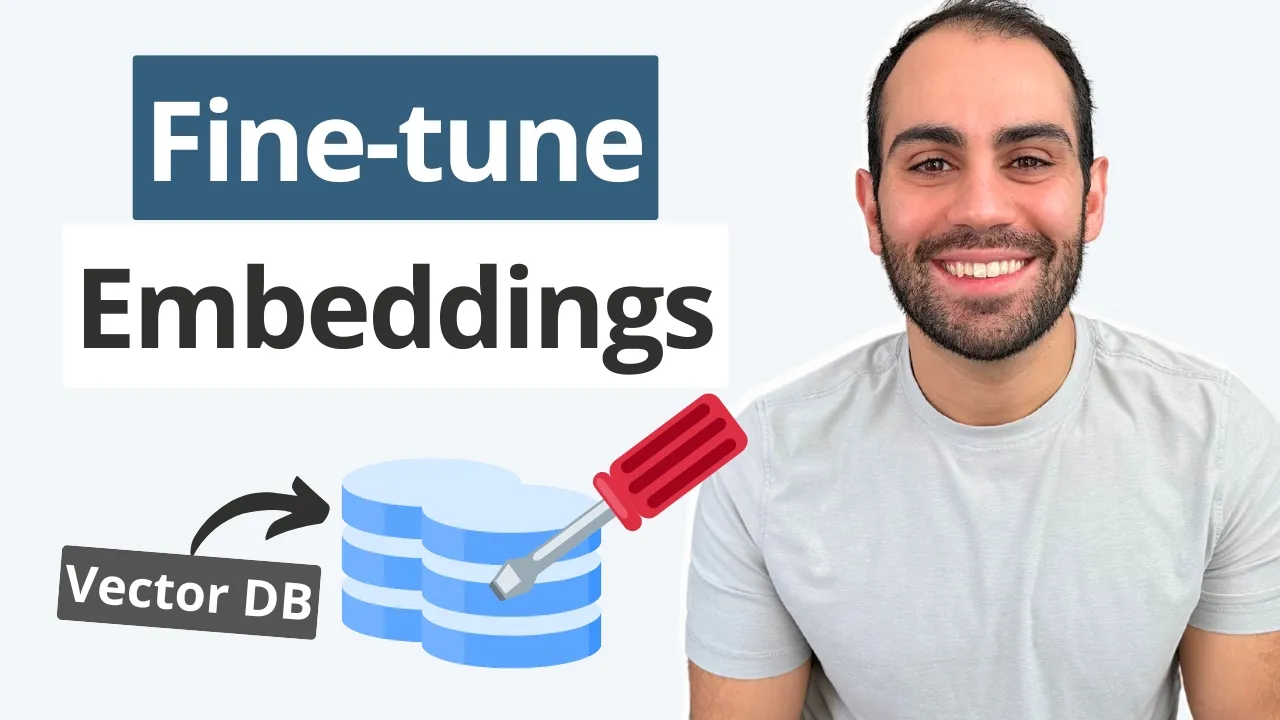

Vector embeddings are numerical representations of data (such as text, images, or audio) that transform complex, discrete information into continuous vectors in a lower-dimensional space, enabling computers to understand and compare semantic relationships between data points using mathematical operations like cosine similarity; these embeddings are widely used in AI applications including recommendation systems, natural language processing, and information retrieval.
Vector Embeddings for Beginners | OpenAI AI Assistant Tutorial
Added:Basic Python programming concepts, including working with libraries, environment variables, and asynchronous execution.
Fundamentals of APIs (Application Programming Interfaces), specifically how to authenticate and make requests using API keys.
An introductory understanding of Natural Language Processing (NLP) and how machines represent text numerically.
Basic database concepts, including the difference between relational databases and NoSQL/document-based storage.
Advanced Retrieval-Augmented Generation (RAG) pipelines, including query rewriting, re-ranking, and hybrid search.
Deep dive into Vector Database mechanics, exploring indexing algorithms (like HNSW and IVF) and distance metrics (Cosine similarity vs. Euclidean distance).
Building autonomous LLM Agents using LangChain Agents and Tools to allow the assistant to perform actions.
Evaluation and observability of LLM applications using frameworks like Ragas, TruLens, or LangSmith to measure retrieval accuracy and hallucination rates.
Fine-tuning custom embedding models for industry-specific terminology and domains.
347.4K views33.3Klikes35:56Original Release: 2023-08-30
hi everyone and welcome to this course all about vector embeddings by the end of this course you will be able to understand what Vector embeddings are how they are generated as well as understand why we even care about them in the first place we are going to do this thanks to visual explainers as well as some hands-on experience by building out a project that uses Vector embeddings to submit your understanding of them by the end my name is Anya Kubo and I'm a software developer and course creator on YouTube as well as on codewithanya.com and I'm going to be your guide to this hot but slightly complex topic so before we get going let's just have a quick look at what this course will cover so first off we're going to learn what Vector embeddings are in the first place and what they're used for after we understand that I will show you what a real Vector embedding looks like and show you how to make one yourself and after that I will delve into why companies might want to store Vector embeddings in a database as well as show you how to store Vector embeddings in your own database just as a company focused on AI word next we will take a quick look at a popular package called langchin that will help us with the next part of making an AI assistant in Python and if you don't know any python don't worry I'm going to talk you through it step by step okay so a lot to learn but by the end you should be an expert in this aspect of AI development so what are we waiting for let's do it what are vector embeddings in computer science particularly in the realm of machine learning and natural language processing or NLP for short Vector embedding is a popular technique to represent information in a format that can be easily processed by algorithms especially deep learning models this information can be text pictures video and audio and much more let's look at text embeddings first so in terms of text we can create a text embedding that will give us more information about a word such as its meaning that computer can understand a word will go from looking like this for us humans to this for computers so essentially the word food is represented by an array of lots and lots of numbers but why do this well think about it this way say we have this text right here darya went to town on foot she set off early in the morning to beat the rush to the shop she wanted to be sure to get the best lettuce and tomatoes for her grandfather's recipe now say you want a computer to scan this for words with the closest meaning if you ask a computer to come back with a word similar to food for example you won't really expect it to come back with letters of tomatoes right that's what a human might do when thinking of similar words to food a computer is much more likely to look at the words in the text lexicographically kind of when you scroll through a dictionary and come back with foot for example this is kind of useless to us we want to capture words semantic meaning so the meaning behind the word text embeddings essentially represent that thanks to the data captured in this super long array by creating a text embedding of each word I can now find words that are similar to food in a large Corpus of texts by comparing text embedding to text embedding and returning the most similar ones so words such as lettuce instead of foot will be more similar now you might still be wondering what even are these numbers what does each one represent well that actually depends on the machine learning model that generated them to understand how these numbers can help us find words that are similar however let's look at this fantastic visual explainer from Jay Alamar I absolutely love this explainer it's a full credit to him for these next few illustrations it really is great imagine you are asked to conduct a personality test similar to that of the Big Five personality traits test that rates your openness agreeableness conscientiousness negative emotionality and extroversion the test requires a score from 0 to 100 on each of the five traits in order to get a good understanding of a person's personality let's start by looking at the extroversion trait first imagine Jay gives himself a 38 out of 100 as his introversion extroversion score let's show this in one dimension like so on the left now let's switch this out to be a score of minus one to one now it is hard to know a person from just one personality trait right so let's add another one and in turn another dimension the aguria winners score of a person for example or any of the other five traits great and already you can start to get a better understanding of Jay's personality now say we have three people here are their personalities plotted out based on two personality traits so we can see them on a two-dimensional graph and we can also see them on the right in numeric representations from -1 to 1.
now CJ got hit by a bus and we miss our friend I want to replace him with a person with a similar personality dark I know but you get the idea when dealing with these numerical values or vectors a common way to calculate a similarity score is using cosine similarity this is the formula for getting cosine similarity using cosine similarity you will see person one is more similar in personality to J than person two but still two personality traits probably aren't enough let's use all five trade scores so we can use five dimensions for our comparison now the problem is this is kind of hard to draw let alone think about on a graph this is a common challenge in machine learning where we often have to think in higher dimensional space however cosine similarity still works so we can get a numerical value by passing through the vectors for each person we want to compare to each other into the formula to get one numeric value which represents similarity so now by comparing J to person one J to person two and data person 3 we can see which person is most similar to him great now that we understand this concept let's look at the actual text embedding so for example this is the word food generated by open AIS create embedding so as you can see it's an array of lots and lots of numbers from minus one to one the meaning behind each numeric representation varies based on which model generates them here are some of the other models you can use to create text embeddings so we've got open AI as we've seen huertevac and glove so as we now know we can use these text embeddings to compare them to other text embeddings just like we did with the example of comparing personality trait to personality trait apart from instead of capturing a personality the meaning of a word is captured instead there is another cool benefit to Turning words into numeric representation one of them being that we can now apply math to them take for instance this now well-renowned example so King minus man plus woman equals Queen so for example here you can see how you can take the word King and minus the word man and replace it with the word woman and you get Queen this is truly incredible and it's all thanks to text embeddings we can use code in order to pass through the words king of women and subtract man and then we get a bunch of words returned to us each with a similarities score Queen is the most similar and hence it has the highest score pretty cool right let's move on by actually talking about what Vector embeddings can be used for so far we have looked at Texan beddings but Vector embeddings actually cover a lot more text is just one of the things that we can vectorize we can vectorize sentences documents notes and graphs images and even our faces we have word embeddings like we just seen this is one of the most popular applications why are the baddings like what back or glove convert words into dense vectors where semantically similar words are closer in the vector space for instance king and queen would have vectors that are closer than King and paper next we also have document and sentence embeddings methods like Dr vac but and sentence but can represent whole documents or sentences as vectors this can be used in document classification semantic search and more next we also have graph embeddings nodes in a graph can be represented as vectors applications include recommendation systems social network analysis and more here are some of the primary applications of vector embeddings we have recommendation systems embeddings can be used to represent users and items like movies books or products the similarity between user and item embeddings can help in making personalized recommendations we also have anomaly detection if you can represent data as vectors you can measure instances or similarities to detect outliers or anomalies in data we also have transfer learning pre-trained embeddings especially in the context of deep learning models can be transferred to another task to Kickstart learning especially when the target task has limited data and also amazingly we have visualizations high dimensional data can be converted into 2D or 3D embeddings using techniques like tsne or PCA to visualize clusters or relationships in the data we also use it for information retrieval by embedding both queries and documents in a shared space one can find documents that semantically match the query even if they don't share exact keywords and of course we can use them for natural language processing tasks tasks like text classification sentiment analysis named entity recognition and machine translation benefit from embeddings as they capture semantic information and relationship between words we also have audio and speech processing audio clips can be converted to embeddings for tasks like speaker identification speech recognition or emotion detection and finally we can use it for facial recognition face embeddings can represent a face as a vector making it easier to compare faces and recognize identities so a lot of things that Vector embeddings can be used for we're going to create a few of Our Own in the lesson coming up but the main takeaway here is that the core advantage of vector embeddings is that they provide a way to transform complex multi-dimensional and often discrete data into a lower dimensional continuous space that captures semantic or structural relationships within the original data next up how do we generate Vector embeddings I'm going to show you how using open ai's create embedding okay so here we are on open AI so please go ahead and log in or sign up if you haven't before and you'll be taken to this landing page now once here what we are going to do is interact with the API so just go ahead and click that and the first thing you will need to do is just make sure you have an API key so under your username here just view your API keys and go ahead and create a new secret key I'm gonna call this demo key like so so that is the name of my key and I'm going to create a secret key and save this somewhere safe so please go ahead and do the same just save your API key and once you're done with that click done you can of course delete previous API keys to revoke access to them so that's what I'm going to be doing with this one so that you can't use it in the future it will be deleted now once you have that let's go back to our API reference and what we're going to do is create embedding so let's click on embeddings here here's the URL if you are lost just copy that into your browser and we are going to be using the embedding object so essentially here is the code that we're going to use so it's right here we have it in node.js you can have it in python or you can also have it in Carl it is up to you whichever one you would prefer to do so let's just go ahead and use this version first so this is what we're going to be using this is the request we're going to write and this is the response that we are going to get based on the input we pass through okay so essentially the food was delicious and the waiter dot dot dot is now represented by this embedding this array of numbers right here so let's go ahead and do it I'm going to copy this just make sure that it's copied let's get up our terminals I'm just going to make this a little bit bigger for you let's paste that in and now here we need to replace the open AI API key with our own so let's just go ahead and do that it's going to navigate to that piece of text delete it all just like so and paste it and let's just use the same input for now so hit enter and amazing so there is the array of essentially numbers from -1 to 1 that make up the food was delicious and the weighted dot dot so there we go there is that whole object the full thing right here it is also telling us how many tokens we have used in order to create that so great I'm just going to clear that out so let's paste that in again in fact what we can do is just press up and now let's change the input to something else so for example let's just use an example from the beginning of this tutorial let's just go with food so food hit enter and that is the text embedding for food okay it's this whole array and we have used exactly one token to create that amazing now it's time to look at vectors and databases with the rapid adoption of AI and The Innovation that is happening around large language models we need at the center of it all the ability to take large amounts of data contextualize it process it and enable it to be searched with meaning generative AI processes and applications that are being built to natively incorporate generative AI functionality or rely on the ability to access Vector embeddings a data type that provides a semantics necessary for AI to have a similar long-term memory processing to what we have allowing it to draw on and record information for complex task execution as we now know Vector embeddings are the data representation that AI models such as large language models use and generate to make complex decisions like Memories in the human brain there is complexity Dimension pattern and relationships that all need to be stored and represented as part of the underlying structures which make all of this difficult to manage that is why for AI workloads we need a purpose-built database or brain designed for highly scalable access and specifically built for storing and accessing these vector embeddings Vector databases like data Stacks astrodb built on Apache Cassandra are designed to provide optimized storage and data access capabilities specifically for embeddings now that we understand how important it is to store these vectors in the right to type a database let's get to setting one up ourselves in preparation for creating our AI assistant so let's do it so first off I'm just going to navigate to data stacks and log in please go ahead and sign up if you haven't already this is what your screen should look like once you are signed in and you can see all your options here as well along with your username and so on so as you will see I've previously created a bunch of databases on here already but don't worry I'm going to show you how to get started completely from scratch so all you're going to do is Click create database here and make sure you have Vector database selected and once you have that it's super simple just go ahead and name your database making sure to use the correct characters so for example it won't let you use certain ones you have to use ones that are allowed you will get a little prompt message if you do use an incorrect one I'm just going to go ahead and call my database Vector database now we have to create a key space name that will go inside our database and once again just make sure to name it with the correct conventions so I'm just going to call it search as that was what we are creating we are creating a vector search database so I'm just being super literal with my naming conventions and now I'm going to pick a region that is closest to me so I'm going to go ahead and select Us East one and then just click create database and that's it that's really all there is you will see my database is pending right here we have done it we created our database I'm going to leave that running and come back to it when it's time to use it and pending has gone from pending to active for now let's carry on with a little bit of learning before we dive into creating an AI project I want to talk to you a little bit about line chain Lang chain is an open source framework that allows AI developers to have better interactions with several large language models or llms like open ai's gbt4 for example we can use the M python or JavaScript which is great news for us Developers what do I mean by better interactions however level one it allows developers to create chains which are logical links between one or more llm you can even use it to load documents such as PDFs or csvs for example to change to each other or an llm heck you can even use it to split up documents and much more you can have basic chains or more advanced chains we'll be creating our own chain soon enough in this course for now just know that langtune's superpower lies in allowing you the developer to chain together different AI large language models external data and prompts in a structured way in order to create cool and Powerful AI applications such as an AIS system for example that not only uses data from the internet but perhaps an essay that you wrote as well that we can then feed into it in order for the AI assistant to answer questions about it too okay so we finally gathered enough knowledge in order to proceed in building an AI assistant built in Python so let's go ahead and do it just to recap this AI assistant is going to essentially be an AI assistant that will help us search for similar text in a data set okay so once again we are going to be able to get some data break up into little chunks save it in a database in order for us to essentially perform Vector search on it thanks to packages such as Lang chain don't worry if that's a lot I'm going to be explaining everything step by step as we do it so first off let's go back to our database in order to continue with this tutorial so we've already created a serverless database the next thing we're going to do is actually learn to connect with it from an external source and in order to do that we need to essentially get our token so please go ahead and get that token we need to go to the connect Tab and we're simply going to get an application token using the generate token button in the quick start section so you can save this in any way you want just make sure it's saved somewhere safe now once we have got that token saved we need to get a secure connect bundle okay so just go ahead and do that get your bundle and once again save this somewhere safe this time however we're going to download the secure bundle because we're going to point to this somewhere on our computer so just download the whole thing onto your computer into your downloads wherever you want great now that we have that once again we are going to have to get our API key so as a refresher all you're going to do is head over to the openai.com page and then once you have signed in you will see this platform and you're going to go to API and then once again we are going to be working with embeddings however we are not going to be doing a call request from here we are going to Simply feed in our API token in order for Lang chain to do its thing instead so just go ahead and navigate to your username view your API Keys create a new one so this time I'm just going to call it demo copy this key okay and keep it somewhere safe and then let's go back to data Stacks once more okay so great we have done everything that is to be done here now let's create a python script using Lang chain and Castor IO so I'm just going to go ahead and get up my terminal once more and navigate to a directory where I want to store this this time I'm going to store it in a another directory which is going to be webstorm projects and I'm going to create a directory I'm going to call it search python so I'm going to use the mukter command and then I'm going to go into that project so using the CD command I'm just going into search python or whatever you called your project and then I'm just going to open it up using Code dot which is the shortcut to opening this up in vs code and great so once we are in vs code I'm just going to make sure that this is enabled for python so in order to work with python files let's just go ahead and create a python file first I'm going to call it index.py giving it the py extension so that our code editor knows to treat this as a python file next I'm just going to go here and click on the prompt and this has prompted me it's saying that you know it's recognizing we're working with python and it's asking us to install the recommended python extension so I'm just going to go ahead and install that and that is installing for me right now great once we have done that we are also prompted with a little checklist so I'm going to go ahead and just run through this it's telling me to create a python file which we've already done so the next thing we're going to do is actually add a python environment so let's go ahead and do that I'm just going to go with the first one so great once we have made our environment we can essentially do stuff like this so I'm going to write print hello so just go ahead and do the same as me this is a python script a very simple one and now if we run this by essentially pressing this little plus sign right here that will run the script and you will see Hello being printed in our terminal okay so that's really it everything's now ready to go we've been set up correctly great so now let's get to the media stuff now in order to install packages you can't write it in the script here okay if I go ahead and write pip install and all the packages packages python packages that we need and hit plus that will not work we need to do this in the terminal so just go ahead and paste that in like so just copy it out and hit enter and that will do its thing and install all the packages that we need the packages once again are Cas IO dataset Lang chain open Ai and tick token so go ahead and wait for that to do its thing it will take some time and once it's ready we should be able to continue with our tutorial great now I'm just going to go ahead and rename this file for readability okay I'm going to rename this to mini.qa you will see there's another directory above me that has been generated with everything that we've done so just go ahead and rename your file if you want to continue having everything the same as me you don't have to though that is completely up to you great the next thing I'm going to do is just ask you to copy this code so here are some variables that we're going to need in order to continue with this tutorial so we have the Astra DB secure bundle part we've already downloaded this onto our computers so that is something that we're going to have to point to and the next thing we're going to have is our astrodb application token as well as our Azure DB client ID okay so these are things we're going to fill out from the stuff that we saw earlier from our secret things that we downloaded some other things that we're gonna have to add are our astrodb key space name as well as our open AI API key which we just recently saved as well and the final thing of our Azure DB client secret too so now let's go ahead and fill all these out the open AI API key should be easy it starts with SK like so we previously saw this under our API keys on open AI next I'm going to just put my astrodb keyspace name which we also did together I named the keyspace name search so if you do the same as me just go ahead and write the string search there too of course this is all very down to you if you're copying along with me please feel free to copy these as they are apart from the open AI API key that will be unique to you it should start with SK and if you try use mine mine will now be deactivated or revoked as I showed you how to do earlier as well next we're going to have our Astro DB client secret so again this would be unique to you here is mine if you try to use mine it will not work for you but I'm pasting in here like so so you can kind of see the format that yours should look like as well next we're going to have our astrodb client ID which again will be unique to you but it should be kind of similar in length and kind of similar in terms of the characters that are used and once again we have our token which again is unique it should start with Astra CS like so so make sure yours does two but the characters after it will be unique to you and finally we have the path to our secure bundle so for this just uh go ahead and go to your downloads and find the ZIP file okay that we downloaded when it came to downloading a secure bundle and just drag it into the project and once that's dragged into the project I'm going to ask you to get the path to it okay so get the part like I am here and paste it in like so as mine's in my project now you will see the path to it in my project which is stored in webstore project in the project called search python so that's all I've done make sure it is still a zip file so it will have the dot zip extension at the end and great so we are now done with all those variables let's continue next we're going to have to get some stuff from the Lang chain package that we installed so here's all the things that we're going to have to get from Lang chain so just paste that out like so we're going to be getting Cassandra from there we're going to be getting Vex the store index wrapper we're going to be also getting the open AI we're also going to be importing openai as the large language model and also importing open AI embeddings from Lang chain embeddings great as well as using the Lang chain package that we installed we're also going to get stuff from Cassandra so what are we going to be getting from Cassandra where we're going to be importing the cluster and the plain text auth provider and finally from data sets we're going to import the load data set from the package data sets that we imported earlier great now we are going to essentially have to write some configuration in order for us to connect two data Stacks Astra and create an Astra session and to do this we are going to create a cluster so using the cluster import I'm just going to pass through two things I'm going to pass through the secure connect bundle which we can pass through as the variable we defined above so that is going to be passed through and another thing we're going to have to pass through is an auth provider okay and to create an auth provider we're going to use the plain text all provider that we imported from Cassandra and pass through our Azure DB client ID and astrodb client secret so this is essentially just configuration like I said in order to be able to communicate with our database that we created using datastacks Astra okay so again we're just using all these variables and passing them through in order to connect this to our Astra database great so once we've done that we have essentially created an asterisk session that we're going to be using later now we're going to have to essentially connect to open AI using our open AI API key so we're going to get the openai import and just pass through our API key like so so we're getting the varial so we're getting the variable that we defined above and passing it through and saving it under the variable llm the next thing we're going to do is do the same for using the open AI embedding so once again we're just passing through our open AI API key and we're storing all of this under the variable my embedding great next we're going to essentially create a table so we're going to actually name our table in here we are going to pass through our astrodb key space which we know is the string search and we are now going to create a table and we're going to do that my table is going to be called QA mini demo so I'm passing through that string that is being created and being saved under the key space name of search in my Cassandra database great so let's just check this is working I'm just going to print loading data from hugging face and then I'm actually going to get some data from hugging face okay this is just one that exists on the Internet it's going to be some onion news so I'm just going to load that data set from hugging face and I'm just going to pass that through and I'm going to save it as my data set and then I'm going to get that data and I'm going to just get the headlines and in order to check that has worked first off I'm just going to print some texts okay so I'm just going to print some text generating embeddings and storing an astro DB and then I'm going to add those headlines to my Cassandra store so I'm essentially passing that through to my database to my astrodb database which is the Cassandra database and then once that is done I'm going to print those headlines so let's run that code okay that's all I've done I'm just printing stuff out to appear in our console log so you can kind of have this ability about what's going on in the back end so once that's done doing its thing we should get that being printed so we're going to print that text loading data from hugging face so we can kind of see where we are in the script essentially then we're just going to print generating embeddings and storing an astro DB and then it's going to tell us exactly the amount of headlines that we've inserted into astrodb is going to be 50 headlines great that is looking wonderful so we can now continue now I'm just going to essentially pass my store my Cassandra store into the vector store index wrapper and save it under Vector index and now I'm going to paste in some code it's going to prompt us to enter a question and once we have entered that question it's going to do an if else statement in order to print out the question and then the answer as well as the documents by relevance so essentially we are going to write some text it's going to search the hugging face data so the onion news in order to bring back any similar text it's going to do a vector search on our database to find similar text to it based on the vector search so let's go ahead and do that that is the code for doing so please copy it and once we have finished copying it just run the script and you'll be prompted to enter a question so now we can enter a question let's go ahead and paste one that is what are the biggest questions in science the answer is I don't know so not a great answer really but it's going to return some documents by relevance in our database so you will have here the relevant document along with a temperature to show you how relevant that document is we have biologist torture amoeba for information on where life comes from so that's kind of similar to the question that we propose and then we also have study shows humans still have genes to grow full coat of something so essentially we are getting documents by relevance that exists in our database based on the question that we asked let's try another one so I'm just going to ask another question I'm going to ask what should I know about Silicon Valley Banks again it says I'm sorry I don't know but then it returns some documents by relevance again we get a similarity score and then we also get the document that is most relevant to the question I'm going to ask one more let's ask one about amoebas because I saw it being returned in the first document so our amiibos really are overlords and then the answer is no amoebas are not our overlords and again it returns documents by relevance so we see that same document being returned with a similarity score that is higher based on the question we can see that should be higher because we do have the word amoebas in there so there is no surprise that that document is coming back with the highest similarity score and then we also have some other documents being returned back with a lower similarity score so great we have managed to build an AI assistant that will essentially look in a database look for similar documents based on our question and if we want to have a look at what this database looks like under the hood so essentially has been vectorized right we have vectorized all the documents and then we are doing a vector search on it to bring back similar vexes to us that is exactly what we discussed in the beginning of this tutorial I hope you can now see how Vector search works behind the hood as well as on the front end to
Up Next

62:49
PyTorch Fundamentals: Tensors, Autograd, and Training from Scratch
@ZacharyLLM
72.2K views•2025-09-08
87:26
Introduction to Secure Multiparty Computation with Yehuda Lindell
@fhe_org
7.7K views•2021-02-04

4:55
HTTP Requests Explained: GET, POST, PUT, DELETE
@codecademy
103.1K views•2021-10-07
19:25
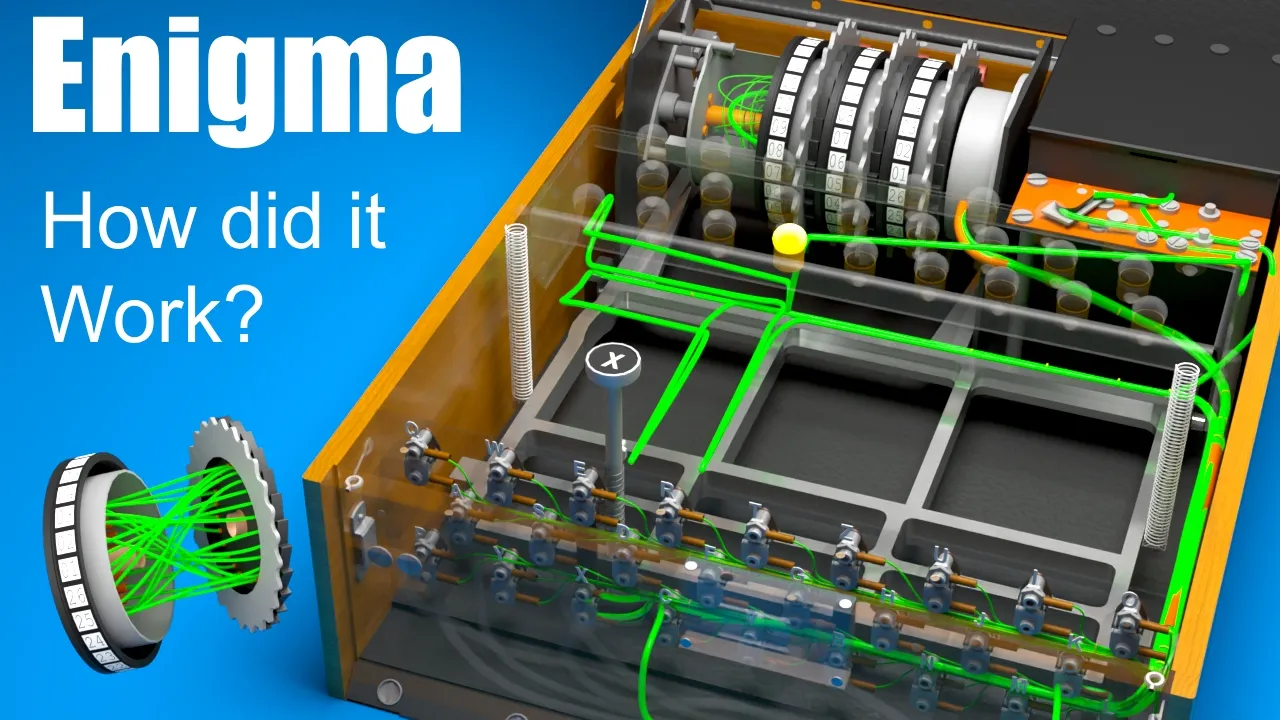
Enigma Machine Mechanics: WWII Encryption Explained
@JaredOwen
13.2M views•2021-12-11
Related Study Plans & Knowledge Roadmaps
Structured learning paths in Computer Science
computer-science
Container Runtimes: Namespaces, Cgroups & Go
01Linux Systems & Go Programming Foundations
02The Core of Isolation: Chroot and Filesystems
03Linux Namespaces: Process Isolation
+ 3 more learning modules
32h6 modules
Explore Roadmap
computer-science
Building a CHIP-8 Emulator: Rust & CPU Basics
01Computer Architecture Foundations (Bits & Bytes)
02Rust Programming for Systems Development
03CHIP-8 Virtual Hardware Specifications
+ 2 more learning modules
32h5 modules
Explore Roadmap
computer-science
Building BitTorrent: Go, P2P & Concurrency
01Go Fundamentals & Concurrency
02Networking Foundations & P2P Architecture
03Bencode Parsing & Torrent Metadata
+ 3 more learning modules
26h6 modules
Explore Roadmap
computer-science
Actor Models (C++ Concurrency & Lock-Free)
01C++ Multi-Threading Foundations
02Thread Pools and Task Scheduling
03Atomics and Lock-Free Queue Design
+ 3 more learning modules
45h6 modules
Explore Roadmap