
















![[2º DIA ] - SEMINÁRIO NACIONAL SOBRE DRENAGEM E MANEJO DE ÁGUAS PLUVIAIS URBANAS](https://i.ytimg.com/vi/gjTFPkP_NVk/maxresdefault.jpg)
Wetlands serve as natural sponges that store and slowly release water, preventing floods and recharging groundwater, while also improving water quality by filtering pollutants and sediments through plant uptake and soil absorption.
Wetland Hydrology Functions & Values for Municipal Agencies
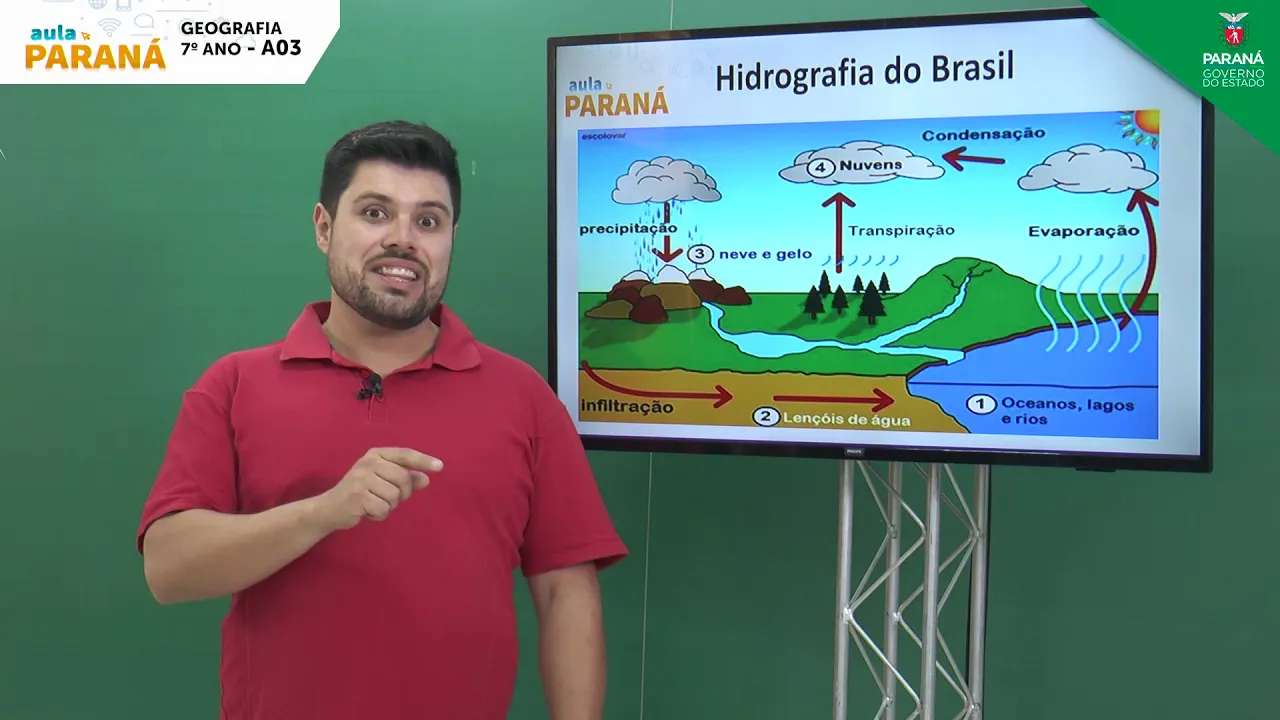
Added:The fundamental stages of the hydrologic cycle, including precipitation, runoff, infiltration, and groundwater movement.
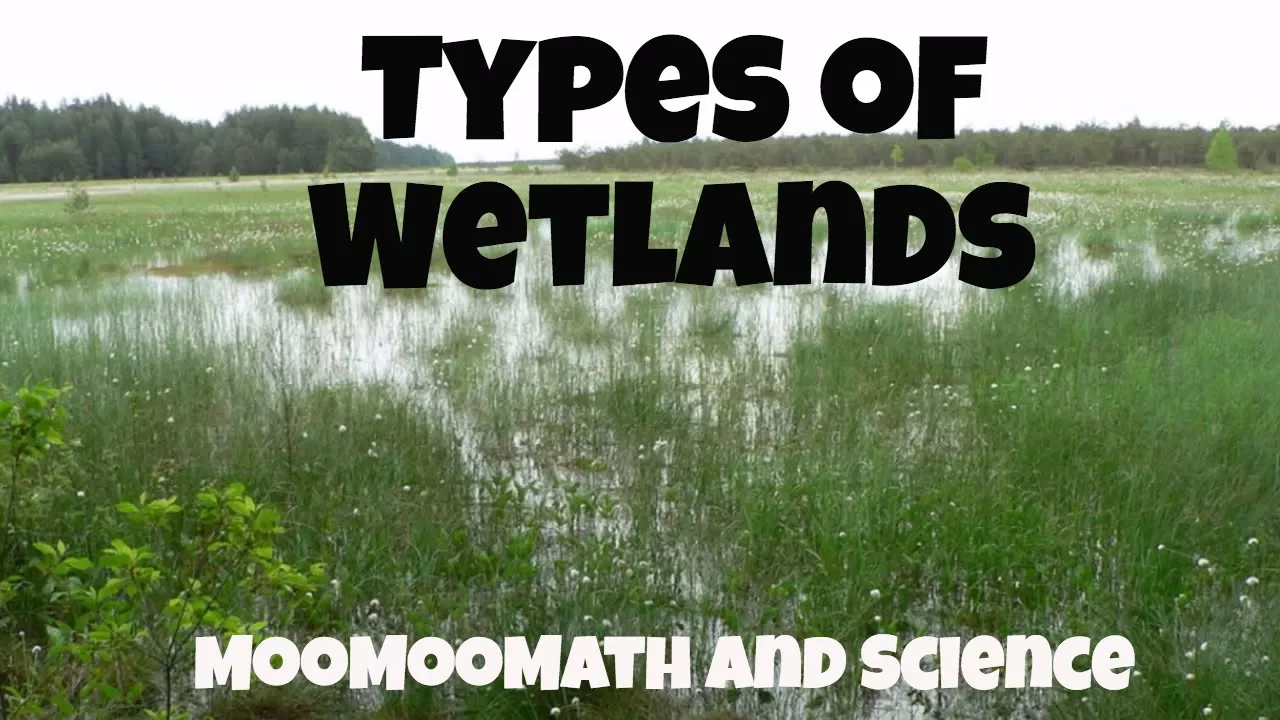
Basic ecological definitions of wetlands, including the distinguishing characteristics of marshes, swamps, and bogs.
The concept of a watershed or catchment basin and how surface water drains through a landscape.
Basic soil science principles, specifically soil porosity, permeability, and how different soil substrates affect water filtration.
Municipal stormwater management strategies and the integration of green infrastructure like bioswales and rain gardens.
Wetland delineation methods and the environmental regulations (such as local zoning and federal clean water acts) governing land development.
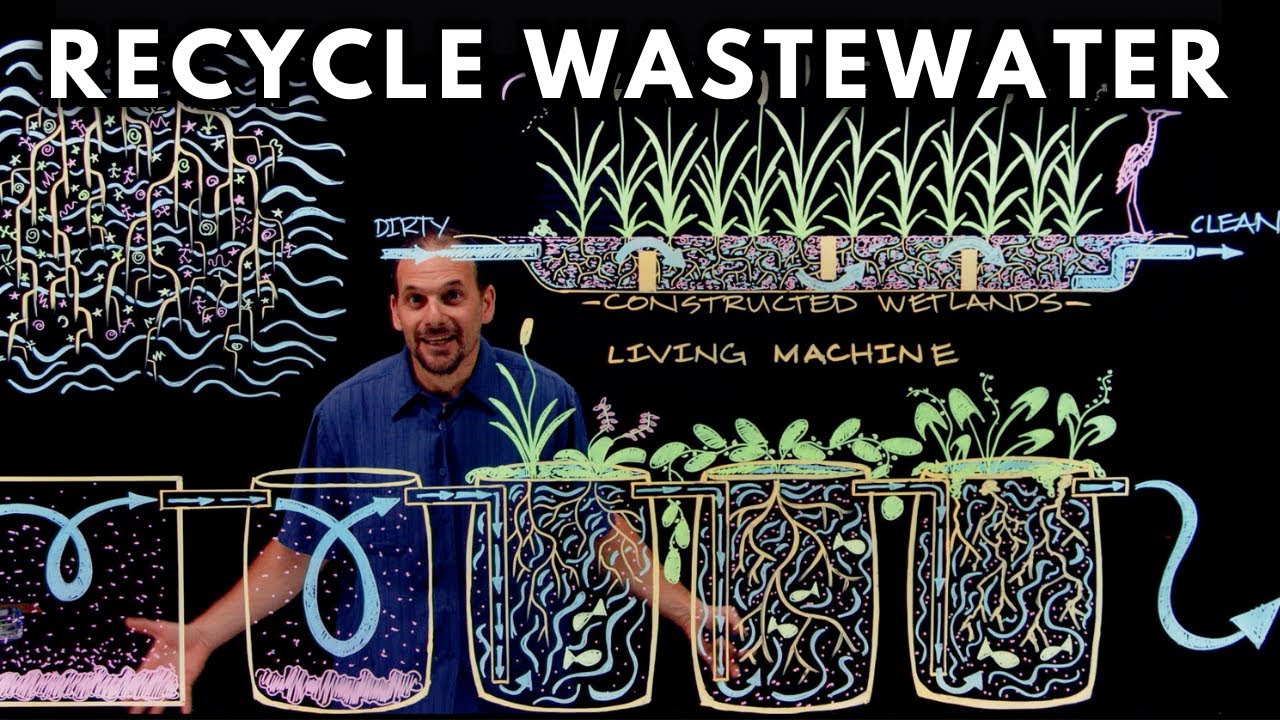
The design and engineering principles of constructed wetlands for municipal wastewater treatment and runoff bio-filtration.
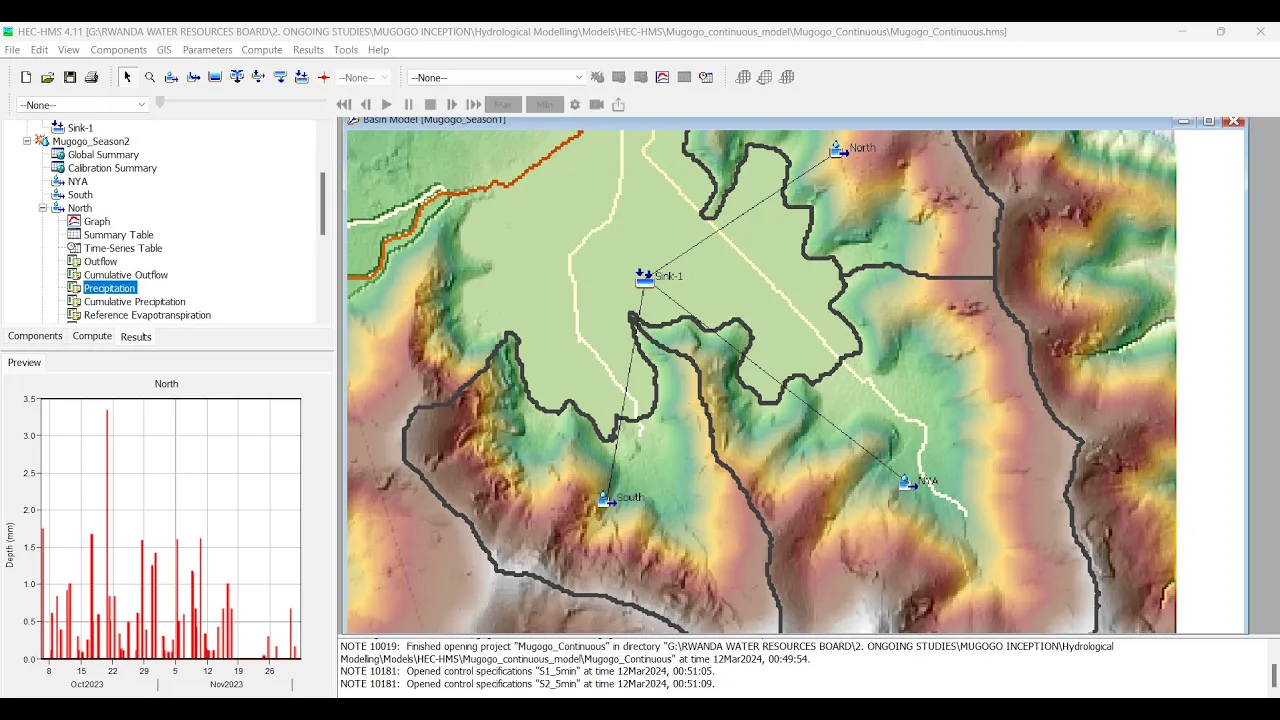
Using hydrological modeling software and GIS tools to simulate flood containment, aquifer recharge, and urban runoff scenarios.
10.6K views127likes10:40Original Release: 2014-01-28
chapter 2 hydrology let's begin with a fundamental component of Life water can't get more basic than that okay Brainiac where does water come from well most people would say from the sky in the form of rain or snow or sleet that's only part of the answer water can go from the sky to the Earth to underground back up to the surface and then back up to the sky it's called the hydrologic or water cycle wetlands and water courses play a key role in this cycle bring on the experts many people learn about the water cycle in grade school and it's still pretty much true today this the way that we learned it back then that water is transported in the air often from the oceans where it forms clouds and then rains down upon the Earth and then moves through the landscape in a variety of different ways the water cycle is such like a day like today it's raining it filters through the ground and and goes into the stream gradually some of it infiltrates into the soil percolates down through the soil profile and it may immediately recharge the groundwater recharge the aquifer whether it's in sand and gravel or the fractures in the Bedrock this groundwater continues to move it doesn't just sit there and it discharges at various points in the landscape and many wetlands are actually discharge points where groundwater is reaching the surface and is now coming to join the surface waterers and flow down to the ocean of course we have the cycle of evaporation and evapo transpiration evapo transpiration which would be the uptake of Water by plant roots into the leafy matter uh and you'd get uh transpiration which would be by product of photosynthesis as that water flows it's also subject to evaporation it may happen right here along the stream itself or it may not happen until it reaches the ocean and the oceans are so big that much of the moisture that we get on the land is ultimately comes from those oceans and as the water then enters the atmosphere you begin the cycle over again so really it's a complete circulation of water uh that continually happens um especially on a day like today when it's when it's raining out wetlands and water courses are an essential component of the water cycle their hydrologic functions and values can be broken down into water quantity and water quality let's look at Water quantity first did you know approximately 16% of Connecticut's land area consists of Inland wetlands and water courses one waste deep Wetland acre can store up to 1 and a half million gallons of water our state receives approximately 48 in of precipitation per year that's about 4 in a month but if we get a heavy rain or a tropical storm or even a hurricane where does all that water go Wetlands can store a great quantity of water and then slowly release it to Downstream water courses thus preventing floods they also play a vital role in recharging groundwater or aaers that computes okay time for the professionals one of the obvious functions of wetlands as you see here is water retention Wetlands act like a big sponge if you've ever taken a completely dried out sponge and poured water over it you'll see how the water just runs off the sponge once you wet that sponge pour the water on it again you'll see how that sponge holds that water water attracts water to itself the thicker and darker the surface layer of the soil the more water it's going to hold and then slowly release after a significant storm event so one of the functions I would expect of this Wetland would be from groundwater recharge certain times of the year where you did get a lot of of water from a storm event that it would come in here it would soak in it would recharge the groundwater if you live in a relatively urban area it may be that the wetlands in your area are most important because of the way that they regulate runoff and the way that they detain water as it moves through the landscape and prevent flooding it's not a a straight pipe to go from the wetlands into the stream or the river it takes a very slow route because of the vegetation because of all the nooks and crannies so it slows down the water as it discharges on a flood plane what happens is that actually the water will leave the banks onto the flood plane so that slows the the flooding event Downstream you can see the the debris that's formed amongst the trees gives you a sense of the role that flood plane forests have in slowing water down as it moves to larger water bodies Downstream as it flows through the trees the tree trunks themselves the depressions around there the microtopography the Woody debris all has an element of roughness to the flood plane that slows water down if that were a soccer field the water would flow much more quickly if that were a parking lot even more quickly still when you pave in area you sort of disrupt that function so the water can no longer infiltrate into the ground it's now seeing something that it's impervious it runs off quickly to the stream it changes the levels of the stream and it's a real destruction to the hydrologic cycle without that flood storage water moves through the system faster with more energy which translates into more damage so by moving water more slowly through the landscape by slowing it down on the surface by letting it infiltrate and move slowly through the soil we're able to spread out the distribution of water throughout the season now you can see how valuable wetlands and water courses are by storing flood waters they prevent costly property damage that is a huge economic benefit they also recharge groundwater which means in times of low rainfall our lakes and streams and even our wells won't run dry one small Wetland won't hold a great deal of water though but a series of small Wetlands can hold a tremendous amount of water diversity in size and type of wetland are the key to a well functioning environment and how do wetlands and water courses improve water quality while holding the water wetlands and water courses allow sediment to drop out additionally Wetland plants and soils improve water quality by absorbing pollutants thus making Downstream Waters cleaner swipe to the pros Waters in the state of Connecticut are designated for uses such as swimming recre fishing so water quality really measures whether that water is meeting that function that's designated for it water quality is dictated by how many chemicals can be in a water body before it becomes hazardous to either the Aquatic Life that's living in the water body or to human consumption right now uh we're just sitting here we're going to take a macroinvertebrate sample and we use macro invertebrates as a really good indicator of how good water quality is the biology the organism living in the Stream whether it's the macro invertebrates or the Aquatic insects living on the bottom uh really give us an indication of how healthy the stream is so it integrates Watershed conditions Upstream it integrates you know the different water quality and uh pollutant levels that come down um because if we get good Critters then we know that the water quality is good it's important to look at the water body and the surrounding Watershed because the water body is a function of the quality of that Watershed so if you have a watershed that has high impervious cover such as lots of pavement buildings then you're going to have a lot of storm water runoff containing metals and high salt content so it's everything from the oil and grease that drips from people's cars it is the zinc and copper that wears off of brake pads one would be solids which tend to choke out Aquatic Life they block sunlight and that's harmful to fish and plants high salt will have a dramatic impact on not only releasing other contaminants but also toxicity and then you might end up with um some nutrient pollution so excess of nitrogen or excess phosphorus can lead to urif which is excess algae growth you know in a residential or a commercial setting people apply pesticides herbicides fertilizers on their lawns all of those things get washed away when it rains Wetlands again because typically they would have more organic m matter and in some cases more silt and clay and very specific kind of biological community of of plants and critters is that their ability to capture nitrogen and phosphorus is very very efficient very very effective so as the nitrogen and phosphorus runs off the land if it runs through a wetland There's an opportunity for plants to take up those nutrients There's an opportunity for the soils to treat those nutrients because when you have plants taking up the nutrients through their growing they function as nutrient retention areas during the growing season a lot of wetlands like the one that we're in here today is kind of a depressional area on the landscape so water is going to flow in there and kind of sit there and then because of the vegetation and because the microtopography it discharges sediment as well people think that Wetlands just because they they are touted as having this great water quality effect can handle any problem that we throw at them wetlands have a capacity and they have a limit wetlands and water courses are nature's filter of pollutants and sediment these may come from roadway runoff agricultural practices failing septic systems and even emissions from factories that means Downstream waters are cleaner for Fish Wildlife and human consumption and Recreation and they are natural sponges that hold and slowly release flood waters as well as recharge in groundwater and aquifers thus assuring an adequate and clean water supply aren't wetlands and water courses amazing
Up Next

5:48
How Riparian Buffer Plants Restore River Ecosystems
@SciShow
214.5K views•2022-09-25

15:54
Life in Biosphere 2: Sustainable Ecosystems & Human Survival
@TED
334.9K views•2009-06-16
14:30
Microplastics Everywhere: How Plastic Impacts Our Lives
@TEDx
100.9K views•2018-05-08
10:28
Ice Stupa Artificial Glaciers: Solving Ladakh's Water Crisis
@SonamWangchuk66
3.2M views•2015-05-03
Related Study Plans & Knowledge Roadmaps
Structured learning paths in Environmental Science
environmental-science
Ocean Noise: Cetacean Impacts & Mitigation
01Fundamentals of Underwater Acoustics
02Marine Mammal Bioacoustics
03Anthropogenic Noise: Shipping & Seismic Surveying
+ 2 more learning modules
16h5 modules
Explore Roadmap
environmental-science
Road Ecology: Corridors, Overpasses & Fencing
01Foundations of Habitat Fragmentation and Carnivore Ecology
02The Road Barrier: Ecological Impacts of Transport Infrastructure
03Principles of Ecological Corridors and Connectivity Mapping
+ 3 more learning modules
14h6 modules
Explore Roadmap
environmental-science
Ocean Acidification: Kelp Buffering & Shellfish
01Fundamentals of Ocean Chemistry & pH
02Chemical Pathways of Coastal Acidification
03Bivalve Physiology & Calcification Under Stress
+ 2 more learning modules
18h5 modules
Explore Roadmap
environmental-science
Ice Stupas: Glacial Retreat & Water Security
01Foundations of Glaciology & Mountain Hydrology
02Climate Change and Glacial Retreat Dynamics
03The Science of Ice Stupas & Artificial Glaciers
+ 2 more learning modules
14h5 modules
Explore Roadmap