



















The combination problem in panpsychism asks how micro-conscious particles combine to form unified consciousness in complex organisms, representing the central challenge for contemporary panpsychist research; despite this unresolved issue, panpsychism remains philosophically attractive because it offers a parsimonious explanation of reality by reducing everything to consciousness as the fundamental property, unlike physicalism which fails to adequately explain consciousness or dualism which requires problematic interactions between mind and matter.
Panpsychism and the Combination Problem: A Philosophical Analysis
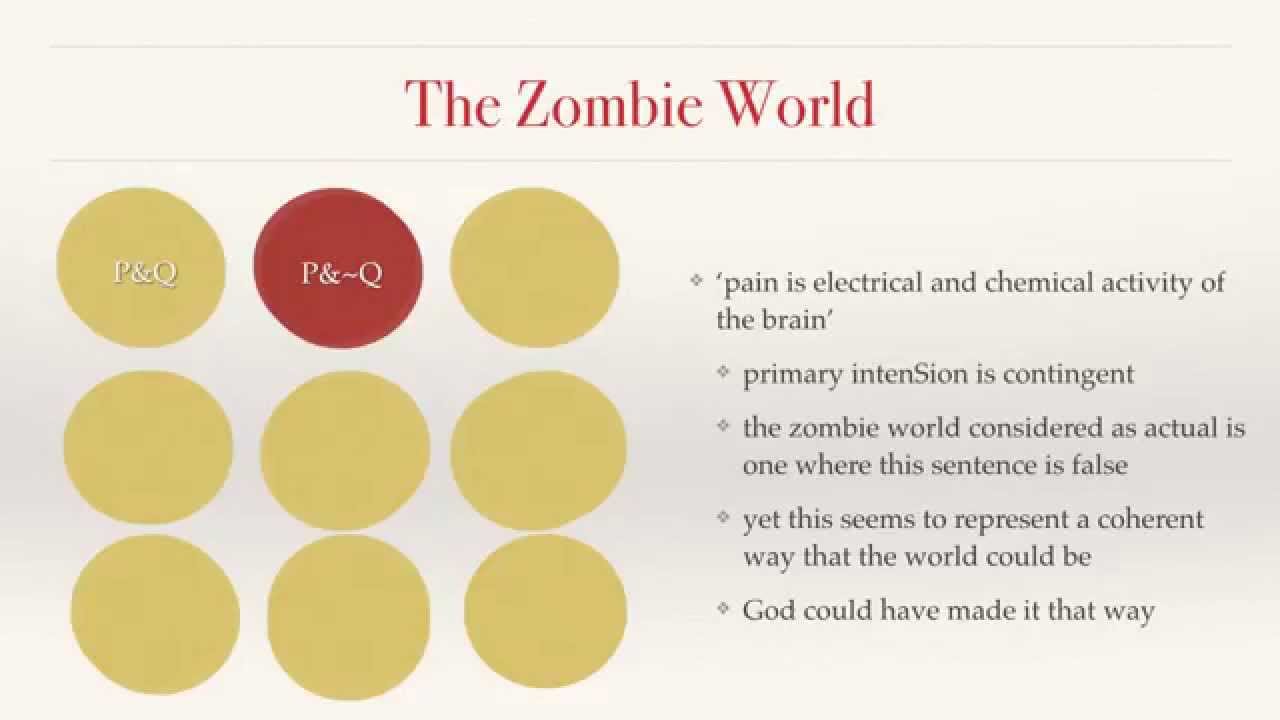
Added:The Hard Problem of Consciousness: Understanding David Chalmers' distinction between the 'easy' functional problems of the brain and the 'hard' problem of why subjective experience exists at all.
Physicalism vs. Dualism: Familiarity with physicalism (the view that everything is physical) and Cartesian dualism (the view that mind and body are distinct substances), including the traditional objections to both.
The Concept of Emergence: Understanding how complex properties can emerge from simpler components (e.g., wetness from hydrogen and oxygen), and why philosophers debate whether consciousness can emerge from non-conscious matter.
Basic Panpsychism: A foundational definition of panpsychism as the philosophical view that mind or consciousness is a fundamental and ubiquitous feature of the universe.
The Decombination Problem and Cosmopsychism: Exploring the 'top-down' alternative to standard panpsychism, which suggests the universe is a single conscious whole and individual minds derive from it.
Russellian Monism: Investigating Bertrand Russell's theory that physics only describes the extrinsic, relational properties of matter, leaving its intrinsic nature (which may be consciousness) open to philosophical interpretation.
Integrated Information Theory (IIT): Examining this modern neuroscientific theory of consciousness, which mathematically measures integrated information and possesses strong theoretical links to panpsychism.
Analytic Idealism: Analyzing the philosophical stance that reality is fundamentally mental (idealism) as a way to bypass both the hard problem of physicalism and the combination problem of panpsychism.
402 views16likes4:47Original Release: 2024-04-27
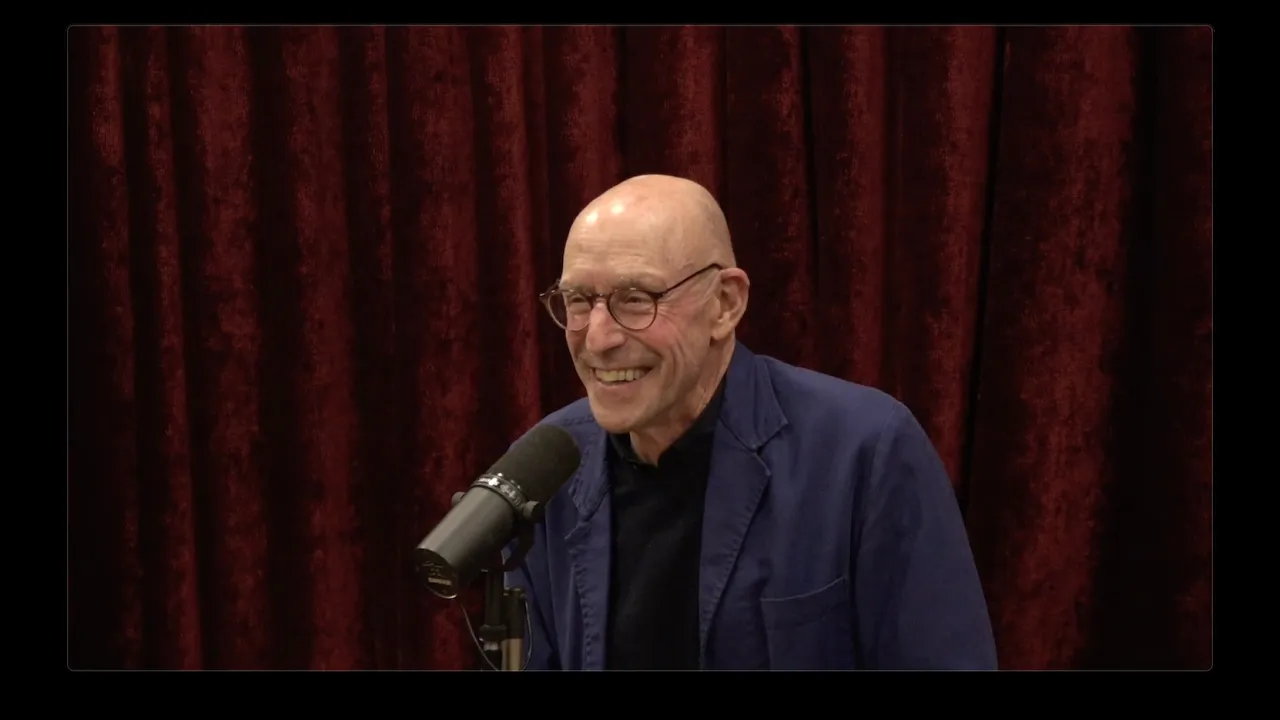
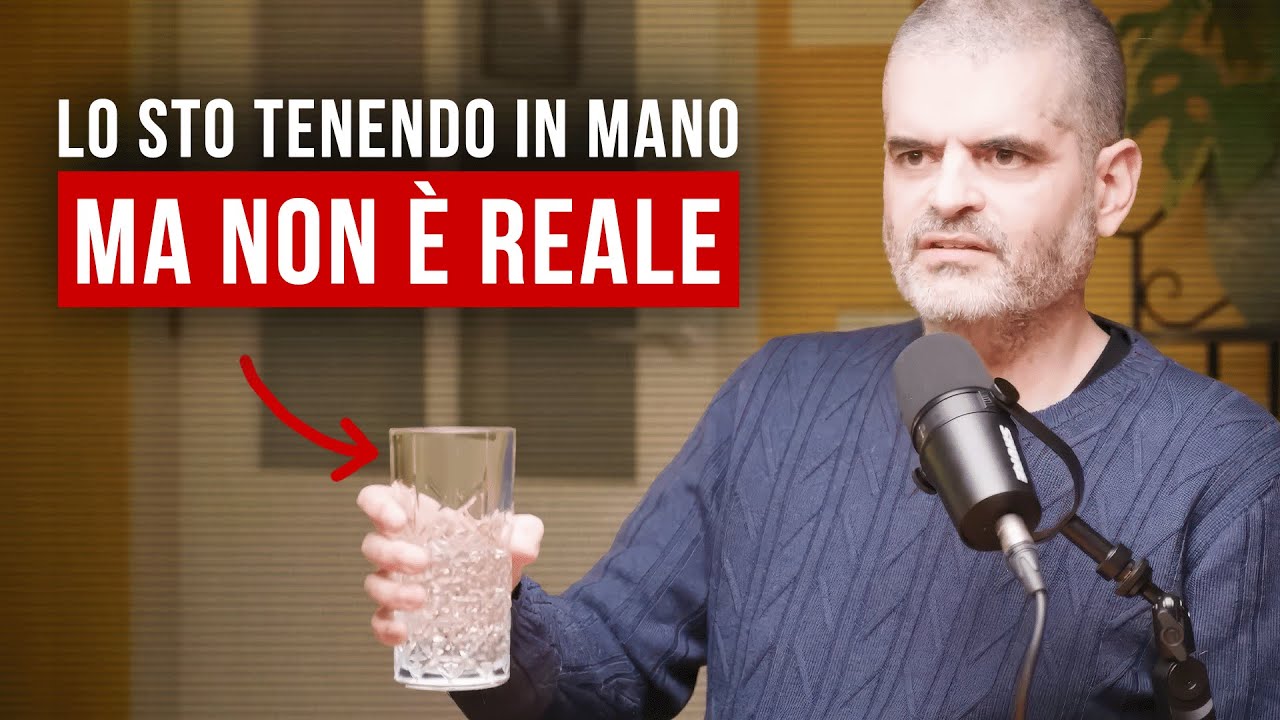
[Music] one objection to pan psychism that I wanted to raise in my mind it's analogous to the interaction problem with dualism where just to to remind our listeners into this problem of how the immaterial interacts with the material how is it that the mentality of these microscopic particles the fundamental physical constituents of the world combine to create this unified sense of Consciousness in me what is the interaction here that makes that gives me a unified sense of Consciousness but doesn't give uh the mug that you raised and pointed to earlier a sense of Consciousness good so when you said interaction problem I was thinking you were going to say how does the Consciousness at the level of articles interact with the physical stuff and if you'd have said that I I would say well that's a dualistic inter quite common dualistic interpretation of pans sism where you've got you know the physical properties of the particles mass and spin and charge and then these weird Consciousness properties how do they how do they interact Sabine husten Felder had a blog post a few years ago you know raising this objection to pans ISM saying you know this would show up in our physics as if as well as their physical properties um particles had these weird non-physical Consciousness properties but that's not the view as I said earlier the view is that that there is the Consciousness the fundamental Consciousness underlies the mathematical structures of physics so we can keep the standard model of particle physics exactly as it is those those beautiful mathematical structures physics gives us we just say look there's this other layer underneath that story okay so if there was an interact I think that would fit more with what yeah Mak sense to me to call an interaction problem but you did raise um what is generally seen as the biggest challenge ofan psychism commonly referred to as the combination problem okay we postulate these little conscious things how do they come together to make our Consciousness or the consciousness of other animals you know that's what we ultimately want to explain so this is you know this is a very serious issue that the energies of the Contemporary psychist research program are focused on um and there you know there are lots of interesting proposals and it's and it's very early days I mean we could talk through some of the options um I suppose to to my mind even if at the end of the day I guess I'm I guess I'm more and more sympathetic to well let let me rephrase that even if at the end of the day we we have to just add we just have to take this as primitive we just have to say look it's just a primitive fact about conscious particles that they in certain circumstances they combine into unified conscious holes and it's a scientific question when that happens but even let's say at the end of the day we just have to take that as a brute as a brute extra fact well I still think pans psychism is a very attractive Theory why because I think its Central explanatory Advantage is its capacity to explain physical reality in terms of Consciousness and thus to bottom out in a very simple parsimonious Theory reality right we said that's ultimately what we want we want to explain everything in in terms of one kind of fundamental stuff the physicalist tries to reduce everything to physical stuff I don't think they succeed at that but the pans psychist shows us how to reduce everything to Consciousness and I think they have shown us how to do that now if they can also explain our Consciousness in terms of combinations of conscious particles fantastic that's a bonus but even if they can't do that even if there's just an extra primitive there still their Theory only commits to one fundamental kind of property or stuff Consciousness stuff and I think is is very simple in that in that regard so I still as so I think you know there's lots to say about the combination problem but you know even if we that never gets solved in a satisfactory way I still think psychism is superior to those two traditional Rivals [Music]
Up Next

101:24
Best Case for the Existence of the Soul | JP Moreland
@SeanMcDowell
81.5K views•2023-09-18

164:01
John of Damascus on Holy Images: A Theological Defense
@BannedBooks
139 views•2026-04-25

68:32
Should We Destroy the Machines? Big Tech Surveillance Critique
@TheStoriesWeTell303
167.9K views•2025-11-30
4:57
The Myth of Sisyphus: A Greek Legend of Eternal Punishment
@TEDEd
8.6M views•2018-11-13
Related Study Plans & Knowledge Roadmaps
Structured learning paths in Philosophy
philosophy
Frankfurt School: Critical Theory & Culture
01Foundations of the Frankfurt School and Critical Theory
02Horkheimer & Adorno: The Critique of Instrumental Reason
03The Culture Industry and Mass Deception
+ 2 more learning modules
12h5 modules
Explore Roadmap
philosophy
Philosophy of Language: From Frege to Austin
01The Linguistic Turn: An Introduction to Language in Philosophy
02Gottlob Frege: Sense and Reference
03Early Wittgenstein: The Picture Theory of Meaning
+ 3 more learning modules
15h6 modules
Explore Roadmap
philosophy
Feminist Epistemology: Standpoint & Injustice
01Introduction to Epistemology and Feminist Critiques
02Sandra Harding and Standpoint Theory
03Donna Haraway and Situated Knowledges
+ 2 more learning modules
12h5 modules
Explore Roadmap
philosophy
Environmental Philosophy: Ethics & Deep Ecology
01Foundations of Environmental Ethics & Anthropocentrism
02Biocentric Individualism and Animal Liberation
03Ecocentric Holism and Deep Ecology
+ 1 more learning modules
10h4 modules
Explore Roadmap